Annual flowers grow from seed to bloom in a single season, and with the right timing, soil prep, and a little attention to light and water, almost anyone can pull it off. The basic path is this: figure out your last frost date, start slow-growing annuals indoors 6 to 10 weeks before that date, direct sow fast-growing types once the soil warms up, and keep conditions right through germination and early growth. Most popular annuals, including marigolds, zinnias, cosmos, snapdragons, and poppies, are genuinely beginner-friendly once you understand why things go wrong and how to prevent them.
How to Grow Annual Flowers: Step-by-Step From Seed to Bloom
James Holloway
5 Jun 2026
Choosing the right annual flowers and where they'll grow
Before you buy a single seed packet, think about your space and light situation honestly. Most annual flowers want full sun, meaning at least 6 hours of direct sunlight per day, and many want closer to 8. Petunias are a good example: too much shade and they get sparse, stretched, and stingy with blooms. Zinnias, marigolds, and cosmos are the same way. If your space is shadier, look for annuals like impatiens, torenia, or nicotiana, which are genuinely more tolerant of lower light.
For beginners, I always recommend starting with a short list of proven performers. Marigolds are nearly foolproof, germinate fast, and bloom for months. If you want to grow wallflowers too, they follow similar timing and early-care ideas, but you should start them based on the right cool-season window for your area. Zinnias go from seed to flower in about 8 weeks. Cosmos are tall, dramatic, and will reseed themselves if you let them. Snapdragons are slightly more demanding but rewarding, especially for cut flowers. Poppies are a special case: Utah State University Extension notes they can take up to 5 months from seed to maturity, so you need to sow them early, often while there's still frost risk, since they actually prefer cool conditions for germination.
For where they'll grow: most annuals do perfectly well in both ground beds and containers. The key container limitation is size. A 1-gallon pot is fine for small annuals like alyssum or compact marigolds, but a larger cutting-garden annual like a tall zinnia or snapdragon really wants a 2-gallon container or bigger so the roots have room and the plant doesn't dry out between waterings every single day.
| Annual Flower | Best Use | Sun Needed | Weeks Seed to Bloom | Start Indoors or Direct Sow |
|---|---|---|---|---|
| Marigold | Beds, containers, borders | Full sun | 8–10 | Either |
| Zinnia | Cutting garden, beds | Full sun | 8–10 | Direct sow |
| Cosmos | Back of border, cutting garden | Full sun | 7–9 | Direct sow |
| Snapdragon | Cutting garden, cool-season beds | Full sun | 12–16 | Start indoors |
| Annual Poppy | Beds, cottage garden | Full sun | Up to 5 months | Direct sow (early, in cool soil) |
| Petunia | Containers, hanging baskets | Full sun | 10–12 | Start indoors |
| Wildflower mix | Large beds, naturalizing | Full sun to part shade | Varies by mix | Direct sow |
Seed starting vs direct sowing: timing, depth, and setup
This is where most beginners get confused, so let's make it simple. Some annuals need a long head start indoors because they take too long to bloom if you wait for outdoor conditions. Snapdragons, petunias, and slow-maturing varieties fall into this category. Others, like zinnias, cosmos, sunflowers, and poppies, either resent being transplanted or grow so fast that starting them indoors just creates extra work with no benefit.
Finding your last frost date
Everything in annual timing revolves around your average last spring frost date. The Old Farmer's Almanac has a frost date calculator where you enter your ZIP code and it gives you the estimated date based on a nearby weather station. For 2026, they've also published a Last Frost Date Map showing whether your area is running earlier or later than the long-term average. Look this up before you plan anything. Once you know your date, work backwards.
Starting seeds indoors
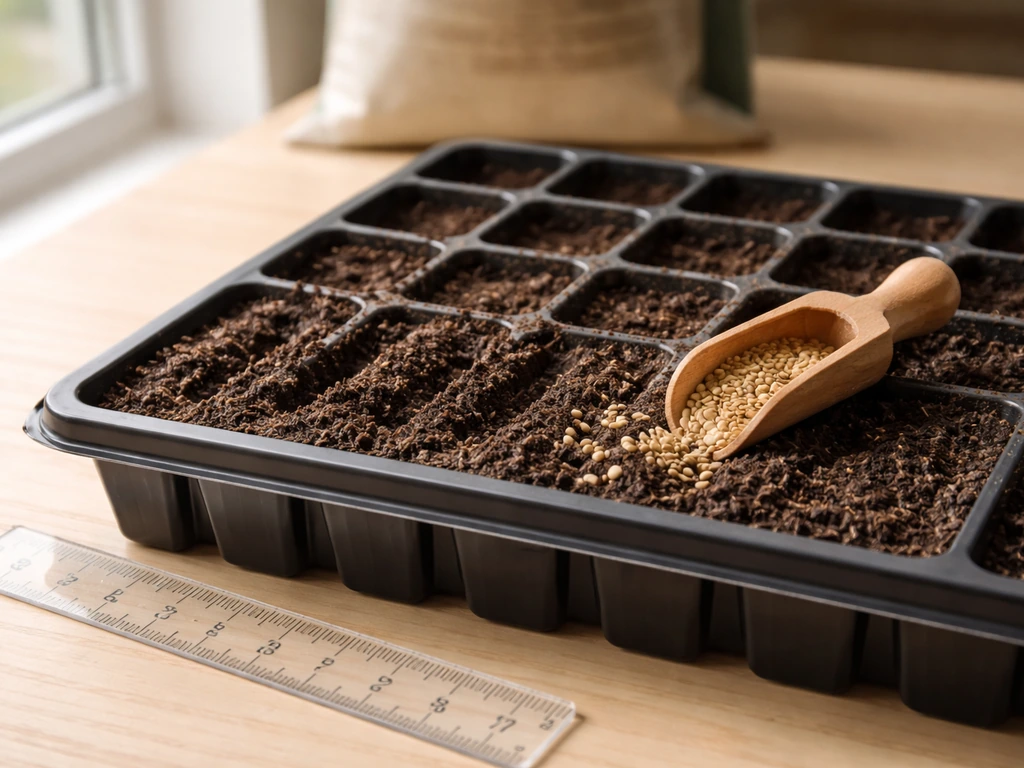
For annuals that benefit from an indoor start, count back 6 to 10 weeks from your last frost date. Snapdragons want 10 to 12 weeks; petunias need about 10 weeks; marigolds are fine with just 6 to 8 weeks. Use dedicated seed-starting mix, never garden soil or recycled potting mix, and always use clean trays. University of Minnesota Extension is firm on this: don't reuse potting mix and don't use garden soil or compost in seed-starting trays, because those introduce the pathogens that cause damping-off.
Sowing depth matters. Most annual seeds want to be covered to about twice their diameter, but some need light to germinate at all. Snapdragons are a well-known example: Johnny's Selected Seeds instructs you to press the tiny seeds into the surface and cover just barely enough to hold them in place, since light is required for germination. When in doubt, check your seed packet. A useful general tip from Penn State Extension is to top the surface of your seed tray with a thin layer of vermiculite, about a quarter inch, to prevent the surface from crusting and blocking seedling emergence.
Direct sowing outdoors
For direct-sow annuals, timing depends on whether the flower is hardy (tolerates frost), half-hardy (handles light frost), or tender (needs warm soil). Hardy annuals like poppies and larkspur can go in weeks before your last frost date; poppies in particular prefer cold stratification and can be scattered on snow. Tender annuals like zinnias, marigolds, and cosmos should wait until soil temperatures are consistently at least 60°F, which usually falls a week or two after your last frost date. Sow at the depth listed on your seed packet and keep the surface consistently moist until germination.
Prepping your soil, beds, or containers
Annual flowers are not heavy feeders, but they do need loose, well-draining soil with decent organic matter. For ground beds, work in 2 to 3 inches of compost before planting and break up any compaction so roots can spread easily. Annuals struggle in waterlogged soil, so if your garden has clay that holds water, raise the bed by even 4 to 6 inches or add grit and organic matter to improve drainage.
For containers, use fresh potting mix every season. University of Georgia Extension emphasizes drainage as the single most important container factor: every pot needs drainage holes, and you should never let annuals sit in a saucer of standing water. Choose containers appropriate to your plant's mature size. A compact petunia can manage in a 1-gallon pot, but a tall cutting zinnia or snapdragon will thank you for a 2-gallon or larger container. Bigger containers also dry out more slowly, which makes your life easier during summer heat.
One thing I've learned the hard way: get your beds and containers ready before your seedlings are ready to go out. It sounds obvious, but nothing is more stressful than having trays of hardened-off seedlings sitting on your steps while you're still digging compost into a bed.
Light, watering, and fertilizing from germination through bloom
Light requirements
For indoor seedlings, a sunny south-facing windowsill sounds like enough but usually isn't, especially in late winter and early spring when daylight is short. Grow lights are the reliable fix. Aim for 14 to 16 hours of light per day for most annual seedlings; University of Minnesota Extension recommends up to 16 to 18 hours daily for petunias. University of Minnesota Extension also recommends spacing petunia seedlings and grow lights about 4 to 6 inches apart. Keep the lights 4 to 6 inches above the tops of seedlings and raise them as plants grow. A timer makes this effortless. Once seedlings go outdoors, most annuals want that full sun exposure to produce strong stems and abundant blooms.
Watering
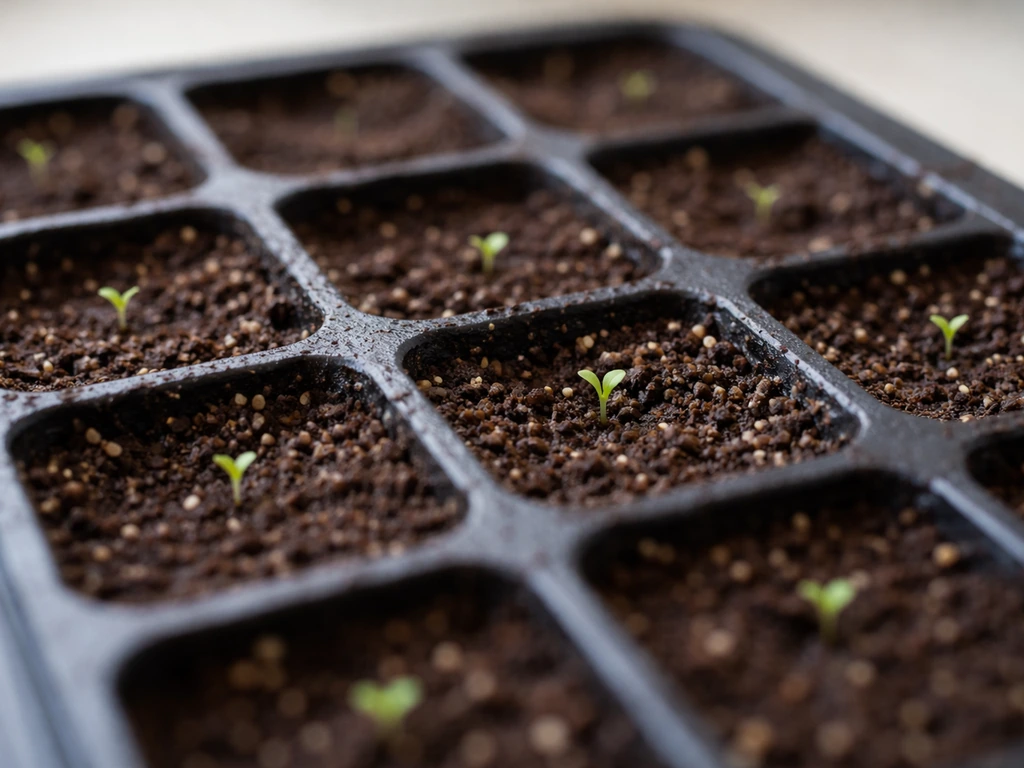
For germinating seeds, the goal is consistently moist, not soggy. Dry soil kills germinating seeds; sitting in water invites damping-off fungi. Utah State University Extension specifically cautions against both extremes: don't let seedlings dry out completely, but also don't let them sit in standing water for days. A spray bottle or gentle watering wand works better than a heavy pour. Once seedlings are established, water at the base rather than overhead, as wet foliage encourages disease. Outdoors, most annuals need about an inch of water per week, more in containers since they dry out faster.
Fertilizing
Don't fertilize seedlings in their first few weeks. Seed-starting mix has minimal nutrients intentionally, and pushing tiny seedlings with fertilizer early on can cause more harm than good. Once seedlings show their first true leaves (the second set, not the initial seed leaves), you can begin a diluted liquid fertilizer at half strength, once a week. After transplanting into beds or containers, switch to a balanced fertilizer, something like a 10-10-10 or a bloom-booster formula once buds start forming. For containers especially, regular feeding matters more than in beds because nutrients leach out every time you water.
Transplanting and getting seedlings established outside
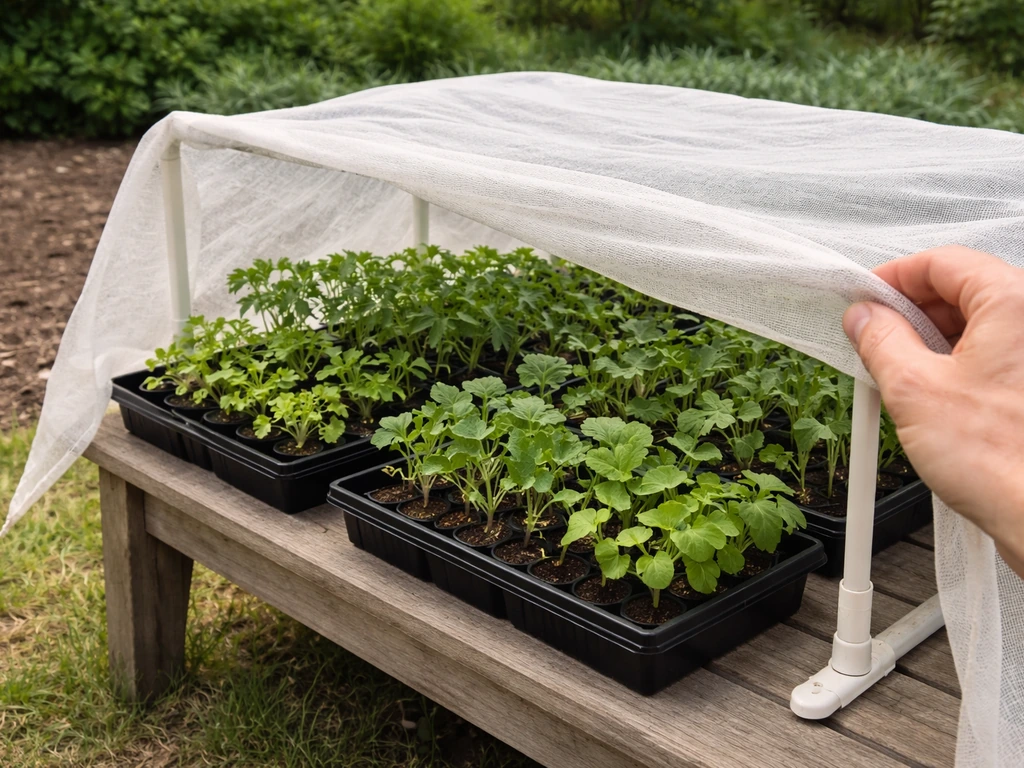
Hardening off is the step most beginners skip, and it's usually why transplanted seedlings wilt, stall, or die. Seedlings grown indoors have thin, soft tissue that isn't adapted to outdoor conditions: wind, direct sun, temperature swings, and lower humidity. Hardening off gradually introduces them to those conditions over 7 to 10 days. The Old Farmer's Almanac recommends starting this process about 7 to 10 days before your planned transplant date. Utah State University Extension adds the science: hardening thickens the leaf cuticle and builds up carbohydrates in the plant, which directly improves transplant survival rates.
Here's how I do it: on day one, put seedlings outside in a sheltered, shaded spot for an hour, then bring them back in. Each day, add about an hour and gradually move them into more sun. By day seven or eight, they should be able to handle a full sunny day outside. After that, they're ready to go in the ground or into their outdoor containers. Transplant in the late afternoon or on a cloudy day to reduce stress, water in well, and check soil moisture daily for the first week.
Spacing matters for annuals in beds. Crowded plants compete for light, hold moisture between leaves, and are more susceptible to fungal disease. For small cutting-garden annuals, a spacing of 6 to 9 inches between rows and 12 to 18 inches between plants gives good airflow and reduces disease pressure. Check your seed packet for the specific recommendation, but when in doubt, give them a little more room than you think they need.
Troubleshooting common problems
Poor or no germination
If seeds aren't germinating, the most common culprits are soil temperature, moisture, or seed depth. Most annuals germinate best at 65 to 75°F. Cold soil slows or stops germination entirely. A heat mat under your trays is a game-changer for indoor starting in early spring. Check whether your seeds need light (like snapdragons) and make sure you haven't buried them too deep. Old seeds can also be the problem: most annual flower seeds stay viable for 2 to 3 years if stored in a cool, dry place, but older seeds have lower germination rates.
Damping-off
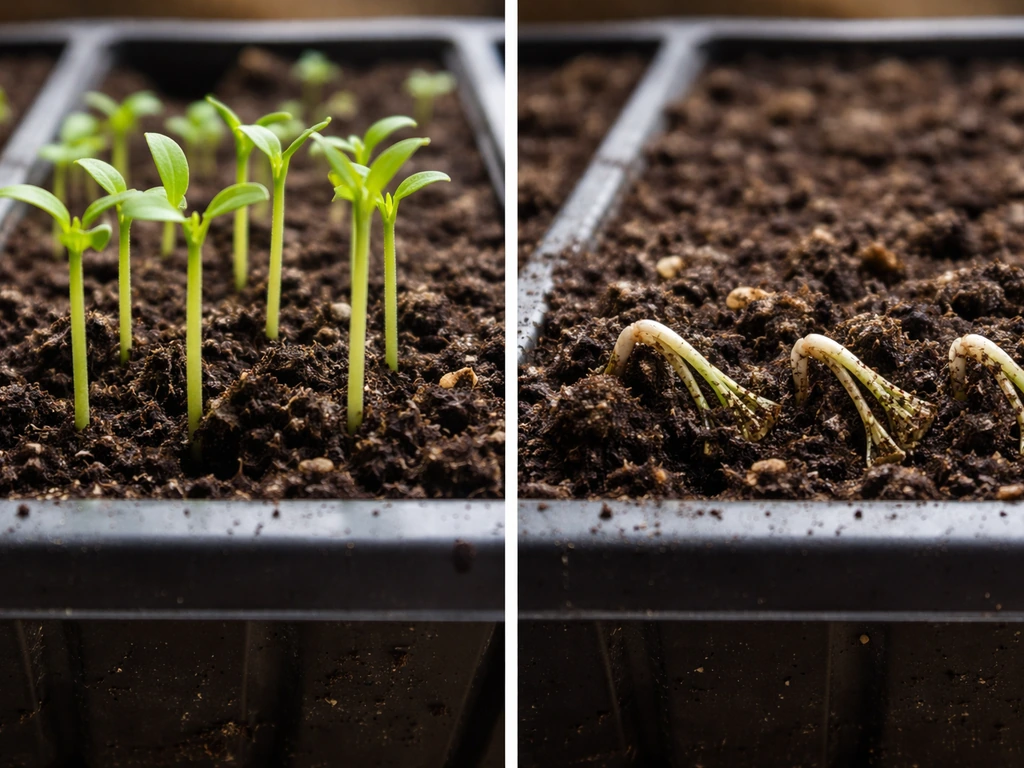
Damping-off is one of the most disheartening things to happen in seed starting. Seedlings emerge looking healthy, then suddenly collapse at the soil line like they've been cut. It's caused by fungal pathogens that thrive in cool, wet, overcrowded conditions. Penn State Extension notes that the classic setup for damping-off is cool soil before germination followed by warm, moist conditions after emergence, combined with dense seeding. The frustrating part is that once it hits, the affected seedlings don't recover. Prevention is everything: use sterile seed-starting mix (never garden soil or reused mix), use clean trays, water with clean tap water not pond or collected runoff, avoid overcrowding, and make sure there's airflow around seedlings. Thin to one seedling per cell as soon as the first true leaves appear.
Leggy seedlings
Leggy seedlings, the ones that look tall, pale, and floppy, are almost always caused by insufficient light. The plant is stretching toward whatever light source it has. The fix is more light, closer to the plant. Move seedlings to a brighter window or lower your grow lights to 4 to 6 inches above the seedling tops. Run lights 14 to 16 hours per day. If seedlings are already leggy, you can bury the extra stem length deeper when transplanting (this works especially well for marigolds and zinnias), but it's better to prevent it in the first place.
Transplant shock
Skipping or rushing the hardening-off process is the main cause. Wilting, leaf scorch, or a prolonged growth stall after transplanting are all signs the plant was hit too hard by the transition. If this happens, give extra shade and water for a few days while the plant recovers. It'll usually come back. Going forward, allow the full 7 to 10 days of hardening off and transplant during cooler parts of the day.
Pests and disease in established plants
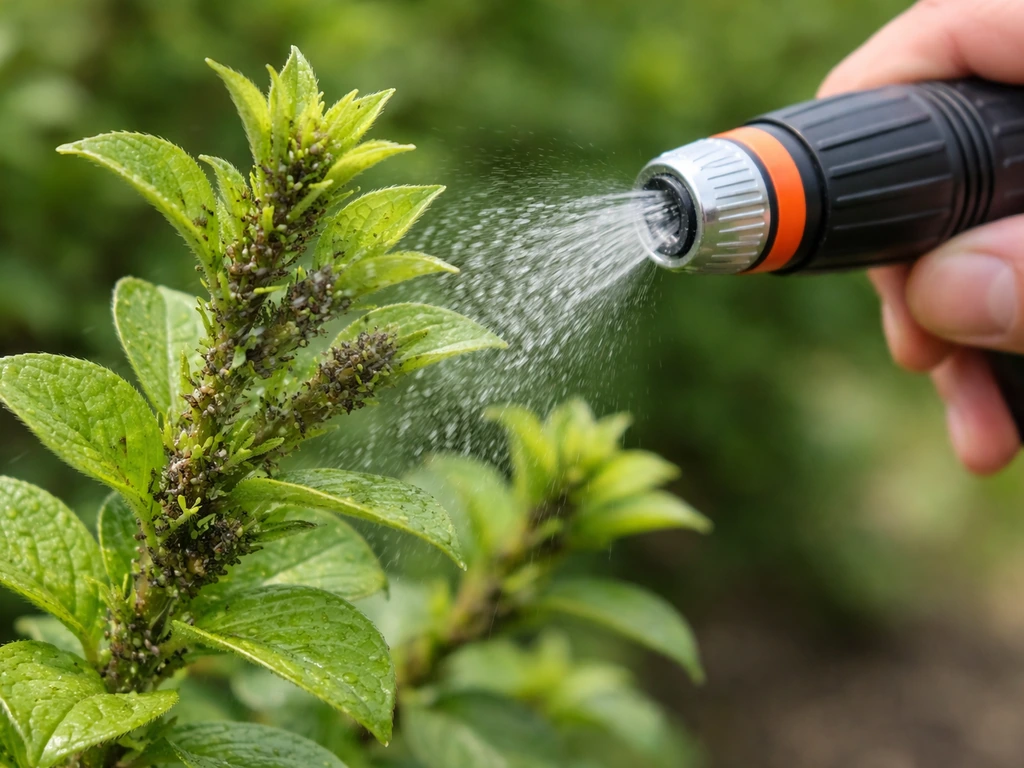
Aphids are the most common pest on annual flowers, clustering on soft new growth. A strong spray of water knocks most of them off; persistent infestations respond well to insecticidal soap. Powdery mildew shows up as a white dusty coating on leaves, usually in humid weather with poor airflow. Good spacing between plants, as mentioned above, goes a long way toward preventing it. Slugs target seedlings and young transplants, especially in cool, wet weather. Iron phosphate slug bait is effective and safer around pets and wildlife than older options.
A practical week-by-week plan from planting to first bloom
This plan is built around a last frost date of May 15, which is typical for USDA Hardiness Zones 5 to 6. Adjust the dates forward or back based on your own frost date. The variety examples show how different annuals fit into the same timeline.
| Timeframe | What to Do | Variety Examples |
|---|---|---|
| 10–12 weeks before last frost (late Feb/early March) | Start snapdragons and petunias indoors in sterile seed-starting mix. Provide heat mat (65–70°F), keep surface moist, use grow lights 14–16 hrs/day. | Snapdragon, Petunia |
| 8–10 weeks before last frost (early-to-mid March) | Start marigolds and zinnias indoors if desired. Sow poppies directly outdoors now — they prefer cold soil for germination. | Marigold, Poppy (direct sow) |
| 6–8 weeks before last frost (late March/early April) | Thin indoor seedlings to one per cell. Begin diluted fertilizer once true leaves appear. Check for leggy growth; lower lights if needed. | All indoor starts |
| 4–5 weeks before last frost (mid-to-late April) | Begin hardening off snapdragons and petunias (7–10 days of gradual outdoor exposure). Prep beds and containers with fresh compost or potting mix. | Snapdragon, Petunia |
| 1–2 weeks before last frost (early May) | Transplant hardened snapdragons outdoors — they tolerate light frost. Continue hardening off marigolds and other tender annuals. | Snapdragon |
| At/just after last frost (mid-May) | Direct sow cosmos, zinnias, and wildflower mixes directly into prepared beds once soil hits 60°F. Transplant remaining tender annuals outdoors. | Zinnia, Cosmos, Marigold, Wildflower mix |
| Weeks 1–3 after transplant/direct sow | Water consistently, check daily for pest damage or slug activity, continue feeding transplants with balanced fertilizer weekly. | All |
| Weeks 4–6 after transplant | Pinch back snapdragons and petunias to encourage branching. Thin direct-sown cosmos and zinnias to proper spacing. | Snapdragon, Petunia, Zinnia, Cosmos |
| Weeks 6–10 after transplant | First blooms begin. Deadhead spent flowers regularly to extend bloom time. Begin bloom-booster fertilizer for containers. | All varieties |
| Ongoing through summer/fall | Keep deadheading, watering, and feeding. Poppies will finish early; let them set seed or pull and replace with a summer annual. | All varieties |
If you're growing in containers rather than beds, the timeline is the same but your watering and feeding frequency goes up, especially once temperatures climb in July and August. Containers can need daily watering in heat, and the nutrients flush out faster than in the ground.
One thing worth knowing: growing annual flowers opens up a lot of creative possibilities beyond just ground beds. You can apply the same light, timing, and spacing tips to learn how to grow flowers up a wall, using sturdy supports and the right containers or trellises. The same plants that thrive in a garden border can do wonderfully in other settings, whether that's a cutting garden arranged in rows, a window box, or even a repurposed container. If you want to get creative, you can also grow annual flowers in plastic bottles by preparing drainage holes and treating them like other small containers. Once you've got the fundamentals down, it's easy to experiment with different growing setups and still apply the same core principles of light, timing, and moisture management. You can even adapt these same basics to how to grow flowers in glass jars by using a jar with proper drainage and maintaining consistent light and moisture.
The most important thing is to just start. Look up your last frost date today, grab a few seed packets of something you love, and give it a go. Marigolds are my standing recommendation for first-timers because they're tough, fast, and genuinely hard to kill. Even if something goes wrong this season, you'll know exactly what to fix next year, and that's really how every experienced flower grower learned.
FAQ
What should I do if I have too much cool weather, and my seedlings keep growing slowly indoors?
Treat slow growth as a light issue first. If your seedlings are not getting enough intensity, they will stall even if the temperature is fine, raise grow lights closer (about 4 inches), and keep a consistent day length using a timer (14 to 16 hours for most annuals, longer for petunias). Also avoid fertilizing early, because seed-starting mix is low nutrient by design.
Can I speed up annual flower growth by starting seeds earlier than the last frost date?
You can, but it often backfires because seedlings outgrow their containers indoors. If you start too early, you risk cramped roots and weak, leggy plants that struggle to recover after transplanting. A practical guardrail is to follow the 6 to 10 week indoor window for most annuals, then move up only by the smallest amount needed if you have strong lighting and enough space.
How do I know whether my annual seeds need light or darkness to germinate?
Check the seed packet, because “most seeds” guidance is not reliable for annuals. Snapdragons and some other tiny seeds need light, so covering them deeper than recommended can stop germination. If the packet is unclear, run a small test batch in parallel with your main sowing and keep the surface treatment consistent.
What’s the best way to water while seeds are germinating without washing them out or soaking them?
Use gentle moisture methods, a spray bottle or a bottom-water tray approach, and aim for consistently moist not wet. Heavy pouring can dislodge seeds and bury light-required seeds. If you see a crust forming on the surface, mist lightly more often instead of increasing volume, vermiculite top-dressing can also help.
Why do my seedlings look fine after germination but collapse later (damping-off)?
It usually comes from the combination of overly wet conditions, low airflow, and cool periods after emergence. Make sure you never use garden soil or reused potting mix, thin to one seedling per cell as soon as true leaves appear, and keep air moving gently around the tray. If you lose seedlings repeatedly, reassess watering frequency before changing anything else.
How close can I plant annuals without inviting disease and poor blooms?
When in doubt, give extra space, airflow matters more than maximum density. If you notice plants staying wet longer, or leaves touching and overlapping, spacing is too tight. Use the seed packet recommendation first, then lean wider rather than narrower, especially for powdery mildew-prone types.
My seedlings are leggy, can I fix them, and when is the right time?
Yes, transplant-time burying is a common fix, but it’s not a substitute for proper lighting. If plants are already stretched, bury the stem deeper when transplanting (works well for marigolds and zinnias), then immediately increase light intensity and lower lights to keep new growth compact.
Should I fertilize right after transplanting into beds or containers?
Usually wait until the plants show they are actively growing again, especially if they look stressed for a few days. In the first true growth phase after transplanting, switch to a balanced fertilizer (and for containers, plan for more frequent feeding because nutrients leach faster). Avoid “feeding through wilting,” let them recover from the transplant stress first.
What’s the safest way to harden off if nights are still cold or windy?
Harden off gradually and use protection when conditions are harsh. On cold or windy nights, bring seedlings inside or cover them with a breathable cloth, then resume outdoor exposure the next day. The goal is gradual adaptation over 7 to 10 days, not forcing full exposure immediately.
Can I transplant annual seedlings in the rain or heat?
Aim for cooler conditions, late afternoon or a cloudy day reduces shock. In steady heat, seedlings lose water faster and wilt more even with watering. If rain is heavy or the ground stays soggy, delay until the soil is workable so roots do not sit in waterlogged conditions.
How do I choose the right container size if I’m not sure of the mature plant height?
Use the mature size listed on the seed packet and size up for safety. A good rule from practical experience is small annuals can work in about a 1-gallon pot, but taller zinnias or snapdragons generally need 2 gallons or more to avoid rapid drying and to support root mass for strong blooms.
What’s the quickest diagnostic if my annuals germinate poorly?
Check three variables in order: soil temperature, sowing depth, and seed age. Most annuals germinate best around 65 to 75°F, buried too deep can prevent emergence for light-required seeds, and older seeds often germinate weakly even when moisture and temperature are correct.
How can I reduce pests without overusing chemicals on annuals?
Start with mechanical controls, a firm spray of water knocks many aphids off, and insecticidal soap helps when infestations persist. For slug issues, use iron phosphate bait early when you first see damage, and improve conditions by not keeping seedlings overly wet and crowded.
Do annual flowers need deadheading to bloom longer, and does it change timing?
Many do, especially those that produce multiple flushes. If you deadhead spent blooms, plants redirect energy into new flowers rather than seed production. If you want reseeding (for example, cosmos), you can leave a portion of blooms to set seed and deadhead the rest to balance longevity and self-sowing.
Can I grow annual flowers the same way if I’m using raised beds or poor-draining soil?
The timeline stays similar, but drainage becomes more critical. Raised beds by even 4 to 6 inches can prevent waterlogging, and mixing in organic matter and grit improves root oxygen. Avoid planting too early in cold, wet ground, warm soil helps both germination and seedling establishment.
Next Articles
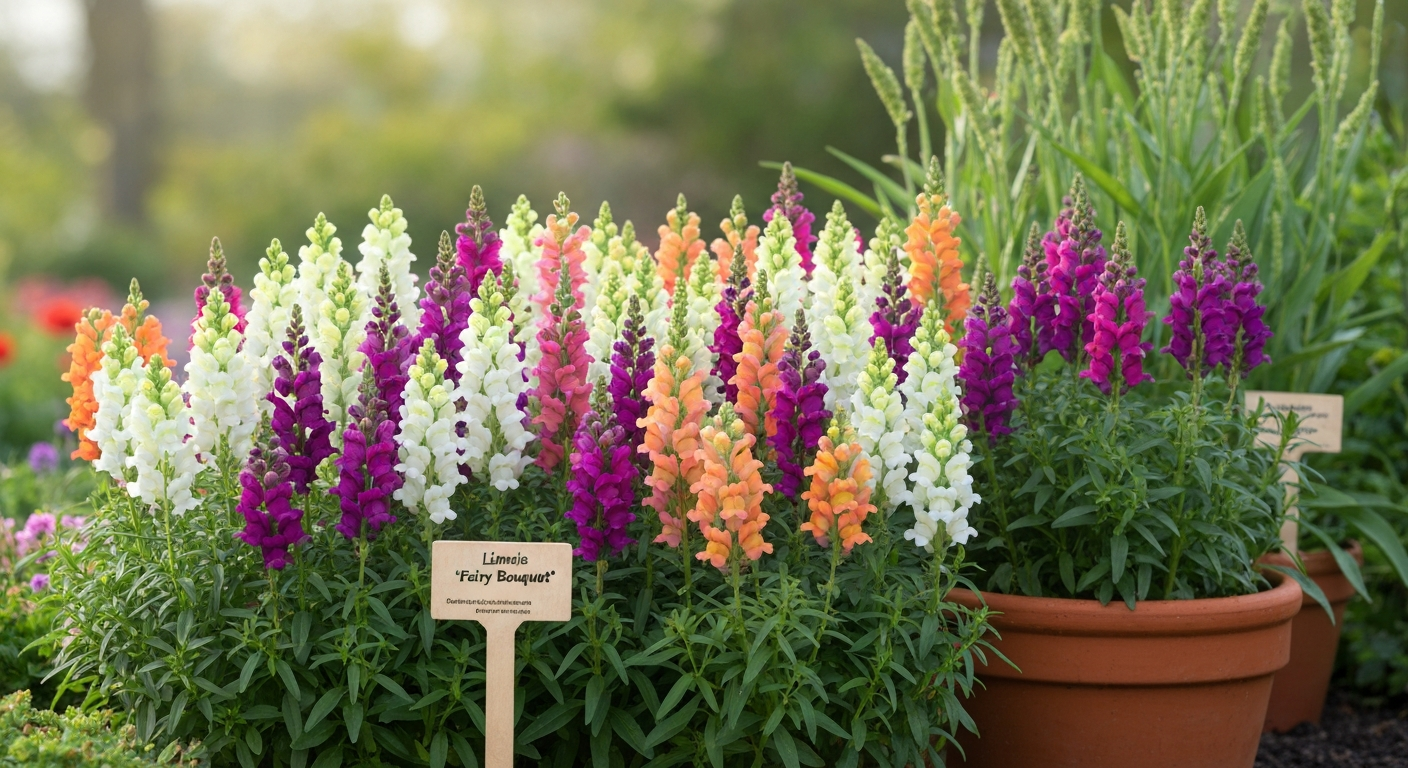
Linaria 'Fairy Bouquet' How to Grow: Seed to Cut Flowers
Grow Linaria 'Fairy Bouquet' from seed to vase: step‑by‑step sowing, care, cutting, seed saving & troubleshooting.
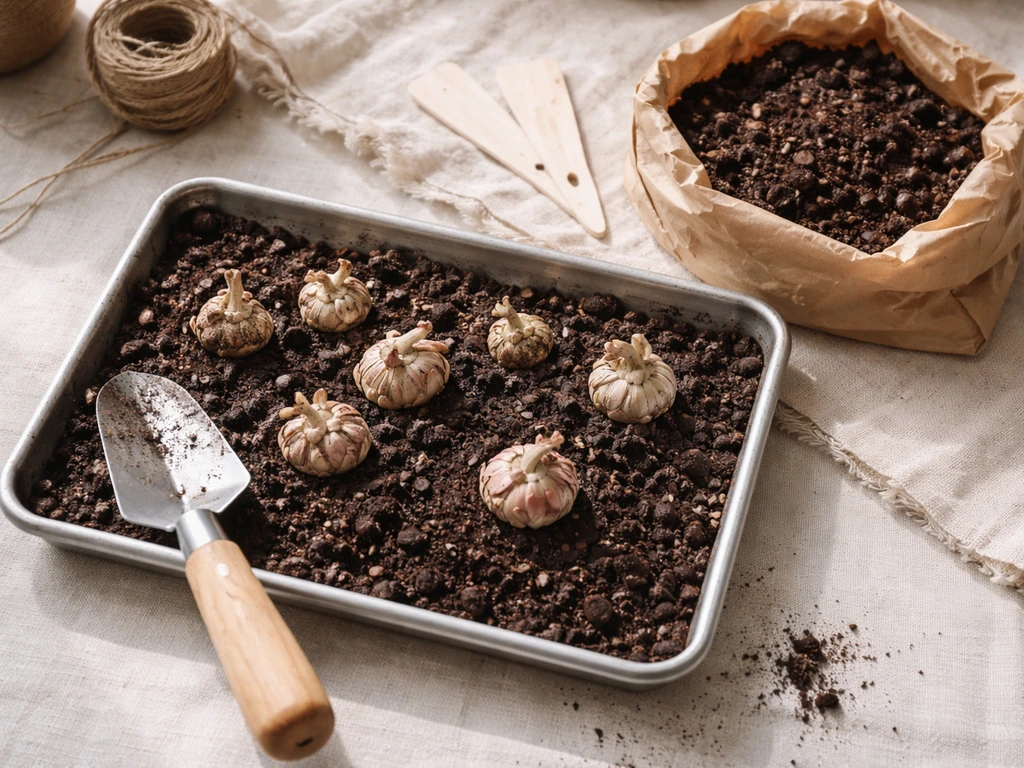
Floret How to Grow Ranunculus: Step-by-Step Guide
Step-by-step Floret-style ranunculus guide: corm prep, planting, watering, frost care, troubleshooting, and harvest for
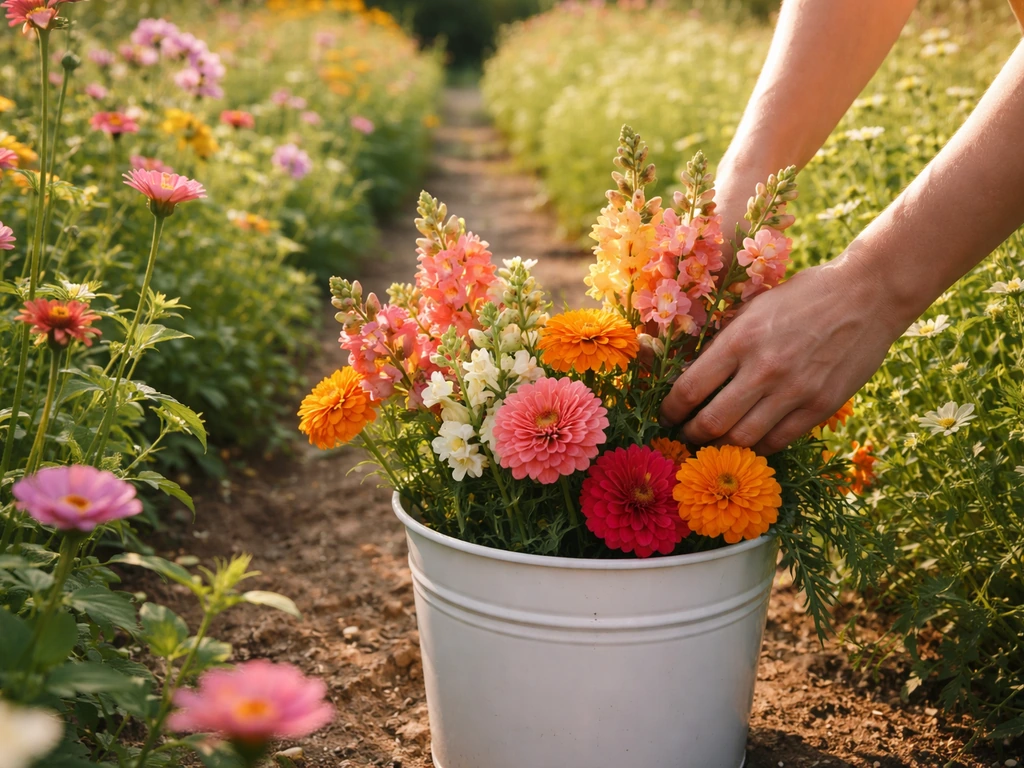
How to Grow Your Own Wedding Flowers Step by Step
Step-by-step guide to grow bouquet-ready wedding flowers, from planning and sowing dates to harvesting, conditioning, an