
Linaria 'Fairy Bouquet' is one of the easiest and most rewarding cool-season annuals you can grow from seed. Sow it directly into the garden 3 to 4 weeks before your last spring frost, barely pressing the tiny seeds onto the soil surface, and expect little snapdragon-like flower spikes in a mix of pastels and bold colours within about 8 to 10 weeks. Plants stay compact at 20 to 30 cm (8 to 12 inches) tall, which makes them perfect for borders, containers, and cutting. If you miss the spring window, a late-summer sow works just as well for a winter-to-spring display in milder climates.
Linaria 'Fairy Bouquet' How to Grow: Seed to Cut Flowers

James Holloway
25 Jul 2026
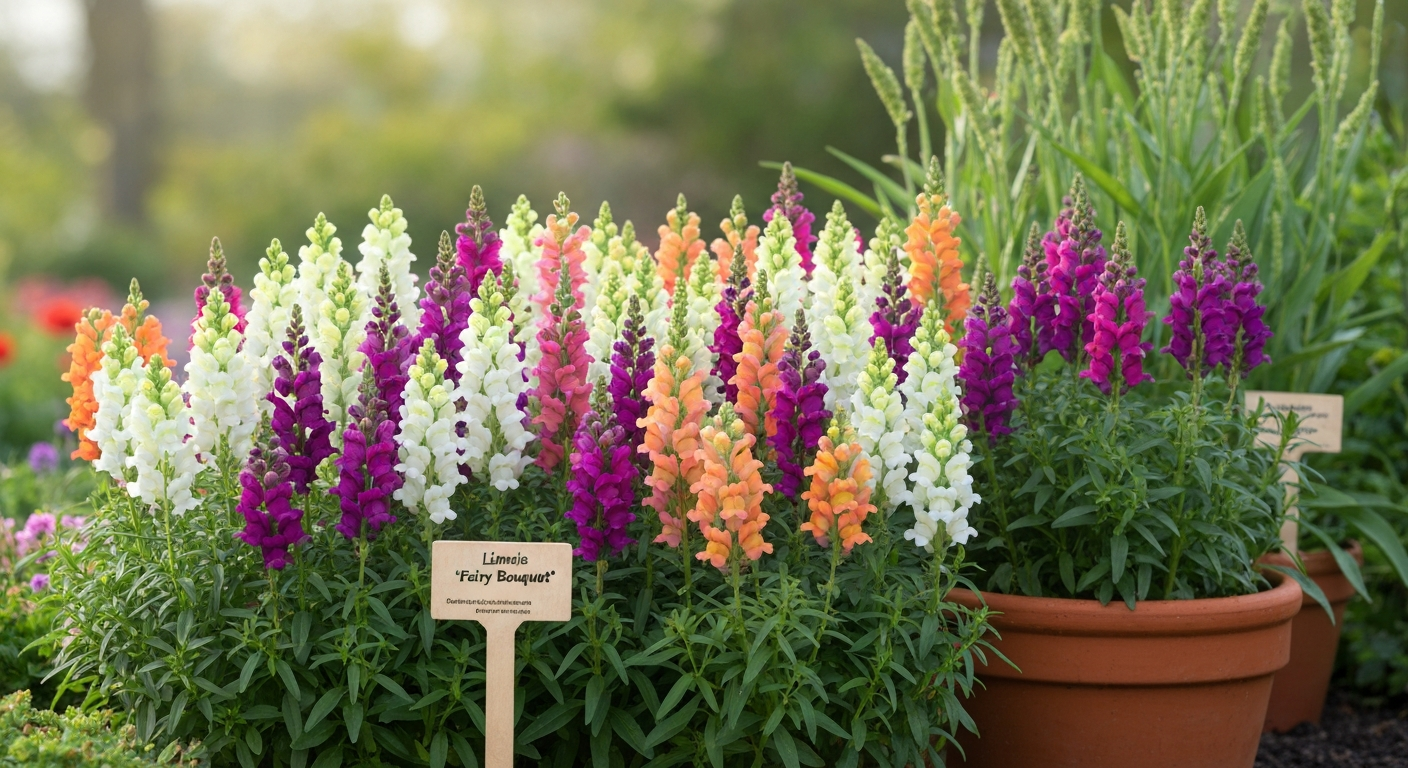
What Linaria 'Fairy Bouquet' actually is, and why it's worth growing
Linaria 'Fairy Bouquet' (Linaria maroccana) is a dwarf, bushy annual that produces dense upright spikes covered in flowers that look exactly like miniature snapdragons. The cultivar group holds an RHS Award of Garden Merit, which tells you something: it consistently performs across a wide range of temperate gardens. Plants typically reach 20 to 30 cm (8 to 12 inches) high with a spread of around 15 to 20 cm (6 to 8 inches), and the colour range is genuinely impressive, creamy whites, soft pinks, vivid magentas, purples, oranges, and bicolours all in one packet.
In borders, a mass planting of Fairy Bouquet creates a low, tapestry-like carpet that looks great at the front of a bed or tucked between taller perennials. In containers, the upright habit gives structure without taking over. And if you grow flowers for cutting, Linaria is a charming addition to small arrangements and posies, the spikes add a vertical, airy texture that's hard to replicate with larger flowers. For practical advice on using Linaria in wedding arrangements and bouquets, see how to grow bridal bouquet plant. I grow it every spring both for the garden and for cutting, and it reliably delivers from late April through June before the summer heat winds it down.
Growing from seed vs. trying to regrow stems from a bought bouquet
If you've received a bouquet that includes Linaria stems and you're wondering whether you can root them and grow new plants, the honest answer is: probably not in any practical sense. For general guidance on attempting to grow plants from florist stems, see our guide on how to grow store bought flowers for practical tips and alternatives. For a practical guide on attempting to root and regrow cut stems, see our article on how to grow flowers from a bouquet. Linaria stems are soft, annual, and not reliably rootable once they've been cut and conditioned for a vase. Unlike woody herbs or shrubby perennials, there's no established technique for rooting Linaria cuttings from florist stems, and the cut ends will typically rot before roots form. I've tried this myself, and the success rate was close to zero. For methods on attempting to root cut stems and which species are suitable, see our guide on how to grow plants from bouquet.
If you're interested in growing plants from bouquet stems in general, that works far better with certain other flowers, but Linaria is genuinely a seed crop. The good news is that seeds are inexpensive, widely available, and extremely easy to work with. Growing from seed is the right path here, and once you do it once you'll probably wonder why you ever tried anything else. If you want to save seed from your own plants at the end of the season, Linaria does that beautifully too, which I'll cover later.
What you'll need and when to act: a quick-start checklist
Before getting into the step-by-step process, here's what you actually need to have on hand. Nothing on this list is expensive or hard to find.
- Linaria 'Fairy Bouquet' seeds (check the packet date — fresh seed germinates far better)
- Fine, sterile seed-starting mix (peat-based or coco-coir-based with perlite)
- Seed trays or small pots with drainage holes (if starting indoors)
- A propagator lid or clear plastic wrap to retain moisture during germination
- A heat mat (optional but helpful for indoor starts)
- Grow lights or a very bright, south-facing windowsill
- Watering can with a fine rose or a misting bottle
- Well-drained, reasonably fertile garden soil or container compost
As for timing, here is the basic seed-to-bloom sequence so you know what you're committing to.
| Stage | Timeframe from sowing |
|---|---|
| Germination | 5 to 21 days (commonly 10 to 14 days) |
| First true leaves | 2 to 3 weeks after germination |
| Ready to pot on or transplant | 4 to 5 weeks after sowing |
| Hardening off (if indoor-started) | 7 to 14 days before planting out |
| First flowers outdoors | 8 to 10 weeks after sowing |
Choosing the right spot and containers
Linaria 'Fairy Bouquet' is a cool-season plant, and that shapes every decision about where to put it. It needs full sun to perform well, at least 6 hours of direct light per day. In a shadier spot, plants get leggy and flowering is sparse. However, in climates with hot summers, a spot that gets morning sun and some afternoon shade can actually extend the blooming period by keeping temperatures down.
Soil drainage is non-negotiable. Linaria will sulk or rot in waterlogged ground. It does fine in average to moderately fertile soil, you don't need rich, amended beds. In fact, overly fertile soil with too much nitrogen tends to produce lush foliage at the expense of flowers. A slightly sandy or loamy soil with good drainage is ideal. If your garden has heavy clay, either improve it with grit and compost or grow Linaria in containers where you control the mix.
For containers, a pot at least 20 to 25 cm (8 to 10 inches) in diameter works well for a small cluster. Use a free-draining potting mix and make sure the container has drainage holes. Terracotta pots are great because they're porous and help prevent waterlogging, but plastic pots work fine too as long as drainage is adequate. On a sunny patio or balcony, Fairy Bouquet in containers is genuinely lovely, and you can move it to a slightly cooler spot once temperatures start climbing in summer.
When to sow: direct sow vs. indoor starting by climate
The timing of your sow is probably the single most important decision you'll make. Get this right, and everything else tends to fall into place.
Direct sowing outdoors (the easiest approach)
For most gardeners in temperate climates (broadly USDA zones 3 to 7), direct sowing is the recommended first choice. Canada Plant Hardiness species profile records Linaria maroccana from hardiness zones 2b–9a, indicating occurrences across much of temperate Canada. Sow directly into the ground about 3 to 4 weeks before your average last spring frost date. Linaria tolerates light frost, and cool soil is actually fine for germination, it just may be slightly slower. Direct-sown plants often establish better than transplants because they don't go through the transplant shock process. In mild-winter climates (zones 8 to 9 or UK/coastal areas), sow in late summer or early autumn for bloom from late winter through spring.
Starting indoors for an earlier start
If you want to get a head start, or if your outdoor spring is short before heat sets in, start seeds indoors 6 to 8 weeks before your last frost date. I do this in years when I want plants in bloom for an early May event, you get a couple of extra weeks of flowering. The trade-off is that you need to harden off transplants carefully, and Linaria doesn't love being disturbed at the roots, so sowing into small individual cells or biodegradable pots minimises that risk. In cold frames, you can sow even earlier in late winter and simply open the frame on mild days.
| Climate / Zone | Direct sow timing | Indoor start timing |
|---|---|---|
| USDA zones 3–5 (cold winters) | 3–4 weeks before last frost (April–May) | 6–8 weeks before last frost (Feb–March) |
| USDA zones 6–7 (moderate winters) | 3–4 weeks before last frost (March–April) | 6–8 weeks before last frost (Jan–Feb) |
| USDA zones 8–9 / mild UK winters | Late August–October for winter/spring bloom | Not usually necessary |
| UK temperate (general) | March–April outdoors or in cold frame | February under lights indoors |
How to sow the seeds: step by step
This is where a lot of beginners go wrong, not because it's difficult but because Linaria seeds behave differently from larger seeds. They are tiny, and they need light to germinate, burying them even a few millimetres deep is enough to prevent them sprouting.
The right growing medium
Use a fine, sterile seed-starting mix rather than garden soil or standard potting compost. A classic recipe is roughly 50% peat moss and 50% perlite or vermiculite. If you prefer peat-free options (and many gardeners do now), swap the peat for coco coir, a ratio of 2 parts coco coir to 1 part perlite to 1 part vermiculite works very well. The key properties are fine texture, good moisture retention, and excellent aeration. Avoid anything chunky or bark-heavy, which will prevent tiny seedlings from rooting effectively.
The sowing process
- Fill your tray or pots with pre-moistened seed-starting mix, firming it lightly to leave a level surface about 1 cm below the rim.
- Mix the seeds with a small pinch of dry sand to help distribute them more evenly — Linaria seeds are almost dust-like and this prevents clumping.
- Scatter the seeds thinly across the surface. Do not cover them with more mix. Just press them gently into contact with the surface using a flat piece of card or your fingertips.
- Water very gently using a misting bottle or a watering can with the finest rose you have. You want the surface damp, not flooded.
- Cover the tray with a propagator lid or a piece of clear plastic to hold humidity. Place in a bright spot — a south-facing windowsill or under grow lights.
- Maintain a temperature of 20 to 25°C (68 to 77°F). A heat mat under the tray is helpful if your home is cool. Check daily and mist if the surface looks dry.
- Remove the cover once you see the first seedlings emerging, and move into your brightest available light.
Light, temperature, and germination expectations
Germination typically takes 5 to 21 days, with most seeds sprouting between 10 and 14 days under good conditions. If nothing has appeared by day 21, check the seed age and storage, old or poorly stored seeds are the most common culprit. Under grow lights, aim for 14 to 16 hours of light per day. Fluorescent tubes or LED grow lights work well; keep fluorescent lights about 5 to 10 cm (2 to 4 inches) above the seedlings and LEDs around 15 to 30 cm (6 to 12 inches) depending on output. This prevents the leggy stretching that happens when seedlings chase inadequate light.
What to do if germination is patchy or fails
Poor germination is almost always one of four problems: seeds sown too deeply, soil surface drying out between checks, temperatures too cold or inconsistent, or old seed with low viability. If you're not sure whether a packet of seeds is still good, do a quick paper-towel test, dampen a paper towel, place 10 seeds on one half, fold it over, seal in a zip-lock bag and leave in a warm spot for two weeks. If fewer than 5 of the 10 sprout, the viability is too low to sow thickly, so either discard and buy fresh or sow much more densely to compensate.
Transplanting seedlings and spacing them out
Potting on before planting out
Once seedlings have developed their first true leaves (not the seed leaves but the second, more distinctively shaped pair), they're ready to pot on. Move them carefully into 7.5 cm (3 inch) individual pots using a fine potting mix. Handle them by the leaves rather than the stems, and try to keep the root ball intact. Linaria dislikes root disturbance, so biodegradable fibre pots that go straight into the ground are a genuinely useful option here, you plant pot and all, and the roots are never disturbed.
Hardening off
Before any indoor-started seedling goes outside permanently, you need to harden it off over 7 to 14 days. Start by placing the pots outside in a sheltered, partly shaded spot for 2 to 3 hours on the first day, then bring them back in. Gradually increase the time outdoors each day and the amount of direct sun exposure. By day 10 to 14 they should be able to handle a full day in the final planting position. Don't skip this step, plants moved from a warm, still indoor environment straight into wind and full sun can set back weeks.
Spacing for different uses
Spacing depends on what you're trying to achieve. For a dense, carpet-like border effect, plant at around 15 cm (6 inches) apart, the plants will knit together quickly and suppress weeds. For cutting-garden rows where you want access and air circulation, space at 20 to 25 cm (8 to 10 inches) in rows about 30 cm (12 inches) apart. In containers, three to five plants per 25 cm (10 inch) pot gives a full, lush look without crowding. Before planting out, work in a little general-purpose fertiliser or well-rotted compost if your soil is particularly poor, but don't overdo it.
Keeping plants healthy: day-to-day care from planting to peak bloom
Light and watering
Established plants want full sun and consistent moisture, but they do not want to sit in wet soil. Water when the top 2 to 3 cm of soil feels dry, and water at the base of the plant rather than overhead if you can, wet foliage in cool, damp conditions can invite fungal issues like downy mildew. In containers, you may need to water daily during warm, sunny weather since pots dry out much faster than garden beds. In the ground, once plants are established they're reasonably drought-tolerant for short periods.
Feeding
Linaria doesn't need heavy feeding. If your soil is average to moderately fertile, you likely won't need to feed at all in the ground. In containers, where nutrients leach out faster, a balanced liquid fertiliser at half-strength every two to three weeks during the growing season is sufficient. Avoid high-nitrogen feeds, which push leafy growth and can reduce flower production.
Deadheading and keeping flowers coming
Regular deadheading extends the flowering period noticeably. Once a spike finishes, cut it back to just above a leaf node and the plant will typically push out new flowering shoots from the sides. In my experience, plants that are deadheaded every week or so flower for 4 to 6 weeks longer than those left untouched. When temperatures climb above around 25 to 27°C (77 to 80°F) for extended periods, flowering will slow and eventually stop regardless of deadheading, this is normal for a cool-season annual, not a sign of failure.
Staking and support
At 20 to 30 cm tall, Fairy Bouquet generally doesn't need staking in a sheltered spot. In an exposed, windy site, a few short twiggy sticks pushed in around the clump give the plants something to lean against without looking contrived. Container plants on a breezy balcony may also benefit from this approach.
Mulching
A light mulch of fine compost or bark chips around the base of plants (keeping it away from the stems themselves) helps retain moisture, regulate soil temperature, and suppress weeds. This is especially useful in spring when temperatures fluctuate, it buffers the roots from sudden cold snaps or warm spells, and the cool, moist soil conditions suit Linaria well.
Cutting Linaria for the vase
Linaria 'Fairy Bouquet' is a genuine cut flower, not just a decorative afterthought. Cut stems when roughly half to two-thirds of the flowers on a spike are open, the remaining buds will continue to open in the vase. Use sharp, clean scissors or snips and cut in the early morning when stems are turgid. Strip any foliage that would sit below the waterline, and place stems immediately into cool water. Vase life is typically 5 to 8 days. Linaria mixes beautifully with other cool-season flowers and adds an airy, textural quality to smaller arrangements and posies. For guidance on growing ranunculus corms, see Floret how to grow ranunculus.
Collecting seed for next year
One of the real pleasures of growing Linaria is that it self-seeds readily and you can also collect seed deliberately. Once the flower spikes have finished and the small seed pods have turned brown and dry, snip the heads into a paper bag and allow them to dry fully indoors for another week or two. Shake to release the seeds, label the bag with the date and variety, and store in a cool, dry, dark place. A sealed envelope inside an airtight tin in a cool cupboard will keep seed viable for 2 to 3 years. If you leave a few spent plants in place, you'll often find Linaria self-seeds back into the same spot the following year, which is a very pleasant surprise.
Troubleshooting common problems
Linaria is not a particularly problem-prone plant, but a few issues do come up regularly.
| Problem | Likely cause | What to do |
|---|---|---|
| No germination after 21 days | Old seed, buried too deep, too cold, or surface dried out | Do a paper-towel viability test; re-sow with fresh seed on the surface at 20–25°C |
| Leggy, pale seedlings | Insufficient light indoors | Move closer to grow lights; aim for 14–16 hours of light per day |
| Plants flowering poorly | Too much shade, over-fertilising with nitrogen, or heat stress | Ensure 6+ hours of sun; switch to a low-nitrogen feed; accept slowdown in heat |
| Wilting despite watering | Waterlogged roots or root rot | Check drainage; reduce watering; improve soil or switch to better-draining container mix |
| Powdery or downy mildew | Overhead watering, poor air circulation, damp cool conditions | Water at the base; thin overcrowded plants; remove affected foliage |
| Aphids on stems or buds | Common in spring on new growth | Blast off with water or use insecticidal soap; encourage ladybirds and hoverflies |
| Plants stop flowering early | Summer heat (normal for cool-season annuals) | Accept the natural cycle; plan a late-summer sow for autumn regrowth in mild climates |
Is Linaria 'Fairy Bouquet' the right choice for you?
If you're looking for a low-fuss, high-impact annual that works in borders, containers, and cutting gardens, Fairy Bouquet is genuinely hard to beat. It's forgiving for beginners, fast from seed to flower, and rewarding even if you only have a small space. The main thing to accept is its cool-season nature, this is a spring flower in most climates, not a summer-long performer. For similar step-by-step guidance on a different spring-flowering annual, see how to grow blushing bride. Plan your sowing dates around that reality and you'll be cutting armfuls of colourful little spikes by late spring with minimal effort.
For gardeners who also want to grow their own wedding or event flowers, Linaria pairs beautifully with ranunculus, snapdragons, and other cool-season cutting flowers in mixed arrangements. It's the kind of variety that looks modest in a seed packet but genuinely delivers in the garden, season after season.
FAQ
What is Linaria 'Fairy Bouquet' and is it right for my garden?
Linaria 'Fairy Bouquet' (Linaria maroccana) is a dwarf, bushy cool‑season annual that produces spikes of small snapdragon‑like flowers 8–12 in (20–30 cm) tall in mixed pastel and bold colours. It’s ideal for borders, containers, cottage beds and cutting gardens where you want a low, long‑blooming filler. It performs best in cool spring/early summer conditions and can slow or stop flowering in sustained heat. Suitable for temperate climates and most USDA zones where annuals are grown.
Should I start Linaria from seed or try to regrow stems from a store bouquet?
Start from seed for reliable plants and good long‑term bloom. Regrowing store‑bought stems is usually not successful because most bouquets are cut well above the root and stems rarely re‑root or resume healthy flowering. If you want impatience, buy young plants; if you enjoy propagation experiments, you can try rooting soft cuttings with hormone in a moist mix, but treat this as low‑probability.
When is the best time to sow Linaria 'Fairy Bouquet' outdoors vs. indoors?
Direct sow outdoors about 3–4 weeks before your average last spring frost for spring bloom in cool climates. In mild/warm climates, sow late summer to early fall for winter/spring flowering. Start indoors 6–8 weeks before the last frost if you need earlier plants or want more control; otherwise direct sowing is often easiest and effective.
What seed‑starting mix, light, temperature and depth should I use for best germination?
Use a fine, sterile seed‑starting mix (peat or coco coir + perlite/vermiculite). Surface‑sow or press seeds lightly into the surface—do not bury deeply because the seeds need light. Keep medium evenly moist (not waterlogged). Ideal germination temperature is about 68–77°F (20–25°C). Provide bright light immediately: 14–16 hours per day with fluorescent or LED grow lights placed close to seedlings to prevent legginess. Expect germination in roughly 5–21 days, commonly 10–20 days.
Materials list for starting Linaria from seed (basic and optional)
Basic: seed‑starting trays or flats, fine sterile seed mix (peat or coco coir + perlite), spray bottle or fine mister, clear dome or plastic cover (optional), label and marker. Optional: heat mat/propagator (for steady 68–77°F), LED/fluorescent grow light, small pots (3 in) for potting on, diluted balanced liquid fertilizer for seedlings.
Step‑by‑step seed‑starting procedure (indoor start)
1) Fill clean trays with fine seed mix and firm gently. 2) Surface‑sow seeds thinly or mix with sand then sprinkle; press seeds into the mix—do not bury. 3) Mist to moisten evenly and cover with clear lid if desired to retain humidity. 4) Place on heat mat or in warm spot at 68–77°F (20–25°C). 5) Provide bright light (14–16 hrs/day) as soon as they emerge to avoid legginess. 6) Keep medium evenly moist. 7) When first true leaves appear, pot on into 3‑in pots. 8) Harden off over 7–14 days before transplanting outdoors after frost risk has passed.
Next Articles
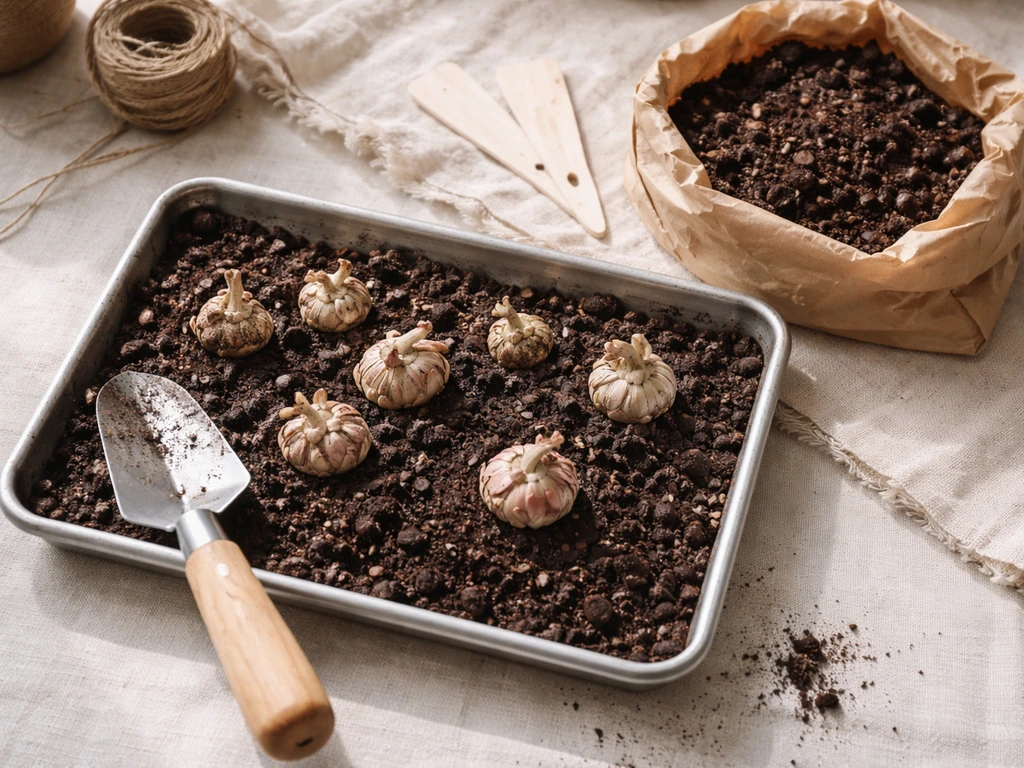
Floret How to Grow Ranunculus: Step-by-Step Guide
Step-by-step Floret-style ranunculus guide: corm prep, planting, watering, frost care, troubleshooting, and harvest for

How to Grow Your Own Wedding Flowers Step by Step
Step-by-step guide to grow bouquet-ready wedding flowers, from planning and sowing dates to harvesting, conditioning, an
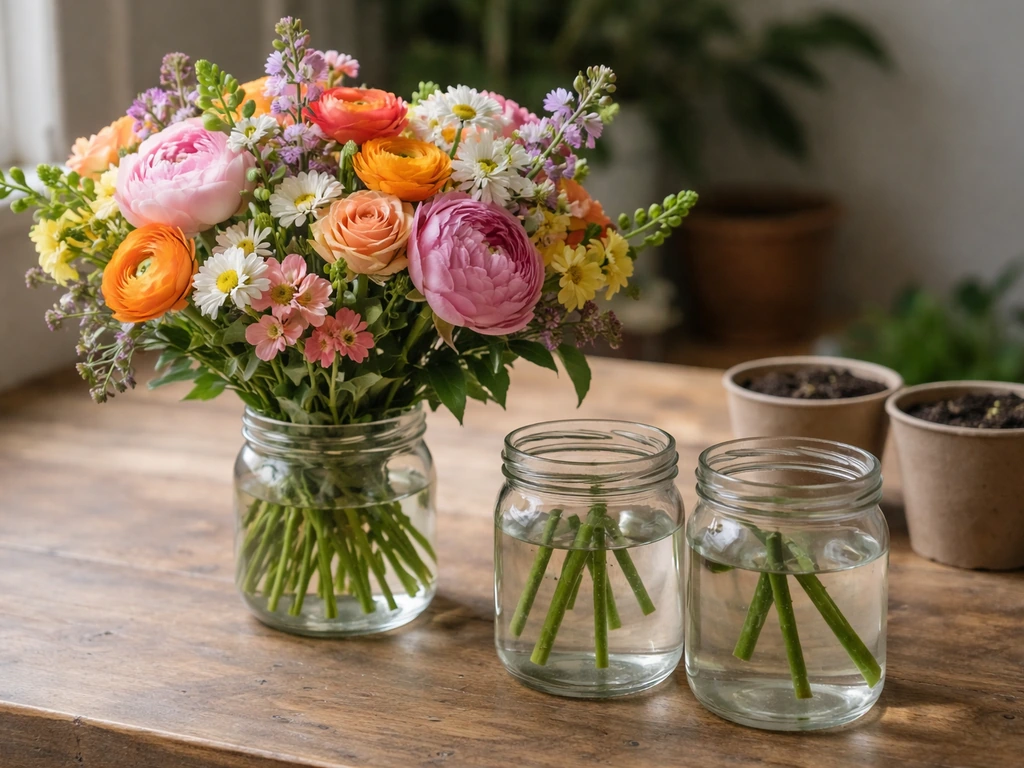
How to Grow Flowers From a Bouquet: Step-by-Step
Step-by-step guide to propagate bouquet stems into new flowers: prep, rooting in water/soil, transplanting, care, timeli