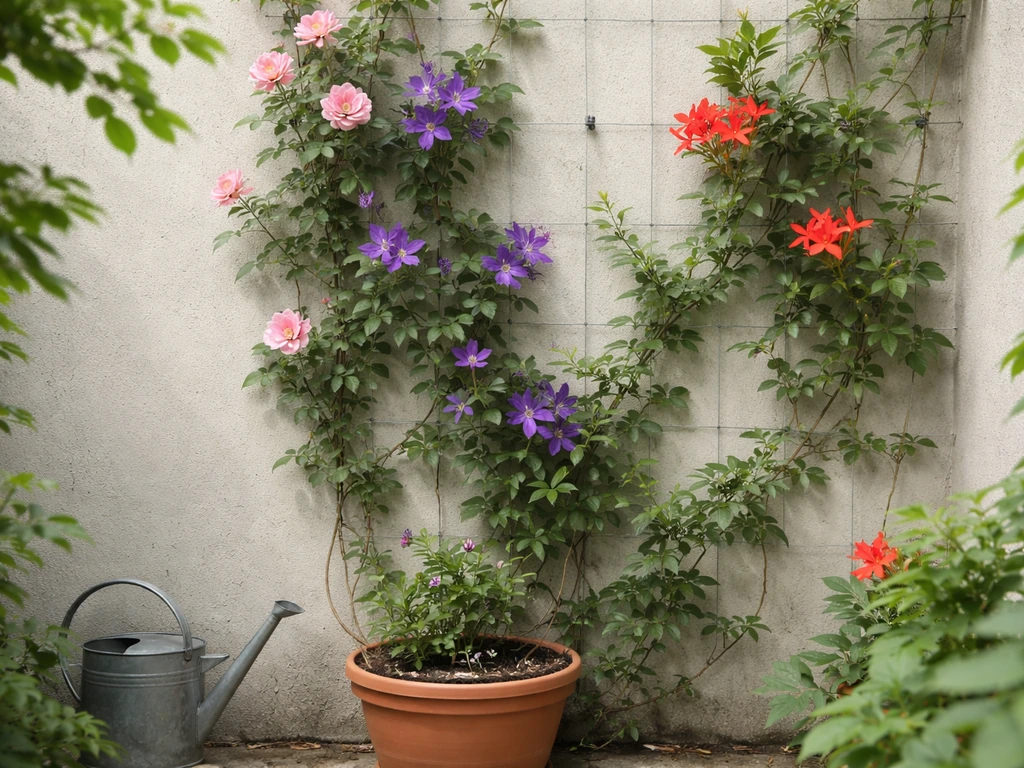
The best way to grow flowers up a wall is to match your plant's natural climbing method to the right support system, then install that support before you plant anything. True climbing vines like sweet peas and clematis need horizontal wires or trellis spaced about 30 to 45 cm (12 to 18 inches) apart, fixed at least 10 cm (4 inches) away from the wall so air can circulate. Non-climbing flowers like snapdragons, marigolds, and poppies can go up a wall too, but they need wall planters or a structured trellis system to hold them in place. Get the structure right first and the rest falls into place.
How to Grow Flowers Up a Wall: Step-by-Step Guide
James Holloway
10 Jun 2026
Choose the right setup for your wall
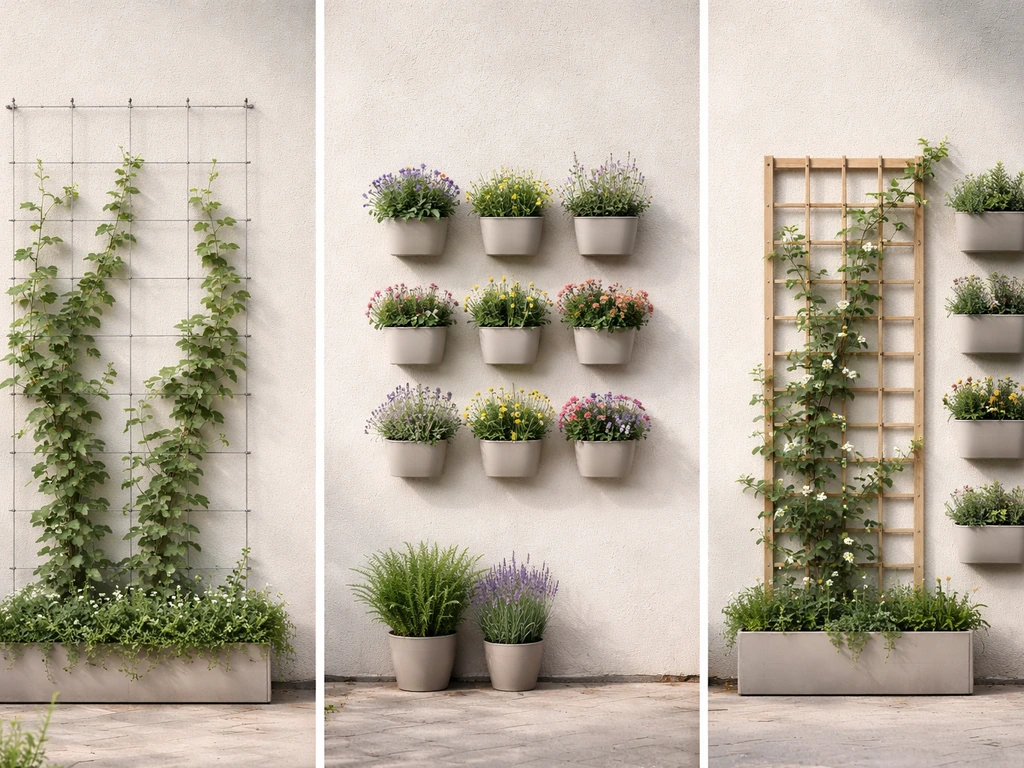
There are three main approaches, and which one you use depends on whether you want true climbing plants, a curated flower wall using planters, or something in between. Each has a different installation process and suits different flower types.
True climbers on wires or trellis
This is the classic method for vines and climbing flowers. You install horizontal galvanized wires or a wooden trellis directly on the wall, then let the plant grow up and attach itself, with a little guidance from you early on. The RHS recommends positioning the lowest wire about 30 cm (1 foot) above soil level to prevent rotting at the base, and spacing subsequent wires every 30 to 45 cm going up. The wires need to be kept taut and held at least 10 cm (4 inches) away from the wall surface for air circulation. If you go with trellis instead, screw it onto thick wooden battens to achieve the same gap.
Wall planters and pocket systems
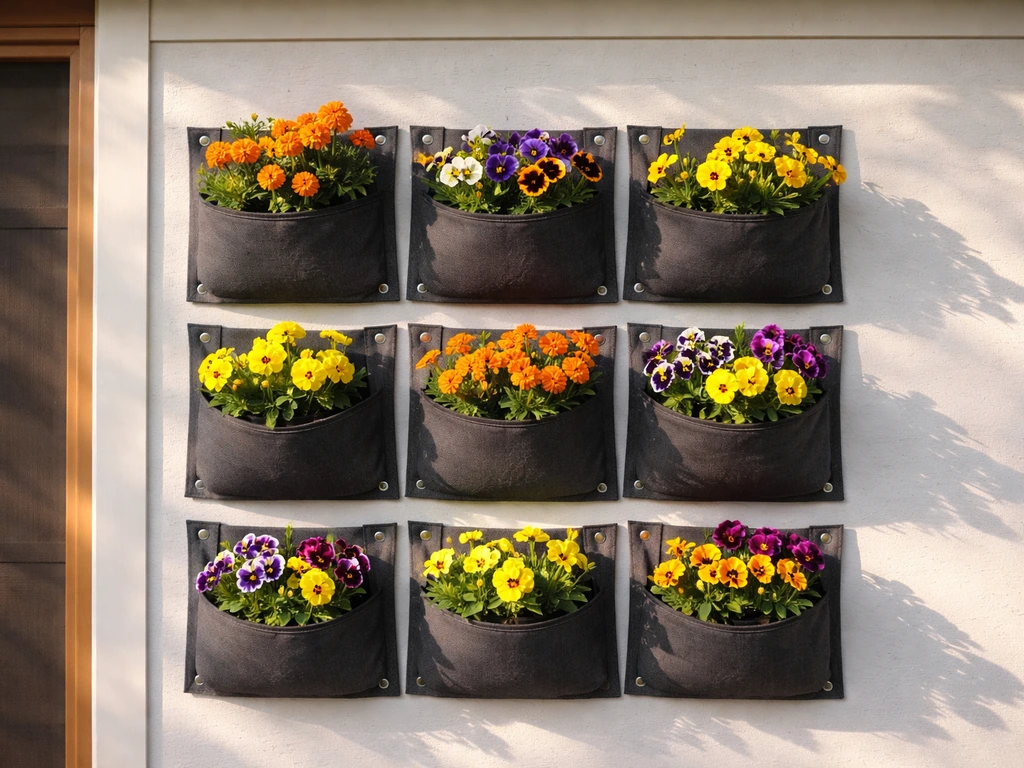
If you want a more designed look, a grid of wall-mounted planters or fabric pocket systems lets you grow non-climbing flowers like marigolds, pansies, and snapdragons at height. This approach gives you full control over the arrangement but comes with one significant trade-off: pocket systems dry out fast, especially in full sun. You will need to water more frequently than you expect, and the top pockets almost always dry out before the bottom ones. Plan for daily checking in summer.
Freestanding trellis or frame in front of a wall
A freestanding trellis or timber frame positioned in front of a wall gives you the visual effect of wall-coverage without drilling into brickwork. Support posts should be set roughly 2 feet into the ground for stability. This is a great option for renters or anyone who cannot alter the wall surface, and it also lets you move the whole structure if needed.
Match flowers to your wall's conditions
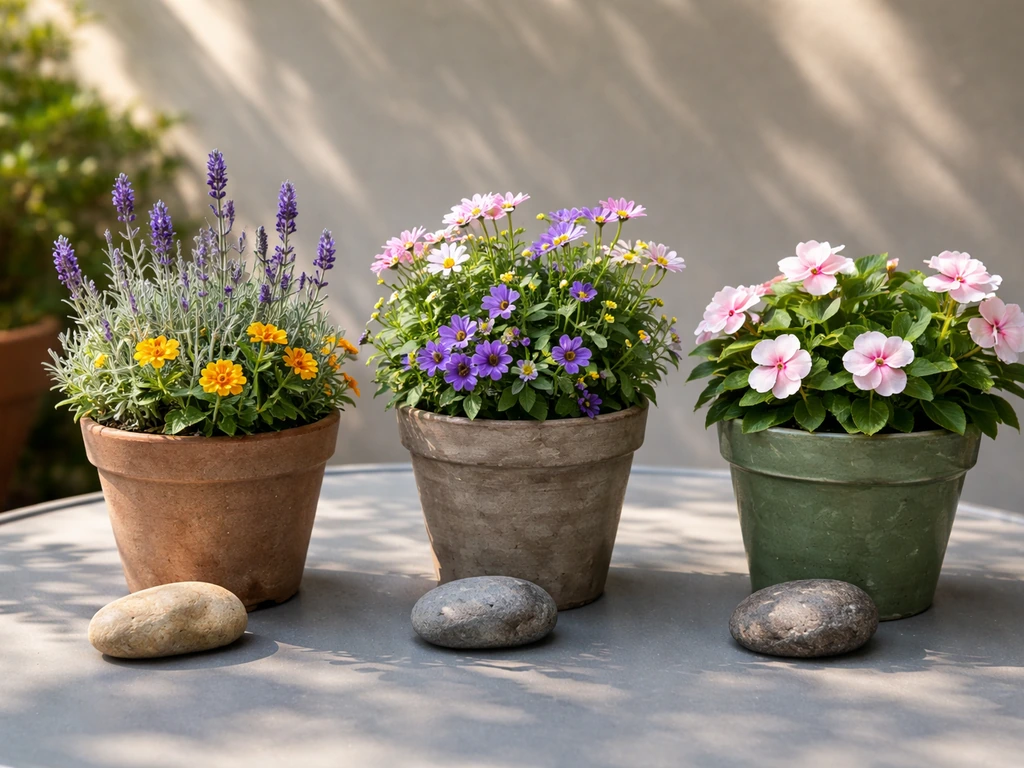
Before you buy a single seed packet or plant, spend a few days watching how much sun your wall actually gets. South-facing walls are hot, dry, and bright, which suits sun-lovers like nasturtiums, black-eyed Susans, and climbing roses. East or west-facing walls get gentler light and suit sweet peas, clematis, and most annual climbers well. North-facing walls are the hardest to work with because of dry soil combined with shade, but clematis alpina and ornamental Virginia creeper (Parthenocissus henryana) handle those conditions reliably.
Drainage is just as important as light. Walls create rain shadows, meaning the soil directly at the base of a wall often stays much drier than the rest of your garden. Plant roots need to reach out to find moisture. If you are using wall planters, drainage is a design decision you make upfront. Avoid putting gravel or crocks at the bottom of containers thinking it will help: research shows this actually creates a perched water table that keeps moisture sitting near the roots and can cause root rot. Use a quality potting mix with built-in drainage structure and make sure your planters have actual drainage holes.
| Wall aspect | Light level | Moisture tendency | Best flower types |
|---|---|---|---|
| South-facing | Full sun (6+ hours) | Dry (rain shadow) | Nasturtium, climbing rose, black-eyed Susan |
| East-facing | Morning sun | Moderate | Sweet pea, clematis, snapdragon |
| West-facing | Afternoon sun | Moderate | Sweet pea, annual climbers, marigold |
| North-facing | Shade to part shade | Dry and shaded | Clematis alpina, Parthenocissus henryana, ferns |
Pick wall-friendly flower varieties
Not every beautiful flower will work on a wall, so it helps to know which types are genuinely suited to vertical growing. The key distinction is attachment method: some plants self-cling using aerial roots or adhesive pads and need little help; others grab via tendrils and need something thin to wrap around; twining stems need a framework to spiral up. If you mismatch the plant to the support (for example, giving a tendril climber a flat wall with nothing to grip), it will simply not climb.
Annual climbers (great for beginners, grow from seed)
- Sweet peas (Lathyrus odoratus): fragrant, colorful, and quick from seed. Tendrils grab trellis or wire easily. Sow direct in autumn or early spring.
- Nasturtium (Tropaeolum majus): sprawls and climbs loosely. Easy from direct-sown seed after last frost. Edible flowers are a bonus.
- Morning glory (Ipomoea): twining stems, fast-growing, vivid color. Needs warm soil so wait until soil temperatures reach at least 60°F (15°C).
- Black-eyed Susan vine (Thunbergia alata): twines around thin supports, excellent in a sunny spot.
Perennial and shrubby climbers (long-term wall coverage)
- Clematis: enormous variety range covers sun to shade. Large-flowered hybrids suit wires or trellis. Alpina types handle north-facing walls.
- Climbing roses: thorns help them lean and hook into supports but they need tying in. Spectacular for height and fragrance.
- Climbing hydrangea (Hydrangea anomala petiolaris): self-clings via aerial roots once established, but benefits from initial wire support to get going. Very vigorous long-term.
- Honeysuckle (Lonicera): twining, fragrant, works on trellis or wires in partial shade.
Non-climbing flowers for wall planters
Snapdragons, marigolds, poppies, and wildflower-style mixes do not climb, but they work brilliantly in wall-mounted planters, especially in tiered or pocket systems. Marigolds and snapdragons are reliable bloomers that hold their color well in containers. Poppies prefer being sown direct into deeper planters since they dislike root disturbance. If you love wildflower-style planting, a mix of cornflowers, cosmos, and nigella in a wider trough-style wall planter gives a natural, cottage-garden feel at height.
Prepare the wall area and install your supports
Installation before planting is non-negotiable. Trying to hammer vine eyes into brickwork after a climber is already growing around the area is frustrating and risks damaging the plant. Clear the base of the wall, remove weeds thoroughly (roots and all), and assess the soil. If the ground at the base is compacted or waterlogged, fix that before planting: poor drainage promotes root and crown rot, and it is much harder to solve once plants are in.
- Mark your wire or trellis positions on the wall with a pencil, starting with the lowest wire at 30 cm (1 ft) above soil level and working upward at 30 to 45 cm intervals.
- Drill and insert vine eyes or rawl plugs into the wall. Use galvanized vine eyes for wires, or thick wooden battens if you are mounting a trellis panel.
- Thread galvanized wire through the vine eyes and tension it tight. Loose wire is a waste of time: plants slide off and the whole system looks messy.
- If using a trellis panel, screw it onto the battens so the trellis sits at least 10 cm (4 inches) clear of the wall surface.
- For wall planters, mark bracket positions, check they are level, drill and anchor brackets securely, then hang the planters before filling them with potting mix (they get very heavy once planted and watered).
- Amend ground-level soil with compost and check drainage: water should soak in within a few minutes, not pool. If it pools, raise beds or add grit.
- Leave at least 45 cm (18 inches) between where you will plant and the wall itself to give roots room and reduce the rain shadow effect.
Planting step by step
Timing matters here. For annual climbers from seed, most should be started indoors 6 to 8 weeks before your last frost date, then hardened off and transplanted once the risk of frost has passed. Sweet peas are the exception: they actually prefer a cold start and can be sown in autumn (in mild areas) or late winter. Morning glory and nasturtiums are best direct-sown outdoors because they dislike root disturbance.
- Start seeds indoors in small cell trays using fresh, sterile seed-starting mix (not garden soil, which carries disease). Water from below rather than overhead to prevent damping-off.
- Once seedlings have two true leaves, pot up into 3-inch pots to build a stronger root system before they go to the wall.
- Harden off plants for 7 to 10 days by leaving them outside in a sheltered spot for increasing amounts of time each day before final planting.
- Dig a planting hole at least 45 cm (18 inches) from the wall base. For container-grown climbers, the hole should be at least twice the width of the root ball.
- Mix in compost and a slow-release granular fertilizer at the base of the hole. This feeds the plant through the establishment phase.
- Plant at the same depth as the nursery pot, except clematis, which benefits from being planted 5 to 7 cm deeper than it was growing to protect the crown from clematis wilt.
- Water in thoroughly and apply a 5 to 8 cm layer of mulch around the base, keeping it clear of the stem.
- Remove any plastic ties that nursery plants arrive with attached to their canes, and immediately tie new stems loosely to your wire or trellis using soft garden twine or plant clips.
- For wall planters, use a peat-free, moisture-retentive potting mix and fill to within 2 to 3 cm of the rim. Plant densely for impact but leave enough space that roots have room to develop.
Training and maintenance for continuous blooms
The first season is mostly about directing growth so the plant covers the wall evenly rather than racing straight up in one vertical shoot. Every few days in the early weeks, check new growth and guide stems horizontally along wires before they get too woody to bend. Horizontal training encourages more lateral branching, which means more flowers. It feels counterintuitive to train a plant sideways when you want it to go up, but this is one of those things that genuinely makes a difference.
Watering
Ground-planted climbers establish their own deep root system over time and become relatively drought tolerant, but they need consistent watering for the first full growing season: roughly once a week in dry periods, more in extreme heat. Wall planters dry out much faster and may need watering daily in summer heat. Check moisture by pushing a finger 2 cm into the compost: if it comes out dry, water thoroughly until it drains from the base. Avoid frequent shallow watering, which encourages surface rooting and poor drought tolerance.
Feeding
For climbers planted in the ground, a slow-release balanced fertilizer worked into the planting hole provides a good foundation. Once plants are actively growing and showing flower buds, switch to a high-potassium liquid feed (the kind sold for tomatoes works well) every two weeks through the flowering period. Wall planters need feeding more frequently because watering leaches nutrients quickly: start liquid feeding four to six weeks after planting and continue every one to two weeks.
Pruning and deadheading
Deadhead annual climbers and wall planter flowers regularly: removing spent blooms directly extends the flowering period by weeks. For sweet peas, picking flowers as they open (even just putting them in a vase) keeps the plant producing. For clematis, pruning timing depends entirely on the group: Group 1 clematis (early flowering) are pruned lightly after flowering; Group 2 (early large-flowered) get a light tidy in late winter; Group 3 (late-flowering) are cut back hard to about 30 cm above ground in late winter. If you are unsure which group yours is, look at the plant label or check when it flowers.
Pest checks
Check the undersides of leaves weekly, especially during warm humid weather. Aphids cluster on soft new growth and can weaken climbing plants quickly. A jet of water knocks most of them off, or use insecticidal soap if populations build up. Slugs and snails are the biggest threat to new transplants at the base of walls: use copper tape around wall planter brackets, or apply wildlife-friendly slug pellets around the planting area at night for the first few weeks.
Troubleshooting common problems
The plant won't climb or keeps falling away from the wall
This almost always comes down to a mismatch between the plant's climbing mechanism and the support you have given it. Twining stems need something to wrap around (wires or thin trellis laths work, but a flat fence does not). Tendril climbers need thin structures they can grip. If you have a self-clinging type like climbing hydrangea or Virginia creeper, it attaches via adhesive pads or aerial roots and needs a rough, slightly textured surface rather than painted wood or smooth cladding. The fix is to temporarily tie stems to your support with soft twine while the plant figures out how to grip, and reassess whether the support type actually suits the species.
Poor or no flowering
The most common reasons are too much nitrogen (encourages leafy growth at the expense of flowers), too much shade, or pruning at the wrong time and removing next season's flower buds. Check your feeding: if you have been using a general-purpose or high-nitrogen feed, switch to a high-potassium formula. If the plant is getting fewer than four to six hours of sun and you planted a sun-lover, that is harder to fix short of moving it. Over-pruning clematis at the wrong time is a very common issue and is almost always the culprit if you had flowers last year but not this year.
Root rot and soggy base
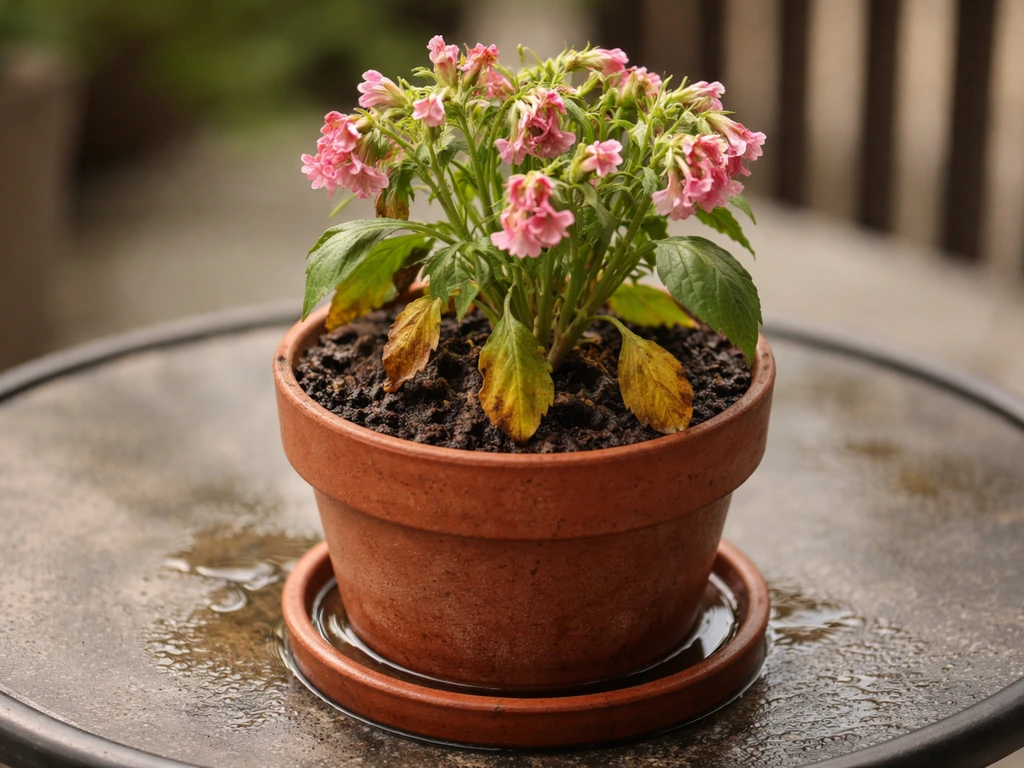
If lower leaves are yellowing from the bottom up and the plant looks generally miserable despite watering, root rot is the likely cause. In ground plantings, this usually points to poor drainage at the wall base: the solution is to improve drainage by incorporating grit or raising the planting area. In wall planters, check that drainage holes are not blocked and that you are not watering more than necessary. Do not add gravel to the base of containers hoping to help: it creates a perched water table and worsens the problem. blank" rel="noopener noreferrer">Use sterile potting mix, clean containers, and inspect new plants before they go in to avoid introducing soil-borne pathogens. Damping-off can cause root or crown rot, so using sterilized pots or trays, ensuring good drainage, and using clean or new potting soil (not garden soil) can help prevent it blank" rel="noopener noreferrer">Use sterile potting mix, clean containers.
Black spots, leaf distortion, or fungal issues
Black spot fungal disease (most common on roses but affecting other climbers too) thrives when leaf surfaces stay wet and temperatures sit around 68 to 75°F (20 to 24°C) for several days. The main prevention is to water at the base rather than overhead, ensure good air circulation behind plants (this is why the 10 cm gap from the wall matters), and avoid crowding stems together. If black spot takes hold, remove and bin (do not compost) affected leaves and apply a fungicide preventively as new leaves emerge, repeating through the season for susceptible varieties.
Wind damage and stems snapping away from the wall
Exposed walls funnel wind and can snap stems or pull wires out of the wall entirely. Check vine eye fixings are secure before every growing season, and retie any stems that have come loose before they snap. For wall planters, make sure brackets are rated for the weight of a fully planted, freshly watered planter (which can be surprisingly heavy). If wind is persistent, consider growing lower-growing or naturally bushy plants in the exposed spots and reserving the climbing varieties for more sheltered sections.
Once you have your wall system working well, it opens up a lot of creative possibilities: growing annual flowers in containers and training them up trellis is closely related to the broader skill of growing annual flowers in any format, and many of the same timing and feeding principles apply. If you enjoy the look of flowers at height and want to experiment further, wall planters pair naturally with other creative container approaches that get blooms off the ground and into view. You can also learn how to grow flowers in plastic bottles to create low-cost vertical planters in small spaces. If you want the best results, follow a tailored wallflower growing plan for your specific light and support setup wallflowers. If you want a different container look, you can also learn how to grow flowers in glass jars for a tidy, enclosed display.
FAQ
Can I grow flowers up a wall in containers if I have no access to the back of the wall to drill supports?
Yes, use freestanding trellis frames in front of the wall or self-supporting balcony trellis that anchors into the ground or masonry at floor level. For true wall-mounted systems without drilling, stick to pocket planters, railing planters, or a freestanding timber frame, because trying to improvise with lightweight brackets often fails once the planter is fully watered and windy.
How do I keep a climbing plant from snapping back or tangling when it gets to the top of the wall?
Plan what happens at the top before planting. Either stop at a height you can reach and prune back, or guide the main stem to a horizontal “cap” wire so it grows sideways instead of trying to keep climbing. Without a top rest point, many climbers wind around themselves and become hard to train.
Should I use weed membrane or landscape fabric behind wall planters to reduce weeds?
Avoid lining the root zone with fabric. It blocks fine root expansion and makes drainage and watering harder to judge, especially in pockets and tiered planters. Instead, remove weeds thoroughly before installing, then use mulch only on the soil surface where it will not touch the plant crown.
Why are my wall planter flowers flowering well early on, then slowing down mid-summer?
Usually it is nutrient dilution plus drying cycles. Even with a good potting mix, repeated watering leaches nutrients from pocket systems quickly. Switch to a consistent liquid feed schedule earlier (four to six weeks after planting) and check for dryness daily in hot spells, especially on the top row pockets.
What’s the safest way to deal with very dry top pockets in a fabric pocket wall?
Water more frequently but target saturation, not quick splashes. Run water until it starts draining from the lower pockets, then repeat if the top pockets still feel light. If your system allows it, add a simple drip line for more even distribution, because dry top pockets can also draw moisture away from the rest of the planting.
Do I need to prune climbers that are covering a wall planter system, or will they just grow and fill in?
Some training is still needed to prevent bare patches and tangles. In early growth, guide stems along the intended path, then prune only to redirect or keep airflow. For clematis, follow the group-specific pruning rule, because pruning at the wrong time can remove next season’s buds.
What should I do if my wall is painted, sealed, or smooth and my self-clinging climber won’t attach?
Self-clinging plants need texture or a rough surface to grab. If the wall is smooth cladding or painted brickwork that stays slick, attach thin rough battens, a wire mesh, or a trellis patch in the attachment zones. Tie the stems in place initially with soft twine until they establish, then remove ties once they are secure.
Can I use gravel, broken crock pieces, or stones at the bottom of a wall planter to improve drainage?
No, not as a drainage layer. In containers it often creates a perched water table that keeps water sitting near the roots. Use a quality potting mix designed for containers and confirm the planter has real drainage holes that are not blocked.
My leaves turn yellow and the plant looks tired, is it always watering too little?
Not always. Yellowing from the bottom up with a generally miserable look commonly points to root stress from poor drainage or root rot. Check moisture by feel, then inspect drainage holes and potting condition, and if it is in-ground, address wall-base drainage because fixing it after establishment is much harder.
How can I prevent mildew and black spot on wall-growing climbers?
Water at the base, not over the foliage, and make sure the foliage can dry quickly. The air gap between the plant and the wall matters, keep vines from crowding tight against the surface, and remove and bin affected leaves promptly rather than composting them.
What are the most common wiring and support mistakes that cause the “plant will not climb” problem?
Two big ones are support spacing and support type. Wires or trellis must match the plant’s attachment method (tendrils need thin grips, twining stems need something to spiral, self-clingers need texture). Also, make sure the support is installed before planting, wires are taut, and the structure is held off the wall to allow airflow.
How do I choose between true climbers on wires, wall planters, and a freestanding trellis in front of the wall?
If you want maximum vertical coverage with minimal ongoing structure, choose true climbers on wires or a trellis fixed to battens. If you prefer a designed color arrangement and can commit to higher maintenance watering, choose pocket or wall planters for non-climbers. If drilling is not possible or the wall is exposed and windy, choose a freestanding trellis, it gives the effect without anchoring into the wall surface.
Can I grow flowers up a wall in winter, or is it strictly a warm-season project?
You can, but choose species that tolerate your conditions and plan for reduced growth. For spring flowering, start preparation in late season with hardy clematis types and winter-sown options where suitable. For wall planter systems, remember containers dry out and freeze differently than ground soil, so adjust watering and protect roots if temperatures drop hard.
Next Articles
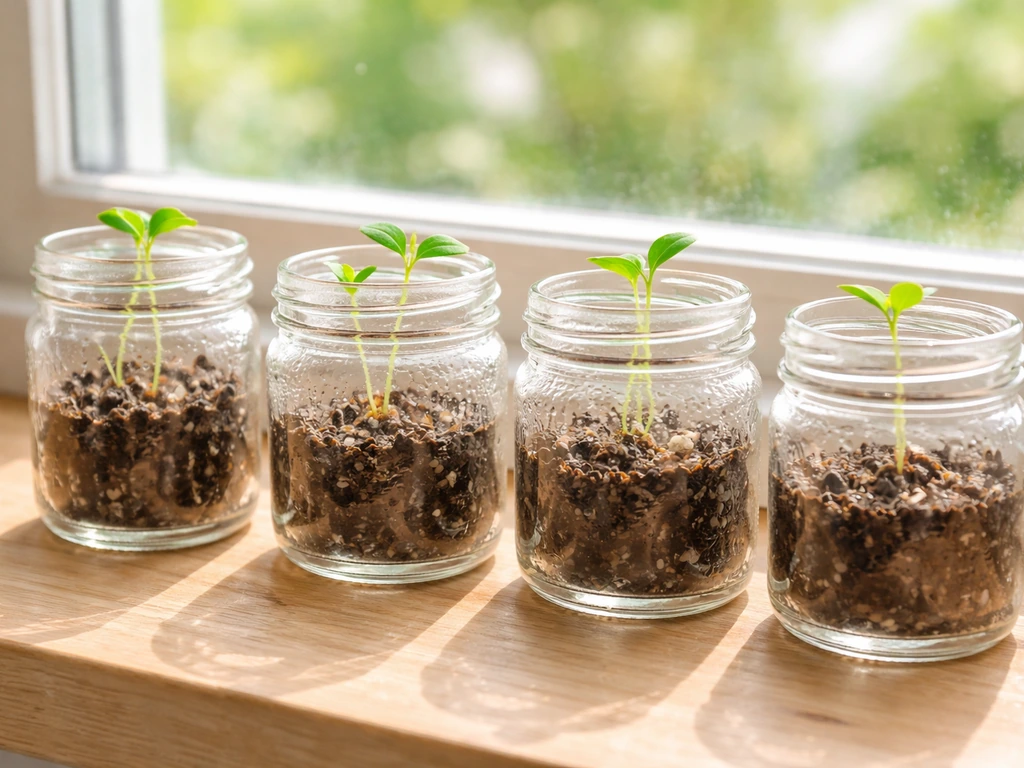
How to Grow Flowers in Glass Jars: A Complete Guide
Step-by-step guide for growing flowers in glass jars: jar choice, seed starting, care, transplant timing, and troublesho
How to Grow Annual Flowers: Step-by-Step From Seed to Bloom
Step-by-step guide to grow annual flowers from seed to bloom, with timing, soil, spacing, watering, and fixes for common
Linaria 'Fairy Bouquet' How to Grow: Seed to Cut Flowers
Grow Linaria 'Fairy Bouquet' from seed to vase: step‑by‑step sowing, care, cutting, seed saving & troubleshooting.