
There are no truly black flowers in nature, but there are dozens of varieties that grow so dark they read as black in the garden, especially in full sun against a light background. What you're really growing is deep maroon, near-black burgundy, or very dark purple. The good news is that several of those varieties are easy to start from seed, and with the right conditions you can get genuinely dramatic, near-black blooms by midsummer. If you're planning an Animal Crossing garden, you can use these near-black flower growing tips to aim for the darkest blooms in-game near-black blooms.
How to Grow Black Flowers From Seed to Bloom

James Holloway
23 Jun 2026
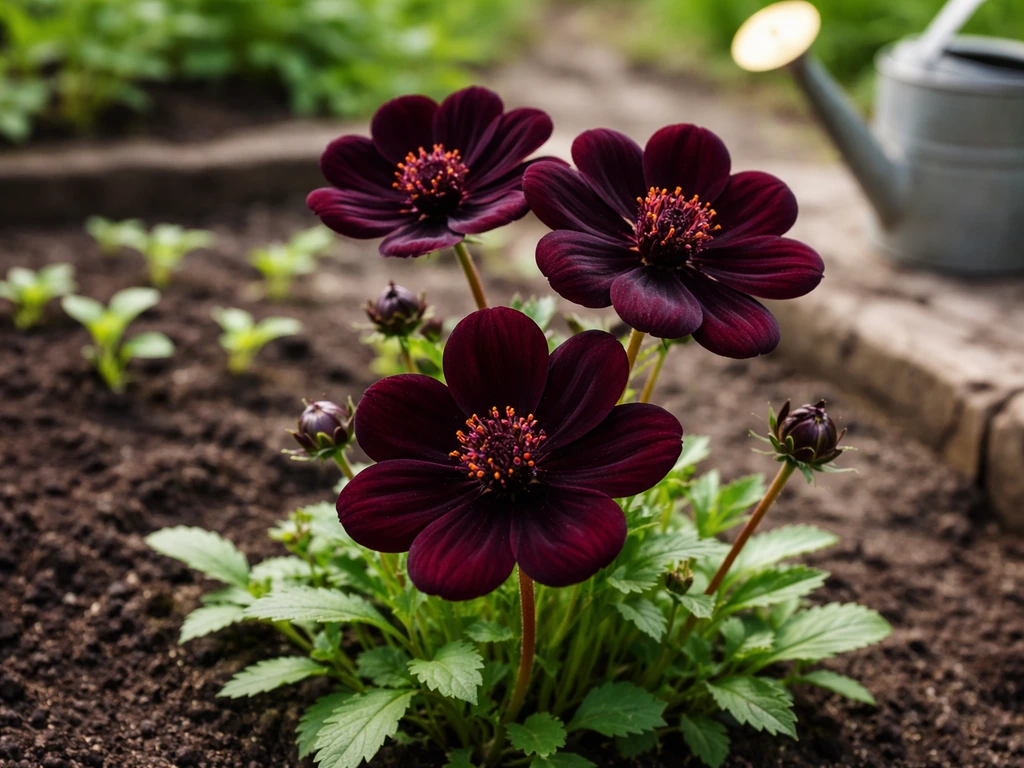
Reality check: what "black flowers" actually means
Plant pigments can't produce true black. What happens instead is that some flowers accumulate such high concentrations of dark anthocyanin pigments (the same family responsible for deep red and purple) that the petals appear near-black, especially in bright light. The color you see also shifts depending on the background. 'Arabian Night' dahlias look unmistakably black against a pale fence but more like very dark burgundy next to other red flowers.
Chocolate cosmos (Cosmos atrosanguineus) is another classic example: the blooms are dark maroon-brown that reads as almost black in certain light. Understanding this is actually useful, because it means your job isn't to find a mythical black pigment, it's to pick cultivars with the deepest possible anthocyanin expression and grow them in conditions that intensify rather than dilute that color.
Color can also fade based on how you grow these plants. Too much nitrogen pushes leafy growth and dilutes bloom color. Too much shade and the blooms go dull. So variety selection is step one, but your growing conditions are genuinely part of the final result.
Choose the right varieties to grow from seed
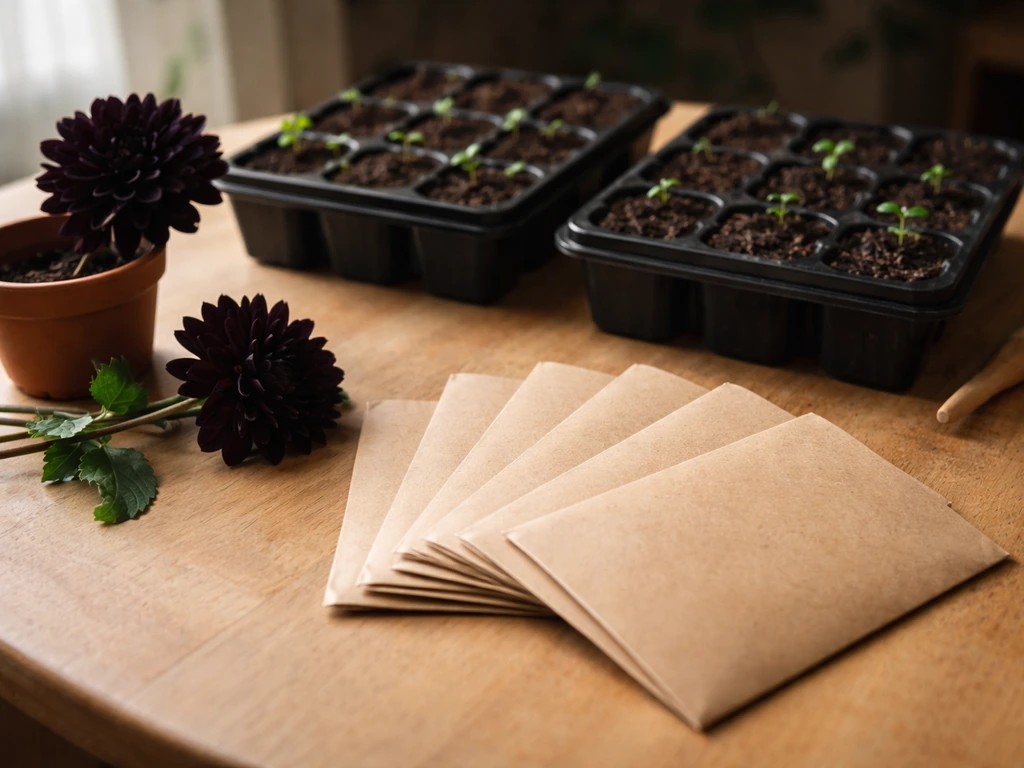
Not all of the most spectacular near-black flowers are easy to grow from seed, so it helps to know which ones are practical for home gardeners. Here are the best options:
| Variety | Color range | Seed or other start | Time to bloom from seed |
|---|---|---|---|
| Dahlia 'Bishop of Llandaff' type / dark series | Deep burgundy to near-black | Seed (start indoors) | 90–120 days |
| Chocolate Cosmos (Cosmos atrosanguineus) | Dark maroon-brown | Seed or tuber | 70–90 days from seed |
| Zinnia 'Benary's Giant Deep Red' | Deep red/near-black center | Seed (direct sow or indoor) | 75–80 days |
| Petunia 'Black Velvet' | Near-true black purple | Seed (indoor only) | 70–90 days |
| Cosmos 'Rubenza' or 'Dazzler' | Deep ruby-red/maroon | Seed (direct sow) | 60–70 days |
Dahlias are probably the most-searched 'black flower' but there's no true black dahlia variety despite what some listings imply. What you can grow from seed are very dark-flowering types in the 'Fresco' and 'Redskin' series, which produce deep burgundy blooms that read as near-black. Chocolate cosmos is genuinely one of the darkest flowers you can grow and it performs well from seed, though it's slower to establish than regular cosmos.
Petunias like 'Black Velvet' are the closest thing to a true near-black annual you can reliably start from seed indoors. For a beginner's first try at dark flowers, I'd actually suggest starting with a deep-red zinnia or dark cosmos because they're faster, more forgiving, and the germination is predictable. For example, the Benary’s Giant Deep Red Zinnia listing reports germination in about 7, 10 days and days to flower around 75, 80 [germination is predictable](https://www. superseeds.
com/products/benarys-giant-deep-red-zinnia).
Seed starting indoors vs. direct sowing
Whether you start indoors or direct sow depends on the variety. Here's how to approach each of the main types.
Starting indoors
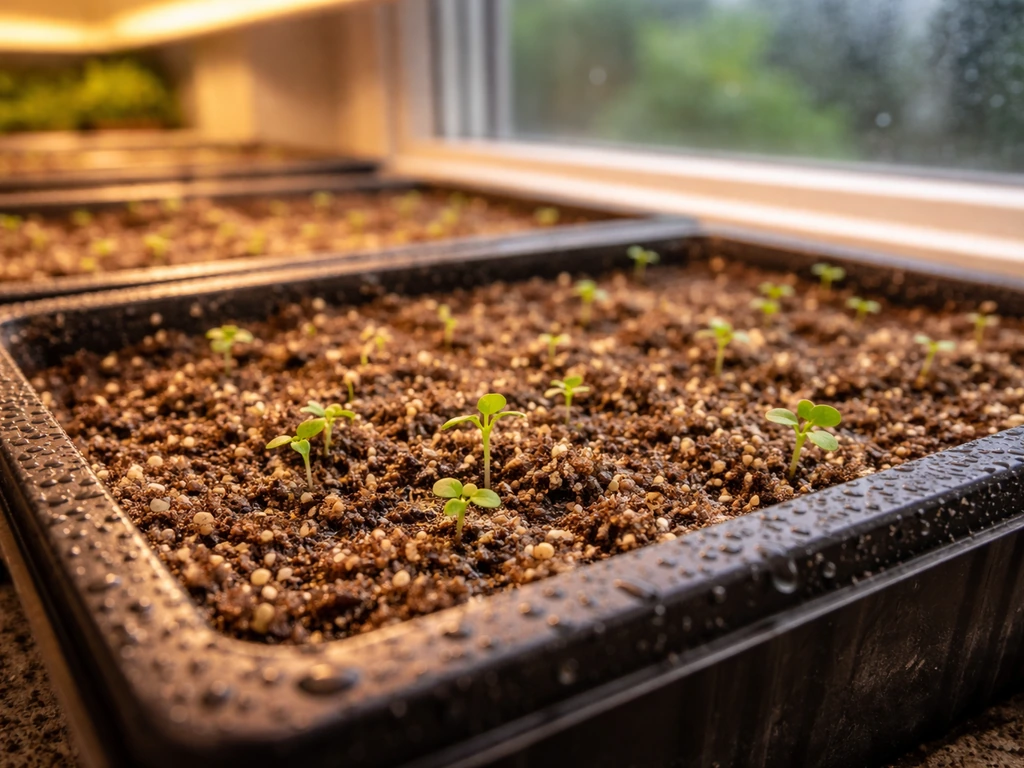
Petunias need to start indoors because they have tiny, slow-growing seeds that can't compete outdoors. Sow them 10–12 weeks before your last frost date. The seeds need light to germinate, so press them onto the surface of moist seed-starting mix and cover with just a thin layer of fine vermiculite rather than burying them. Germination happens in 6–10 days at 72–77°F (22–25°C). If you bury the seeds or keep temperatures too low, you'll get almost nothing. Keep trays under grow lights for 14–16 hours per day once seedlings emerge to prevent the leggy stretching that makes transplants weak.
Dahlias benefit from an indoor start too. Sow about 8 weeks before your last frost date, at a depth of about 1/4 inch, in moist starting mix at 70–72°F (21–22°C). Germination is uneven over several days, which is normal. Once they sprout, give them 12–14 hours of light per day. Dark dahlia types from seed won't be true to type like tubers, but you'll still get very dark-flowering plants from quality seed series.
Cosmos can be started indoors about 4 weeks before last frost if you want a head start. Germination is fast, around 5 days, so you don't need much lead time. Sow lightly covered at about 1/4 inch depth.
Direct sowing outdoors
Cosmos and zinnias are genuinely better direct-sown in many cases because they germinate and establish so quickly that starting indoors doesn't save much time and can cause root disturbance. For cosmos, wait until after your last frost date and your soil temperature is above 60°F (16°C), then sow seeds lightly covered. Zinnias can go in about 6 weeks before your last frost if starting indoors, or direct sow after frost danger passes. For dahlias, direct sow after last frost when soil has reached 65–70°F (18–21°C), sowing thinly at about 2 seeds per foot and 1/4 inch deep, then thin after emergence.
A quick rule of thumb for seed depth when you're unsure: sow at a depth about twice the width of the seed itself. For tiny seeds like petunias, that means barely any covering at all. For larger seeds like dahlias or zinnias, it means roughly 1/4 inch.
Light, soil, and watering to keep those colors deep
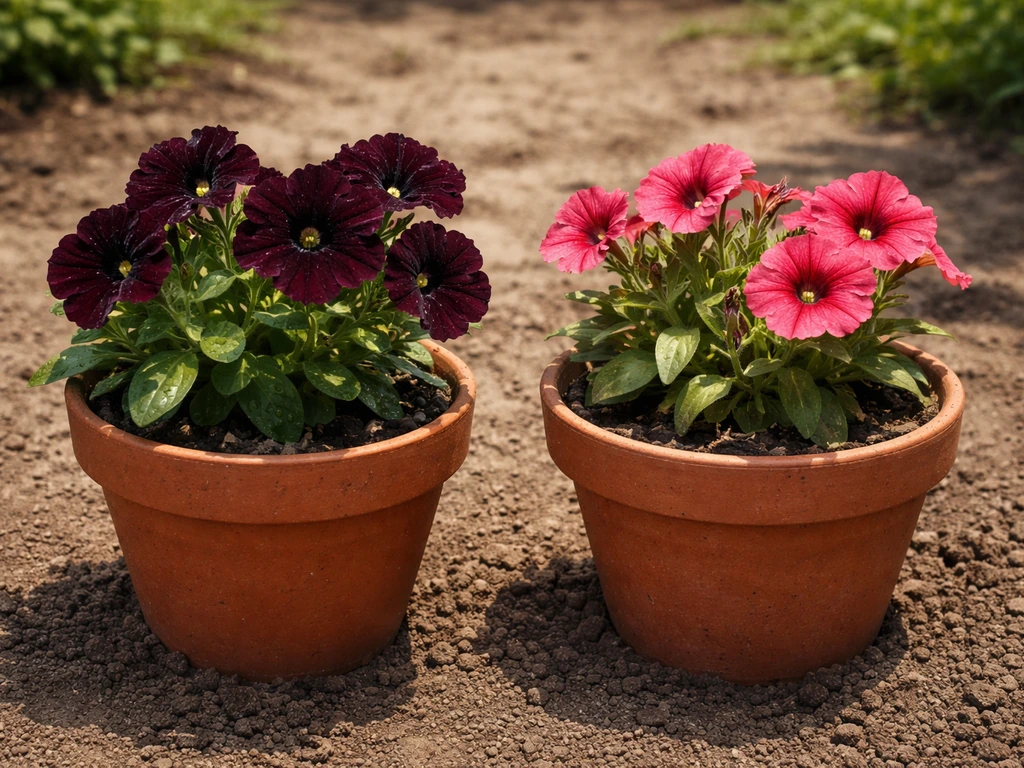
This is the section that makes the difference between washed-out pinkish-red blooms and genuinely dark near-black flowers. All of the varieties listed above want full sun, meaning at least 6 hours of direct sunlight per day, but really 8 hours is better. If you want, you can also use this same approach to plan what to grow alongside cosmos for dark, dramatic color dark cosmos. I've grown dark cosmos in partial shade and the blooms went noticeably lighter and the plants flopped. Full sun is non-negotiable for color intensity.
Soil should be well-draining and moderately fertile. A good loamy garden bed or a quality potting mix for containers works well. Aim for a slightly acidic to neutral pH, roughly 5.5 to 7.0. Zinnias, dahlias, and cosmos all perform well in this range. Avoid heavy clay that holds too much moisture around the roots, which causes rot more than it causes color loss.
Watering is where a lot of people go wrong. These plants want consistent moisture but not soggy soil. Overwatering increases fungal disease risk and weakens the root system, which shows up as pale, floppy plants rather than dark, upright ones. Let the top inch of soil dry slightly between waterings. Water at the base of the plant rather than overhead to keep foliage dry, which also reduces disease pressure. In containers, make sure drainage holes are working properly.
Temperature, fertilizing, and keeping pests away
Temperature
All of these dark-flowering annuals are warm-season plants. Don't rush them into cold soil. Cosmos and zinnias want soil above 60°F, dahlias above 65°F. If nights are still dropping below 50°F regularly, hold off. Cold stress at planting leads to stunted growth, delayed flowering, and sometimes color changes toward more washed-out tones. Once established and warm, dahlias and cosmos are pretty heat-tolerant, though very high temperatures (consistently above 90°F/32°C) can cause some bleaching in the blooms.
Fertilizing without overdoing it
Use a balanced fertilizer at planting, something with roughly equal N-P-K numbers. The mistake most beginners make is over-fertilizing with a high-nitrogen product because it makes plants look lush and green. High nitrogen pushes leafy growth at the expense of flowers, and it can actually dilute the dark pigmentation in blooms. Feed once at planting with a balanced granular fertilizer worked into the soil, then switch to a bloom-focused fertilizer (lower nitrogen, higher phosphorus and potassium) when buds start forming. For dahlias, a light feeding every few weeks once established is fine, but less is genuinely more with these plants.
Common pests and disease prevention
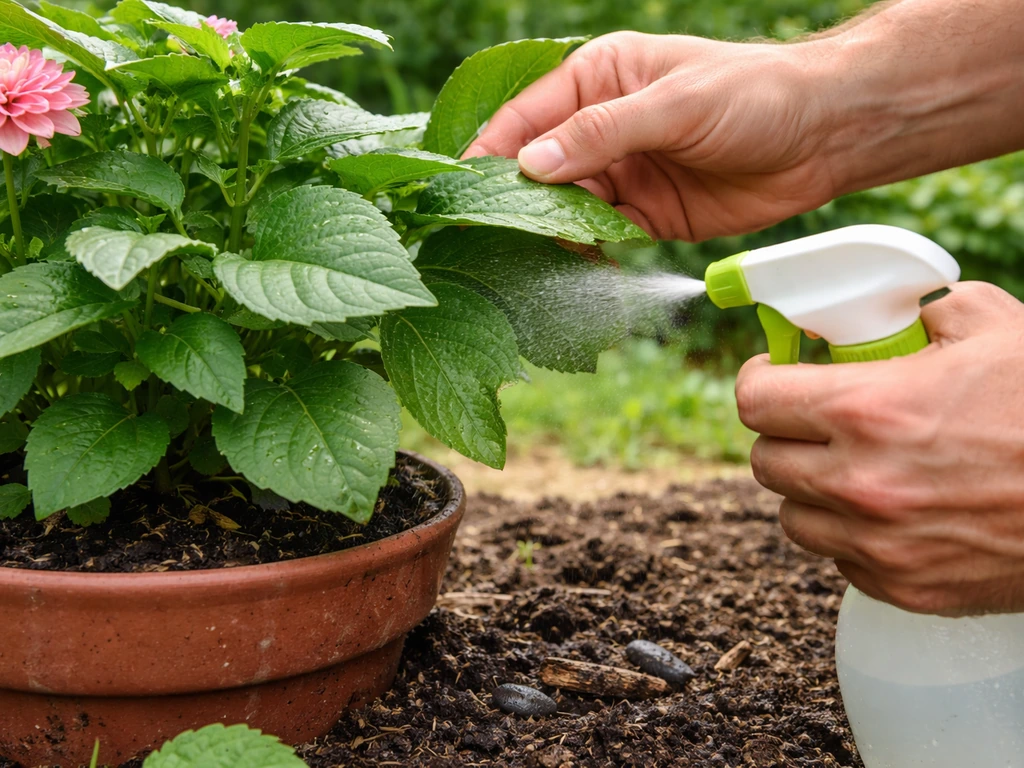
- Aphids: Check the undersides of leaves, especially on dahlias and petunias. A strong spray of water or insecticidal soap handles them early.
- Slugs: Dark, moist garden beds attract slugs, which will shred seedlings overnight. Use iron phosphate bait or diatomaceous earth around young plants.
- Powdery mildew: Affects cosmos and zinnias in humid conditions. Improve airflow with proper spacing and water at the base, not overhead.
- Damping-off: The main seedling killer indoors. It's a fungal condition caused by keeping trays too wet. Water from the bottom when possible, use sterile seed-starting mix, and don't mist heavily once seeds germinate.
- Botrytis (gray mold): Can affect dahlia blooms in wet weather. Remove spent flowers promptly and avoid overhead watering.
Damping-off spreads fast across a tray once it starts, so if you see seedlings toppling at the soil line, remove affected ones immediately and cut back on watering. Prevention is much easier than treatment.
Timing to bloom: a practical care schedule
Here's a realistic timeline for growing near-black flowers from seed to first bloom, using a last frost date of mid-May as the reference point. Adjust backward or forward based on your zone.
- Early March (10–12 weeks before last frost): Start petunias indoors. Sow on surface of moist mix, cover with thin vermiculite, maintain 72–77°F, provide light immediately after germination.
- Mid March (8 weeks before last frost): Start dahlias indoors. Sow 1/4 inch deep at 70–72°F. Set under grow lights 12–14 hours per day after sprouting.
- Mid April (4 weeks before last frost): Start cosmos indoors if desired (optional since direct sowing is equally effective). Germination in about 5 days.
- After last frost, once soil hits 60°F+: Direct sow cosmos and zinnias outdoors. Direct sow dahlias if not starting indoors.
- 1–2 weeks before transplanting (late April to early May): Begin hardening off indoor-started seedlings. Set them outside in a sheltered spot for increasing hours each day over 7–10 days.
- After last frost: Transplant petunias, dahlias, and cosmos starts to their final spots.
- 6–10 weeks after transplant: First blooms on cosmos and zinnias. Petunias bloom around 70–90 days from sowing. Dahlias from seed bloom around 90–120 days from sowing, typically late summer.
Troubleshooting: leggy plants, poor germination, and faded color
Poor or zero germination
If petunia seeds don't germinate, the most likely cause is that they were buried too deep. They need light to trigger germination and even 1/4 inch of covering can block them. If cosmos or zinnia seeds don't germinate, check soil temperature: if it's below 60°F the seeds may just be sitting dormant. Low germination in dahlias is often a temperature issue, they want 65–70°F consistently. Old seed is another common culprit, especially with petunias where seed viability drops quickly.
Leggy, floppy seedlings
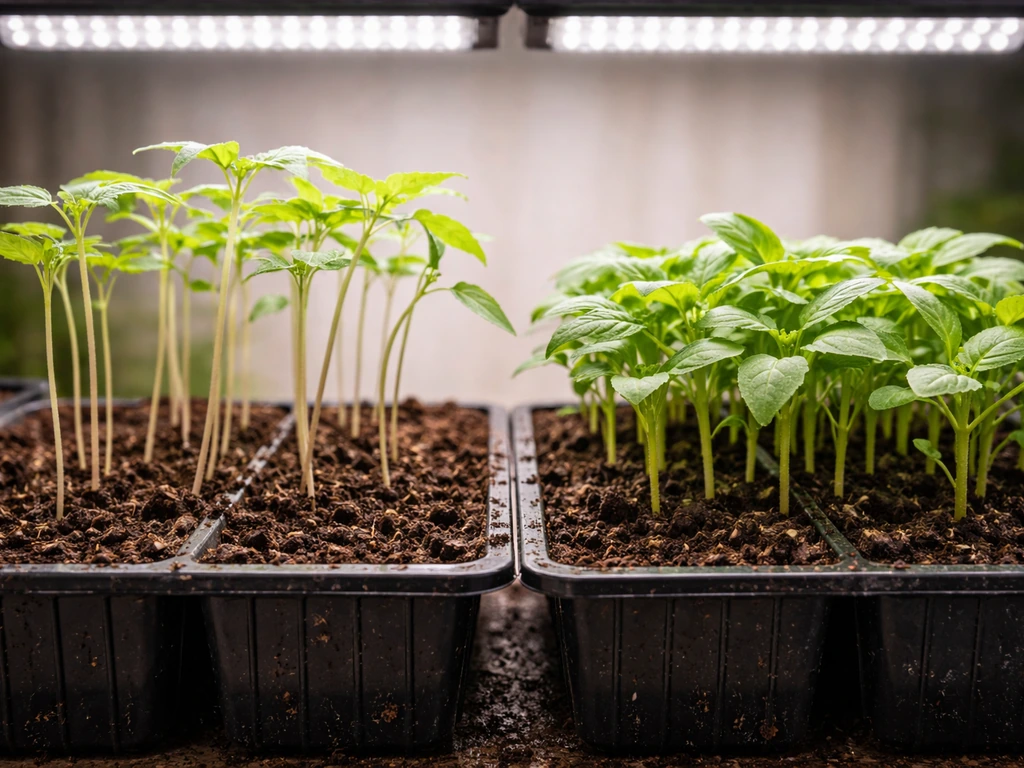
Leggy growth, long thin stems with wide gaps between leaves, is almost always an insufficient light problem. Indoors, seedlings need 14–16 hours of bright light per day from a grow light positioned 2–4 inches above the tops of the seedlings. A windowsill is rarely enough. If your seedlings are already leggy before transplanting, you can bury part of the stem when transplanting (this works especially well for cosmos and petunias) to stabilize them and encourage new roots.
Blooms fading or turning red instead of near-black
This is the most frustrating one because you did everything right and the flowers still aren't as dark as the seed packet promised. A few things cause this. First, variety matters enormously, and some seed mixes labeled 'dark' or 'black' include a range of shades. If you want reliably near-black blooms, buy named cultivars from reputable seed companies rather than generic 'mixed' packs. Second, high nitrogen fertilizing will lighten bloom color. Third, extreme heat can bleach blooms, so if you're in a zone 9 or warmer area, providing afternoon shade during the hottest weeks can help preserve color. Finally, full sun really does deepen the color compared to partial shade, which is counterintuitive but consistent.
Weak or slow-growing plants
If plants just aren't growing vigorously after transplanting, check whether they were hardened off properly. Skipping the hardening-off period causes transplant shock that can set plants back by 2–3 weeks. Also check soil drainage: waterlogged roots cause chlorosis (yellowing) and slow growth that looks like a nutrient deficiency but is actually a root issue. Dahlias in particular hate sitting in wet soil.
Transplanting, spacing, and growing for cut flowers
Harden off all indoor-started seedlings for at least 7 days before transplanting. Set them outside in a sheltered, lightly shaded spot for a few hours, increasing exposure each day until they're handling direct afternoon sun without wilting. Then transplant on a cloudy day or in the late afternoon to reduce stress.
Spacing makes a real difference to bloom quality. Crowded plants have poor airflow and compete for nutrients, which weakens flowering. A practical guide for each type:
| Variety | Recommended spacing | Notes |
|---|---|---|
| Dahlias (seed-grown) | 18–24 inches apart | Stake taller types early |
| Chocolate Cosmos | 12–18 inches apart | Deadhead to extend bloom period |
| Zinnias | 9–12 inches apart | Pinch once at 6 inches tall for bushier plants |
| Petunias | 12 inches apart | Pinch tips for fuller plants, not needed for cutting |
| Cosmos | 12–18 inches apart | Thin direct-sown seedlings to this spacing |
If you're growing these for cut flowers, the rules are simple. Cut stems in the early morning when blooms are just opening, not fully open. Use clean, sharp scissors or secateurs. Strip lower leaves and put stems immediately in cool water. Dark dahlias and deep zinnias both make excellent cut flowers that last 5–7 days in a vase. The near-black color is especially effective in arrangements with pale flowers like white lisianthus or cream snapdragons, where the contrast makes both colors pop. Deadheading or regularly cutting blooms also extends the flowering season across the board, so keep cutting and the plants will keep producing.
If you enjoy growing dark cosmos and want to explore the full cosmos family, there's a lot more variety available once you start looking at companion planting and color combinations. Cosmos in general are wonderfully easy seeds to start with, whether you're chasing near-black blooms or exploring lighter shades to mix in.
FAQ
How can I get reliably near-black blooms instead of random dark shades?
Choose a variety labeled as near-black, deep burgundy, or very dark purple, then verify it is suited to your climate (annual versus tender perennial) and your start method (seed indoors, direct sow, or tuber only). In practice, if the packet does not name a cultivar series (not just “black” mixed colors), expect a broader range of bloom shades.
What should I do if my near-black flowers fade during extreme heat?
In the hottest part of summer, aim for “bright light” rather than “full noon sun all day.” If your area regularly exceeds about 90°F (32°C), provide light afternoon protection (shade cloth or a nearby taller plant) so the flowers do not bleach while still getting at least 6 hours of direct sun.
Why are my flowers turning washed out even though I picked a “dark” variety?
Dark-pigmented blooms can look lighter when the plant is stressed, especially from soggy soil or inconsistent watering. Let the top inch of soil dry slightly between waterings, water at the base, and ensure containers have working drainage holes so roots can breathe.
When should I stop fertilizing with nitrogen for darkest color?
Yes, but the timing matters. Stop high-nitrogen feeding once buds are visible and switch to a lower-nitrogen, bloom-focused fertilizer, or simply rely on your pre-plant mix. If you continue nitrogen-heavy fertilizer after flowering begins, the plant often grows more leaves and the bloom color reads less black.
How do I prevent petunia seeds from failing or damping off?
For petunias, do not cover seed beyond a dusting layer, and keep the mix moist without waterlogging until germination. Use a clear dome or a plastic cover briefly to prevent drying, then remove it soon after seedlings emerge to reduce fungal issues.
What’s the best way to harden off seedlings before transplanting dark flowers?
Hardening off must be gradual and include protection from wind, not just sun. Start in a sheltered spot, increase direct exposure over several days, and transplant on an overcast day or late afternoon so the plants are not hit with bright light and temperature swings immediately.
Does spacing affect bloom darkness, or only flowering quantity?
Space plants so air can move between leaves, especially in humid weather. If plants are too crowded, they dry slowly after rain and fungal pressure rises, which can indirectly dull flowering performance. If you see mildew or persistent wet foliage, thin or thin earlier in the season.
What planting companions make near-black flowers look the darkest?
Most dark anthocyanin blooms read darkest against light backgrounds, but you can also control the visual effect by pairing with pale or silver foliage (such as dusty miller) or pale flowers. Avoid putting very dark blooms next to equally dark companions, since the contrast cue is what makes “black” read as black.
I’m seeing seedlings collapse at the soil line, what immediate steps should I take?
If you want to keep seedlings from toppling, increase airflow and only water from the bottom when possible. Remove affected seedlings immediately, reduce watering frequency, and avoid chilling the tray, because cool wet conditions commonly trigger damping-off in dense seedling flats.
Which near-black plants are the best first choice for a beginner growing from seed?
Start with the easiest near-black options that match your schedule. If you want dependable germination and faster establishment, choose cosmos or deep zinnia first, because they often outperform slower “dark” types. Use petunias or dark dahlias if you are comfortable with indoor sowing and extra light control.
How does seed age change my chances of getting dark blooms?
Older seed can still sprout, but germination drops and uneven emergence makes plants more variable. If you are using saved seed or seed packets from prior seasons, consider starting more seeds than you need and be prepared for thinner stands that may flower later.
My seedlings are leggy, should I top them or just transplant differently?
For long, dark petiole growth and sturdier transplants, provide consistent bright light indoors, about 14–16 hours per day under a grow light positioned close enough to prevent stretching. If seedlings are already leggy, bury part of the stem at transplanting for cosmos and petunias to encourage new roots.
Any extra tips for growing near-black flowers in pots versus the ground?
For containers, color depends heavily on drainage and temperature. Use a high-quality potting mix, keep the pot from staying wet, and avoid oversized pots that hold excess water. Also consider that containers heat up faster, so watch for bleaching during peak summer.
Next Articles
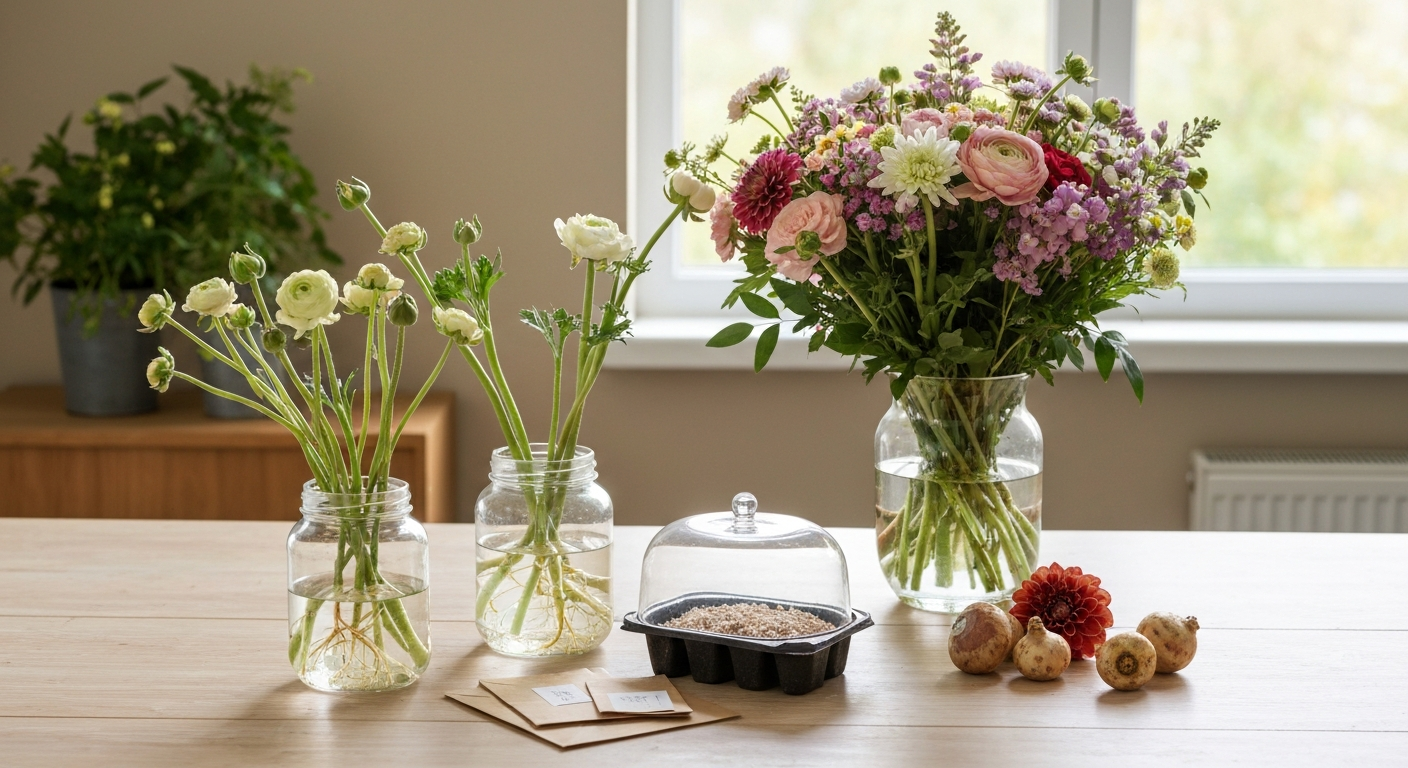
How to Grow Plants from a Bouquet: Step-by-Step Guide for Beginners
How to grow plants from bouquet: step-by-step rooting, seed saving, bulbs, timelines and troubleshooting
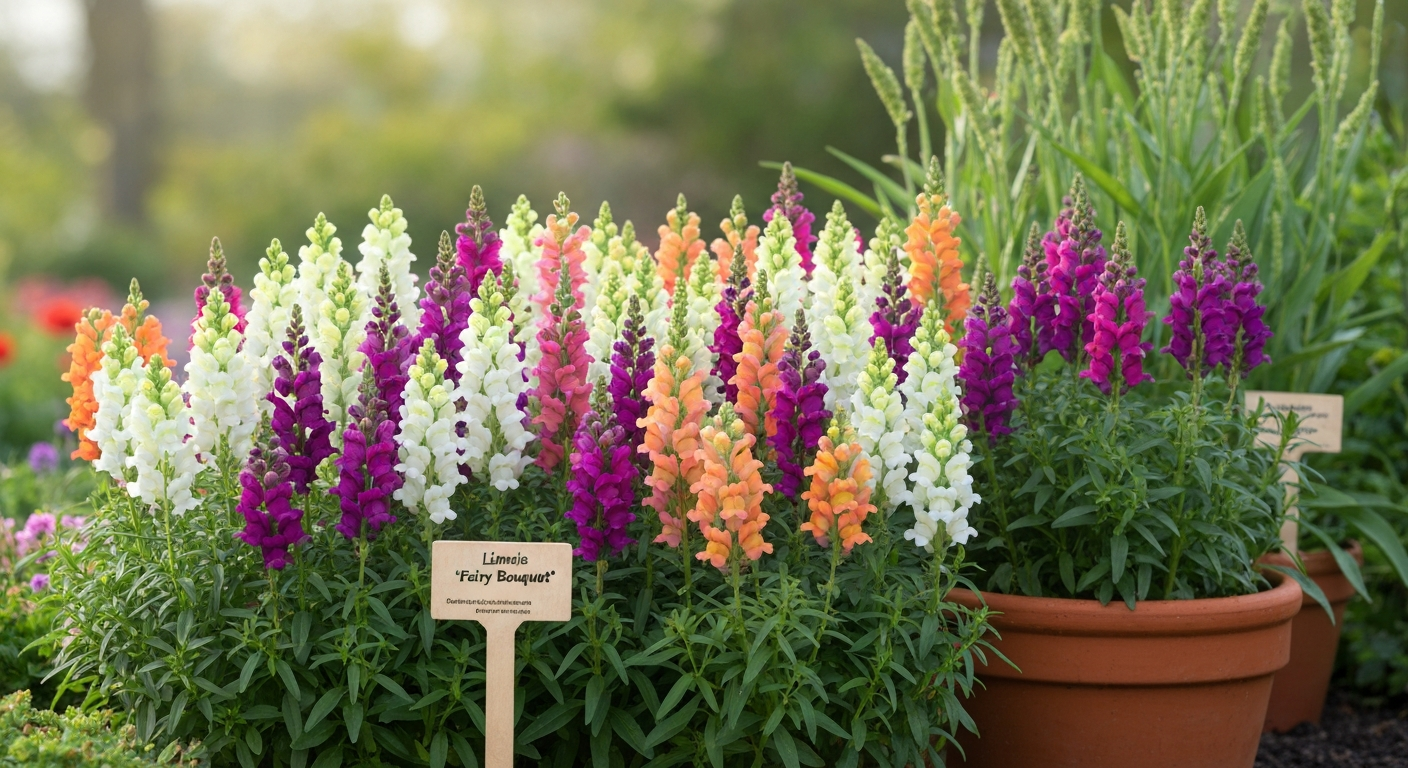
Linaria 'Fairy Bouquet' How to Grow: Seed to Cut Flowers
Grow Linaria 'Fairy Bouquet' from seed to vase: step‑by‑step sowing, care, cutting, seed saving & troubleshooting.
Floret How to Grow Ranunculus: Step-by-Step Guide
Step-by-step Floret-style ranunculus guide: corm prep, planting, watering, frost care, troubleshooting, and harvest for