Seasonal flowers are simply varieties timed to bloom during a specific part of the year, and the trick to growing them reliably is matching the right flower to your season, then working backwards from your local frost dates to set a sowing schedule. Pick the wrong variety for your window, or start seeds too late, and you end up with plants that rush to set seed before blooming, or that get caught by heat or cold before they hit their stride. Get the timing right, though, and even a beginner can have marigolds blazing through summer, snapdragons brightening spring and fall, and wildflowers filling gaps with almost zero fuss.
How to Grow Seasonal Flowers: Step-by-Step Guide
James Holloway
15 Jun 2026
What counts as a seasonal flower (and how to pick the right ones)
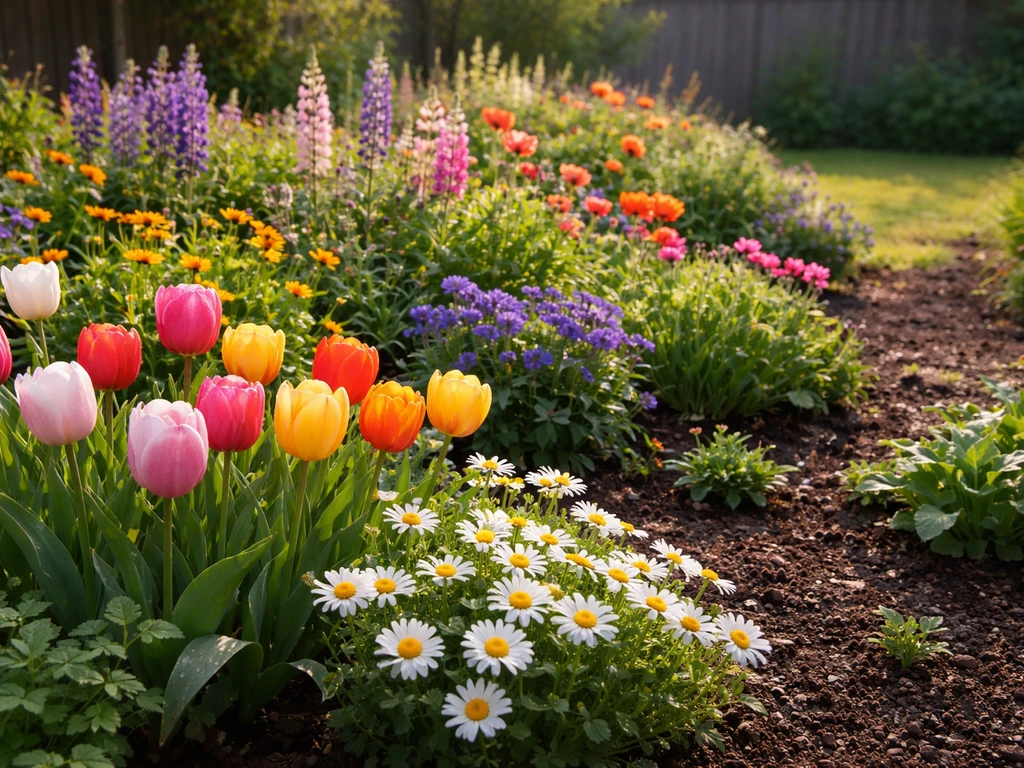
A seasonal flower is any variety that performs best, or only, within a defined temperature window. Cool-season flowers like snapdragons, poppies, and larkspur thrive when temperatures sit between 45 and 65°F. They struggle or bolt once summer heat kicks in. Warm-season flowers like marigolds, zinnias, and cosmos need soil temps above 60°F and air temps consistently above 50°F at night to really perform. Knowing which camp your flower falls into determines everything else: when you start seeds, when you transplant, and how long you can expect blooms.
The most practical tool for picking the right varieties is your last and first frost date. The NOAA/NWS frost date resources let you look up your specific location so you know exactly when frost-sensitive plants can go out and when they need to come in or be swapped out. Your USDA Plant Hardiness Zone tells you about minimum winter temperatures, which matters more for perennials and biennials, but for annual flower growing your frost dates are the number that drives every decision.
Day length is also worth knowing about. Some flowers, like petunias, bloom regardless of day length but produce more flowers during long summer days. Others are triggered by specific light-to-dark ratios. In practice, this means planting a strictly short-day flower in midsummer won't get you blooms until days shorten in fall. For most cutting garden staples like marigolds, zinnias, poppies, snapdragons, and wildflower mixes, this isn't a problem as long as your timing is right, but it's a good explanation for why a neighbor's flowers bloom weeks before yours even when you planted on the same day.
Choose your varieties and plan your timing
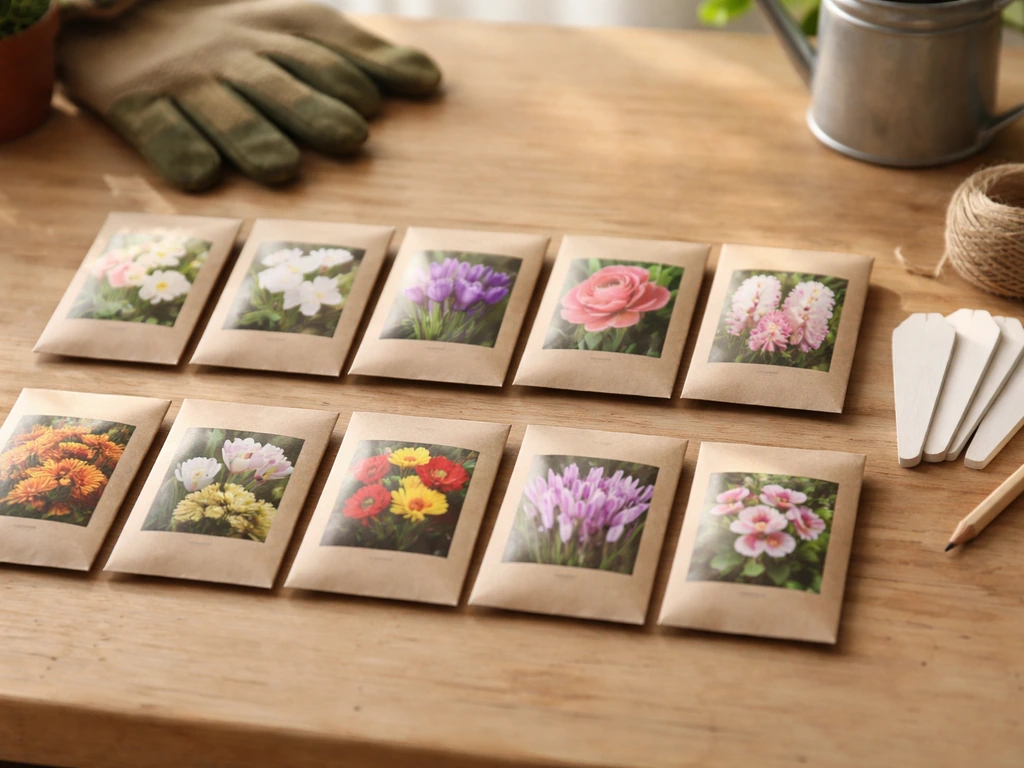
Before you buy a single seed packet, decide which season you want to target. Most gardeners focus on spring-to-summer or summer-to-fall, but you can actually stack both with a little planning. Here's how the common starter varieties break down by season.
| Flower | Season | Sow Indoors | Direct Sow / Transplant Out | Notes |
|---|---|---|---|---|
| Snapdragon | Spring & Fall | 8–10 weeks before last frost | 2–4 weeks before last frost | Cool-season; fades in heat, rebounds in fall |
| Poppy | Spring | Direct sow only; fall or early spring | As soon as soil can be worked | Doesn't transplant; needs cold to germinate |
| Marigold | Summer | 4–6 weeks before last frost | After last frost | Fast; 50–60 days to bloom |
| Wildflower mix | Spring/Summer | Direct sow; fall or early spring | After last frost for warm types | Many need cold stratification |
| Cosmos | Summer | 3–4 weeks before last frost | After last frost | Prefers lean soil; easy from seed |
| Zinnia | Summer | 2–4 weeks before last frost | After last frost | Hates root disturbance; sow in place |
The schedule above is built around your last frost date, so look that up first. If your last frost is May 1, for example, you'd start snapdragon seeds indoors around late February, direct sow poppies in early March, and wait until after May 1 to put marigolds, cosmos, and zinnias outside. For fall bloomers, count backwards from your first fall frost date instead, giving warm-season flowers enough time to mature before temperatures drop.
If you want flowers all year round or are specifically focused on spring flowers, those are distinct enough challenges that they're worth exploring separately. If you want true continuous blooms, you can combine cool-season and warm-season varieties and stagger sowing so each group takes over as the weather changes flowers all year round. The core seasonal principle here applies to both, but the variety lists and timing windows shift noticeably.
Soil prep: containers vs. in-ground beds
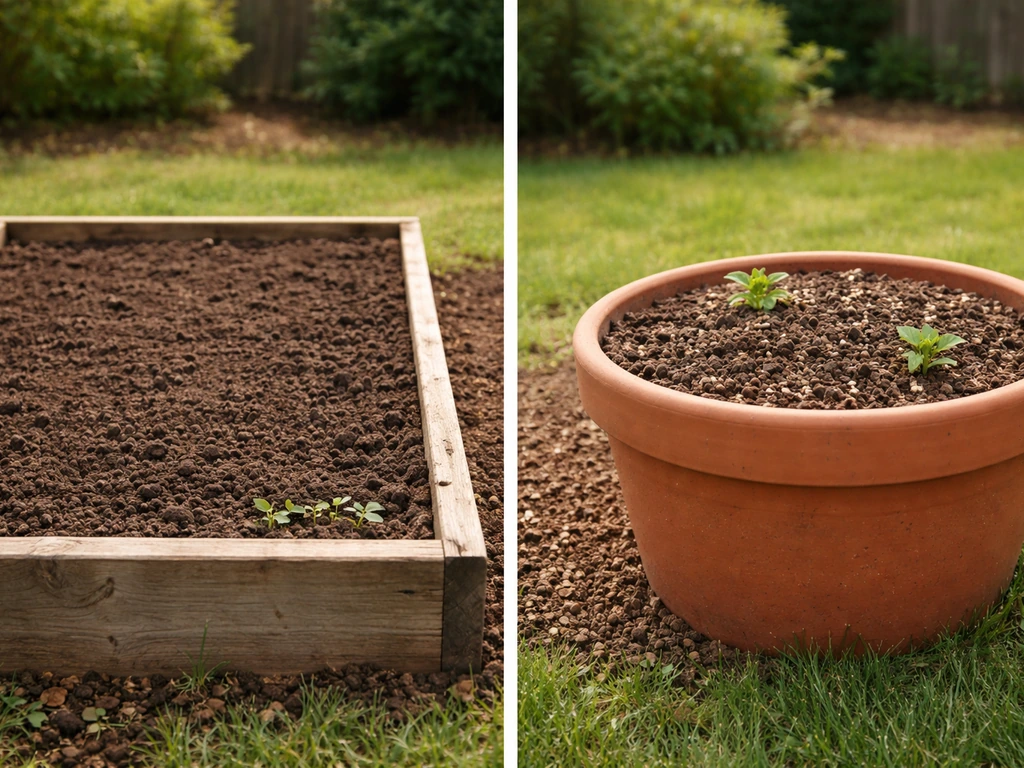
Poppies, wildflowers, and direct-sown annuals absolutely need well-drained, fertile soil. Poppies in particular will rot in waterlogged ground. For in-ground beds, work the soil about 8–12 inches deep, break up clumps, remove weeds, and mix in a couple inches of compost. If your soil is heavy clay, add perlite or coarse sand to improve drainage. If it's very sandy, the compost alone will help water retention.
Containers are a great option if your backyard soil is poor or if you want more flexibility with placement and timing. Use a quality potting mix, not garden soil, because bagged potting mix stays loose and drains well even after repeated watering. The trade-off is that containers dry out faster and need more frequent feeding. For seasonal flowers in containers, choose a pot that's at least 10–12 inches deep and wide to give roots room to spread. Most annual flowers aren't deep-rooted, but cramped pots stress plants and shorten bloom time.
One thing to do regardless of whether you're growing in the ground or in containers: loosen the surface before sowing or planting, and firm it down lightly after. Good seed-to-soil contact helps seeds absorb moisture and germinate faster, and reduces the chance that small seeds shift around in wind or during watering.
Seed starting: indoors vs. direct sowing
Starting seeds indoors
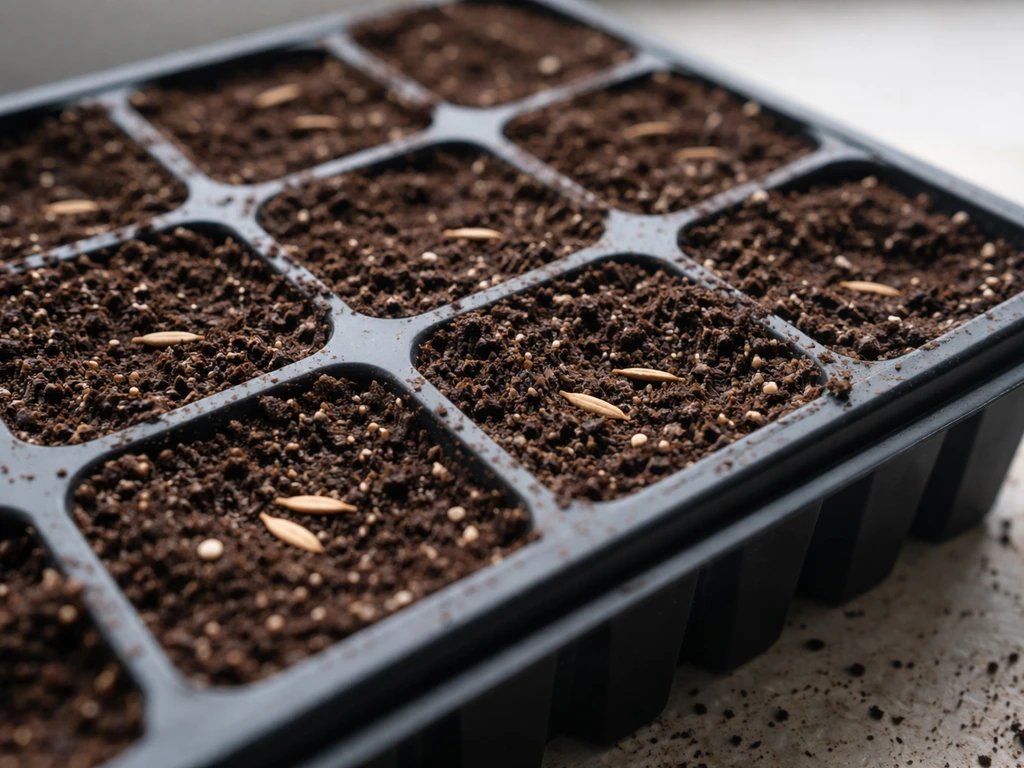
Snapdragons, marigolds, and most warm-season annuals benefit from an indoor head start. Use small cells or seed trays filled with moistened seed-starting mix. The universal depth rule is to plant seeds about twice as deep as their width. Tiny seeds like snapdragon are the exception: don't cover them at all. Press them gently onto the surface of the mix and mist to water them in. They need light to germinate. If you do want a thin covering to retain moisture, use a light dusting of vermiculite rather than soil.
Marigolds are one of the fastest and most satisfying flowers to start indoors. At 70–75°F, they typically germinate in just 5–8 days. Once they sprout, lower the temperature slightly to around 65–75°F during the day and 65–70°F at night to grow stocky, strong seedlings. Keep them under grow lights or in a very sunny south-facing window to stop them getting leggy while they wait to go outside.
Direct sowing outdoors
Poppies, wildflower mixes, and zinnias generally do better sown directly where they'll grow because they dislike root disturbance or, in the poppy's case, genuinely need outdoor cold exposure to trigger germination. For poppies, cover seeds with no more than 1/8 inch of soil since they need light to germinate well. Firm the soil over them lightly and keep the area consistently moist until you see sprouts, which can take anywhere from 7 to 28 days depending on soil temperature. Once seedlings reach about 6 inches tall, thin them to a final spacing of 6–8 inches apart. I know it's hard to pull healthy seedlings, but crowded poppies produce small, weak flowers and are more prone to disease.
For native wildflower mixes, many seeds need a period of cold and moisture to break dormancy, which is why fall sowing or a technique called winter sowing works well. If you're sowing in spring, check whether your seed packet recommends cold stratification and give those seeds a few weeks in a damp paper towel in the fridge if needed. Some seeds in a wildflower mix also need soil temperatures around 72°F to germinate, so warm-season types in the mix won't pop until soil warms up naturally.
Getting from seedling to full bloom
Watering
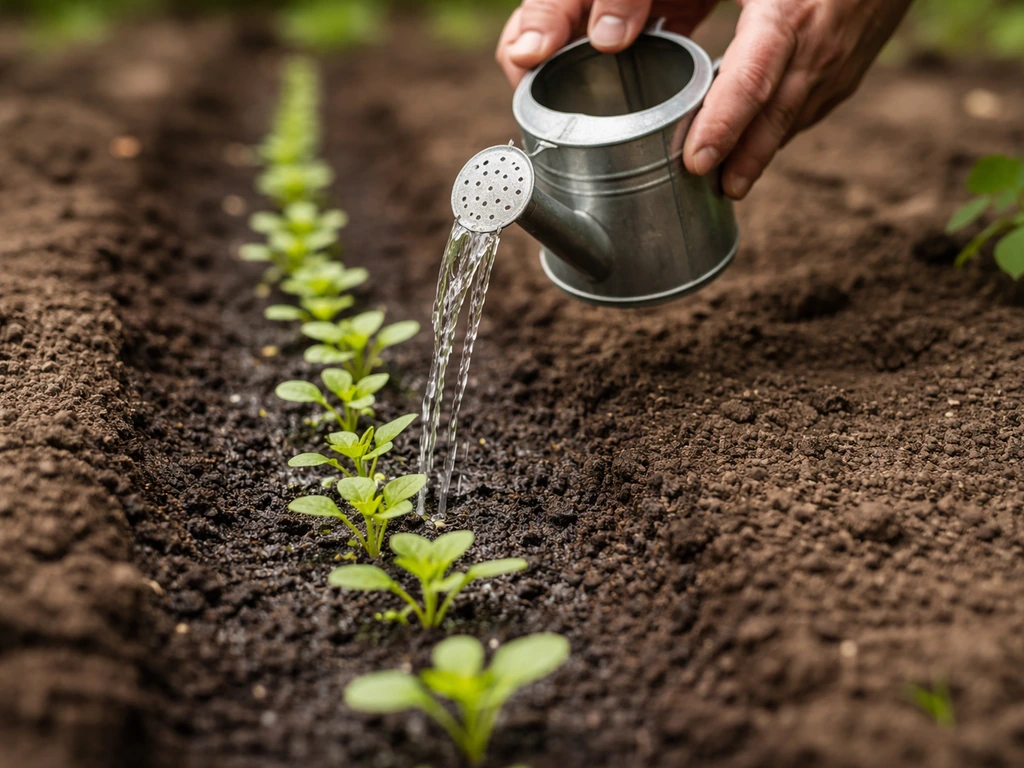
Seeds and young seedlings need consistent moisture but not soggy conditions. Germination requires water, oxygen, and warmth together, and waterlogged soil cuts off oxygen to the roots. Water lightly and frequently during germination, then back off slightly once seedlings are established, watering deeply but less often to encourage roots to grow down. For most seasonal annuals, about an inch of water per week (from rain or hand watering) is a reasonable target once plants are in the ground.
Feeding
Go easy on fertilizer early on. Poppies in particular prefer light feeding until they're established and beginning to flower. Over-fertilizing young seedlings pushes leafy growth at the expense of blooms. For most seasonal flowers started in a compost-enriched bed, a balanced slow-release granular fertilizer at planting is enough to carry them through. Container plants need more frequent feeding, usually every two weeks with a balanced liquid fertilizer, because nutrients leach out with regular watering.
Light and temperature
Almost all the flowers covered here want full sun: at least 6 hours of direct light per day, with 8 or more being ideal for heavy bloomers like marigolds and snapdragons. Snapdragons are unusual in that they actively prefer cooler temperatures and will slow down or stop blooming when summer heat peaks above 80°F, but they bounce back beautifully when fall temperatures drop. If you're growing flowers outside in a partially shaded spot, expect fewer flowers and slower growth, but some flowers like cosmos tolerate light shade.
Transplanting seedlings outdoors
Harden off indoor-started seedlings before planting them out. Set them in a sheltered spot outside for a few hours each day for about a week, gradually increasing exposure. This transition matters a lot: seedlings grown under indoor lights or in a warm house can go into shock when hit with full outdoor sun, wind, and temperature swings. After hardening off, transplant on a cloudy day or in the evening to reduce transplant stress. Water well immediately after planting and keep soil moist for the first week or two while roots establish.
Keeping flowers going all season
Deadheading
Deadheading is simply removing spent flowers before they set seed. When a plant forms seeds, it signals that its job is done and flower production slows or stops. Removing faded blooms keeps the plant in flowering mode. blank" rel="noopener noreferrer">Marigolds, snapdragons, and cosmos all benefit noticeably from regular deadheading. For snapdragons, blank" rel="noopener noreferrer">remove the entire spent flower spike back to a side shoot to get a second flush. It won't be quite as impressive as the first, but it extends your season meaningfully.
Thinning and support
Thinning isn't just for the seedling stage. If plants are growing densely and blocking airflow, you'll see more fungal problems and weaker stems. Thin or space plants so leaves can dry between waterings. Tall flowers like snapdragons and some poppy varieties may need support as they grow, especially in a windy garden. A simple ring of bamboo stakes and twine placed when plants are about a third of their mature height is far easier than trying to prop them up after they've flopped.
What to do when things go wrong
Poor or slow germination
If seeds aren't sprouting, temperature is usually the first culprit. Most flower seeds germinate poorly below 60°F and some really want 70°F or above. Check with a soil thermometer if you're direct sowing. Indoors, seeds on a heat mat sitting on a cold windowsill will germinate far faster than those just sitting in a room at 65°F. Seed age matters too: old seeds lose viability, so if yours have been sitting in a drawer for three or more years, do a quick germination test on a damp paper towel before committing to a full tray.
Leggy seedlings
Leggy, stretched seedlings are almost always a light problem. They're reaching hard for any light source, which makes stems long and weak. If you can't move them to brighter conditions immediately, keep them in the coolest bright spot you have (direct sun is ideal) and avoid the temptation to feed them heavily, which only pushes more soft, weak growth. The real fix is more light: grow lights positioned just a few inches above seedlings make a huge difference. If you're using a grow light and still seeing legginess, move it closer or increase the daily hours.
Pests and disease
Aphids are the most common pest on tender young annuals, especially on snapdragons. Knock them off with a strong spray of water, or use insecticidal soap if the infestation is heavy. Fungal diseases like powdery mildew show up when plants are crowded and air circulation is poor, usually in warm, humid weather. The best defense is spacing plants properly from the start and watering at the base rather than overhead. If you see fungal spots, remove affected leaves promptly and improve airflow by thinning crowded stems. Slugs are a consistent problem for seedlings in cool, wet spring conditions: use iron phosphate bait or diatomaceous earth around young plants.
Delayed or missing flowers
If plants look healthy but aren't blooming, the most common reasons are too much nitrogen (from over-fertilizing), not enough sun, or the variety needing more time than you expected. Check that your plants are getting at least 6 hours of direct sun. If you've been feeding with a high-nitrogen fertilizer, switch to one with a lower first number and higher second and third numbers (phosphorus and potassium support flowering). And honestly, sometimes you just have to wait: some varieties take 70–80 days from seed, and impatience is the most common reason gardeners give up a week before bloom.
Your seasonal planting checklist and next steps
Today is mid-June, which puts most of the US firmly in summer growing territory. Here's what you should be doing right now and in the weeks ahead, depending on where you are in the process. If you want to make your seasonal plan practical, this is also where you can follow a step-by-step guide for how to grow flowers outside by matching timing, sun, and soil to your yard. If you want a step-by-step approach, our guide on how to grow flowers in summer covers choosing warm-season varieties, timing, and the key care tasks for the hottest weeks.
- Look up your local last spring frost date and first fall frost date. These two numbers are the foundation of every decision below.
- If you haven't planted yet for summer, direct sow zinnias, cosmos, and marigolds now in most zones. They'll bloom in 6–10 weeks.
- If your summer annuals are already in the ground, deadhead any spent flowers today and check for aphids or signs of fungal issues.
- For fall blooms, count backwards from your first fall frost date. If that's around October 15, you have about 4 months, which is plenty of time to start snapdragons indoors in late July for a fall planting.
- Plan your seed orders for cool-season fall flowers now: snapdragons, larkspur, and pansies. Many popular varieties sell out by late summer.
- If you want to try poppies, mark your calendar for either a fall direct sow (after first frost in colder zones) or earliest possible spring sowing when the ground is workable.
- Start a simple garden journal: write down what you planted, when, and when it bloomed. One season of real notes is worth more than any generic timing chart.
- If your seedlings are looking leggy or stressed in the heat, improve airflow, water consistently, and avoid feeding until plants look stable.
The most important thing to take away is that seasonal flower growing is really just a timing game. Once you know your frost dates and understand which flowers prefer cool versus warm conditions, the whole process clicks into place. Start with one or two easy varieties like marigolds or cosmos this season, nail the timing, and build from there. Growing flowers in your backyard or in containers outside follows the same core principles, but the combinations you can create once you have the basics down are genuinely exciting. Give yourself permission to experiment, expect a few surprises, and know that every season you grow you'll get better at reading what your specific garden needs.
FAQ
What should I do if my spring or fall season is very short where I live?
If your first frost and last frost dates are close together, prioritize fewer varieties with shorter maturity times, and stagger only within that window (example: direct-sow fast cool-season types early, then switch to one warm-season group after the soil reaches the needed warmth). This prevents planting a second group that does not have enough days to bloom before cold returns.
Can I grow seasonal flowers in partial shade and still expect blooms?
Yes, but treat it as a light optimization problem, not a timing override. Start cool-season seeds on schedule, but choose shorter-day or day-length tolerant varieties when possible, and expect slower growth in midsummer shade. If you see buds but no open flowers, usually it is insufficient direct sun rather than “wrong season.”
How do I water during seed germination without drowning the seeds?
Overwatering is the most common cause of poor germination and early rotting, especially for poppies and other light-germinating seeds. Keep the top layer consistently moist during germination, then switch to deeper, less frequent watering once seedlings have leaves and roots established.
What’s the right way to plant tiny seeds that need light to germinate?
For light-germinating seeds, covering is not “optional.” Press seeds gently into the mix, mist lightly, and use a thin vermiculite dusting only if moisture retention is an issue. If you accidentally cover snapdragon or poppy seeds too deeply, they often will not catch up.
How do I harden off seedlings if the weather is windy or there is a risk of overnight frost?
Hardening off should match your conditions. If you have a windy spot, start with calmer late-morning sun exposure and gradually increase wind exposure, too. If frost threatens during the transition, cover plants overnight rather than delaying hardening indefinitely.
Do I need to protect newly planted seedlings from heat or cold right after transplanting?
Use shade-cloth or a simple row cover to manage heat stress during the first 7 to 10 days after transplant, especially for warm-season annuals going into hot weather. Do remove the cover during cooler hours so humidity does not build and trigger fungal issues.
When should I start fertilizing, and how often in containers versus in-ground beds?
Fertilizer timing matters, feed only after seedlings are actively growing and established. For containers, switch to a balanced fertilizer after the first flush of growth, and reduce feeding frequency during cloudy stretches when growth naturally slows.
Does deadheading mean I should always thin plants too?
Yes. If you want longer bloom, deadhead first, then thin only if airflow is poor. Over-thinning can reduce flowering because plants put energy into recovery. Aim to thin to spacing that keeps leaves drying quickly, then reassess after a week.
How can I tell whether my plants are not blooming because of care, pests, or just variety timing?
If seedlings are not blooming but look healthy, first confirm they are getting at least 6 hours of direct light, then check whether nitrogen is high. Also check variety days-to-maturity, some flower types need 70 to 80 days, and the “missing blooms” issue is often timing rather than disease.
What are the most common container mistakes that lead to root problems?
Container plants need drainage you can verify: ensure holes are open, use a saucer only briefly, and empty any standing water after watering. Root rot can happen quickly in pots because excess water has nowhere to go.
How do I know if my seeds are too old before I plant a whole tray?
Do a quick seed viability test by sowing a small sample of seeds on damp paper towel and checking germination rate after the typical germination window. If germination is low, increase seeding density or replace the packet instead of assuming the climate is the problem.
What’s a practical response plan when powdery mildew shows up in dense flowerings?
If plants get powdery mildew, remove affected leaves, improve spacing, and water at the base. For ongoing protection, avoid overhead watering and keep fertilization moderate, because lush, soft growth is more susceptible to outbreaks.
Next Articles
How to Grow Plants from a Bouquet: Step-by-Step Guide for Beginners
How to grow plants from bouquet: step-by-step rooting, seed saving, bulbs, timelines and troubleshooting
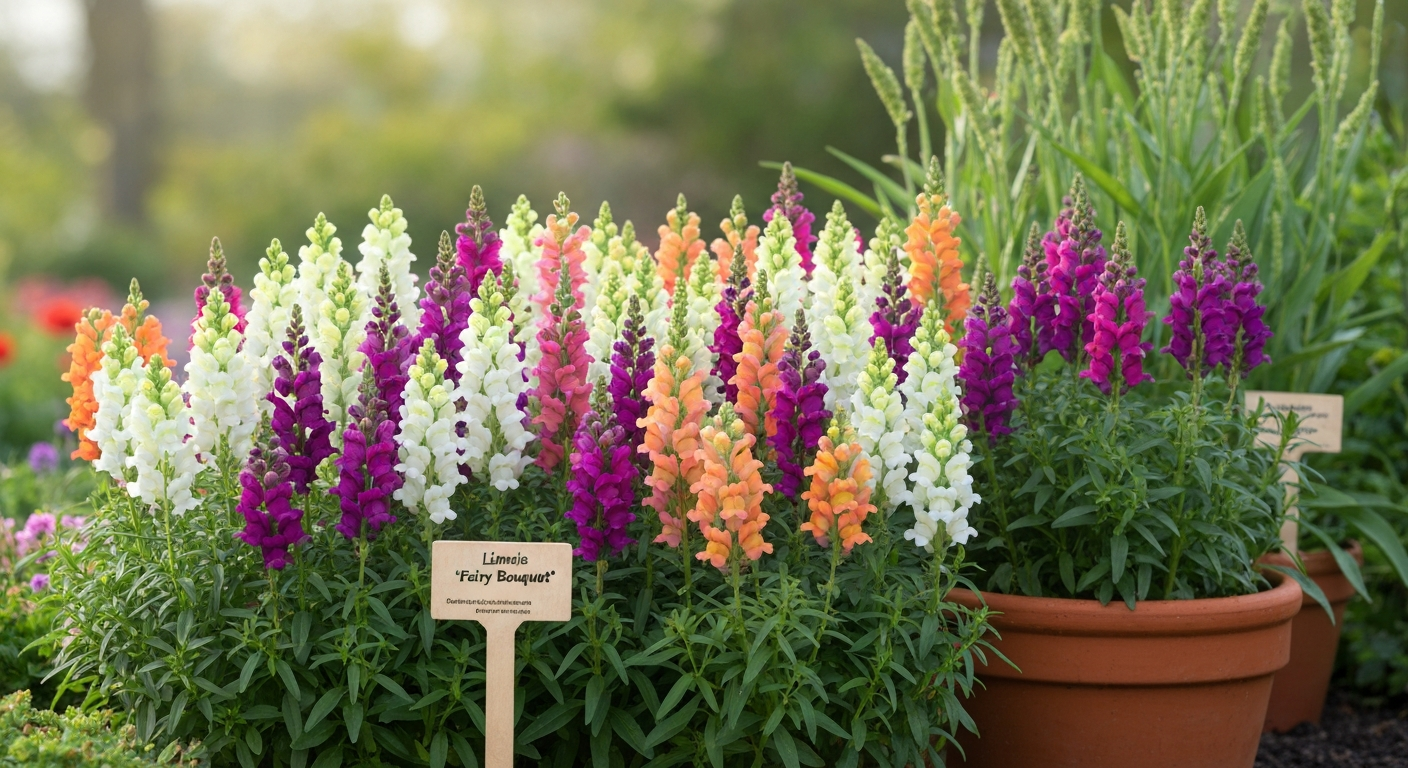
Linaria 'Fairy Bouquet' How to Grow: Seed to Cut Flowers
Grow Linaria 'Fairy Bouquet' from seed to vase: step‑by‑step sowing, care, cutting, seed saving & troubleshooting.
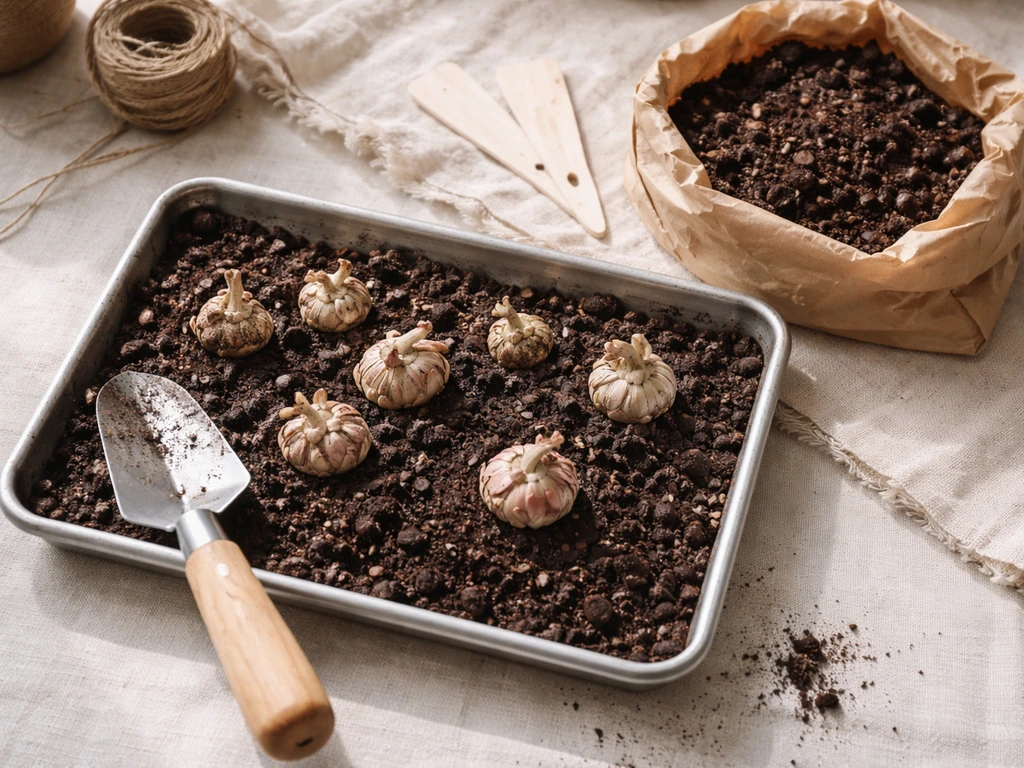
Floret How to Grow Ranunculus: Step-by-Step Guide
Step-by-step Floret-style ranunculus guide: corm prep, planting, watering, frost care, troubleshooting, and harvest for