Growing flowers outside comes down to three things: picking plants that match your conditions, getting timing right around your local frost dates, and giving them decent soil to start in. Do those three things and most flowers will take care of themselves. This guide walks you through the full process, from choosing varieties and prepping your ground or containers, to sowing seeds, watering, feeding, and keeping things blooming all season long. With the right seasonal plan, you can stagger sowing and plantings so your garden keeps producing blooms from spring through fall how to grow seasonal flowers.
How to Grow Flowers Outside: Step by Step Guide
James Holloway
1 Jul 2026
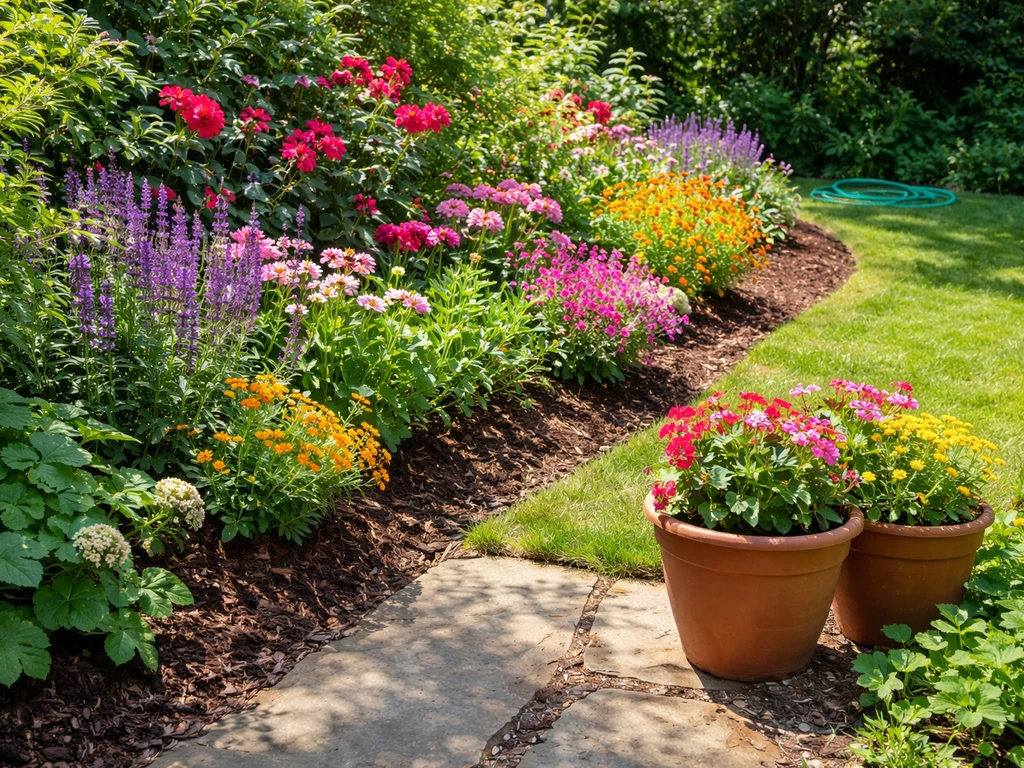
Picking flowers that actually suit your outdoor conditions
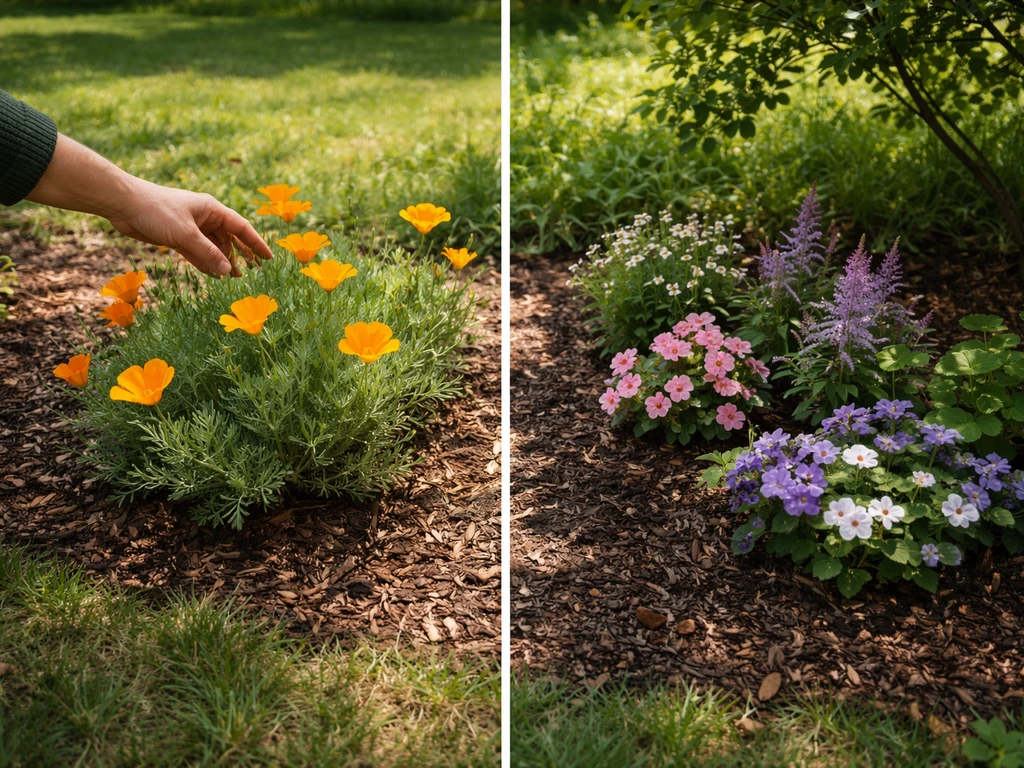
Before you buy a single seed packet, figure out two things: how much sun your space gets, and what hardiness zone you're in. Most popular ornamental flowers need full sun, meaning at least six hours of direct light per day. Marigolds are a perfect example. They produce their best, most continuous bloom in all-day sun. Pull them into shade and they get leggy and stingy with flowers. Snapdragons are similar. They're full-sun plants that thrive in cool weather, typically blooming from spring through mid-fall in most regions.
Poppies are a bit more nuanced. California poppies (Eschscholzia californica) are drought-tolerant and especially well suited to Zones 8 to 10, where dry summers are common. Corn poppies (Papaver rhoeas), the classic red field poppy, are hardier through Zones 4 to 8, making them a better pick for cold-winter areas. If you're building a wildflower patch or cutting garden, mixing varieties that peak at different times gives you something blooming from early spring through first frost.
For wildflower mixes, don't just grab the cheapest bag off the shelf. Choose a seed mix formulated for your site's conditions and hardiness zone. A mix sold for Pacific Northwest meadows won't perform the same way in a hot, humid Georgia summer. Read the label and match it to your region.
| Flower | Sun Need | Best Zones | Direct Sow or Transplant? | Notes |
|---|---|---|---|---|
| Marigold | Full sun | 2–11 (annual) | Either | Direct sow after soil hits 65°F; or start indoors 10 weeks before planting out |
| Snapdragon | Full sun | 7–10 (perennial); grown as annual elsewhere | Transplant recommended | Surface-sow indoors 8–10 weeks before last frost; cool-season bloomer |
| California Poppy | Full sun | 8–10 (perennial); annual elsewhere | Direct sow only | Drought-tolerant; does not transplant well |
| Corn Poppy | Full sun | 4–8 | Direct sow only | Needs light and/or cold stratification to germinate well |
| Wildflower Mix | Full sun to part shade (varies) | Varies by mix | Direct sow | Choose a zone-specific mix for best results |
When to plant: timing, frost dates, and seasonal planning
Your local last frost date is the anchor for almost all outdoor flower planting. You can find yours by searching your zip code with the USDA or your cooperative extension service. Once you have that date, everything else clicks into place.
For warm-season flowers like marigolds, wait until the soil temperature reaches at least 65°F before direct sowing outdoors. If you want to get ahead, start marigold seeds indoors about 10 weeks before your anticipated outdoor planting date. Snapdragons are cool-season plants, so they go out earlier. Start them indoors 8 to 10 weeks before your last frost date and transplant them outside once the worst of the cold has passed but while nights are still cool. They genuinely bloom better in cool conditions.
Poppies follow their own rules. Both California and corn poppies dislike transplanting, so you'll direct sow them. For corn poppies, sow in late fall or very early spring so freezing and thawing naturally stratifies the seeds and improves germination. California poppies can go out after your last frost date. If you're planting a wildflower meadow, fall seeding often works better than spring because cold winter temperatures and damp soil naturally break seed dormancy, leading to much better germination the following spring.
If you want flowers blooming across a longer window, stagger your plantings. A first round of snapdragons or wildflowers in early spring, followed by marigolds after the last frost, followed by a late-summer sowing of fast annuals, gives you overlapping bloom periods through the season. The sibling topic on growing flowers all year round goes deeper on that kind of succession planting strategy.
Soil and site prep: ground beds vs containers
Preparing an in-ground bed
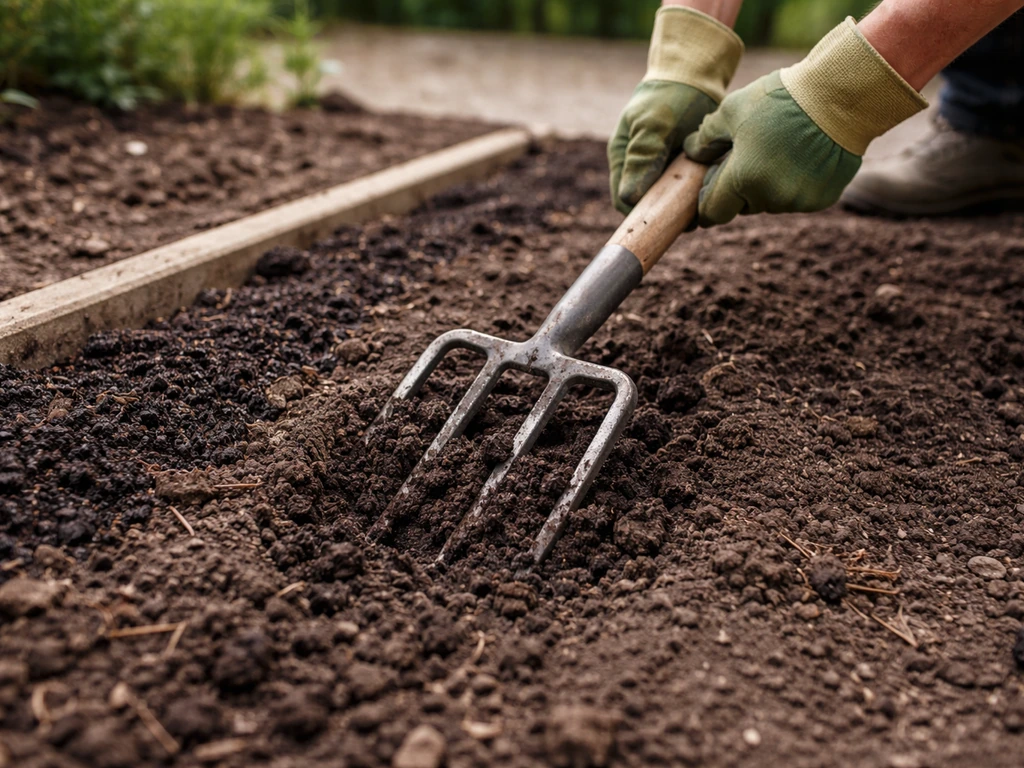
Flowers are not especially demanding, but they will not perform well in compacted, waterlogged, or nutrient-depleted soil. Start by loosening the top 8 to 12 inches with a fork or tiller, then work in a few inches of compost. This improves both drainage and fertility in one step. If your soil is heavy clay, adding coarse sand or perlite alongside the compost helps water move through rather than pooling at root level. Before planting, incorporate a general-purpose balanced fertilizer (look for equal N-P-K numbers like 10-10-10) into the top few inches of soil. This gives plants a nutritional foundation without front-loading nitrogen, which can push leafy growth at the expense of flowers.
Setting up containers
Containers give you a lot of flexibility, especially if your in-ground soil is poor or your outdoor space is limited. The most important rule: use a quality all-purpose potting mix that contains perlite or vermiculite for drainage. Don't use garden soil in pots. It compacts badly and retains too much moisture. On pot size, bigger is usually better, but don't go so large that the volume of soil stays wet for days after watering. That standing moisture is the main cause of root rot. A 10 to 14-inch pot is a good starting size for most annual flowers. Make sure every container has drainage holes at the bottom.
Starting seeds outside: direct sowing, depth, spacing, and transplanting
Direct sowing in the garden
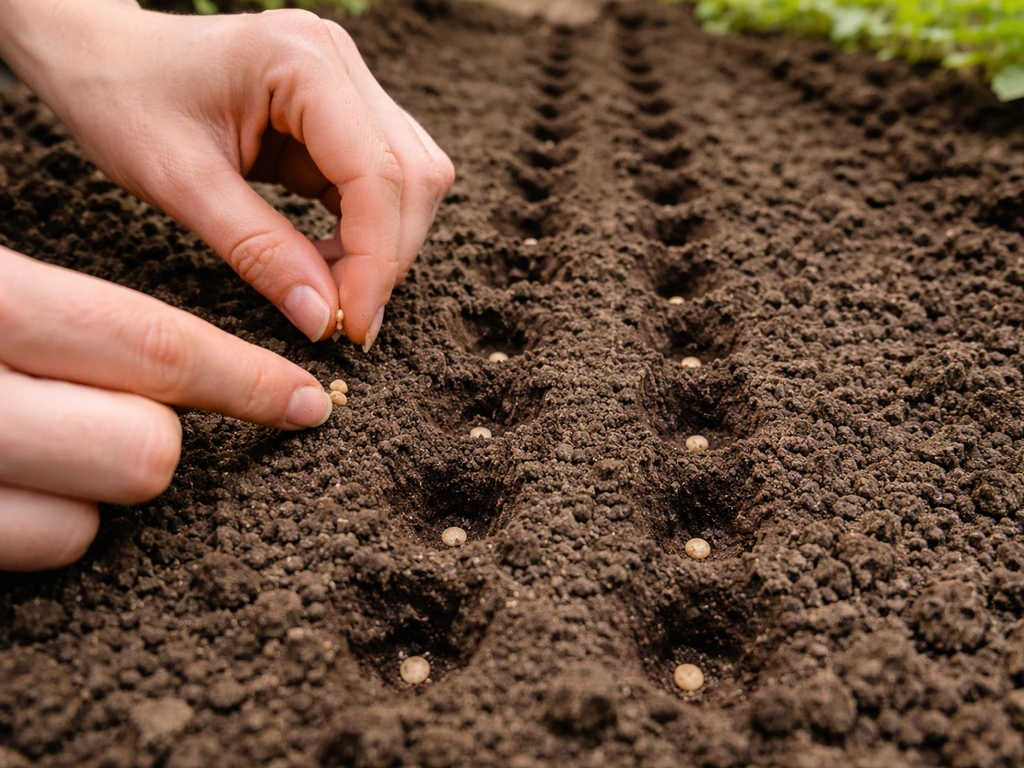
Some flowers genuinely prefer to be sown directly where they'll grow. Poppies are the best example. California poppies dislike having their roots disturbed, so direct sowing after the last frost is the right move. Cover the seeds with about 1/4 inch of soil. Corn poppies are similar in depth but actually need darkness to germinate, so make sure they're well covered. Keep the seedbed consistently moist until emergence, which can take anywhere from 7 to 28 days depending on soil temperature. Marigolds can also be direct sown once soil hits 65°F. Scatter or plant in rows, then thin to about 8 to 18 inches apart depending on variety (check your seed packet for the specific spacing).
A useful depth rule for any seed you're unsure about: plant it roughly twice as deep as it is wide, then cover lightly with a thin layer of vermiculite. Vermiculite keeps the surface moist without forming a hard crust, which helps small seeds that need moisture to germinate.
Starting seeds indoors for transplanting
Snapdragons are the prime example of a flower that does much better started indoors and transplanted out. Surface-sow snapdragon seeds into seed-starting flats because they need light to germinate. Don't bury them. Mist lightly or use bottom watering to keep the growing medium moist without washing the seeds sideways or burying them. Use a sterile seed-starting mix to prevent damping-off, a fungal problem that collapses seedlings at the soil line. Damping-off spreads fast through a flat and often means discarding the whole tray, so prevention through clean media and good airflow is far easier than trying to treat it after the fact.
Once your indoor seedlings are large enough and outdoor temperatures are appropriate, harden them off before transplanting. Set them outside in a sheltered spot for a few hours each day over 7 to 10 days, gradually increasing exposure. This acclimates them to wind, direct sun, and temperature swings and dramatically reduces transplant shock.
Watering and feeding for reliable blooming
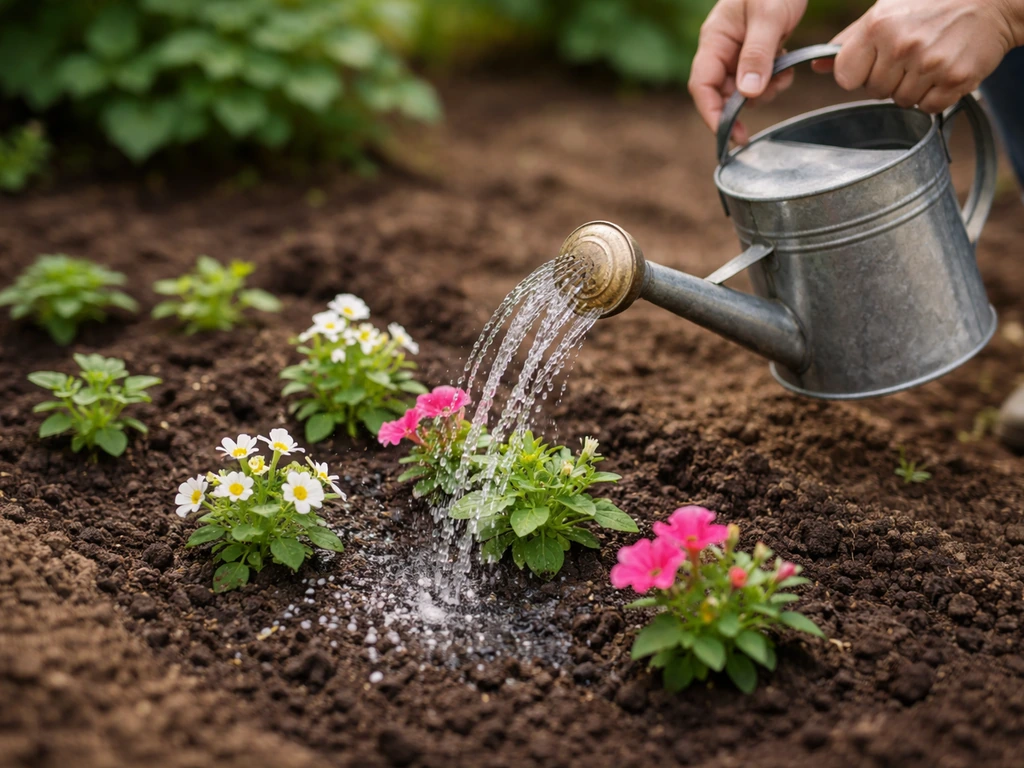
Newly planted seeds and transplants need consistent moisture while they establish. For direct-sown seeds, keep the surface of the soil or seed bed moist every day until germination. After seedlings emerge, you can back off slightly, but still water before the soil dries out completely. A good rule of thumb for established outdoor plants is about one inch of water per week, either from rain or irrigation. Stick your finger two inches into the soil. If it feels dry, water. If it still feels damp, wait.
Containers dry out much faster than in-ground beds, especially in summer heat. Check pot soil daily and water when the top inch feels dry. Water thoroughly until it runs freely from the drainage holes, then let it drain. Shallow watering that never reaches the root zone does more harm than good.
On fertilizer, the goal is steady, modest feeding rather than heavy doses. Work a balanced fertilizer into the soil at planting time as a baseline. Once plants are growing actively and starting to bud, a liquid bloom-boosting fertilizer (higher phosphorus, the middle number) every two to three weeks encourages flowering. Avoid going heavy on nitrogen after planting out. Too much nitrogen produces lush green leaves but noticeably fewer flowers. This is one of the most common reasons beginner gardens end up with beautiful foliage and almost no blooms.
Dealing with pests, diseases, and weeds
Pests to watch for
Aphids are the most common pest on outdoor flowers. They cluster on new growth and flower buds and, in large numbers, distort stems and slow flowering. A strong spray of water from a hose knocks most of them off. Repeat every few days and you'll usually break the cycle without any chemicals. Caterpillars, slugs, and earwigs can also damage seedlings and foliage. For slugs, a ring of diatomaceous earth around vulnerable young plants works reasonably well. Inspect plants in the morning and evening when pests are most active.
Disease prevention
Most outdoor flower diseases are related to moisture, poor airflow, or stressed plants. Powdery mildew shows up as white powder on leaves, usually in humid conditions or when plants are overcrowded. Space plants properly from the start to allow air movement. Water at the base of plants rather than over the foliage, especially in the evening. If you catch powdery mildew early, remove affected leaves and improve airflow. For damping-off (if you're starting seeds outdoors in flats or seed trays), use sterile potting mix and make sure your setup drains well.
Keeping weeds under control
Weeds compete directly with your flowers for water, nutrients, and light, and they're relentless. The most effective approach is to catch them early, when they're small and easy to pull. A two to three inch layer of mulch (straw, wood chips, or shredded leaves) laid around established plants suppresses weeds dramatically while also retaining soil moisture. Just keep mulch pulled back from plant stems to avoid rot. If you're direct sowing seeds in a new bed, wait until seedlings are an inch or two tall before mulching so you can identify what's a flower and what's a weed.
Keeping the blooms coming: deadheading, pruning, and support
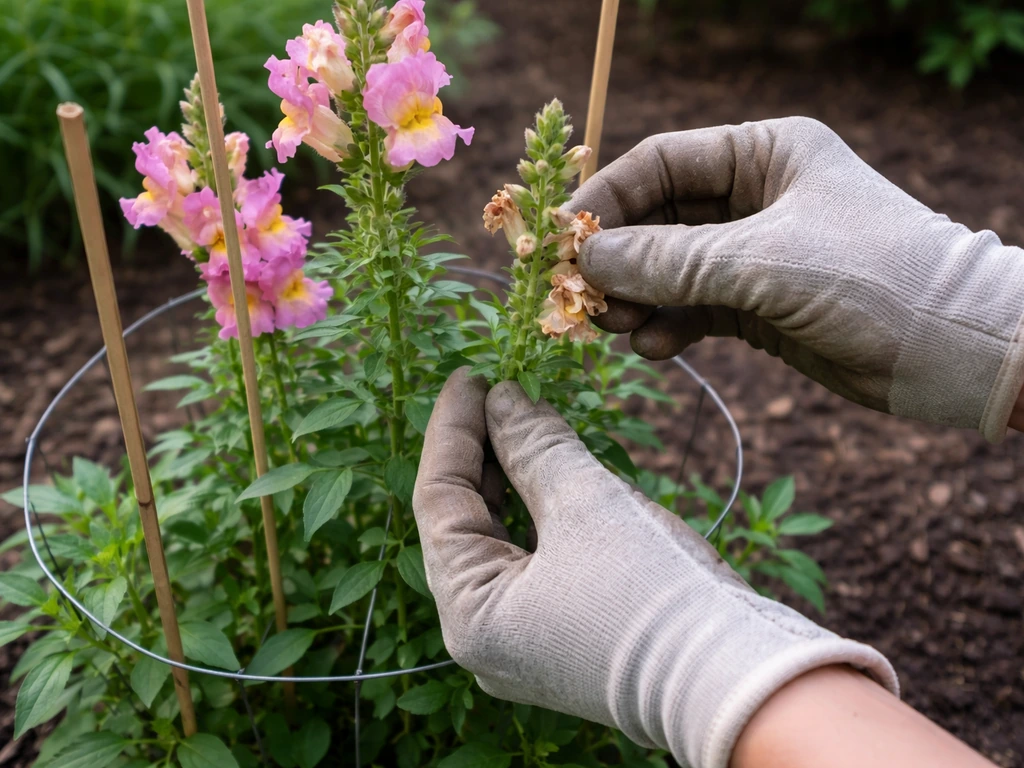
Deadheading, which is just removing spent flowers before they set seed, is probably the single most impactful thing you can do to extend bloom time. When a plant sets seed, it shifts its energy from making new flowers to maturing those seeds. Pinch or snip off faded marigold blooms every few days and the plant will keep pushing out new flowers instead. The same principle applies to most annuals. For daylilies and similar perennials, remove dead flowers daily to prevent seed development that would otherwise slow future blooming.
Snapdragons benefit from a soft pinch when they're young. Pinching out the growing tip when the plant is 4 to 6 inches tall encourages it to branch and produce multiple flower spikes instead of one. It feels counterintuitive to remove growth when you want more, but you'll end up with a much bushier, more floriferous plant.
Taller flowers like large marigold varieties, tall snapdragons, and some wildflowers benefit from staking once they get over 18 inches. A bamboo cane and a loose loop of soft twine is all you need. Stake before the plant flops rather than trying to recover it after. Wind and rain can snap over staked stems if the tie is too tight, so leave a little slack.
As summer heat peaks, some cool-season flowers like snapdragons may slow or stop blooming. Cut them back by about a third and they'll often rebound and bloom again when temperatures drop in late summer or early fall. This technique, combined with regular deadheading and consistent watering, is how you stretch a flowering season that might otherwise peak once and fade. For specific guidance, follow these tips for how to grow flowers in summer.
Your quick-reference troubleshooting checklist
- Seeds not germinating: Check soil temperature (too cold?), moisture level (too dry?), and whether light-needing seeds like snapdragons are buried too deep.
- Leggy seedlings: Usually not enough light. Move containers to a sunnier spot or supplement with a grow light for indoor starts.
- Plants not blooming: Too much nitrogen fertilizer, not enough sun, or plants are stressed from inconsistent watering. Check all three.
- Yellowing leaves: Often overwatering or poor drainage. Make sure containers drain freely and in-ground beds aren't waterlogged.
- Aphids or small soft insects on new growth: Spray plants with a strong stream of water every two to three days.
- Powdery white coating on leaves: Powdery mildew. Remove affected leaves, improve spacing and airflow, and water at the base only.
- Flowers fading fast: Start deadheading immediately and keep at it every few days. Inconsistent moisture can also shorten individual bloom life.
- Plants flopping over: Stake taller varieties early. Densely plant shorter neighbors to provide mutual support.
Growing flowers outside is genuinely one of the most forgiving kinds of gardening once you get the basics right. Match your plants to your sun and climate, nail the timing around your frost dates, give them good soil or a quality potting mix, and stay on top of deadheading. If you want a dependable show of spring color, focus on cool-season varieties and plant them at the right moment for your local conditions Timing around your frost dates.
That's most of what it takes. Everything else, the pest fixes, the pruning tricks, the succession planting strategies, builds on that foundation. Start with a few easy varieties like marigolds or a simple wildflower mix, get comfortable with the rhythm of outdoor growing, and you'll find yourself expanding your cutting garden and experimenting with new varieties season after season.
FAQ
How do I know if my garden gets “full sun,” especially if it’s partly shaded in summer?
Track sun for a few clear days, not just the morning. If you’re getting at least 6 hours of direct light during the sunniest part of the day, it usually qualifies. Also note that shade patterns can shift as trees leaf out, so re-check in late spring before committing to full-sun varieties.
What’s the simplest way to estimate when to start my outdoor planting if I don’t know my soil temperature?
If you can’t measure soil temperature, use a proxy: wait until daytime air temperatures have warmed for at least a week and the ground is no longer cool and wet. For warm-season direct sowing, delaying until soils are consistently warm helps avoid poor germination and rotting seeds.
Do I need to use fertilizer beyond what you described, or can I skip it?
You can usually skip the liquid “bloom boost” if your soil is rich in compost and you’re not seeing weak growth or slow budding. If blooms stall, choose a fertilizer with a higher middle number and apply only at labeled rates, because overfeeding can still lead to leaf growth with fewer flowers.
How often should I water newly planted seeds or transplants in hot weather?
In heat, check morning and evening. For direct-sown seeds, keep the top surface from drying out until you see sprouts, then switch to deeper watering as roots establish. For transplants, water thoroughly right after planting, then water when the top inch begins to dry, not on a fixed calendar.
Can I start poppies indoors even though they dislike transplanting?
It’s risky. Poppies generally form delicate roots, so indoor transplanting often causes stunting or missing flowers. If you must start early, consider sowing in biodegradable containers that can be planted directly, but most gardeners get the best results by direct sowing.
What should I do if my seeds germinate but then collapse or stop growing (damping-off)?
Increase airflow and avoid waterlogged conditions, then reduce wetting of the surface. Use sterile seed-starting mix for any future flats, water from below when possible, and don’t let seedlings stay in cool, overly damp media. If only a few seedlings fall, you can remove them early to slow spread.
How do I thin seedlings without damaging the neighbors?
Don’t pull the unwanted seedlings, snip them at soil level instead. Pulling can disturb roots nearby and create gaps. Thin once seedlings are large enough to handle and only thin down to the spacing on your seed packet.
What’s the best way to prevent weeds without messing up newly sown beds?
Wait until seedlings are clearly identified before mulching, then apply a thin layer first (about 1 inch) and build up gradually. Keep mulch pulled back from stems to avoid moisture rot and seedling smothering.
Do I need to deadhead every day, or can I do it less often?
You don’t have to do it daily, but the timing matters. If flowers are quickly setting seed, deadhead every few days to keep energy going to new blooms. Once plants get a heavy seed set, the plant often shifts away from flowering even if you deadhead later.
How do I stake taller flowers without causing damage or breakage later?
Stake early when plants are still upright and tie loosely. Use a flexible tie material and allow slight movement, too-tight ties can girdle stems as they thicken. Check ties after a few days and again mid-season as growth accelerates.
My snapdragons look crowded and powdery mildew is starting. Should I remove whole plants?
Often you can save the planting by removing only the affected leaves and improving spacing and airflow. Avoid overhead watering, water at the base, and consider thinning if they’re tightly packed. Remove debris from the area so the problem doesn’t keep reappearing.
How do I pick varieties that will flower more than once instead of one short flush?
Aim for plants that tolerate deadheading well and that match your temperature range. In practice, prioritize cool-season varieties for spring, then follow with warm-season bloomers after the last frost, and add some fast annuals in late summer for overlap.
Next Articles
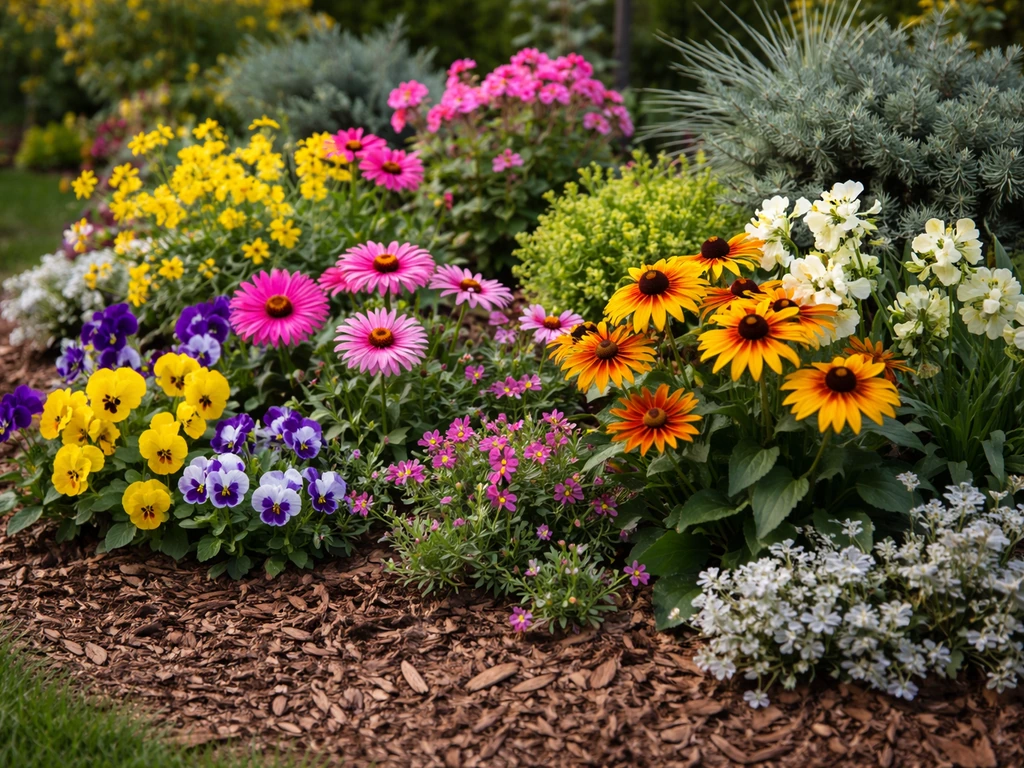
How to Grow Flowers All Year Round: Step-by-Step Plan
Step-by-step plan to grow flowers all year round with succession planting, seasonal varieties, sowing timeline, and wint
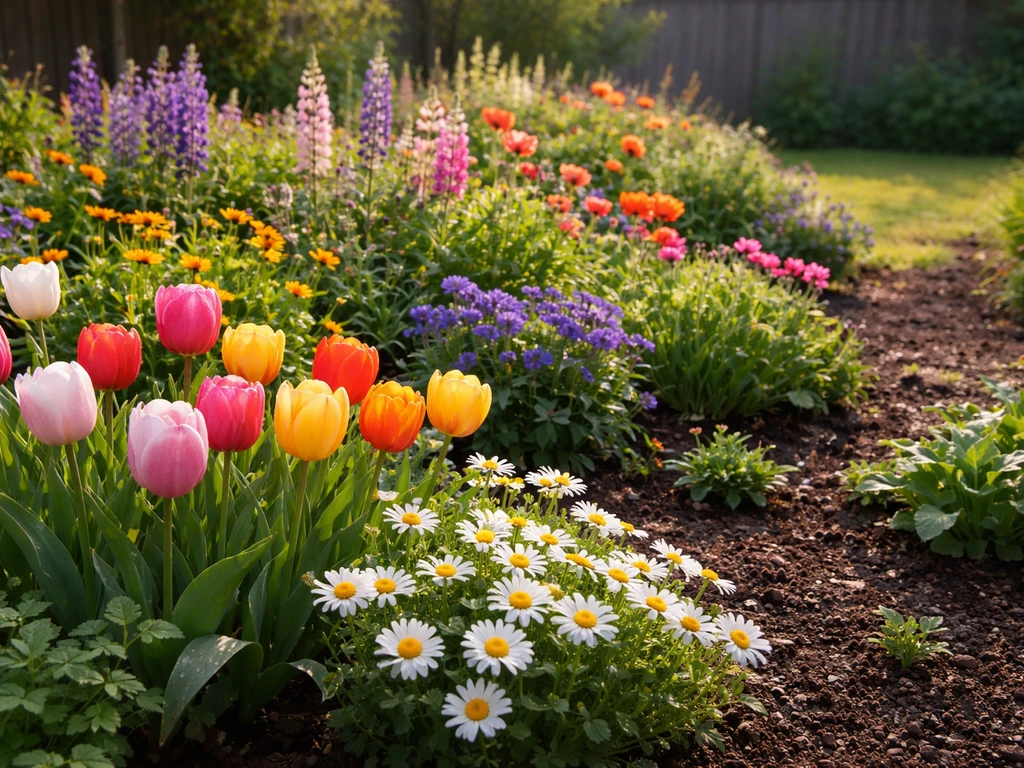
How to Grow Seasonal Flowers: Step-by-Step Guide
Step-by-step plan to grow seasonal, seed-grown flowers with timing, sowing, soil, care, and a planting checklist.
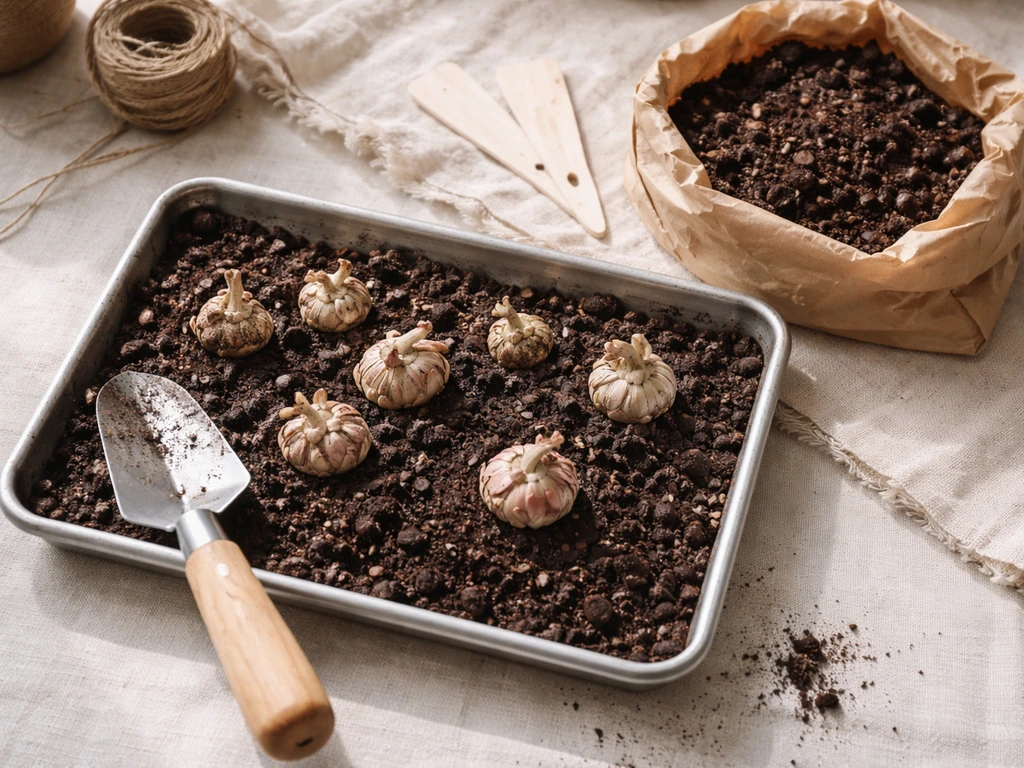
Floret How to Grow Ranunculus: Step-by-Step Guide
Step-by-step Floret-style ranunculus guide: corm prep, planting, watering, frost care, troubleshooting, and harvest for