You can have flowers blooming every single month of the year by combining three things: a mix of cool-season and warm-season varieties, a succession sowing schedule so something is always coming into bloom as something else fades, and a few simple season-extension tools like cold frames and row covers to bridge the gaps in winter. It takes a little planning upfront, but once you have the rhythm down it practically runs itself.
How to Grow Flowers All Year Round: Step-by-Step Plan

James Holloway
22 Jun 2026
Pick a year-round flower strategy before you buy a single seed
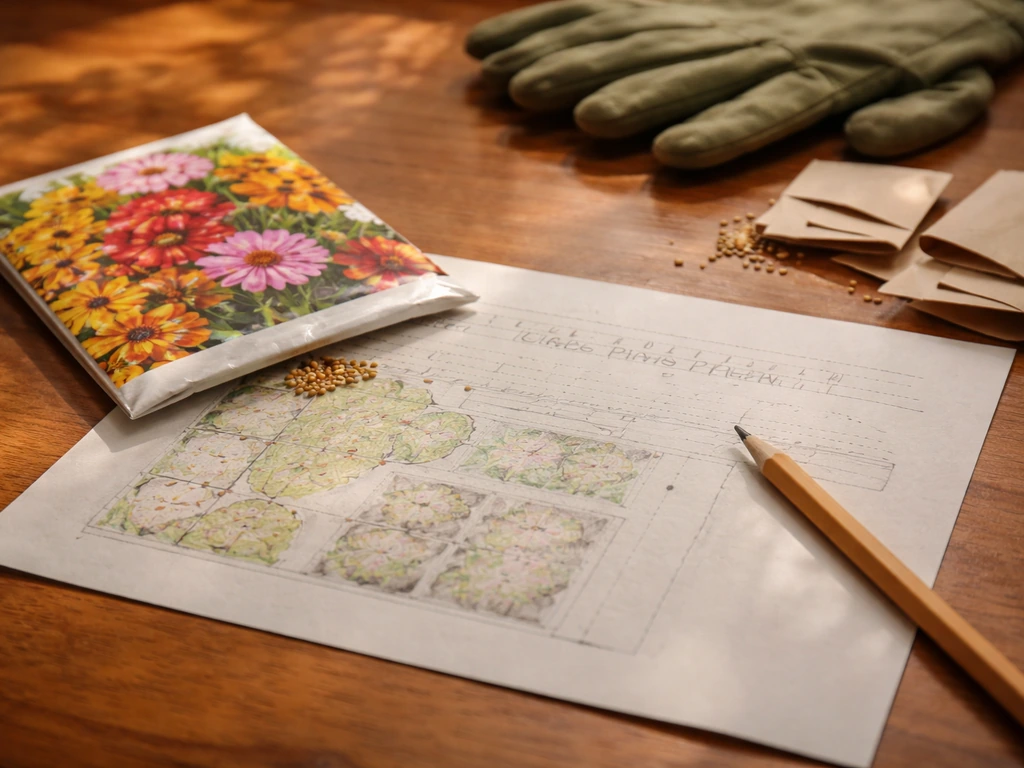
The biggest mistake beginners make is buying a handful of summer annuals and wondering why the garden looks bare from October through May. A real year-round plan relies on two overlapping ideas: succession planting and a deliberate seasonal mix.
Succession planting means sowing the same or similar flowers in waves, every three to four weeks, so you always have plants at different stages. Think of it like staggering loaves of bread in the oven. While one batch is finishing, another is just getting started. You never end up with everything blooming at once and then nothing for two months.
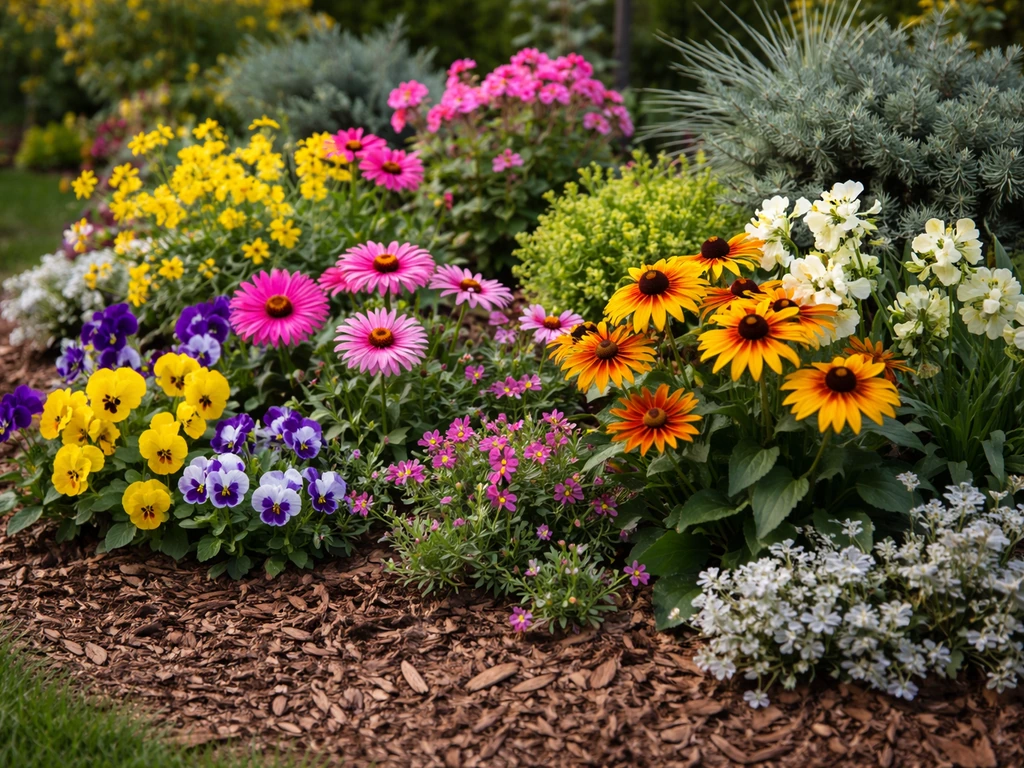
A seasonal mix means intentionally choosing varieties from four categories: cool-season hardy annuals (pansies, snapdragons, calendula), warm-season annuals (marigolds, zinnias, cosmos), fall bloomers (rudbeckia, celosia), and winter or very early spring bloomers (hellebores, winter pansies, hardy cyclamen). When one group is winding down, the next group is picking up. Combined with succession sowing, this is how you get a garden that genuinely never looks empty.
Set up your growing space for success
Beds vs. containers
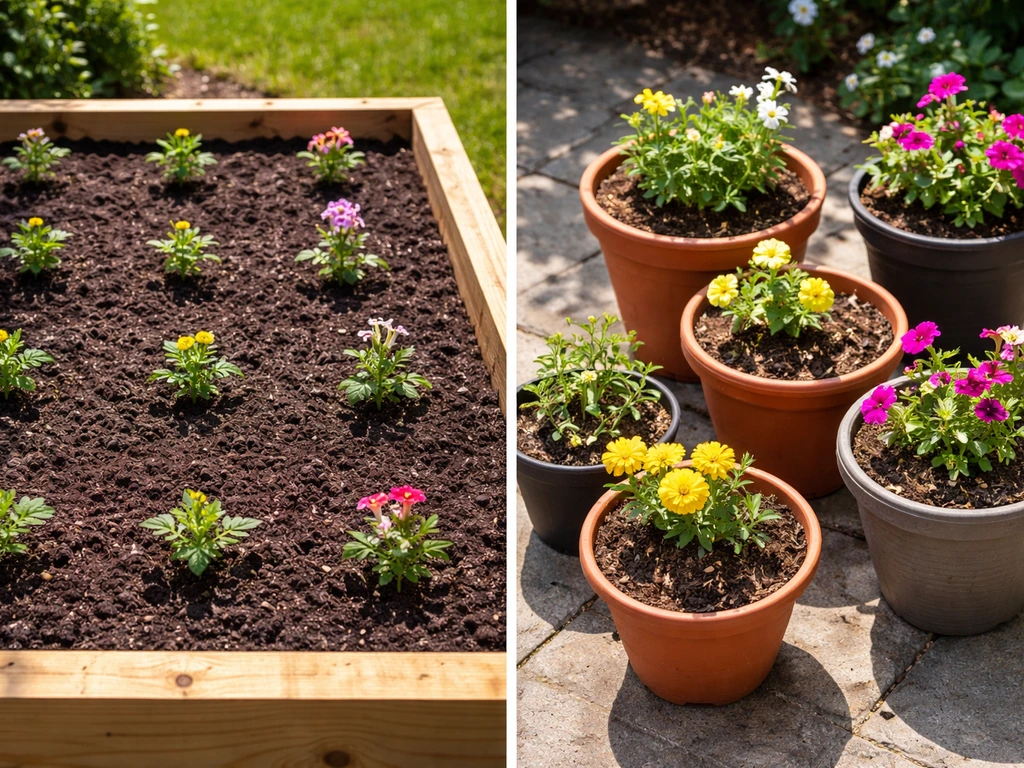
Both work, and honestly I use both. Garden beds give you more root space and hold moisture better, which matters for heavy feeders like marigolds and snapdragons. Containers let you move things around to chase sun or shelter plants from a sudden frost, which is incredibly useful for extending the season. If you're starting out, pick whichever fits your space, but aim for at least 12 inches of good growing depth in any container for ornamental flowers.
Sun and light
Most flowering annuals want full sun, meaning at least six hours of direct sunlight per day. Marigolds especially need full sun to bloom well. Pansies and calendula will tolerate part shade, but they flower less freely when they don't get enough light. Before you plant anything, watch how sun moves across your space on a clear day. It sounds simple, but it's the single most common reason flowers underperform.
Soil basics
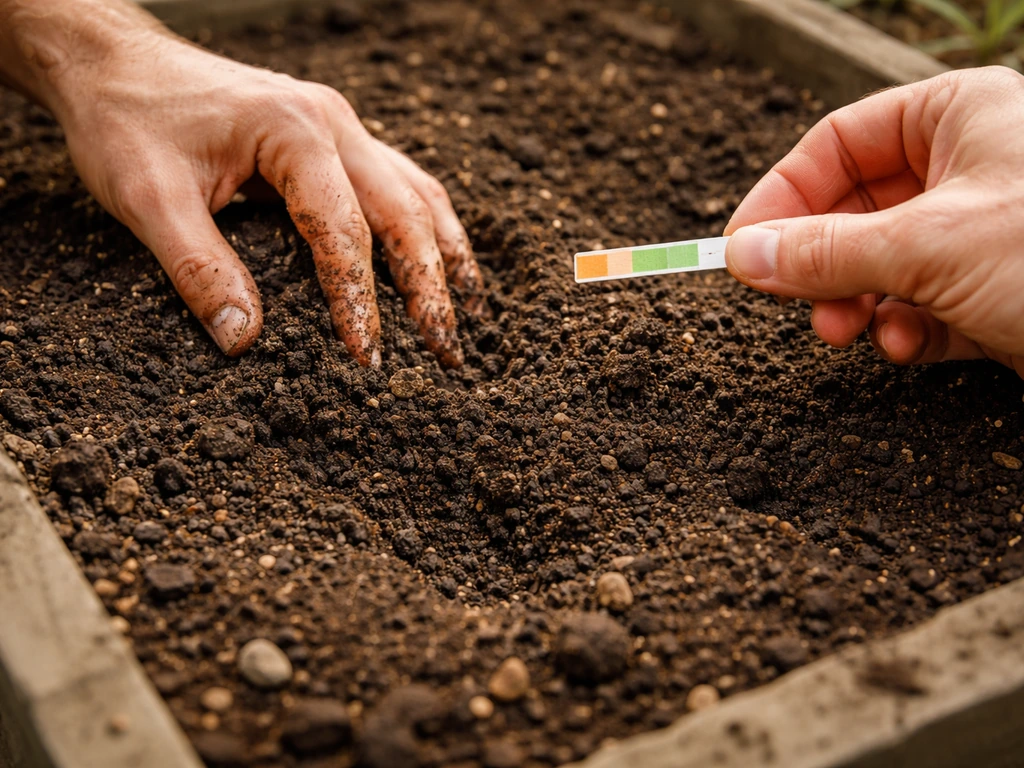
Most ornamental flowers prefer well-drained soil with a pH between 6.0 and 7.0. That range covers marigolds, calendula, and most cutting-garden staples. If you're gardening in an area with naturally alkaline soil (some parts of the western US average around pH 8.0), add organic matter generously before you plant. Compost improves drainage in heavy clay, helps sandy soils hold water, and nudges pH in a more favorable direction. For a simple baseline, work in a couple of inches of compost before each season and you'll be ahead of most problems. Most garden plants perform best in that 6.0 to 7.5 range, so a basic soil pH test from a garden center is worth doing once if you've never checked.
A month-by-month sowing and planting calendar
This calendar is built around a temperate climate with a last frost date around mid-April and a first autumn frost around mid-October (roughly USDA zones 6–7). Adjust the timing about two to three weeks earlier if you're in zones 8–9, or two to three weeks later for zones 4–5. The goal is to never have a gap where nothing is starting.
| Month | Sow Indoors | Sow or Plant Outdoors |
|---|---|---|
| January | Snapdragons, pansies (10–12 weeks before last frost) | Nothing yet unless you have a cold frame with hellebores or winter pansies already established |
| February | Snapdragons, pansies, slow-growing annuals like lisianthus | Cold frame: check overwintered pansies, top-dress with compost |
| March | Marigolds, zinnias, cosmos, celosia (6–8 weeks before last frost) | Direct sow poppies and calendula outdoors once soil is workable (they tolerate light frost) |
| April | Last call for warm-season annuals indoors if needed | Transplant hardened-off snapdragons and pansies after last frost; direct sow wildflower mixes |
| May | Succession sow marigolds, zinnias indoors for a mid-summer flush | Direct sow cosmos, marigolds, sunflowers outdoors; transplant indoor starts |
| June | Start a second wave of marigolds and zinnias for fall | Direct sow second succession of cosmos and calendula |
| July | Start celosia and rudbeckia indoors for fall transplants | Direct sow fast marigolds for late-season color |
| August | Sow pansies and snapdragons indoors for autumn/winter planting | Direct sow calendula for fall blooms; plant rudbeckia transplants |
| September | Sow pansies indoors if not already done | Transplant autumn pansies and snapdragons outdoors; direct sow hardy annuals in mild climates |
| October | Nothing to sow indoors this month | Plant spring bulbs; protect tender plants; move container plants under cover |
| November | Nothing to sow indoors this month | Mulch beds; check cold frames; establish winter pansies in mild areas |
| December | Start very early snapdragons if you have grow lights (12–14 weeks ahead) | Maintain cold frames; enjoy hellebores and winter pansies where established |
A few notes on that calendar: poppies (especially corn poppies) should always be direct-sown where they're going to grow because their taproot is fragile and they don't transplant well. Calendula can also be direct-sown outdoors once frost danger has passed, pushed about a quarter inch into the soil. These two are genuinely better started outside than fussed over indoors.
From seed to bloom: the step-by-step process
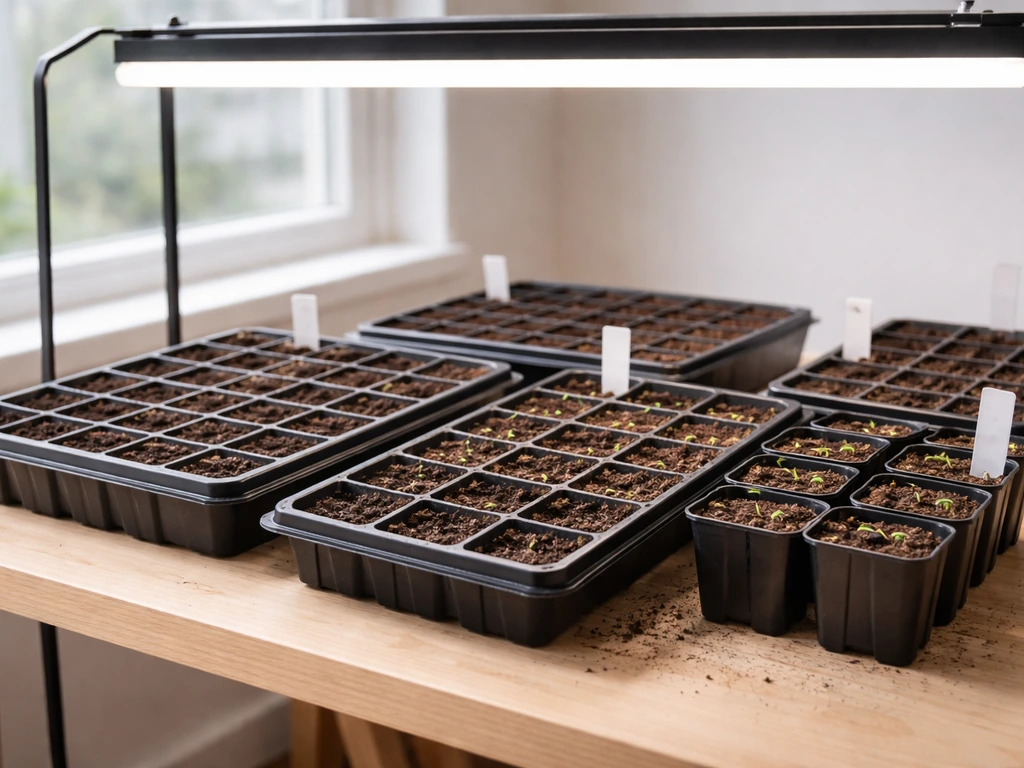
Getting seeds to bloom reliably is mostly about respecting a few basics. Here's the workflow I use for indoor starting, which applies to snapdragons, pansies, marigolds, and most cutting-garden staples.
- Fill clean seed trays or small pots with fresh, sterile seed-starting mix. Never reuse old potting mix for seed starting. This is the simplest way to avoid damping-off, a fungal rot caused by water molds like Pythium that can wipe out an entire tray of seedlings. Signs are seedlings collapsing at soil level seemingly overnight.
- Water the mix before sowing so it's evenly moist but not waterlogged. Use clean tap water rather than collected rainwater or pond water, which can carry the pathogens that cause damping-off.
- Sow seeds at the right depth. Tiny seeds like snapdragons need light to germinate, so don't bury them. Press them onto the surface and cover with just a thin layer of vermiculite so light can still reach them. Pansy seeds go about 1/8 inch deep with a light press to ensure contact with the soil. Larger seeds like marigolds go about 1/4 inch deep.
- Label everything. This sounds obvious but future you will thank present you.
- Keep trays warm (around 65–70°F) until germination, then move them to your brightest light source. A south-facing window or LED grow lights running 14–16 hours a day both work well.
- Thin seedlings so they're not crowded. Overcrowding reduces airflow, which invites powdery mildew (a white or gray powdery coating on leaves). One strong seedling per cell beats three weak ones fighting for space.
- Harden off transplants over 7–10 days before putting them outside. Start with an hour of outdoor shade, gradually increasing sun and time over the week. Skipping this step is the number-one cause of transplant shock.
- Transplant on a cloudy day or in the evening. Water in with a dilute balanced fertilizer solution (equal N-P-K). For the first couple of weeks after transplanting, a water-soluble fertilizer helps establish roots quickly.
The best flower varieties by season
Choosing the right flower for the right time of year is the part that really makes year-round blooming work. Here's what I rely on in each season, with a focus on varieties that are genuinely reliable and available from most seed suppliers.
Spring (March through May)
Snapdragons are my first choice for spring. They're cool-season plants that can handle light frost, they come in every color imaginable, and they make excellent cut flowers. Start them indoors in January or February and they'll be ready to transplant as soon as the ground is workable. Pansies are the other spring workhorse, tolerating temperatures down into the mid-20s°F if established. Calendula, with its cheerful orange and yellow blooms, can be direct-sown outdoors in early spring. Penn State Extension notes that seed cover depends on seed size and that in cool, damp early-spring soil, seeds may only need a light covering to reach warmth from the sun seed-cover depends on seed size. Corn poppies and wildflower mixes round out the spring picture and come up fast once direct-sown in cool soil. To learn the timing and methods for spring specifically, follow this guide on how to grow spring flowers.
Summer (June through August)
Summer is the easiest season to fill. If you want more detail, see this guide on how to grow flowers in summer for reliable results. Marigolds are nearly foolproof, bloom all summer with almost no effort, and their full-sun requirement means they thrive in the hottest spots in your garden. Zinnias, cosmos, and sunflowers are fast-growing, rewarding, and excellent for cut-flower arrangements. Lisianthus takes longer from seed (it needs a very early start indoors) but produces stunning blooms that look like roses. Celosia adds unusual texture and handles heat well. If you're growing flowers for the vase, a mix of zinnias and cosmos sown in succession every three weeks keeps the kitchen table full all summer.
Fall (September through November)
Rudbeckia (black-eyed Susan) and celosia carry the garden beautifully into autumn. Marigolds keep going until the first hard frost. Calendula started in August will bloom right through the first light frosts and often keeps going into November in mild areas. Autumn-planted pansies that go in the ground in September will establish before cold weather hits and often bloom sporadically through mild winter spells. These are the plants that make your neighbors think you have a magic garden.
Winter (December through February)
Winter is the hardest season to fill with color, but it's very doable. Hardy winter pansies (look for varieties bred specifically for winter flowering) will bloom during mild spells in zones 6 and warmer. Hellebores are perennial and produce their distinctive nodding blooms from January through March, even pushing through light snow. In mild climates (zones 8–9), snapdragons can overwinter and bloom in late winter. For everyone else, cold frames become your best friend in December and January, keeping winter pansies protected enough to flower when temperatures allow.
| Season | Reliable Varieties | Sow Method | Notes |
|---|---|---|---|
| Spring | Snapdragons, pansies, calendula, corn poppies, wildflowers | Snapdragons/pansies indoors; poppies/calendula direct-sown | Cool-season types; tolerate light frost |
| Summer | Marigolds, zinnias, cosmos, sunflowers, celosia, lisianthus | Direct sow or transplant after last frost | Full sun essential; succession sow every 3–4 weeks |
| Fall | Rudbeckia, celosia, marigolds, autumn calendula, fall pansies | Transplant or direct sow in July–August | Many continue until hard frost |
| Winter | Winter pansies, hellebores, hardy cyclamen, snapdragons (mild zones) | Plant autumn pansies in September; hellebores as perennials | Cold frames extend viability in zones 5–6 |
Keep the blooms coming: your ongoing care routine
Watering
Most flowering annuals want consistently moist but never waterlogged soil. Deep, infrequent watering encourages roots to go down rather than staying shallow. A good rule of thumb is about an inch of water per week (from rain or irrigation), adjusting upward in hot, dry weather. Containers dry out faster than beds and may need daily watering in summer. Watering at the base of plants rather than overhead reduces moisture on foliage, which helps prevent fungal problems like powdery mildew.
Feeding
At planting time, work in a balanced granular fertilizer with roughly equal N-P-K numbers (something like 10-10-10). For the first few weeks after transplanting, a water-soluble fertilizer applied every one to two weeks helps plants establish. Once they're actively growing, slow-release granular fertilizers applied every six to eight weeks give steady nutrition without the risk of over-feeding. Avoid going heavy on nitrogen once plants are blooming, since excess nitrogen pushes leafy growth at the expense of flowers.
Deadheading
Removing spent blooms is one of the highest-return tasks in the garden. It signals the plant to keep producing flowers rather than setting seed and shutting down. Snapdragons, pansies, calendula, and zinnias all benefit significantly from regular deadheading. Marigolds don't strictly require it, but removing old blooms does encourage more flowering. I try to do a quick deadheading pass every few days during peak season. It takes ten minutes and makes a visible difference within a week.
Common pests and diseases
Aphids are the most common pest on ornamental flowers. They cluster on soft new growth and can spread quickly. Insecticidal soap spray is a practical, low-impact control: it kills soft-bodied insects on contact without leaving persistent residue. Spray directly on the affected areas and repeat every few days until the population drops. For powdery mildew, which shows up as a white or gray powdery coating on leaves, the best response is improving airflow by thinning crowded plants and increasing spacing. Resistant varieties of susceptible flowers (like some zinnia cultivars) are worth seeking out if powdery mildew has been a recurring problem for you. Damping-off is a seedling disease, not one you'll fight at the transplant stage, but if you see seedlings collapsing at the base in your seed trays, remove affected plants immediately to slow spread to neighbors and go back to sterile seed mix and clean water for future batches.
Extend your season and protect against weather extremes
Season extension tools are what turn a seven-month garden into a twelve-month garden. If you want the outdoors part to work, combine your season-extension tools with the right sunlight and watering habits for your yard how to grow flowers outside. They don't have to be expensive or complicated.
Row covers
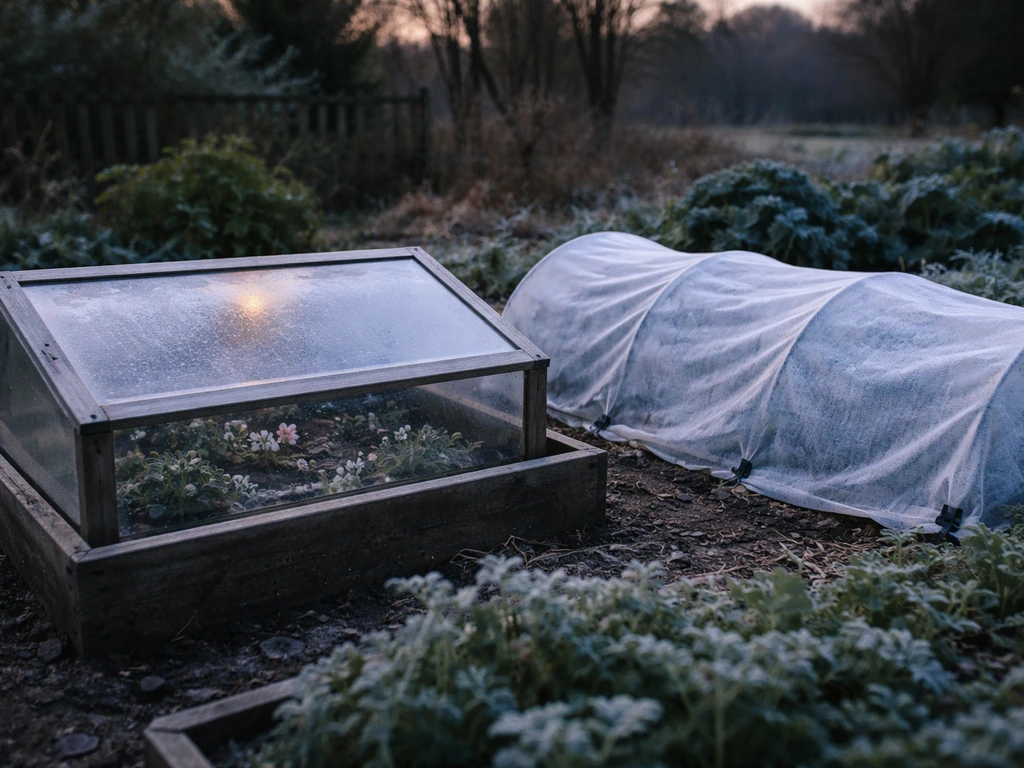
Floating row covers (lightweight spun fabric) are the simplest tool for protecting tender plants from light frost. Drape them over plants in the evening before a predicted frost and remove them in the morning once temperatures rise. They typically add 4 to 6 degrees of protection, which is often enough to keep marigolds and zinnias going weeks longer into fall. They also work in spring to get cool-season plants like pansies and snapdragons out earlier than usual.
Cold frames
A cold frame is essentially a box with a clear lid (old window panes work well) placed over plants in the garden. It traps solar heat during the day and releases it slowly overnight, protecting plants from freezing even when outside temperatures drop well below 32°F. Cold frames allow you to grow pansies through winter in zones 5 and 6, start seeds outdoors weeks earlier in spring, and keep autumn plants going much later into the season. One practical tip: position the frame to capture maximum winter sun (south-facing), and prop the lid open on warm days so plants don't overheat.
Mulch
A 2 to 3 inch layer of organic mulch (straw, shredded bark, or even dry leaves) around the base of plants insulates roots from temperature swings in both directions. In winter it prevents the repeated freeze-thaw cycles that heave roots out of the ground. In summer it keeps soil cooler and retains moisture. Apply it after the soil has warmed in spring and refresh it going into autumn.
Overwintering strategies
Some flowers benefit from a planned overwintering approach rather than just hoping they survive. Pansies planted in September and protected with a cold frame or thick mulch often overwinter successfully and burst into growth earlier than anything you'd sow in spring. In zones 7 and above, snapdragons are technically short-lived perennials and may survive winter in open beds if planted in a sheltered spot. Hellebores, once established as perennials, require essentially no winter protection and are one of the most reliable sources of late-winter color you can plant. For container-grown plants, moving pots against a south-facing wall or into an unheated garage during the coldest nights provides meaningful protection without a full cold frame setup.
Putting the whole plan together
Year-round blooms come down to layering decisions, not doing one perfect thing. Choose varieties from all four seasons. Sow in succession so you always have something at a different stage. Set up your soil and light correctly at the start. And use simple protective tools to push the seasons at both ends. If you're just getting started, begin with three varieties: pansies for cool seasons, marigolds for summer, and calendula for the shoulders of the year. Master those, then add more variety as you get comfortable. The gardeners who have flowers every month aren't doing anything magic. They're just planning ahead and staying consistent.
Once you have your year-round framework sorted, you might want to go deeper on specific seasons. Planning your spring garden from scratch, growing flowers specifically in summer heat, or building out your backyard cutting garden are all natural next steps that let you add variety and confidence without starting over from the beginning. If you want flowers in your backyard, focus on the right sun, soil, and a simple succession schedule to keep blooms going backyard cutting garden.
FAQ
If I only have balcony or patio containers, can I still grow flowers all year round without a full cold frame?
Yes, but prioritize plants that can handle cool periods in your zone (winter pansies, hardy cyclamen, hellebores). Use a larger container than you think you need (about 12 to 16 inches deep), keep soil from drying out in winter (less frequent but deeper watering), and move pots to a sheltered, south-facing spot during cold snaps. A simple frost blanket over the pot at night can replace some cold-frame benefits.
How do I prevent my “succession” plantings from blooming all at once anyway?
Keep wave sowing consistent and control the start date and temperature. If you start indoors too early, everything can catch up to maturity together. Stagger indoor batches by 3 to 4 weeks, transplant each batch when their roots are just reaching the container limits, and avoid heavy feeding right before budding, since rapid growth can synchronize bloom times.
What should I do when my late-season flowers stop blooming, even though temperatures are still decent?
Check light first, then watering rhythm. As days shorten, some warm-season annuals slow down, but poor drainage or inconsistent moisture can also reduce blooms. Aim for deep, infrequent watering (not constant sips), and remove any exhausted blooms to keep plants producing new flowers instead of switching to seed.
Can I do year-round blooms with mostly perennial flowers instead of annuals?
You can, but it changes the strategy. Perennials usually don’t respond to succession sowing the same way annuals do, so you’ll need a mix of early, mid, and late bloomers (for example, hellebores for late winter, pansies as a cool-season bridge, and summer bloomers with staggered planting dates). Expect fewer “waves” and more predictable seasonal bursts, supplemented with overwintering or reseeding annuals.
Do I need to deadhead every plant, or can I skip it for some?
You can skip it for some, but it affects bloom longevity. Marigolds often bloom well without strict deadheading, yet removing spent flowers still encourages more blooms. For snapdragons, pansies, calendula, and zinnias, regular deadheading is one of the biggest “return on effort” tasks, so missing it usually shows up as fewer new buds.
What’s the best way to avoid fungal problems while using row covers or cold frames?
Ventilation and spacing matter. Don’t seal plants in covers all day during mild weather, remove row covers in the morning once temperatures rise, and thin crowded growth so air can move. Water at the base to keep foliage drier, and if powdery mildew appears repeatedly, consider choosing mildew-resistant varieties (especially among zinnias).
How can I tell whether my flowers are failing because of soil pH versus low light?
Do a quick sun check first. If plants are getting fewer than about six hours of direct sun (or the canopy is shading them), they often underperform even when soil is perfect. Then verify pH with a soil test. If pH is off, amend gradually with compost and appropriate amendments, rather than trying to correct it dramatically in one step before the season.
Should I start all my flowers indoors to control timing?
No, several do better direct-sown or with limited transplant stress. Poppies (especially corn poppies) typically should be planted where they will grow because their roots resent disturbance. Calendula also generally performs better with direct sowing outdoors after frost danger passes, and that tends to reduce transplant shock and failure rates.
How do I water correctly in winter when I’m protecting plants with cold frames or mulch?
In winter, water less often but avoid letting soil go bone-dry. Mulch reduces temperature swings and evaporation, so you may only need watering during long dry spells. Use a finger test (top inch of soil should feel slightly moist, not wet), and open cold-frame lids on milder days so condensation doesn’t accumulate on foliage.
What can I do if aphids show up repeatedly on the same plants?
Act early and target the soft new growth where they cluster. Insecticidal soap works best when you can reach the affected areas thoroughly, and you’ll usually need repeat applications every few days until populations drop. Also watch for overcrowding and stressed plants, since stronger growth from correct watering and light can reduce recurring outbreaks.
Next Articles
How to Grow Seasonal Flowers: Step-by-Step Guide
Step-by-step plan to grow seasonal, seed-grown flowers with timing, sowing, soil, care, and a planting checklist.
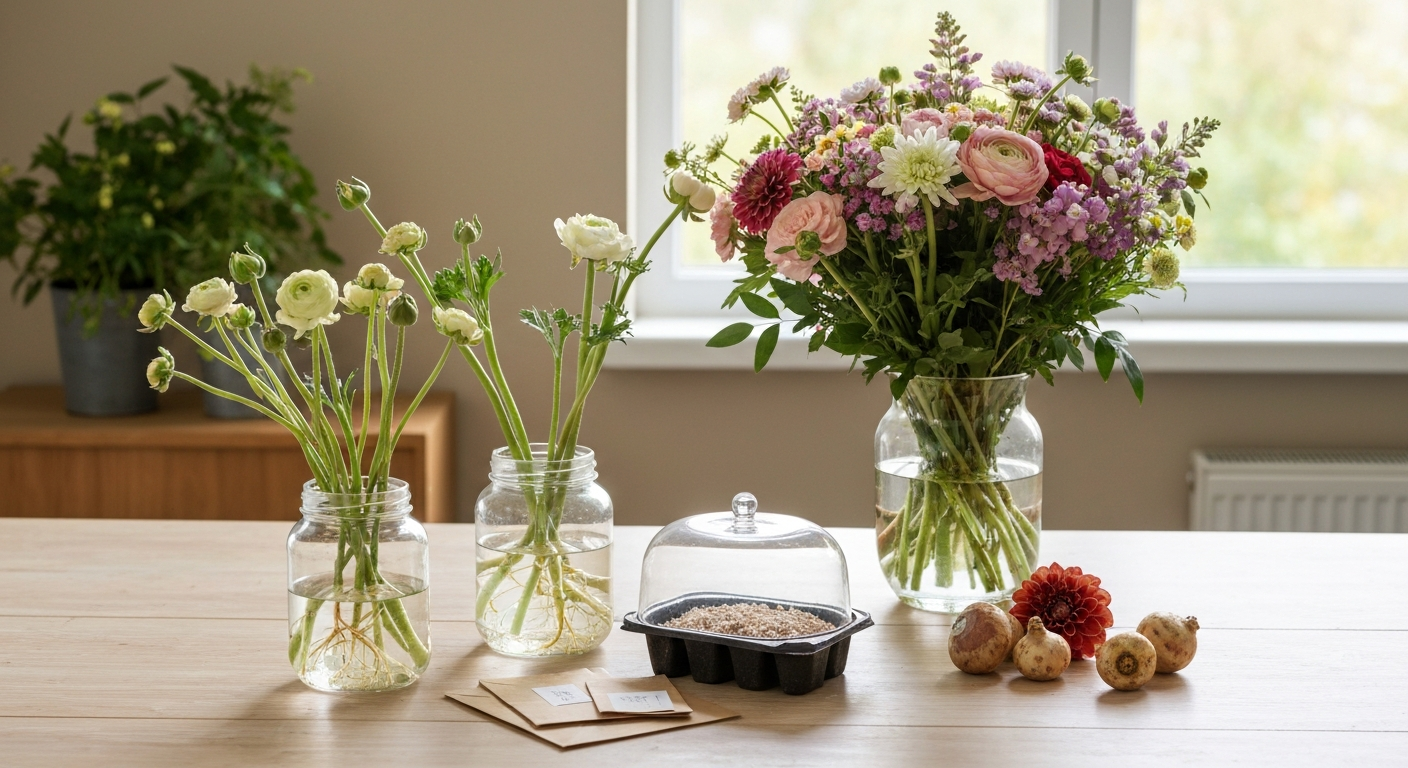
How to Grow Plants from a Bouquet: Step-by-Step Guide for Beginners
How to grow plants from bouquet: step-by-step rooting, seed saving, bulbs, timelines and troubleshooting
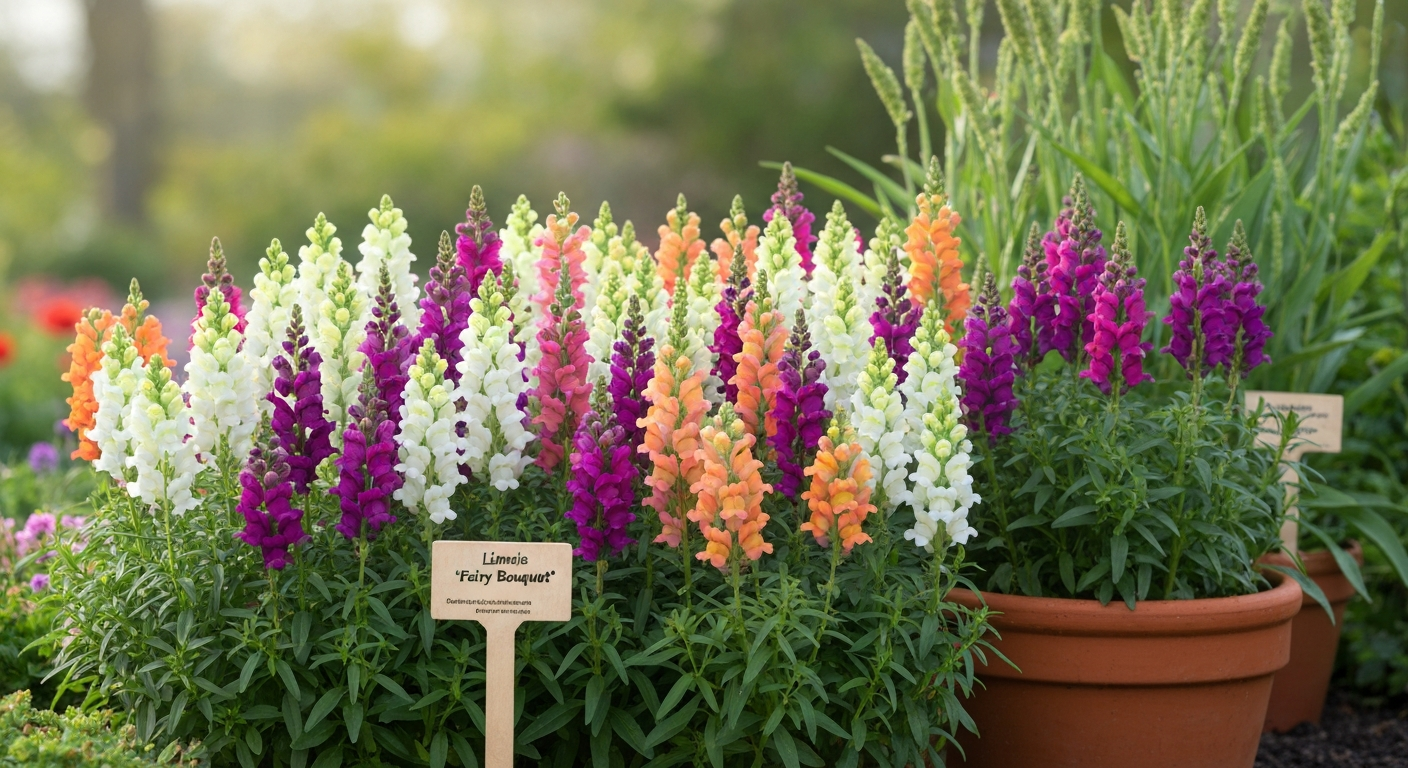
Linaria 'Fairy Bouquet' How to Grow: Seed to Cut Flowers
Grow Linaria 'Fairy Bouquet' from seed to vase: step‑by‑step sowing, care, cutting, seed saving & troubleshooting.