You can reliably grow beautiful flowers by getting four things right: picking varieties suited to your space, preparing soil before you plant, matching your watering and feeding routine to what your plants actually need, and staying on top of deadheading so the plants keep producing. Get those fundamentals down and you will have blooms from late spring through hard frost, even if this is your first season gardening.
How to Grow Beautiful Flowers: Beginner to Bloom Guide
James Holloway
31 May 2026
Choosing the right flowers for your space
Before you buy a single seed packet, figure out how much sun your planting area actually gets. Full sun means six or more hours of direct, unobstructed sunlight per day during the growing season. Partial shade is three to six hours. Most of the showiest annuals, including marigolds, snapdragons, poppies, and zinnias, want full sun. Plant them in a shady spot and they will grow leggy, weak, and stingy with blooms.
For pure beginners, marigolds (Tagetes) are the easiest place to start. They grow in USDA Zones 2 to 11, bloom from June to frost, ask for nothing more than full sun and regular water, and actively repel some common garden pests. Snapdragons (Antirrhinum majus) are a great second choice, especially if you want blooms earlier in the season. They are cool-weather lovers that bloom from April through frost and are winter hardy in Zones 7 to 10, though most gardeners in colder climates grow them as annuals.
If you want a cutting garden, add zinnias, cosmos, and calendula to your list. Wildflower mixes are wonderful for covering larger, rougher areas without a lot of fuss. Poppies are stunning but have one rule: they do not like being transplanted, so you must direct sow them where they will grow. Knowing which flowers can be moved and which cannot will save you a lot of frustration.
A quick rule I use when selecting varieties: match the mature plant height to the location. Tall varieties like larkspur or tall snapdragons belong at the back of a border. Mid-size marigolds work in the middle. Low edging plants like dwarf zinnias go up front. This one habit alone makes a garden look intentional rather than accidental.
Soil setup and planting basics for healthy growth
Healthy flowers start underground. Most ornamental annuals want loose, well-draining soil with plenty of organic matter. If your soil is heavy clay or dense and compacted, roots cannot spread and the plants stall out no matter how much you water or feed them. If you are trying to get stronger underground growth, learning how to make a flower grow roots can help you troubleshoot when plants stall out. Before planting, loosen the top six inches with a garden fork, then work in a two to three inch layer of compost. That single step improves drainage, aeration, and nutrient availability at the same time.
For fertilizer at planting time, work about 2 cups of a balanced fertilizer (something like a 5-10-10 blend) into every 100 square feet of bed before you put anything in the ground. Mix it into the top four to six inches of soil so it is available right where new roots will grow. You are not trying to overload the soil, just giving plants a ready supply to draw on while they establish.
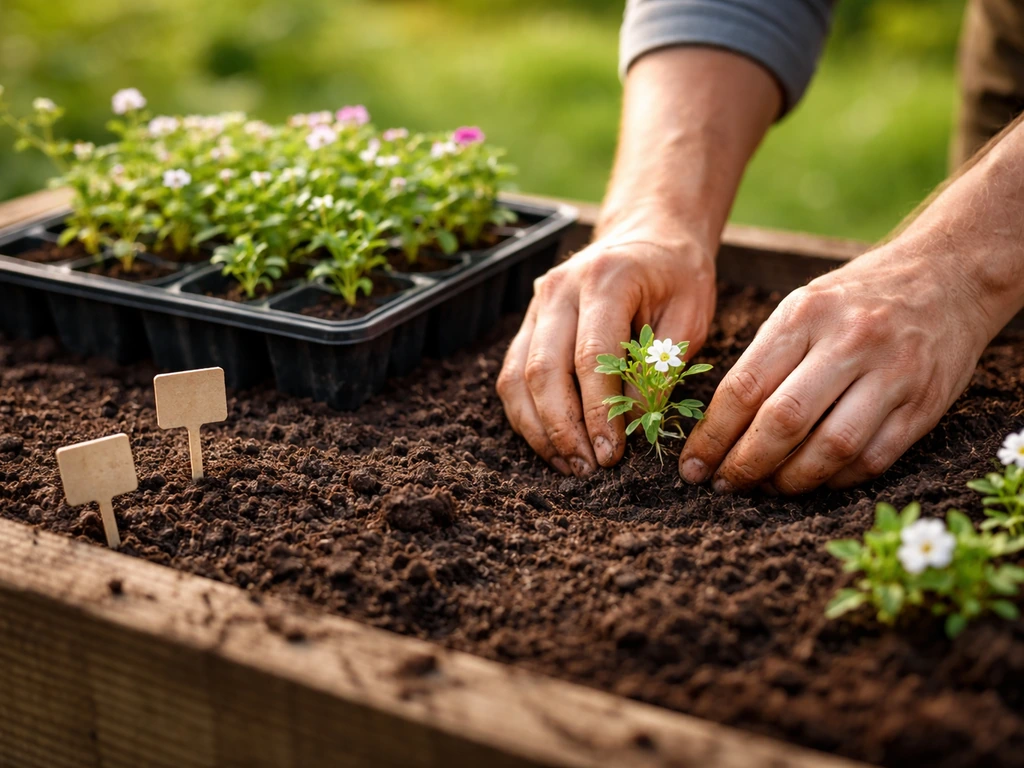
Planting depth matters more than most beginners realize. A general rule for transplants is to set them at the same depth they were growing in their pot. For seeds, the classic guideline is to sow at a depth two to three times the width of the seed. Tiny seeds like snapdragon get barely covered or just pressed into the surface. Larger seeds like marigold or sunflower go deeper. When in doubt, follow the seed packet.
Light, watering, and fertilizing routines
Once your flowers are in the ground, the three things that will make or break the season are light, water, and fertilizer. Maximize all three and you will have plants that look like they belong in a garden magazine. Let any one of them slip and you will be troubleshooting instead of enjoying blooms.
Getting light right
If you have planted in full sun but are in a hot-summer climate (think Zone 8 and above), be aware that some flowers like snapdragons benefit from a little afternoon shade during peak summer heat. Light shade in those conditions actually extends their blooming season rather than hurting it. For most other annuals in temperate climates, more sun is almost always better.
Watering properly
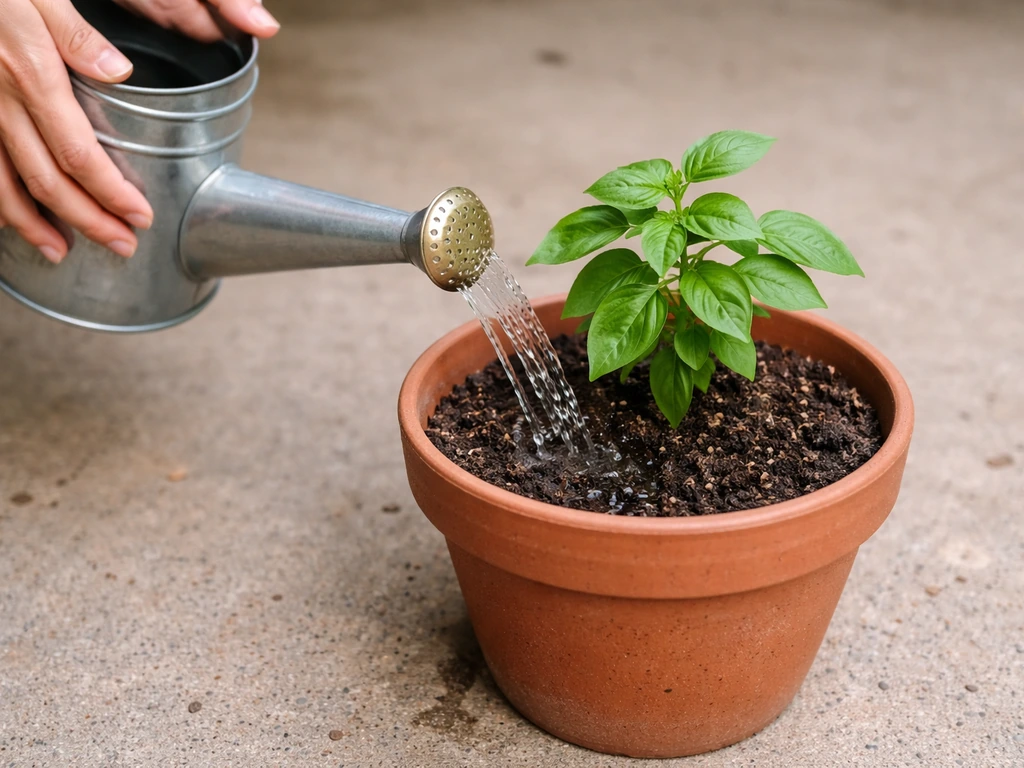
The goal with watering is deep and infrequent rather than shallow and daily. Give plants a slow, deep soak that pushes moisture down into the root zone, then let the top inch or two of soil dry out before watering again. This encourages roots to grow downward in search of moisture, which makes plants more drought-tolerant and more stable. To help cut flowers grow roots, keep the stems clean, use a clean container with fresh water or rooting medium, and provide bright, indirect light until new roots form. Shallow daily watering does the opposite: it trains roots to stay near the surface where they are vulnerable.
Always water at the base of plants, not overhead. Wet foliage, especially in the evening, is an open invitation for fungal diseases. Morning is the best time to water because any accidental splash on leaves dries quickly during the day. That said, if your plants are wilting in the afternoon heat, water them. A wilting plant needs water more urgently than it needs ideal timing.
One mistake I made early on was overwatering. Soggy soil fills the air pockets in the soil and suffocates roots, which causes the same wilting symptoms as underwatering. Before you reach for the hose, push your finger two inches into the soil. If it is still moist, wait.
Feeding your flowers
Annual flowers that bloom heavily need regular feeding to keep up their performance. A good standard routine is to fertilize every two to four weeks with a water-soluble fertilizer throughout the growing season. For flowers that keep blooming into fall, a third application in late August helps fuel that final flush of blooms. What you want to avoid is pouring on high-nitrogen fertilizer late in the season. Nitrogen promotes leafy, vegetative growth, and too much of it late in the year delays or reduces flowering instead of encouraging it. Switch to a lower-nitrogen, higher-phosphorus formula (look for a middle number that is equal to or higher than the first number on the label) once plants are in full bloom.
Seed starting vs direct sowing: timing and methods
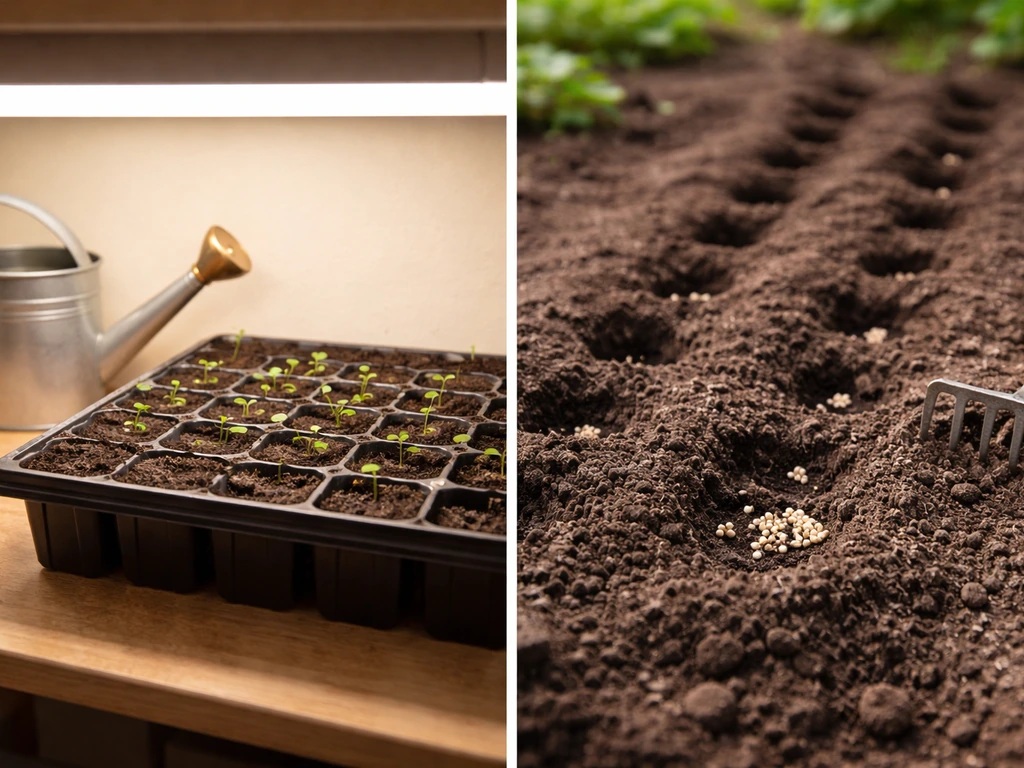
One of the most common questions beginners ask is whether to start seeds indoors or just sow them directly in the garden. The honest answer is: it depends on the flower and your growing season. Most annuals can be direct sown outdoors after the last frost date if your season is long enough. If you want earlier blooms or you are growing in a short-season climate, starting indoors and transplanting after last frost gives you a head start of several weeks.
Starting seeds indoors
Start seeds indoors six to eight weeks before your last expected frost date. Use a sterile, soilless seed-starting mix, not garden soil or compost. This is not optional. Garden soil compacts in trays, and compost introduces pathogens that cause damping-off, the fungal condition that collapses seedlings at the soil line almost overnight. Damping-off pathogens spread easily through shared irrigation water, so keeping your mix sterile and your trays clean from the start is the best prevention.
Sow seeds at a depth roughly twice their width. After sowing, water with a fine mist so you do not displace seeds. Check whether your specific flower needs light or darkness to germinate. Snapdragons, for example, germinate best at 64 to 68 degrees Fahrenheit (18 to 20 degrees Celsius) and need light to sprout, so press them onto the surface rather than burying them. Some other seeds need darkness and can be covered or placed in a bag until they break through. When in doubt, the seed packet will tell you.
Direct sowing outdoors
Direct sowing is simpler and works well for fast growers like marigolds, zinnias, and sunflowers, as well as flowers that resent root disturbance, like poppies and larkspur. Wait until after last frost for warm-season flowers. Some cool-season flowers like larkspur and bachelor's buttons actually prefer being sown in early spring or even fall. Sow at a depth two to three times the seed size, firm the soil lightly over the seeds, and water with a gentle spray so you do not wash them away.
| Flower | Best sowing method | Timing | Notes |
|---|---|---|---|
| Marigolds | Direct sow or start indoors | After last frost (direct) or 4–6 weeks before last frost (indoors) | Fast growers; direct sow works well in most climates |
| Snapdragons | Start indoors | 8–10 weeks before last frost | Cool-season; transplant early for April blooms |
| Poppies | Direct sow only | Early spring or fall | Cannot be transplanted; sow where they will grow |
| Zinnias | Direct sow | After last frost | Germinate fast; no benefit to indoor starting |
| Calendula | Direct sow or start indoors | 2–4 weeks before last frost | Cool-season; tolerates light frost |
| Wildflower mixes | Direct sow | Fall or early spring (varies by mix) | Clear the area of weeds before sowing |
Ongoing care: thinning, weeding, and pest and disease prevention
After your seeds germinate and seedlings are up, the work shifts to managing what you have got. Three tasks will do the most to keep your flowers healthy through the season: thinning, weeding, and staying ahead of pests and disease.
Thinning seedlings
Thinning feels brutal at first but it is one of the most important things you can do. Crowded seedlings compete for light, water, and nutrients, and the result is weak plants that bloom poorly. Thin when seedlings reach one to two inches tall, removing enough plants so the remaining ones are spaced according to their mature size. For something like calendula, that means thinning to about 16 inches apart. Use scissors to snip off unwanted seedlings at the soil line rather than pulling them, which can disturb the roots of neighboring plants you want to keep.
Staying on top of weeds
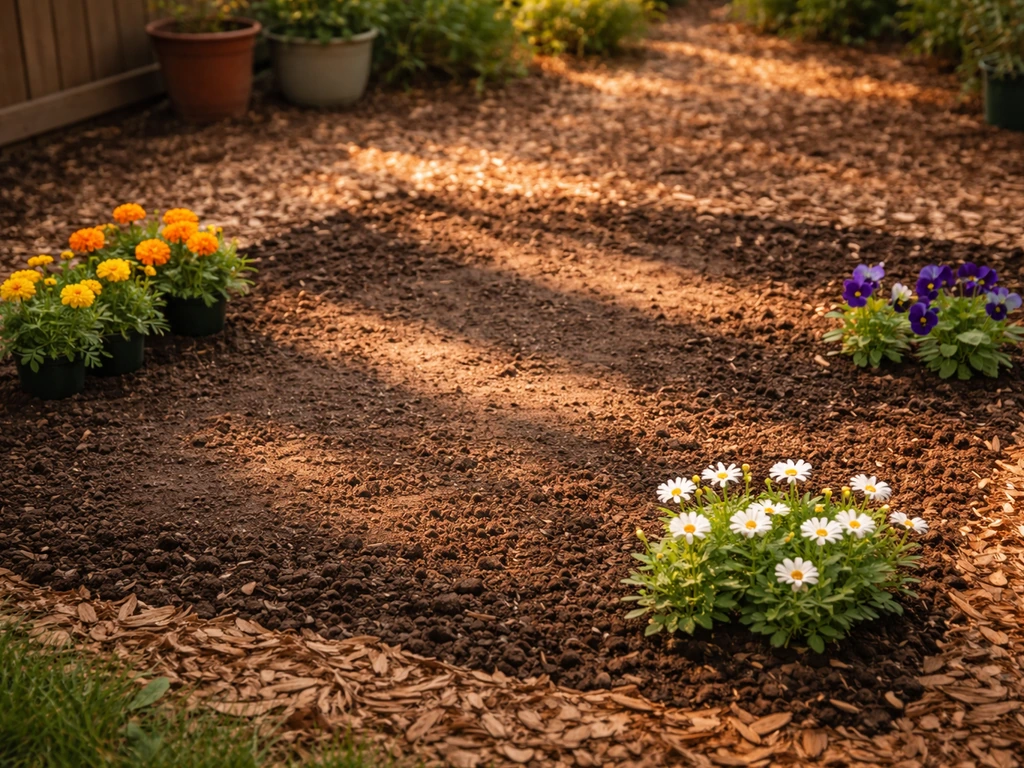
Weeds compete directly with your flowers for moisture and nutrients, and they win if you let them get established. A two to three inch layer of organic mulch around plants is your best friend here. It suppresses weed germination, holds soil moisture, and moderates soil temperature all at once. Pull any weeds that do come through while they are small, before they can set seed. A five-minute weekly walk through the garden pulling small weeds beats a two-hour battle with established ones.
Preventing pests and disease
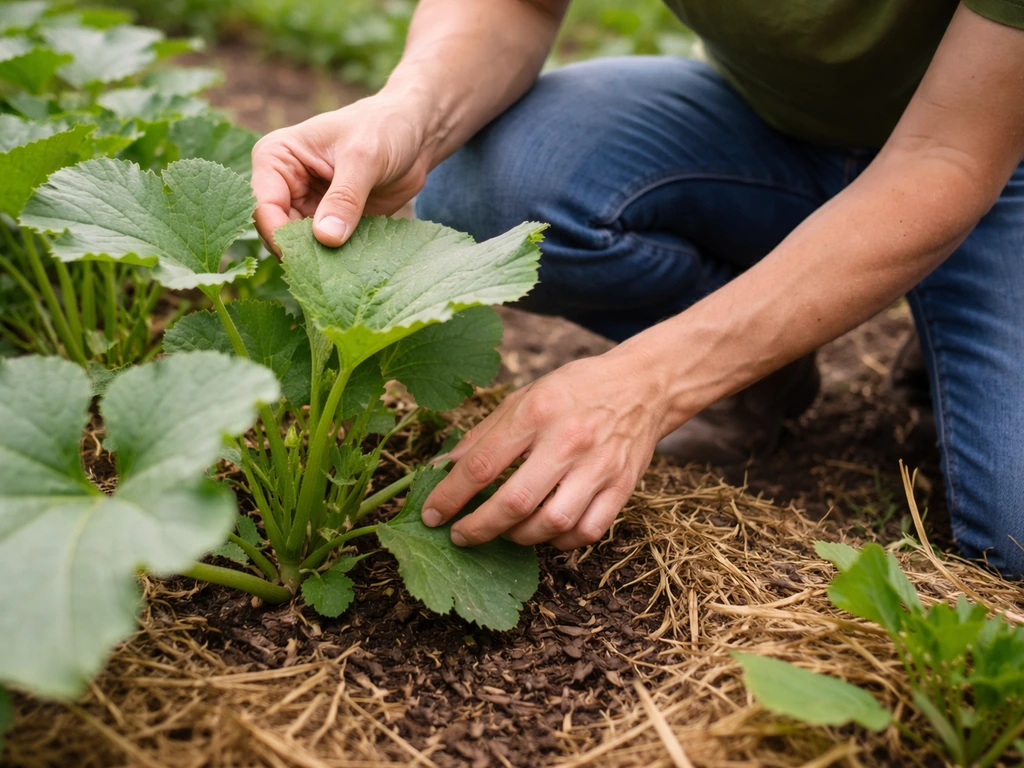
The best pest and disease management is prevention, not reaction. Good airflow between plants is the single most effective tool against fungal diseases like powdery mildew. Powdery mildew spreads through airborne spores, so if your plants are crammed together with no air movement, an infection can spread through an entire bed quickly. Keep plants spaced properly, avoid overhead watering in the evening, and scout your garden at least once a week. Catching problems early, when there are just a few affected leaves or a handful of insects, makes control much easier.
For powdery mildew specifically, organic mulch around plants and increased airflow are your first responses. For common pests like aphids, a strong stream of water from the hose knocks most of them off, and weekly checks prevent populations from exploding. Marigolds have the added benefit of deterring certain soil pests, which is one more reason to include them in your garden.
Flowering success: deadheading, pruning, and troubleshooting
Getting flowers to bloom is one thing. Getting them to keep blooming is the skill that separates a pretty garden in June from one that looks great in September. Most of that comes down to deadheading and knowing how to read your plants when something goes wrong. If you are wondering how to make flowers grow more reliably, regular deadheading is one of the quickest ways to keep plants producing new blooms.
Deadheading for more blooms
Deadheading means removing spent flowers before the plant sets seed. When a plant successfully produces seed, it gets the biological message that its job is done and slows down bloom production. Remove the old flowers and the plant keeps trying. For marigolds, snapdragons, and most other spike or single-bloom annuals, trim spent flowers by cutting just above the next bud or side shoot below. Do this every few days during peak season and you will extend bloom time dramatically. Illinois Extension specifically notes that deadheading marigolds and snapdragons keeps them attractive, prevents disease from old plant material, and increases flower production.
Troubleshooting common problems
- Leggy, stretched growth: Almost always caused by insufficient light. Move container plants to a sunnier spot or, for in-ground plants, note the location for next season. Leggy seedlings started indoors usually mean the light source was too far away.
- Poor germination: Check soil temperature (snapdragons, for example, want 64 to 68 degrees F), ensure the seeds were not buried too deep, and confirm the seeds were not old or stored improperly. Try fresh seed before assuming your conditions are the problem.
- Wilting despite regular watering: Push your finger two inches into the soil. If it is wet, you are overwatering. If dry, water more deeply and less frequently. Wilting in hot afternoon sun is sometimes normal and the plant recovers by morning.
- No blooms despite healthy growth: Usually too much nitrogen fertilizer, too little sunlight, or not enough deadheading. Switch to a lower-nitrogen fertilizer, reassess your sun exposure, and step up your deadheading routine.
- Yellowing leaves: Yellow lower leaves on otherwise healthy plants is often normal aging. Widespread yellowing is usually a watering issue (over or under), a nutrient deficiency (typically nitrogen), or a drainage problem. Check soil moisture and adjust from there.
Season-by-season timeline from seed to bloom
Here is a practical timeline you can follow starting now. Adjust dates by a few weeks based on your last and first frost dates. If you are in the Northern Hemisphere and reading this in late May, you are right at the point where the season really gets going.
| Time period | What to do |
|---|---|
| 6–10 weeks before last frost (late winter to early spring) | Start snapdragons, petunias, and slow-growing annuals indoors in sterile seed-starting mix. Set up grow lights or place trays in the sunniest window. |
| 4–6 weeks before last frost (early to mid spring) | Start marigolds and calendula indoors if you want an early start. Begin hardening off any seedlings started earlier by setting them outside for a few hours daily. |
| Last frost date (spring) | Transplant cool-season flowers like snapdragons outdoors. Direct sow poppies, larkspur, and bachelor's buttons if you have not already. |
| 1–2 weeks after last frost (late spring) | Direct sow zinnias, marigolds, and sunflowers outdoors. Transplant warm-season annuals started indoors. Apply pre-plant fertilizer and mulch beds. |
| 4–8 weeks after planting (early summer) | Begin deadheading as first blooms fade. Start every-two-to-four-week fertilizer routine. Thin any direct-sown seedlings that are crowded. |
| Midsummer | Water deeply during hot spells. Scout for pests and powdery mildew weekly. Keep deadheading consistently for continuous blooms. |
| Late August | Apply a third round of fertilizer for flowers that will continue blooming into fall. Cut back leggy plants to encourage a fresh flush of growth. |
| Fall (until first hard frost) | Enjoy the final bloom flush. Let a few seed heads mature if you want to collect seed for next year. Clear spent plants after frost to reduce overwintering pest habitat. |
The thing I remind myself every season is that growing flowers is cumulative. Each step, from the soil prep in spring to the last deadheading session in October, builds on the one before it. If you get the foundation right and stay consistent with the maintenance, beautiful blooms are genuinely achievable for anyone. If your goal is how to grow big flowers, focus especially on matching sun, soil quality, and consistent feeding so the plants have the resources to build larger blooms. Start simple, pay attention to what your plants are telling you, and do not be discouraged by the occasional failed seedling tray or pest outbreak. Every experienced gardener has had both.
FAQ
Why are my flowers growing but not blooming (or producing fewer blooms than expected)?
For most annuals, the fastest fix is to check sun first. If they are getting at least the sun you planned for, then look for nutrient imbalance, then roots and watering: tall stems with few blooms often means too little light or too much nitrogen, while bud drop plus soggy soil points to overwatering or poor drainage. If you want one simple test, press your finger two inches into the soil, if it is consistently wet, pause watering and improve drainage rather than adding more fertilizer.
Can I fertilize more often to get more flowers?
Yes, but only if you do it early and lightly. Excess nitrogen late in the season encourages leafy growth and can reduce flowering, so switch to a lower-nitrogen, higher-phosphorus fertilizer once buds are forming. Also avoid feeding completely dry plants, water first, then fertilize so roots can take up nutrients without burning.
How can I tell if wilting is from underwatering or overwatering? (They look similar.)
Watch the top of the plant and the soil together. If leaves look limp and the soil is dry, water deeply. If leaves look limp and the soil is still moist, you likely have root stress from soggy conditions or poor airflow. The troubleshooting step is to improve watering practices (deep soak, then dry back) and ensure your beds drain, raised beds often help when clay stays wet too long.
What if I don’t know the correct seed depth for a flower?
Not always. Seed depth and coverage rules depend on whether the seed needs light. In general, very small seeds and seeds like snapdragon need surface light and should be barely covered, while larger seeds are typically planted deeper. If the seed packet is missing, err on the side of shallower for tiny seeds, and confirm the germination temperature and light requirement for that species.
How do I space flowers so they bloom well and do not turn leggy?
Yes, and it is one of the most common reasons gardens look “healthy but disappointing.” If you have tall plants, poor placement often hides flowers behind foliage and makes the bed look thin. Use the mature height rule from the article, but also consider mature width, give plants spacing to allow airflow, and group similar bloom times so you do not end up with an empty-looking gap later.
My seedlings are collapsing near the soil line. What should I do first?
Start by preventing damping-off: use sterile soilless seed-starting mix, keep trays clean, and avoid overwatering. For temperature, keep consistent warmth that matches the flower’s germination range, then lower watering once sprouts appear to keep the surface lightly moist rather than soaked. If you still see collapse, increase airflow (gentle fan or more ventilation) and remove affected seedlings immediately to reduce spread in the tray.
Will cutting flowers for a bouquet reduce the plant’s future blooms?
If you cut for bouquets, the goal is to avoid removing all the leaf area. Cut stems cleanly, leave enough foliage for the plant to keep photosynthesizing, and do not strip the plant all at once. Also keep cut stems in fresh water, and for re-rooting attempts, use bright indirect light and clean containers, but do not expect every flower type to root easily.
What should I do if fungal disease keeps coming back after I try watering changes?
If rain keeps the foliage wet, you may need to shift the watering plan. Water at the base in the morning when you can, and prioritize airflow, proper spacing, and mulch to reduce splashing. For disease-prone beds, consider using drip irrigation so foliage stays drier, and remove heavily infected leaves early so spores do not keep cycling.
When should I deadhead, and when should I stop?
Deadheading is most effective during the main bloom flush, but you should stop when seed pods are a goal or when plants are naturally finishing their cycle. For flowers that produce spikes or repeated blooms, keep trimming every few days when you see spent flowers, then do one final “cleanup” near the end of the season to remove lingering old material.
Can I transplant flowers after they start growing, and which ones are risky?
It depends on the plant’s tolerance for root disturbance. In the article, poppies and larkspur are singled out as not liking transplanting, but many others can handle it if you transplant carefully with minimal root disruption. If you must move something, do it early in the day, water the day before, keep the root ball intact, and avoid transplanting during extreme heat.
How do I adjust the sun and watering plan during a heat wave?
Yes, especially in hot-summer climates and containers. The article notes that a bit of afternoon shade can help some cool-season performers like snapdragons, while most others prefer full sun in temperate conditions. For heat stress, also watch watering depth, use mulch to moderate soil temperature, and avoid heavy late-season nitrogen so plants focus on blooms rather than fragile new growth.
Next Articles
How to Make Flowers Grow: Step-by-Step Fixes to Bloom
Step-by-step fixes for getting flowers to sprout, grow strong, and bloom from seed to transplant to feeding and watering
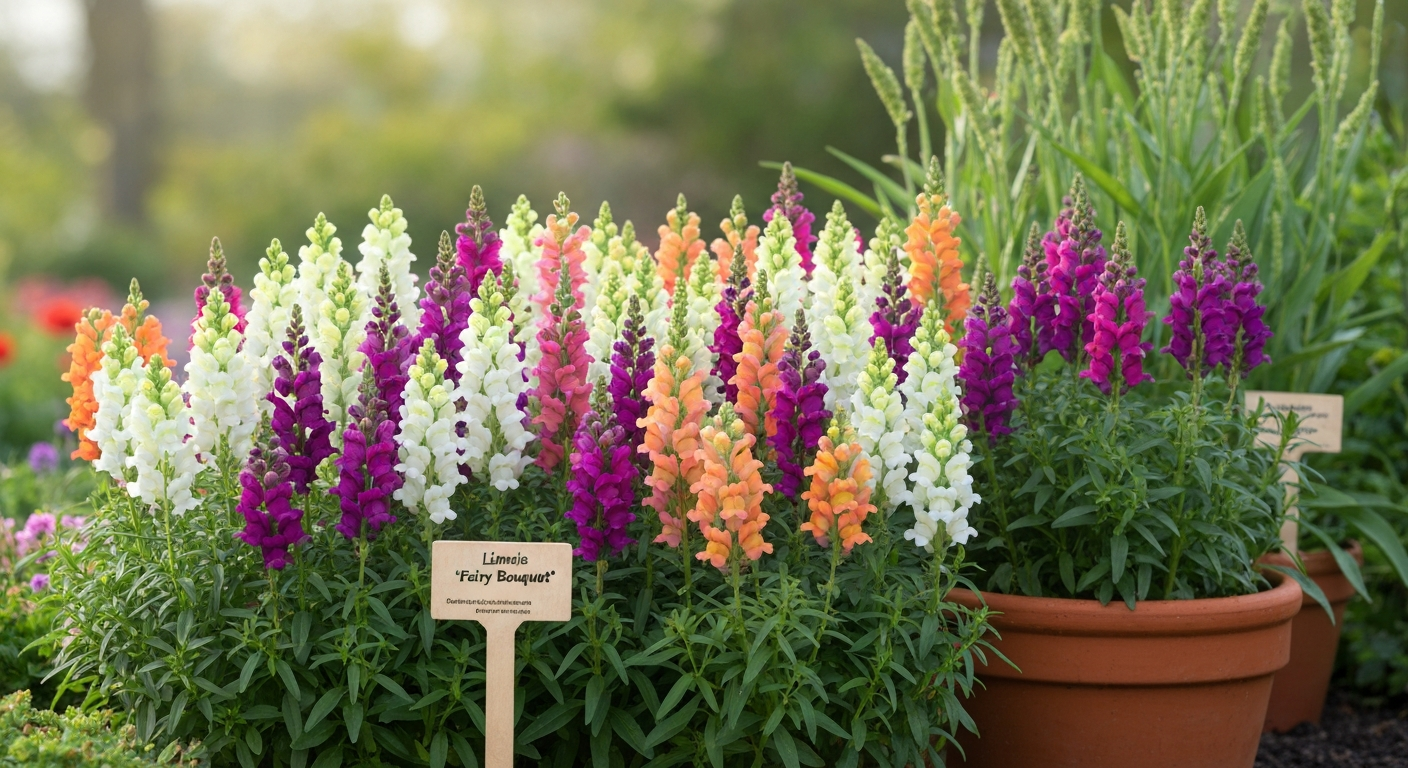
Linaria 'Fairy Bouquet' How to Grow: Seed to Cut Flowers
Grow Linaria 'Fairy Bouquet' from seed to vase: step‑by‑step sowing, care, cutting, seed saving & troubleshooting.
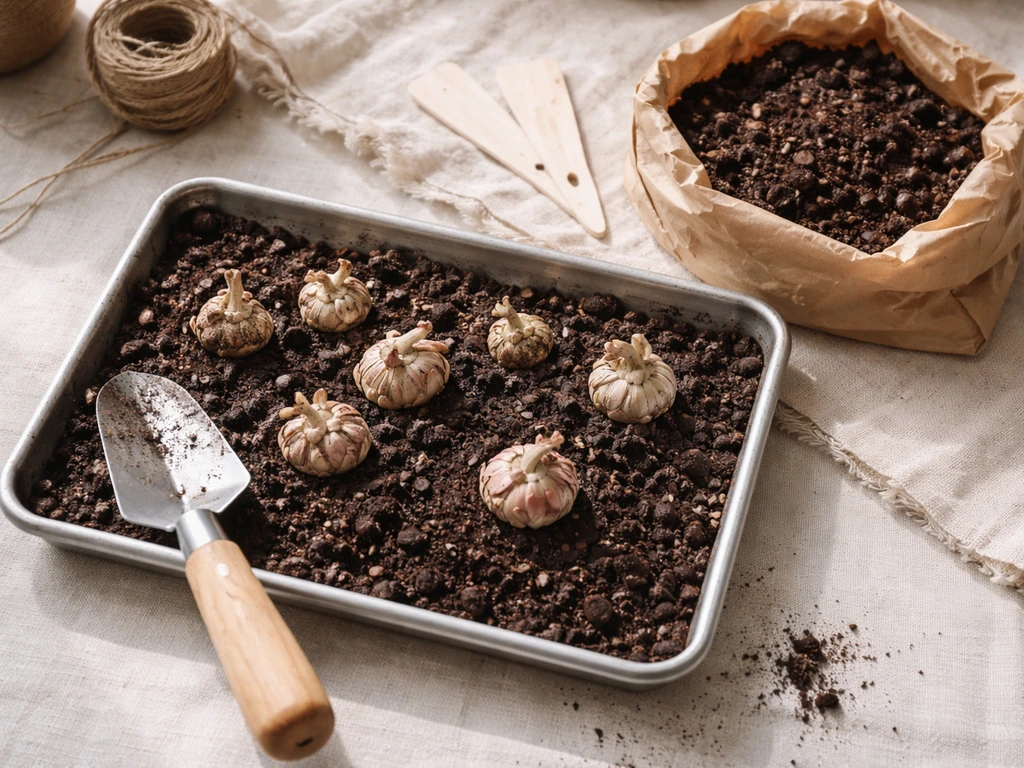
Floret How to Grow Ranunculus: Step-by-Step Guide
Step-by-step Floret-style ranunculus guide: corm prep, planting, watering, frost care, troubleshooting, and harvest for