To grow bigger flowers, you need to nail three things above everything else: start with a variety that's genetically capable of large blooms, give the plant enough sun and fertile well-drained soil, and keep it healthy enough to put energy into flowers rather than survival. Every other technique, whether that's disbudding, fertilizing at the right time, or deadheading spent blooms, builds on that foundation. Get those basics right and you'll see a noticeable difference in bloom size within a single season.
How to Grow Big Flowers: Step-by-Step for Larger Blooms

James Holloway
5 Jul 2026
What "big flowers" actually depends on
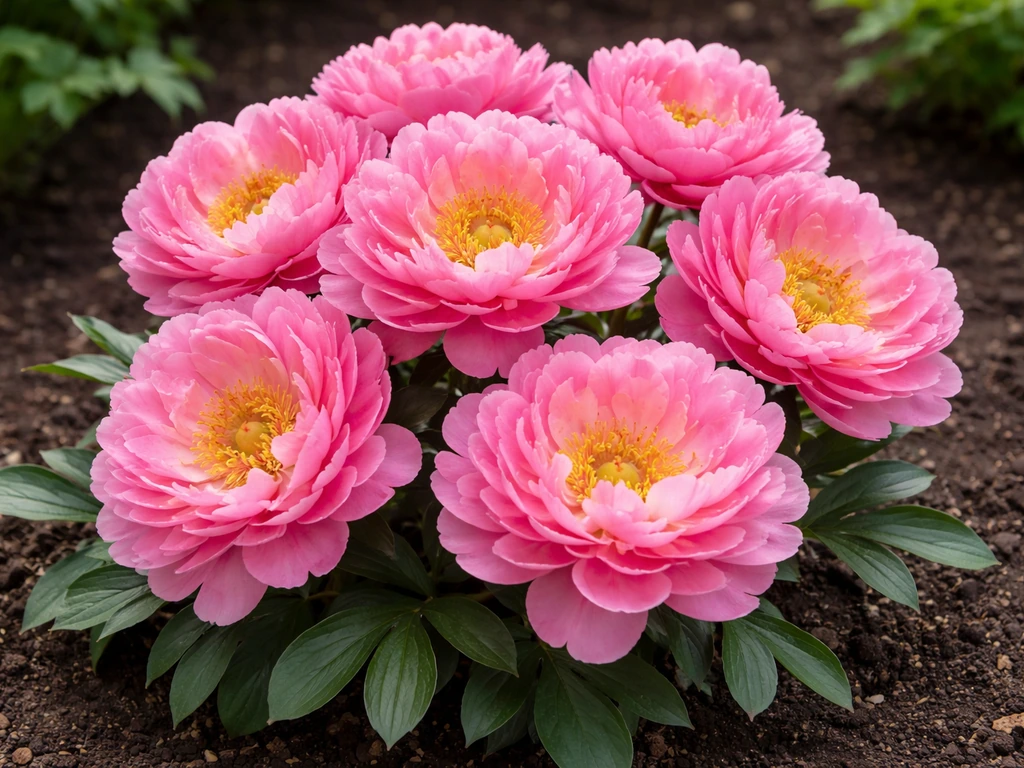
Before tweaking your soil or watering schedule, it helps to know what you're actually working with. Flower size is driven first by genetics. An African marigold (Tagetes erecta) is capable of blooms up to 5 inches across, while a French marigold tops out around 2 inches no matter how well you grow it. You can optimize every condition perfectly and still not get a huge flower from a plant that isn't built for it. So variety selection isn't just a starting point, it's the ceiling for everything else.
After genetics, the main drivers of bloom size are light availability, soil fertility and drainage, consistent moisture, spacing (which affects both root competition and airflow), and overall plant health. A plant under stress from pests, disease, drought, compacted soil, or overcrowding will always prioritize survival over flowering. When conditions are poor, you get smaller flowers, fewer flowers, or both. The good news is that every one of those factors is something you can actually control.
Choosing flower types and varieties built for big blooms
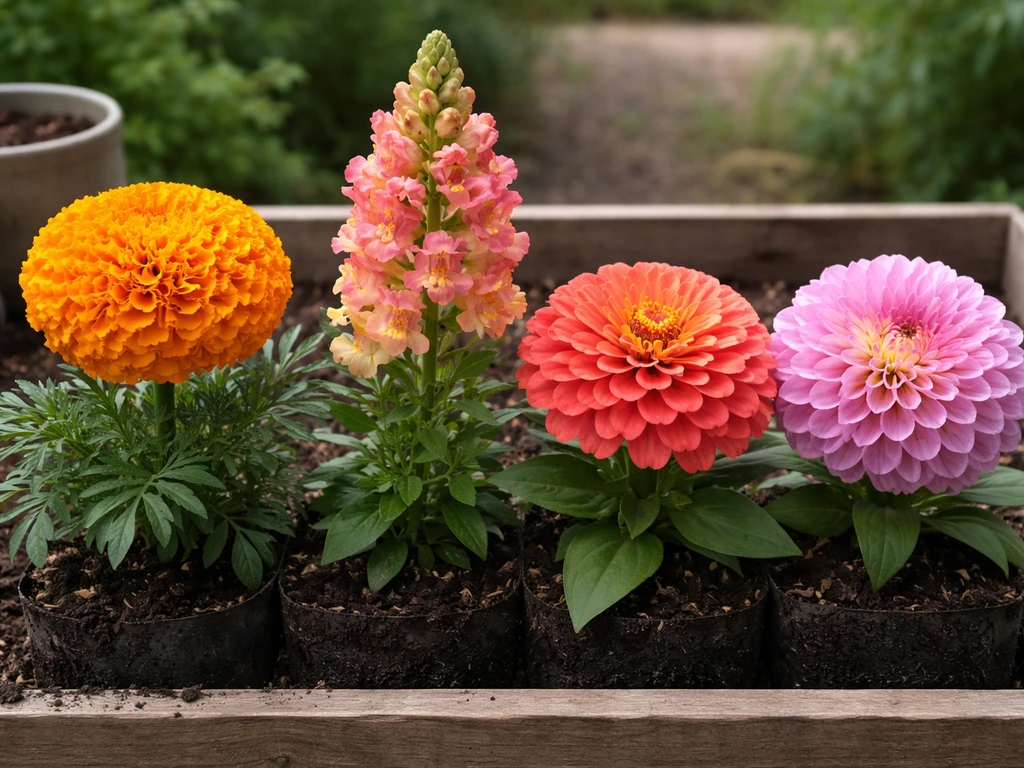
If large, impressive blooms are the goal, the variety you plant matters more than almost anything else. For cut flowers and garden beds, a few standouts consistently deliver on size.
- African marigolds (Tagetes erecta): These are the big-bloom marigolds. Plants grow 10 to 36 inches tall and produce flowers that can reach 5 inches across. Varieties like 'Crackerjack' and 'Inca' are popular for cutting. If you've only grown French marigolds before, switching to African types feels like a completely different plant.
- Snapdragons: Taller cutting varieties like 'Rocket' or 'Madame Butterfly' produce large, dramatic spikes. They thrive in full sun with moist, well-drained soil and will rebloom if you manage spent spikes correctly.
- Dahlias: One of the clearest examples of genetics determining size, dinner-plate dahlias can grow blooms 10 inches or more across. They also respond exceptionally well to disbudding, which is the practice of removing smaller side buds to push energy into the main bloom.
- Poppies: Oriental poppies and the large-flowered Icelandic types produce silky blooms that are naturally impressive in size. They do best direct-sown in early spring or fall in most zones.
- Zinnias: 'Benary's Giant' and 'Oklahoma' series are bred specifically for large blooms on long stems, making them cutting garden favorites. They're also among the easiest to grow from seed.
- Wildflowers: If you're planting a meadow-style bed, look for mixes that specify large-bloomed species like cosmos, bachelor's button, or Shirley poppies rather than generic filler mixes. Match the mix to your site's sun level for consistent establishment.
When you're buying seed packets or transplants, look for words like 'giant,' 'dinner plate,' 'cutting type,' or specific series names known for size. Breeders have put decades of work into maximizing bloom diameter in these varieties, and taking advantage of that is the easiest win available to you.
Soil prep, nutrients, and watering
Big flowers start underground. To make cut flowers grow roots, you need to take fresh stems and use the right rooting method so the plant can switch from bloom mode to root growth Big flowers start underground.. Loose, fertile, well-drained soil lets roots spread easily, which directly supports larger, more vigorous plants and better blooms. Before planting, work 2 to 3 inches of compost into the top 10 to 12 inches of soil. If your soil compacts easily or stays soggy, mix in some perlite or coarse sand to improve drainage. Most ornamental flowers want a soil pH around 6.0 to 7.0, so if you haven't tested your soil recently, an inexpensive test kit is worth the few dollars.
Fertilizing without overdoing nitrogen
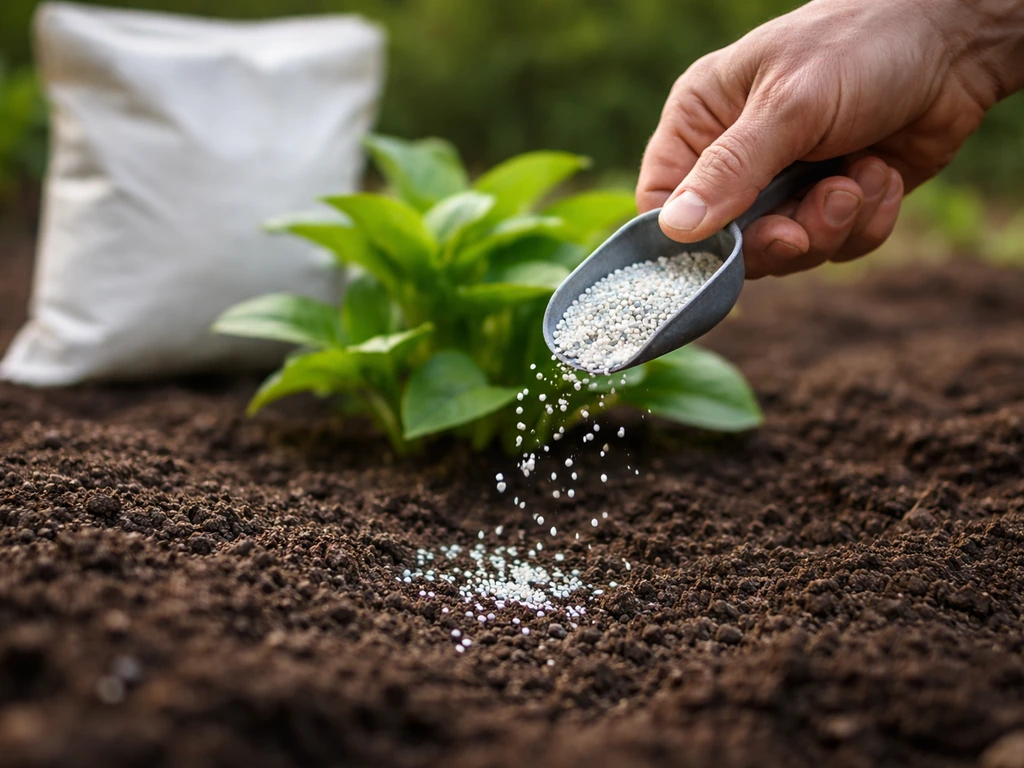
This is where a lot of gardeners go wrong. Nitrogen drives leafy green growth, and too much of it pushes plants to produce foliage at the expense of flowers. An excess of nitrogen fertilizer promotes lush vegetative growth and fewer blooms, which is the opposite of what you want. The fix is to use a balanced or slightly phosphorus-heavy fertilizer once plants are established, and to apply it at around half the labeled rate if you're aiming for more flowers rather than more leaves. A 5-10-5 or 10-20-10 formula works well for flower production. Start feeding about two to three weeks after transplanting or when seedlings have their second set of true leaves, then continue every two to three weeks through peak bloom season.
On the flip side, nitrogen deficiency shows up as yellowing on older, lower leaves and will also stunt bloom size. The goal is balance, not avoidance. One clear sign you've gotten it right: the plant is a healthy medium green, growing steadily, and producing buds at a good pace.
Watering for consistent performance
Inconsistent watering is one of the most common reasons flowers stay small. Plants that swing between drought stress and waterlogging can't sustain the steady growth needed for large blooms. Most ornamental flowers want about 1 inch of water per week, either from rain or irrigation. Water deeply a few times a week rather than a little every day, which encourages roots to grow deeper. If you are struggling to get strong root growth, review how to make a flower grow roots so it can better support big blooms. A 2-inch layer of mulch helps enormously here: it retains soil moisture, regulates temperature, and reduces disease pressure from soil splash. For snapdragons specifically, consistently moist but well-drained soil is non-negotiable for good bloom quality.
Light, temperature, spacing, and avoiding stunting
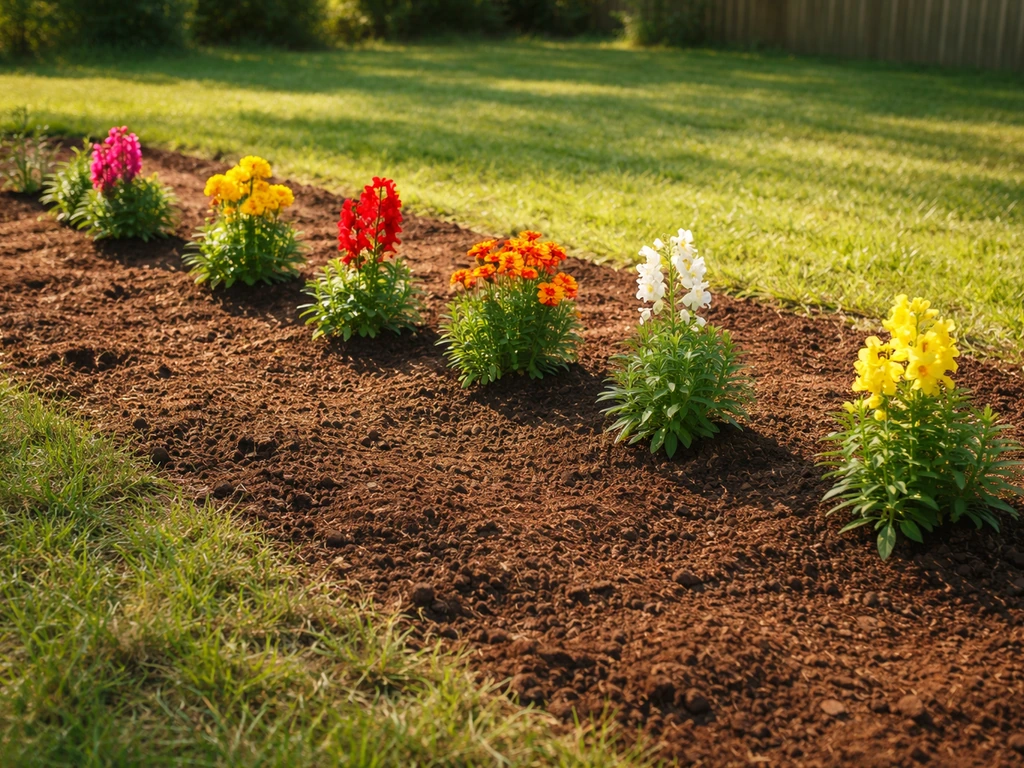
Most large-blooming ornamentals need a minimum of 6 hours of direct sun per day, and many perform best with 8 hours or more. Snapdragons, marigolds, zinnias, and dahlias all fall into the full-sun category. Plants grown in too much shade stretch toward the light (a process called etiolation), producing weak stems and undersized blooms. If your bed gets less than 6 hours of direct sun, choose varieties suited for partial shade rather than forcing sun-lovers into a losing situation.
Temperature matters too, particularly for cool-season flowers like snapdragons and poppies. Snapdragons bloom best in cooler weather (roughly 50 to 65 degrees Fahrenheit) and can stall or produce small, distorted blooms during summer heat. Timing your planting to align with cool windows in spring or fall makes a real difference for these species.
Overcrowding is one of the most underappreciated causes of small flowers. When plants compete heavily for light, water, and nutrients, they all lose. Follow seed packet spacing recommendations seriously, and if you've direct sown, thin ruthlessly. It feels counterintuitive to pull up seedlings you just coaxed out of the ground, but a thinned plant with room to spread will produce noticeably larger blooms than a crowded one. For African marigolds, space plants 12 to 18 inches apart. Dahlias need 18 to 24 inches. Zinnias do well at 9 to 12 inches depending on variety.
Seed starting vs. direct sowing: timing for stronger plants
Whether you start seeds indoors or direct sow outdoors affects how early you get blooms and how large the plants grow when flowering begins. Larger, more established plants tend to support larger blooms, so the timing decision matters.
| Flower | Best Method | Timing | Notes |
|---|---|---|---|
| Snapdragons | Start indoors | 8–10 weeks before last frost | Seeds need light to germinate; surface-sow and cover with a fine layer of vermiculite only |
| African marigolds | Either; direct sow is easy | Direct sow after last frost; or start 6–8 weeks indoors | Germinate in 4–7 days outdoors; indoor start gets you bigger transplants |
| Zinnias | Direct sow | After last frost when soil is warm (65°F+) | Zinnias dislike root disturbance; direct sowing usually works better |
| Poppies | Direct sow | Early spring or fall (cool soil) | Need cold stratification naturally; transplanting often fails |
| Dahlias | Tubers outdoors or start indoors | 2–4 weeks before last frost indoors; outdoors after frost | Starting tubers early indoors gives longer growing season and larger plants |
For snapdragons especially, the indoor start window is important. Surface-sow the tiny seeds into moistened seed-starting mix and press them lightly into contact with the mix without covering them, since they need light to germinate. A fine layer of vermiculite helps retain moisture without blocking light. At 8 to 10 weeks before your last frost date, you'll have solid transplants ready to go out when cool spring weather arrives. That head start pays off in larger, more productive plants compared to late-started or direct-sown snapdragons.
Pruning, deadheading, and disbudding for bigger blooms
This is where you can genuinely shift the size of individual flowers, not just the count. The core principle is simple: a plant has a limited amount of energy, and how you direct it determines what you get.
Deadheading keeps plants producing
Removing spent blooms before seed pods form is one of the most effective and underused tools for extending flowering and maintaining bloom quality. Once a plant sets seed, it considers its job done and slows down or stops flower production. With marigolds, deadhead promptly because spent flower heads are heavy and can cause stems to snap if left too long. With snapdragons, the timing is a bit trickier because a single spike has both spent lower flowers and developing upper buds at the same time. Cut the spike back once the majority of flowers on it have finished, just above a healthy set of leaves. New lateral shoots will push out and bloom again, often with good-sized flowers.
Disbudding for maximum bloom size
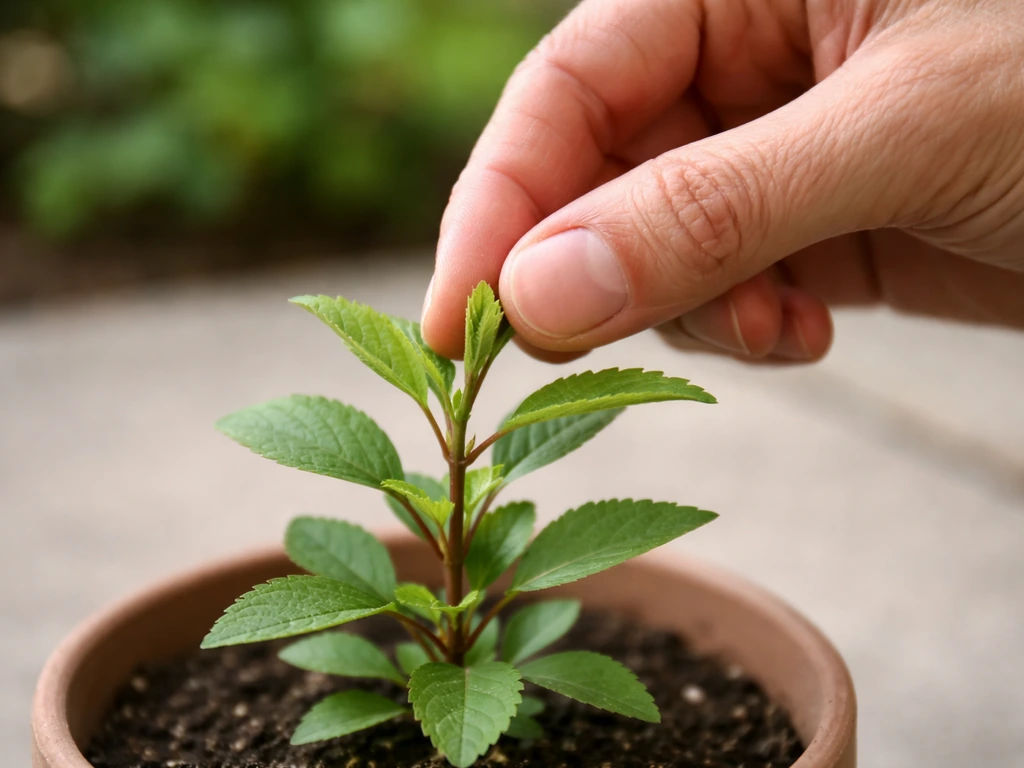
If you want the largest possible individual flowers rather than the most flowers, disbudding is the technique to learn. It involves removing the smaller side buds that develop around the main terminal bud, redirecting all of the plant's flowering energy into that single bloom. Dahlias are the classic example: by pinching off the two smaller buds flanking the main bud on each stem, you end up with fewer but dramatically larger, longer-stemmed flowers. The same principle applies to other large-flowered types. You're not harming the plant; you're just making a choice about how it spends its energy.
Pinching young plants for bushier growth
Pinching the growing tip of young plants when they're 6 to 8 inches tall encourages branching, which means more flowering stems. This is especially useful for zinnias, marigolds, and snapdragons. It feels like a setback because you're removing the top of the plant, but the result is a bushier plant with more potential bloom sites. Just do it early, well before bud formation starts.
Pest and disease prevention to protect your blooms
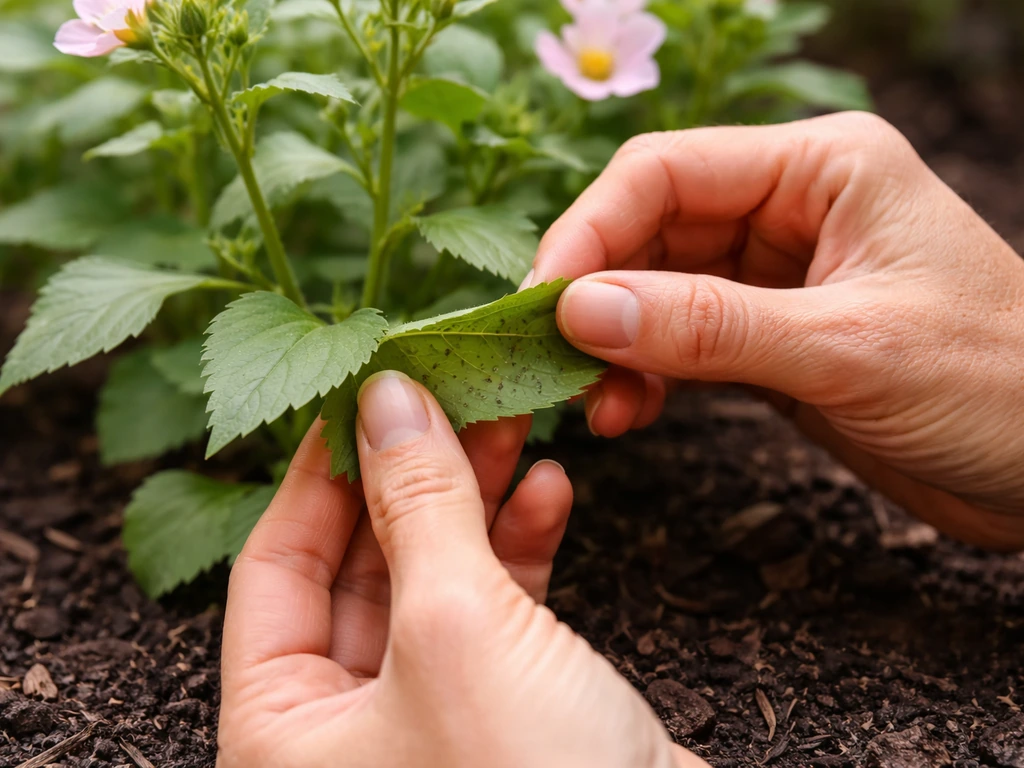
A plant fighting off pests or disease cannot put its full energy into flowers. Prevention is far easier than treatment, and most of the best prevention is just good cultural practice.
- Mulch consistently: A 2-inch layer of mulch reduces soil splash, which is one of the main ways fungal diseases like powdery mildew and Botrytis (gray mold) spread to lower leaves and stems.
- Water at the base, not the foliage: Wet leaves create ideal conditions for fungal infections. Drip irrigation or careful hand-watering keeps foliage dry and dramatically reduces disease pressure.
- Space plants properly: Good airflow between plants slows the spread of fungal diseases significantly. Crowded plants stay wet longer after rain or irrigation.
- Catch powdery mildew early: White powdery coating on leaves is the tell. Once you see the first symptoms, fungicide timing matters because applications need to start immediately to be effective. For mild cases, a diluted baking soda spray or neem oil can help. Severe cases may need a labeled fungicide.
- Monitor for aphids and mites: Both are small and easy to miss until populations explode. Check the undersides of leaves regularly. A strong blast of water knocks aphid colonies back effectively for minor infestations. For more serious outbreaks, insecticidal soap or horticultural oil are low-toxicity options that work on contact. Apply them when temperatures are below 90°F to avoid plant injury.
- Handle seedlings carefully: Damping-off (a fungal collapse of seedlings at the soil line) is common in overcrowded, overly wet seed-starting conditions. If it appears in your flats, discard the affected plants and soil, sterilize the flat, and reseed fresh. Don't try to save a damping-off flat.
One thing worth knowing: horticultural oils and insecticidal soaps can cause phytotoxicity (leaf burn) on some plants, particularly in hot weather or when applied to stressed plants. Always test on a small section first and follow label directions for concentration.
Your step-by-step plan and troubleshooting checklist
Here's how to put it all together into a practical sequence you can start working through today, whether you're planting from scratch or trying to improve what you already have in the ground. To learn the basics of flower growth end to end, see how to make flowers grow.
- Choose a large-blooming variety: African marigolds, cutting-type snapdragons, dinner-plate dahlias, 'Benary's Giant' zinnias, or large-flowered poppy varieties all give you the genetic foundation for impressive blooms.
- Prepare your soil properly: Work 2 to 3 inches of compost into the top 10 to 12 inches. Ensure good drainage. Test pH if you haven't recently.
- Start seeds at the right time: Check the table above for your specific flower. Snapdragons need 8 to 10 weeks indoors. Most others can direct sow after last frost when soil has warmed.
- Plant with proper spacing: Follow packet recommendations and don't crowd. When in doubt, err toward more space, not less.
- Feed with a balanced or phosphorus-forward fertilizer: Start 2 to 3 weeks after transplanting. Apply at half the labeled rate and continue every 2 to 3 weeks through peak bloom.
- Water deeply and consistently: Aim for 1 inch per week. Apply mulch to retain moisture and reduce disease splash.
- Pinch young plants at 6 to 8 inches: Promotes branching and more bloom sites. Do this before buds form.
- Disbud for maximum bloom size (optional but effective): Remove side buds flanking the main terminal bud on dahlias, chrysanthemums, and other large-flowered types.
- Deadhead spent blooms consistently: Remove faded flowers before seed pods form to keep plants producing.
- Monitor weekly for pests and disease: Catch problems early and treat promptly with the least disruptive option first (water blast, insecticidal soap, neem oil).
Troubleshooting: why your flowers are staying small
| Symptom | Likely Cause | Fix |
|---|---|---|
| Small blooms despite healthy-looking plant | Wrong variety for large blooms | Switch to a cutting or giant variety next season |
| Lots of leaves, few or small flowers | Too much nitrogen fertilizer | Switch to a phosphorus-forward formula at half rate |
| Weak, stretched stems, small pale flowers | Insufficient sunlight | Move containers or choose a sunnier bed location (6+ hours direct sun) |
| Flowers start well then shrink mid-season | Inconsistent watering or heat stress | Mulch, water deeply on a schedule, consider shade cloth for cool-season types in summer |
| Dense planting, all flowers small | Overcrowding and root competition | Thin aggressively or transplant to give proper spacing |
| Yellow lower leaves, stunted blooms | Nitrogen deficiency or compacted soil | Amend with compost, loosen soil, apply balanced fertilizer |
| Powdery coating on leaves, distorted buds | Powdery mildew | Improve airflow, treat immediately with neem oil or fungicide |
| Seedlings collapsing at soil line | Damping-off fungus | Discard affected plants and soil, sterilize flat, reseed |
| Flowers blooming but plant looks tired | Spent blooms left on plant too long | Deadhead more consistently to redirect energy to new buds |
Most of these problems are fixable mid-season if you catch them early enough. And even when a season doesn't go perfectly, you'll learn something specific that makes next year's plants noticeably better. Growing beautiful flowers is genuinely achievable for anyone willing to pay attention to the details above, and once you see what a well-grown African marigold or dahlia can look like at its best, the extra effort feels completely worth it. For more help, follow a complete guide on how to grow beautiful flowers from choosing the right variety to dialing in sunlight, soil, and watering.
FAQ
If my flowers are producing lots of buds but the blooms stay small, what should I check first?
Start with stress and crowding. Even if buds form, small final blooms usually mean uneven moisture, too much shade, or root competition from planting too close together, so verify daily sun hours and then measure spacing or thin any crowded seedlings.
How can I tell whether my problem is nitrogen excess or nitrogen deficiency?
Nitrogen excess usually shows as very dark green, fast leafy growth with fewer buds. Deficiency tends to yellow older lower leaves first (not the newest growth) and often comes with slowed growth and stunted bloom size.
What is the safest way to fertilize when I am trying to grow big flowers without burning plants?
Use less than the label if you are focused on blooms, apply when the soil is already slightly moist, and avoid feeding during heat spikes or drought-stress. If you see leaf tip browning or wilting after feeding, pause and flush with water.
Can I use the same fertilizer schedule for all big-flower plants in my garden?
Not exactly. Cool-season bloomers like snapdragons may stall in hot weather, so keep an eye on growth rate and stop feeding if plants are stressed. Warm-season types can use the steady, repeated feed pattern described, but always adjust based on whether plants are actively growing.
How do I water for big blooms if my soil drains too fast or too slowly?
For fast-draining soil, water longer to wet deeper and mulch to reduce quick drying. For slow-draining soil, reduce frequency and improve drainage with amendments, because waterlogged roots reduce flowering even if the surface looks wet.
Do big flowers require full sun at all times, or can morning sun be enough?
Morning sun can work, but you still need enough total direct hours. If your garden gets less than about 6 hours of direct sun, pick partial-shade varieties rather than trying to force sun-lovers with extra fertilizer.
When should I deadhead if I want the biggest individual flowers, not just more blooms?
Deadhead before seed pods fully form, but don’t overdo it once plants begin natural peak decline. For crops where disbudding is used (like dahlias), prioritize the stems you want to maximize, and remove spent blooms on those stems promptly to keep energy directed.
Is disbudding worth it for every plant that can grow large flowers?
It is most worth it when the plant naturally forms a main terminal bloom plus smaller side buds. If your variety already produces one dominant bloom without significant side-bud competition, disbudding may reduce your flower count without much gain in size.
What is a common mistake with snapdragons when trying to regrow blooms?
Cutting at the wrong time. Because a spike has both finished lower flowers and developing upper buds, cut back only after most flowers on that spike are done, just above healthy leaves, so lateral shoots can take over.
How do I grow big dahlias if I am limited by space in raised beds?
Treat spacing as non-negotiable. In tight beds, root competition increases, making blooms smaller. If you must conserve space, choose fewer plants per bed and keep airflow up, rather than increasing plant density.
Can I get bigger flowers by starting seeds earlier than recommended?
Sometimes, but too early can cause leggy, root-bound transplants or plants that struggle after transplanting. Use the suggested seed-start window for each type, and harden off gradually so the plants don’t go into shock.
My transplanted seedlings look healthy but bloom smaller than expected. Could it be transplant timing?
Yes. If plants went into the ground too early while nights were still cold, cool-season flowers can grow poorly and then bloom smaller. For warm-season types, planting into lingering cool soil can also delay root establishment, reducing bloom size later.
What should I do if powdery mildew or other foliar disease is starting mid-season?
Focus on prevention first, improve airflow with correct spacing, and avoid watering foliage when possible. If you treat, test any oils or soaps on a small section first because stressed plants and hot weather can increase leaf burn and reduce flowering.
Why do my blooms start out big, then shrink later in the season?
Often it is nutrient depletion, heat stress, or seed production. If you let plants set seed, they slow flowering. Keep deadheading spent blooms early, maintain consistent watering, and reduce nitrogen so the plant continues directing energy to flowers.
Next Articles
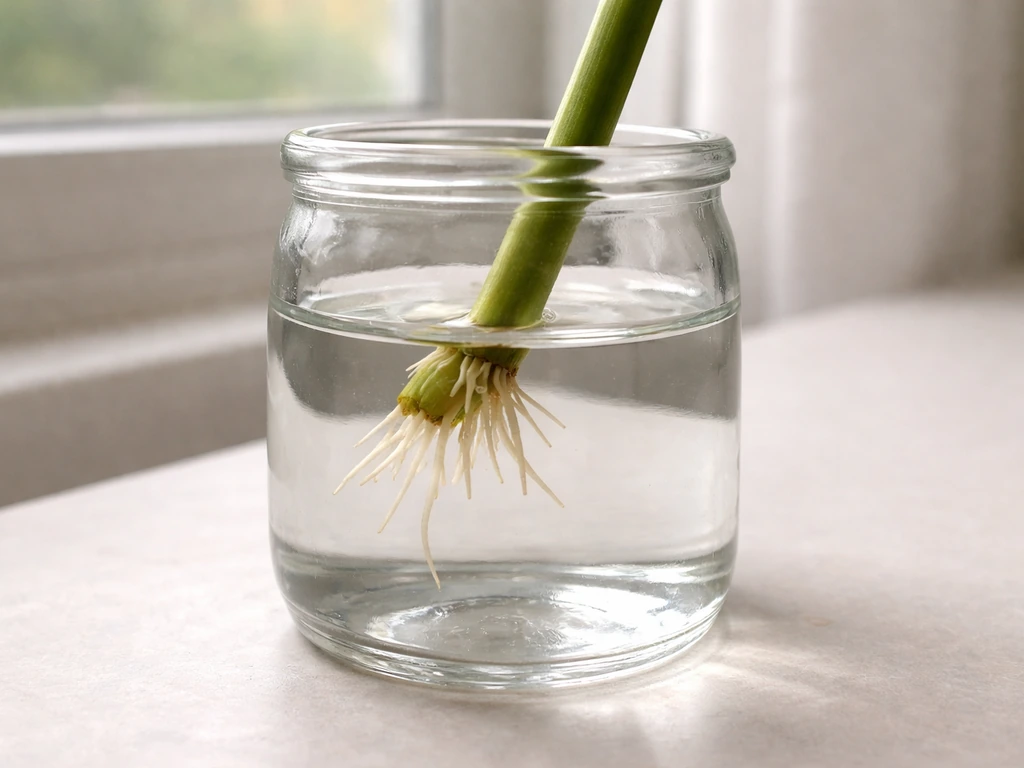
How to Make a Flower Grow Roots: Step-by-Step Guide
Step-by-step rooting guide for cuttings: choose stems, set up water or soil mix, prevent rot, troubleshoot, then pot for
How to Grow Beautiful Flowers: Beginner to Bloom Guide
Step-by-step guide to grow beautiful flowers from seed or sowing to bloom with soil, watering, feeding, and pest fixes.
How to Make Flowers Grow: Step-by-Step Fixes to Bloom
Step-by-step fixes for getting flowers to sprout, grow strong, and bloom from seed to transplant to feeding and watering