
Queen of the night (most commonly Epiphyllum oxypetalum) is an epiphytic cactus that grows to around 2 meters tall, produces spineless, flat leaf-like stems, and opens enormous, intensely fragrant, funnel-shaped flowers only at night. It thrives in bright indirect light, temperatures between 50–80°F (10–27°C), moderate to high humidity, and a chunky, fast-draining mix similar to orchid compost. Get those four things right, give it a cool dry winter rest, and you will get blooms, though you do need to be patient because even a rooted cutting usually takes at least three years.
Queen of the Night Flower How to Grow and Get Blooms

James Holloway
27 May 2026
First, figure out which plant you actually have
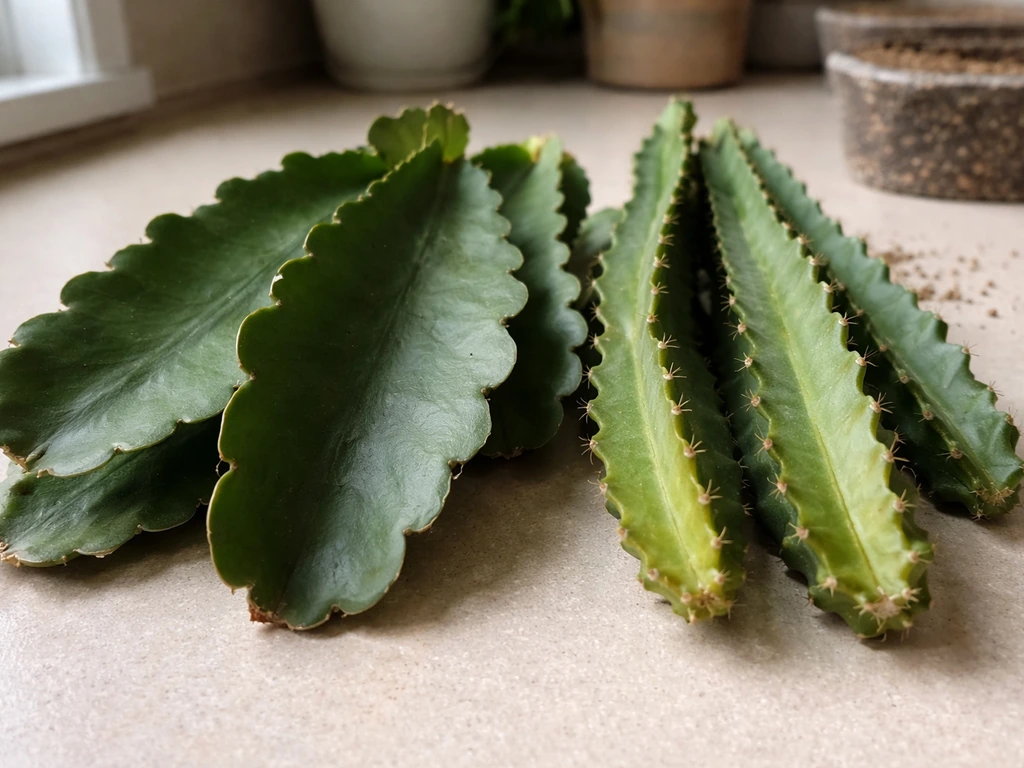
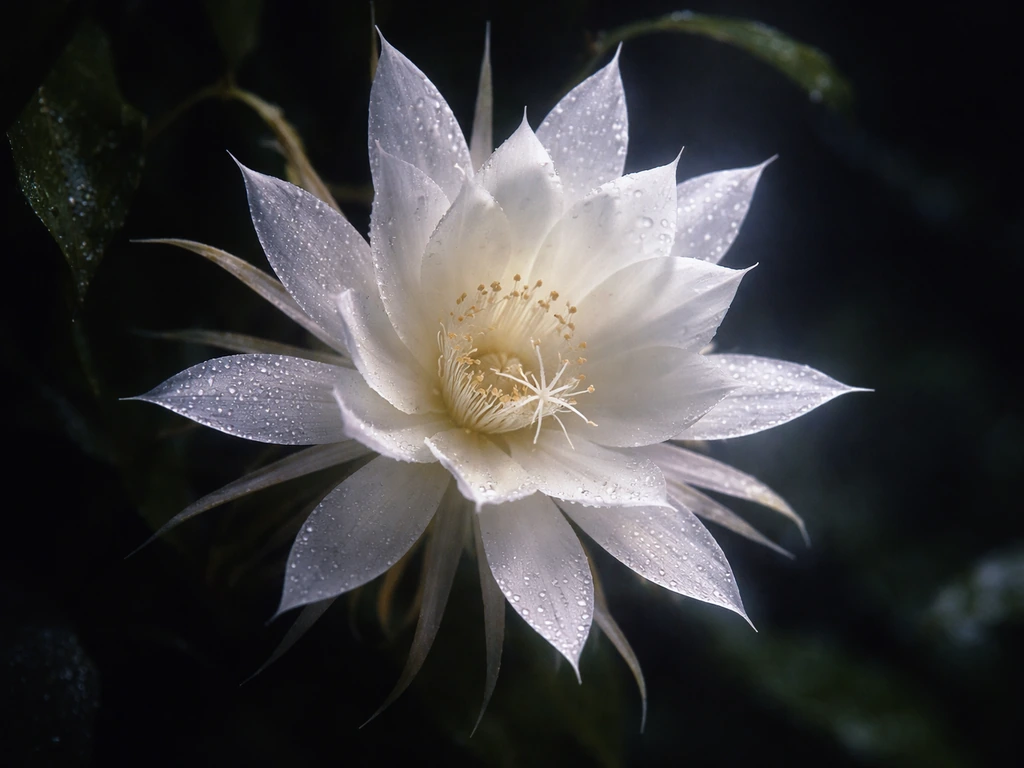
The name 'queen of the night' gets attached to several completely different night-blooming cacti, so it is worth spending two minutes identifying yours before you set up a care routine. The most common one sold in garden centers and passed between neighbors is Epiphyllum oxypetalum. It has flat, segmented stems with scalloped or wavy edges, no spines at all, and the flowers emerge from the edges of those flat stems (technically from subapical marginal areoles). The blooms are huge, funnel-shaped, 20–25 cm long, creamy white, and they open after dark, last only a few hours, and drop limply by morning. The scent is extraordinary.
The other plant you might have is Hylocereus undatus or a related Selenicereus species. NTBG notes that Hylocereus undatus has large night-blooming flowers visited by bats at night and by honey bees during the day Hylocereus undatus or a related Selenicereus species. These have three-angled, ribbed, climbing stems with small spines at the nodes, quite different from the flat, spineless look of Epiphyllum.
Hylocereus blooms are also huge and nocturnal, visited by bats in the wild, but the plant looks more like a climbing, triangular-stemmed cactus. If yours has spines and triangular stems, the care overlaps in many areas but it is technically a different genus.
This guide focuses primarily on Epiphyllum oxypetalum since that is what most people searching 'queen of the night flower how to grow' are working with, but the light, soil, and watering principles apply broadly to both.
| Feature | Epiphyllum oxypetalum | Hylocereus / Selenicereus |
|---|---|---|
| Stems | Flat, leaf-like, spineless, scalloped edges | Triangular/ribbed, with small spines at nodes |
| Habit | Erect and branching, up to ~2 m | Climbing/trailing, can sprawl extensively |
| Flower origin | Emerges from edges of flat stem segments | Emerges from areoles on ribbed stems |
| Bloom timing | Nocturnal, opens after dark | Nocturnal, often bat-pollinated |
| Fragrance | Very strong, sweet fragrance | Fragrant but varies by species |
The growing conditions it needs to actually thrive
Light
Epiphyllum wants bright, filtered or indirect light, think a spot a meter back from a south- or east-facing window, or right in a north-facing window if you are in the Northern Hemisphere. Direct midday sun will scorch the flat stems and turn them yellow or orange. That said, the San Diego Epiphyllum Society makes a point I have found to be true: it is better to err on the side of slightly too much light than too little. Plants kept in dim corners almost never flower. If you have a covered porch or a spot with dappled outdoor light in summer, that is often ideal.
Temperature
The comfortable range for active growth is 50–80°F (10–27°C). In winter, you actually want to drop temperatures down to around 40–45°F (4–7°C) for the rest period, this cooler spell is one of the main triggers for bud formation the following season. If your plant never experiences a cold winter rest (say you keep it in a warm heated room year-round), do not be surprised if it refuses to flower. In the UK and similar climates, RHS classifies it as an H1a plant, meaning it needs frost-free, heated glass protection in winter outdoors. In USDA zones 10–11 it can live outside year-round; everywhere else, treat it as an indoor or greenhouse plant.
Humidity
This is an epiphyte, it grows naturally in the forest canopy where humidity is high. In dry indoor air, the stem tips can shrivel and growth slows. The easiest fix is standing the pot on a tray filled with damp gravel, which creates a humidity buffer around the plant without sitting the roots in water. A bathroom or kitchen windowsill with natural humidity often works well. Misting occasionally is fine, but a pebble tray is more consistent.
Soil and pots
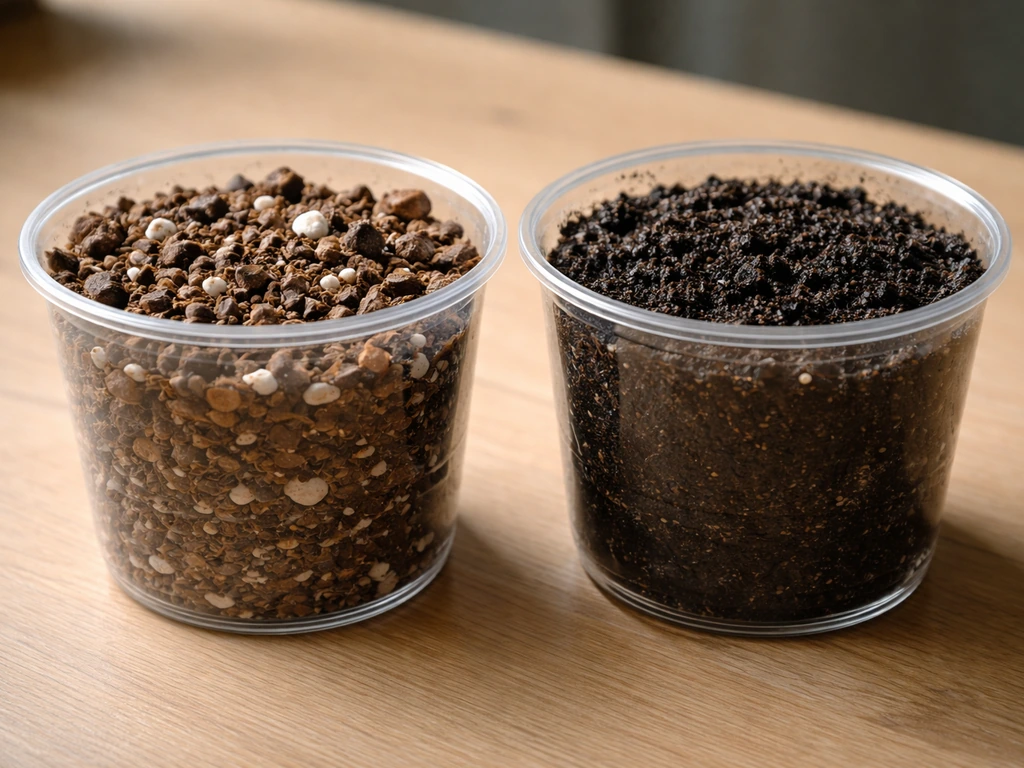
This is where a lot of beginners go wrong. Epiphyllum is not a desert cactus, it does not want pure sand, but it absolutely cannot sit in dense, waterlogged compost. The roots rot very quickly in saturated soil. A good mix is peat-free cactus compost with added grit, or a chunkier orchid-style blend: roughly 40% orchid bark, 30% perlite, 20% coir, and 10% horticultural charcoal. The goal is a mix that drains fast but still holds some moisture and air around the roots. Always use a pot with drainage holes. Terracotta works well because it allows the mix to dry out between waterings.
Starting your plant: cuttings vs seeds
Cuttings are the right choice for almost everyone. Plants grown from seed can take four or more years to flower, and the germination process (sowing at 21°C in spring) is fiddly. With a rooted cutting from a friend or a division from a mature plant, you can expect flowers in as little as two to three years, sometimes less if the cutting came from an already-mature, regularly-blooming parent plant. If you want faster results, start with how to grow balloon flowers from cuttings to get blooms sooner than from seed.
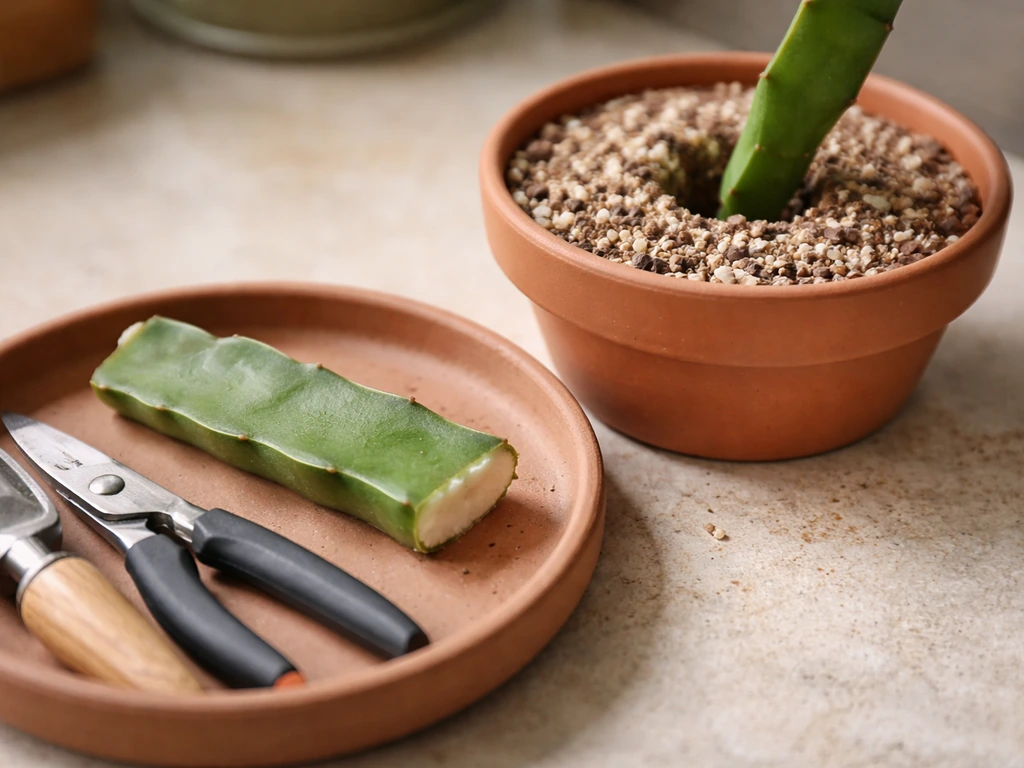
To take a cutting, select a healthy flat stem segment and cut it cleanly with a sharp, sterilized blade. The critical step that most beginners skip: let that cutting cure in a cool, dry, shaded spot for at least ten days (some growers say up to two weeks) before you pot it. You want a dry, papery callus to form over the cut end.
If you pot it too soon while the cut is still fresh and green, it will rot before it roots. Once the callus has formed, push the base about 2–3 cm into barely moist cactus mix, prop it upright if needed, and leave it in a warm spot (around 18–21°C) without watering for another week. Then water lightly and wait.
- Take a healthy flat stem segment in early summer using a clean, sharp blade.
- Lay the cutting in a cool, dry, shaded spot and wait at least 10 days for a callus to form over the cut end.
- Prepare a small pot with fast-draining cactus mix (add extra perlite if in doubt).
- Insert the calloused end about 2–3 cm into the barely moist mix and prop upright.
- Wait one week before the first watering, then water sparingly until you see new growth indicating roots have formed.
- Move to your permanent growing spot once rooted and growing steadily.
The care calendar: watering, feeding, and repotting through the year
Spring and summer (active growth)
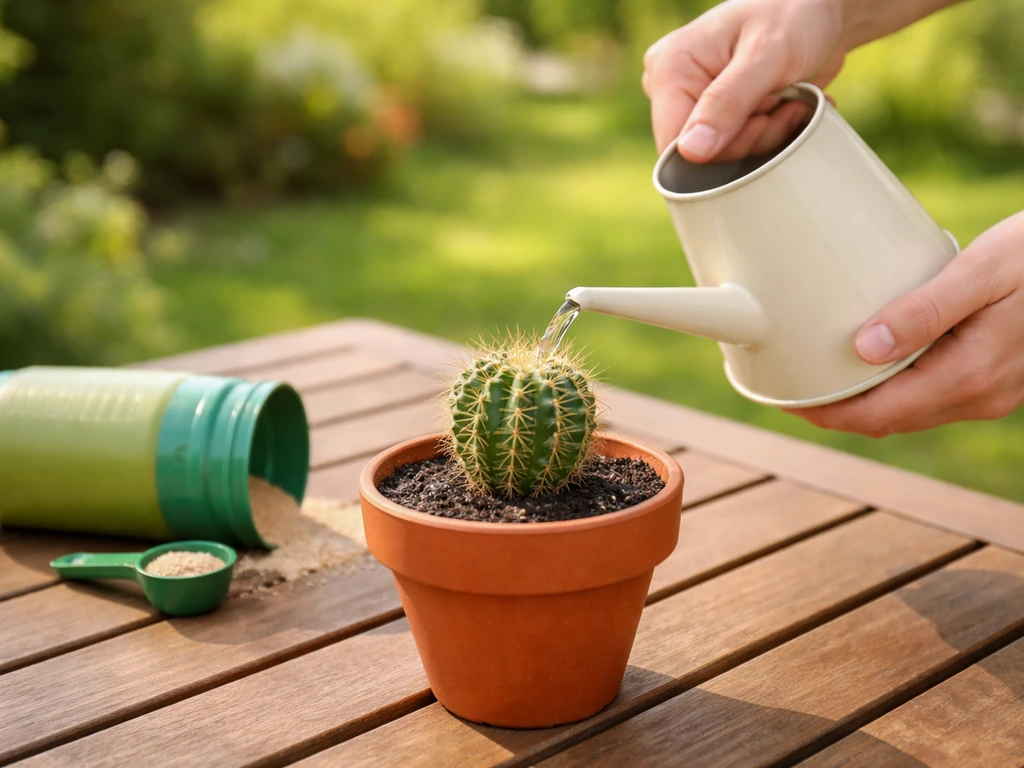
From mid-spring through late summer, water freely, keeping the compost slightly moist but never soggy. Check the top 2–3 cm of compost before watering; if it is still damp, wait another day or two. In hot weather, this might mean watering every five to seven days. In a cool, humid room, every ten days might be enough. The rule is always 'check before you water' rather than watering on a fixed schedule.
Feeding matters a lot for flowering. Apply a cactus fertilizer fortnightly from early spring through to autumn. During the active growth flush, apply a high-potash fertilizer (similar to a tomato feed) three or four times across the season, this supports bud formation rather than just leafy stem growth. A balanced cactus feed for the rest of the time, high-potash feed in mid to late summer, is a simple rhythm that works well.
After flowering: the rest period
Once your plant has bloomed, ease off watering immediately and keep the compost just barely moist for about six weeks. This post-flowering rest period is just as important as the winter rest, it allows the plant to recover and helps set up the next flowering cycle. Do not feed during this time.
Autumn and winter (rest period)
This is the season that makes or breaks flowering the following year. Move the plant to a cooler spot, around 40–45°F (4–7°C) is ideal, though anywhere in the 45–55°F range will work. An unheated spare room, a cool conservatory, or a frost-free greenhouse are all good options. Water only enough to prevent the stems from shriveling, once every three to four weeks is usually plenty. Stop feeding entirely until early spring.
Repotting
Repot in early spring, just before the new growing season begins. Epiphyllum actually flowers better when slightly root-bound, so do not jump up a pot size just because roots are starting to appear at the drainage holes. Move up one pot size (around 2–3 cm wider) only when growth has visibly stalled or the plant is drying out within a day or two of watering. Refresh the compost every two to three years even if you keep the same pot. Always use fresh cactus mix and make sure the new pot has good drainage holes.
Getting it to bloom: timing, maturity, and what to change if buds won't form
Patience is genuinely required here. This kind of patience and care schedule is exactly what you will use when you follow a moonflower how to grow approach for queen of the night Patience is genuinely required here.. From an unrooted cutting, expect to wait at least three years before flowers appear. Seed-grown plants can take four years or more. This is not a failure, it is just how the plant works. The good news is that once a mature plant is happy, it tends to bloom reliably every year, and the flowers are so spectacular (enormous, white, intensely fragrant, appearing in the dark) that the wait feels worthwhile.
The most reliable way to encourage bud formation is to nail the winter rest. Move the plant somewhere cool (40–55°F / 4–13°C), reduce watering to almost nothing, and stop feeding from around October through February. Then in early spring, bring it back into warmth and light, resume watering, and start feeding with a high-potash fertilizer. The shift from cool-and-dry to warm-and-fed mimics the seasonal cues that trigger flowering in the wild.
Light is the other big lever. If your plant has been in a dim corner, move it to a brighter spot with filtered light. Insufficient light is one of the most common reasons a mature epiphyllum simply refuses to bud. If you are also looking for related cactus blooms like fireblossom, the growing method and conditions are a useful comparison how to grow fireblossom. Do not move it into harsh direct sun, but do get it as close to a bright, indirect light source as you can.
- Give it a proper winter rest at 40–55°F (4–13°C) with minimal watering for at least 8–10 weeks.
- Move it to the brightest indirect light spot you have — avoid dark rooms.
- Switch to a high-potash fertilizer (like tomato feed) three or four times in summer to fuel bud development.
- Keep the post-bloom rest period (6 weeks of reduced watering after flowers drop) to allow recovery.
- Avoid repotting right before or during the flowering season — disruption can cause bud drop.
- Make sure the plant is old enough: three years from a cutting is the realistic minimum.
Common problems and how to fix them
Root rot and mushy stems
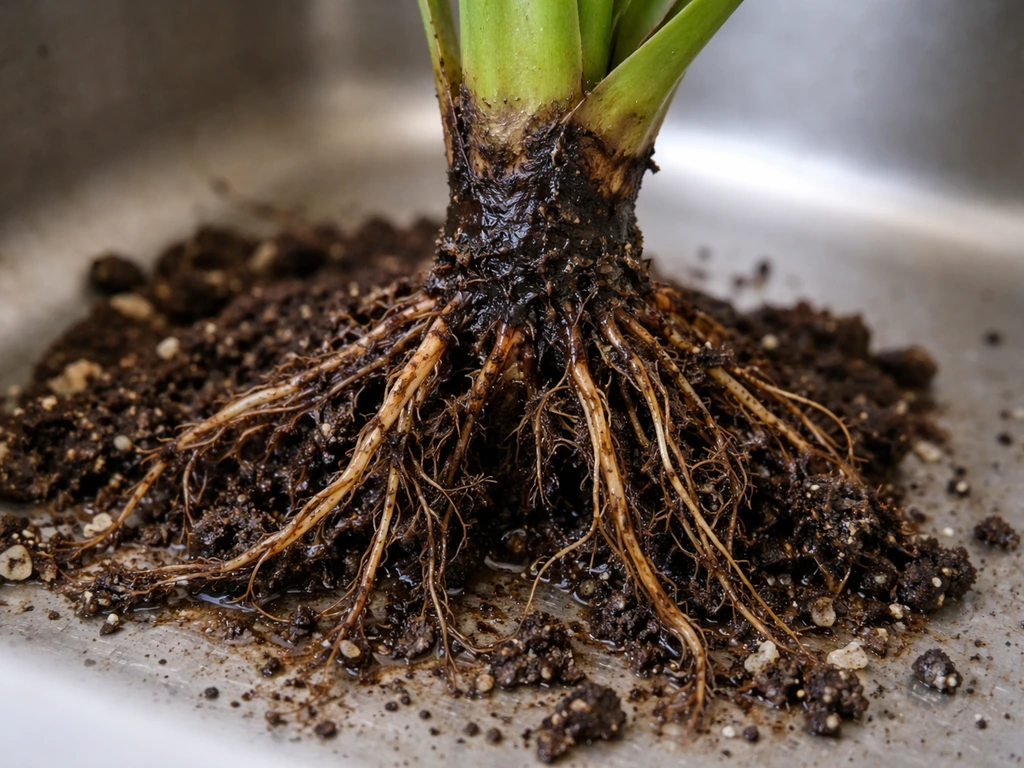
This is the number one killer of queen of the night plants. The signs are soft, mushy, discolored stem bases or a sour smell from the compost. The cause is almost always overwatering or a poorly draining mix. If you catch it early, unpot the plant, cut away all rotten material with a clean blade, let the healthy remaining cutting callus for ten days, and repot into fresh, gritty mix. If the rot has reached the main stem, the plant is usually beyond saving, but take any healthy upper stem segments as cuttings and start again. Going forward, always water less than you think you need to, especially in winter.
No buds forming
If the plant is old enough (three-plus years from a cutting) and still not budding, run through this checklist: Did it get a cool, dry winter rest? Is it getting enough light? Did you use high-potash feed during summer? Is it root-bound (slightly pot-bound is actually good for flowering)? Did you recently repot or move it? Stress from repotting or a location change can delay flowering by a full season. Usually the fix is a proper cool winter rest followed by a bright, well-fed summer, give it one full cycle and you will almost always see buds.
Mealybugs and scale insects
Mealybugs look like small tufts of white fluff, usually found in the joints between stem segments. Scale insects appear as small, hard, brownish bumps on the stems. Both suck sap and weaken the plant. For light infestations, wipe them off with a cotton bud dipped in rubbing alcohol. For heavier attacks, wash the plant down with a strong stream of water, then treat with an insecticidal soap or neem oil spray. Repeat every seven to ten days for three to four rounds to break the life cycle. Always quarantine new plants for a few weeks before placing them near your others.
Spider mites
Spider mites thrive in hot, dry conditions, another reason keeping humidity up matters. You will notice fine webbing on the stems and a stippled, dull appearance to the stem surface. A strong blast of water is the first response, followed by regular misting to raise humidity. If the infestation persists, use a miticide or neem oil spray. Spider mites reproduce fast, so act as soon as you spot them.
Fungus gnats
These tiny flies are attracted to damp compost and lay eggs in the top layer of soil. The larvae can damage roots. The fix is simple: let the top layer of compost dry out more between waterings, which makes the environment inhospitable for eggs. Yellow sticky traps placed near the pot catch adults. If the problem is persistent, a biological control (Steinernema feltiae nematodes watered in) is very effective and safe for the plant.
Yellowing or shriveling stems
Yellow stems usually point to too much direct sun (scorching) or overwatering. Orange or reddish tinting on the stem edges often means too much sun. Shriveling and wrinkling, on the other hand, typically means the plant is too dry, either underwatered, or the roots have rotted and can no longer take up water even if the compost is moist. Check the roots if shriveling persists despite regular watering. If they look healthy, simply water more consistently. If they are brown and mushy, treat as rot (see above).
Once you have your queen of the night settled into the right conditions, it is a genuinely low-maintenance plant for most of the year. If you are specifically trying to grow four o clock flowers, the same idea applies, but follow the dedicated four o clock flowers how to grow steps for this annual.
The drama happens in a few hours on a summer night, that huge white flower opening in the dark, filling the room with fragrance, and then closing before morning. To learn the spiritual side, explore how to grow the flower of the Holy Spirit in your daily faith practices. To grow foam flower, you will want to focus on light, consistent watering, and the right soil mix for this shrub.
If you enjoy growing other nocturnal or evening-blooming plants, you might also find moonflower and four o'clock flowers rewarding companions, since they share a similar 'night garden' appeal and are much faster to flower from seed if you want something to enjoy while your epiphyllum matures. If you are specifically searching for how to grow moon flower, look for a bright spot, steady moisture (not soggy soil), and regular feeding during the growing season.
FAQ
How can I tell whether my plant is Epiphyllum oxypetalum or a different “queen of the night” cactus?
Look at the stems first. Epiphyllum oxypetalum has flat, segmented stems with scalloped or wavy edges and no spines, and the flowers emerge along the flat stem edges. If you see triangular, ribbed climbing stems with small spines at the nodes, it is more likely Hylocereus or Selenicereus, and flowering timing and watering details may differ slightly.
My plant gets bright indirect light, but it still won’t bud. What’s the most common hidden reason?
Check the winter trigger. If it stays warm and receives regular watering in winter, it may never initiate buds. Aim for a cool, frost-free rest (around 40–55°F / 4–13°C) with very limited watering, just enough to prevent shriveling.
Should I move my queen of the night closer to the window to encourage more blooms?
Yes, but do it gradually. Sudden increases in light can scorch flat stems and reduce future flowering. Increase brightness over 1 to 2 weeks, keeping it filtered from harsh midday sun, then reassess bud progress after the next cycle.
How often should I water during the growing season, and how do I avoid accidentally overwatering?
Water only after the top 2 to 3 cm of mix dries. In hot weather it might be weekly, but in cooler or humid indoor conditions it can be much less. Use the “dry check” rather than a calendar, and always empty saucers or trays so roots never sit in water.
What’s the correct way to water young cuttings so they don’t rot?
After the cutting cures to form a dry callus, keep it on the dry side while it establishes. Once potted, wait about a week without watering, then start with light, partial watering only. After roots form, you can return to the “slightly moist, never soggy” rhythm.
My stems are turning yellow or orange. Does that mean it needs more water?
Usually it means too much sun or heat stress, not drought. Back it away from direct midday rays and place it where the light is bright but filtered. Overwatering can also contribute to decline, so confirm by checking the compost dryness before watering.
How long after a repot should I expect flowering, if it has not bloomed yet?
Give it time for recovery. A repot or moving the plant can delay buds by roughly one full season, especially if roots are disturbed or the watering habits change. Keep winter rest conditions consistent in the following winter to restart the flowering cycle.
Can I speed up blooms by fertilizing more during summer?
Not really. Overfeeding with nitrogen can encourage leafy growth and delay buds. Use a high-potash approach during the active period (several applications across summer), and stop feeding during the rest periods (after bloom, and again in winter).
What should I do after the huge night flowers drop by morning?
Immediately reduce watering and stop feeding. Keep the compost just barely moist for about six weeks to let the plant recover. This recovery period supports the next flowering cycle, so avoid “normal” summer watering until the recovery window ends.
My stems look wrinkled. How can I tell dehydration apart from root rot?
Wrinkling can be underwatering, but persistent wrinkling despite properly timed watering suggests root issues. If the plant has a sour smell or the base is soft and mushy, treat it as rot, remove affected parts, let healthy segments callus, then repot into fresh gritty mix.
What humidity level is ideal, and do I need to mist?
Higher humidity helps, especially indoors. A humidity pebble tray works more consistently than misting alone, because misting can evaporate quickly. If you mist, do it lightly and avoid keeping the compost wet, since root rot is still the main risk.
How do I handle pests without damaging the plant or triggering more stem problems?
Quarantine first, then treat in rounds. For mealybugs and scale, repeated treatment every 7 to 10 days is key to catch newly hatched pests. Avoid soaking the stems constantly, and check regularly after treatment because queens of the night can be slow to recover when stressed.
Are fruitless nights, no flowers, a sign my plant is unhealthy?
Not necessarily. If your plant is mature and healthy but lacks buds, it is usually a conditions mismatch, most often insufficient light or a poor winter rest. Run one full cycle (cool dry winter, bright spring, high-potash summer, then recovery after bloom) before assuming the plant is failing.
Can I keep queen of the night outdoors in a warmer climate?
If you are in a frost-free region (commonly around USDA zones 10 to 11), it can often stay outside year-round. Otherwise keep it indoors or in an unheated, frost-free greenhouse during winter, because cold-soaked roots or freezing nights can cause damage even if the plant survives at higher temperatures.
Next Articles

How to Grow Fireblossom: Seed to Bloom Guide
Step-by-step how to grow fireblossom from seed to bloom, including planting, care, and troubleshooting for fast results.
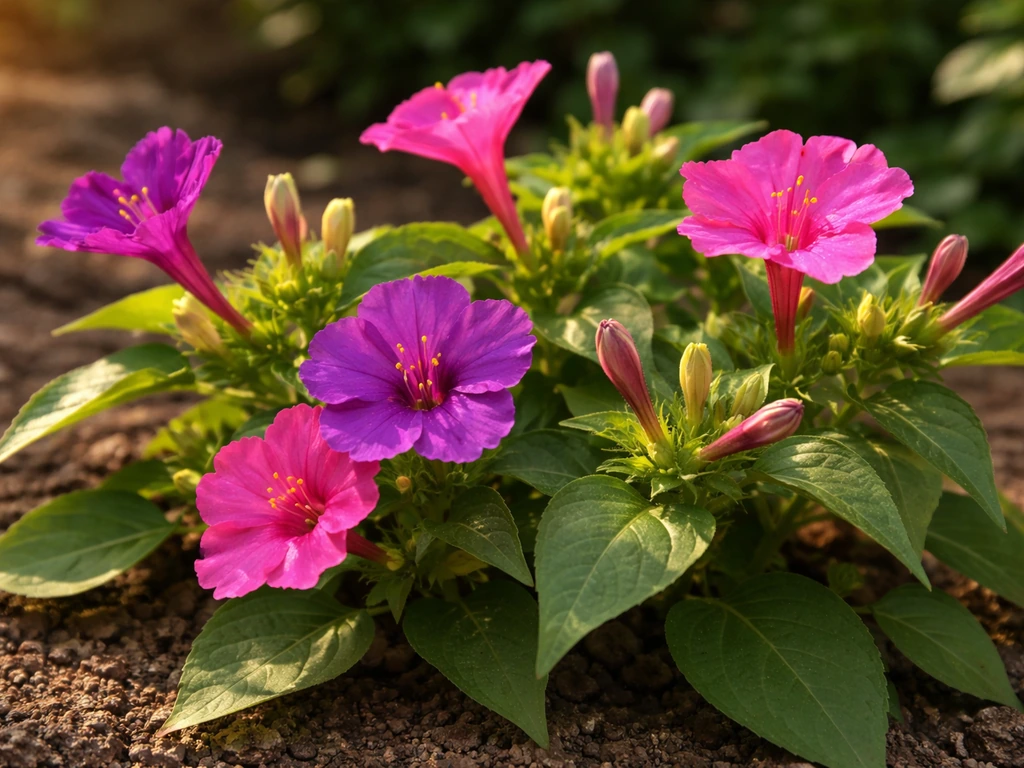
Four O clock Flowers: How to Grow From Seed to Bloom
Learn how to grow four o clock flowers from seed to bloom with timing, spacing, care tips, and troubleshooting.
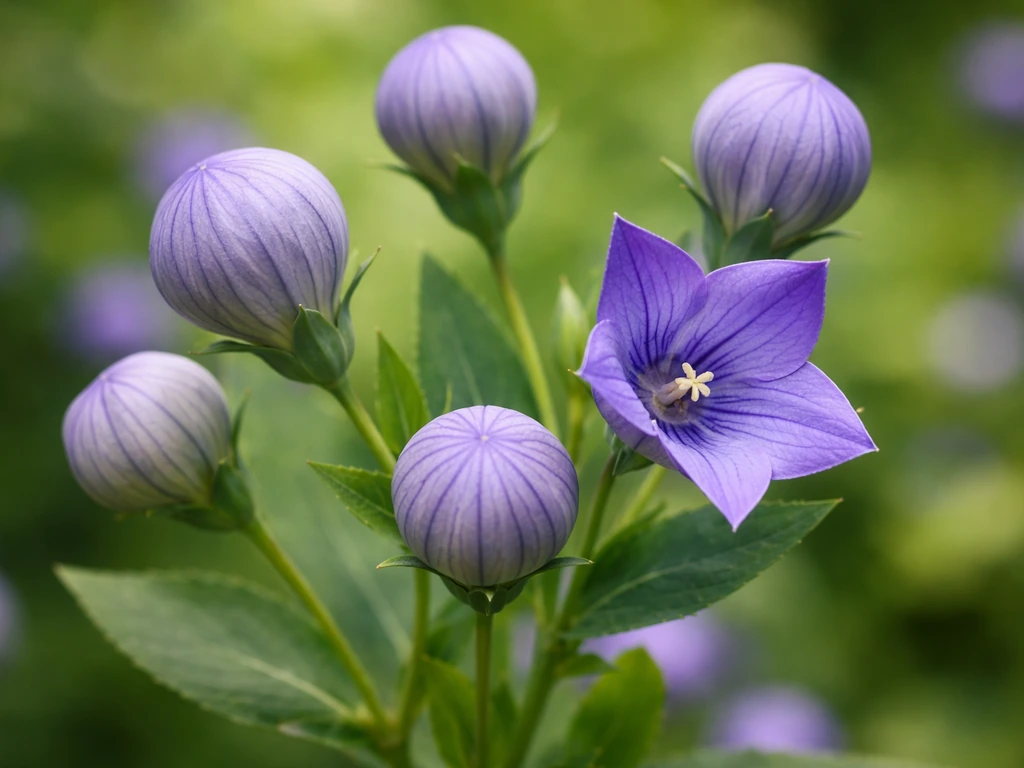
How to Grow Balloon Flowers: Care Guide for Beginners
Step-by-step balloon flower growing guide: soil, spacing, seed vs transplant, watering, light, care, and troubleshooting