Fireblossom, most commonly known as flame vine or Pyrostegia venusta, is a fast-growing evergreen climber that produces cascading clusters of vivid reddish-orange tubular flowers mainly in fall and winter. If what you are looking for is how to grow flower of the holy spirit, use the same care principles: warm sun, good drainage, and patience for blooming in the cooler season. You can grow it from cuttings or nursery starts (seeds are rarely how most gardeners source it), plant it in a warm, full-sun spot with well-draining soil, and expect it to establish in its first season and put on a serious flowering show by year two or three. If you want more detailed, step-by-step instructions, follow our guide on how to grow foam flower. It's not a fussy plant once it's settled, but getting those early conditions right makes all the difference.
How to Grow Fireblossom: Seed to Bloom Guide

What fireblossom actually is and how to source it
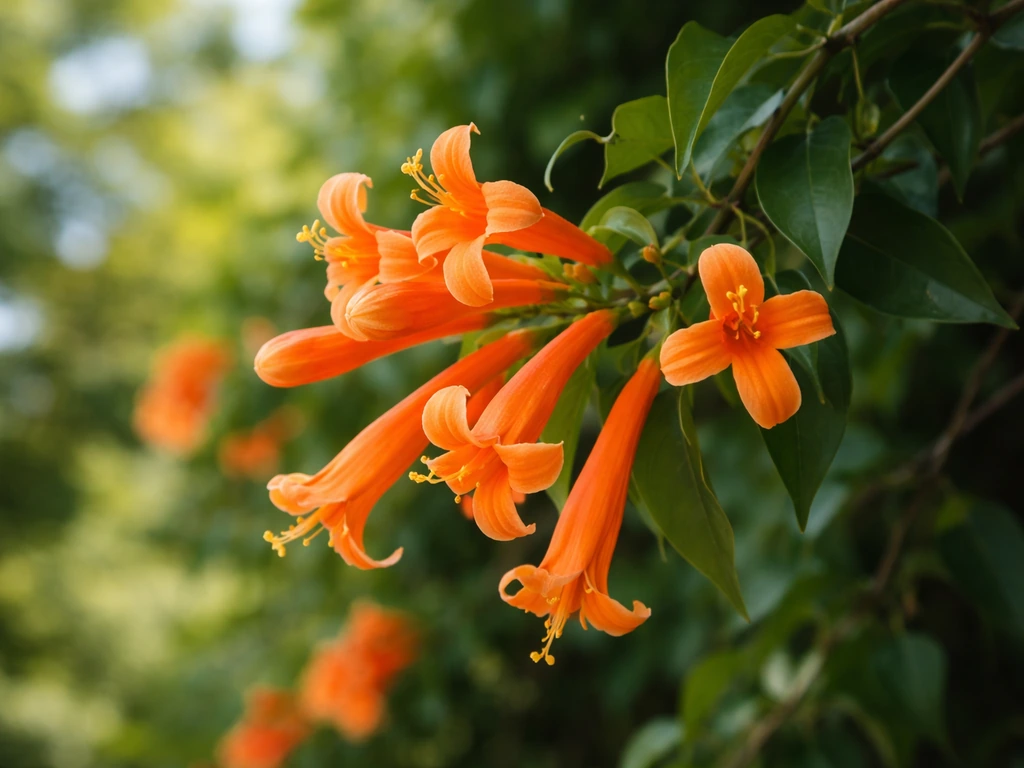
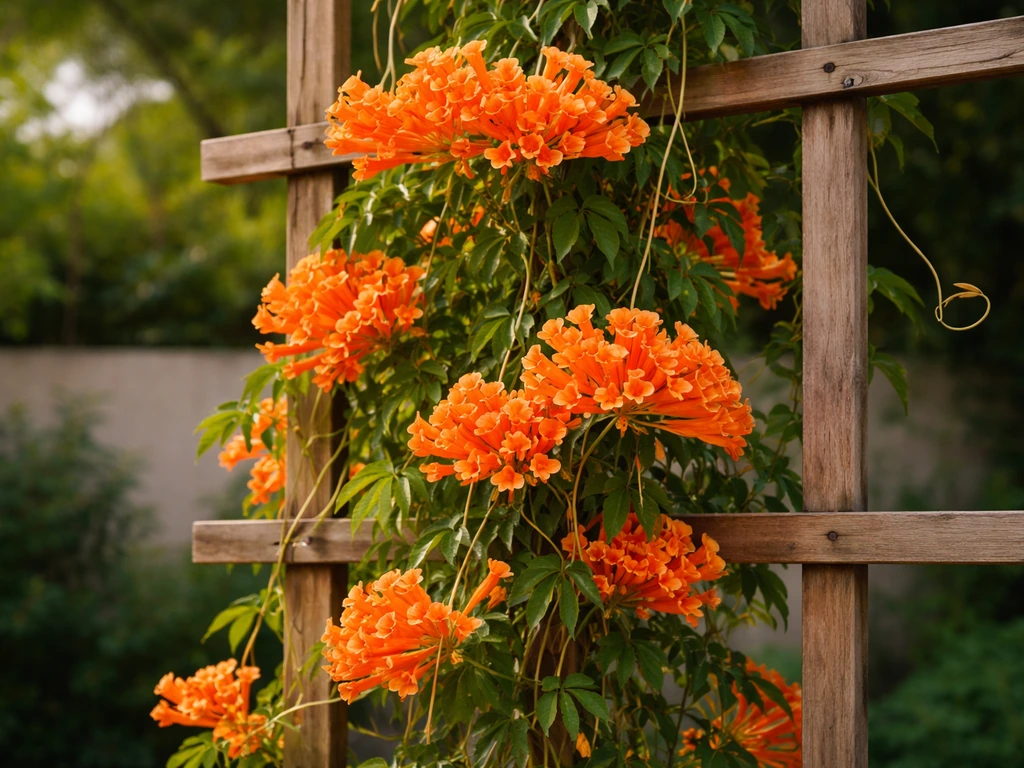
Pyrostegia venusta goes by several common names: flame vine, orange trumpet vine, and fireblossom. It belongs to the Bignoniaceae family and is an evergreen climbing vine native to South America, particularly Brazil and Paraguay. The plant is genuinely impressive at full size, reaching up to 8 to 12 meters tall over 2 to 5 years, with a spread of 1.5 to 2.5 meters. The flowers themselves are about 3 inches (7.5 cm) long, waxy and tubular, borne in clusters of 15 to 20 blooms at a time. When it covers a fence or pergola in full bloom, it looks like a wall of orange fire, hence the name.
Unlike many ornamental flowers on this site, fireblossom is not typically grown from seed by home gardeners. Seeds can be hard to find, germination is unreliable, and starting from seed adds years before you see flowers. The practical route is buying a nursery start (a potted young plant) or propagating from stem cuttings taken from a mature plant. Cuttings root well in late spring or early summer. If you're choosing a nursery plant, look for one with healthy dark green foliage and no yellowing, a stressed plant from the nursery rarely bounces back quickly. There are no dramatically different named cultivars to choose between at most garden centers; what you'll find labeled as flame vine or fireblossom is typically the straight species, and that's perfectly fine.
Timing, location, and what this plant needs to thrive
Fireblossom is a warm-climate plant. It performs best in USDA hardiness zones 9 to 11 and thrives in tropical and subtropical regions. If you're in zone 8, you can try it with some winter protection, but anything colder than that and it won't make it through winter outdoors without significant damage. The ideal planting time is spring, once all frost risk has passed and soil temperatures are reliably warm. This gives the vine the longest possible growing season to establish roots before its natural blooming period in fall and winter.
For indoor or container growing in cooler climates, you can keep fireblossom in a large pot and bring it inside before temperatures drop below about 50°F (10°C). It can work on a sunny patio during summer, but honestly this vine wants space and sun, growing it long-term in a pot is a compromise, not the ideal.
Full sun is non-negotiable. Plant fireblossom where it gets at least 6 to 8 hours of direct sunlight daily. Partial shade significantly reduces flowering, I've seen vines planted on the shaded side of a fence produce a fraction of the blooms compared to the same plant growing in open sun just a few meters away. The plant also appreciates warmth and actually blooms more prolifically in response to cooler but frost-free winter temperatures, which triggers that spectacular cold-season flowering display.
Soil and container prep that sets you up for success
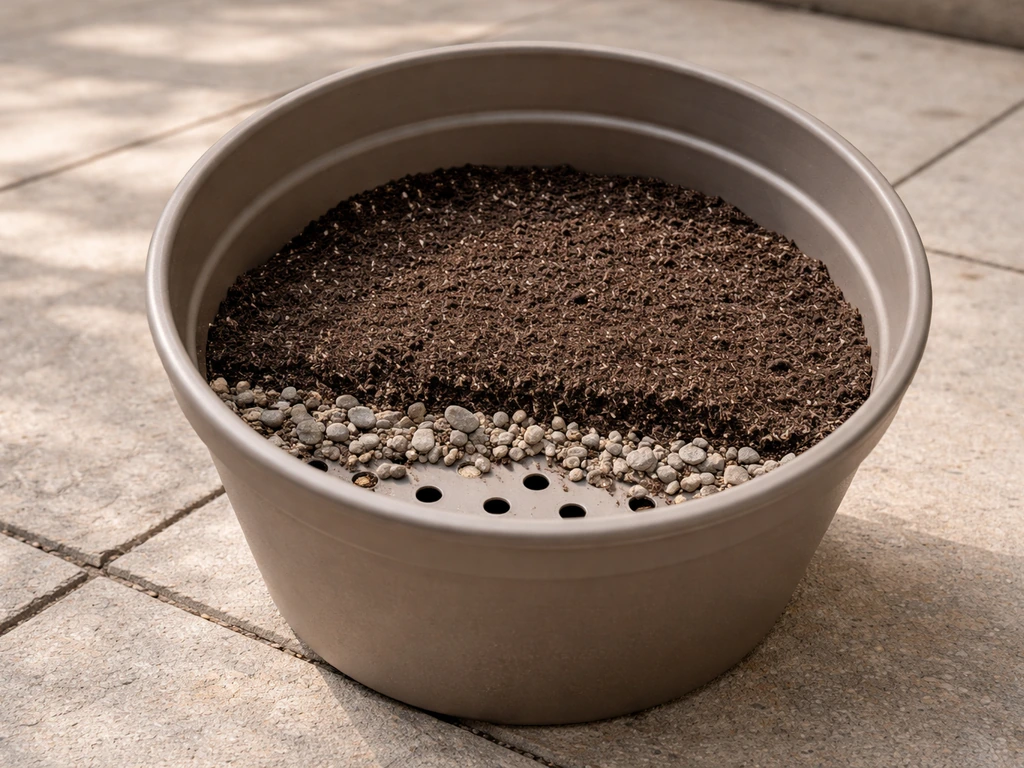
Fireblossom is not fussy about soil fertility but it absolutely needs good drainage. Roots sitting in waterlogged soil will rot, and that's usually the cause when people tell me their new plant 'just died for no reason.' Aim for a slightly sandy, loamy soil with a pH between 6.0 and 7.5. If your native soil is heavy clay, amend it generously with coarse sand and compost before planting, work this into the planting area to a depth of at least 30 cm (12 inches). For in-ground planting, dig a hole twice as wide as the root ball to give those roots room to spread outward.
For container growing, choose a pot that's at least 40 to 50 cm (16 to 20 inches) in diameter with multiple drainage holes. Use a quality potting mix blended with about 20% perlite for extra drainage. Terracotta pots work well because they wick away excess moisture, but any large container works as long as water doesn't pool at the bottom. Install a trellis or stake in the pot before you plant, trying to add support after the vine starts growing is a frustrating tangle.
For in-ground planting near a fence, wall, or pergola, install sturdy wire or trellis supports before you plant. Fireblossom uses tendrils to cling, but it appreciates guide wires, especially in its first year before it finds its way. Space plants at least 2 to 3 meters apart if planting multiple vines, they grow fast and will crowd each other quickly.
How to plant and get your fireblossom established
- Choose your planting spot in spring after the last frost date. Make sure it gets full sun and has a solid support structure in place.
- Prepare the soil or container as described above, ensuring excellent drainage.
- If transplanting a nursery start, water the pot thoroughly an hour before transplanting to reduce root stress.
- Dig your planting hole twice as wide as the root ball and roughly the same depth. You don't want to bury the stem — plant it at the same depth it sat in its nursery pot.
- Remove the plant gently from its container, loosen any circling roots with your fingers, and set it in the hole.
- Backfill with amended soil, firm gently around the base to remove air pockets, and water in deeply.
- Apply a 5 to 7 cm (2 to 3 inch) layer of mulch around the base, keeping it a few centimeters away from the stem to prevent rot.
- Guide new shoots toward your trellis or support structure and loosely tie them in place with soft garden ties if needed.
- For cuttings: take 15 to 20 cm semi-hardwood cuttings in late spring, dip the cut end in rooting hormone, and insert into a mix of perlite and potting mix. Keep moist and in bright indirect light until roots form in 4 to 6 weeks, then transplant as above.
Expect the plant to look a little underwhelming for the first few weeks after transplanting. This is normal, it's putting energy into root development before pushing new top growth. Don't panic and start overwatering or fertilizing heavily. Just keep it consistently moist and give it time.
Watering, feeding, and day-to-day care
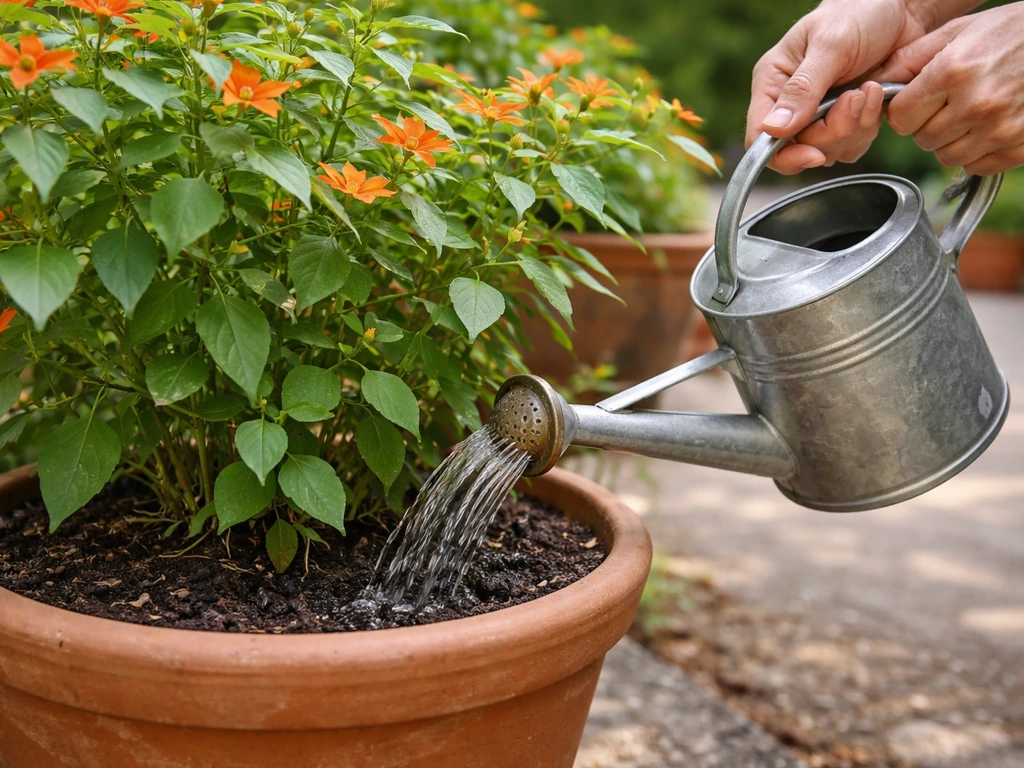
In the establishment phase (roughly the first 3 to 4 months after planting), water your fireblossom deeply once or twice a week depending on rainfall and heat. The goal is consistent moisture without saturation. Push your finger 5 cm (2 inches) into the soil, if it's still moist, hold off. Once the vine is established with a solid root system, it becomes quite drought tolerant and you can water less frequently, about once a week during dry periods or when rainfall is less than 2.5 cm (1 inch) per week.
Container-grown fireblossom dries out faster and needs more frequent watering, sometimes every 2 to 3 days in summer heat. Always water deeply rather than lightly, and make sure excess water drains freely from the bottom of the pot.
For fertilizing, fireblossom doesn't need heavy feeding. In spring, apply a slow-release balanced granular fertilizer (something like a 10-10-10 formula) around the drip line of the plant. A second light application in midsummer supports vigorous growth. Avoid high-nitrogen fertilizers, which push leafy growth at the expense of flowers. If you want to encourage flowering, switch to a lower-nitrogen, higher-phosphorus formula (like a bloom booster) in late summer heading into fall. Container plants need more regular feeding, a diluted liquid fertilizer every 3 to 4 weeks through the growing season works well.
Mulching around the base of in-ground plants helps retain soil moisture, moderate root temperatures, and suppress weeds. Replenish the mulch layer in spring and fall, keeping it about 5 to 7 cm deep. As the vine matures, it handles heat well, but a good mulch layer makes a noticeable difference during hot, dry spells.
Getting fireblossom to actually bloom
This is the part people most want to know: when does it flower and how do you make it happen? Fireblossom blooms primarily in fall and winter, with peak flowering typically from late autumn through late winter depending on your climate. If you’re specifically searching for queen of the night flower how to grow guidance, focus on the same essentials: warmth, plenty of sun, and well-draining soil when does it flower and how do you make it happen?. Fireblossom does not bloom at a specific “four o’clock” time, but the same seasonal cues that drive its fall and winter flowering can help you plan your garden for those peak hours four o clock flowers how to grow. In warmer regions (zones 10 to 11), this can mean blooms from around May through August in the Southern Hemisphere, or November through February in the Northern Hemisphere. The flowering is triggered partly by the shorter days and cooler (but still frost-free) temperatures of the season.
In its first year, a newly planted vine may produce only a light show of flowers or none at all while it's establishing its root system. That's not a failure, it's the plant doing exactly what it should. By year two you'll typically see a good display, and by year three or four, a well-grown flame vine can cover an entire wall or fence in its signature orange-red clusters. Patience is genuinely required here, unlike annuals that bloom in a single season.
Pruning is important for maintaining shape and promoting flowering. Fireblossom flowers on new wood, so prune after the main flowering period ends (late winter or early spring). Cut back spent flowering stems and any overly long, wayward shoots. You can be fairly aggressive, the plant regrows quickly. Avoid pruning in autumn or you'll remove the very growth that's about to flower. Light tip pruning during the growing season helps keep the vine tidy and encourages branching, which means more flowering stems come fall.
Deadheading spent individual flower clusters is less critical than with annuals, but tidying up faded blooms can keep the plant looking attractive during the bloom season. The main bloom management tool with fireblossom is that post-flowering prune in late winter or spring.
Troubleshooting common fireblossom problems
No flowers or very few blooms
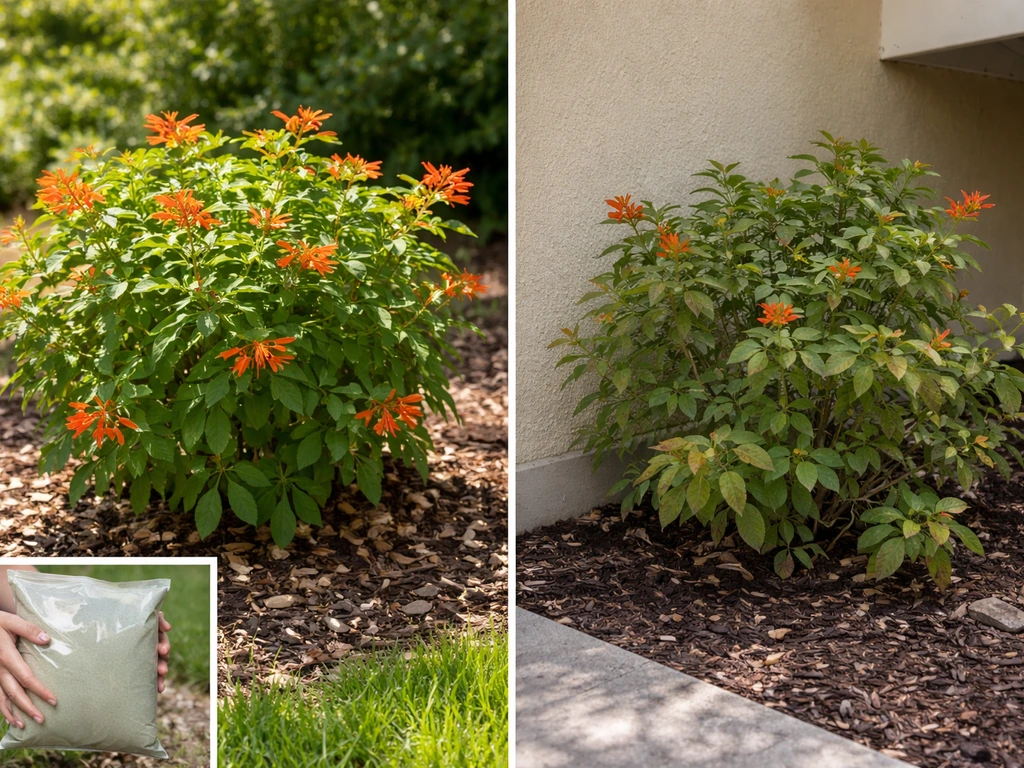
This is the most common complaint. The usual culprits are: too much shade (move it or trim surrounding plants), too much nitrogen fertilizer (ease off and switch to a bloom-focused formula), pruning at the wrong time (if you pruned in autumn, you cut off this season's flower buds, adjust your pruning to late winter next year), or the plant is still in its establishment year. If you've ruled all of those out and the plant is healthy and in full sun, just give it more time.
Yellowing leaves
Yellow leaves usually point to one of three things: overwatering and poor drainage (the most common cause, check that your soil drains freely and you're not watering too often), nutrient deficiency particularly iron or nitrogen (a dose of chelated iron or balanced fertilizer often fixes this quickly), or natural leaf drop when the vine is adjusting to a new environment after transplanting. If the yellowing is widespread and the plant looks soggy at the base, drainage is almost certainly the issue.
Leggy or weak growth
Long, weak stems with sparse leaves usually mean insufficient light. Fireblossom genuinely needs full sun, dappled light or a few hours here and there won't cut it. If you can't move the plant, consider whether you can remove or trim competing plants or structures that are casting shade. Light tip pruning also encourages the plant to branch out rather than reach in one leggy direction.
Transplant shock
Wilting, leaf drop, and stalled growth in the first few weeks after planting are normal signs of transplant stress. Water regularly but not excessively, avoid fertilizing for the first 4 to 6 weeks, and give the plant some shade cloth protection if you're planting in intense summer heat. Most plants recover within a month if their roots weren't damaged during transplanting.
Pests and disease
Fireblossom is generally quite hardy, but it can occasionally attract aphids, scale insects, or spider mites, especially on new growth or when the plant is stressed. A strong spray of water dislodges many pests, and insecticidal soap handles aphids and mites effectively. Scale insects may need a horticultural oil treatment. Fungal issues like powdery mildew can appear in humid conditions with poor air circulation, space plants properly and avoid overhead watering to minimize this. Root rot from waterlogged soil is a more serious disease issue and is much harder to reverse; prevention through good drainage is far more effective than any treatment.
Cold or frost damage
If your fireblossom is caught by an unexpected frost, you'll see blackened, mushy foliage. Cut back the damaged growth to healthy wood once frost risk has passed. Don't panic, established vines often reshoot vigorously from the base or from undamaged wood lower on the stems. Young plants in their first winter are more vulnerable; in zone 8 or borderline areas, wrap the base and lower stems with frost cloth when cold snaps are forecast and apply extra mulch to insulate the root zone.
Keeping your fireblossom going season after season
Once established, fireblossom is a genuinely low-maintenance plant. Your annual care calendar looks roughly like this: prune after flowering ends in late winter or early spring, apply slow-release fertilizer in spring, mulch in spring and fall, water through dry summer periods, and enjoy the blooms from autumn onward. Every few years you may want to do a more significant rejuvenation prune if the vine has become too woody or congested, fireblossom handles hard pruning well and comes back with fresh, vigorous growth.
If you're growing it in a container and want to propagate more plants, take semi-hardwood cuttings in late spring. They root readily and you can pot them up to expand your collection or share with other gardeners. If you enjoy growing dramatic, vigorous climbers like fireblossom, you might also find yourself drawn to other bold flowering vines and plants, moonflower, queen of the night, and balloon flowers each bring their own striking blooms and can complement the fiery oranges of a flame vine display in a mixed garden.
| Task | When to Do It | Notes |
|---|---|---|
| Plant nursery start or cuttings | Spring (after last frost) | Full sun, well-draining soil |
| Water new transplants | 2x per week for first 3-4 months | Reduce once established |
| Apply fertilizer | Spring and midsummer | Avoid high nitrogen formulas |
| Switch to bloom booster | Late summer | Encourages fall/winter flowering |
| Light tip pruning | During growing season as needed | Encourages branching |
| Main post-flowering prune | Late winter to early spring | Never prune in autumn |
| Replenish mulch | Spring and fall | 5-7 cm layer, away from stem |
| Protect from frost | Before cold snaps in marginal zones | Frost cloth and extra mulch |
The biggest takeaway from growing fireblossom is to think of year one as an investment rather than expecting immediate payoff. Get the drainage right, give it full sun, and let it establish without overcomplicating things. If you want the full step-by-step routine, use this moonflower how to grow guide as your checklist alongside your growing conditions. By its second or third winter, you'll have a vine that stops people in their tracks, and that's well worth the wait.
FAQ
Can I start how to grow fireblossom from seed, and if so, what should I expect?
You can, but home germination is often unreliable and seedlings may take longer to reach flowering than cuttings or nursery starts. If you do try seeds, treat success as uncertain, start in warm conditions, and plan on several years before a meaningful bloom display.
What size pot is best for container-grown fireblossom, and when should I up-pot?
Use a large container (about 40 to 50 cm across) with multiple drainage holes. Up-pot when roots are circling tightly or when the plant dries out noticeably faster than expected, typically every couple of years, to avoid root restriction that can reduce flowering.
How often should I water if I am getting mixed signals, soil looks dry on top but the plant is wilting?
Check moisture deeper down (about 5 cm). Wilting can come from both drought stress and root problems, so water only after confirming dryness at that depth, then water deeply and verify runoff is immediate. If the base stays soggy, pause watering and improve drainage.
Why does my fireblossom grow lots of leaves but not flowers?
The most common causes are too much nitrogen, too much shade, or pruning that removes next season’s flowering wood. Switch to a bloom-focused, lower-nitrogen fertilizer in late summer, ensure full sun, and prune only after the main flowering period ends.
When is the best time to prune if I want the maximum bloom next fall and winter?
Prune after flowering ends in late winter or early spring. Avoid pruning in autumn, because that can remove the growth that would have produced flowers during the upcoming cold-season bloom window.
How do I train fireblossom on a fence or trellis so it flowers instead of sprawling?
Install sturdy trellis or guide wires before planting, then loosely tie or direct long shoots as they grow. In the first year, guiding prevents tangling and helps the vine spread across more support points, which generally leads to a fuller bloom display.
Is frost protection worth it in zone 8, and what should I protect?
Yes, if you are on the edge. Protect the base and lower stems with frost cloth during cold snaps, add extra mulch to insulate the root zone, and keep the plant as sheltered as possible. Even with protection, expect occasional dieback and a slower recovery than in zones 9 to 11.
Why are the flowers not as vivid or as abundant as expected?
Reduced bloom often comes from insufficient direct sun, inconsistent winter conditions, or overly wet roots. Aim for at least 6 to 8 hours of sun, maintain well-draining soil, and avoid heavy late-season nitrogen because it can shift growth away from flowering.
What are quick indicators that my soil drainage is failing?
Look for persistent sogginess at the base, yellowing leaves paired with a wet-looking root area, and a decline despite normal sun and watering schedules. If you see that pattern, dig and amend heavier soil or consider a raised planting bed to prevent future root rot.
Should I deadhead fireblossom the way I do with annuals?
Deadheading is not as critical because the main bloom control is your post-flowering pruning timing. You can tidy faded clusters for appearance, but prioritize correct pruning and sunlight over removing individual flowers.
What pest or disease signs mean I should act immediately on fireblossom?
Act fast if you see widespread yellowing paired with mushy stems (possible root rot) or if new growth is covered in stippling or sticky residues (often mites, aphids, or scale). For most insect issues, start with a strong water spray, then use targeted treatments like insecticidal soap for softer-bodied pests.
My fireblossom leafs out slowly after planting, but the weather is warm. Is that normal?
Yes, slow top growth for the first few weeks is typical transplant stress, with energy going toward roots. Avoid fertilizing early, keep moisture consistent but not saturated, and reassess after about a month to confirm it is reestablishing.
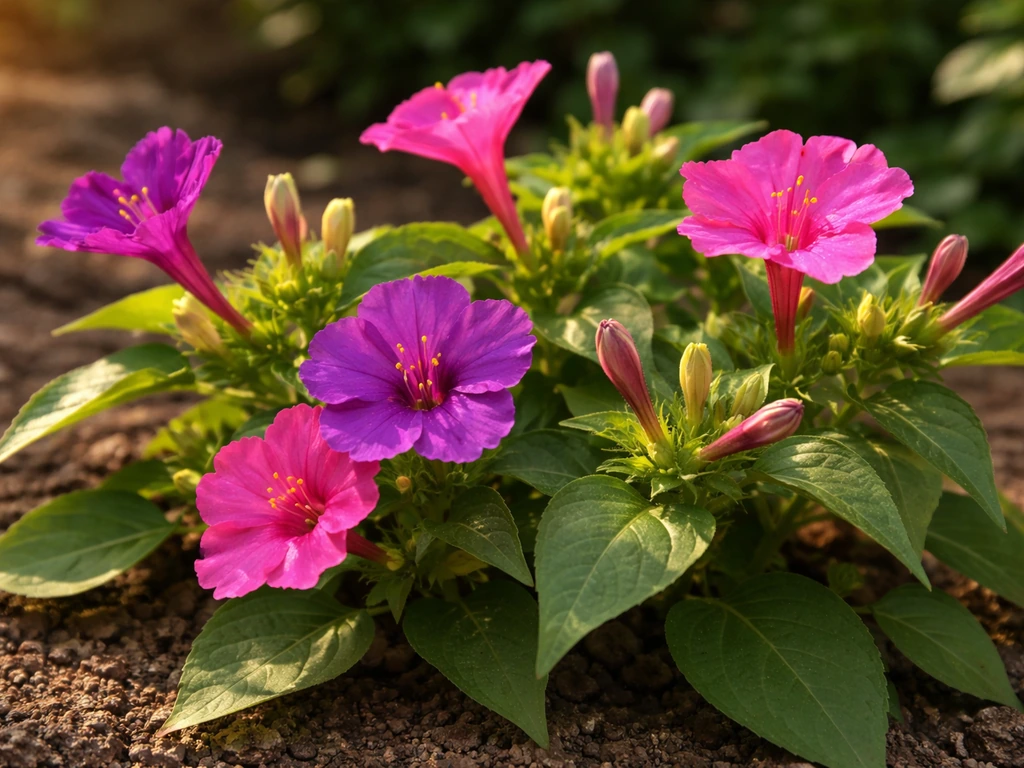
Learn how to grow four o clock flowers from seed to bloom with timing, spacing, care tips, and troubleshooting.
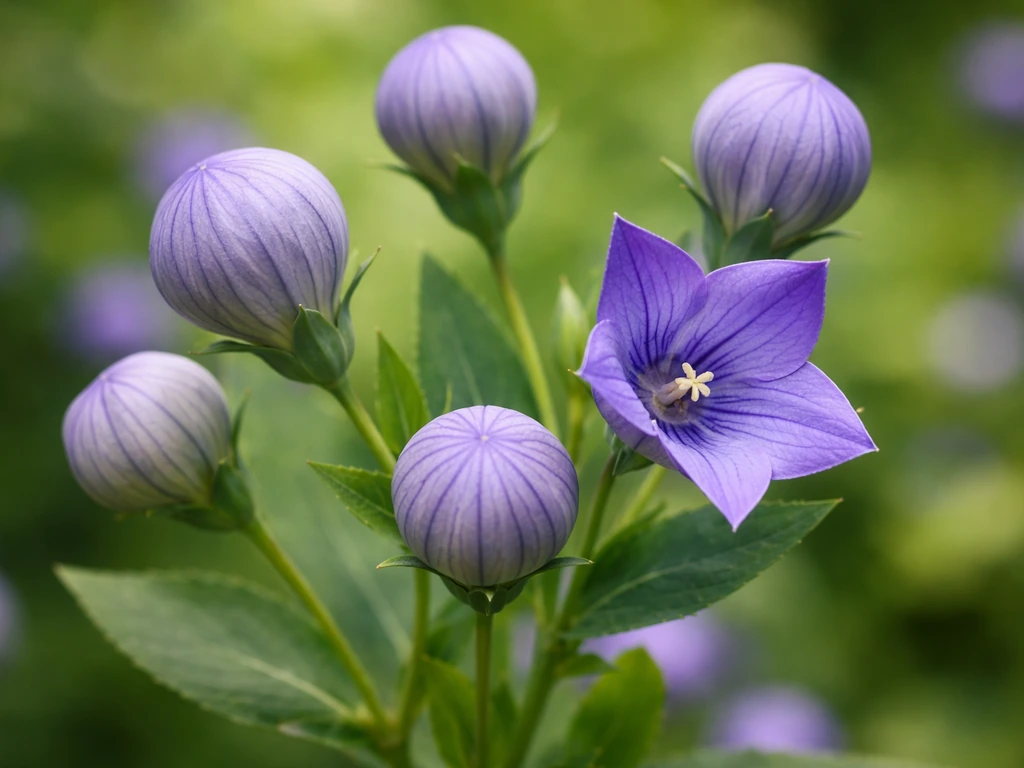
Step-by-step balloon flower growing guide: soil, spacing, seed vs transplant, watering, light, care, and troubleshooting
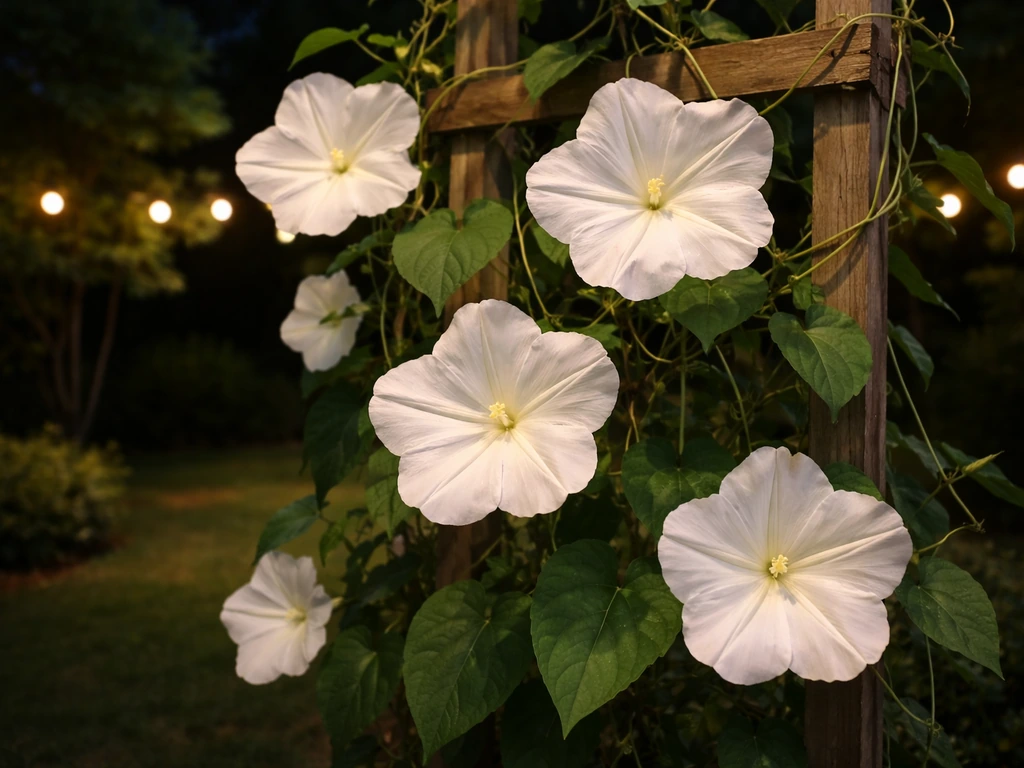
Step-by-step moonflower growing guide: choose variety, start seeds or sow outside, transplant, train, water, troubleshoo