
Moonflower (Ipomoea alba) is one of those vines that genuinely earns its reputation. You plant a few seeds, string up a trellis, and by midsummer you have a 10 to 15 foot wall of tropical-looking foliage covered in huge, fragrant white blooms that pop open right at dusk. The secret to getting there reliably is mostly in seed preparation and timing. Skip those two steps and you'll wonder why nothing is coming up. Nail them, and moonflower is surprisingly easy.
How to Grow Moon Flower From Seed to Night Blooms

James Holloway
20 Apr 2026
What moonflowers are and where they grow best
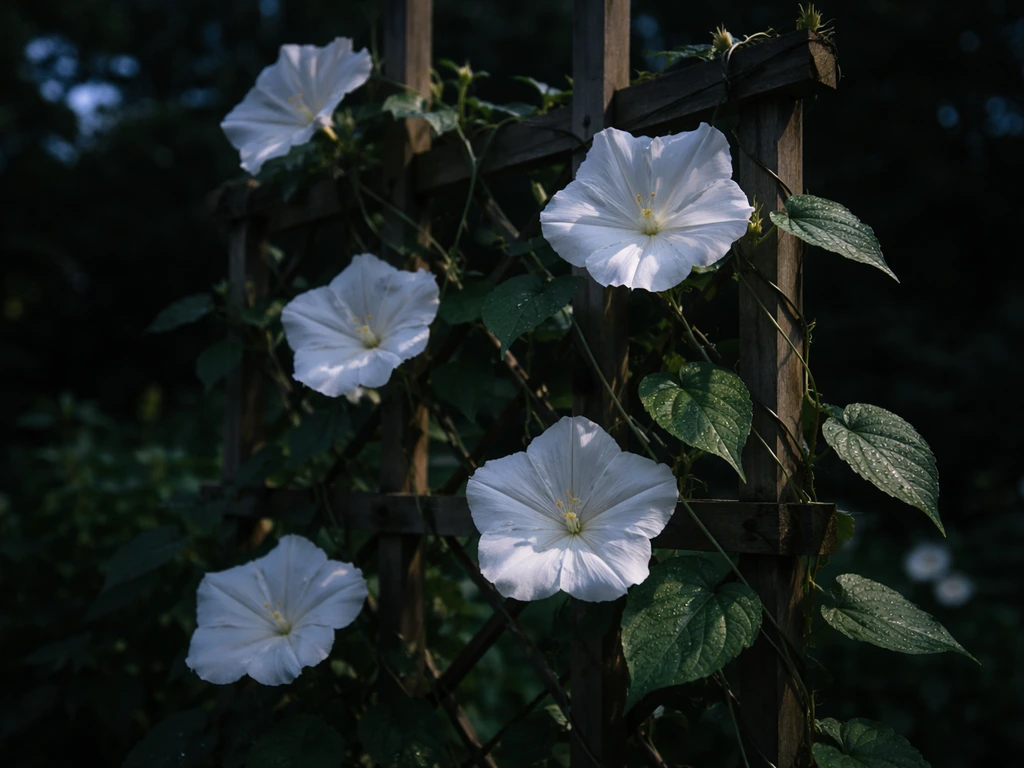
Moonflower is a night-blooming climbing vine in the morning glory family, native to tropical and subtropical regions of the Americas. Unlike its daytime cousins, Ipomoea alba opens its large, funnel-shaped white flowers at sunset and holds them through the night, which makes it a standout plant for evening gardens, patios, or any spot where you spend time after dark. The flowers are genuinely big, up to six inches across, and they carry a sweet fragrance that carries well in warm night air.
In terms of climate, moonflower is a true tender perennial. In USDA Zones 10 to 12 it can overwinter and behave as a perennial, coming back each year. In Zones 8 and 9 it can survive a mild winter but is generally treated as an annual. Everywhere else (Zones 7 and below), it is simply a warm-season annual that you grow fresh from seed each year.
That covers most gardeners, and honestly it is not a hardship because seed is cheap and germination, once you get the technique right, is very reliable. One thing to note: once the plant begins setting and ripening seed in fall, it will slow down and stop blooming, so in shorter-season climates you want to start early enough to get a full summer of flowers.
Choosing seeds and getting them ready to plant
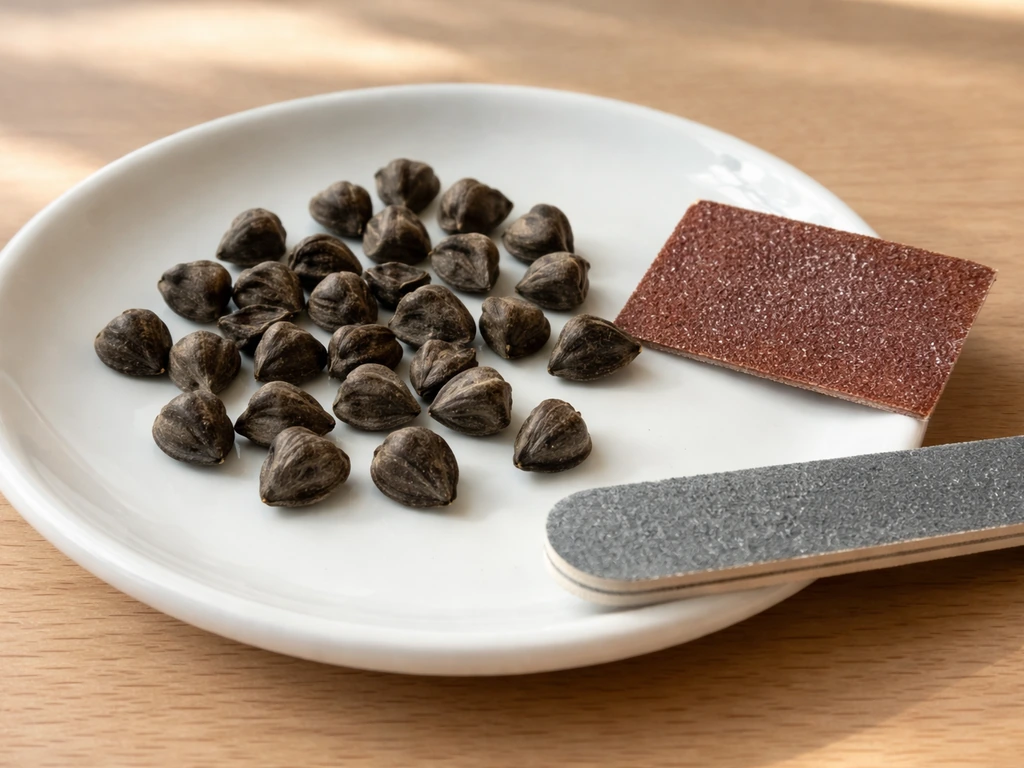
Buy seed labeled Ipomoea alba from any reputable seed company. You will sometimes see it listed simply as 'moonflower' or 'moon vine.' Seed quality does matter here because Ipomoea alba has a notoriously hard seed coat, and old or poorly stored seed germinates erratically. Research on seed storage for this species confirms that storage temperature and conditions affect germination rates meaningfully, so try to buy from a seller with good turnover and store any unused seed somewhere cool and dry.
Before you plant, you need to scarify the seeds. This is the single most important step most beginners skip, and it is the reason moonflower gets a reputation for being slow or difficult to germinate. The seed coat is hard and thick, and without help water struggles to penetrate it. There are two simple methods and doing both together gives the best results.
- Nick or file the seed coat: Use a nail file, a piece of sandpaper, or the tip of a knife to lightly nick or scratch the pointed end of the seed. You are just breaking through the outer layer, not digging into the interior. This is called scarification.
- Soak overnight: Drop the nicked seeds into a cup of room-temperature water and let them soak for 12 to 24 hours. By morning the seeds should look swollen. If any seeds are still floating and look unchanged after 24 hours, nick them again and soak for another few hours.
- Plant immediately: Soaked seeds should go straight into soil. Do not let them dry out after soaking or you lose the benefit.
Starting indoors vs. direct sowing outside
You have two real options: start seeds indoors 4 to 6 weeks before your last frost date, or wait and direct sow outdoors once soil temperatures are consistently above 60°F. Both work, but they suit different situations.
Starting indoors
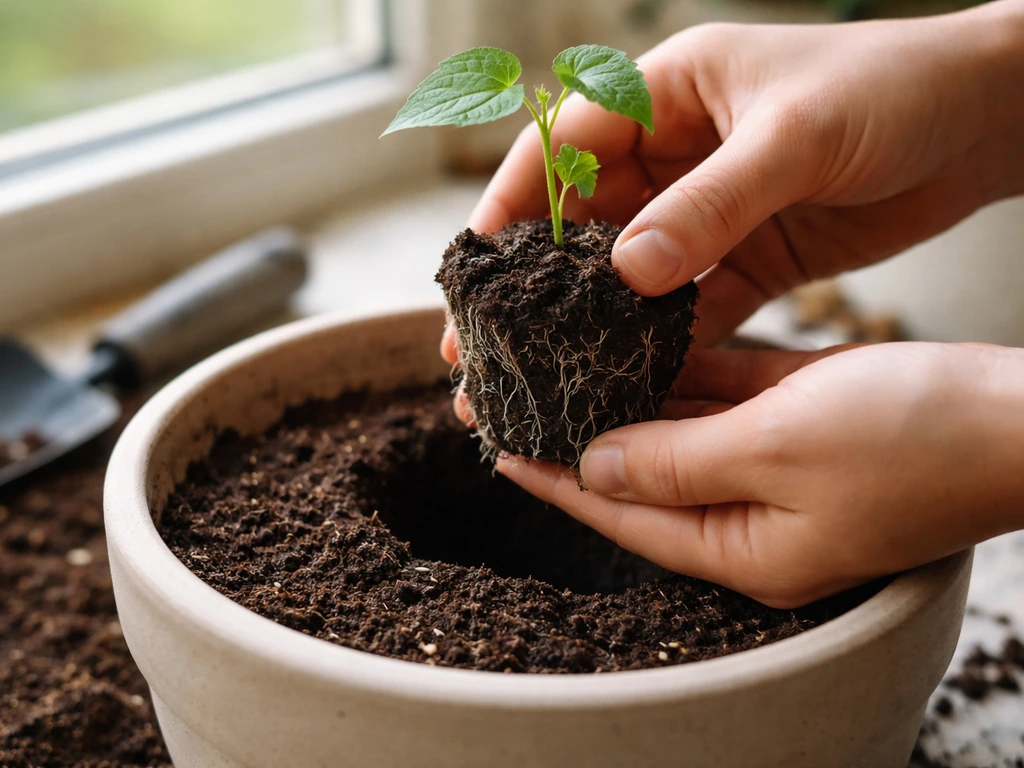
Indoor starting gives you a head start on the season, which matters a lot if you live somewhere with a short summer. Sow scarified, soaked seeds about a quarter to half an inch deep (roughly 0. 5 to 1 cm) in individual biodegradable pots or cell packs. Moonflower has sensitive roots and does not like having them disturbed, so starting in pots you can plant directly into the ground without unpotting is a smart move.
Keep the mix consistently moist but not soggy. Soggy conditions cause seeds to rot before they sprout, which is discouraging and avoidable. Aim for a germination temperature of 70 to 80°F (21 to 27°C). At 70°F expect germination in 14 to 21 days.
Higher temps can speed that up. Once seedlings are up, give them as much light as possible.
When it comes time to transplant, handle the root ball carefully. Lower the seedling into the hole at the same depth it was growing in its pot, firm the soil around it gently, and water it in. Transplanting in the morning or on a cloudy day reduces stress. If you disturb the roots too much, the vine will sulk for a week or two before resuming growth.
Direct sowing outdoors
Direct sowing is simpler and avoids transplant shock entirely. Wait until soil temperature is reliably above 60°F and all frost risk has passed. In most of the US that means late May to early June in Zones 5 and 6, or as early as late April in Zone 7 and warmer. Sow scarified and soaked seeds about half an inch deep where you want the plants to grow. Thin seedlings to 6 to 18 inches apart once they are a couple of inches tall. In warm climates with long growing seasons, direct sowing works beautifully. In Zone 5 or colder, starting indoors gives you a better chance of blooms before fall.
| Method | Best for | Timing | Main advantage | Main risk |
|---|---|---|---|---|
| Indoor start | Short-season climates (Zones 4–6) | 4–6 weeks before last frost | Earlier blooms | Root disturbance at transplant |
| Direct sow | Warm climates (Zones 7–10) | When soil is above 60°F, post-frost | No transplant shock | Later bloom start in cold zones |
Soil, sun, water, and fertilizer
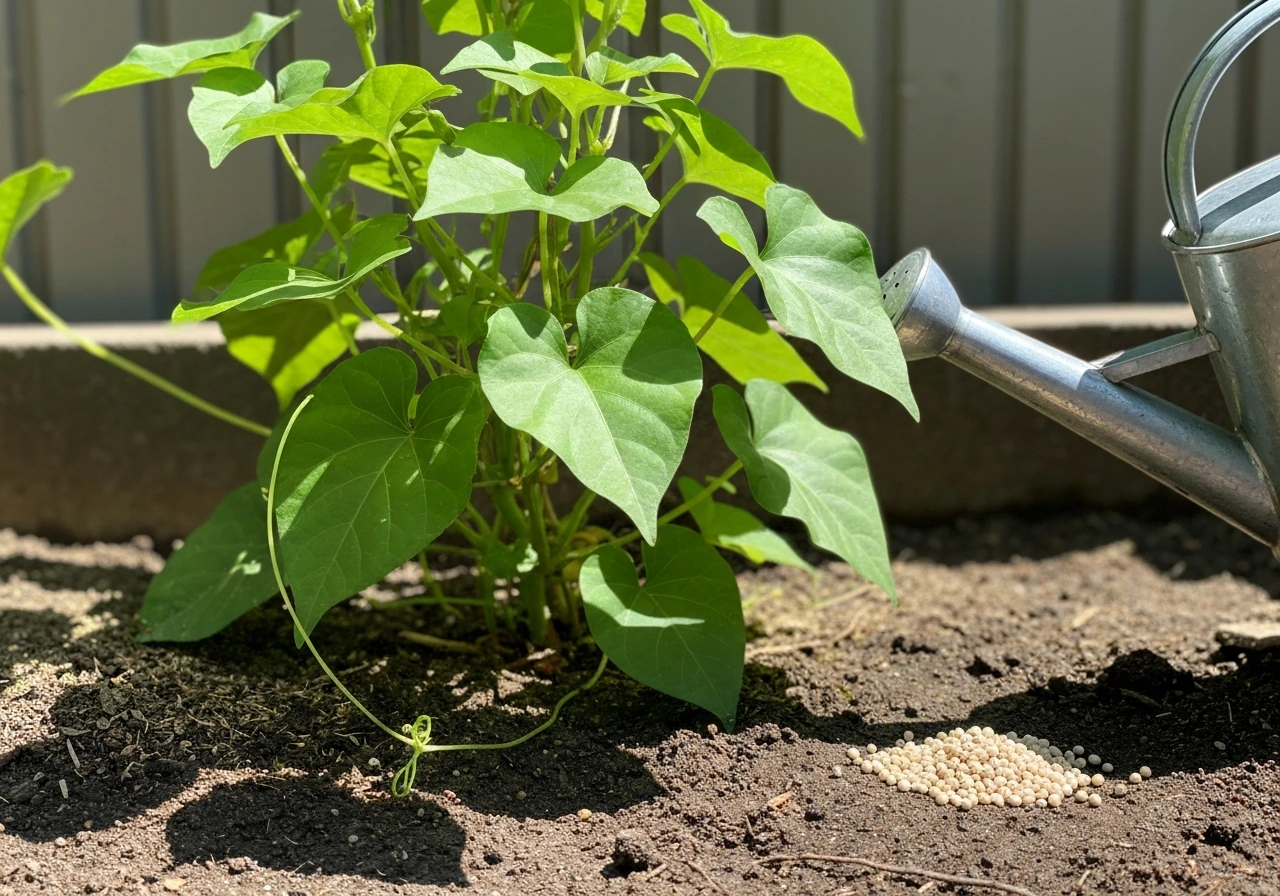
Moonflower wants full sun, at least 6 hours a day, ideally more. In partial shade the vine will grow but blooming becomes sparse. Pick the sunniest spot you have. For soil, aim for a pH of 6.0 to 7.5 and good drainage. Moonflower is not demanding about soil fertility, which is actually useful to know because planting it in overly rich, nitrogen-heavy soil sends all the energy into big leafy vines with few flowers.
Water regularly during dry spells but lean toward the drier side rather than constantly moist. Moonflower appreciates consistent moisture but genuinely dislikes soggy roots. Overwatering is one of the most common mistakes and it invites root rot. Let the top inch or two of soil dry out between waterings once plants are established. If you are growing in a container, note that slightly constricted root space actually encourages more flowering, so do not feel the need to pot up into an enormous container.
For fertilizer, avoid high-nitrogen feeds. Too much nitrogen produces lush green growth at the expense of blooms. Instead, use a bloom-boosting, high-phosphorus fertilizer at half strength every 3 to 4 weeks once the plant is actively blooming in midsummer. A light feed in mid and late summer is usually all that is needed. If your soil is reasonably decent to begin with, you may not need much at all.
Setting up your trellis and spacing plants
Moonflower is a vigorous twining vine that reaches 10 to 15 feet tall, so it needs a real support structure, not a flimsy tomato cage. A sturdy trellis, a fence, a pergola post, or a length of wire strung between posts all work well. Install your support before or at the same time as planting so you are not trying to wrangle an established vine later. Place the trellis where it gets full sun and where you can actually enjoy the blooms at night, which often means near a patio, an outdoor seating area, or a window you leave open in summer.
Space plants 6 to 18 inches apart along the base of the trellis. Closer spacing (toward the 6 inch end) fills in faster for a dense screen effect. Wider spacing gives each plant more root run and often produces slightly more vigorous individual vines. Young vines will start twining on their own once they find the support, but in the first week or two you may need to gently guide the tendrils toward the structure. After that, they find their own way.
Getting more blooms and fixing common problems
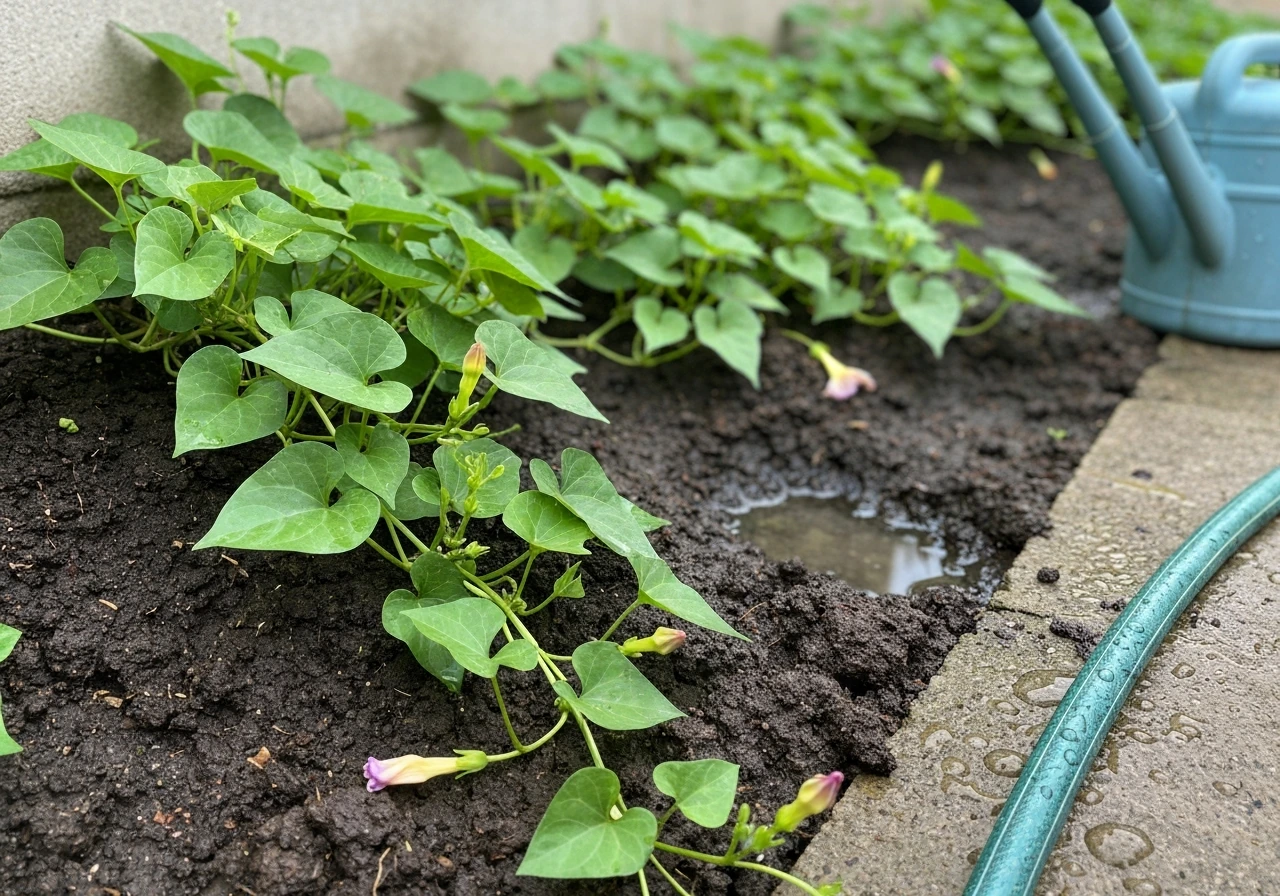
The most common complaint with moonflower is too much vine and not enough flowers. Usually this comes down to one of three things: too much nitrogen in the soil, too much water, or too much shade. Review those three before anything else. Lean conditions, good drainage, and full sun are the formula for heavy blooming.
Slow or failed germination
If seeds are not coming up after three weeks, soil temperature is the most likely culprit. Moonflower needs 70 to 80°F to germinate well. Below that, germination slows dramatically or stalls. Use a heat mat if you are starting indoors in a cool space. Also revisit your scarification technique. Seeds that were not properly nicked before soaking often fail even when temperatures are right.
Pests and disease
Spider mites are the pest most likely to show up, especially during hot, dry stretches. You will notice fine webbing on the undersides of leaves and a stippled, dusty look to the foliage. A strong spray of water knocks them back, and insecticidal soap handles heavier infestations. Powdery mildew is the fungal issue to watch for, showing up as a white powdery coating on leaves, usually later in the season when nights get cooler and humid.
Improve airflow around plants by spacing them well, avoid overhead watering, and treat with a dilute neem oil spray or a sulfur-based fungicide if it spreads. Root rot from overwatering can also be a problem, presenting as sudden wilting despite moist soil. At that point, cutting back on water and improving drainage is the fix, though severe cases are hard to recover.
Vine is huge but no flowers yet
Moonflower typically starts blooming in midsummer. If it is mid-July and you still have nothing, check that you are not in too much shade and that you have not been feeding a nitrogen-heavy fertilizer. Also, patience is sometimes the answer: vines started late or in cool-spring zones can take until August to hit their stride. Once they start, they bloom prolifically all the way until frost.
End-of-season care and saving seeds
In Zone 9 and warmer, moonflower can survive winter with minimal protection and may return the following year. Mulch the base heavily before the first frost and cut the vine back after it dies back. In Zones 8 and below, the vine will be killed by frost and you can pull it out and compost it, or leave it until it browns completely if you want to collect seeds.
Saving seed is straightforward and worth doing because it costs nothing and the seeds store well when kept cool and dry. [Let the seed pods stay on the vine until they are fully brown and papery. ](https://www. reddit.
com/r/gardening/comments/1osv4yy) The pods will be round, about the size of a large marble, and when dry they split open to reveal two to four large seeds. Collect them by hand before the pods burst on their own and scatter the seeds. Let the seeds air-dry on a paper towel for a week, then store them in a labeled paper envelope or a small glass jar with a tight lid.
Keep them somewhere cool, dark, and dry (a refrigerator drawer works well) and they will remain viable for planting the following spring. Just remember to scarify and soak them again before planting, the same as you did this year.
If you enjoy growing night-blooming or unusual flowering vines, it is worth knowing that moonflower shares some habits and needs with the queen of the night flower, another dramatic night-bloomer with its own dedicated growing approach. Foam flower is another night-blooming look-alike that you can grow with similar patience, starting with properly prepared seed and the right warm conditions how to grow foam flower. And if you like fast-growing vines and flowers with interesting timing, four o'clock flowers make a great companion planting because they open in late afternoon and can fill the gap before your moonflowers take over at dusk.
Start your seeds in the next week or two if you are in Zones 4 to 6 and want blooms by July. If you are in Zone 7 or warmer and the soil is already warming up, you can direct sow right now. Nick the seeds, soak them overnight, plant them half an inch deep, and get that trellis in place. That is genuinely everything you need to do to get this vine growing. Four o clock flowers are often grown from seed too, and you can use the same general timing and soil-prep ideas as for moonflowers to help them establish fast four o clock flowers how to grow.
If you want a parallel, step-by-step guide for how to grow the flower of the holy spirit as well, check out that dedicated article next. If you want a step-by-step refresher on the whole process, this guide covers how to grow fireblossom from seed to bloom. Four o'clock flowers how to grow tips can help you time their late-afternoon bloom window alongside moonflowers The blooms will follow.. The blooms will follow.
To apply these same ideas specifically to balloon flowers, follow a dedicated guide on how to grow balloon flowers The blooms will follow.. If you want more detailed timing and care than this overview provides, use the balloon flower guide for step-by-step instructions balloon flowers.
FAQ
How long does it take to grow moonflower from seed to first blooms?
Most gardeners see first flowers in midsummer, typically about 10 to 14 weeks after properly germinating seeds, assuming warm weather and full sun. If you start indoors, your bloom window usually begins earlier, while direct sowing in cool zones often pushes first blooms into August.
My moonflower seeds sprouted but the seedlings are weak or stretched, what should I change?
That pattern usually means light is insufficient. Increase daily light exposure (more hours outdoors, or a brighter grow light setup) and keep seedlings from staying overly wet. Also avoid high-nitrogen feeding before flowering, because it encourages leggy growth.
Do I need to soak moonflower seeds before planting, or is scarification alone enough?
Soaking helps, but scarification is the critical step because it allows water to enter the hard coat. For best results, nick or abrade the seed coat, then soak overnight before sowing. Skipping scarification can cause repeated stalling even if you soak.
How deep should I plant moonflower seeds, especially for direct sowing?
Aim for about half an inch deep outdoors. Planting too shallow can expose seeds to drying and poor moisture penetration, while planting too deep can delay emergence or prevent it, particularly in cooler soils.
What spacing should I use if I want the fastest privacy screen?
Use the tighter end of the range, about 6 to 12 inches apart along the base of the trellis, and keep the support well-positioned in full sun. Dense planting fills in faster, but make sure airflow is not blocked, because humidity can worsen mildew later.
Can I grow moonflower in a pot, and how large should the container be?
Yes, moonflower grows well in containers, and slightly constricted roots can even encourage more flowering. Use a well-draining potting mix, a container with drainage holes, and avoid oversized pots that stay wet longer. Expect to water more often than in-ground once the vine is large and actively blooming.
Why are my moonflowers opening late or not at all at night?
Night-bloom timing depends on consistent warmth and sun exposure during the day. If the plant is in partial shade or the weather is unusually cool, buds may open later or fewer blooms form. Also confirm you are not overfeeding nitrogen, since that shifts the plant toward foliage.
What is the best way to water moonflower after it is established?
Water deeply during dry spells, then let the top inch or two of soil dry before watering again. The goal is moisture consistency without waterlogged conditions, because soggy roots can lead to root rot even when the plant looks thirsty.
My vine is huge but flowers are scarce, what should I check first?
Start with the three most common causes: too much shade, high-nitrogen fertilizer or soil amendments, and overwatering. If you correct those, you usually see improved bud set within a few weeks, not overnight.
How do I tell spider mites versus powdery mildew, and what should I do first?
Spider mites cause stippled, dusty looking leaves and fine webbing on undersides, often after hot, dry weather. Powdery mildew looks like a white coating on leaves, usually later when nights are cooler and humid. For mites, blast with water and then use insecticidal soap if needed, for mildew improve airflow and avoid overhead watering, then treat if it spreads.
Can moonflower survive winter in my area, or do I need to replant next year?
It depends on your USDA zone and how cold your winters get. In Zones 10 to 12 it can behave as a perennial with mulch protection, in Zones 8 and 9 it is often treated as an annual, and in Zones 7 or colder it will be killed by frost. If in doubt, plan to replant and treat it as a warm-season vine.
When should I cut moonflower back, and should I leave dead vines standing?
After the vine dies back from frost, you can cut it down. Leaving it standing is only useful if you want to collect seed pods that are still maturing. Once pods are collected or plants are clearly dead, removal helps prevent disease carryover in the next season.
How do I collect seeds without losing them to pods bursting?
Wait until pods are fully brown and papery, then collect them by hand before they split. Pods typically contain two to four large seeds, which you should air-dry on paper for about a week. Store sealed in a cool, dark, dry place, then scarify and soak again before next planting.
Next Articles
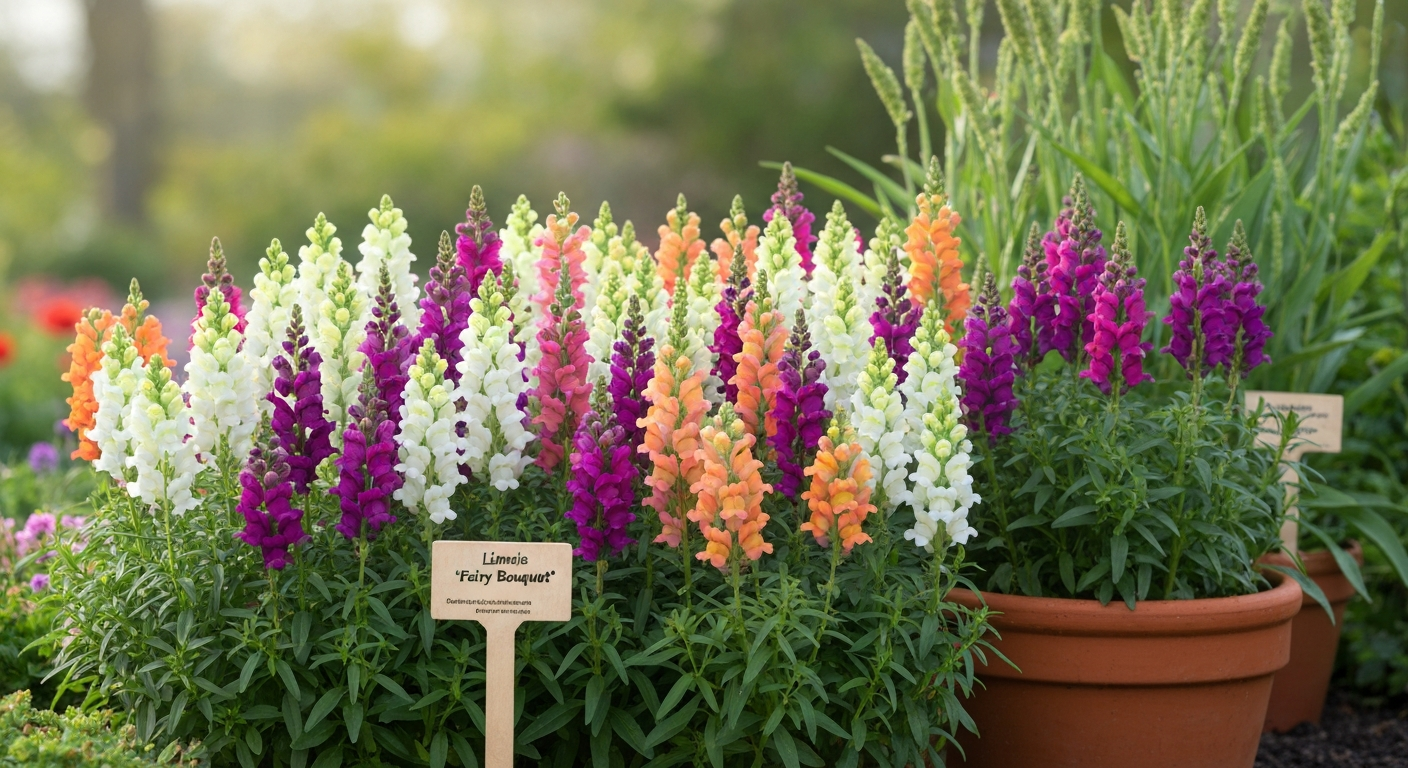
Linaria 'Fairy Bouquet' How to Grow: Seed to Cut Flowers
Grow Linaria 'Fairy Bouquet' from seed to vase: step‑by‑step sowing, care, cutting, seed saving & troubleshooting.
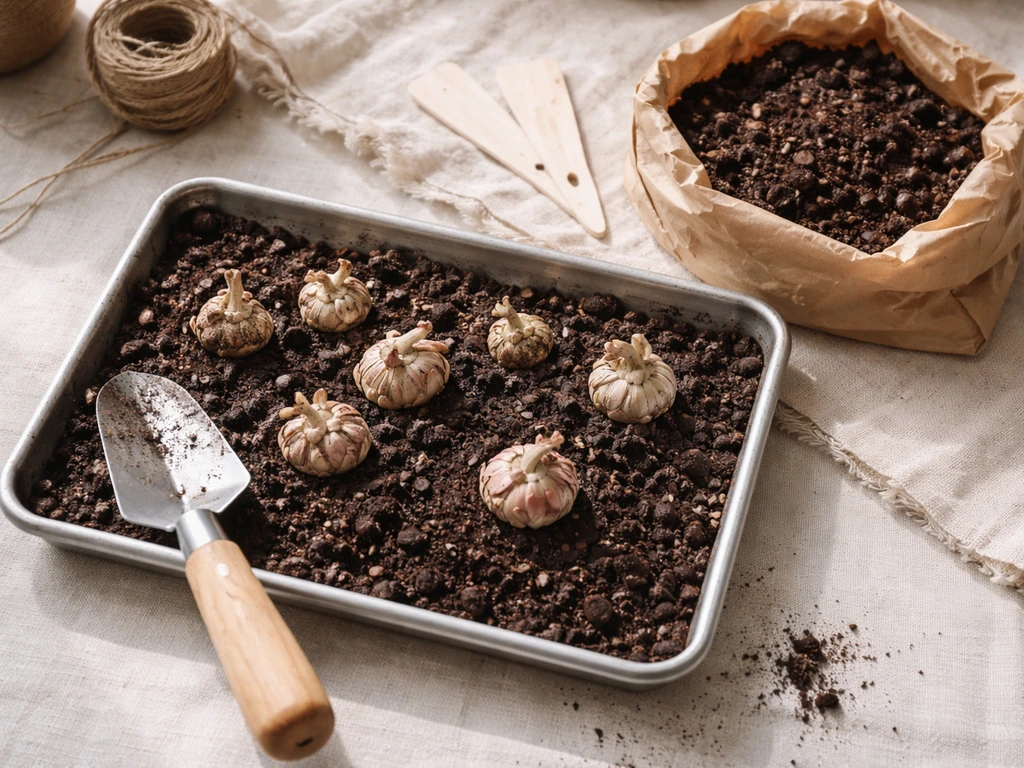
Floret How to Grow Ranunculus: Step-by-Step Guide
Step-by-step Floret-style ranunculus guide: corm prep, planting, watering, frost care, troubleshooting, and harvest for

How to Grow Your Own Wedding Flowers Step by Step
Step-by-step guide to grow bouquet-ready wedding flowers, from planning and sowing dates to harvesting, conditioning, an