
The plant sold as "Flower of the Holy Spirit" is almost always Peristeria elata, a stunning terrestrial orchid also called the Dove Orchid or Holy Ghost Orchid. It's Panama's national flower, and when it blooms, a small white dove shape nestled inside each waxy flower makes it instantly recognizable. The honest truth upfront: this orchid is not difficult to keep alive, but getting it to flower reliably takes patience and a few specific conditions that most growers miss. If you're willing to dial in the temperature range, light, and watering rhythm, you can absolutely get there.
How to Grow Flower of the Holy Spirit: Step by Step

James Holloway
9 Jul 2026
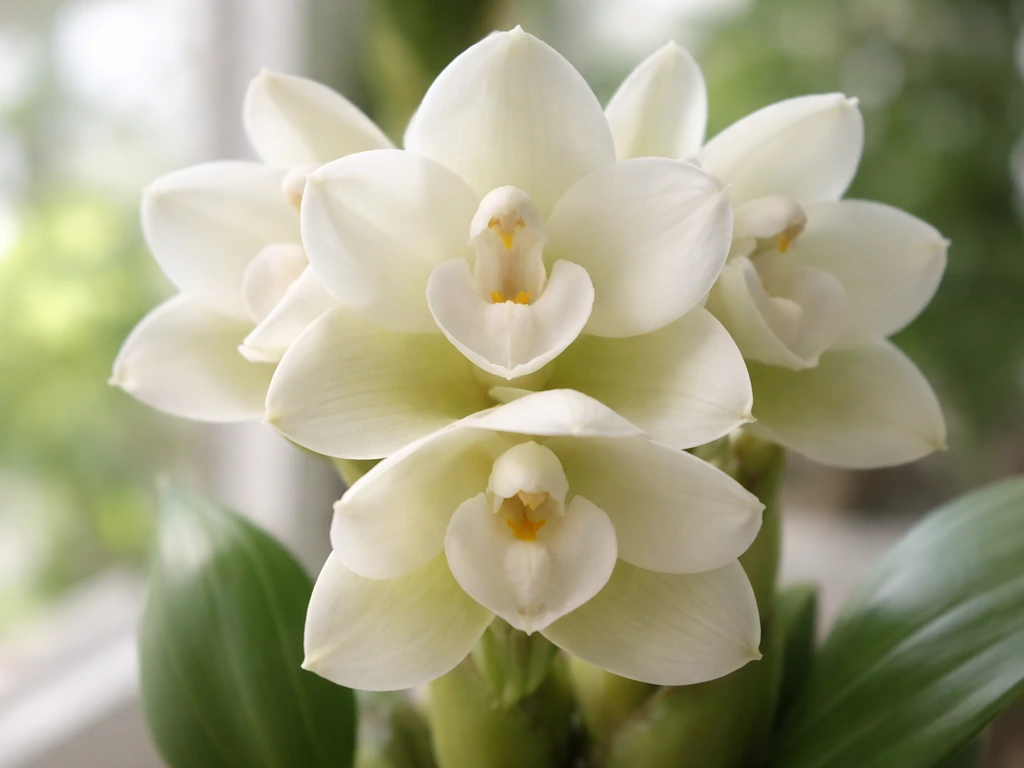
Confirm the plant you're actually buying
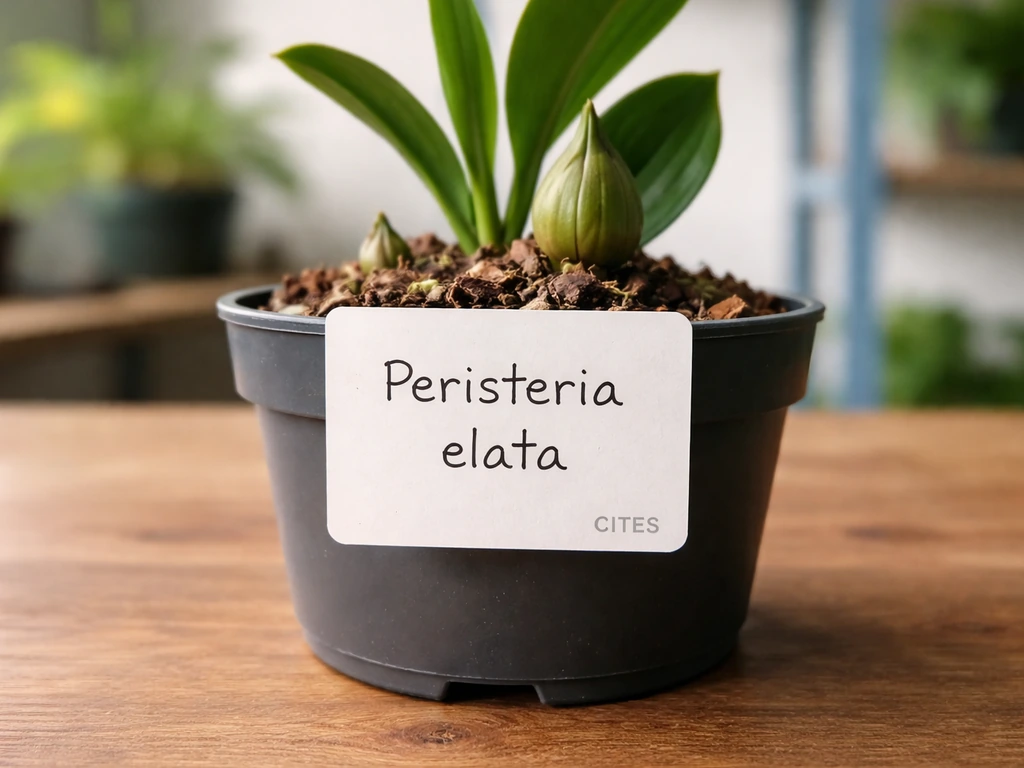
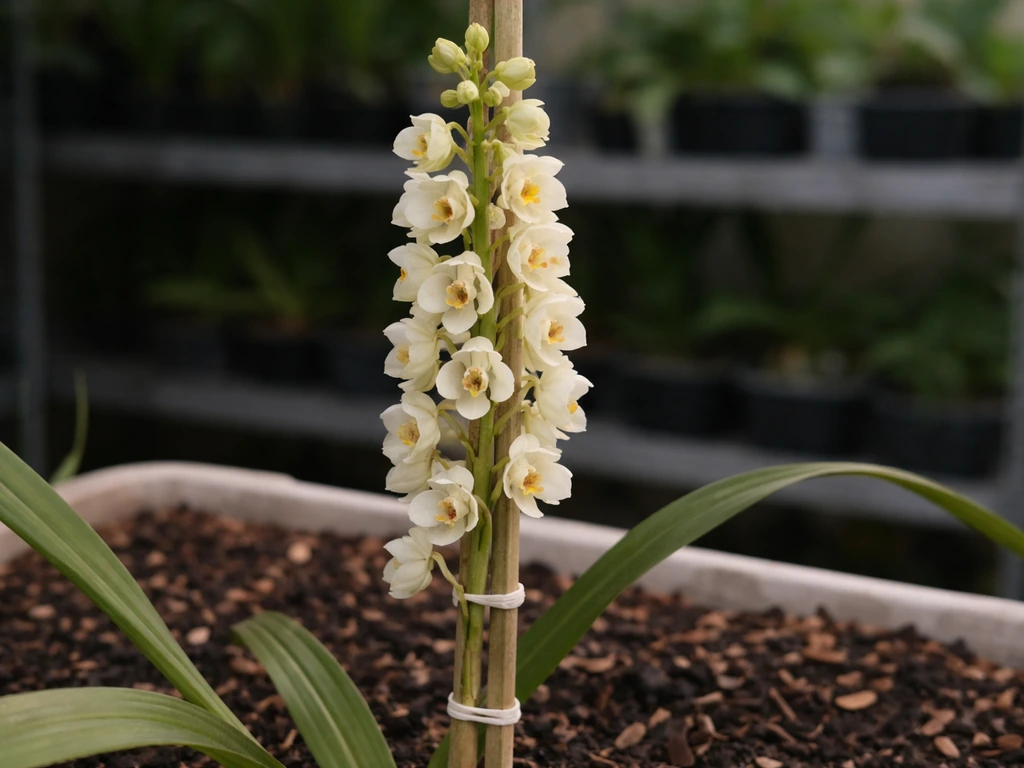
The name "Flower of the Holy Spirit" gets used loosely by sellers, so it's worth confirming before you spend money. You want Peristeria elata specifically. Look for that Latin name on the label, pot tag, or online listing. Common names you'll see alongside it include Dove Orchid, Holy Ghost Orchid, and sometimes just Peristeria. It's not the same as a passionflower (Passiflora), which occasionally gets called by similar devotional names in certain regions. Peristeria elata is a terrestrial orchid that grows from pseudobulbs, has broad pleated leaves, and produces tall flower spikes with several white globe-shaped blooms. If the plant in front of you looks like a vine, it's not Peristeria.
Peristeria elata is also listed on CITES Appendix I, which means wild collection is restricted. Any reputable nursery selling it should have plants that were nursery-grown, not wild-collected. It's worth asking if you're unsure, both for legal reasons and because wild-collected plants are much harder to establish.
What growing conditions it actually needs
Light
Peristeria elata wants bright but filtered light. Think of the kind of light that comes through a sheer curtain or under the dappled canopy of a tree. If you’re growing Four O’Clock flowers as well, the same attention to light and watering rhythm will help you get reliable blooms four o clock flowers how to grow. Optimal lux levels are roughly 25,000 to 35,000, which translates to a bright spot without direct harsh sun. Direct afternoon sun will scorch the leaves fast. If you're growing it indoors, an east-facing windowsill or a few feet back from a south-facing window works well. Outdoors in a humid climate, partial shade is ideal. Seedlings and smaller plants should start on the lower end of that light range; mature plants can handle more brightness.
Temperature

This is where a lot of growers run into trouble. Peristeria elata is a warm-to-hot grower. It needs a minimum year-round temperature of around 65 to 70°F. Winter nights should not drop below about 60°F. During the growing season, daytime temperatures in the mid-70s and higher are comfortable for it. A gentle diurnal drop at night (a few degrees cooler than the day) actually helps trigger blooming, but you do not want cold drafts or temperatures that dip into the 50s. If you're in USDA zones 10 to 11, you can grow it outdoors year-round. Anywhere cooler and you'll want to bring it inside for winter or grow it as a houseplant or greenhouse specimen.
Soil and growing medium
Do not plant this in regular potting soil or garden soil. Even though it's a terrestrial orchid, standard potting mix holds too much moisture and will rot the pseudobulbs. You want a fast-draining, coarse substrate with good aeration. A mix designed for terrestrial orchids works well, typically something like coarse perlite, fine bark, and a bit of coconut coir to retain just enough moisture. Some growers use a 50/50 blend of coarse perlite and fine orchid bark. The goal is a medium that stays evenly moist during watering but never stays soggy.
Water
Water thoroughly, then let the top of the medium approach dryness before watering again. A rough guide is about every 7 days during active growth, but always check the medium rather than relying on a fixed schedule. The key mistake is waterlogging the pseudobulbs, which causes rot quickly. During the cooler resting period (usually winter), back off watering significantly and let the medium dry more between sessions. Consistent moisture during the growing season matters; letting it dry out completely causes stress that can set back flowering by an entire season.
Starting from seed, cuttings, or buying a seedling
Buying a mature or near-mature plant from a reputable orchid nursery is genuinely the most practical starting point for most gardeners. Here's why: Peristeria elata takes years to reach flowering size from seed, germination under home conditions is extremely unreliable (orchid seeds require sterile flask culture to germinate successfully), and there are no true "cuttings" the way you'd take from a perennial. If you want a faster path to blooms than waiting on specialized orchid seed protocols, you may find the process more like how to grow fireblossom, where starting with the right plant matters as much as the technique. Division of pseudobulbs from a large mature plant is possible, but you need a big plant to divide in the first place. If you see "seeds" being sold cheaply online, be very skeptical. Most orchid seeds sold casually will not germinate without laboratory-level sterile technique.
The realistic path forward for most people is to buy a flask-grown seedling or a mature specimen from an orchid specialty nursery. Seedlings will still take several years to flower, but they're affordable and you'll know what you're getting. A mature blooming-size plant costs more but will flower sooner, sometimes within a season if the conditions are right. If you meant the queen of the night flower instead, here are the key steps for how to grow it successfully queen of the night flower how to grow.
| Starting Method | Time to First Bloom | Difficulty | Best For |
|---|---|---|---|
| DIY from seed | 7+ years (requires flask culture) | Very high | Laboratory/specialist growers only |
| Flask seedling from nursery | 3 to 5 years | Moderate | Patient gardeners willing to wait |
| Mature plant from nursery | 1 to 2 seasons | Low to moderate | Anyone who wants to see blooms sooner |
| Division of existing plant | 1 to 3 years depending on size | Moderate | Gardeners who already have a large plant |
Timing, potting, and transplanting
The best time to pot or repot Peristeria elata is in early spring, just as new growth starts to emerge from the base of the pseudobulbs. If you want to maximize your chances of flowering, follow these repotting and timing tips as you work toward how to grow foam flower successfully early spring. This gives the plant the entire warm growing season to establish roots before any resting period. Avoid repotting when the plant is actively sending up a flower spike or in full bloom; that's a stressful time to disturb the roots.
Choose a pot that is only slightly larger than the root ball. Orchids in general tend to bloom better when slightly pot-bound, and Peristeria is no exception. Plastic or terracotta both work, but terracotta dries out faster, which can actually help prevent overwatering if you're in a humid environment. Make sure whatever pot you use has drainage holes, and consider using a pot with slit sides or extra drainage openings if you tend to water generously.
If you're growing it outdoors in a warm climate and want to plant it in a raised bed or garden border, use a raised, well-drained spot with amended orchid-appropriate substrate rather than burying it in standard garden soil. Even in the ground, the drainage principle stays the same.
Ongoing care through the growing season
Watering rhythm by season
During active growth (spring through summer into early fall), water regularly and thoroughly. Check the medium every few days; when the top inch or two starts to feel nearly dry, water until it runs freely from the drainage holes. In fall as growth slows, taper off. In winter, if the plant loses its leaves and enters a rest period, water only occasionally to prevent total desiccation. Resume regular watering when you see new growth push in spring.
Fertilizing
Use a balanced water-soluble orchid fertilizer diluted to quarter to half strength, applied weekly during active growth. More is not better here; orchid roots are sensitive to salt buildup, and full-strength fertilizer will damage them. Stop fertilizing when the plant is in bloom, and reduce or stop fertilizing entirely during the winter rest period. Flush the medium with plain water every few weeks to prevent fertilizer salt accumulation.
Humidity
Peristeria elata comes from humid tropical lowlands and likes humidity of around 60 to 80 percent. Most homes run drier than that, especially in winter with heating running. A humidity tray (a shallow tray filled with pebbles and water placed under the pot, with the pot sitting above the waterline) helps. A small room humidifier near the plant works even better if you're serious about getting it to flower. Good air circulation also matters; stagnant humid air invites fungal problems.
Support, training, and pruning
Peristeria elata is not a climber and doesn't need a trellis. However, the flower spike can grow quite tall, sometimes 2 to 3 feet or more, and will benefit from a thin bamboo stake inserted beside it once it starts to elongate. Tie the spike loosely to the stake with soft orchid clips or gentle twist ties; this keeps the blooms visible and prevents the spike from snapping if bumped.
Once the blooms are spent, cut the flower spike down to the base using clean, sterilized scissors or snips. Don't leave a long stub. The plant will not rebloom on the same spike. Healthy pseudobulbs from the previous season are what fuel the next bloom cycle, so keep the old pseudobulbs intact even after they've flowered; they continue to store energy for future growth. Only remove a pseudobulb if it's visibly rotted or shriveled beyond recovery.
There isn't much pruning in the traditional sense with this plant. Remove yellowed or dead leaves cleanly to keep air circulation good and reduce disease risk. Unlike flowering shrubs where timing your pruning around old wood or new wood matters a great deal, with Peristeria the main rule is simple: don't remove healthy pseudobulbs or leaves during the growing season, and clean up spent spikes promptly after blooming. For spring-flowering shrubs, prune right after they finish flowering so you do not remove flower buds that form on old wood flowering shrubs where timing your pruning around old wood or new wood matters a great deal.
When things go wrong: troubleshooting guide
Plant won't flower
This is the most common frustration with Peristeria elata. The plant needs to be a certain size before it will flower; small or young plants simply won't bloom no matter how well you care for them. If your plant is producing new leaves and pseudobulbs every season but no flower spike, it likely just needs more time and size. Mature plants may not bloom every single year either, so one missed year isn't necessarily cause for alarm. Check that your plant is getting enough light, a slight temperature drop at night, and that it had a proper dry rest period in winter. Balloon flowers, like other hardy perennials, need the right light, watering, and spacing to grow well triggers blooming. Those three factors together are often what finally triggers blooming.
Weak or leggy growth, yellowing leaves
Yellowing leaves usually point to overwatering, root rot, or too little light. Pull the plant out of its pot and check the roots. Healthy roots are white to pale green and firm. Brown, mushy roots mean rot, and you'll need to trim the damaged roots with sterile scissors, let the cuts dry for a day, and repot into fresh dry medium. If the roots look fine and the leaves are pale or yellowish, the plant likely needs more light. Leggy growth with elongated pseudobulbs that are thinner than normal often means insufficient light.
Pests
The most common pests you'll encounter on Peristeria elata are mealybugs, scale insects, and spider mites. Mealybugs look like small cottony white clusters, often hiding where leaves meet the pseudobulb or in the grooves of the foliage. Scale appears as small brown or tan bumps on leaves and stems. Spider mites show up as fine webbing on the undersides of leaves, usually when humidity is too low. For small infestations, a cotton swab dipped in rubbing alcohol applied directly to the pest works well. For larger infestations, a diluted neem oil and insecticidal soap spray applied to all surfaces every 7 to 10 days for a few cycles is effective. Always check new plants carefully before introducing them near your other orchids.
Root rot and fungal issues
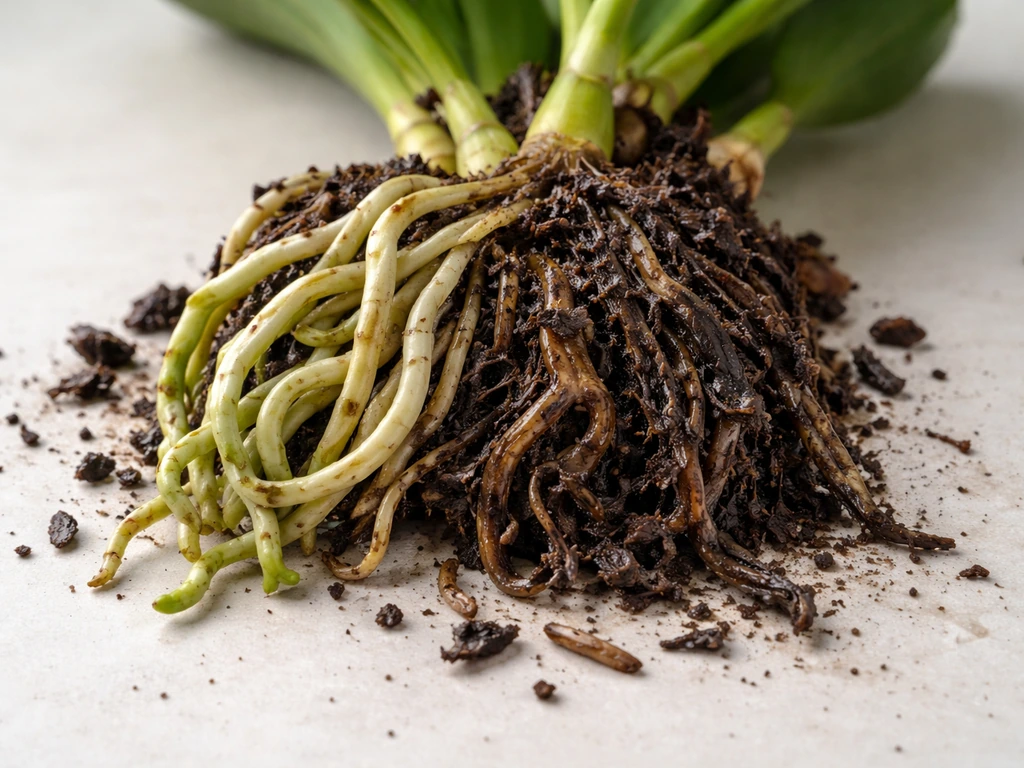
Root rot is almost always caused by overwatering or a medium that doesn't drain freely enough. If you notice a foul smell from the pot or pseudobulbs turning soft and dark at the base, act quickly. Remove the plant, cut away all rotted material with sterile tools, dust the cuts lightly with powdered cinnamon (a natural antifungal) or a commercial fungicide powder, and repot in fresh medium. Improving air circulation and backing off the watering schedule usually prevents recurrence.
A simple timeline from today to first blooms
Where you are in the journey right now determines your next step. Here's a practical roadmap depending on your situation today. If you want, you can also follow a step-by-step guide on how to grow moon flower and apply the same conditions to help your plant bloom.
| Your Situation | What to Do Now (July) | Next Milestone |
|---|---|---|
| Just ordered or bought a mature plant | Pot in orchid medium, place in bright filtered light, begin weekly watering, keep temps above 65°F | Watch for flower spike late summer to fall this year or next |
| Have a flask seedling or small plant | Pot up, give medium light, fertilize lightly, focus on growing larger pseudobulbs this season | Expect 3 to 5 years before blooming size; celebrate every new pseudobulb |
| Have an established plant that's never bloomed | Check light, review winter watering (did it get a dry rest?), ensure nights are slightly cooler than days | Adjust conditions now; hope for spike next growing season |
| Have a plant currently in bloom | Stake the spike, stop fertilizing, enjoy it, prep to cut spike after blooming ends | After blooms drop, resume fertilizing and normal care |
Season-by-season care summary
- Spring (March to May): Repot if needed as new growth emerges, resume regular watering and weekly fertilizing, increase light gradually
- Summer (June to August): Peak growing season, water consistently, fertilize weekly at quarter to half strength, watch for pests, stake any emerging flower spikes
- Fall (September to November): Taper watering as growth slows, stop fertilizing by late fall, enjoy blooms if they appear
- Winter (December to February): Reduce watering to occasional, keep temperatures above 60°F at night, no fertilizer, let the plant rest
If you enjoy growing unusual and rewarding flowers, Peristeria elata shares some of the mystique you'll find in other nighttime or rare bloomers like the queen of the night flower or moonflower, where patience and specific conditions are the price of admission for a truly spectacular payoff. Moonflower how to grow guides you on the best light, soil, and care routines to help this fragrant night bloomer thrive. The wait with the Dove Orchid is longer, but that dove-shaped bloom is one of the most striking things you'll ever grow.
FAQ
How can I be sure I’m buying the right plant (not a similarly named vine or passionflower)?
If you see “dove orchid” or “holy ghost orchid,” still verify the Latin name. Many listings omit or swap names, and in particular some passionflower varieties get sold with devotional nicknames. Look specifically for Peristeria elata on the tag or listing before buying.
My plant looks healthy but never flowers, what else besides watering could be the cause?
Peristeria elata typically needs more than a single good month of care, it needs a complete annual rhythm: bright filtered light, warm growth period, then a cooler, drier winter rest. If your plant is small, it may never bloom even with perfect watering, so track growth of new pseudobulbs and leaves over multiple seasons.
What watering schedule should I follow, and how do I avoid overwatering?
Start by checking the growing medium moisture, not the calendar. During active growth, water only after the top portion of the mix is nearly dry, and always water thoroughly until it drains. In winter, reduce frequency enough that it does not stay damp, since cold and soggy conditions greatly increase pseudobulb rot risk.
Should I use a bigger pot to help it grow, or keep it snug?
Use the pot size as a tool. A slightly snug pot (not oversized) helps the mix dry more consistently and supports better airflow to roots. If you put it in a large pot, even a correct mix can remain wet too long, which often leads to rot.
Will a humidity tray be enough to get it to bloom indoors, or do I need more?
Yes, but the “humidity tray” alone can be misleading. Aim for around 60 to 80 percent humidity with moving air, so the tray should sit under the pot without soaking the base, and a small fan can help reduce fungus. If leaves stay wet for long periods or air feels stagnant, increase airflow rather than only adding humidity.
How do I prevent pests when bringing home a new orchid?
Even if the label says “disease resistant,” quarantine new plants for a couple of weeks and inspect the undersides and the junction where leaves meet pseudobulbs. Catching mealybugs, scale, and mites early is far easier than treating an established infestation in a crowded orchid collection.
My leaves are yellowing, how do I tell whether it’s a light problem or root rot?
If leaves yellow, confirm whether it is light deficiency versus root issues. Pull the plant and inspect roots: firm, pale roots suggest a lighting problem, while mushy brown roots point to rot and require trimming and repotting into fresh dry medium. Don’t just adjust water without checking the root condition.
Do I prune the plant after it blooms, and should I remove old pseudobulbs?
After flowering, cut the spike down to the base using clean sterilized scissors, but do not remove healthy pseudobulbs. The next bloom cycle is fueled by stored energy in those pseudobulbs, so removing them typically delays future spikes rather than helping the plant.
What should I do if I suspect root rot?
If roots smell bad, the base turns dark or soft, or you see obvious mushy tissue, act immediately. Remove rotted parts with sterile tools, let the cuts dry briefly, then repot into fresh, fast-draining orchid medium. Improving airflow and reducing watering usually prevents it from returning.
How should I fertilize, and when should I stop?
Feeding can trigger issues if salts build up, so use diluted fertilizer and flush the medium occasionally with plain water. During bloom and in winter rest, stop or greatly reduce feeding, since fertilizing at those times increases the chance of root stress and salt accumulation.
How can temperature and winter rest affect blooming, even if the plant is alive and growing?
Yes, growth can look fine yet blooming still fails if the winter rest is wrong. If nights stay too warm, the plant may not form the conditions it needs for spikes, while cold drafts below the safe range can cause stress. Keep winter nights around the mid to high 50s minimum guideline you can manage safely, and avoid sudden temperature swings.
Is it realistic to grow Flower of the Holy Spirit from seed, and what’s the fastest option?
If you want faster blooms, avoid “seed packets” sold for home germination. Peristeria elata seed usually requires sterile flask culture for reliable germination, so cheap seeds often disappoint. The fastest realistic route for most growers is a near-mature nursery plant.
Next Articles
Queen of the Night Flower How to Grow and Get Blooms
Step-by-step guide to grow queen of the night flower, prevent rot, and trigger reliable night blooms.
How to Grow Fireblossom: Seed to Bloom Guide
Step-by-step how to grow fireblossom from seed to bloom, including planting, care, and troubleshooting for fast results.
Four O clock Flowers: How to Grow From Seed to Bloom
Learn how to grow four o clock flowers from seed to bloom with timing, spacing, care tips, and troubleshooting.