
Four o'clock flowers (Mirabilis jalapa) are one of the easiest warm-season flowers you can grow from seed. Sow them about 1/4 inch deep either indoors 4 to 6 weeks before your last frost, or directly in the garden about a week after that frost date. They germinate in 14 to 21 days, thrive in full sun with well-drained soil, and reward you with fragrant, multi-colored blooms every evening from midsummer through frost. Queen of the night flower care is very similar to other four o'clock types, so these same sowing and light guidelines will help you succeed. If you can follow a few simple rules around watering and light, you will have an absolute riot of color without much fuss.
Four O clock Flowers: How to Grow From Seed to Bloom

James Holloway
6 May 2026
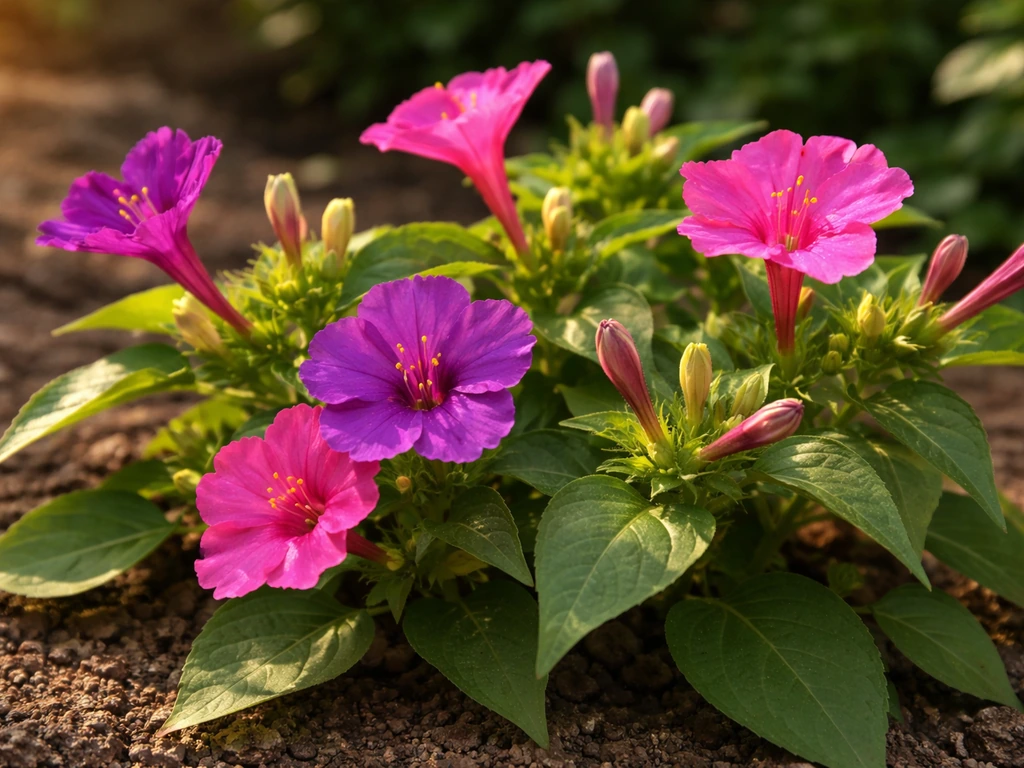
What four o'clocks actually need to thrive
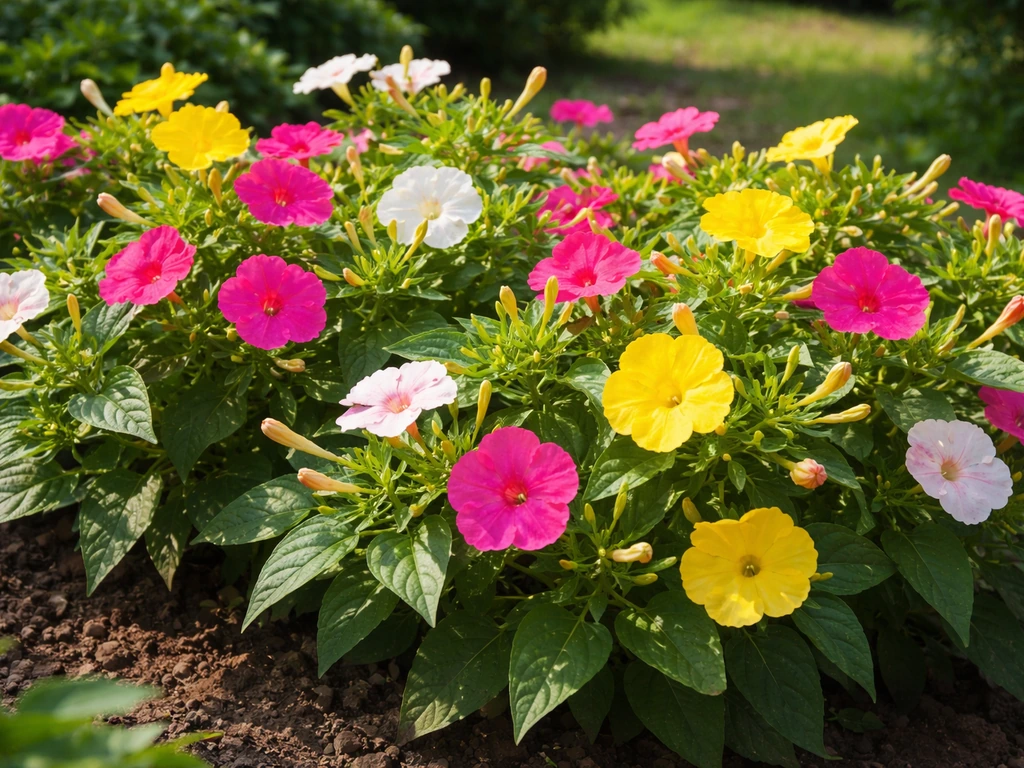
Before you plant a single seed, it helps to understand what makes these plants tick. Four o'clocks are naturally tough, but they have a few non-negotiable preferences. Get these right from the start and you will avoid most of the problems that trip people up.
- Full sun is ideal, though they tolerate part shade. Less sun means fewer flowers, plain and simple.
- Well-drained, moderately fertile soil. Rich, amended soil helps, but the drainage part is critical because their thick, fleshy roots rot quickly in soggy ground.
- Warm temperatures. These are true warm-season plants. They sulk below 60°F and hit their stride when nights are consistently warm.
- Room to spread. Mature plants can reach 2 to 4 feet tall and wide, so they need space.
- Patience in the evening. Blooms open in the late afternoon (around 4 p.m., hence the name) and wilt by the following morning. If you keep checking them at noon and seeing nothing, that is completely normal.
One thing that surprises a lot of new growers is that a single plant can produce flowers in multiple colors simultaneously: yellow, red, magenta, rose, white, and even striped combinations on the same plant. That is not a sign something is wrong. It is just how Mirabilis jalapa rolls, and it is genuinely one of the most charming things about them.
Picking your variety and deciding how to start
Four o'clocks are most commonly sold as seed mixes, which give you that classic multi-color surprise effect. You can also find named single-color selections (solid red, solid white, and so on) if you want a more controlled look. For most home gardeners, especially beginners, a mixed packet from a reputable seed supplier is the way to go. You get variety, good germination rates, and lower cost per plant.
The bigger decision is whether to start seeds indoors or direct sow outside. If you are specifically growing moonflower (another night-blooming vine), the steps are similar but the plant type and care details can differ how to grow moon flower. Both work well. Here is how to think about it: if your growing season is short (zones 3 to 5), starting indoors gives you a head start and earlier blooms. To learn the best timing, soil prep, and seed-starting methods specifically for balloon flowers, follow the full guide on how to grow balloon flowers. If you are in zones 6 and warmer, direct sowing is perfectly fine and honestly less work. Transplants can be a little finicky because four o'clocks develop a thick taproot early, and they do not love being disturbed. If you do start indoors, use biodegradable pots you can plant whole to avoid that root disruption.
Step-by-step planting guide: indoors, outdoors, and direct sow
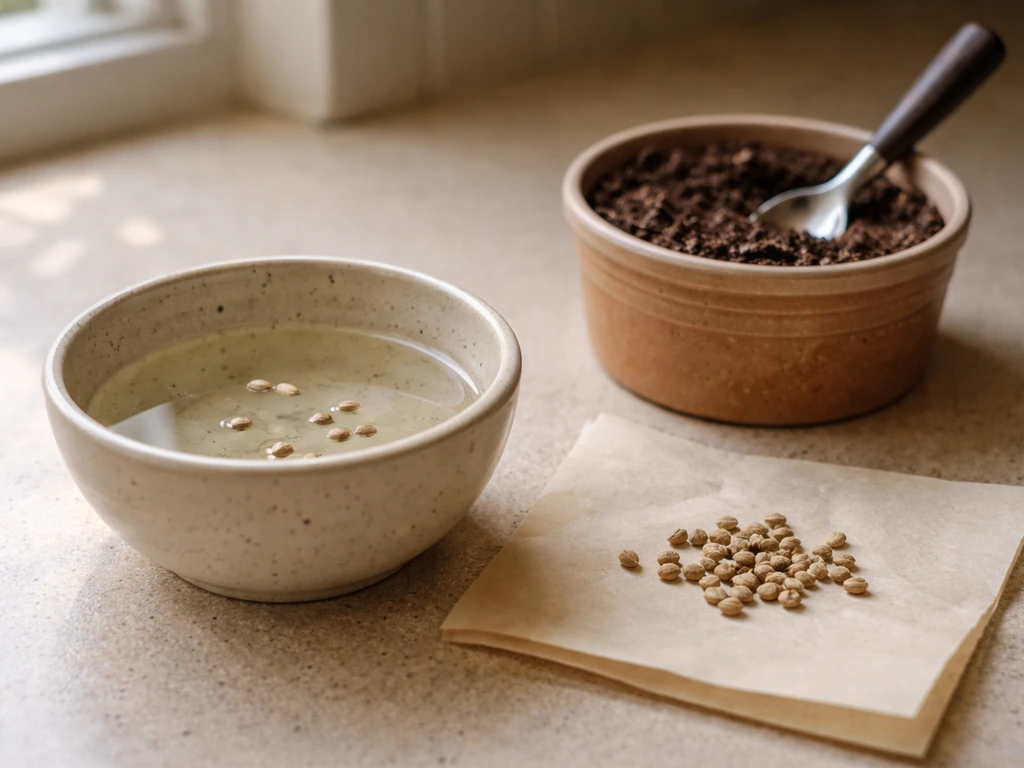
Starting indoors (4 to 6 weeks before last frost)
- Soak seeds in warm water for 4 to 6 hours before planting. Better yet, lightly nick the pointed tip of each seed with a nail file or sandpaper first (this is called scarification). These two steps together dramatically speed up germination.
- Fill biodegradable pots or peat pellets with a quality seed-starting mix. Do not use dense garden soil indoors.
- Sow one seed per pot, pressing it just beneath the surface, about 1/4 inch deep. Do not bury it deeper.
- Keep the soil consistently moist but not waterlogged. Cover pots with a clear plastic dome or plastic wrap until sprouts appear to hold humidity.
- Place in a warm spot. Aim for soil temperatures around 65 to 75°F. A heat mat helps if your house runs cool.
- Expect sprouts in 14 to 21 days. Once seedlings emerge, remove the cover and move them to your brightest window or under grow lights (16 hours of light per day).
- After your last frost has passed and outdoor temperatures are reliably warm, harden off seedlings over 7 to 10 days by setting them outside in a sheltered spot for increasing amounts of time each day.
- Transplant the whole biodegradable pot into the garden. Space plants 18 to 24 inches apart to give them room to bush out.
Direct sowing outdoors (1 week after last frost)

- Wait until about one week after your last frost date and soil has warmed. Cold soil stalls germination and can rot seeds.
- Loosen the soil 8 to 10 inches deep and mix in compost if your soil is dense or sandy. Four o'clocks want fertile, workable ground.
- Soak and/or scarify seeds the night before, just like the indoor method.
- Sow seeds about 1/4 inch deep. Space seeds 6 inches apart in rows, then thin seedlings to 18 to 24 inches once they are 3 to 4 inches tall. Yes, thinning hurts a little, but crowded plants bloom less and are more prone to disease.
- Water gently and keep the soil evenly moist until germination. After that, back off and let the plants tell you when they need water.
Direct-sown four o'clocks often catch up quickly to indoor-started transplants because they avoid root disturbance. Do not be discouraged if your direct-sown seedlings look small for the first few weeks. They are busy building roots underground.
Watering and feeding from seed through bloom
Four o'clocks are reasonably drought-tolerant once established, but they appreciate consistent moisture early on. Overwatering, especially before the roots have developed, is one of the most common ways to kill them. Their fleshy roots are genuinely prone to rot in soggy conditions, so always err on the side of slightly dry over soaking wet.
| Growth Stage | Watering Frequency | Feeding Notes |
|---|---|---|
| Germination (days 1 to 21) | Keep soil evenly moist, never saturated | None needed |
| Seedling establishment (weeks 3 to 6) | Water when top inch of soil feels dry | Optional light dose of balanced liquid fertilizer at half strength |
| Active growth and budding | Deep watering once or twice a week depending on heat | Monthly balanced feed; avoid heavy nitrogen which pushes leaves over flowers |
| Full flowering | Once or twice a week; more in extreme heat | Continue monthly feed; container plants need more frequent feeding |
| Late season wind-down | Reduce gradually as temperatures drop | Continue feeding for a few weeks after blooms fade, then stop |
For container-grown plants, bump up watering to every few days in summer heat and feed monthly. Pots dry out much faster than garden beds, and a hungry container plant will drop its bud set quickly. That said, still check that the pot drains freely every time you water. Sitting water in a saucer is a recipe for root rot.
Sun, temperature, and keeping pests at bay
Plant your four o'clocks in the sunniest spot you have. Full sun (6 or more hours of direct light daily) produces the most vigorous plants and the best flower count. Part shade works but expect noticeably fewer blooms and leggier stems. If your current planting spot is shaded for half the day, that is almost certainly why your plants look stretched and stingy with flowers.
Temperature-wise, four o'clocks are warm-season plants in every respect. They stop performing well once nights dip below about 50°F, and a hard frost kills them back to the ground entirely. In zones 7 to 11, the tuberous roots may survive winter underground and re-sprout in spring, often blooming earlier and more vigorously than first-year plants. In zones 6 and colder, treat them as annuals or dig and store the tubers indoors over winter like dahlias.
Four o'clocks are relatively pest-resistant, which is one of the reasons experienced gardeners love them. That said, a few problems do show up. Japanese beetles and aphids are occasional visitors, and leaf spot diseases (including bacterial blight from Xanthomonas campestris) can appear, especially in wet, humid conditions. Good airflow between plants and avoiding overhead watering at night go a long way toward preventing fungal and bacterial leaf issues. If you see spotty, discolored leaves, remove affected foliage, improve spacing, and water at the base rather than overhead.
- Aphids: blast off with a strong spray of water; repeat every few days until gone.
- Japanese beetles: handpick in early morning when they are sluggish, or use a targeted insecticide if numbers are high.
- Leaf spot (bacterial or fungal): remove affected leaves, improve airflow, switch to drip or base watering.
- Root rot: improve drainage immediately; reduce watering frequency and ensure the planting area or pot drains freely.
Why seeds are slow to germinate and plants refuse to bloom
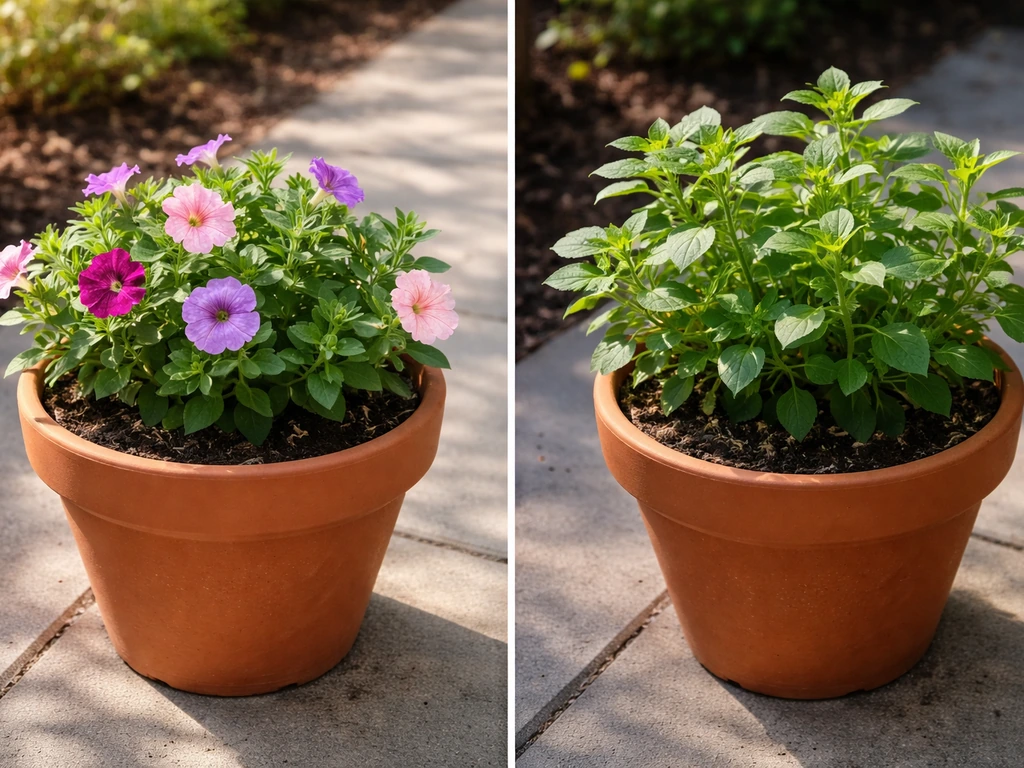
Slow germination is almost always a temperature or seed prep issue. If you sowed in cold soil (under 60°F) or skipped the soak and scarification step, you can expect a long wait or poor germination rates. OSU Extension’s germination requirements chart for Mirabilis jalapa lists germination temperatures in the mid-60s to mid-70s Fahrenheit, including a 70, 75°F and 65, 70°F range If you sowed in cold soil (under 60°F). The fix for next time is easy: soak seeds overnight, nick the pointed end lightly, and wait for genuinely warm soil. If seeds are older than two years, germination rates drop off too, so always start with fresh seed when possible.
If your plants are growing but not blooming, run through this checklist. Nine times out of ten, one of these is the culprit:
- Not enough sun. Less than 4 to 5 hours of direct light delays or prevents flowering.
- Too much nitrogen. Heavy feeding with a high-nitrogen fertilizer pushes leafy green growth at the expense of flowers. Switch to a balanced or bloom-focused formula.
- Plants are too young. From direct sowing, expect first blooms roughly 8 to 10 weeks after germination once summer warmth is consistent. Be patient.
- Overcrowding. Packed plants compete for light and nutrients. Thin or space properly.
- Cool nights. Consistent temperatures below 60°F at night will stall flowering even if daytime conditions look fine.
Leggy, stretched plants are almost exclusively a light problem. If your seedlings started indoors got tall and spindly before transplanting, they were not getting enough light. Add supplemental grow lighting earlier next time, or move them to the sunniest window you have. Once leggy seedlings are in the ground and in full sun, they usually bulk up and recover over a few weeks. You can also pinch the growing tips when plants are young to encourage bushier growth.
One more tip that makes a real difference: after the first big flush of blooms, cut plants back by about half. This sounds drastic but it triggers a fresh wave of growth and a second round of flowering later in the season. Purdue extension recommends exactly this approach, and it works. The plants bounce back within a week or two looking refreshed.
Cutting flowers, saving seeds, and caring through each season
Using four o'clocks as cut flowers
Four o'clocks are not traditional cut-flower workhorses like dahlias or snapdragons because individual blooms only last one evening. But they are genuinely lovely in small arrangements for an evening dinner table, and cutting stems actually encourages the plant to produce more buds. Cut stems in the late afternoon just as buds are beginning to open, using clean, sharp scissors or pruners. Take no more than a third of any stem at a time. Place them immediately in cool water. They will perfume a room beautifully for one evening, which is a charming, if fleeting, experience.
Saving seeds for next year
Seed saving is easy and rewarding with four o'clocks. After a bloom fades, a small seed pod forms at the base of the flower. Leave it on the plant and watch it turn from green to dark brown. Once brown, the pod is ready to harvest. Pull it off, let it dry for another week or two in a paper bag in a cool dry spot, then store in a labeled envelope. One plant can produce dozens of seeds, so you can easily grow an entire garden bed for free the following year.
Season-by-season care at a glance
| Season | What to Do |
|---|---|
| Spring | Start seeds indoors 4 to 6 weeks before last frost, or wait and direct sow one week after last frost. Prepare beds with compost. |
| Early summer | Transplant or thin seedlings. Water consistently, begin monthly feeding once plants are established. Pinch tips for bushiness. |
| Midsummer | Enjoy evening blooms. Deadhead fading flowers to redirect energy. Cut back by half after first flush for a second wave. |
| Late summer/fall | Continue feeding for a few weeks after blooms slow. Save seeds from browning pods. Reduce watering as temperatures drop. |
| After first frost | In zones 7+, leave roots in ground and mulch lightly. In zones 6 and colder, dig tubers after foliage dies back, dry them off, and store in a cool dry place in peat or paper bags until spring. |
If you are growing other evening-blooming flowers alongside your four o'clocks, you are building a genuinely magical nighttime garden. Moonflowers are a natural companion since they open after dark and their white blooms catch low light beautifully. The overall approach for evening-bloomers is similar: warm soil, good drainage, and patience while roots establish before the floral show begins.
Your next step today: check your last frost date for your zip code, count back 4 to 6 weeks, and decide whether you are starting indoors right now or waiting to direct sow. If you are past your frost date already (it is May, so many of you are), grab a packet of seeds, soak them tonight, and get them in the ground this weekend. You will have blooms by midsummer, and once you see that first evening flush of color and catch the faint fragrance drifting through the yard, you will be growing four o'clocks every single year. If you are also curious about how to grow flower of the holy spirit, the same mindset of timing, warmth, and consistent early care will help you get better blooms. If you want something similar but foamier, see our guide on how to grow foam flower and what it needs for best blooms. If you are also interested in how to grow fireblossom, choose a sunny spot and follow the plant-specific planting timeline for best results.
FAQ
Do four o clock flowers need soaking before planting, or can I plant dry seeds?
Soaking helps, especially if you are planting when soil is only marginally warm. If you skip soaking, expect more variation in germination speed. For best results, soak overnight, then sow into warm, well-drained soil, aiming for consistently warm conditions rather than planting in cool weather.
What soil temperature is warm enough for four o clock seeds to germinate quickly?
Try to sow when soil is reliably above about 60°F. If the soil is cooler, germination can drag on or drop off. Using a simple thermometer for a day or two before sowing can prevent a lot of “stuck seed” frustration.
Can I transplant four o clock seedlings if they have already formed a taproot?
It is usually risky once the taproot starts thickening. If you must transplant, move them with as little root disturbance as possible and transplant at the same depth. Biodegradable pots reduce damage, but still transplant promptly after seedlings are established.
My four o clock seedlings look healthy but only make leaves. Why aren’t they blooming yet?
The most common causes are not enough sun and not enough warmth. Even if plants are growing, they may delay flowering with too little light or when nights are cool. Check that they are getting full sun (roughly 6 hours or more) and that night temperatures are not staying below about 50°F.
Should I pinch four o clock plants, and when?
Pinching can encourage bushier growth. Do it when plants are young and before they start forming most buds. If you wait too long, you may reduce the size or timing of the first bloom flush.
How much should I water four o clock flowers after sprouting?
Aim for consistent moisture while seedlings establish, but avoid soggy soil. A good test is to water only when the top inch of soil starts to dry. Overwatering early increases the risk of fleshy-root rot, even if the foliage looks fine at first.
Do four o clock flowers need fertilizer, or will compost be enough?
They generally do well in average soil, but containers often need feeding. In beds, go easy with nitrogen because too much leafy growth can delay flowers. For pots, a light balanced feed on a monthly schedule helps maintain bud set, as long as drainage is excellent.
Can four o clock flowers grow in shade if my yard only gets morning sun?
They can survive in part shade, but flowering drops and stems often get leggier. Morning sun helps, but try to ensure at least 6 hours of direct light overall. If your site is shaded most of the day, expect fewer evening blooms.
Do four o clock flowers return every year, or do I need to replant?
In warm zones, tuberous roots can survive winter and re-sprout. In colder zones, treat them as annuals or dig and store tubers indoors, similar to how you would handle dahlias. If you are unsure, check your zone and plan for overwintering tubers before the first frost.
How do I prevent leaf spot and bacterial blight on four o clock plants?
Focus on spacing and watering method. Plant with enough airflow between plants, and water at the base instead of overhead, especially in humid weather. Remove affected leaves promptly to limit spread, then keep foliage drier between waterings.
Why are my seeds not sprouting, even though it has been weeks?
Cold soil and older seed are the two biggest culprits. If soil is under about 60°F, germination can stall. Also, if seeds are older than around two years, rates can decline. For next time, use fresh seed, soak overnight, and sow when soil has warmed.
Do four o clock flowers come true to the colors in mixed seed packets?
Not always. Mixed packets can produce multi-color plants, and individual plants may show different colors at once. If you want a consistent color, you will usually need named single-color varieties rather than a mix.
Should I deadhead four o clock flowers or leave blooms to form seed pods?
If you want more continuous flowering, you can remove spent blooms, but four o clocks may still set pods naturally. If you want to save seed, leave the pods on the plant until they turn dark brown, then harvest and dry before storing.
Can I cut four o clock flowers for arrangements, and how long will they last?
They are not long-lasting cut flowers, since each bloom mainly performs for one evening. Cut late in the day when buds are beginning to open, and place stems in cool water immediately. You will get the best fragrance and color payoff around nightfall.
Next Articles
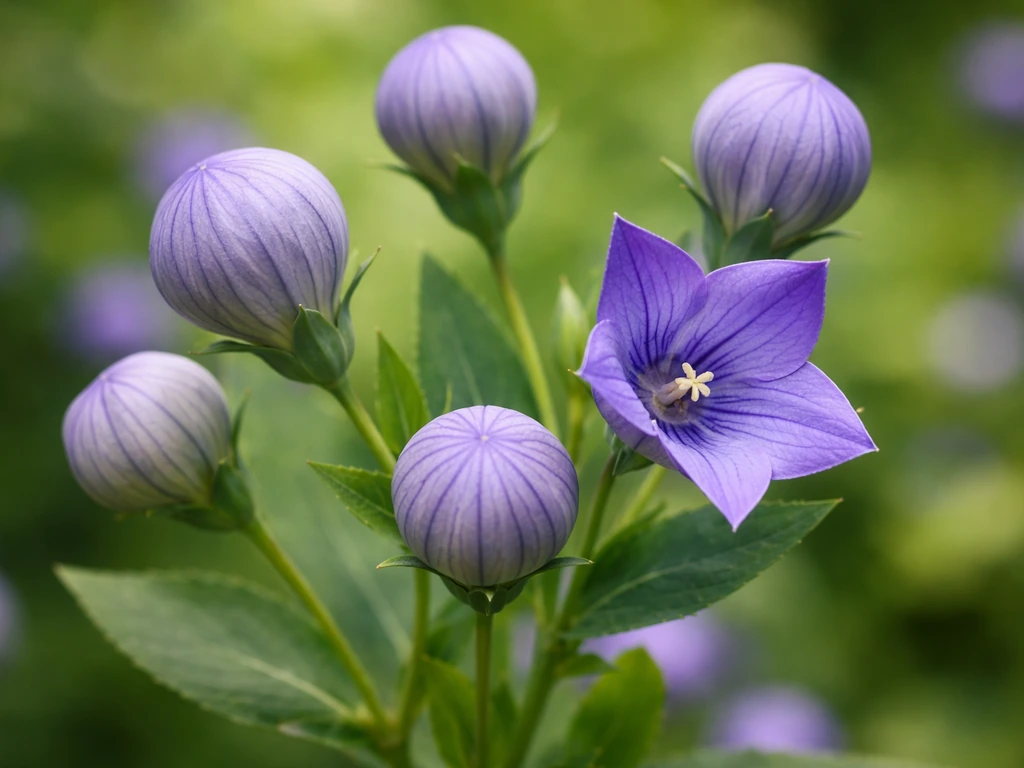
How to Grow Balloon Flowers: Care Guide for Beginners
Step-by-step balloon flower growing guide: soil, spacing, seed vs transplant, watering, light, care, and troubleshooting
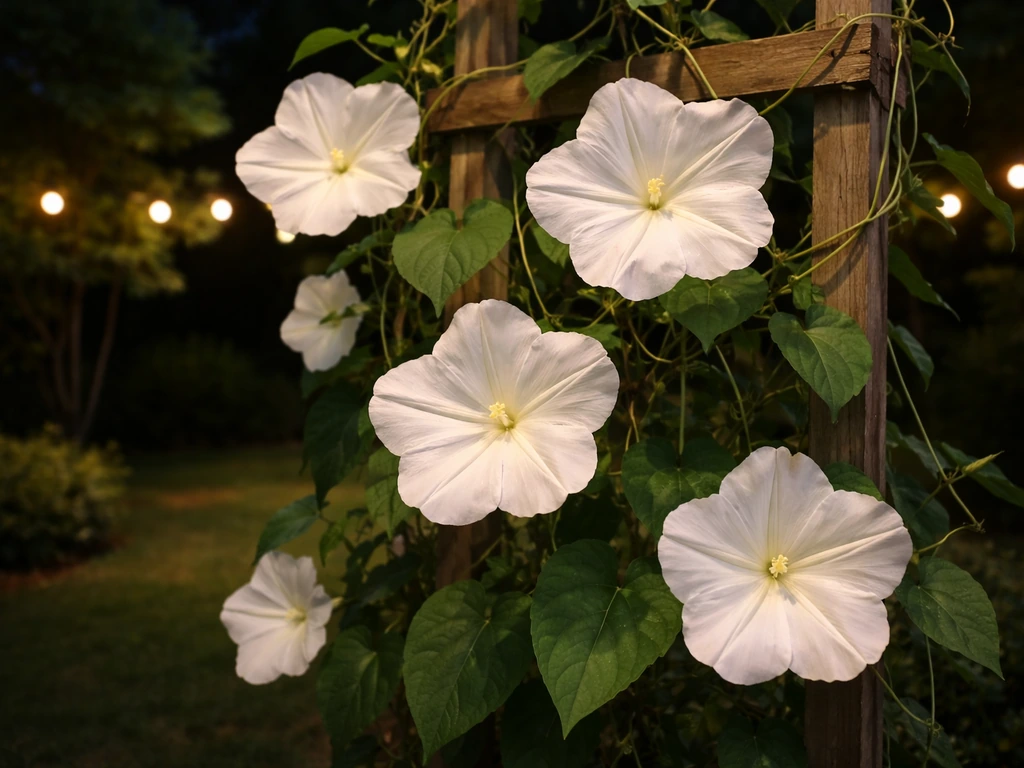
Moonflower How to Grow: From Seed to First Blooms
Step-by-step moonflower growing guide: choose variety, start seeds or sow outside, transplant, train, water, troubleshoo
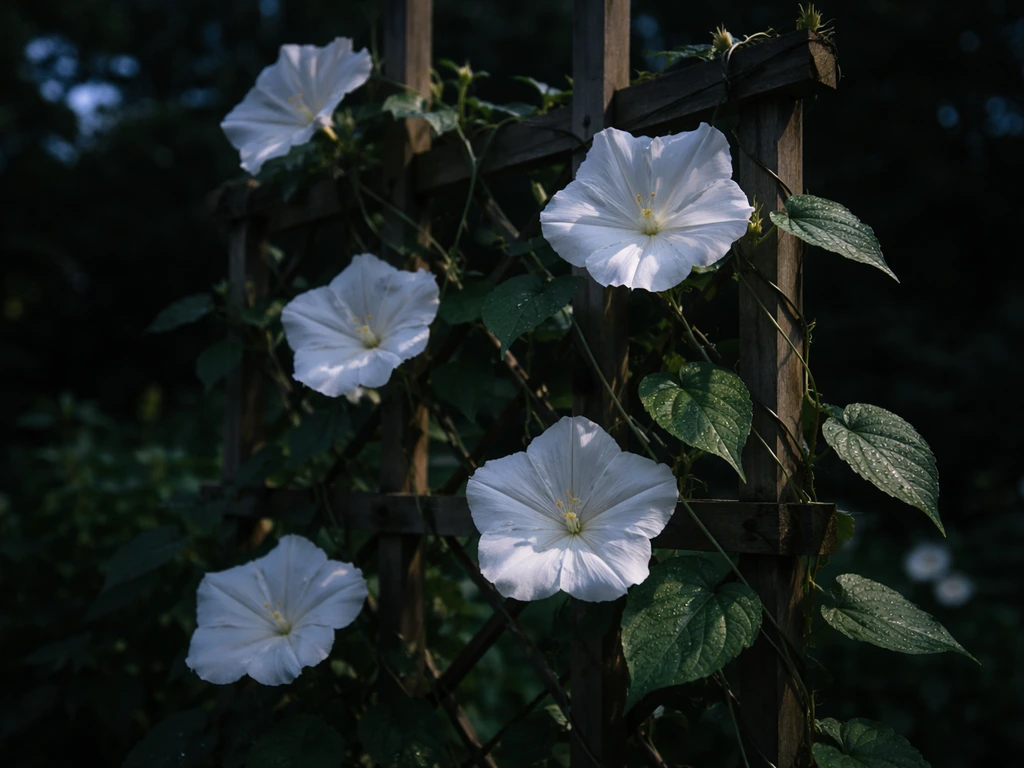
How to Grow Moon Flower From Seed to Night Blooms
Step-by-step guide to grow moon flower vines from seed to reliable night blooms, with timing, care, and troubleshooting.