
Balsam flowers are genuinely easy to grow once you know which plant you're actually dealing with. The name 'balsam' gets applied to a couple of different plants, but most gardeners mean either Impatiens balsamina (old-fashioned garden balsam, sometimes called touch-me-not) or Impatiens walleriana (busy Lizzie, the classic bedding impatiens). Both are warm-season annuals that thrive in shade or partial shade, need consistent moisture, and reward you with nonstop color from late spring through first frost.
Balsam Flowers How to Grow: Seed to Bloom Guide

James Holloway
7 Jun 2026
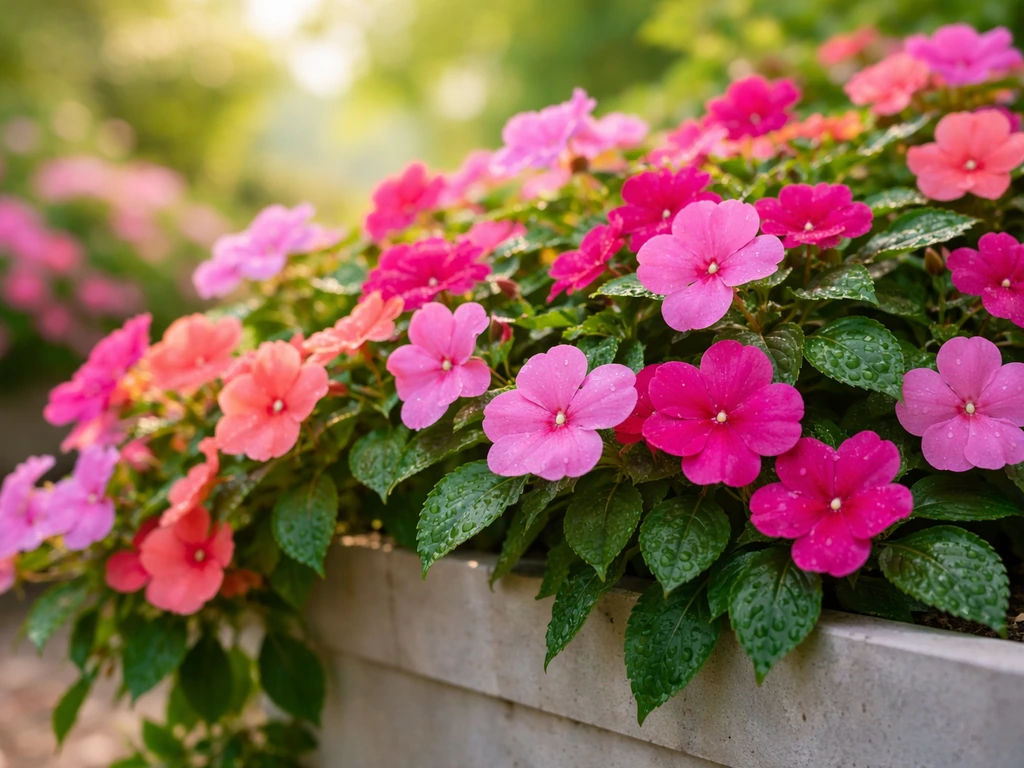
If you're growing skeleton flower, use similar timing and warm conditions, but pay close attention to light and soil needs for best flowering skeleton flower (cosmos bipinnatus). Start seeds indoors 8 to 10 weeks before your last frost date, keep them warm and moist, transplant after all frost risk is gone, and you'll have flowers in 10 to 12 weeks from sowing.
First, figure out which balsam you're growing
This matters more than it sounds. If you search 'balsam flowers,' you'll find two plants that share the common name and the same genus but behave a little differently in the garden.
| Feature | Impatiens balsamina (Garden Balsam) | Impatiens walleriana (Busy Lizzie) |
|---|---|---|
| Also called | Touch-me-not, rose balsam | Busy Lizzie, bedding impatiens |
| Height | 12–30 inches, upright and spiky | 8–24 inches, mounding and compact |
| Flower style | Double blooms along an upright stem | Single or double blooms covering a mound |
| Light preference | Partial shade, tolerates more sun | Filtered/partial shade, hates hot afternoon sun |
| Best for | Cottage gardens, back of borders | Containers, hanging baskets, shady beds |
| Seed dispersal | Explosive seedpods (touch-me-not!) | Also explosive, but less dramatic |
Impatiens balsamina is the old-fashioned cottage garden type with tall, upright stems covered in rose-like blooms tucked along the stalk. Impatiens walleriana is the low-mounding type sold in garden centers every spring, the one that fills hanging baskets and window boxes. Both are called 'balsam' in different regions and on different seed packets, so check the Latin name on the label before you buy. This guide covers both, noting where care differs.
For seeds, buy from a reputable seed company or garden center that lists the species name clearly. Avoid generic 'balsam mix' packets that don't tell you what's inside. If you want the tall cottage-garden type, look for Impatiens balsamina specifically. If you want the spreading bedding plant for shade containers, look for Impatiens walleriana cultivars. New Guinea impatiens is a third type that needs about 12 weeks from seed and is a different species again, so keep that separate in your planning.
Light, temperature, and soil: what balsam actually needs
Both types are warm-season annuals that will not survive frost, full stop. They want temperatures consistently above 50°F at night before you even think about putting them outside. Once temperatures are right, here's what to give them:
- Light: Filtered or partial shade is ideal for Impatiens walleriana. Hot afternoon sun bleaches the flowers and stresses the plant badly. Impatiens balsamina handles a bit more sun but still appreciates afternoon shade in hot climates (zones 7 and warmer). Morning sun with afternoon shade is the sweet spot for both.
- Temperature: Germination needs soil around 70°F. Outdoor planting requires nighttime temps reliably above 50°F. These plants thrive in warmth but struggle in scorching heat above 95°F without adequate shade and moisture.
- Soil: Well-draining, moisture-retentive soil with some organic matter. A standard garden bed amended with compost works well. Avoid heavy clay that holds standing water, which leads to root rot. Slightly acidic to neutral pH (6.0–7.0) is fine.
- Containers: Use a good-quality potting mix, not garden soil. A mix that includes slow-release fertilizer gives plants a helpful head start.
When and how to start balsam from seed
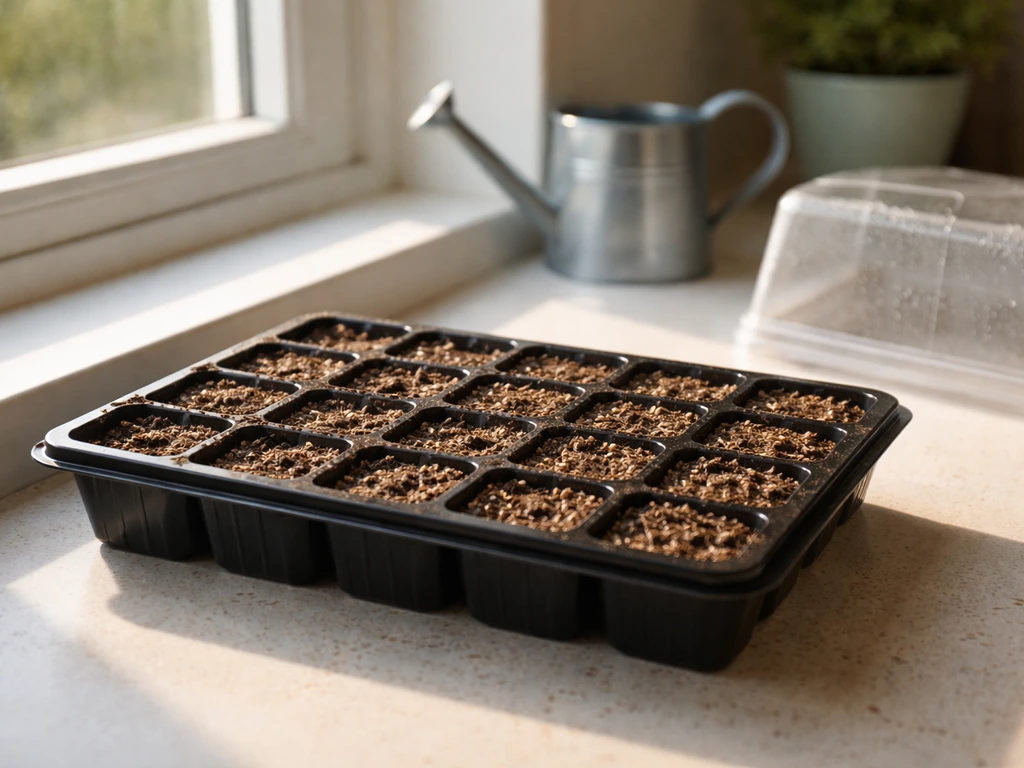
Balsam seeds are small but not fussy. The main thing to get right is timing and warmth during germination. Expect germination in 15 to 20 days at around 70°F.
Starting indoors (the method I recommend for most gardeners)
Sow seeds indoors 8 to 10 weeks before your last expected frost date. If your last frost is May 1, you're starting seeds around late February to early March. That timeline gives you sturdy transplants ready to go out when nights are reliably warm. If you're growing harlequin flowers specifically, the same indoor timing and warmth for seed starting will help you get them off to a strong start.
- Fill a seed tray or small cell pots with a fresh, sterile seed-starting mix. Never reuse old mix, as it can harbor the fungi that cause damping-off.
- Sow seeds on the surface and press them lightly into the mix. Impatiens seeds need light to germinate, so do not bury them. A very light dusting of vermiculite on top is fine, but keep them near the surface.
- Mist the surface gently with a spray bottle to avoid dislodging seeds. Cover the tray with a clear plastic dome or plastic wrap to hold humidity.
- Place the tray somewhere warm: on top of the refrigerator, on a heat mat set to 70°F, or in a consistently warm room. A heat mat makes a real difference here.
- Check daily. Once you see the first sprouts (usually 15 to 20 days), remove the cover and move the tray under grow lights or to your sunniest window. Keep lights close, about 2 to 4 inches above seedlings, to prevent legginess.
- Water from the bottom by setting the tray in a shallow dish of water, letting the mix absorb moisture upward. This keeps the surface drier and dramatically reduces damping-off risk.
- Thin to one seedling per cell once true leaves appear.
Direct sowing outdoors
Direct sowing works fine in warm climates or if you've missed the indoor window. Wait until after your last frost date and the soil has warmed to at least 65°F. Scatter seeds on the prepared bed surface, press them in lightly (remember: they need light), water gently, and keep the area consistently moist until germination. Thin seedlings to final spacing once they have their first true leaves. Outdoor-sown plants will just bloom a bit later than indoor-started ones. Wishbone flower is grown a little differently, so check its specific light, soil, and watering needs before you start.
Transplanting and spacing
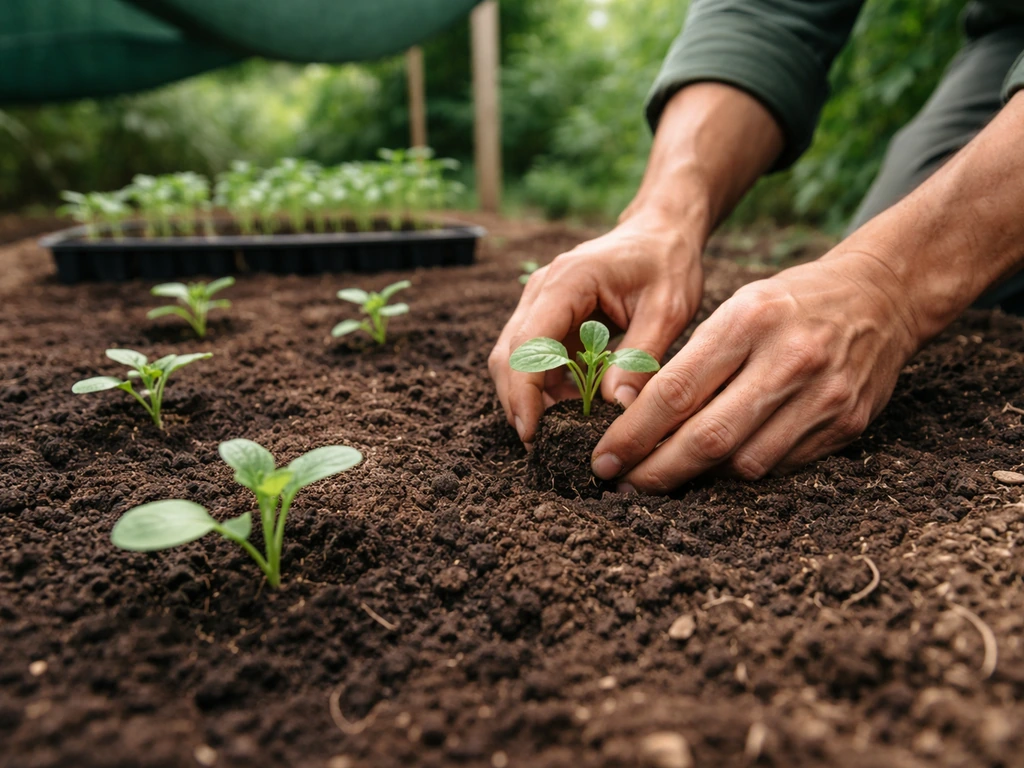
Before transplanting, harden your seedlings off over 7 to 10 days. Start by setting them outside in a sheltered, shady spot for just an hour or two, then gradually increase outdoor time each day. This acclimates them to wind, outdoor light intensity, and temperature swings. Skipping this step is one of the most common reasons transplants sulk or drop leaves after going in the ground.
Transplant only after all frost risk is gone and nighttime temps are reliably above 50°F. Dig a hole just slightly larger than the root ball, set the plant at the same depth it was growing in its pot, and firm the soil gently around it. Water in well immediately after planting.
Spacing makes a bigger difference than most beginners expect. Cramped plants compete for moisture and airflow, which leads to disease and weaker flowering.
- Garden beds: Space plants 8 to 10 inches apart for good coverage without overcrowding.
- Containers and hanging baskets: Use 3 to 5 plants in a 10 to 12 inch basket for a lush, full look without strangling the roots.
- Impatiens balsamina (tall type): Space 10 to 12 inches apart, as it grows upright and needs a bit more room between plants for airflow.
Watering, feeding, and keeping pests away
Watering
Balsam plants are thirsty, especially in containers or during hot weather. A good rule: water when the top 1 to 2 inches of soil feel dry. In garden beds, this is often every 2 to 3 days in summer. In containers, it may be daily during a heat wave. The trap beginners fall into is overwatering, which causes just as many problems as underwatering. Yellowing leaves, wilting despite wet soil, and canopy dieback are all classic overwatering symptoms. Check the soil with your finger before watering, every time.
Avoid watering directly into the crown of the plant (the junction of stems at the soil surface). Wet crowns invite crown rot and fungal problems. Water at the base, and try to water in the morning so foliage dries during the day.
Feeding
Feed with a balanced water-soluble fertilizer, something like a 10-10-10 formulation, every two weeks through spring and summer. This keeps plants blooming strongly without pushing so much leafy green growth that flowers get crowded out. If you used a potting mix with slow-release fertilizer at planting, you can start liquid feeding about a month in. Don't over-fertilize: too much nitrogen produces lush foliage but fewer flowers. Beacon’s greenhouse guidelines recommend low fertilizer rates such as “less than 100 ppm” in their fertilizer table to support moderate feeding rather than heavy nitrogen too much nitrogen produces lush foliage but fewer flowers..
Common pests and diseases
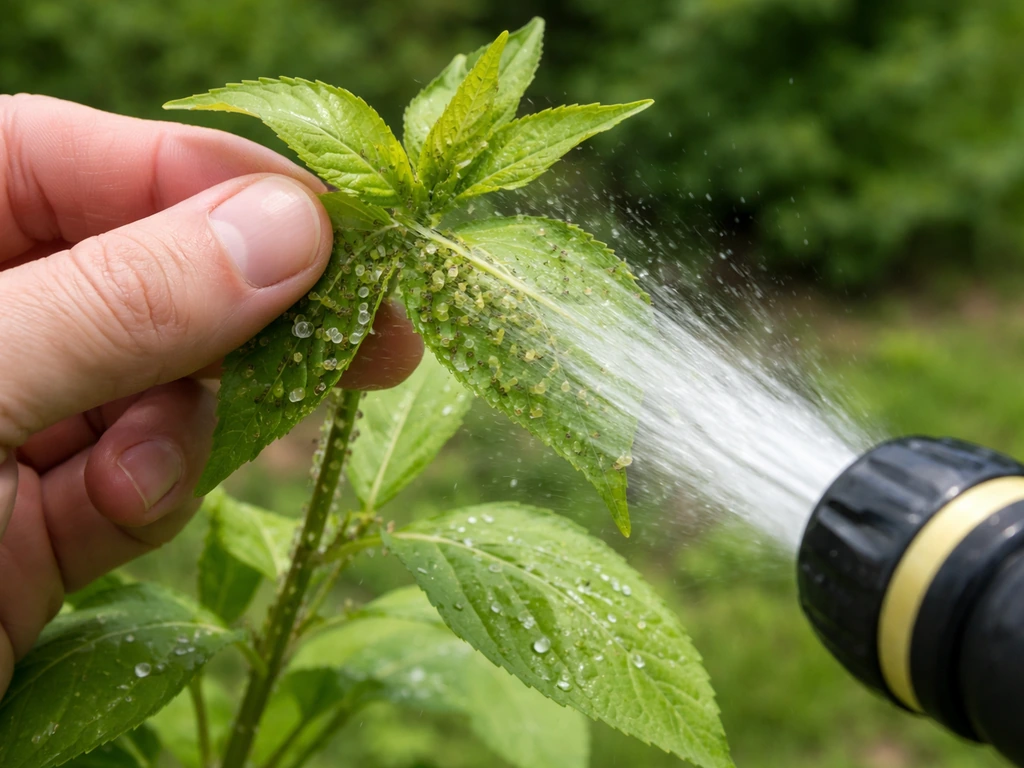
A few problems tend to show up repeatedly with balsam. Here's what to watch for and what to do:
- Aphids: Clusters of tiny soft insects on new growth and undersides of leaves. Blast them off with a strong jet of water, or apply insecticidal soap. Check weekly once you spot them.
- Spider mites: Fine webbing on leaves, especially during hot, dry weather. Increase humidity around plants, spray with water, and use neem oil or insecticidal soap if infestation continues.
- Impatiens downy mildew: A serious disease of Impatiens walleriana that starts as yellowing on the top of leaves, often with downward curling. You may later see whitish growth on the undersides. Affected plants decline fast during wet, damp weather. There is no cure once it's established. Remove and bin affected plants immediately (don't compost them), and avoid replanting susceptible Impatiens walleriana varieties in the same spot for several years. New Guinea impatiens and Impatiens balsamina have better resistance.
- Damping-off: Seedlings that topple at the soil line and collapse. Caused by soilborne fungi including Pythium, Rhizoctonia, Fusarium, and Phytophthora. It spreads fast across a seed tray. Prevent it by using sterile seed-starting mix, watering from below, ensuring good airflow, and never reusing old trays without thorough cleaning.
- Crown rot: Rotting at the base of stems, usually from overwatering or poor drainage. Improve drainage, reduce watering frequency, and avoid wetting the crown.
Deadheading, pinching, and getting the most flowers
Impatiens walleriana (busy Lizzie) is largely self-cleaning, meaning spent flowers drop on their own. But deadheading still helps: removing spent blooms redirects the plant's energy toward new flowers and removes decaying material that can harbor grey mold. Simply pinch off the faded flower and its tiny stem with your fingers or snips.
Pinching is the other key technique. When plants are young (around 4 to 6 inches tall), pinch out the growing tip at the top of each stem. This sounds counterintuitive because you're removing growth, but it triggers the plant to branch out, giving you a much fuller, bushier plant with far more flowering stems. Do this once or twice early in the season and you'll have noticeably better coverage.
For Impatiens balsamina, the tall type grows upright with blooms along the stem, so pinching the main tip early encourages side branching. Deadhead spent blooms to keep the plant tidy and direct energy to new buds, but leave a few seedpods at the end of the season if you want them to self-sow for next year (those pods explode and scatter seed satisfyingly, which is how it earned 'touch-me-not').
During hot summer stretches, flowering can slow down even on healthy plants. This is normal. Keep watering consistently, maintain the feeding schedule, and make sure afternoon shade is adequate. Flowering picks back up as temperatures moderate. Don't mistake a mid-summer slowdown for a failing plant.
Troubleshooting problems by symptom and season
Seeds not sprouting
The most common reasons are: soil temperature too low (it needs to be around 70°F), seeds buried too deep (they need light, so barely cover them), or the mix dried out during the germination window. Check your setup against these three points first. If it's been more than 25 days and nothing has happened, start fresh with a new packet and a heat mat.
Seedlings going leggy
Long, stretched stems with small leaves mean the seedlings aren't getting enough light. Move them directly under grow lights (2 to 4 inches away) or to a much brighter window. Once they've stretched, you can't fully reverse it, but you can bury the stems a little deeper at transplanting to compensate, and pinching will encourage better branching going forward.
Plants wilting or leaves yellowing
Wilting is confusing because it can mean either too dry or too wet. Check the soil: if it's soggy, you're overwatering, and the roots may be suffocating or rotting. Let it dry out more between waterings. If the soil is bone dry, water immediately and consider mulching around the base to retain moisture. Yellow leaves alongside wet soil usually point to overwatering or, in summer, to downy mildew. Check the undersides of leaves for white downy growth to distinguish between the two.
No flowers (or flowers stopping)
If your plant is leafy but not blooming, common causes include: too much nitrogen fertilizer (cut back to a balanced feed), too much shade (some shade is good, but deep shade reduces flowering), or heat stress. If it's midsummer and very hot, some slowdown is normal. Resume feeding on schedule and the blooms will return as conditions ease.
Damping-off killing seedlings
If your seedlings are collapsing at soil level, damping-off is almost certainly the cause. There's no saving affected seedlings. Discard the mix and disinfect the trays before starting again. For your next batch: use fresh sterile mix, water from below, thin seedlings so air moves between them, and run a small fan on low near your seed trays for gentle airflow. These steps together make damping-off much less likely.
What to do as the season progresses
Spring is for starting seeds indoors, hardening off, and transplanting after your frost-free date. Early summer is your establishment phase: water carefully, start feeding, and pinch plants to shape them. Midsummer is peak bloom time. Keep up with watering, fertilize every two weeks, and deadhead regularly.
If you're looking for a different tropical bloom afterward, learn plumeria flower how to grow for tips on light, watering, and flowering. If you're growing Impatiens balsamina, let a few seedpods mature at the end of the season and scatter seed in the bed for volunteer plants next year. As fall arrives and temperatures drop below 50°F at night, your plants will decline quickly.
Pot up a few favorites and bring them inside as houseplants if you want to overwinter them, or collect seed and start fresh next spring.
Balsam is one of those flowers that genuinely rewards the small effort you put in. Once you've got the timing right and understand which type you're growing, the rest of it clicks into place pretty fast. If you enjoy growing shade-friendly annuals like this, it's worth exploring other flowers that thrive in similar conditions, from wishbone flowers to the bold textures of Chinese wool flower, all of which follow many of the same care principles.
Sadabahar flower how to grow guides can show you what to expect from a different plant, including sunlight, soil, and watering needs. If you also want to try harlequin flowers, you can use many of the same shade-and-moisture care basics to get strong growth. For the skeleton flower, you will want a different approach to light, soil, and watering, so check a dedicated guide before you start skeleton flower how to grow.
Wishbone flower (Thunbergia) works well for gardeners who want another shade-tolerant annual, and learning the right sowing and watering steps will help it thrive wishbone flowers. For a different kind of flower, you can apply that same mindset when learning Plumeria flower how to grow. If you want to grow Chinese wool flower too, the key is giving it the right light and consistently good soil so it can establish strong roots. Chinese wool flower how to grow starts with getting the light and soil conditions right, then keeping moisture consistent as it establishes.
If you are growing Columbine flowers, follow this columbine flower how to grow guide for the right soil, light, and timing. Start with one type, nail the basics, and build from there.
FAQ
Should I soak balsam seeds before sowing to improve germination?
Usually no. Because the seeds are tiny and light-requiring, soaking can damage them or make them clump. If you want to try, do a very brief soak (no longer than a couple of hours), then sow immediately into warm, moist medium that receives light.
What’s the best soil mix for starting balsam seeds indoors?
Use a fine, sterile, lightweight seed-starting mix (not garden soil). It drains well enough to prevent damping-off, and the finer texture helps you press the seeds lightly without burying them deeper than needed.
Do balsam seedlings need light during germination, or is warmth the only factor?
They need both, but light is the critical one for getting consistent emergence. Warmth helps germination speed, yet if you cover seeds too deeply, you can get zero sprouts even at the right temperature.
How do I tell balsam seedlings apart from other common spring seedlings?
Early on, most are easy to confuse, so rely on the label and the genus on your packet. Once true leaves appear, compare leaf shape and overall habit to the plant description you chose (tall upright for garden balsamina, mounding for walleriana).
Can I grow balsam flowers in full sun?
They can tolerate more sun than you might think, but full afternoon sun often stresses them, especially in hot climates. Aim for morning sun or bright shade, and prioritize afternoon protection to keep flowers steady through summer.
Why are my balsam flowers dying back in the heat even though I water regularly?
Overwatering and underwatering often look similar. Check soil with your finger first, then water at the base and let the top layer dry slightly between waterings. Also confirm you have some afternoon shade, since heat stress can pause flowering even when watering is correct.
Is it okay to mist balsam leaves to manage dryness?
Light misting is fine, but avoid keeping foliage constantly wet. Crown rot and fungal issues are more likely when water repeatedly settles in the crown or leaves overnight. Water at the base, preferably in the morning.
How often should I fertilize balsam once they’re in the ground?
Keep it modest and consistent. If the plants are in nutrient-poor bed soil, follow the same every-two-weeks schedule with a balanced liquid fertilizer, but if your mix already had slow-release fertilizer, wait about a month before starting liquid feeding to avoid nitrogen-heavy growth.
What spacing should I use for balsam in containers and in beds?
Follow the seedling or tag spacing for the specific cultivar, because walleriana types want room for airflow as they mound. As a rule of thumb, don’t crowd, if leaves stay wet too long or stems tangle, you are likely to see disease and weaker bloom.
My balsam has yellow leaves, but the soil doesn’t seem wet. What else could it be?
Yellowing can come from nutrient imbalance as well as moisture. If leaves yellow with less flowering, reassess feeding (too much nitrogen is a common cause of “green but not blooming” later), and check light level since deep shade can trigger pale, weak growth.
How do I prevent downy mildew in balsam?
Improve airflow and reduce leaf wetness. Water at the base, water earlier in the day, and avoid crowding. If you see white downy growth on leaf undersides, remove affected leaves promptly and adjust watering so foliage dries quickly.
Can I take cuttings or save plants to replant next year?
Balsam is typically grown as an annual, so it usually doesn’t overwinter reliably outdoors after temperatures drop below about 50°F at night. You can overwinter a few favorites as houseplants, but for consistent results most people start fresh from seed or use volunteers from mature seedpods (mainly garden balsamina).
When should I deadhead balsam, and do I deadhead seedpods too?
Deadhead regularly by pinching off faded blooms and their tiny stems for tidy growth and new buds. If you want volunteers, leave a few seedpods to mature at the end of the season, don’t remove those pods unless you intend to prevent self-sowing.
What do I do if seeds sprout but seedlings collapse anyway?
That pattern usually means damping-off. Discard the affected mix, sanitize trays, switch to fresh sterile seed-starting mix, water from below to keep crowns drier, increase airflow (a low fan helps), and avoid over-saturating the surface.
Why did my balsam stop blooming but the plants still look healthy?
A mid-summer slowdown is common, especially with heat and reduced afternoon relief. Confirm nights are staying above the plant’s comfort range and that you have consistent moisture. Once temperatures moderate, resume your fertilizer schedule and deadhead to remove spent blooms and keep energy focused on new flowers.
Next Articles
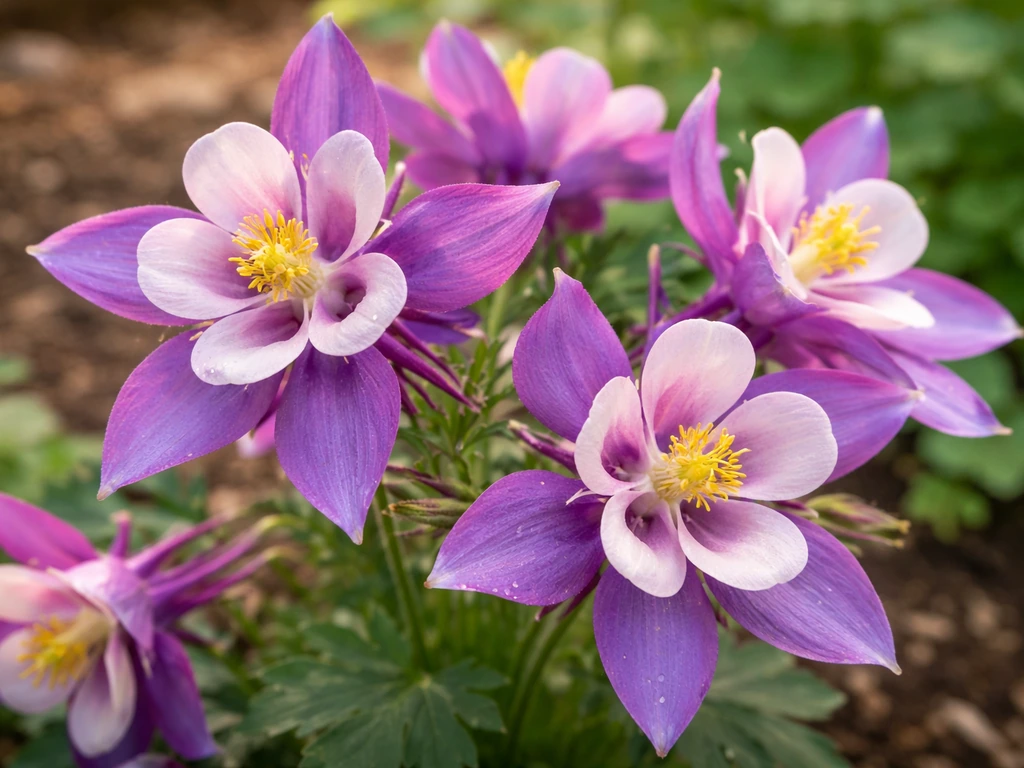
Columbine Flower How to Grow: Step-by-Step Guide
Step-by-step guide to grow columbine from seed to bloom, including planting, care, troubleshooting, and pest tips.
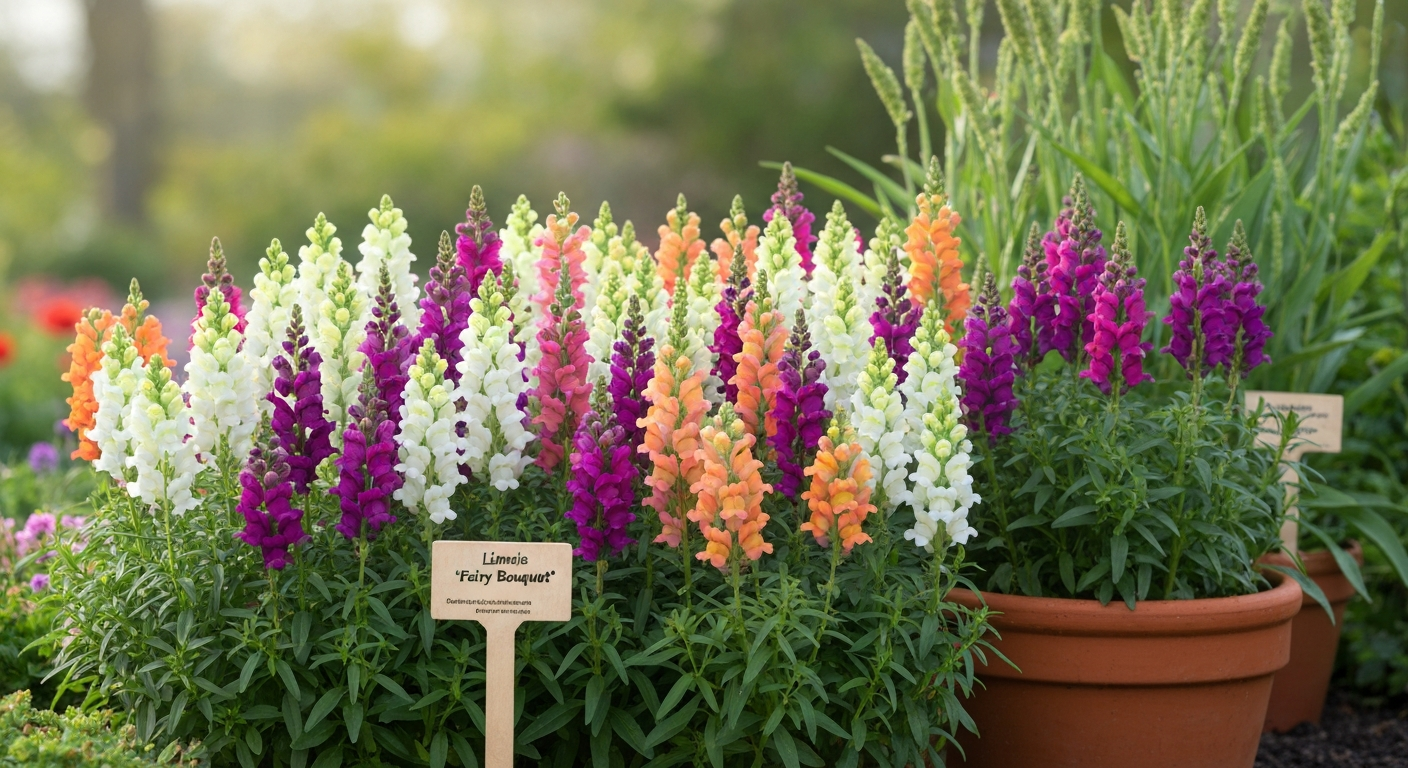
Linaria 'Fairy Bouquet' How to Grow: Seed to Cut Flowers
Grow Linaria 'Fairy Bouquet' from seed to vase: step‑by‑step sowing, care, cutting, seed saving & troubleshooting.
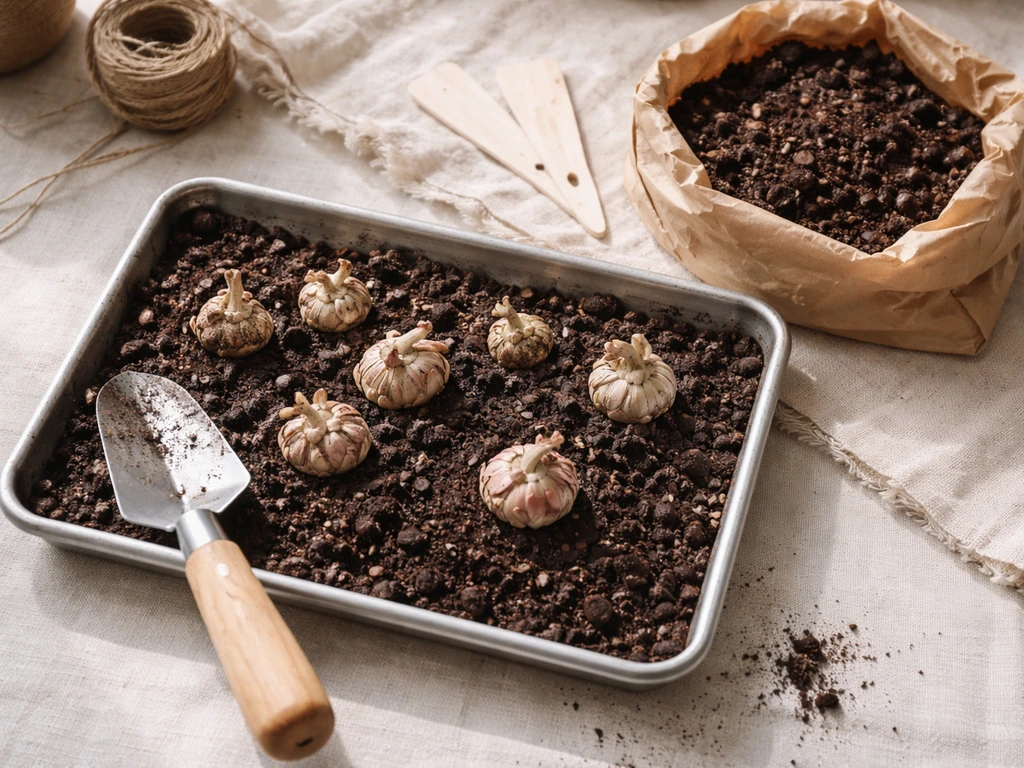
Floret How to Grow Ranunculus: Step-by-Step Guide
Step-by-step Floret-style ranunculus guide: corm prep, planting, watering, frost care, troubleshooting, and harvest for