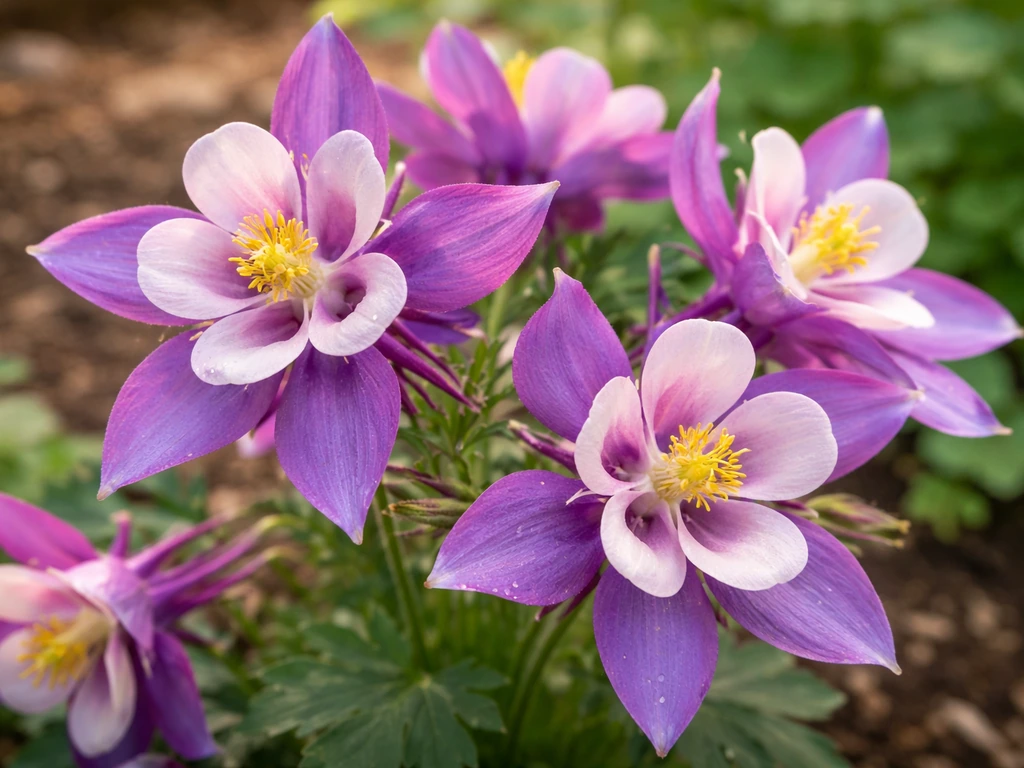
Columbine (Aquilegia) is one of those flowers that looks far more complicated to grow than it actually is. Skeleton flower how to grow focuses on the same fundamentals as columbine, especially light, timing, and well-drained soil. Those spurred, nodding blooms in electric purples, pinks, reds, and bicolors make it seem like something reserved for expert gardeners, but the truth is that columbine is a tough, adaptable perennial that practically begs to self-seed once it gets comfortable in your garden. Whether you're starting from seed or dropping in a transplant, here's everything you need to go from zero to first bloom.
Columbine Flower How to Grow: Step-by-Step Guide
James Holloway
19 Apr 2026
Columbine basics and choosing the right variety
There are two broad camps of columbine worth knowing about before you buy seeds or plants. First, there are the native North American species, especially Aquilegia canadensis (eastern red columbine). It's a woodland understory plant that grows 2 to 3 feet tall, blooms in red and yellow in late spring (April to May), and handles USDA Zones 3 through 8 with ease. It's genuinely tough, tolerates drought once established, and looks completely at home in naturalistic or shade gardens. If you're gardening in a partly shaded spot and want something low-maintenance, this is the one I'd recommend first.
The second camp is the hybrid columbines, like the popular Aquilegia x hybrida 'Spring Magic' series. These typically stay more compact, around 14 inches tall, and come in a huge range of colors including blue and white, pink and white, and more. Depending on the specific color variant, Spring Magic is listed as hardy in Zones 3 through 9, which covers most of the country. These are the showier, more formal-looking columbines you'll often see in cutting gardens and mixed borders.
For a beginner, an Aquilegia x hybrida mixed seed packet is a great starting point because you get variety without overthinking it. For a naturalistic or wildlife garden, go with Aquilegia canadensis. Both are rewarding, and both follow the same basic growing rules.
When to plant columbine (seed vs transplants)
Timing matters a lot with columbine, and your approach changes depending on whether you're starting from seed or using nursery transplants. The short version: columbine is frost-sensitive as a young seedling, so transplant timing is pegged to your last frost date. But for seeds, you actually have more flexibility.
Starting from seed indoors
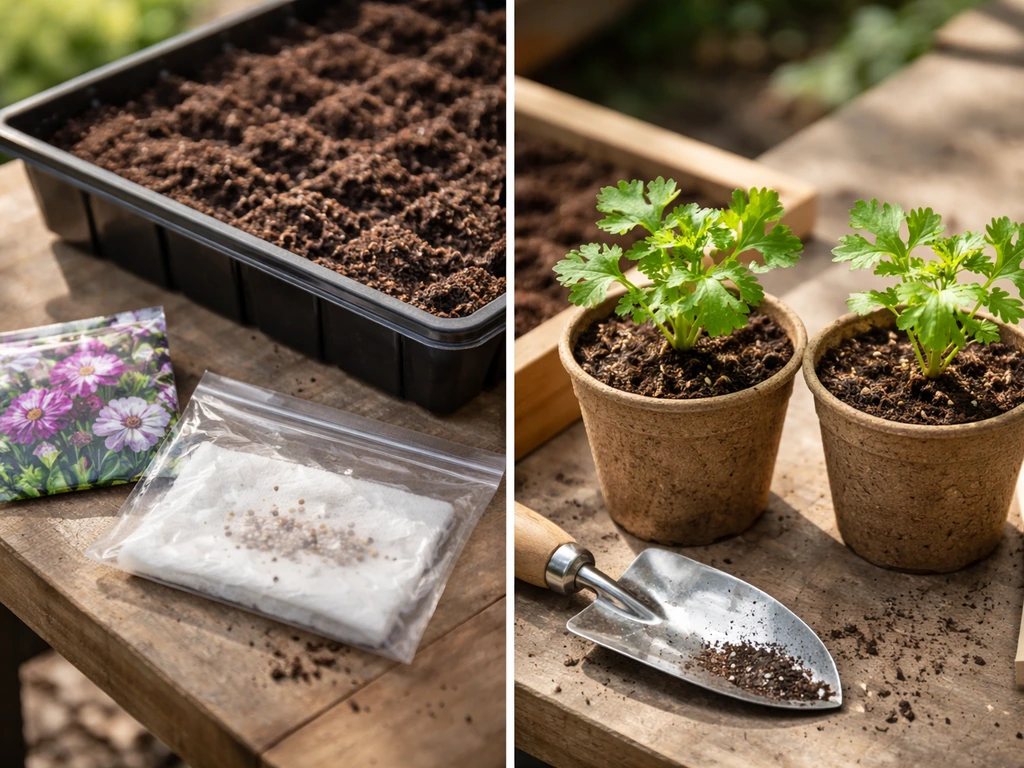
The most reliable indoor seed-starting strategy involves cold stratification. This is just a fancy term for tricking the seeds into thinking they've gone through winter before you ask them to germinate. I've had the best results starting columbine seeds indoors by giving them 3 to 4 weeks of cold storage at around 40°F (a regular refrigerator works perfectly), then moving them to warmer conditions of 70 to 75°F to germinate. Expect germination to take anywhere from 10 to 28 days depending on the variety and conditions. For the Spring Magic series specifically, one commercial reference pins germination at around 21 days at 70 to 75°F after an 8-week cold treatment.
In practical terms, for a spring garden in most of the US, start seeds indoors in late winter, around 8 to 10 weeks before your last frost date. Transplant outside after frost danger has passed. In the UK and similar climates, sowing in trays between January and May works well indoors.
Direct sowing outdoors
You can absolutely direct sow columbine in the garden, and honestly, this approach often produces the sturdiest plants. Sow in late spring to early summer (April through June in most temperate regions), or try a trick that many experienced growers swear by: sow in December and let the seeds sit outside through winter. The freeze-thaw cycles provide natural stratification, and you'll often get excellent germination come spring. Seeds can safely sit cold for longer than the minimum stratification period without harm.
Using nursery transplants
If you're buying potted columbine from a nursery, plant it out after your last frost date in spring. It's the most straightforward option for a first-time grower who wants results fast. Just be aware that transplants planted in spring may not bloom until their second year, depending on the plant's age and how it was grown.
Soil, site, and light requirements
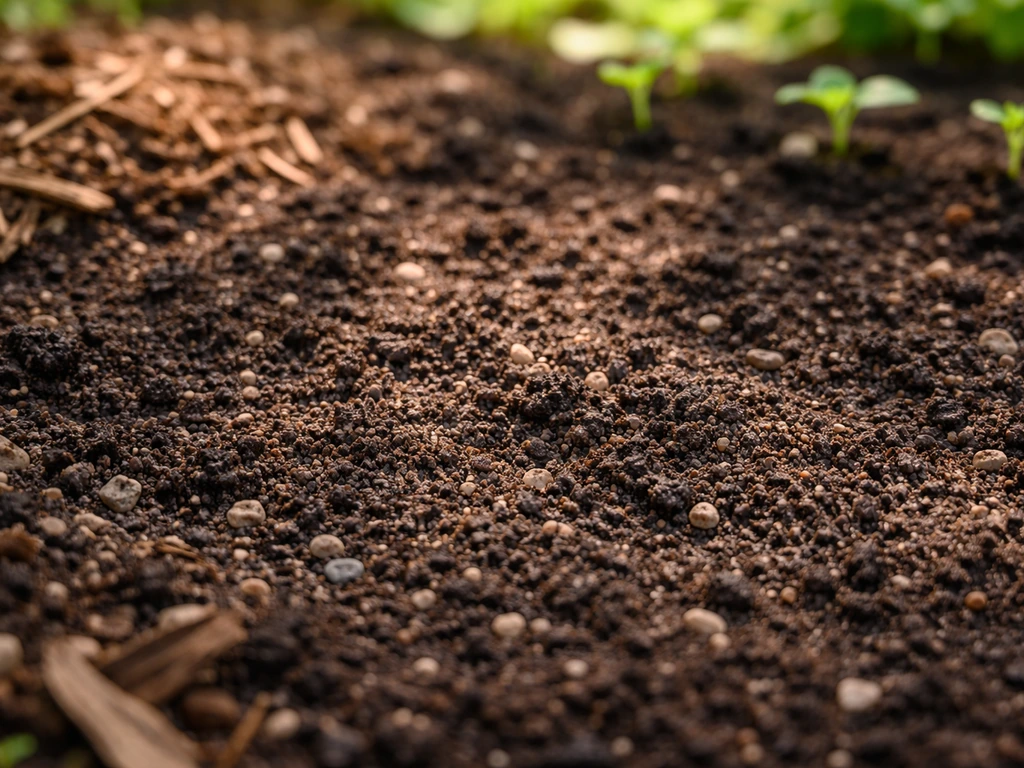
Columbine is not a difficult plant when it comes to soil, but it does have one firm requirement: good drainage. Waterlogged, compacted soil is the fastest way to kill a columbine. It will develop root rot or crown rot before you even realize something is wrong. The RHS describes the ideal soil as rich, moist, and free-draining, which basically means a soil that holds some moisture but never sits wet. If your soil is heavy clay, work in compost or perlite before planting.
In terms of pH, Aquilegia canadensis performs well in a slightly neutral range, around 6.7 to 7.2. Most garden soils fall in that window without amendment, so unless your soil is very acidic or alkaline, you probably don't need to adjust.
For light, columbine is genuinely flexible. The native Aquilegia canadensis is described as a part sun to shade plant and thrives in woodland-edge conditions. North Carolina State Extension's Plant Toolbox notes that Aquilegia canadensis is a blank" rel="noopener noreferrer">part sun to shade plant and prefers organically rich, moist soil. University of Wisconsin Extension notes that eastern red columbine does best in rich, moist soils while tolerating a wide range of soils as long as they are well-drained blank" rel="noopener noreferrer">Aquilegia canadensis does best in rich, moist soils. Hybrid varieties tolerate more sun but still prefer relief from harsh afternoon heat in hotter climates. As a general rule, aim for a spot with morning sun and afternoon shade, especially if you're gardening in Zone 6 or warmer. In cooler zones, full sun to part shade is fine. Good airflow around the plants is also worth thinking about because it reduces fungal problems down the road.
How to start columbine from seed (indoors and direct sowing)
Indoor seed starting: step by step
- Place seeds in a small sealed bag with a pinch of barely damp vermiculite or paper towel. Put the bag in your refrigerator (around 40°F) for 3 to 4 weeks minimum. For the Spring Magic series, 8 weeks is recommended for the best results.
- After cold treatment, fill small seed trays or 4-inch pots with a moist, well-draining seed-starting mix.
- Sow seeds shallowly, covering them to a depth no more than twice their own height, roughly 1/8 to 1/4 inch. Aquilegia canadensis specifically should not be planted deeper than about 1/4 inch.
- Note that columbine seeds need light to germinate. Keep trays in a bright location or under grow lights. Do not bury them deeply or stack trays on top of each other.
- Maintain a soil temperature of 70 to 75°F (21 to 24°C). Bottom heat from a seed-starting mat is helpful here.
- Keep the growing medium consistently moist but never soggy. Mist the surface gently rather than flooding the tray.
- Expect germination in 10 to 28 days. Don't give up too early. Columbine can be slow.
- Once seedlings have their first true leaves, thin them out so they're not crowding each other, and ensure good air circulation to prevent damping off.
Direct sowing outdoors
- Prepare the bed by loosening the soil 6 to 8 inches deep and mixing in compost if the soil is heavy or lean.
- Scatter seeds over the surface and press them lightly into the soil. A shallow covering of 1/8 to 1/4 inch of fine soil or vermiculite is enough. Seeds need light, so don't bury them.
- Water gently and keep the area consistently moist until germination.
- For winter sowing (December), just sow on the surface, water in, and let nature do the stratification work. Mark the area so you don't accidentally dig it up.
- Once seedlings appear and reach a couple of inches tall, thin to 12 to 18 inches apart.
Planting and care after germination (watering, mulching, spacing)
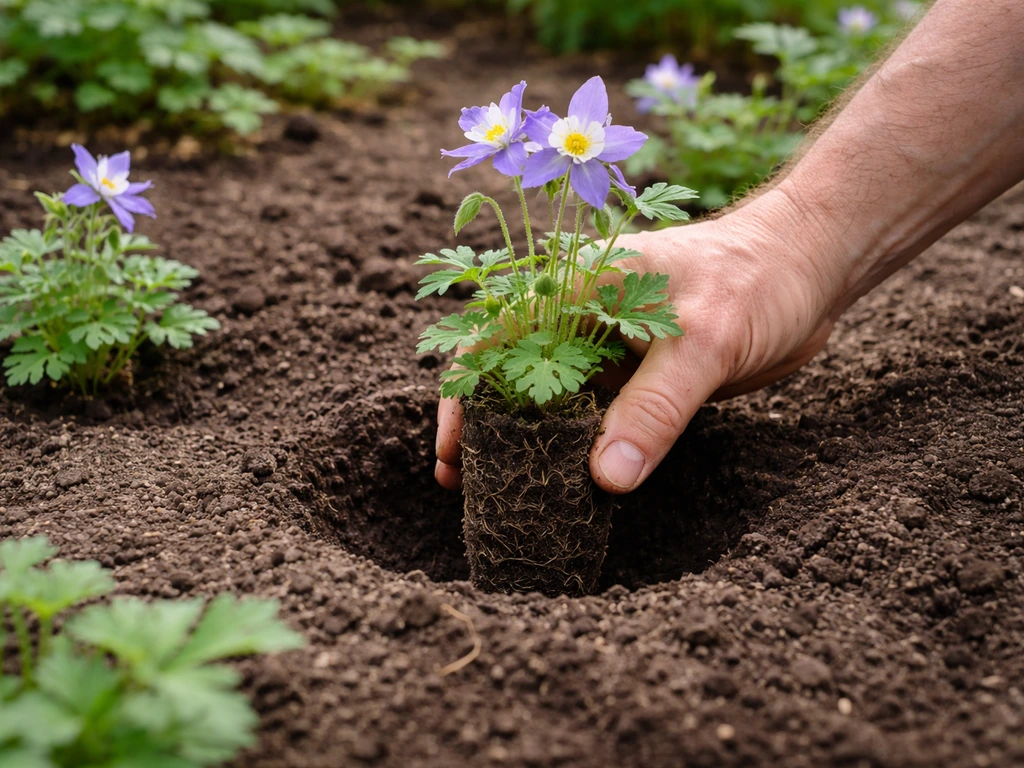
Once your seedlings are a few inches tall and have been hardened off (gradually introduced to outdoor conditions over 7 to 10 days), they're ready to go in the ground. Dig a hole slightly larger than the root ball. For transplants, the RHS and Park Seed both emphasize burying the roots properly, with roots placed about 1.5 to 2 inches deep for bare-root plants. For pot-grown seedlings, set the crown just at the soil surface, not deeper.
Space plants 12 to 18 inches apart. Columbine has a naturally mounding habit, and crowding leads to poor airflow and more disease problems. I've made the mistake of squeezing them in too tight before, and the plants in the center always struggle.
Water newly planted columbines well right after planting, then keep the soil consistently moist for the first few weeks while roots establish. After that, they're more drought-tolerant, especially the native species. The RHS recommends watering if the soil is dry during the growing season to encourage regrowth, particularly after flowering.
Mulching is genuinely worth doing. A 2-inch layer of organic mulch around the plants (keeping it away from the crown to prevent rot) helps retain moisture, regulate soil temperature, and suppress weeds. It also makes the whole bed look tidier, which is a small win that keeps you motivated.
Ongoing maintenance: fertilizing, deadheading, and dealing with problems
Fertilizing
Columbine doesn't need heavy feeding. If you've worked compost into the soil before planting, that usually carries plants through their first season. A light application of a balanced slow-release fertilizer in early spring is enough to keep established plants performing well. Avoid over-fertilizing with nitrogen, which tends to push leafy growth at the expense of flowers.
Deadheading and managing self-seeding
This is where you get to decide what kind of columbine garden you want. If you deadhead spent flowers promptly, you'll often encourage more blooms and prevent self-seeding. If you let the seed pods mature and drop, columbine will spread freely around the garden, which many people love. Hybrid varieties won't come true from seed (the offspring will be random mixes), but the results are usually beautiful anyway. Native species like Aquilegia canadensis do come relatively true and will naturalize nicely if you let them.
Common pests and diseases
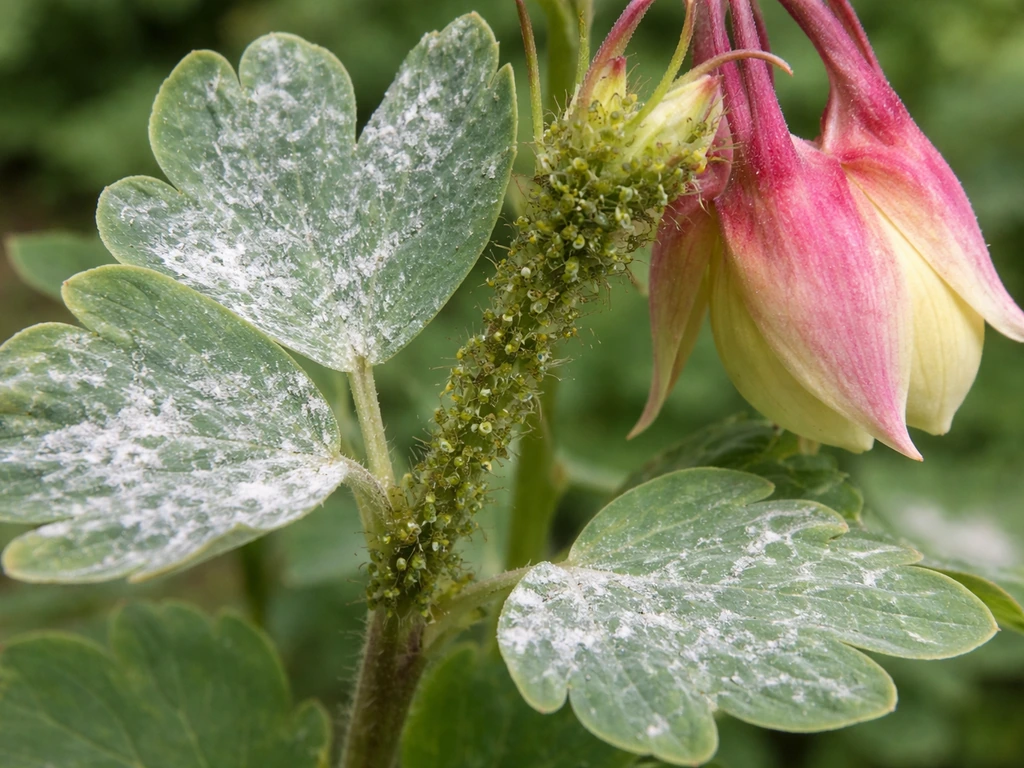
The two most common problems you'll run into are aphids and powdery mildew. Aphids cluster on new growth and flower stems. A strong blast of water from a hose knocks them off effectively, or you can use insecticidal soap for a heavier infestation. Check the undersides of leaves regularly in spring and early summer.
Powdery mildew shows up as white, talcum-like patches on leaf surfaces, usually in late summer when conditions are warm, humid, and airflow is poor. It rarely kills the plant outright, but it looks terrible. The best defense is prevention: good plant spacing, avoiding overhead watering late in the day, and keeping the area tidy. If you catch it early, a fungicide can help slow the spread. Plants that are heavily infected late in the season can be cut back to the ground. They'll often resprout from the base.
More serious but less common are pythium root rot and crown rot, both linked to waterlogged or poorly drained soil. If a plant suddenly wilts and collapses despite regular watering, pull it and check the crown and roots. Dark, mushy roots confirm rot. At that point, remove the plant, improve drainage in that spot, and don't replant columbine there for a season or two.
Troubleshooting and timing to bloom
Why seeds aren't germinating
The single most common reason columbine seeds fail to germinate is skipping or rushing the cold stratification step. If you sowed seeds in warm soil and got nothing after 4 weeks, that's likely the issue. Try cold-stratifying a fresh batch before your next attempt. Also double-check that you're not burying the seeds too deep. They need light to trigger germination, so a very shallow sowing is essential.
Why plants aren't blooming
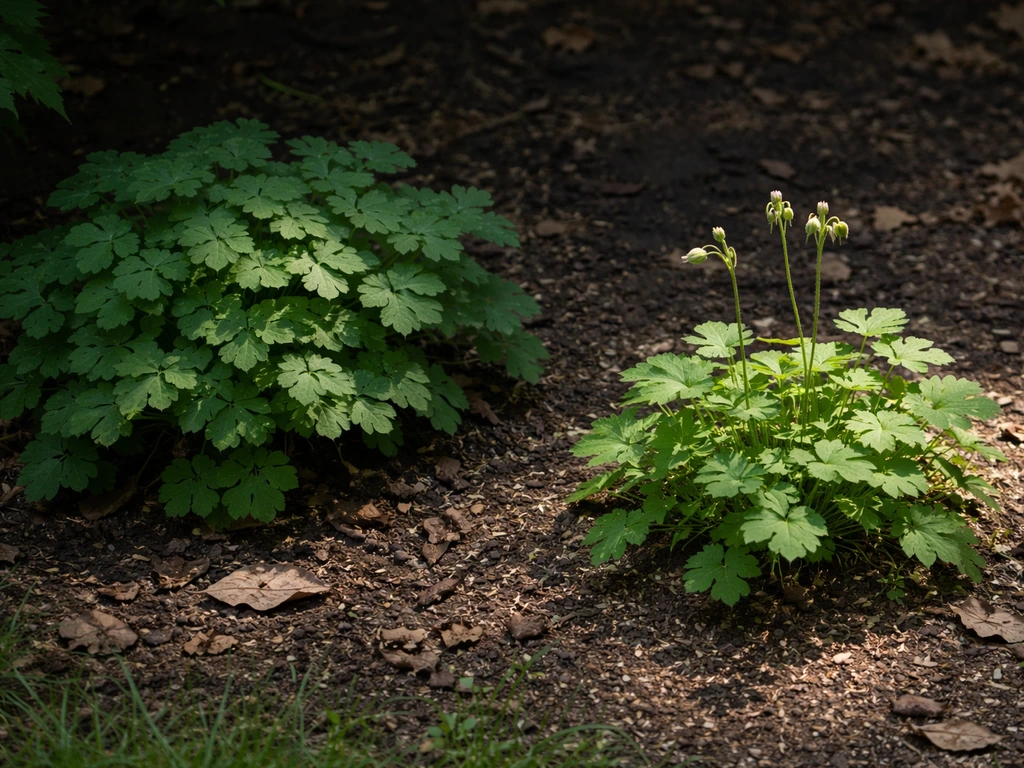
This is the most frustrating issue for first-time growers, and the answer is almost always the same: columbine often doesn't bloom in its first year from seed. Some varieties do, but many bloom reliably only in their second year. If you sowed seed in spring and saw only foliage that season, don't panic. Let the plant overwinter, and you'll very likely see flowers the following spring. If you want to try a Chinese wool flower instead, the same general timing and site-planning tips can help you get it growing and blooming chinese wool flower how to grow. Kadupul flower how to grow has a different set of light and care needs, so it helps to review those basics before you plant. If you're looking for a different flower to grow, plumeria flower how to grow guides can help you plan the right light, warmth, and soil too Chinese wool flower. That's completely normal behavior. Plants that were cold-stratified and given enough growing time before winter are more likely to bloom in year one.
If a second-year plant isn't blooming, consider light and fertilizer. Too much shade (especially in a spot that has gotten shadier as nearby plants have grown) will reduce flowering. Too much nitrogen will do the same. Also check that the plant isn't pot-bound or root-crowded if it's in a container.
Bloom timing expectations by variety and method
| Variety / Type | Typical Bloom Season | Height | Hardiness Zones | Bloom Year from Seed |
|---|---|---|---|---|
| Aquilegia canadensis (Eastern Red) | Late spring (April–May) | 2–3 ft | Zones 3–8 | Year 1 or 2 |
| Aquilegia x hybrida 'Spring Magic' | Spring | ~14 in | Zones 3–9 | Year 1 or 2 |
| Aquilegia vulgaris (Common Columbine) | Late spring to early summer | 1–3 ft | Zones 3–8 | Year 2 typical |
Your next steps right now
If it's currently April 2026 and you haven't started yet, you still have good options. You can direct sow outdoors now in most temperate zones (the soil is warming up), or pick up a potted nursery transplant and get it in the ground after your last frost. Starting from seed indoors at this point means skipping the cold stratification window for a spring sow, but you can still sow seeds now and let them establish as leafy plants through this season, then enjoy blooms next spring. Alternatively, direct sow in late May or June for natural summer conditioning and potential first-year blooms if your growing season is long enough.
Columbine rewards patience. Skeleton flowers (sometimes sold as a “skeleton flower”) need the same approach as other columbine-like ornamentals: start with the right light, well-drained soil, and timing for germination <a data-article-id="4DC10E4C-81EB-486E-A7E4-044A909D182A">skeleton flower how to grow. </a> Once it's established in the right spot, it will self-seed, spread gently, and come back year after year with very little effort on your part. The first bloom is always worth the wait. If you enjoy growing unusual or cottage-style flowers, it's also worth exploring other distinctive ornamentals like balsam flowers or wishbone flowers, which share some of columbine's preference for sheltered, part-shade spots and make great companions in a mixed garden bed. If you're also interested in trying something a bit different, see sadabahar flower how to grow for another option with its own light and watering checklist balsam flowers. If you want the full basics, learn how to grow wishbone flower step by step for light, soil, and timing wishbone flowers.
FAQ
How shallow should I sow columbine seeds for germination?
Yes, but use the right approach. Outdoors, spread stratified seeds on the surface of a prepared bed, then cover very lightly (you can use a dusting of fine compost, no thick layer). Indoors, keep seeds shallow in trays, because they need light to germinate. If you bury them deeply, germination often drops to near zero even if stratification was done correctly.
My columbine blooms, but I’m not getting many seed pods. What’s going on?
Check whether you need cross-pollination. Columbine can set seed with limited pollinator activity, but hybrids often depend more on insects to set good seed. If your plants are flowering but seed pods are sparse, make sure they are spaced for airflow and not hidden in dense shade, then avoid spraying insecticides during the bloom period.
Will columbine keep blooming year after year, or does it decline?
Columbine is usually short-lived, typically behaving as a perennial that reappears via self-seeding rather than staying vigorous for many years in the same spot. If you keep getting fewer blooms over time, it often helps to renew the patch by letting seedlings establish, or by thinning older plants every couple of years to improve airflow and prevent crown crowding.
How do I grow columbine in a pot without causing crown rot?
In containers, drainage matters even more than in the ground. Use a pot with drainage holes, fill with a free-draining mix, and avoid letting the pot sit in a saucer of water. Keep the crown at soil level (not buried), and water consistently while plants are establishing, then let the top inch of mix dry slightly between waterings to prevent crown rot.
What if my columbine is healthy but not producing flowers?
Part shade is usually best, but “too much shade” shows up as fewer buds rather than immediate leaf failure. Also, heat can suppress flowering, especially harsh afternoon sun, so in warm regions aim for morning sun with afternoon shade or filtered light. If your plant got shadier as nearby plants grew, that timing shift can explain why it stops blooming.
Can I save seeds from hybrid columbine and expect the same flowers next year?
Yes, but expect randomness for hybrids. If you save seed from an Aquilegia x hybrida, the offspring will not reliably match the parent color or form, because hybrid genetics re-mix. If you want predictable plants, buy transplants or keep a separate area for seed saving from native species (or from carefully identified parents you trust).
Why did my stratified columbine seeds fail after I moved them to warmth?
Raising seedlings too warm or too dry is a common reason for poor results. After stratification, germination is faster around 70 to 75°F, but the key is steady moisture without waterlogging. If the tray dries out or sits soggy, seedlings can stall or fail. Using a clear cover briefly can help, but vent it so airflow stays good.
When is the safest time to transplant columbine seedlings outside?
Timing matters for frost sensitivity and transplant stress. If you plant too early, young crowns can be damaged by late frosts. If nights are still cold, wait for your last frost date and harden off seedlings (7 to 10 days) so they handle outdoor temperature swings and wind.
Is it okay to mulch columbine, and how close can mulch be to the crown?
Yes, but apply thoughtfully. Mulch helps with moisture and temperature, just keep it away from the crown by leaving a small gap. A thick mulch layer pressed against the stem base can hold moisture and encourage rot, especially in cool, wet weather.
How often should I check for aphids and powdery mildew, and where exactly should I look?
A quick leaf-check schedule helps. Inspect for aphids on tender new growth and at the base of flower stems in spring, and look under leaves for early signs of powdery mildew. Catching powdery mildew early is important because you can sometimes prevent it from spreading widely before it becomes unsightly across the whole plant.
Next Articles
Linaria 'Fairy Bouquet' How to Grow: Seed to Cut Flowers
Grow Linaria 'Fairy Bouquet' from seed to vase: step‑by‑step sowing, care, cutting, seed saving & troubleshooting.
Floret How to Grow Ranunculus: Step-by-Step Guide
Step-by-step Floret-style ranunculus guide: corm prep, planting, watering, frost care, troubleshooting, and harvest for
How to Grow Your Own Wedding Flowers Step by Step
Step-by-step guide to grow bouquet-ready wedding flowers, from planning and sowing dates to harvesting, conditioning, an