
Wishbone flower (Torenia fournieri) is one of those underrated annuals that blooms nonstop from early summer right through the first fall frost, thrives in the shade where most flowers sulk, and practically takes care of itself once it gets going. Start seeds indoors 6 to 10 weeks before your last frost date, sow them on the surface of moist seed-starting mix (do not cover them, they need light to germinate), keep the mix at 72 to 80°F, and you'll see sprouts within two weeks. Transplant outdoors after frost risk has passed, tuck them into a part-shade spot with rich, consistently moist soil, and expect blooms in about 40 to 45 days from transplanting.
How to Grow Wishbone Flower From Seed to Bloom

James Holloway
28 Jun 2026
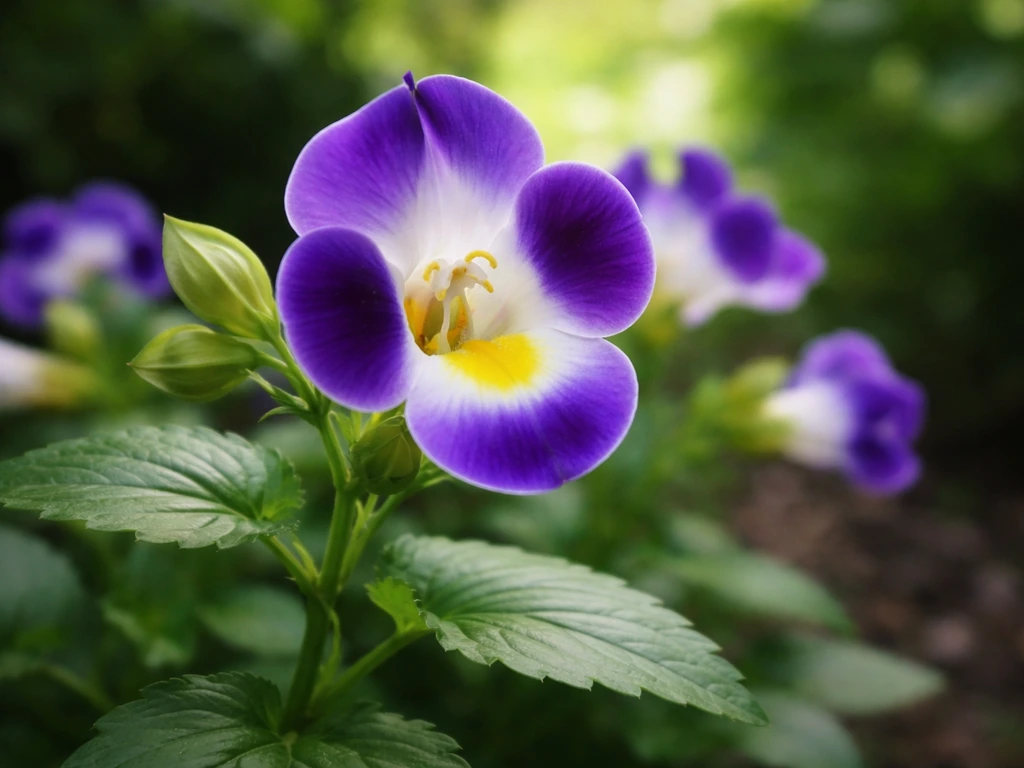
What wishbone flower actually is and where it shines in the garden
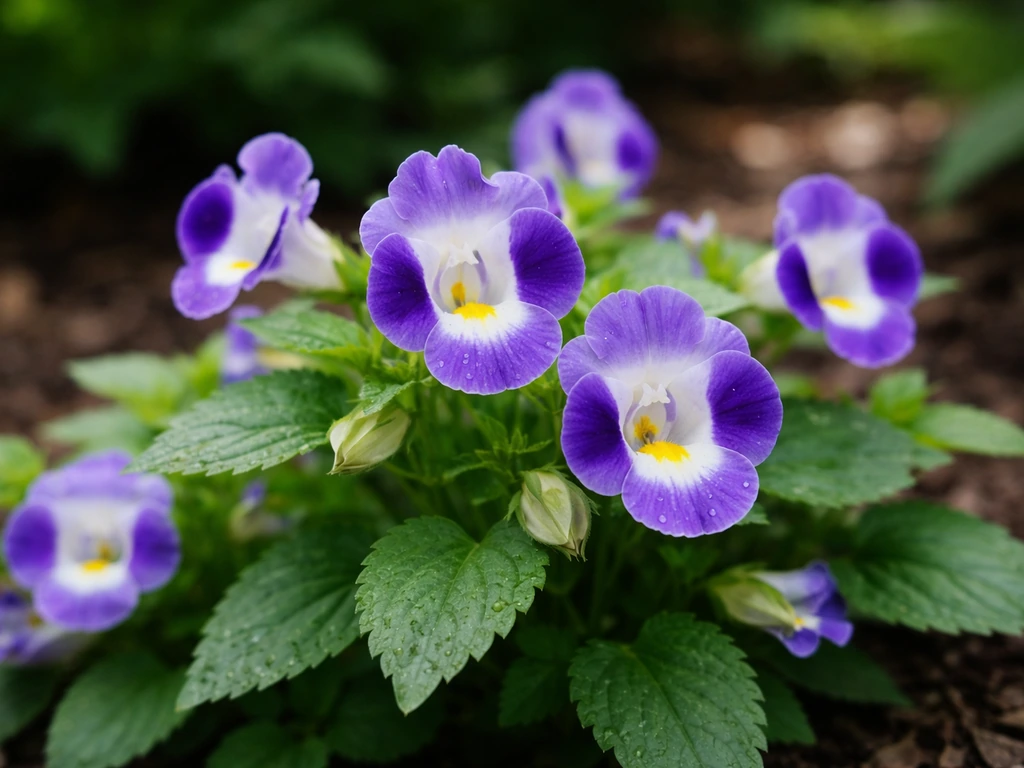
Torenia fournieri is a compact, bushy tender annual that tops out at about 6 to 12 inches tall. It gets its common name from the two curved stamens inside each bloom that look like a wishbone when you peer into the flower. The blooms themselves are tubular and two-toned, typically showing purple, pink, white, or magenta with a contrasting throat, and they come in dense clusters along the plant. It's a self-cleaning plant, meaning spent flowers drop on their own without you having to deadhead, and it just keeps pushing out new blooms from spring until frost.
Where it really earns its place is in blank" rel="noopener noreferrer">shady and part-shade spots that frustrate most flower growers. Think the north side of the house, under a tree canopy, along a fence that blocks afternoon sun, or in containers on a covered porch. It's a natural fit in mixed shade containers where you'd pair it with impatiens, begonias, or coleus. If you're growing other shade-tolerant flowers like columbine alongside it, wishbone flower fills in the mid-summer gap when columbine fades, keeping your shade bed colorful right through September. If you want to grow columbine too, follow a similar step-by-step columbine flower how to grow guide for the best results.
Best time to plant and the light and temperature it needs
Wishbone flower is a warm-season annual and absolutely does not tolerate frost. Plan your timing around your last frost date. For most of the US, that means you're not putting anything in the ground until late April through late May. The sweet spot for transplanting outdoors is one to two weeks after your last frost date, once soil has warmed up and nighttime temperatures are consistently staying above 50°F.
For light, treat it as a shade to part-shade plant. Morning sun with afternoon shade is the gold standard. It can handle a few hours of direct sun, especially morning sun, but hot afternoon sun in July and August will scorch the leaves, stress the plant, and kill flowering. That said, too much shade is also a problem: deep, all-day shade produces weak, leggy plants with fewer flowers. Aim for two to four hours of direct morning light and bright indirect light the rest of the day. If you're in the Pacific Northwest or another cooler, overcast region, you can push toward more sun since the intensity is lower.
Temperature matters a lot for both germination and flowering. Skeleton flower is a tender annual, so you’ll also want to start with warmed soil and steady moisture to get reliable growth Skeleton flower how to grow. Seeds germinate best between 72 and 80°F. Once plants are in the ground, they perform best when daytime temperatures are in the 70s and nights stay above 60°F. In climates with very hot, humid summers (think the Gulf Coast or Deep South), wishbone flower actually does remarkably well as long as it has shade from the afternoon sun and consistent moisture. In cooler climates with short summers, starting seeds early indoors is the key to getting a full season of bloom before frost shuts things down.
Starting seeds: indoors vs. direct sowing
You have two options here, and which one makes sense depends entirely on your climate and season length.
Starting indoors (recommended for most gardeners)
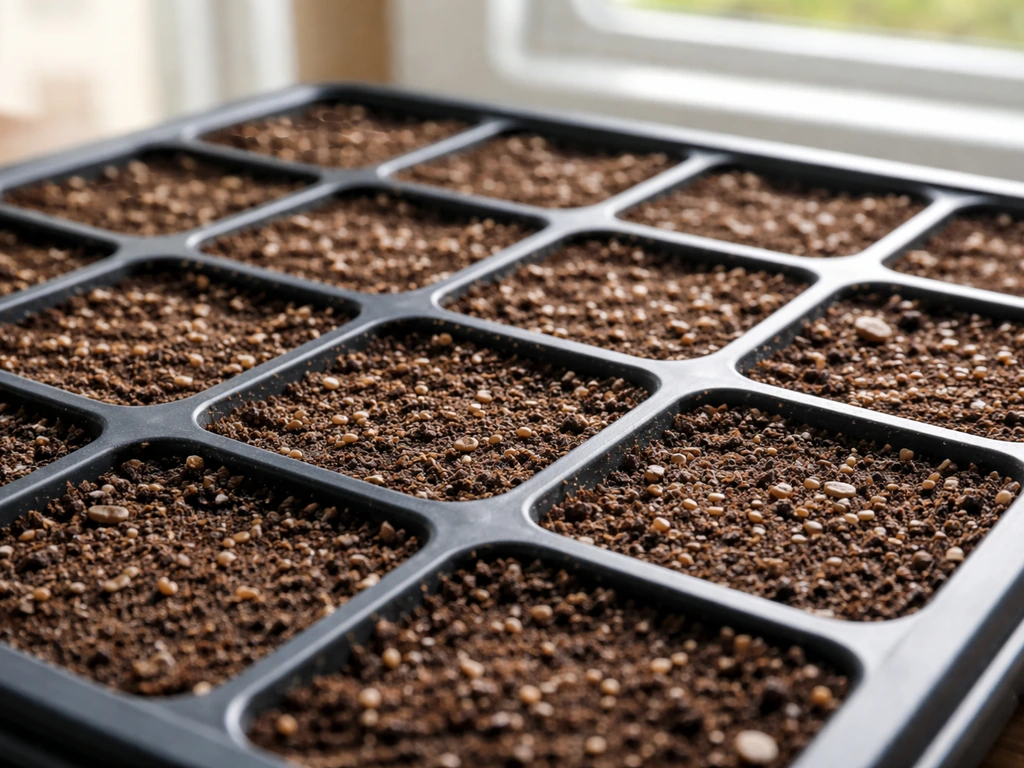
This is the approach I always recommend because it buys you 6 to 10 extra weeks of bloom time. If you're in a zone with a shorter growing season (zones 4 to 6), start indoors 8 to 10 weeks before your last frost date. If you're in a warmer zone with a longer season (zones 7 to 10), 6 to 8 weeks before last frost is plenty of lead time.
- Fill a seed tray or small cells with a fine, pre-moistened seed-starting mix. The mix should feel damp but not soggy.
- Press the seeds gently onto the surface of the mix. Do not cover them. Torenia seeds are tiny and require light to germinate, so burying them is one of the most common reasons they fail.
- Mist the surface lightly with a spray bottle to make sure seeds have good contact with the mix without washing them around.
- Cover the tray with a clear plastic dome or plastic wrap to hold humidity.
- Place the tray somewhere warm, ideally 72 to 80°F. A seedling heat mat works great here. A spot on top of the refrigerator or near a heat source also works.
- Check daily and mist if the surface looks dry. The key during germination is keeping the surface consistently moist without waterlogging.
- Expect germination in 10 to 14 days at the right temperature. Once sprouts appear, remove the dome and move to a bright location or under grow lights (14 to 16 hours per day).
- Thin to one seedling per cell once they have their first true leaves.
Direct sowing outdoors
Direct sowing works in warmer climates (zones 8 to 10) or in regions with long, warm growing seasons. Wait until after your last frost date and soil temperatures have reached at least 70°F. Prepare the bed, rake the surface smooth, and scatter seeds on top. Again, do not cover them. Press them into the soil surface with your hand or a flat board to ensure contact. Keep the soil consistently moist with a gentle misting daily until germination. The main downside to direct sowing is that bloom time arrives later, so in zones 5 and 6, you'd be flowering in August instead of June.
Transplanting and early seedling care
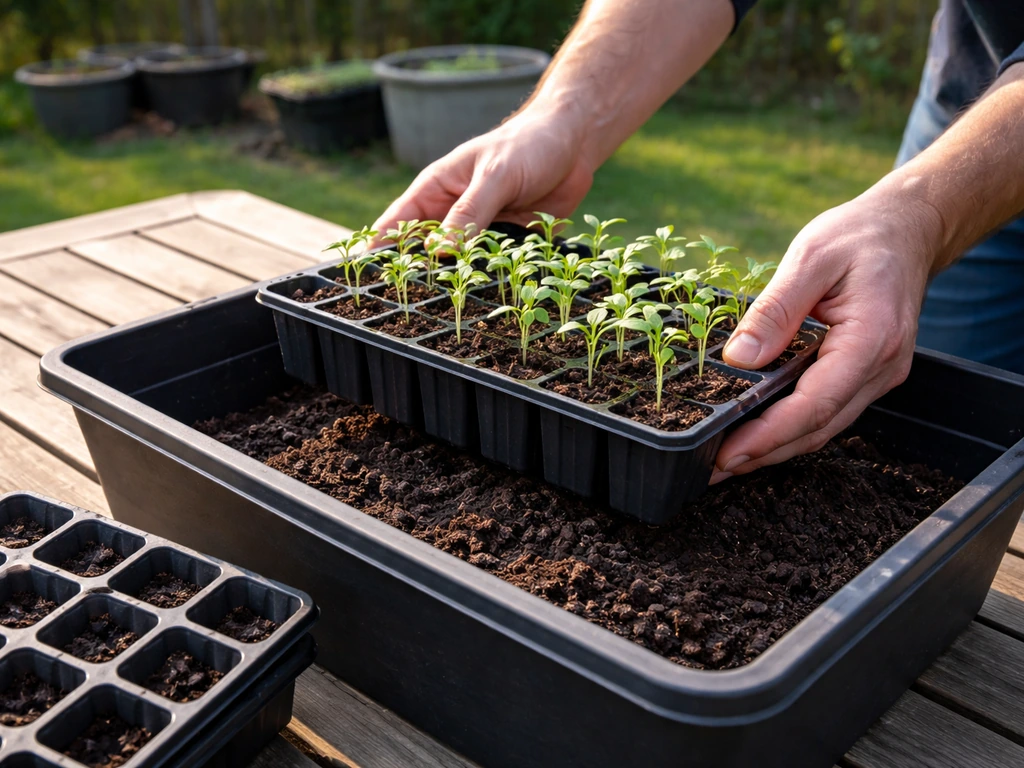
Before transplanting your indoor seedlings outside, you need to harden them off. This just means gradually introducing them to outdoor conditions over 7 to 10 days. Start by setting them outside in a sheltered, shady spot for a couple of hours, then bring them back in. Each day, leave them out a little longer and expose them to slightly more ambient light. By the end of the week and a half, they should be able to handle a full day outside without wilting or burning. Skip this step and you'll almost certainly see bleached, droopy leaves from sun and wind shock.
Transplant to the garden or containers one to two weeks after your last frost date, once nighttime temperatures are reliably staying above 50°F. Space plants about 6 to 8 inches apart for in-ground beds. For containers, you can plant them a bit closer, around 4 to 6 inches, since you're feeding and watering more intensively anyway.
At planting time, dig a hole slightly larger than the root ball, set the plant in at the same depth it was growing in its cell or pot, and firm the soil around the roots. Water in well. If you're planting into containers, mix a slow-release granular fertilizer into the potting mix at planting so the plant has a steady nutrient base from day one. For in-ground beds, work a couple of inches of compost into the top six inches of soil before planting.
In those first two weeks after transplanting, the plants are focused on establishing roots rather than putting on new growth. Don't panic if they look a bit still or even slightly stressed. Keep the soil moist and hold off on any heavy fertilizing until you see new growth actively pushing out.
Watering, feeding, and soil setup for nonstop blooms
Soil
Wishbone flower wants rich, well-draining soil that stays consistently moist. If you want to try something similar but different, a plumeria flower also needs well-draining soil and the right light to thrive plumeria flower how to grow. Think of it like a woodland plant: it's used to a shaded, humus-rich environment where moisture doesn't disappear quickly but roots don't sit in standing water either. For in-ground beds, amending with compost before planting does most of the work. For containers, a quality all-purpose potting mix with some added perlite (about 20 percent by volume) gives you the right balance of moisture retention and drainage.
Watering
Consistent moisture is non-negotiable for this plant. Let it dry out and it will drop buds and stop flowering. If you are also growing Chinese wool flowers, match the site conditions and follow the right sowing and care steps for best results Let it dry out and it will drop buds and stop flowering.. Water whenever the top inch of soil feels dry to the touch, which in hot summer weather might mean every day for containers and every two to three days for in-ground plants. Water at the base of the plant rather than overhead to keep foliage dry and reduce disease pressure. Mulching around in-ground plants with an inch or two of bark mulch or compost helps hold moisture and even out soil temperature swings.
Feeding
For in-ground plants that were planted into compost-amended soil, you can get away with a light application of balanced granular fertilizer (something like a 10-10-10) every four to six weeks through the season. For container plants, liquid feeding every two weeks with a balanced water-soluble fertilizer (like a 20-20-20 or a bloom-booster formula) keeps them performing at their best since nutrients flush out with each watering. Don't over-fertilize with high-nitrogen products or you'll get lush leaves and fewer flowers.
Encouraging flowering: pinching, deadheading, and heat tips
One of the best things about wishbone flower is that it's self-cleaning, meaning it drops its spent blooms without you having to remove them. You don't need to deadhead it to keep it flowering. That said, there are a couple of things you can do to keep plants compact and blooming at full intensity.
Pinch young plants when they're about 4 to 6 inches tall. Just nip off the growing tip of each stem with your fingers or scissors. This encourages the plant to branch out from lower nodes, creating a bushier, more compact form with more flowering stems. It's a small effort that pays off in a noticeably fuller plant.
If plants get leggy mid-season, which can happen in very shady spots or after a heat spell, cut them back by about half. It feels drastic but the plants bounce back quickly and often push out a fresh flush of blooms within a few weeks. This is basically a reset button for a plant that's gotten stretched and sparse.
On the heat front: wishbone flower actually handles heat and humidity better than many annuals, which is part of why it's so popular in the South. The trick is making sure it has afternoon shade and stays well-watered during the hottest weeks. If you're hitting a stretch of 95°F plus days, the plant may slow its blooming temporarily. Keep it watered, keep it shaded in the afternoon, and it will pick back up once temperatures moderate.
Troubleshooting common problems
Seeds won't germinate
The number one reason seeds don't germinate is that they were buried. Torenia seeds need light to germinate, so if you covered them with mix or soil, they likely won't sprout. The second reason is temperature: if the seed-starting environment is below 70°F, germination will be very slow or fail entirely. Check your soil temperature with a thermometer. The third culprit is letting the surface dry out between checks. The seeds are tiny and sitting on the surface, which dries faster than the mix below. Mist daily and use a humidity dome to keep conditions consistent.
Plants won't flower or flowering stops
If your plant is growing but not flowering, too much shade is the most likely cause. Bright indirect light is fine, but if the plant is in deep, all-day shade, it won't have enough energy to bloom well. Move it to a spot with morning sun. If the plant is getting light but still not flowering, check whether you've been fertilizing with a high-nitrogen product, which pushes leafy growth over flowers. Switch to a lower-nitrogen, higher-phosphorus formula. Also check that the plant isn't stressed from drought or root-bound conditions in its container.
Leggy, stretched plants
Legginess is almost always a light problem indoors or in the garden. Indoors, seedlings stretch when grow lights are too far away or the day-length is too short. Keep lights 2 to 4 inches above seedlings and run them for 14 to 16 hours per day. Outdoors, plants in very deep shade will stretch toward any available light. Pinch the growing tips early to encourage branching, and if a plant is already leggy, cut it back by half and move it to a slightly brighter spot.
Powdery mildew
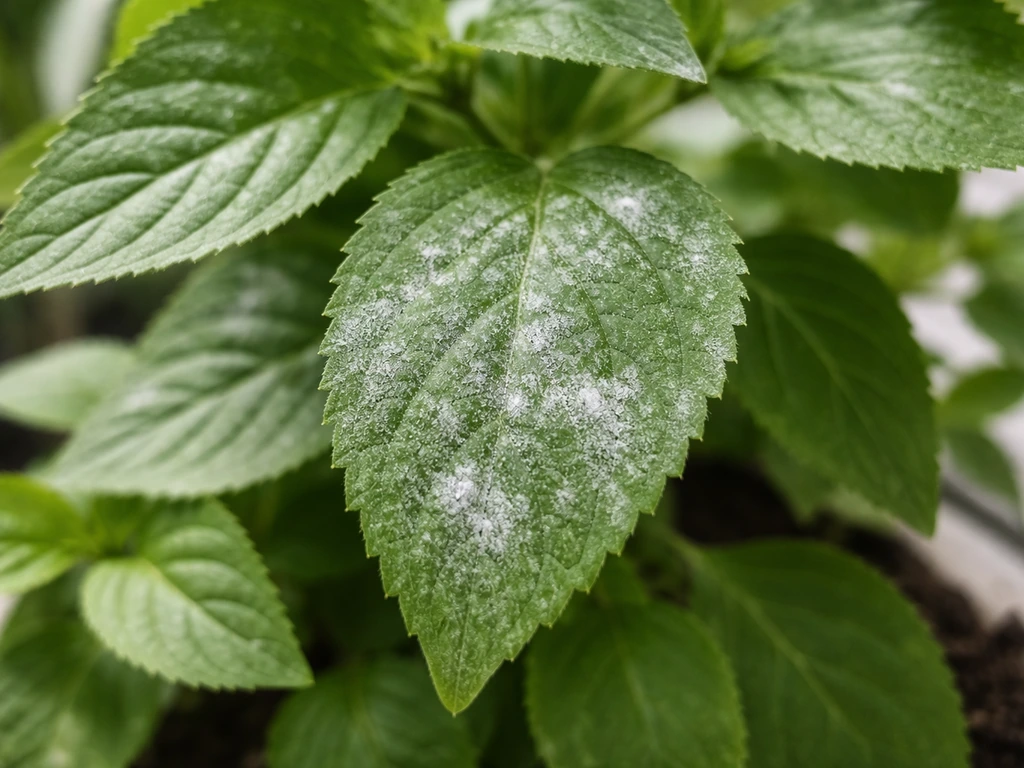
Powdery mildew (caused by Oidium sp. in Torenia) shows up as white, powdery patches on leaves and stems. Unlike most fungal diseases, powdery mildew doesn't need wet leaves to develop, so overhead watering isn't the only risk factor. It tends to appear when air circulation is poor and plants are crowded. Space plants adequately, thin out any crowded areas, and remove affected leaves promptly. Neem oil or a potassium bicarbonate-based fungicide applied at the first sign of infection usually keeps it in check.
Pests: aphids, whiteflies, and thrips
These are the three insects most likely to cause problems on wishbone flower. Aphids cluster on new growth and undersides of leaves; a strong blast of water knocks most of them off, and repeated applications of insecticidal soap (covering the undersides of leaves thoroughly) clean up persistent infestations. Whiteflies can be trickier, especially in greenhouse or container settings; yellow sticky traps help monitor populations, and insecticidal soap or neem oil applied to leaf undersides is the first line of treatment. Thrips cause silvery streaking or distortion on leaves and flowers; removing heavily affected plant parts and applying insecticidal soap or spinosad helps. With all three pests, catching them early makes control much easier.
Wilting despite watering
If your wishbone flower wilts even when the soil is moist, check the roots. Consistent overwatering in a poorly draining pot or soil that stays soggy can cause root rot, which prevents roots from taking up water even when it's available. The fix is to improve drainage and scale back watering frequency. For containers, make sure drainage holes are open and functioning. If the plant is in a saucer, empty it after watering so the pot isn't sitting in standing water.
Your planting timeline and grower checklist
Here's how the whole season breaks down from seed to nonstop bloom. Use your last frost date as the anchor point for all timing.
| Timing | What to do |
|---|---|
| 8–10 weeks before last frost (zones 4–6) | Sow seeds indoors on surface of moist mix, no covering, at 72–80°F with a humidity dome |
| 6–8 weeks before last frost (zones 7–10) | Sow seeds indoors using same method; shorter lead time needed in warm climates |
| 2 weeks after sprouting | Move seedlings under grow lights 14–16 hrs/day; thin to one per cell; begin pinching tips at 4–6 inches tall |
| 1–2 weeks before last frost (hardening off) | Set seedlings outside in a sheltered shady spot for increasing hours each day over 7–10 days |
| Last frost date + 1–2 weeks | Transplant to garden or containers; amend soil with compost; add slow-release fertilizer to containers |
| Weeks 1–2 after transplanting | Keep soil consistently moist; hold off heavy feeding until new growth appears |
| 40–45 days after transplanting | Expect first blooms; begin liquid feeding every 2 weeks for containers |
| Ongoing through summer | Water consistently; feed every 2–4 weeks; cut back leggy plants by half if needed |
| Mid to late summer | Monitor for powdery mildew and pests; treat early with insecticidal soap or neem oil |
| Until first frost | Plants continue blooming; enjoy the show until cold ends the season |
And here's a quick checklist to run through before you sow:
- Seeds are surface-sown, not buried
- Seed-starting mix is pre-moistened before sowing
- Temperature at germination spot is 72–80°F (use a heat mat if needed)
- Humidity dome is in place to keep surface moist
- Grow lights are ready for when seedlings emerge
- Transplant site has morning sun and afternoon shade
- Soil is amended with compost or potting mix has been prepped with slow-release fertilizer
- Hardening-off schedule is planned for the week before transplanting
- Watering routine is set to check soil moisture every 1–2 days
Wishbone flower rewards the gardeners who pay attention to two things above everything else: keeping seeds uncovered during germination and keeping soil moisture consistent once plants are in the ground. Get those two right and this plant genuinely takes care of most of the rest itself. If you are growing Kadupul flower, the same overall approach applies: start with the right warmth, give it bright light with protection from harsh afternoon sun, and keep moisture consistent while it establishes Get those two right. It's one of the easiest ways to fill a shady corner with color from June through frost, and once you've grown it once, it tends to become a permanent fixture in the rotation.
FAQ
How long do wishbone flower seeds stay viable, and should I test germination before sowing lots of them?
Fresh torenia seed generally germinates best, and older seed may still sprout but with lower rates. If your packet is old or you have limited seeds, run a small test by sowing a few on the surface of warm moist mix, misting daily, and checking at 10 to 14 days. If you get very low sprouting, adjust your sowing quantity rather than waiting all season.
Can I start wishbone flower directly in a window indoors instead of using grow lights?
It often stretches or stalls because indoor windows rarely provide enough consistent light intensity for seeds and seedlings. For reliable results, use grow lights or place seedlings under strong light with the lights held close (about 2 to 4 inches) and keep them on long enough each day (around 14 to 16 hours).
What’s the best way to water seedlings after germination without washing seeds away?
Because the seeds germinate on the surface, switch to gentle methods once they sprout. Use a fine mist or water from the bottom (tray method) so the surface is not disturbed. Avoid soaking so heavily that the top stays waterlogged, which can slow growth and encourage damping-off.
My wishbone flower seedlings look healthy but are slow to bloom. When should I worry?
A slow-to-bloom first flush is common if they are still establishing after transplanting, especially in cool weather. Wait until after they push new growth, then check light (too much shade is the usual reason), and review fertilizer type, high-nitrogen mixes can delay flowers. If nighttime temps are frequently below 60°F, blooming can lag until conditions warm.
Do I need to deadhead wishbone flower, or will it bloom without any pruning?
It is self-cleaning, so spent blooms usually drop on their own. If you see a lot of stuck, faded flowers, it may indicate drought stress or heat stress, fix watering and afternoon shade first. Deadheading is optional and mainly helps for tidiness rather than forcing new blooms.
Is wishbone flower safe to grow in containers that sit on a porch in partial shade?
Yes, as long as the container drains well and soil stays evenly moist. Use a pot with functioning drainage holes, keep it from drying out completely between waterings, and empty any saucer after watering. Containers in covered porches can also have cooler, dimmer corners, so prioritize morning light or brighter indirect light.
How much should I pinch, and when is the right time to pinch wishbone flower?
Pinch when plants are about 4 to 6 inches tall, remove the growing tip on each stem. If you pinch too early when stems are tiny, you may delay flowering. If the plant is already leggy, consider cutting back by about half rather than repeatedly pinching.
What can I do if my wishbone flower plants get leggy in the garden even though they’re not in deep shade?
Legginess can come from insufficient morning light, inconsistent moisture, or letting them run too long without branching. Give them brighter morning exposure, keep watering steady during hot spells, and use pinching or a one-time cutback by about half to trigger a new bushier flush.
Why are my wishbone flowers getting buds but dropping them before opening?
Bud drop usually points to moisture inconsistency, especially letting the top portion of the soil dry out. It can also happen after heat spikes or wind stress. Adjust watering to re-wet promptly when the top inch dries, and keep plants out of harsh afternoon sun and gusty locations.
How do I prevent powdery mildew without relying on chemical sprays?
Start with spacing so air moves through the canopy, remove heavily affected leaves early, and avoid crowding in containers. Since powdery mildew can develop even without wet leaves, prioritize airflow and don’t overcrowd. You can also switch to watering at the base and water in the morning to reduce overall leaf stress.
What’s the fastest way to diagnose root rot in wishbone flower?
If wilt happens despite moist soil, inspect drainage and roots. In containers, lift the plant and check for brown, mushy roots and a sour smell, healthy roots should be firm. Improve drainage by using fresh mix with extra perlite, ensure holes are clear, and reduce how frequently you water until new growth resumes.
Can wishbone flower be overwintered, or should I treat it as a one-season plant?
It is a tender annual, frost will kill it, so in most climates you should expect to replant each year. If you live in a very mild area and can protect it from frost, you may keep it going longer, but it will not behave like a true perennial outdoors in cold seasons.
Next Articles
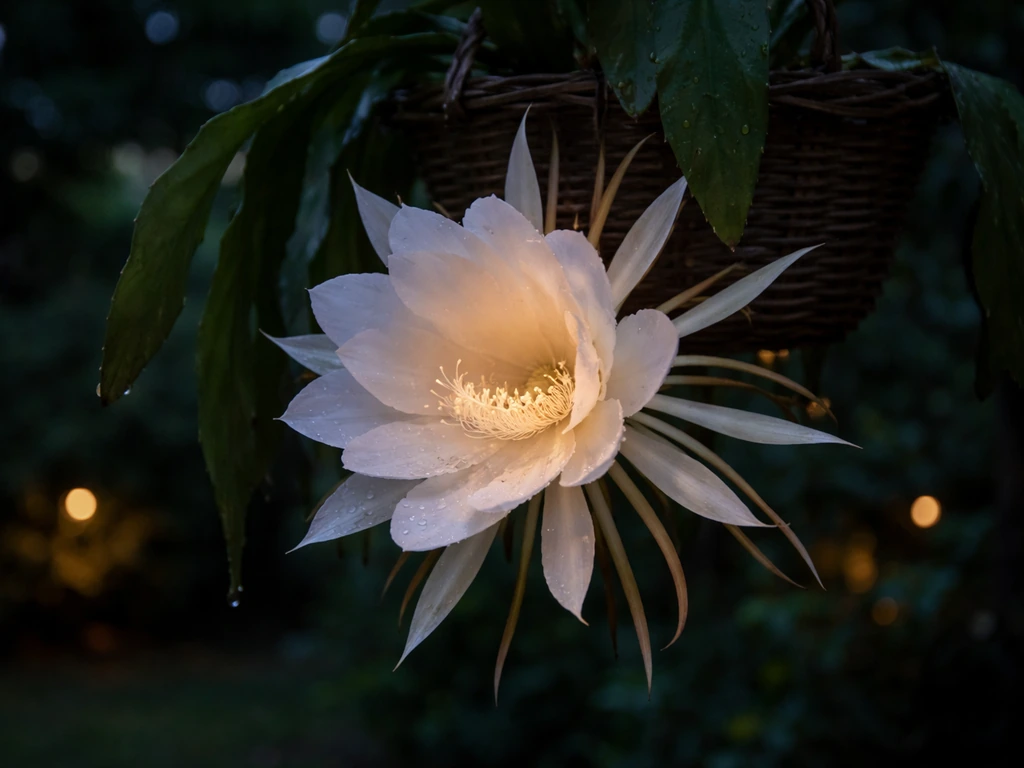
Kadupul Flower How to Grow: Step-by-Step Night Bloomer Care
Step-by-step guide to grow kadupul flower night-blooming cactus from cutting or seed, with care, watering, soil, and fix
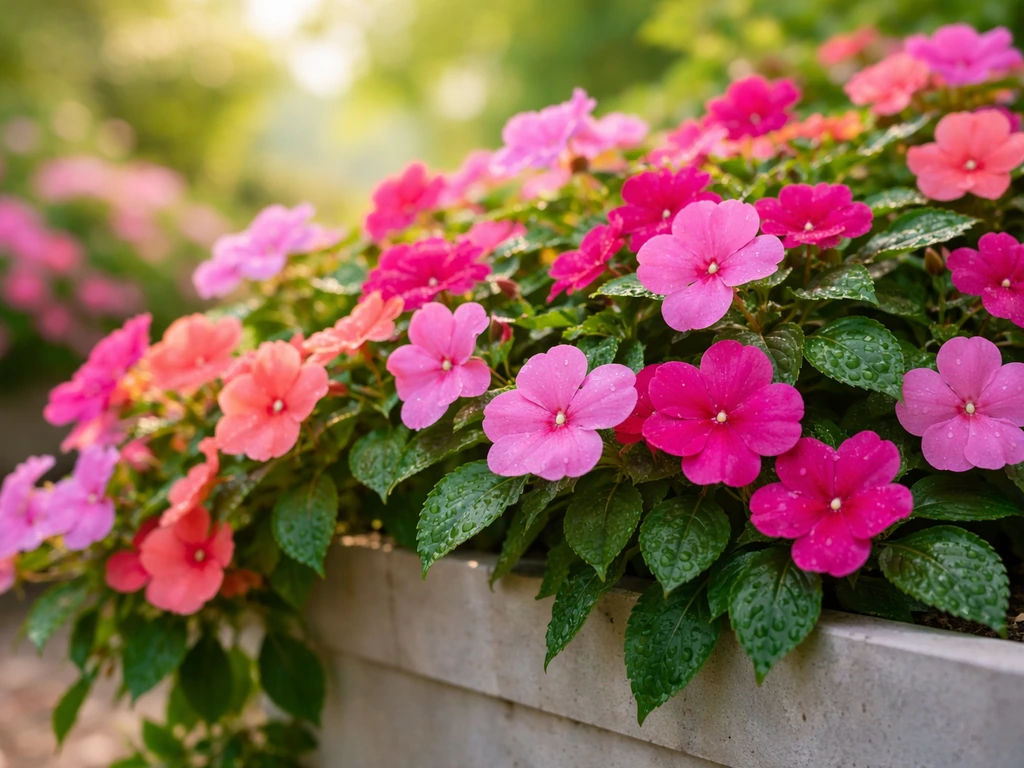
Balsam Flowers How to Grow: Seed to Bloom Guide
Step-by-step balsam flower growing guide: pick the right type, start from seed, transplant, care, troubleshoot, bloom.
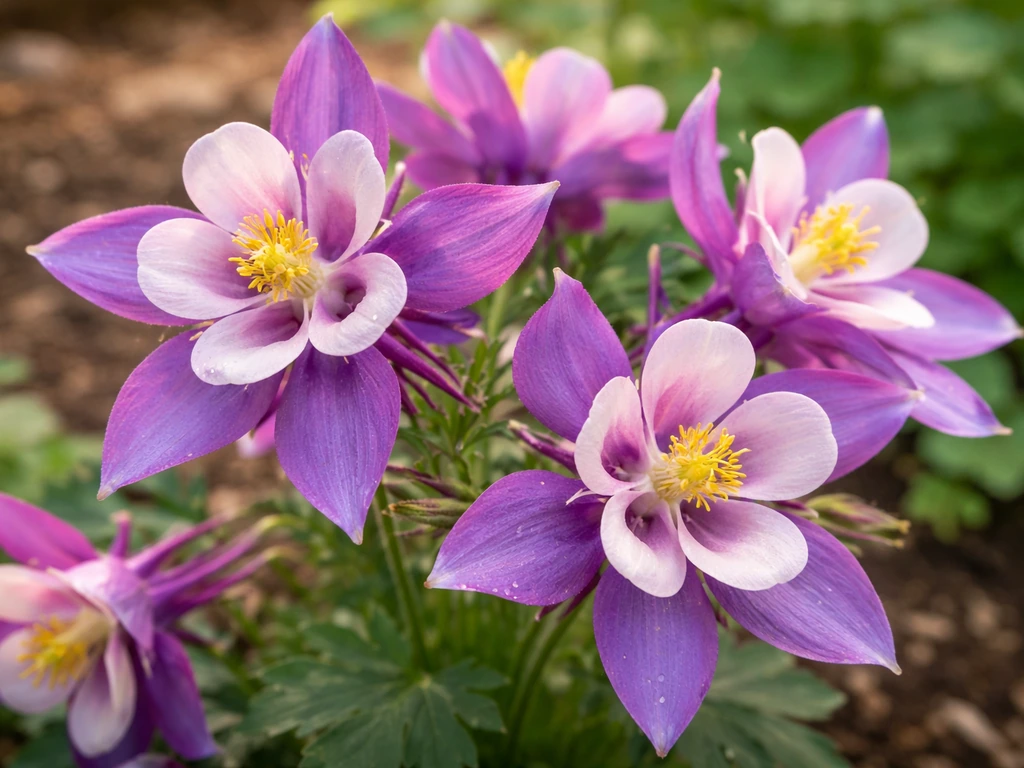
Columbine Flower How to Grow: Step-by-Step Guide
Step-by-step guide to grow columbine from seed to bloom, including planting, care, troubleshooting, and pest tips.