
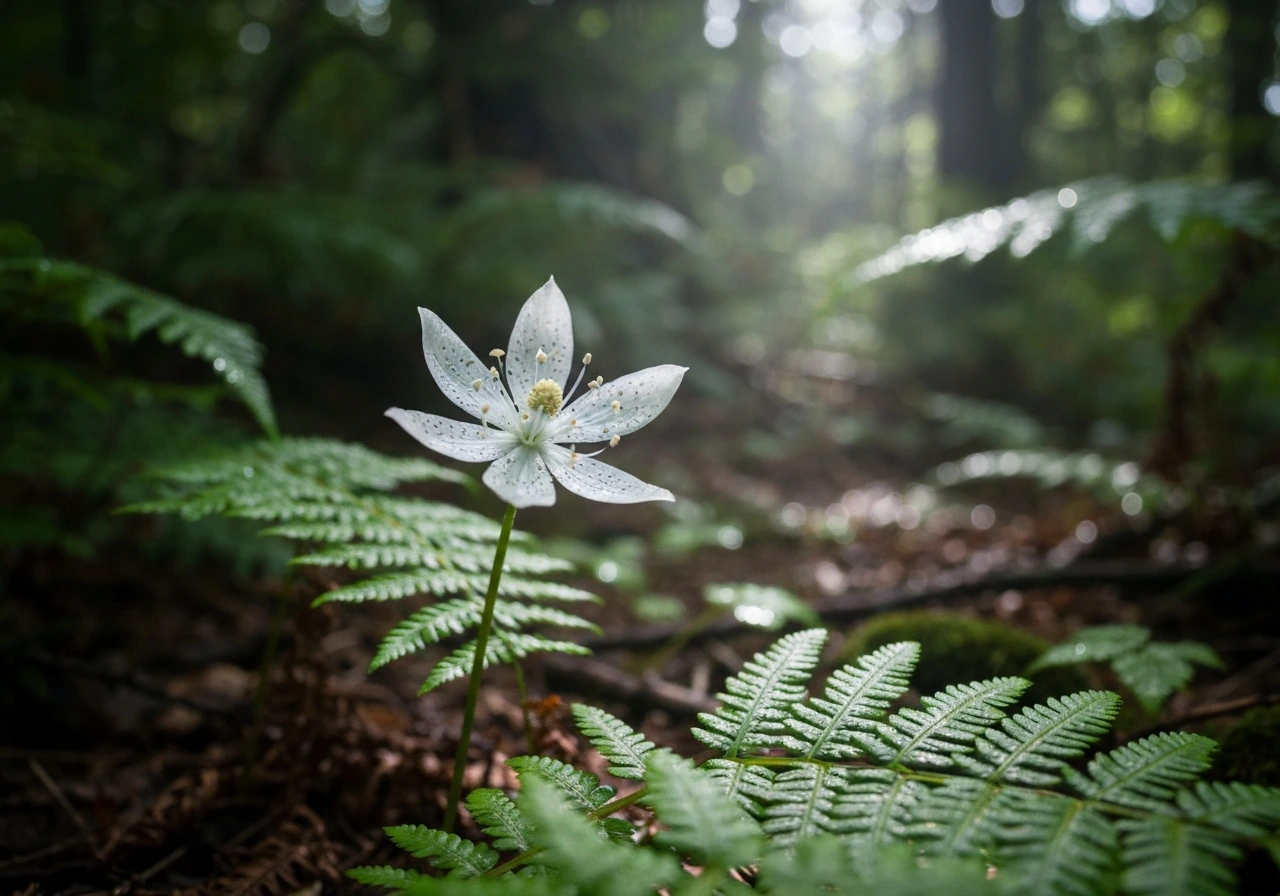
Skeleton flower (Diphylleia grayi) is a woodland perennial that grows best in cool, shaded spots with consistently moist, rich soil. If you're looking for harlequin flowers how to grow guidance, keep their light and moisture needs similar to woodland plants and start with the right seed setup. Start seeds with cold stratification (or sow them outdoors in autumn and let winter do the work), plant them in dappled shade under trees, keep the soil damp but never waterlogged, and you can expect blooms after a couple of growing seasons. It takes patience, but the payoff is genuinely spectacular: those white petals turn completely transparent when wet, which is as magical as it sounds.
Skeleton Flower How to Grow From Seed to Bloom
James Holloway
6 Jul 2026
Getting to know skeleton flower
Diphylleia grayi is native to the cool, forested mountains of northern and central Japan. That origin tells you almost everything you need to know about how to grow it: it wants woodland conditions, not a sunny border. In the wild it grows under a forest canopy where it gets filtered light, consistent moisture from leaf litter and rain, and protection from harsh afternoon sun. Recreate those conditions in your garden and it will thrive. Ignore them and it will struggle.
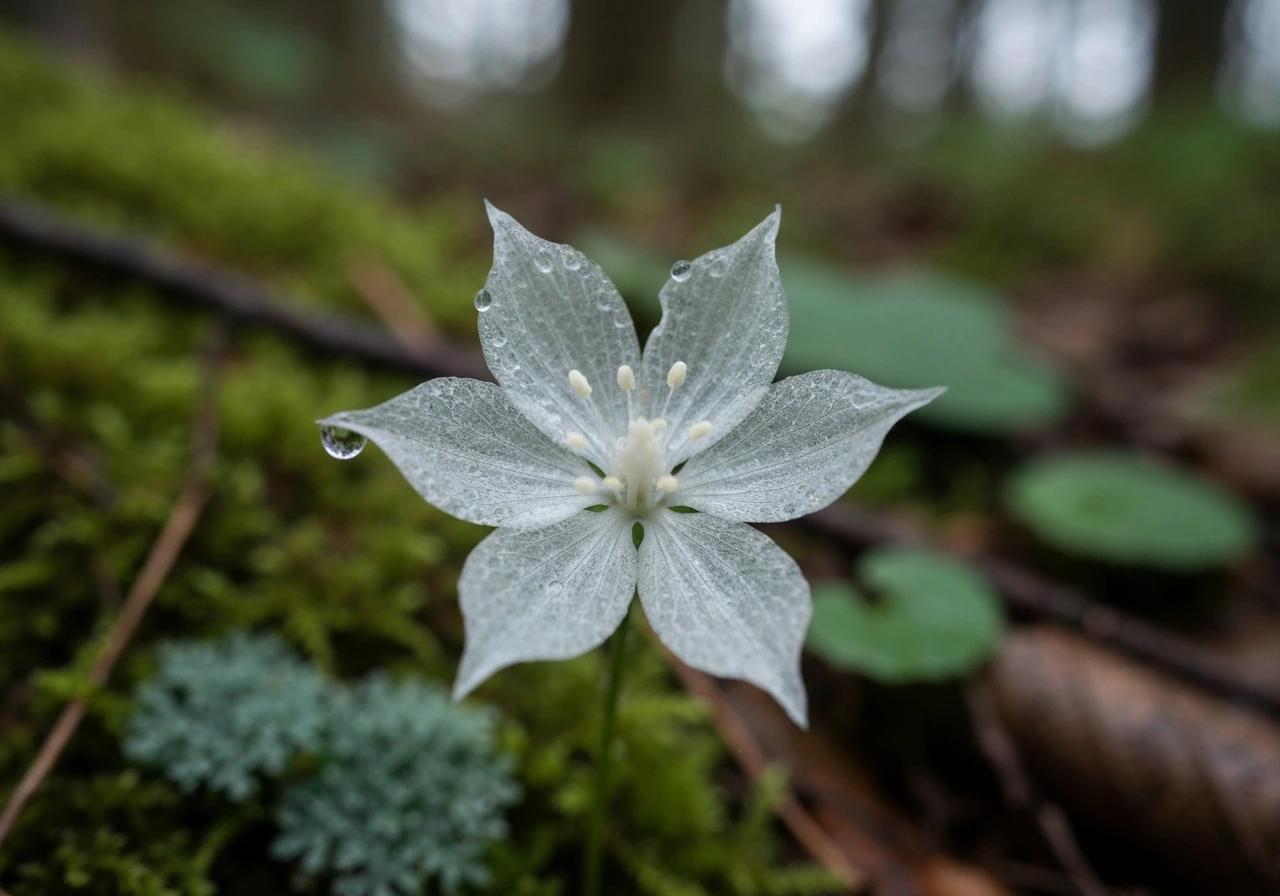
It's hardy from USDA Zone 4 (down to around -34°C / -30°F) through Zone 9, so most temperate gardeners can grow it outdoors year-round. It's a slow-to-establish perennial, meaning you won't see blooms in year one from seed. But once it's settled in, it comes back reliably and spreads slowly over time. The reason people seek it out is that visual trick: the white petals become translucent the moment rain hits them, turning the flower into something that looks like it's made of glass. It's genuinely one of the most interesting plants you can grow.
When to plant skeleton flower
Timing depends on whether you're starting seeds indoors or sowing directly outside. Either way, cold stratification is non-negotiable. If you are also searching for columbine flower how to grow, note that many cool-season seeds benefit from a similar cold treatment before sowing cold stratification. The seeds have a dormancy requirement that needs a period of cold and moisture before they'll germinate. Skip that step and you'll get very little to show for it.
Starting indoors
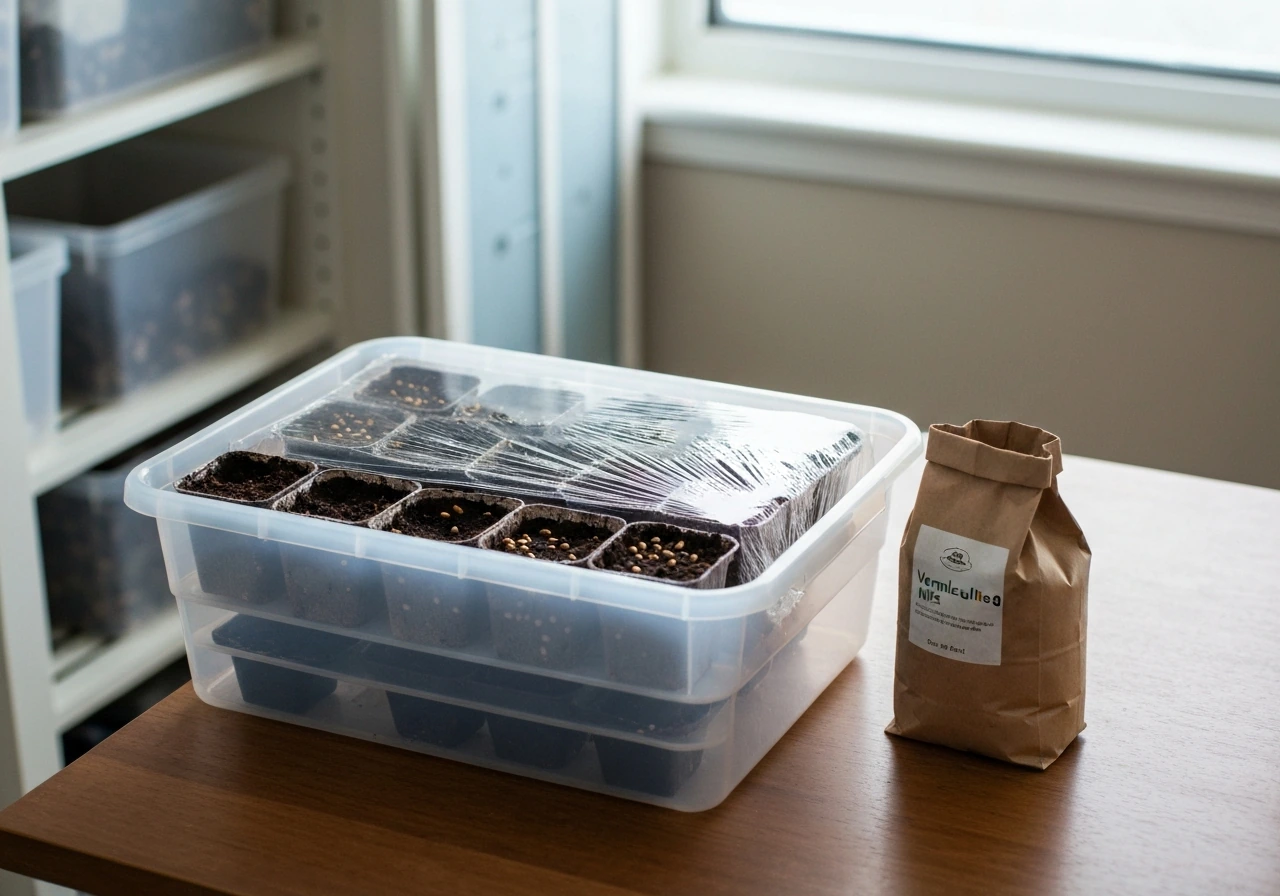
If you want to start seeds indoors, begin cold stratification in late autumn, around October or November. Mix seeds with slightly damp vermiculite or seed-starting mix in a zip-lock bag, seal it, and place it in the refrigerator for 60 to 90 days. That puts germination timing around January or February, with seedlings ready to move outside after the last frost in spring.
Direct sowing outdoors
Honestly, direct autumn sowing is the easier and more reliable method for most gardeners. Sow seeds in your prepared bed in September or October and let the winter weather do the stratification work for you. You won't see anything happen until spring, which can feel unsettling, but those seeds are just doing what they need to do underground. Mark the spot clearly so you don't accidentally disturb them.
Soil, light, and watering setup
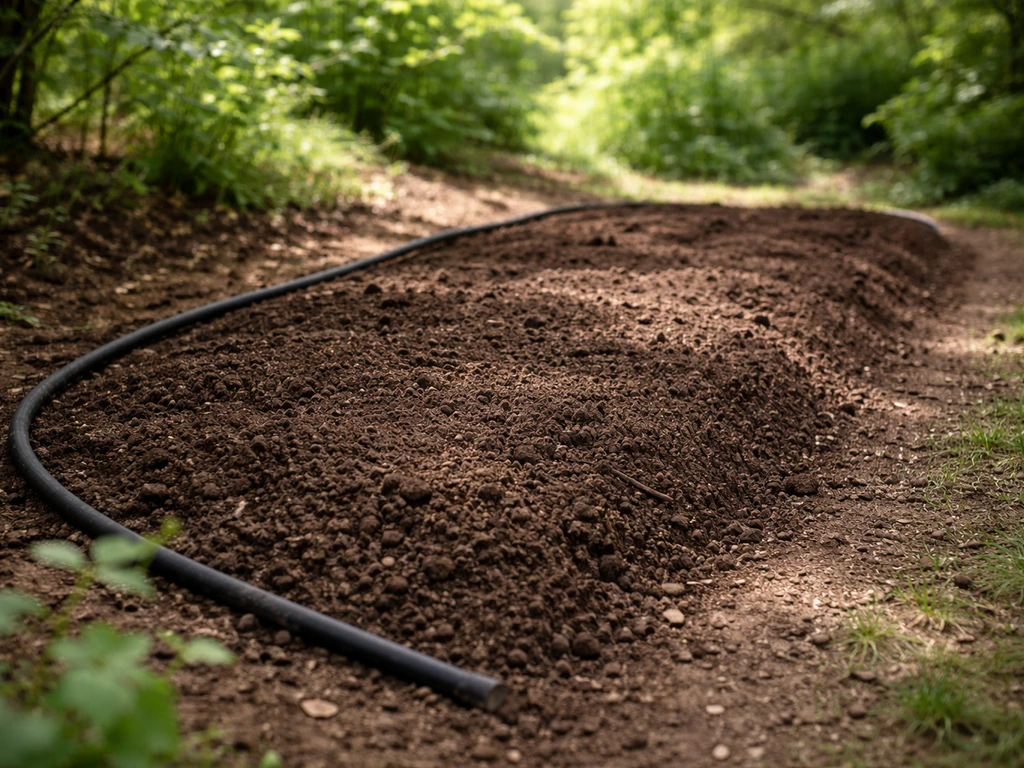
Getting the site right matters more for skeleton flower than almost any other step. This plant will not forgive a sunny, dry spot, no matter how well you tend it otherwise.
Light
Partial shade or dappled light under a tree canopy is ideal. Balsam flowers how to grow also starts with getting the right light and consistently moist soil, then maintaining steady care as they establish. Think of a north-facing bed, the shaded side of a building, or underneath deciduous trees where light filters through in the morning but the spot stays shaded through the hot afternoon. Direct sun will scorch the large leaves and stress the plant. If you're growing it near other shade lovers like columbine, you're probably already thinking about the right kind of spot.
Soil
Skeleton flower wants rich, humus-heavy soil that drains well but stays consistently moist. If you're wondering about sadabahar flower how to grow, focus on getting the soil, moisture, and light balance right from the start. Think woodland floor. Work in plenty of compost or leaf mold before planting. The soil should hold moisture without becoming waterlogged. Heavy clay that sits wet will rot the roots; sandy soil that dries out between waterings will stress the plant. A loose, loamy mix with good organic content is the sweet spot.
Watering
Keep the soil evenly moist throughout the growing season. Skeleton flower does not like drying out. During dry spells, water deeply rather than with shallow, frequent sprinkles. In naturally humid or rainy climates it often needs little supplemental watering once established, especially under trees. Mulching with compost or leaf mold helps retain moisture and keeps the root zone cool, which this plant appreciates.
How to start from seed
Starting skeleton flower from seed takes longer than a lot of flowers, but the process itself isn't complicated once you know the steps. Here's the full sequence for the indoor method:
- In October or November, mix your seeds with a small amount of barely damp seed-starting mix or vermiculite in a sealed zip-lock bag. The mix should be moist but not wet enough to drip.
- Label the bag with the date and place it in the refrigerator (not the freezer). Leave it for 60 to 90 days. Check occasionally to make sure the mix hasn't dried out.
- In January or February, move the bag somewhere warm (around 18 to 21°C / 65 to 70°F) and watch for the first signs of root emergence over the following few weeks.
- Once seeds start to sprout, transfer them into small pots or cell trays filled with well-draining, moist seed-starting mix. Plant at a shallow depth, about 5mm (¼ inch) deep, and press gently.
- Place pots in a bright spot away from direct sunlight. A north-facing windowsill or under grow lights works well. Keep the soil consistently moist but not soggy.
- Germination can be slow and uneven. Don't give up if nothing appears for two to three weeks after potting. Some seeds take longer.
- Seedlings are ready to transplant outdoors once they have two or three true leaves and overnight temperatures are consistently above freezing, typically late spring.
Don't be discouraged if germination rates are lower than you'd get with easier flowers like marigolds or snapdragons. Even experienced growers see patchy germination with this species. Sow more seeds than you think you'll need.
Direct sowing vs transplanting: what to choose
| Method | Best for | Pros | Cons |
|---|---|---|---|
| Autumn direct sow | Most gardeners in Zones 4–9 | Easiest, lets winter stratify naturally, no indoor setup needed | Long wait before seeing results, need to mark the spot, vulnerable to slugs early on |
| Indoor stratification + transplant | Gardeners wanting more control, colder or warmer climates outside the typical range | Control over germination conditions, earlier start in spring, easier to protect seedlings | More steps, fridge space needed, risk of transplant shock if done carelessly |
For most gardeners, autumn direct sowing is the recommendation. It mimics what happens naturally in this plant's native habitat, requires no special equipment, and produces stronger seedlings that haven't been stressed by transplanting. The indoor method makes sense if you want tighter control, if your winters are extremely variable, or if you're working with expensive or hard-to-find seed stock and want to maximize every seed's chances.
If you go the transplant route, harden off seedlings for at least a week before moving them to their final spot. Set them outside in a sheltered location for a few hours each day, gradually increasing exposure. Transplant on a cool, overcast day to reduce shock, water in well, and keep the soil consistently moist for the first few weeks.
Growing care after planting
Spacing
Give plants around 30 to 45 cm (12 to 18 inches) of space. Skeleton flower has large, dramatic leaves that need room to spread without competing for light and moisture. Overcrowding also reduces airflow, which can invite fungal issues in the consistently moist conditions this plant needs.
Thinning

If you direct sowed and several seedlings emerge in one spot in spring, thin to the strongest one per area. It's a hard thing to do when you've waited all winter to see anything grow, but crowded seedlings will all underperform. Snip the extras at soil level rather than pulling, to avoid disturbing the roots of the one you're keeping.
Feeding
Skeleton flower isn't a heavy feeder. If you’re also wondering how to grow wishbone flower, the key is to match its soil, light, and watering needs to avoid stress and support steady growth. If you planted into rich, compost-amended soil, you may not need to fertilize at all in the first season. In subsequent years, top-dress around plants with compost in early spring as new shoots emerge. If growth seems slow or foliage looks pale, a light application of a balanced slow-release fertilizer in spring can help, but avoid overdoing nitrogen, which pushes leafy growth at the expense of flowers.
Deadheading and encouraging blooms
Skeleton flower produces small white flowers in clusters, and removing spent blooms keeps the plant tidy and can encourage continued flowering. Snip faded flower clusters back to the nearest healthy leaf node. If you want the plant to set seed naturally for future propagation, leave a few spent flowers in place. In colder zones (4 to 6), apply a layer of mulch around the base in late autumn to protect the roots from harsh temperature swings, then gently remove it in spring once overnight temperatures are consistently above freezing and new shoots start to appear.
Common problems and how to fix them
Poor germination
This is the most common frustration with skeleton flower. The most frequent cause is skipping or shortcutting cold stratification. If you tried the fridge method and got almost nothing, extend stratification to 90 days minimum on your next attempt, and make absolutely sure the mix stays moist throughout. Old or improperly stored seed is also a factor. Buy from reputable sources and use fresh seed when possible.
Leggy or weak growth
If seedlings are stretching toward the light and looking spindly, they need more brightness without direct sun. Move indoor pots closer to the light source or lower your grow lights. In the garden, a plant that looks weak and drawn might be getting too much shade rather than too little. Dappled light is the goal, not deep shade. Also check that the soil isn't waterlogged, as overly wet roots will produce weak, yellowish growth even in otherwise good conditions.
Slugs and snails
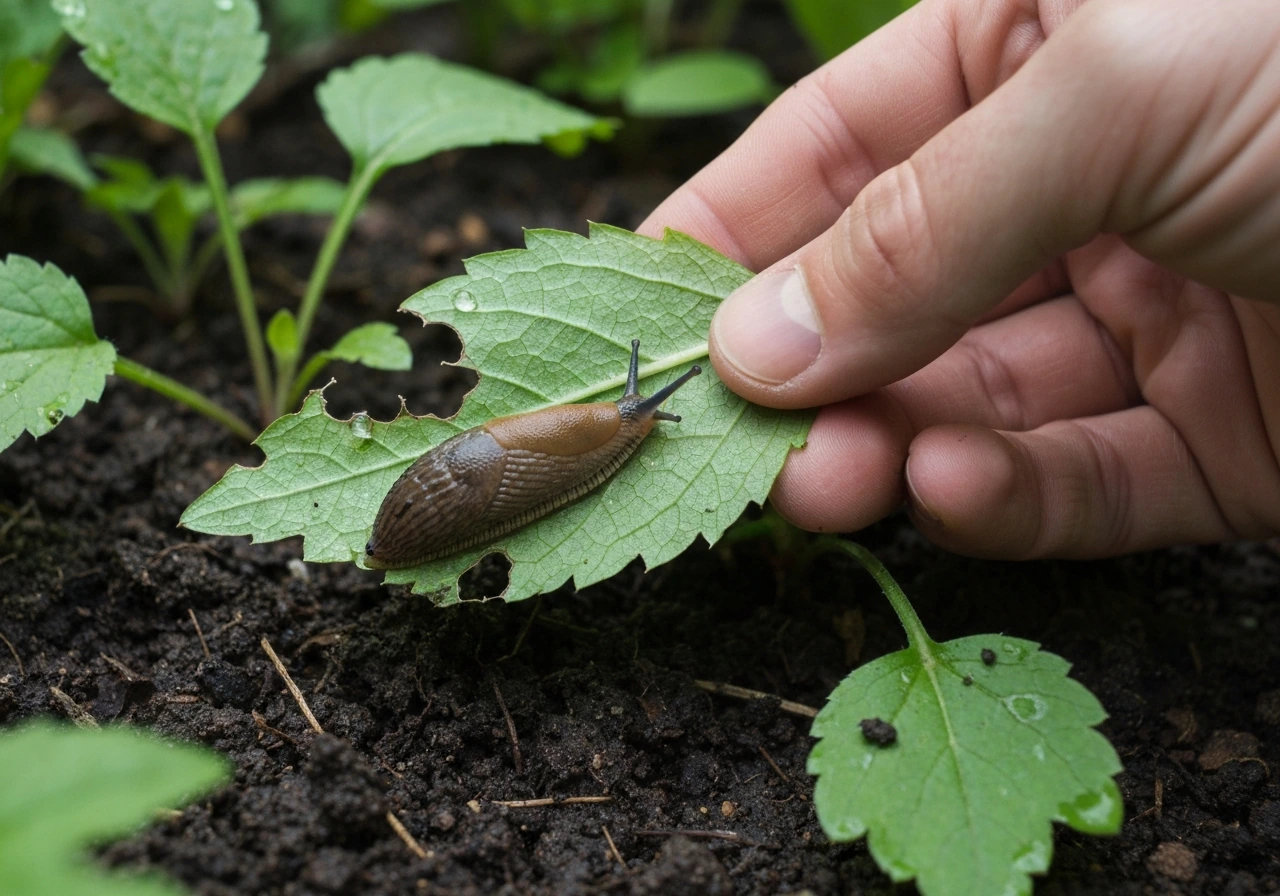
Skeleton flower's moist, shaded habitat is prime slug territory, and the large leaves are an obvious target. Seedlings are especially vulnerable. Watch for the classic signs: ragged holes in leaves, slime trails, and damage that appears overnight. Sprinkle diatomaceous earth or crushed eggshells in a ring around the base of plants as a deterrent. Check under leaves and around the base of plants in the evening or after rain when slugs are most active, and remove any you find by hand.
Fungal issues
Constantly moist soil combined with poor airflow can lead to fungal problems, particularly if plants are overcrowded. If you see gray mold, powdery residue, or spots on leaves, improve spacing and check that mulch isn't packed tightly against the crown of the plant. Water at the base rather than overhead to keep foliage as dry as possible. In most cases, improving airflow resolves the problem without needing to reach for fungicide.
Leaf scorch
Brown, crispy leaf edges usually mean too much direct sun or the soil drying out. Move the plant to a shadier spot if possible, or add more organic mulch to retain moisture. This is one of the clearest signs the plant isn't in the right location, and fixing the site conditions will do more than any amount of extra watering.
Your next steps right now
If it's late summer or early autumn (July through October), now is the perfect time to prepare your planting spot, amend your soil with compost, and plan your autumn direct sow. Source seeds now while they're easier to find. If you're reading this in late autumn or winter, start your cold stratification in the fridge immediately so seeds are ready for potting in January or February. If it's spring, focus on getting transplants hardened off and into their final shaded, moist location as soon as frosts are done. Wherever you are in the season, the single most important thing is nailing the site: shade, moisture, and rich soil. Get that right and skeleton flower will reward you in a way that very few plants can match. If you're also curious about plumeria, look up the basics of plumeria flower how to grow so you can match light and watering to its tropical needs.
FAQ
Can I grow skeleton flower in containers, and how should I handle watering to avoid rotting roots?
Yes, but be careful about how you water. Use a saucer only to catch runoff, not to leave the pot sitting in standing water. Let excess drain fully, then water again only when the top 2 to 3 cm (about 1 inch) of mix starts to feel slightly dry. This prevents root rot in pots where moisture holds longer than in the ground.
Do skeleton flowers need fertilizer, and what type should I use?
Very little. Once you’ve amended the soil with compost or leaf mold at planting, you may not need fertilizer in year one. If you do feed, use a light, balanced slow-release product in early spring and avoid high-nitrogen options, because they drive leafy growth while slowing or reducing blooms in later years.
What happens if I plant skeleton flower in too much shade, and how much light is enough?
No, it will not tolerate full shade. Look for filtered or dappled light (morning sun that stays gentle is usually fine), and avoid deep, unlit corners. If plants get too little light, they often look pale, weak, and spindly even when soil moisture is correct.
My skeleton flower leaves are yellow. How do I tell whether it’s from too little water or too much water?
Watch for the crown staying wet. Yellowing that comes with slow, limp growth usually means waterlogged soil rather than “not enough water.” Improve drainage (add compost plus grit if your soil is heavy), and water less often but more deeply after the top layer loses some moisture.
Should I mulch skeleton flower, and how do I apply it so it doesn’t cause crown rot?
Remove mulch gently from the crown if it’s packed or touching the stem, especially in spring. Mulch that stays piled against the plant can trap moisture and reduce airflow, raising the odds of rot and fungal spotting in consistently damp conditions.
I followed the steps but got almost no seedlings. What troubleshooting should I do first?
Sow more than you need, and don’t panic if nothing appears for a long time. After proper cold stratification, germination can still be patchy, and seedlings may not show until the second half of spring. Keep the soil evenly moist and marked, then recheck that stratification timing and moisture levels were correct before repeating.
How can I protect skeleton flower seedlings from slugs, especially after they first emerge?
Yes, slug pressure often dictates whether you can get seedlings through the first season. If you see ragged holes or slime trails, start protection immediately after emergence, not after plants are larger. A ring barrier plus evening checks under leaves after rain typically works better than waiting for damage to be severe.
How often should I water skeleton flower once it’s established?
The main threshold is consistency, not absolute wetness. Aim for soil that stays damp under mulch and never puddles, then water deeply during dry spells. If your site stays humid under trees, you can usually reduce supplemental watering once established, but still check the top layer regularly during summer heat waves.
Will deadheading skeleton flower reduce seed production, and should I leave some flowers for future plants?
Yes. If you remove spent clusters selectively, leave some flowers if you want seed. If you want more blooms and less self-seeding, deadhead regularly by cutting back to the nearest healthy leaf node, and avoid leaving overly wet, decaying flower parts in the foliage.
How long should it take skeleton flower to bloom after starting from seed, and what growth signs should I look for?
It’s normal for skeleton flower to be slow to bloom from seed. A good sign of success is steady leaf growth and healthy, not-stretched foliage. If you see no growth at all beyond the first flush, usually the issue is site conditions (too sunny or too dry) or insufficient stratification on the seed batch.
Next Articles
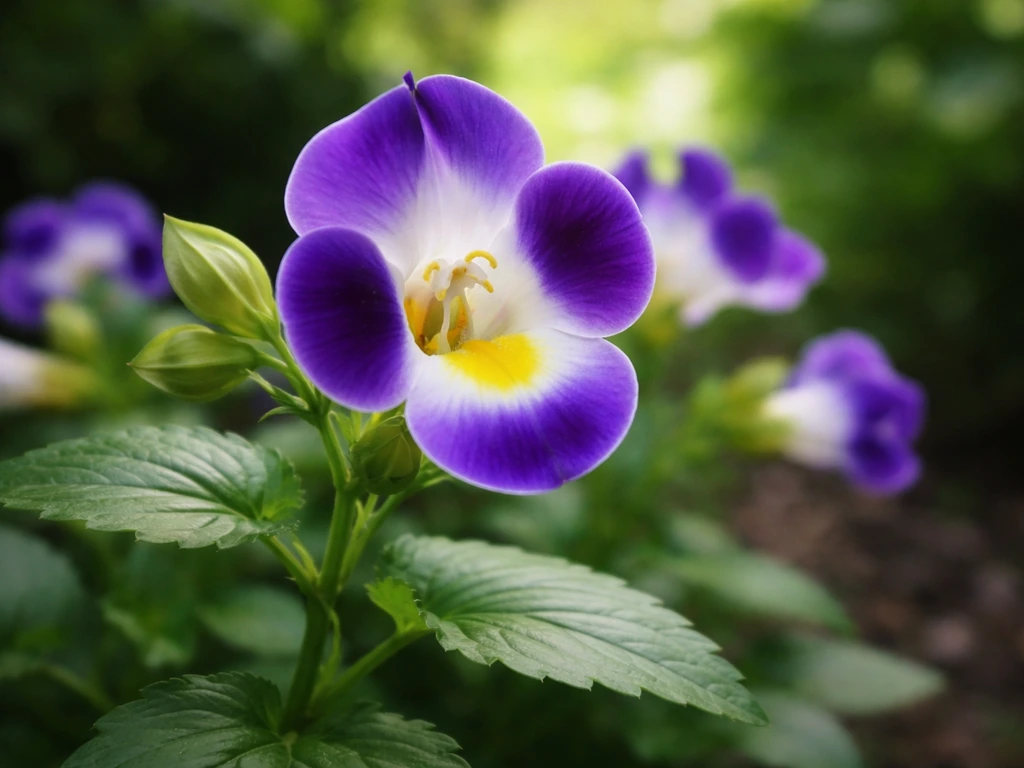
How to Grow Wishbone Flower From Seed to Bloom
Step by step guide to grow wishbone flower from seed to bloom, with timing, sowing, transplant care, and troubleshooting
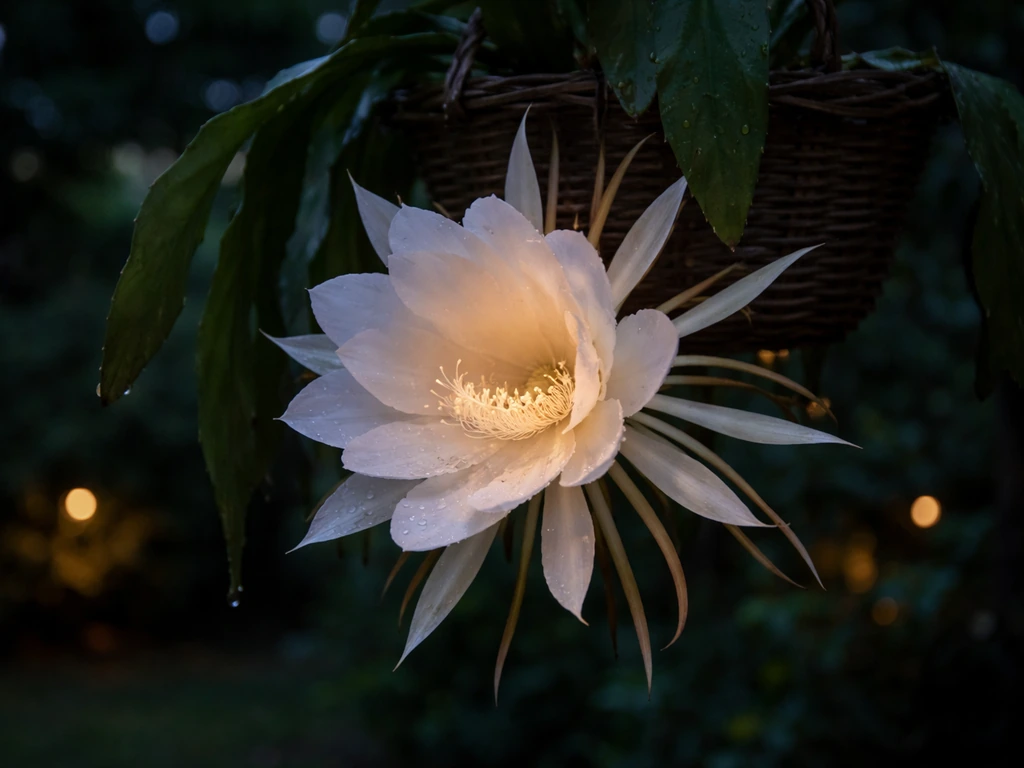
Kadupul Flower How to Grow: Step-by-Step Night Bloomer Care
Step-by-step guide to grow kadupul flower night-blooming cactus from cutting or seed, with care, watering, soil, and fix
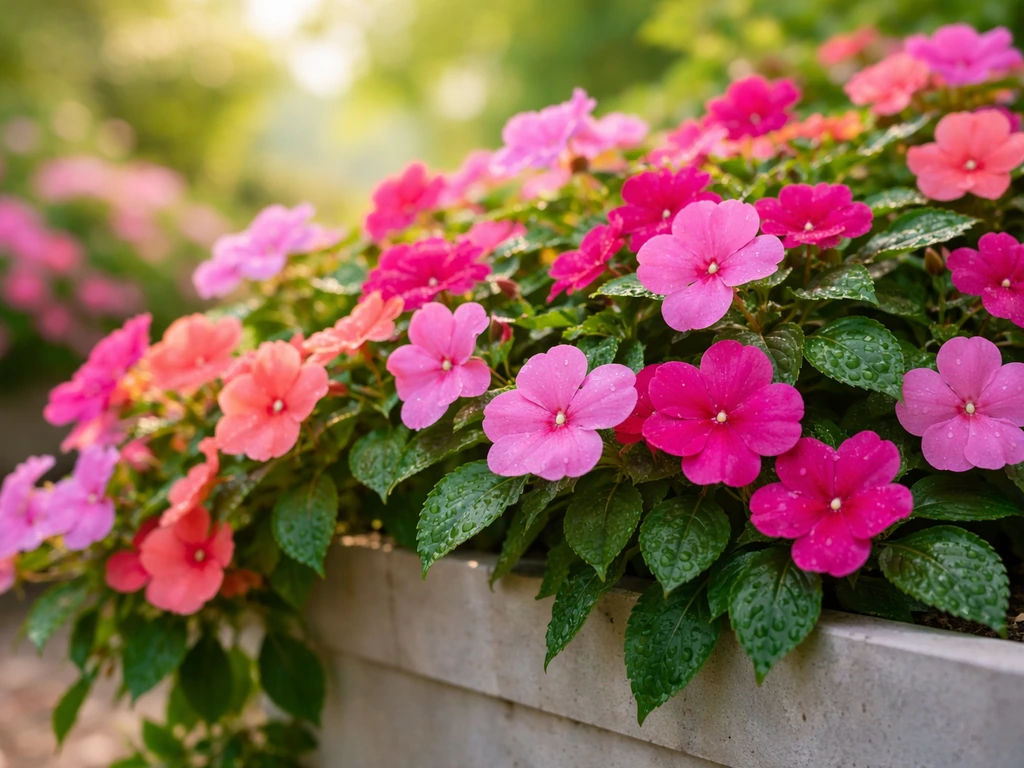
Balsam Flowers How to Grow: Seed to Bloom Guide
Step-by-step balsam flower growing guide: pick the right type, start from seed, transplant, care, troubleshoot, bloom.