
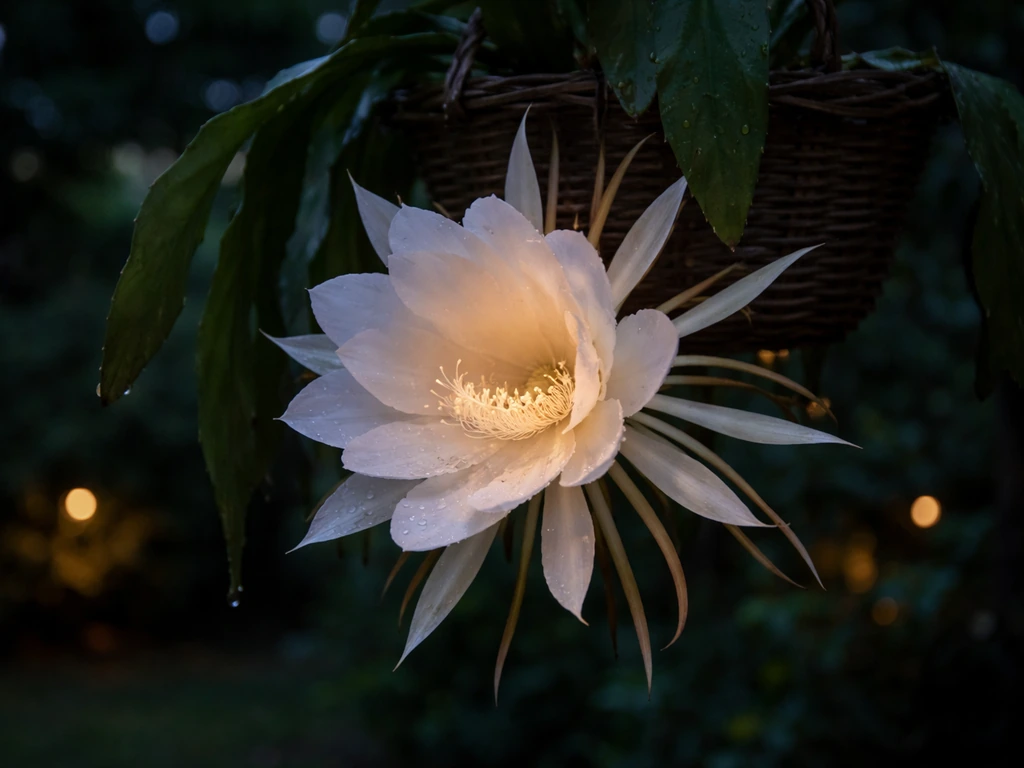
Growing kadupul (Epiphyllum oxypetalum) at home is absolutely doable, but you need to go in with the right expectations. This is a slow-growing epiphytic cactus from tropical rainforests, not a fast-reward annual like marigolds or snapdragons. It can take 2 to 5 years from a cutting before you see your first bloom, and when that bloom finally comes, it opens at dusk and closes by dawn, lasting exactly one night. That reputation for being elusive is real. But with the right setup, the right planting material, and a little patience, you can get there.
Kadupul Flower How to Grow: Step-by-Step Night Bloomer Care

James Holloway
17 Jun 2026
What kadupul actually needs to grow (and the honest reality check)
Epiphyllum oxypetalum is what's called an epiphytic cactus, meaning it grows in the wild by clinging to trees in tropical rainforests, not in dry desert soil. Its stems are flat, fleshy, and leaf-like rather than round and spiky like the cacti you're probably picturing. This distinction matters enormously for how you grow it. It needs moisture, warmth, and humidity, not bone-dry conditions. Treat it like a desert cactus and you'll wonder why it never thrives. Treat it like a tropical houseplant that happens to hate waterlogged soil, and you'll be on the right track.
Here's the honest checklist of what this plant needs before you commit to growing it:
- Warm temperatures year-round (ideally 60 to 90°F / 15 to 32°C); no frost tolerance
- Bright indirect light, not direct harsh sun
- High humidity, especially in dry indoor environments
- A fast-draining, airy potting mix that still retains some moisture
- A pot with excellent drainage, never sitting in water
- Patience: this is a slow grower and not an instant bloomer
- A genuine interest in night-blooming flowers, since the bloom lasts only one night
If you're in USDA zones 10 to 12, you can grow it outdoors year-round in a sheltered spot. Everyone else will grow it as a container plant that comes inside for winter. That's perfectly fine and very common.
Getting the right planting material: cuttings win every time
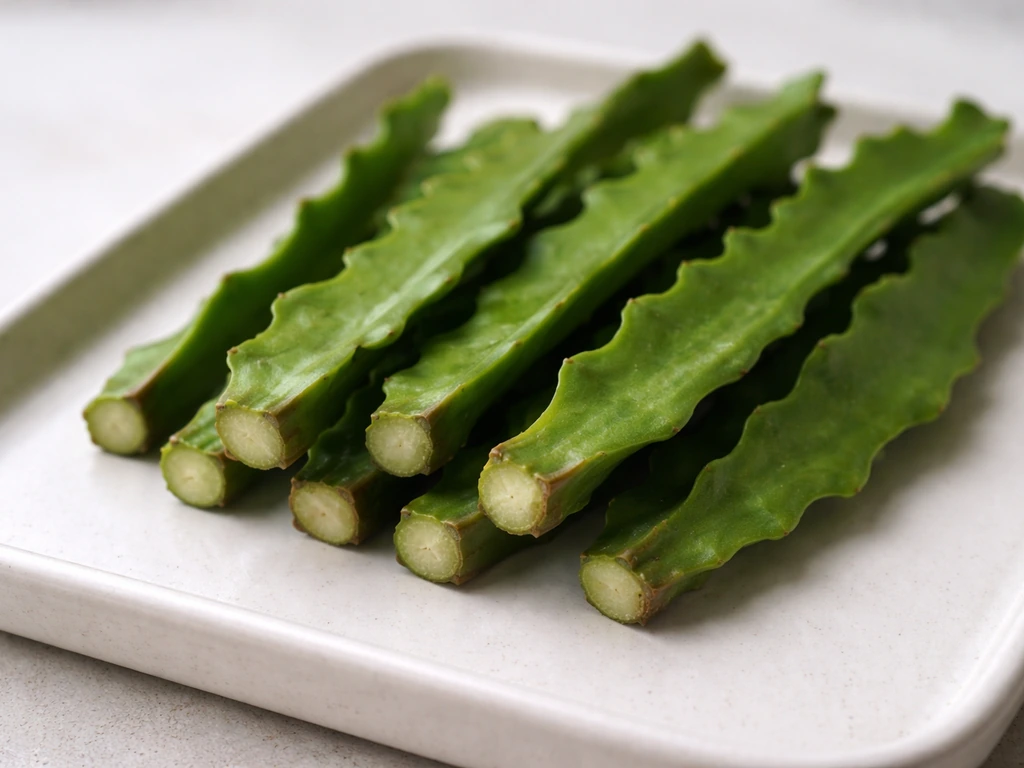
Skip seeds. Kadupul seeds are rarely available, germination is unreliable, and you'd be adding years onto an already long wait for flowers. The real path forward is stem cuttings, and fortunately they're not hard to work with once you know the process.
How to source cuttings
Your best sources are local plant swap communities, specialty cactus and succulent nurseries, or online vendors who ship cuttings. This plant has a strong following among hobbyists, so Facebook groups and Reddit plant communities are surprisingly good places to find someone willing to share a cutting. Ask specifically for Epiphyllum oxypetalum to avoid getting a similar-looking but different species. When you receive a cutting, look for a healthy flat stem segment at least 4 to 6 inches long with no signs of rot, mush, or shriveling.
The curing step most beginners skip
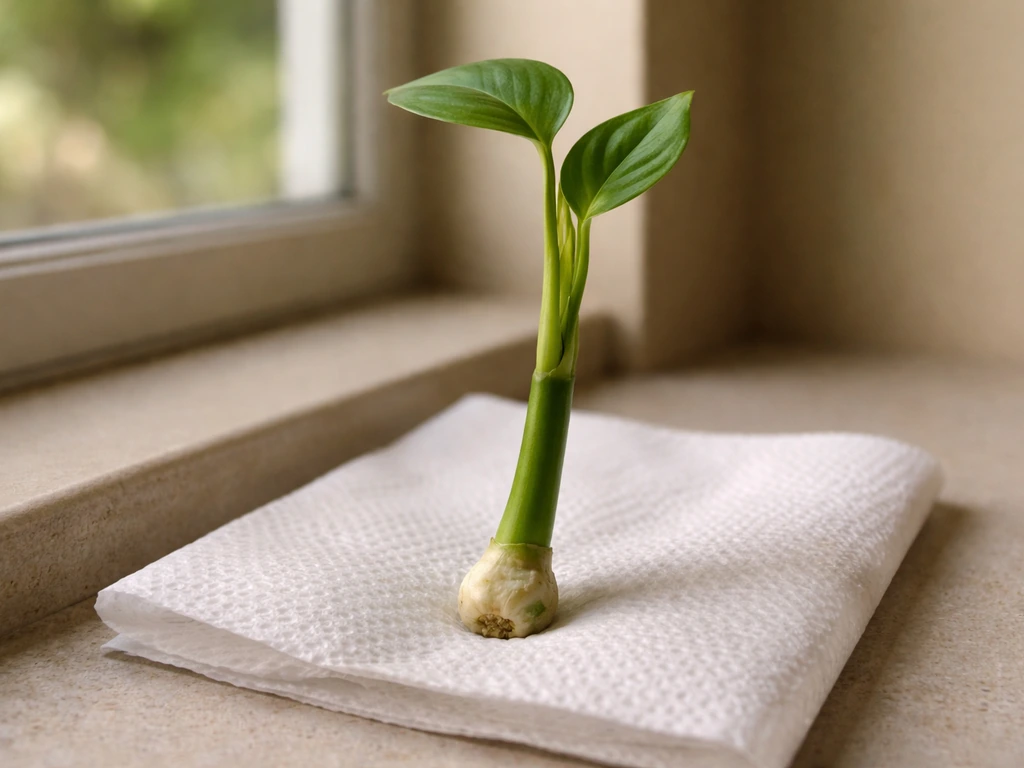
Before you pot your cutting, you need to cure it. Set the cut end on a paper towel or dry surface in a warm, shaded spot for 3 to 7 days. What you're waiting for is callus formation, where the cut surface dries and forms a protective layer. This step dramatically reduces the risk of rot when you pot it up. The Epiphyllum Society of America specifically calls this out as part of healthy propagation, and from experience, skipping it is one of the most common reasons beginner cuttings rot instead of root.
When to take or pot cuttings
Spring through early summer (roughly April to June) is the ideal window. The plant is in active growth, temperatures are warming up, and you have the whole growing season ahead to establish roots before the slower winter months. Avoid potting cuttings in late fall or winter when growth naturally slows down. If you receive a cutting outside the ideal window, cure it and store it somewhere cool and dry for a few weeks rather than rushing it into soil in poor conditions.
Best growing conditions: light, temperature, humidity, and airflow
Light
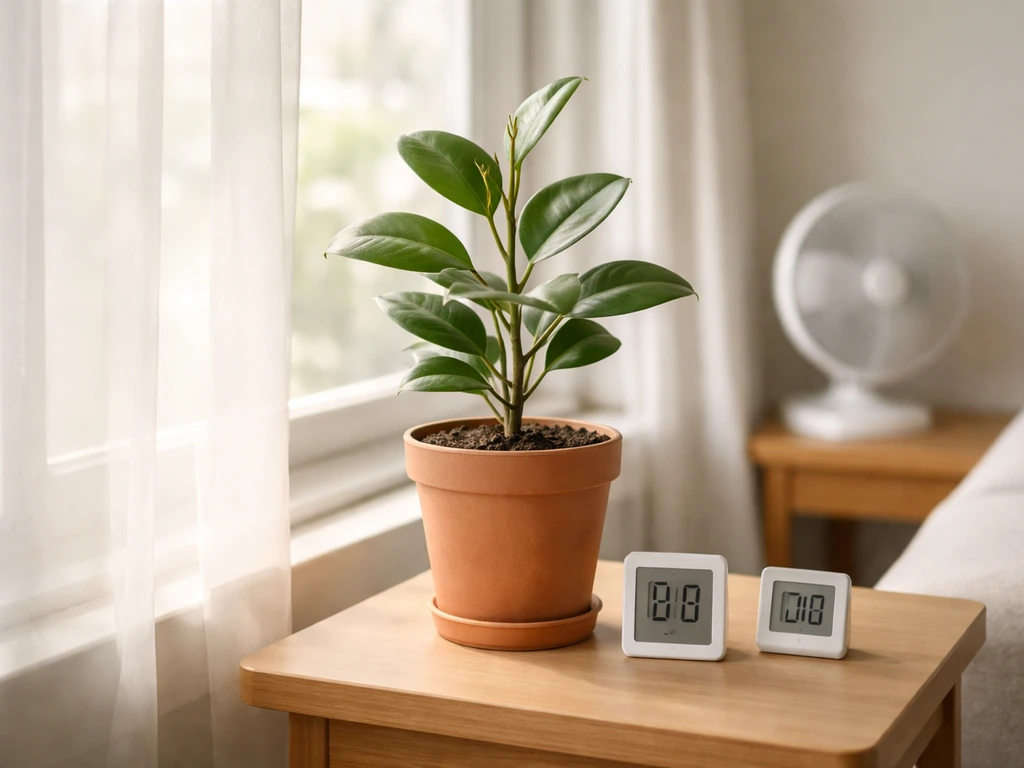
Kadupul wants bright, indirect light for most of the day. A plumeria flower is grown differently, so if you meant plumeria, follow its specific light, watering, and soil needs plumeria flower how to grow. Think of where it comes from: dappled light filtering through a tropical forest canopy. A spot near an east-facing or north-facing window works well indoors. A west or south-facing window can work if you diffuse the light with a sheer curtain, especially during summer. Direct midday sun will bleach and damage those flat stems. Outdoors, a shaded porch or a spot under a tree canopy is perfect. One sign you're getting the light right: the stems stay firm and green. Yellowing often means too much direct sun. Etiolated, pale, or weak new growth usually means not enough light.
Temperature
Aim for 60 to 90°F (15 to 32°C) during the growing season. It can handle brief dips to around 50°F (10°C) without damage, but sustained cold or any frost will kill it. Many growers in zones 7 to 9 keep it outdoors from late spring through early fall and bring it in before the first frost. Indoors through winter, it appreciates slightly cooler temperatures (around 55 to 60°F), which actually helps trigger blooming later on. Keep it away from cold drafts, air conditioning vents, and heating vents, all of which dry it out and stress the plant.
Humidity and airflow
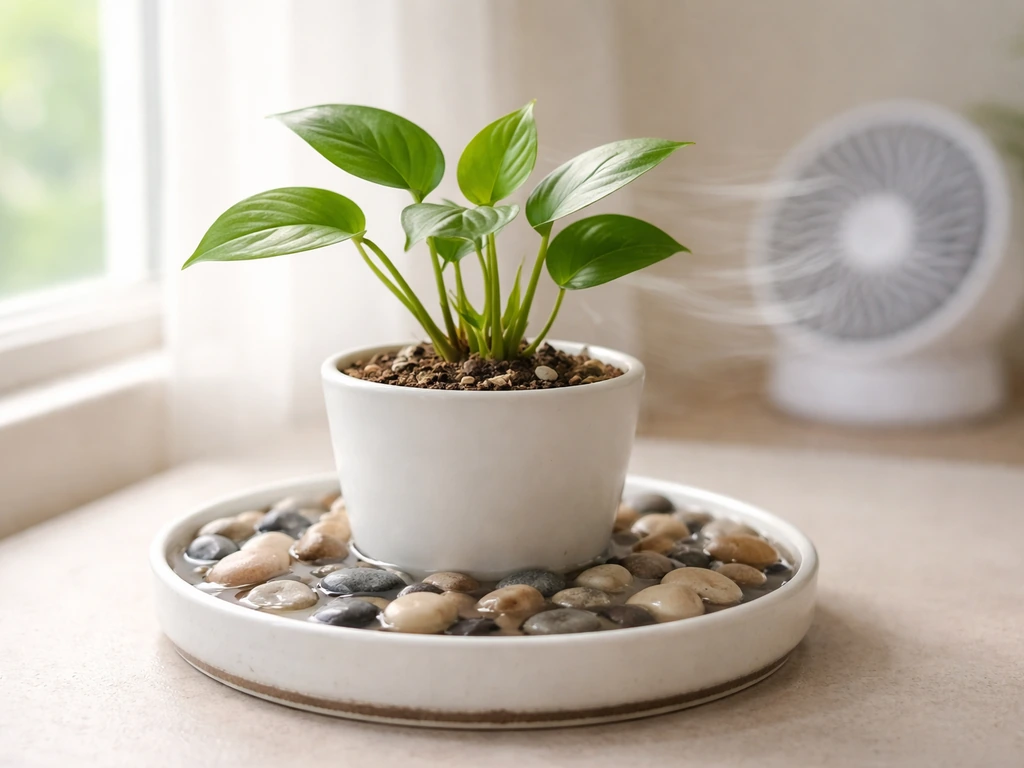
Being a rainforest native, kadupul appreciates humidity levels above 50 percent if possible. In dry indoor environments, set the pot on a pebble tray filled with water (make sure the pot isn't sitting in the water itself), mist the stems lightly a few times a week, or run a small humidifier nearby. At the same time, good airflow is important to prevent fungal problems. If you're specifically looking for chinese wool flower how to grow, focus on similar basics like bright light, well-draining soil, and consistent but not soggy watering good airflow. Stuffy, stagnant air around the plant encourages rot. If you're growing indoors, a gentle fan running nearby for part of the day makes a real difference.
Soil, potting, and drainage setup that keeps rot away
This is where most kadupul plants die: the wrong soil holding too much moisture around those fleshy stems. You need a mix that drains fast but still holds enough moisture to support a tropical plant. A standard cactus or succulent mix on its own is often too dry. A pure peat mix is usually too wet. The sweet spot is somewhere in between. If you’re interested in harlequin flowers, the basics of light, soil, and watering overlap but the details differ, so follow a harlequin flowers how to grow guide for the right routine.
A reliable DIY mix that works well:
- 50% standard cactus or succulent potting mix
- 25% perlite or pumice for drainage and aeration
- 25% coco coir or fine orchid bark for moisture retention and airflow around roots
For the pot itself, terracotta is your best friend. It's porous, which means it wicks away excess moisture and helps prevent the soggy-soil rot cycle. A plastic pot can work but requires you to be even more careful about watering frequency. Whatever you use, drainage holes are non-negotiable. No drainage holes means eventual root rot, full stop. The pot size matters too: don't overpot. Kadupul actually blooms more reliably when slightly root-bound, so choose a pot that fits the root ball with just an inch or two of extra space. Going too large means a big reservoir of wet soil around sparse roots, which invites rot.
When potting a cured cutting, push the callused end about 1 to 2 inches into the mix. You can use a small stake to keep it upright. Don't water immediately. Wait 5 to 7 days before giving the first light watering. This waiting period lets the roots sense dryness and start reaching out rather than sitting in wet soil before they've established.
Watering and fertilizing: the rhythm that builds healthy buds
Watering schedule
During the active growing season (spring through early fall), water when the top inch of soil feels dry. For most indoor setups, that's roughly every 7 to 10 days depending on pot size, temperature, and humidity. Water thoroughly until it drains from the bottom, then let it drain completely and empty the saucer. Never let the pot sit in standing water. In winter, pull back significantly. Water only every 3 to 4 weeks, just enough to keep the stems from shriveling. This semi-dry winter rest period is actually important for triggering flowering the following season, so don't skip it thinking you're being kind to the plant.
Fertilizing
Feed from spring through late summer, roughly every 2 to 4 weeks, with a balanced liquid fertilizer diluted to half strength. Once you see buds forming or once you're past midsummer, switch to a low-nitrogen, higher-phosphorus fertilizer (something in the range of 5-10-10 or a bloom booster formula). Nitrogen drives leafy green stem growth, which is great early in the season, but too much late in the season pushes stems at the expense of flowers. Stop fertilizing entirely in fall and winter during the rest period.
How to encourage night blooming: what actually triggers flowers
This is the part everyone wants to know. Kadupul flowers are spectacular, white, funnel-shaped, up to 25 cm (roughly 10 inches) across, and intensely fragrant. They open at dusk and close forever by dawn. Each flower lasts exactly one night. This nocturnal blooming is the plant's natural adaptation for attracting nighttime pollinators, which is why the 'Queen of the Night' nickname has stuck across cultures. But getting to that moment takes the right conditions and a realistic timeline. If you want to support that night-blooming cycle, this guide shares balsam flowers how to grow tips so you can match the right light, moisture, and timing for flowering.
Realistic timeline
A healthy cutting will typically take 2 to 5 years to produce its first bloom. Wishbone flower care is different from kadupul, so use the specific wishbone flower growing steps for best results. That's not a typo. The Epiphyllum Society of America is clear that these are not instant bloomers, and that's just the reality of the species. Once the plant is mature and well-established, it tends to bloom in late spring to early summer (May through July in the Northern Hemisphere). Some mature plants bloom multiple times in a season if conditions are consistently good.
The triggers that help
Several factors genuinely increase your chances of getting blooms on a mature plant: If you want a sadabahar flower, focus on building the same kind of steady growing rhythm so the plant can reach maturity and bloom reliably sadabahar flower how to grow.
- A cool, dry winter rest: keeping the plant at 50 to 60°F with minimal watering from November through February mimics the seasonal shift it would experience in its native habitat and is probably the single most important flowering trigger
- Being slightly root-bound: don't rush to repot a plant that seems cramped; a snug pot encourages flowering over vegetative growth
- Increasing light slightly in late winter and early spring as you resume watering, which signals the transition from dormancy to active growth
- Switching to a bloom-booster fertilizer in late spring to support bud development
- Avoiding moving the plant once buds form: buds are sensitive to position changes and sudden environment shifts and can drop before opening
When buds do appear, they develop slowly over several weeks before finally opening on a warm evening. Watch for an evening when the buds start to visibly swell and the fragrance becomes noticeable even before the flower opens. That's your cue to stay up and watch it unfold, because it genuinely is one of the more magical things you'll see in a home garden.
Troubleshooting common problems
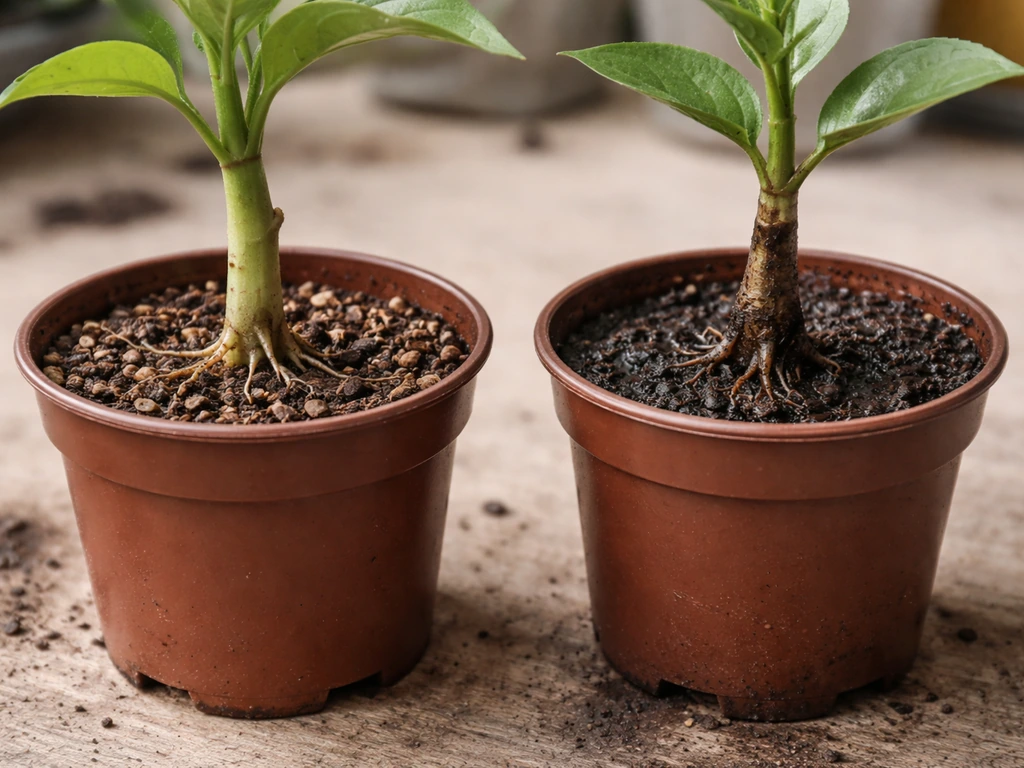
| Problem | Likely cause | What to do |
|---|---|---|
| Cutting rots after potting | Cutting wasn't cured, or soil is too wet | Let cuttings callus for at least 5 to 7 days before potting; improve drainage in mix; wait longer between waterings |
| No new growth after several months | Cutting hasn't rooted yet, or temperatures too cold | Check roots gently by tugging lightly; ensure temps are above 60°F; be patient through winter |
| Stems turn yellow or pale | Too much direct sun or overwatering | Move to brighter indirect light; check soil moisture before watering; improve drainage |
| Stems shriveling | Underwatering or root rot (counterintuitively similar symptoms) | Check roots for mushy brown rot; if roots are healthy, increase watering slightly |
| Buds forming then dropping | Plant was moved, temperature fluctuation, or low humidity | Keep plant in the same spot once buds appear; maintain humidity; avoid drafts |
| No buds after years of growth | No winter rest, overpotted, or too much nitrogen | Enforce a cool dry winter rest; repot into a smaller container if overpotted; switch to low-nitrogen fertilizer |
| Mealybugs or scale insects | Typical for indoor epiphytic cacti | Wipe stems with a cotton swab dipped in rubbing alcohol; treat with neem oil spray; isolate the plant |
Root rot is the most serious and most common problem. If you pull the plant from the pot and the roots are brown, mushy, and smell bad, act immediately. Cut away all rotten material with clean scissors, let the healthy stem tissue cure for a few days as you would a fresh cutting, and repot in fresh, fast-draining mix. Many kadupul plants recover from this if you catch it early enough. Don't give up on a rotted plant before checking whether any healthy stem material is salvageable. If you want another comparison for timing and results, see also skeleton flower how to grow so you can set expectations for blooms and care rhythm.
Your practical next steps from here
If you're starting today, here's the sequence to follow: source a cutting from a reputable seller or local plant community, cure it for 5 to 7 days, pot it in a well-draining tropical cactus mix in a terracotta pot with drainage holes, place it in bright indirect light in a warm room, and wait 5 to 7 days before first watering. Then settle into a regular watering and fertilizing rhythm through the growing season, enforce a genuine cool and dry winter rest, and resist the urge to repot until the plant is visibly struggling with its container. The rest is patience. Unlike fast-turnaround bloomers you might grow from seed, like the wishbone flower or balsam, kadupul asks you to commit to a multi-year relationship. For a quick guide on Columbine flower how to grow, focus on cool-season planting, consistent moisture, and well-drained soil in part shade. But when those enormous white flowers finally open one warm summer evening and fill the room with fragrance, you'll understand why generations of gardeners have considered it worth every bit of the wait.
FAQ
How do I tell when to water my kadupul flower in a humid home versus a dry home?
For kadupul, the safest time to water is when the top inch is dry, and then water thoroughly until drainage runs out. If you are unsure, wait 1 to 2 more days rather than watering again quickly, because epiphytic stems rot more from frequent small sips than from occasional thorough watering.
Does adding a fan or airflow help, or will it dry out kadupul too much?
Yes, but only if you keep it gentle. Use a small fan for airflow, not blasting directly at the plant all day. Avoid drafts from doors, AC, or heaters, since cold or drying blasts can weaken stems and make buds abort even if light and soil are correct.
How often should I repot kadupul, and should I upsize to encourage blooming?
Don’t. For this species, repotting too often increases stress and can interrupt blooming. If roots are filling the pot but the plant looks healthy, keep it in place until you see clear container issues (roots circling tightly, repeated fast-dry for weeks, or soil breaking down). When repotting, keep the mix well-draining and the new pot only slightly larger.
My indoor temperatures don’t drop much in winter, will my kadupul still bloom?
When it is indoors, you can recreate the cool winter rest by moving the plant to the coolest draft-free room you can manage (around 55 to 60°F), reduce watering to every few weeks, and stop fertilizing. If your indoor winter stays warm and bright, you may still get blooms, but the chance drops because the plant does not get the slower seasonal signal.
What should I troubleshoot if buds appear but the flower won’t open by dusk?
If buds form but the flower never opens, the usual causes are stress from dryness, temperature drops during evening hours, or low light. In the weeks before opening, keep the routine steady (same window, no relocating at the last minute) and aim for warm evenings when buds are swelling.
My cactus mix drains fast, but the plant still seems soggy. What mix mistake could I be making?
Use well-aerated, fast-draining mix and a pot that truly drains. One practical approach is adding extra mineral grit or orchid-style components so water moves through quickly while still holding some moisture in the mix. If water pools or drains slowly, even “cactus soil” can be too dense for kadupul and increases rot risk.
How long should a kadupul cutting take to root, and what does normal rooting look like versus rot?
It is common for new cuttings to look healthy but take months to root, especially if the temperature is cool or light is too low. During this period, do not water on a schedule, wait for the top inch to dry and check for shrinkage. If you see mushy, translucent tissue at the base, that is a rot sign, not normal rooting.
What are the most common signs I’m swinging between underwatering and overwatering with kadupul?
A pure “desert cactus” approach can backfire. If your stems are losing firmness, looking wrinkled, or the growth stalls despite correct light, increase humidity slightly (pebble tray, humidifier) and confirm airflow is present. If stems turn yellow or soft, reduce watering frequency and confirm the soil is not staying wet.
Can I prune or take extra cuttings from my mature kadupul right before flowering?
Yes, but only do it once the plant is mature and established, and only after a normal season of growth. Propagation is easiest from healthy stem segments via cuttings, but you can damage flowering stems if you take cuttings too aggressively. If you must trim, take small portions and avoid cutting during the cool rest period.
Why did my kadupul flower not last the full night, is that ever normal?
The one-night bloom is normal. If you experience flowers that fade early, the likely issue is bud stress from uneven watering, temperature swings, or moving the plant immediately as buds appear. Keep light consistent and avoid moving the pot once buds swell.
Next Articles
Balsam Flowers How to Grow: Seed to Bloom Guide
Step-by-step balsam flower growing guide: pick the right type, start from seed, transplant, care, troubleshoot, bloom.
Columbine Flower How to Grow: Step-by-Step Guide
Step-by-step guide to grow columbine from seed to bloom, including planting, care, troubleshooting, and pest tips.
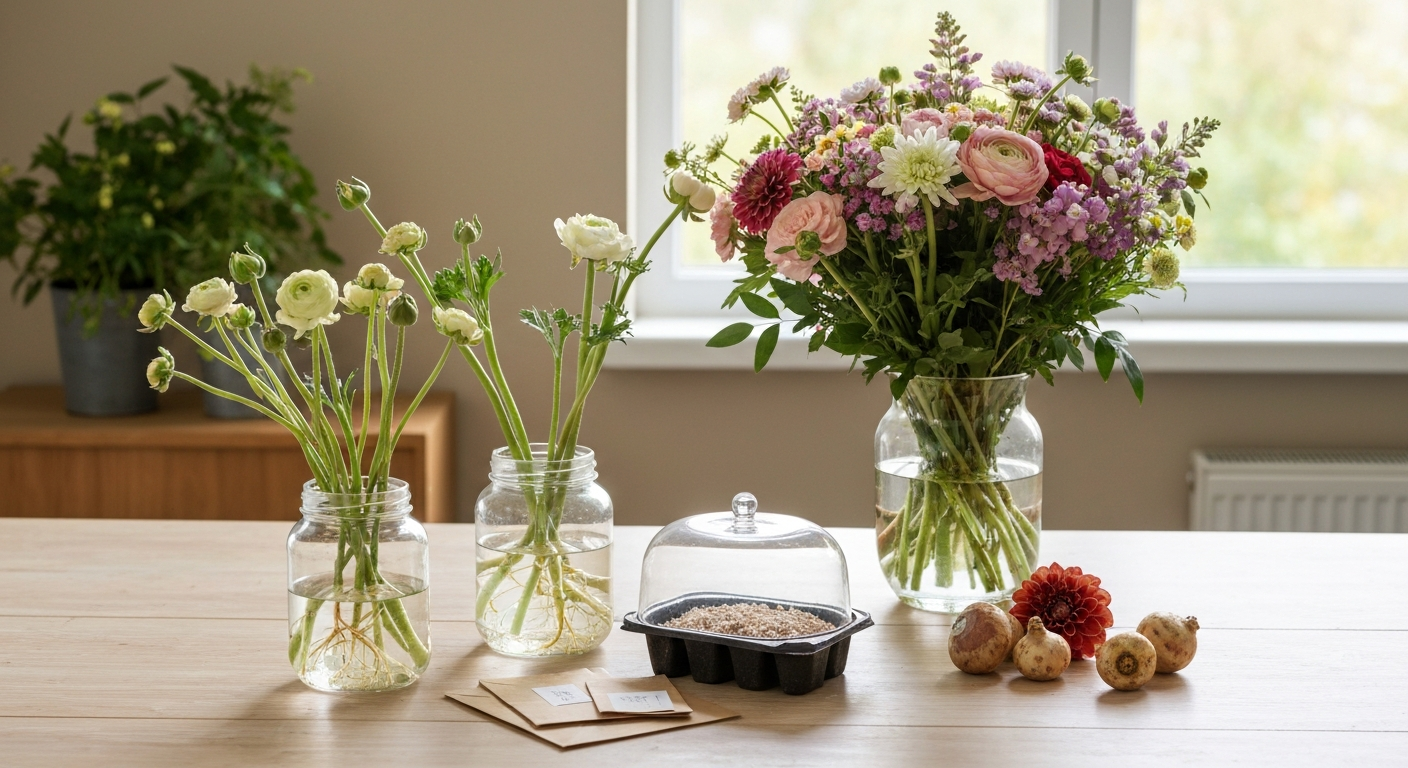
How to Grow Plants from a Bouquet: Step-by-Step Guide for Beginners
How to grow plants from bouquet: step-by-step rooting, seed saving, bulbs, timelines and troubleshooting