
You can absolutely grow beautiful flowers on a balcony, even a small one. The key is matching your containers, soil, and plant choices to the specific conditions of your space, then starting seeds at the right time. Get those three things right and you'll have flowers blooming within 8 to 12 weeks of sowing. Miss them, and you'll be fighting the whole season. This guide walks you through every step, from assessing your balcony today to having a pot full of color by summer.
How to Grow Flowers on a Balcony: Step by Step Guide
James Holloway
24 May 2026
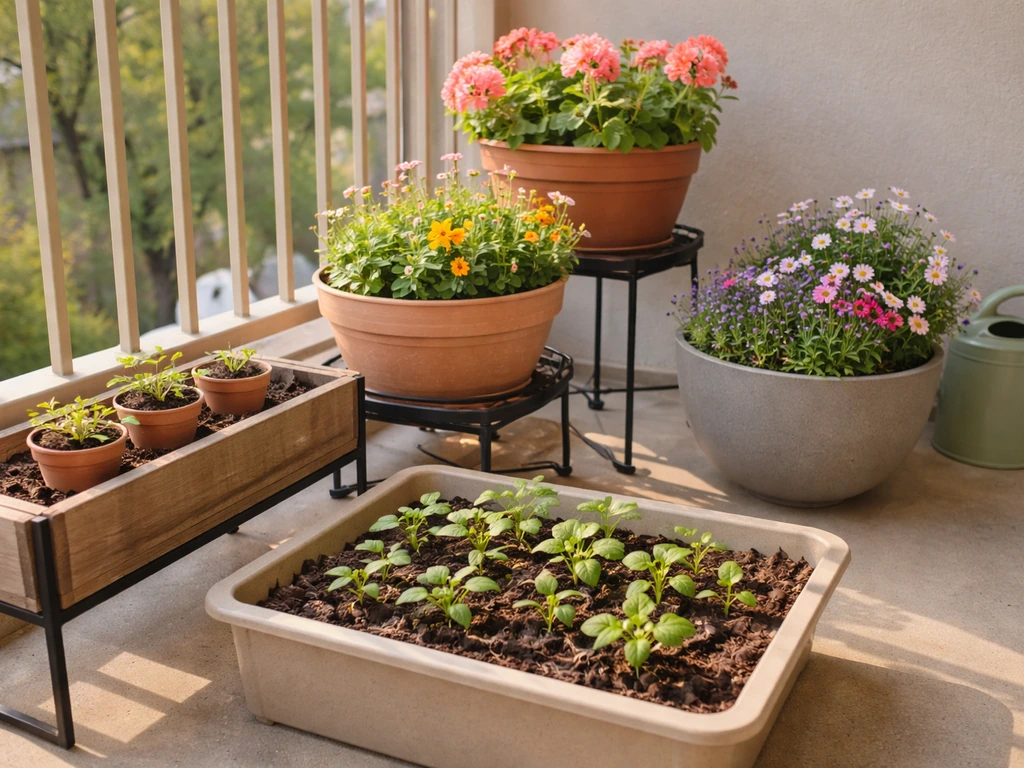
Check your balcony conditions before you buy a single seed
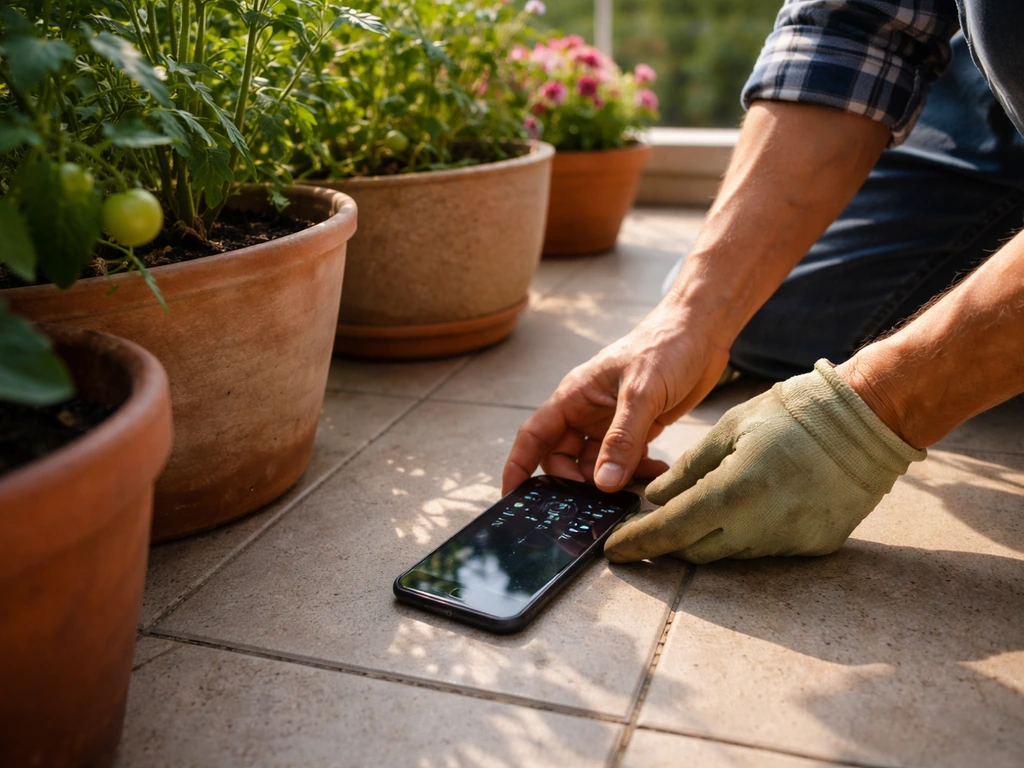
This is the step most beginners skip, and it's the one that causes the most frustration. Spend a day actually watching your balcony before you plan anything. Walk through this checklist and be honest with your answers.
Sunlight: your most important factor
Count the hours of direct sun your balcony gets. Full sun means 6 to 8 hours of direct sunlight per day, partial sun means 4 to 6 hours, and shade means fewer than 4 hours.
For container gardening, West Virginia Department of Agriculture guidance is that full sun provides 6 to 8 hours of direct sunlight per day, partial sun is 4 to 6 hours (preferably), and shade is less than 4 hours of direct sunlight per day Full sun means 6 to 8 hours of direct sunlight per day.
Most flowering annuals, including marigolds, zinnias, and snapdragons, want full sun to perform well. Don't estimate this. Watch on a clear day or check at a few points during the day. South-facing and west-facing balconies usually win on sun hours.
North-facing ones rarely hit that 6-hour mark. One thing balconies do differently than garden beds: reflected heat from walls, glass, and concrete can make containers much hotter than the air temperature suggests. That's great for heat-lovers like marigolds, but it means you'll need to water more often and keep an eye on tender seedlings in intense reflected sun.
Wind exposure
High floors and exposed corners can be brutal for flowers. Constant wind dries out containers fast, snaps tall stems, and stresses young plants. If your balcony is windy, stick to compact, bushy varieties rather than tall ones, position pots near the wall or railing rather than in the open, and expect to water more often. A simple windbreak, even a wooden trellis or a row of taller pots, makes a real difference.
Available space and weight limits
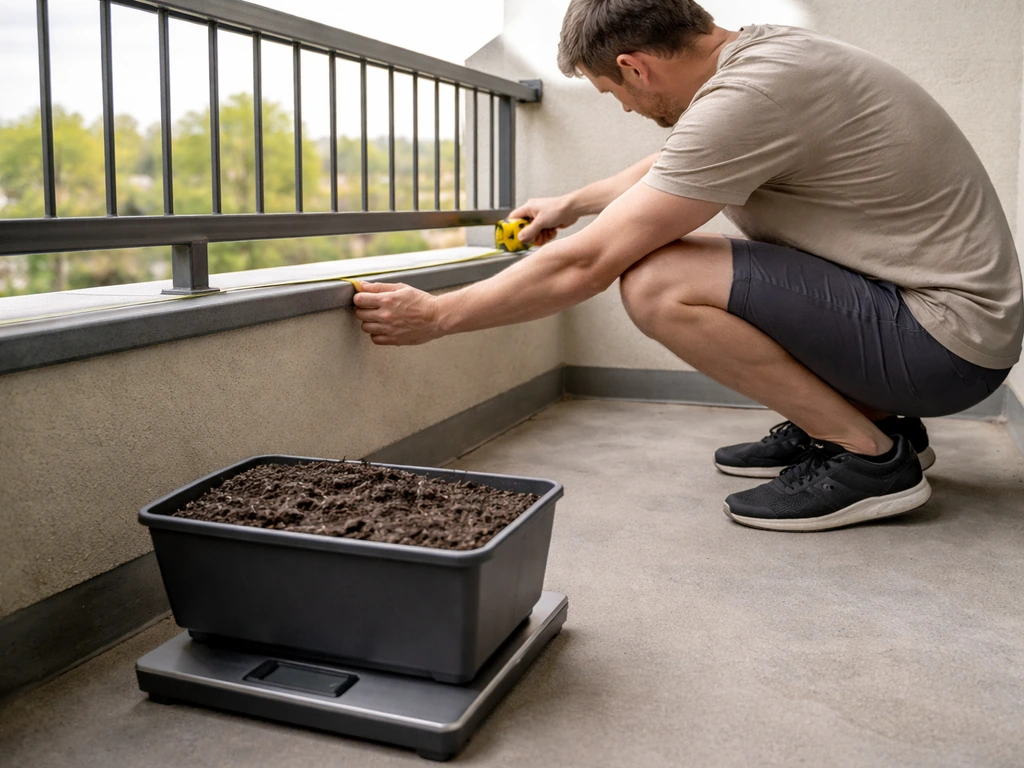
Measure your usable floor space, railing width, and wall area. Balcony floors have weight limits, and large containers full of wet soil are heavy. If you're unsure about weight restrictions, check with your building management and opt for lighter pots made from plastic or fabric rather than terracotta or ceramic. Railing planters and vertical wall pockets are great for maximizing a tight footprint without adding much floor weight.
- Sun hours: count actual hours of direct light hitting your main container spots
- Partial shade pockets: note any areas blocked by overhangs or neighboring buildings
- Wind level: test by watching how candles or lightweight fabric behave on a breezy day
- Floor space: measure in square feet and sketch a rough layout
- Weight limits: check with building management if you plan large containers
- Drainage: plan where runoff will go so it doesn't drip on neighbors below
Picking containers and potting mix that actually work
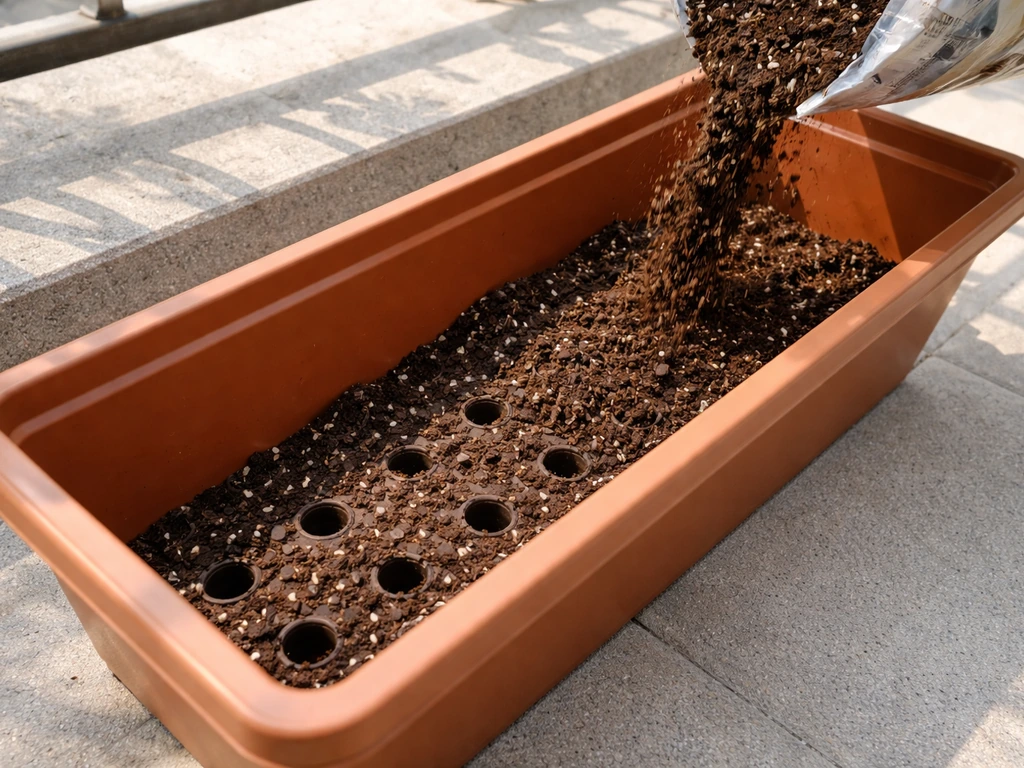
Container choice matters more than most people think, and it comes down to two non-negotiables: drainage holes and size. Every container you plant flowers in must have holes at the bottom. Without them, roots sit in soggy soil and rot, no matter how carefully you water. If you fall in love with a decorative pot that has no holes, use it as an outer shell and drop a holed liner pot inside, then make sure to tip out or drain any water that collects in the gap between the two. Standing water around the root zone is the fastest way to kill container plants.
For size, go bigger than you think you need. Small pots dry out in hours on a hot balcony, and cramped roots mean smaller blooms. A 10 to 12 inch pot works for a single plant or a compact grouping. A 14 to 16 inch pot gives you room for a mixed planting of three or more flowers. Window boxes need to be at least 8 inches deep for annual flowers. On a hot, sunny balcony, avoid very dark-colored containers if you can. Dark pots absorb heat and can raise root-zone temperatures enough to damage tender roots during a heat wave.
The right potting mix
Never use garden soil in containers. It compacts, drains poorly, and usually brings weed seeds and pathogens with it. Use a quality potting mix that contains peat moss, perlite, and vermiculite. That combination gives you the drainage and air pockets roots need while still holding enough moisture between waterings. Look for a mix labeled for containers or all-purpose potting. If your mix feels very dense or clay-like, work in a handful of extra perlite per pot. Most flowering annuals do well at a soil pH around 5.5 to 6.5, and a decent commercial potting mix typically lands in that range without any adjustments needed.
Flower varieties that are genuinely easy in containers
Not every flower translates well to a balcony container. You want compact growth habits, tolerance for the heat and dryness that balconies dish out, and reliable blooming. These are the varieties I'd recommend starting with.
| Flower | Sun needed | Container size | Seed to bloom | Special notes |
|---|---|---|---|---|
| Marigold | Full sun (6-8 hrs) | 8-10 inch minimum | 8-10 weeks | Thrives in heat, very forgiving |
| Zinnia | Full sun (6-8 hrs) | 10-12 inch minimum | 8-12 weeks | Direct sow after frost; loves warmth |
| Snapdragon | Full sun (6-8 hrs) | 10-12 inch minimum | 10-14 weeks from transplant | Start indoors 8-10 weeks before last frost |
| California poppy | Full sun (6-8 hrs) | 8-10 inch minimum | 8-10 weeks | Direct sow only; cool nights help blooming |
| Calendula | Full sun to partial sun | 8-10 inch minimum | 10-14 weeks | Early spring sow; great for cool balconies |
Marigolds are my personal go-to for balcony beginners. They germinate fast, shrug off heat, and keep blooming all season with minimal fuss. Zinnias are a close second if your balcony gets serious heat. For a shadier spot with 4 to 6 hours of sun, try impatiens or begonias instead.
If you're interested in growing flowers in other challenging environments, similar logic applies to growing flowers in small spaces generally or in a greenhouse setup where you can control more variables. If you apply these same small-space container principles, you can grow flowers successfully even when you have limited room how to grow flowers in small spaces.
Wax flowers also work well in containers, so look for a sunny spot and use a fast-draining potting mix when you start them.
Planting schedule: timing your seeds right
Timing is where a lot of balcony growers go wrong. Too early and you're dealing with leggy seedlings stuck indoors waiting for warmth. Too late and you lose half the blooming season. Here's how to think about it practically.
What to start indoors vs. what to direct sow
Some flowers resent being transplanted and are best direct-sown straight into their final container. Others benefit from an indoor head start. California poppies fall firmly in the direct sow camp; they hate having their roots disturbed. Marigolds and zinnias are flexible, but direct sowing into containers after your last frost date works well and keeps things simple. Snapdragons are the exception: they're slow to mature and really do need an 8 to 10 week indoor start before your last frost date to get blooming early in the season.
Germination times by flower
- Marigolds: 5 to 8 days indoors at 70 to 75°F; 4 to 7 days direct sown at 75 to 80°F
- Zinnias: 5 to 7 days at around 70°F; direct sow after last frost date
- Snapdragons: 7 to 14 days at 70 to 75°F; surface sow (press seeds onto mix, don't cover)
- California poppy: 7 to 14 days; direct sow into final container in early spring
- Calendula: 10 to 15 days at around 60°F; direct sow in early spring when frost risk has passed
A practical timing framework
Find your last average frost date (a quick search for your city and 'last frost date' gets you there). Then count backwards. Start snapdragons indoors 8 to 10 weeks before that date. Start marigolds indoors 4 to 6 weeks before it if you want a head start, or direct sow once nights are consistently above 50°F.
Sow calendula and California poppies directly into containers in early spring once the soil temperature hits around 60°F. Zinnias go in after your last frost date when the soil is warming up, not before. One practical tip for indoor seed starting: use individual cell trays rather than one big flat. Each seedling gets its own space, which means much less root disturbance when you transplant and a better survival rate.
Watering, feeding, and keeping your flowers happy
Watering: how much, how often
Balcony containers dry out faster than ground beds, full stop. In peak summer, daily watering is often necessary, especially in smaller pots or during a heat wave. The test: push your finger an inch into the soil. If it feels dry at that depth, water thoroughly until it drains out the bottom.
If it still feels moist, wait another day. Water in the morning when you can. Morning watering lets any splashed foliage dry out during the day, which cuts down on fungal disease. Wet leaves sitting overnight is an invitation for mildew.
Connecticut DEEP and CAES fact sheets on greenhouse mildew management also emphasize reducing leaf wetness by adjusting irrigation practices to help control powdery and downy mildews [Wet leaves sitting overnight is an invitation for mildew. ](https://portal. ct. gov/-/media/caes/documents/publications/factsheets/plantpathologyandecology/powderyanddownymildewsongreenhousecropspdf.
pdf). Never fertilize a container that is bone dry. Always water first, then feed.
Feeding: a simple fertilizer plan
Potting mix starts with some nutrients built in, but they get flushed out every time you water. Start fertilizing about 2 to 4 weeks after planting once your seedlings have settled in. For heavy bloomers like marigolds and zinnias, a fertilizer higher in phosphorus (the middle number on the label) encourages flower production over leafy growth. Every 2 to 3 weeks is the right rhythm for liquid fertilizer. If you want something lower maintenance, mix a slow-release granular fertilizer into your potting mix at planting time; it releases nutrients steadily over weeks without you thinking about it. You can also combine both approaches: slow-release in the mix as a base, with an occasional liquid boost during peak growing season.
Light management
Most balcony flowers don't need any help getting light outdoors, but placement matters. Rotate containers every week or two if one side of the plant is getting significantly more sun than the other. If you're starting seeds indoors, a south-facing windowsill works, but grow lights are a huge upgrade for compact, stocky seedlings. Leggy, pale seedlings stretched toward a dim window are much harder to transplant successfully.
Keeping blooms coming: deadheading, pruning, and fixing problems
Deadheading and pinching
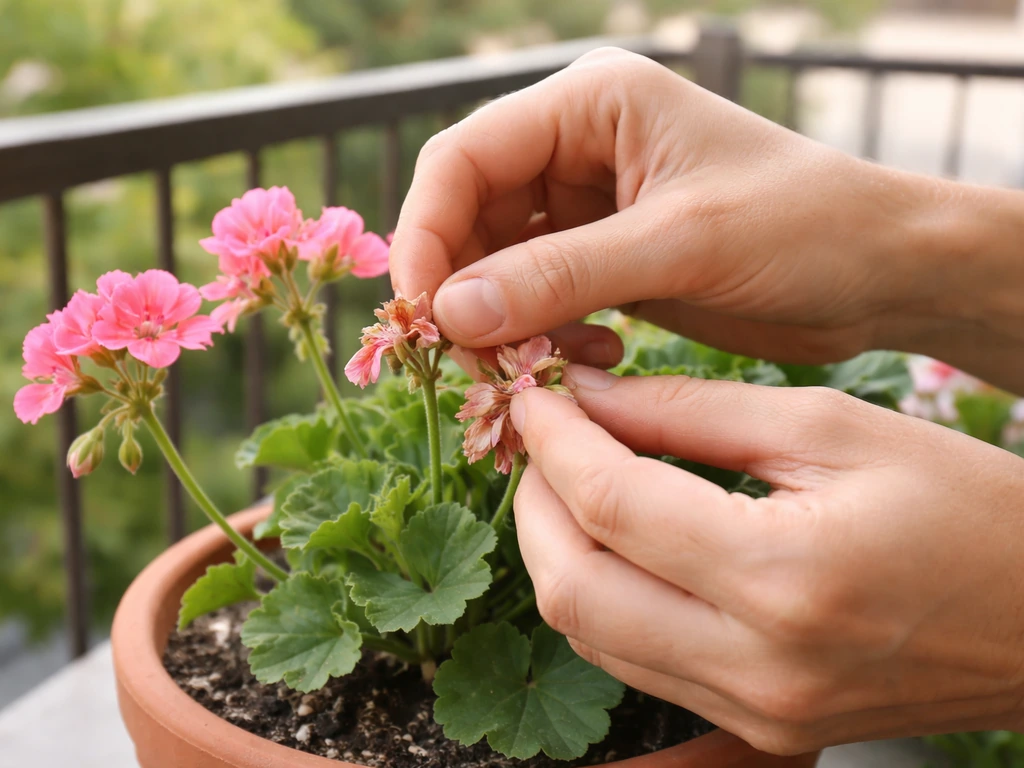
Deadheading, removing spent flowers before they set seed, is the single best thing you can do to keep containers blooming all season. When a plant sets seed, it thinks its job is done and slows down flower production. Pinch or snip off dead flowerheads every few days. It takes two minutes and makes a huge difference. For bushy annuals like marigolds and zinnias, you can also pinch back the growing tips when plants are young (around 4 to 6 inches tall) to encourage branching and more flower stems.
Common problems and honest fixes
- Seedlings collapsing at the base (damping off): this is a fungal issue made worse by overwatering and poor airflow. Use fresh potting mix, avoid keeping seedlings soaking wet, and water in the morning so things dry out during the day. Once damping off hits a tray it spreads fast, so remove affected seedlings immediately.
- Powdery white coating on leaves (powdery mildew): caused by high humidity and poor airflow, often made worse by overhead watering. Switch to watering at the base, increase spacing between pots, and remove badly affected leaves.
- Yellowing leaves: usually a nutrient deficiency from flushed-out potting mix, or overwatering and root rot. Check drainage first, then resume regular feeding if the pot drains properly.
- No blooms despite healthy leaves: often too much nitrogen (causing leafy growth at the expense of flowers) or not enough sun. Switch to a lower-nitrogen fertilizer and reassess sun hours.
- Wilting despite moist soil: check roots for rot from poor drainage. If roots are brown and mushy, repot into fresh mix with better drainage.
Your simple starter plan to get flowers blooming fast
If you want to cut through the planning and just get started, here is a straightforward 8 to 10 week plan using marigolds and zinnias, both of which are forgiving, fast, and rewarding for a first balcony season.
- Week 1: Assess your balcony sun hours on a clear day. Buy two 12-inch containers with drainage holes, a bag of quality potting mix, and one packet each of marigold and zinnia seeds.
- Week 1: Fill containers with potting mix to about an inch below the rim. Direct sow 4 to 6 marigold seeds per pot, pressing them lightly into the surface and covering with about a quarter inch of mix. Do the same with zinnias. Water gently until it drains from the bottom.
- Week 2: Keep containers in your sunniest spot. Water when the top inch of soil feels dry. Seeds should sprout within 5 to 8 days for marigolds and 5 to 7 days for zinnias.
- Week 3: Thin seedlings to the strongest 2 to 3 per pot by snipping extras at soil level (don't pull, which disturbs roots). Continue watering as needed.
- Week 4 to 5: Begin fertilizing with a diluted liquid fertilizer, higher in phosphorus. Water first, then apply the feed. Repeat every 2 to 3 weeks.
- Week 5 to 6: Pinch the growing tips of marigolds when they reach 4 to 6 inches to encourage bushy growth and more flower stems.
- Week 8 to 10: Your first flowers should be opening. Start deadheading spent blooms every 2 to 3 days to keep new ones coming.
That's a realistic, low-pressure plan that most beginners can execute successfully in their first season. Once you've got that rhythm down, you can expand into starting snapdragons from seed indoors the following spring, or experimenting with California poppies and calendula for an early-season show. If you want to extend your growing season even further, it's worth looking into how to grow flowers in winter or how a small greenhouse setup changes your timing options entirely.
If you're aiming for Christmas blooms, the same winter-growing approach can help you plan ahead and keep plants healthy through the colder months how to grow flowers in winter. If you're wondering how to grow flowers in winter, focus on protecting pots from cold and choosing varieties that tolerate lower light.
If you want to go beyond a balcony, learning how to grow flowers in greenhouse conditions lets you control temperature, light, and watering for steadier blooms how a small greenhouse setup.
The biggest thing I want you to take away: don't wait until everything is perfect to start. Your first season will teach you more about your specific balcony than any guide can. A couple of containers of marigolds right now will have you blooming within two months, and by next spring you'll know exactly what your space can do.
FAQ
If it’s above freezing, can I start balcony flowers right away? Or should I wait for warmer nights?
Not necessarily. Balcony weather swings can be harsh even when days are warm. A good rule is to keep seedlings under protection until nights are reliably mild, then harden them off over 7 to 10 days by increasing sun exposure and reducing indoor shelter. If your balcony gets strong reflected heat, still watch for midday wilting, it can look like “too much sun” when the real issue is roots drying in a small pot.
Can I use fabric or plastic grow bags on a balcony, and do they need special drainage?
Yes, but use it carefully. A fabric pot or plastic grow bag breathes better than many decorative containers and can reduce root-zone heat and soggy soil risk, but you still must confirm drainage. Avoid saucers that hold water for hours, instead use a tray to catch runoff only temporarily, then empty it after watering.
My flowers look wilted. How do I tell if I’m overwatering or underwatering?
Watch the pot, not the plant. If leaves are drooping but the soil feels damp 1 inch down, you may be dealing with overwatering, poor drainage, or root stress from heat. If soil is dry at that depth, water deeply until runoff, then reassess container size and potting mix. Also check wind, in windy balconies even moisture can disappear quickly.
How should I adjust fertilizer if my balcony plants have lots of leaves but fewer flowers?
It depends on what kind of “feeding” you mean. After seeds germinate or transplants establish, start with a light schedule, about 2 to 4 weeks in. If growth is strong and blooms are limited, your fertilizer may be too nitrogen-heavy. For flower emphasis, use a fertilizer where the middle number is relatively higher and avoid fertilizing during very hot afternoons, it can burn tender roots.
Is it okay to fertilize immediately after I transplant seedlings into containers?
You usually should not use a general liquid fertilizer right after transplanting if the mix is still fresh and moist, because the plant may not have enough roots to uptake nutrients. Wait until the plants show stable new growth, then begin feeding at half strength for the first application. Always water first, so you feed moist roots rather than dry, stressed ones.
What’s the best way to water in extreme heat, if one watering isn’t enough?
Yes, but only if you can keep the soil from getting too wet overnight. If you must water more than once per day, do short “top-ups” in the morning and mid-day, then do the finger test again before adding more. Use morning watering as the default so foliage dries, and empty any cache pots, liners, or tray reservoirs after runoff.
How can I tell if my container mix is too dense or not draining well?
Many “balcony plant” problems are actually root-zone oxygen problems. Signs include yellowing despite regular watering, stunted growth, and a sour smell from the potting mix. Fix it by checking for drainage holes, repotting into fresh container mix if the soil feels dense or compacted, and sizing up so roots can spread.
My seedlings are dying back. What should I inspect first in containers?
It can be a sign, especially when wind is high and pots are small. Cripsy edges often point to inconsistent watering, while sudden blackened stems can indicate rot or fungus in constantly wet conditions. Use the 1-inch soil test, then also inspect the stem base for firmness and check whether water is pooling in the bottom.
My balcony gets uneven light. Should I rotate containers or move them to different corners?
Don’t wait for perfect uniform sun. Instead, rotate containers and also choose plants that match the pattern. If one side is clearly brighter, place the plant so it faces the direction of stronger sun for part of the day, then rotate. For uneven balconies, smaller pots dry faster, so group plants with similar water needs together.
How often should I rotate balcony flower containers for best blooming?
Most containers should be rotated every week or two, and more often if the plant is very top-heavy or your balcony has strong directional sun and wind. A quick check is to compare leaf color and flower bud orientation on each side, if one side is much taller or paler, rotate sooner.
How do I protect balcony flowers from cold snaps without overwatering them?
Start by protecting from direct cold winds and rapid temperature drops rather than aiming for tropical conditions. Use temporary covers or bring containers close to the building wall on the coldest nights, and consider wrapping pots to reduce freeze-thaw cycles. Also reduce watering frequency, because cooler soil holds moisture longer.
How do I keep my balcony flowers blooming longer instead of having a big burst then nothing?
You can extend blooms by deadheading frequently, but also plan for “succession.” Instead of planting one batch all at once, sow or transplant a small second set a few weeks later, so you do not end up with a peak that finishes all at once. This is especially helpful for annuals with a tight flowering window.
What are the fastest first steps if I see aphids or other pests on my balcony flowers?
Treat it like a checklist item for every plant. If you see pests, start with the easiest fixes first, rinse leaves with water, remove heavily infested blooms, and check under leaves and at pot edges. For balcony plants, sticky traps help for flying pests, but avoid blanket sprays on windy days, and always test on one plant first to avoid leaf burn.
Next Articles
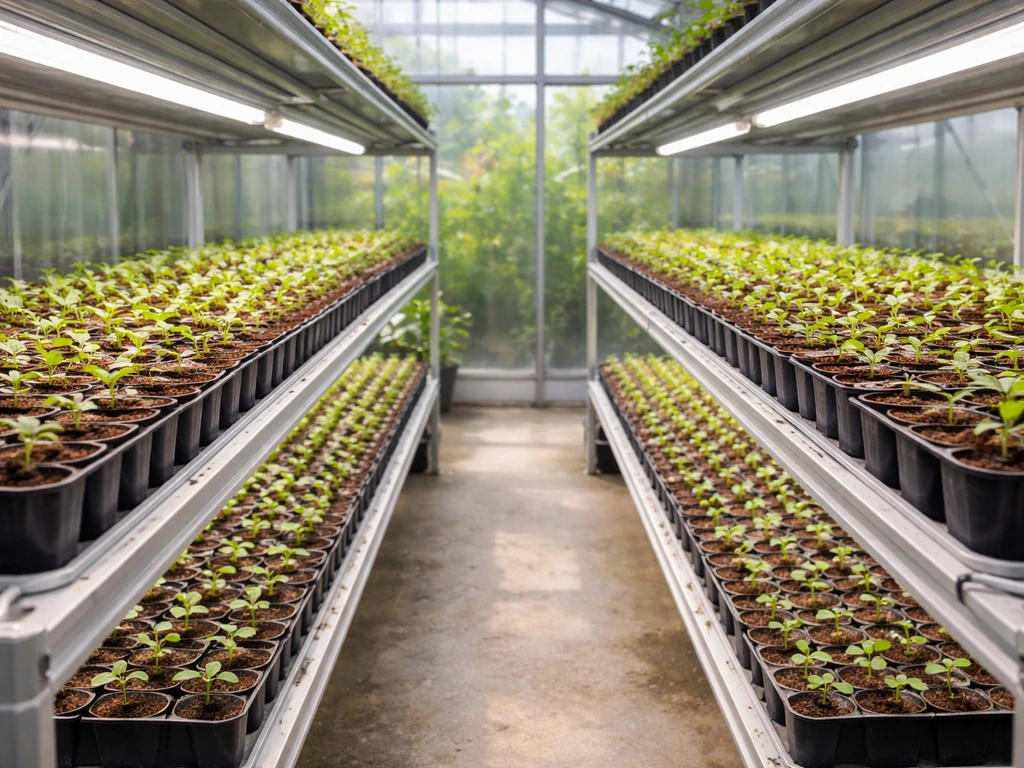
How to Grow Flowers in a Greenhouse: Seed to Bloom
Step-by-step how to grow flowers in a greenhouse from seed starting to transplanting, watering, feeding, and troubleshoo
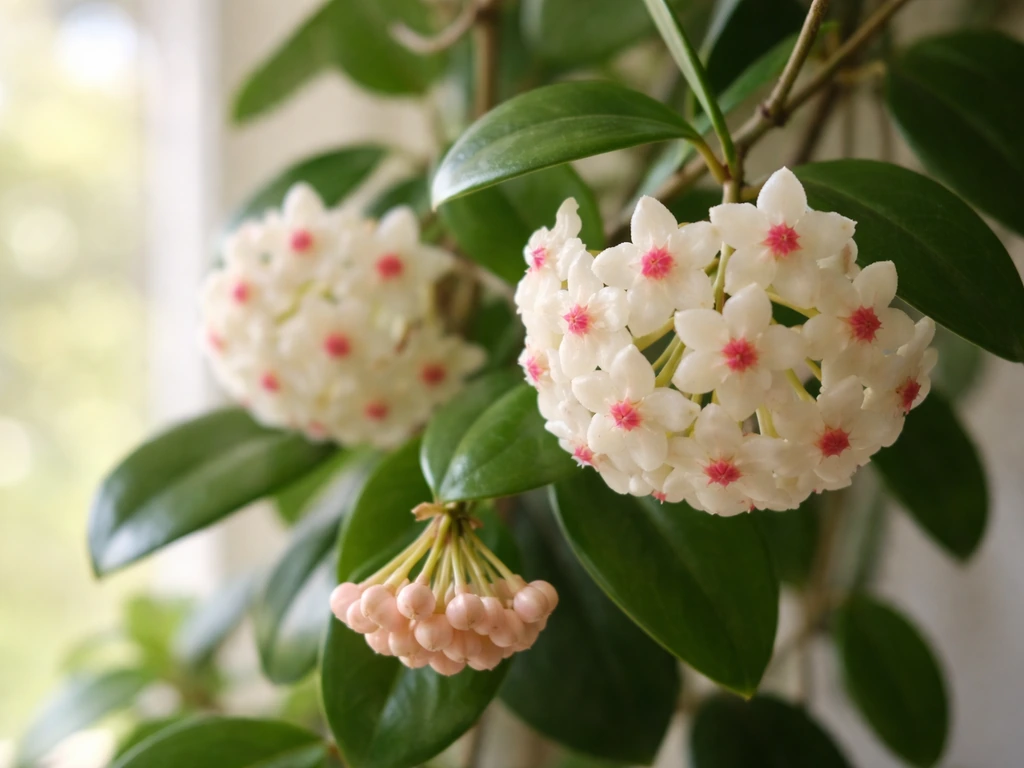
How to Grow Wax Flowers: Seed to Bloom Guide
Step-by-step guide to grow wax flowers from seed or cuttings, with light, soil, care, and bloom troubleshooting.
Floret How to Grow Ranunculus: Step-by-Step Guide
Step-by-step Floret-style ranunculus guide: corm prep, planting, watering, frost care, troubleshooting, and harvest for