You can grow a genuinely impressive flower garden in a small space, a balcony, a patio corner, a windowsill, or even a stretch of concrete, if you pick the right varieties, use the right containers and soil, and follow a simple seed-to-bloom workflow. The key is working with what you have rather than wishing for more room. Start by understanding your light, then match your flower choices and containers to those conditions, and you'll have blooms from late spring through fall.
How to Grow Flowers in Small Spaces: Step-by-Step Guide
James Holloway
30 May 2026
Assess your space: sun, wind, and microclimates
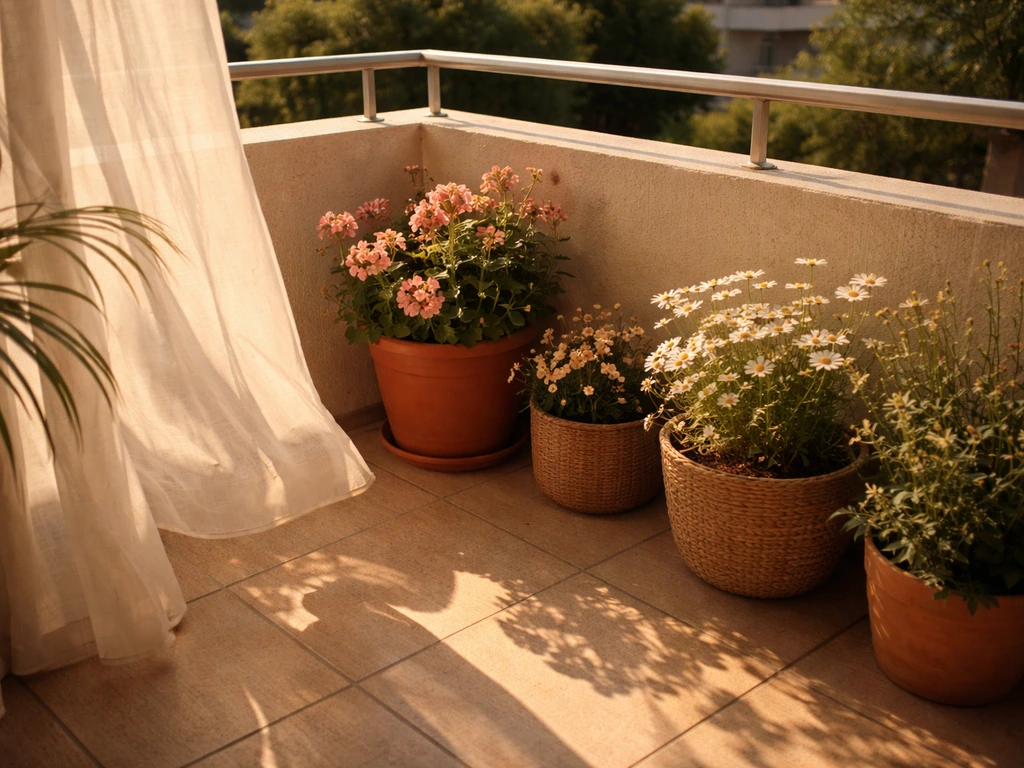
Before you buy a single seed packet, spend a day watching how light moves across your space. Most flowering plants need at least 6 hours of blank" rel="noopener noreferrer">direct sun per day to bloom well. If your space gets 3–6 hours, you're in "part sun" territory, which still works for quite a few flowers (more on that below). Oklahoma State University Extension notes that "part sun" plants typically thrive with about 3, 6 hours of direct sunlight per day blank" rel="noopener noreferrer">part sun" territory, which still works for quite a few flowers. Under 3 hours is true shade, and your flower options narrow considerably.
Direction matters more than people realize. East-facing balconies and patios get morning sun, which is gentler and cooler, great for snapdragons, which actually prefer cooler conditions. West-facing spots get the hottest afternoon light, which suits heat-lovers like marigolds and zinnias but can scorch more delicate plants and dry out containers fast. South-facing spaces typically get the most total light and give you the most flexibility. North-facing spots are the hardest for flowers, but some shade-tolerant annuals like impatiens and begonias can still work.
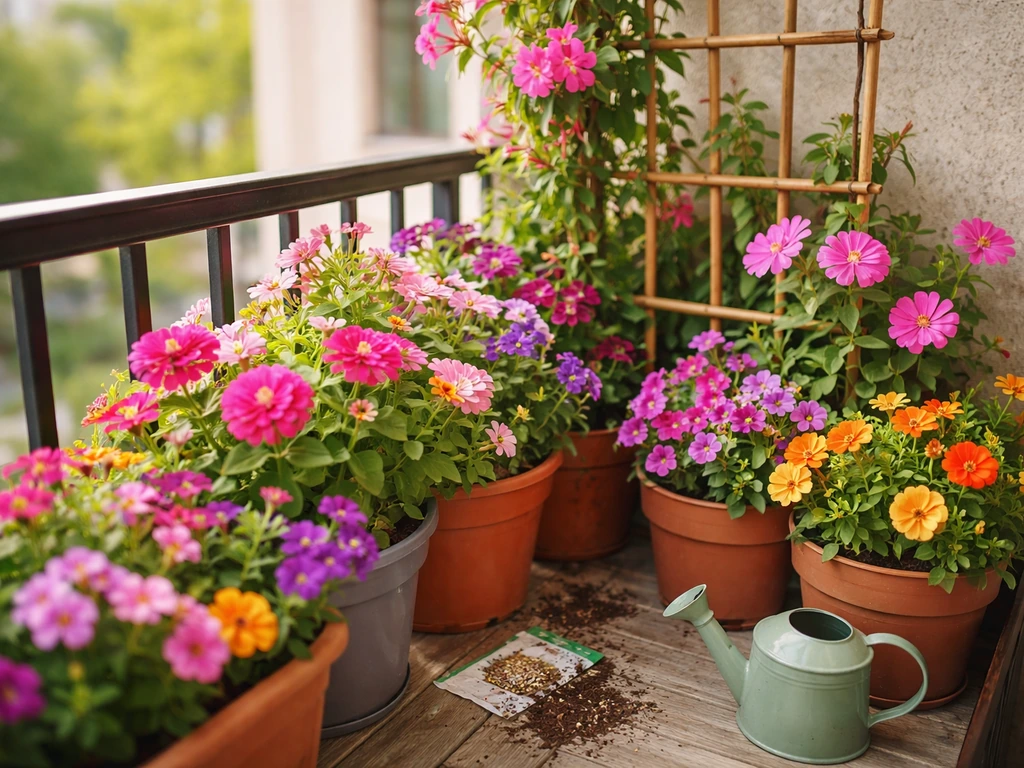
Wind is a small-space problem that often gets ignored. Balconies especially can create wind tunnels that desiccate plants, snap stems, and knock over containers. If you're on an upper floor, plan to use heavier pots, stake taller plants, and possibly add a simple wind barrier like a trellis with climbing foliage. Also watch for microclimates, a corner sheltered by a wall will stay warmer and more humid than an exposed railing spot just a few feet away. These differences affect everything from watering frequency to frost sensitivity.
Pick small-space-friendly flower types and varieties
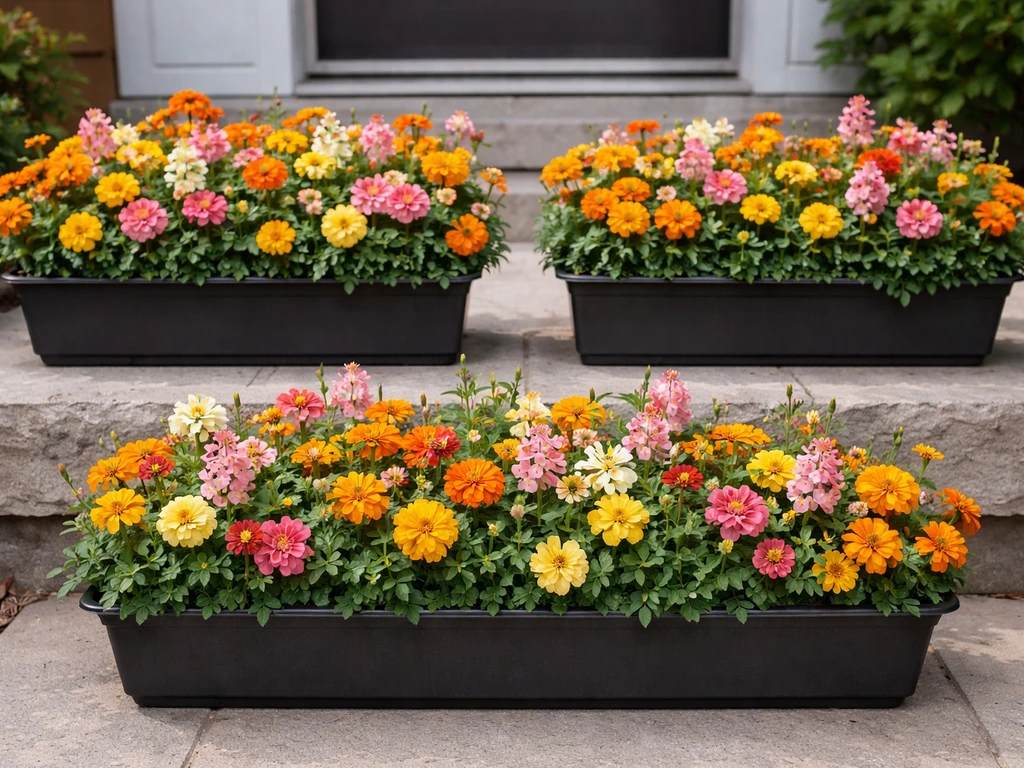
Not every flower is suitable for small-space or container growing. You want compact varieties with a long bloom window, or varieties that respond well to cutting and deadheading so they keep producing. Here are the ones I rely on most. Wax flowers are also suited to small-space growing, and they do best when you match their sun needs and use well-draining containers how to grow wax flowers.
Best flowers for containers and small beds
| Flower | Best Use | Sun Needs | Key Trait |
|---|---|---|---|
| Marigolds (French, e.g., 'Bonanza' or 'Disco') | Containers, window boxes, edges | Full sun | Compact, prolific, pest-repelling, heat-tolerant |
| Snapdragons ('Floral Showers', 'Sonnet') | Containers, small beds | Full to part sun | Cool-season bloomer, great for cutting |
| Poppies (Californian, Shirley) | Small beds, direct sow in containers | Full sun | Self-sowing, low maintenance, hard to transplant |
| Wildflower mixes (low-grow varieties) | Small beds, large containers | Full to part sun | Easy direct sow, fills gaps, pollinator magnet |
| Zinnias ('Thumbelina', 'Zahara') | Containers, window boxes | Full sun | Compact, heat-loving, long-blooming |
| Sweet alyssum | Window boxes, edging, hanging baskets | Full to part sun | Fragrant, spills nicely, fills gaps |
| Cosmos ('Sonata' dwarf) | Containers, small beds | Full sun | Airy, prolific, good cut flower |
| Nasturtiums | Hanging baskets, trailing over containers | Full to part sun | Edible, fast-growing, low-fuss |
If you're drawn to a cutting garden feel in a small space, lean on snapdragons, zinnias, and cosmos. They produce stems worth cutting, they bloom longer when you cut them, and even a few pots will give you vase-worthy flowers all summer. Marigolds are my go-to filler for any container setup, they're nearly indestructible in full sun, they deter aphids, and French varieties stay compact enough for a 6-inch pot.
For part-sun spaces, snapdragons and sweet alyssum are your best friends. Poppies are worth growing even in small beds, but they're direct-sow only, they really dislike transplanting, so plan a spot where you can scatter seeds directly and leave them alone.
Containers, soil, and setup for limited root space
Container size makes a bigger difference than most beginners expect. Too small and plants dry out within hours on a warm day, roots get cramped, and flowering suffers. Here's a simple guide to minimum container sizes:
| Plant Type | Minimum Container Size | Notes |
|---|---|---|
| Small annuals (alyssum, lobelia, dwarf marigolds) | 6–8 inches diameter | Can be grouped in window boxes |
| Medium annuals (zinnias, snapdragons, cosmos) | 10–12 inches diameter | One plant per 10-inch pot or 2–3 per 12-inch |
| Larger annuals (tall marigolds, nasturtiums) | 12–14 inches diameter | Needs good depth too (at least 10 inches) |
| Mixed plantings / thrillers-fillers-spillers | 14–16+ inches diameter | More soil = more buffer against drying out |
For soil, skip garden soil entirely in containers, it compacts, drains poorly, and often introduces disease. Use a quality potting mix, not "potting soil" (there's a difference, potting mix is lighter and includes perlite or vermiculite for drainage). I add about 20–25% extra perlite to any mix I use for containers on sunny balconies because drainage is critical. Waterlogged roots rot fast, especially in hot weather.
Drainage holes are non-negotiable. If you fall in love with a decorative pot that has no drainage, drill holes in the bottom or use it as a cachepot with a properly draining inner pot. Self-watering containers with a reservoir are genuinely excellent for small-space growers who travel or forget to water, they can extend the time between watering by a day or two and reduce stress on plants during heat waves.
For window boxes and railing planters, weight matters if you're on a balcony. Plastic or fiberglass containers are much lighter than terracotta and hold moisture better. Terracotta looks beautiful but dries out quickly and is heavy, fine for a ground-level patio, less ideal for a railed balcony.
Seed-starting and transplanting timeline for small gardens
One of the best things about small-space flower growing is that you don't need a big indoor seed-starting setup. A sunny windowsill, a few small trays, and a bag of seed-starting mix are enough to get started. The timing depends on your last frost date, everything keys off that number.
Indoor seed-starting (6–8 weeks before last frost)
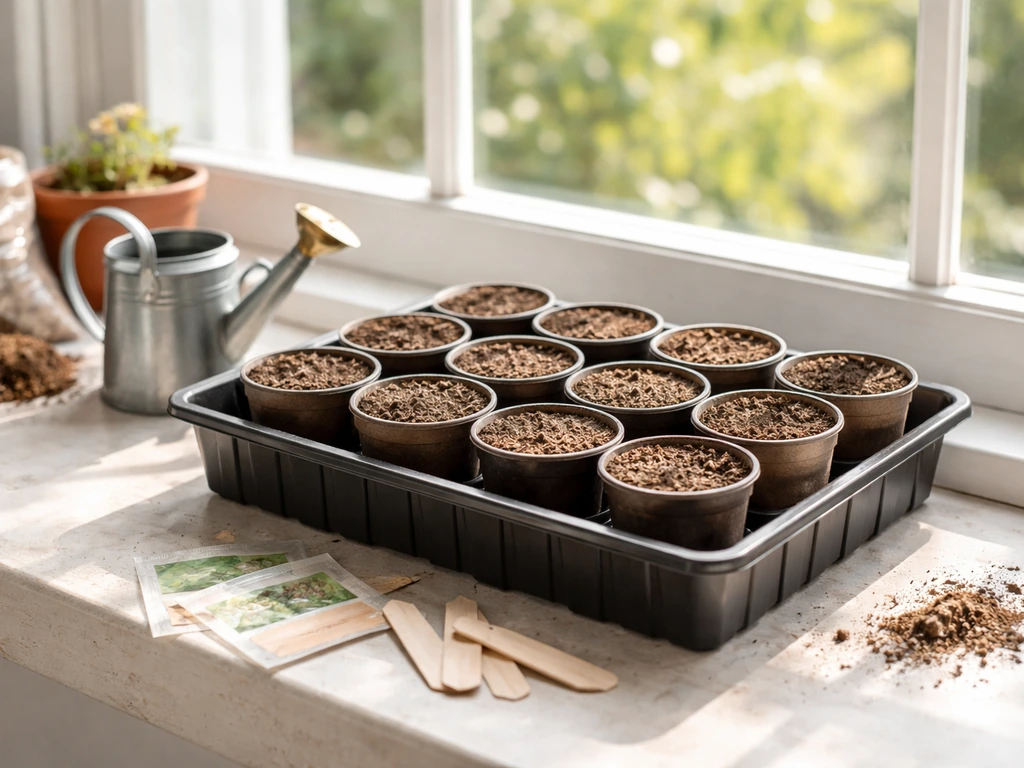
Snapdragons are the earliest to start, they're a cool-season flower and can go out while nights are still chilly, so start them 8–10 weeks before your last frost date. If you want flowers in winter, you can use the same cool-season approach with winter hardy varieties and the right protection cool-season flower. Marigolds, zinnias, and cosmos need only 4–6 weeks indoors before transplanting. Starting too early is one of the most common beginner mistakes: you end up with leggy, stressed seedlings that have outgrown their cells before it's warm enough to plant them out.
Use seed-starting mix (not potting mix, it's finer and better for germination), keep trays in a warm spot (65–75°F is ideal for most annuals), and make sure seedlings get strong light as soon as they emerge. A south-facing windowsill works, but a simple grow light on a timer, 14–16 hours per day, gives much more consistent results and prevents legginess.
Direct sowing in containers or small beds
Poppies, nasturtiums, and wildflower mixes are best direct-sown. Poppies especially hate root disturbance, scatter the seeds in their final container or bed spot, barely cover them (they need light to germinate), and thin to 6 inches apart once they sprout. Direct-sow nasturtiums right in the container they'll grow in after your last frost date. They germinate fast (7–10 days) and don't look back.
Hardening off: the step people skip
Hardening off is simply the process of slowly introducing indoor seedlings to outdoor conditions over 7–10 days. Start by placing them in a semi-shaded, sheltered spot for a few hours a day, then gradually increase both sun exposure and time outside. Skipping this step is one of the most common reasons seedlings wilt, scorch, or stall after transplanting, even if the temperatures are fine, the intensity of direct outdoor light and wind can shock plants that have only ever known indoor growing conditions. After a week of gradual exposure, they'll be ready to go into their final containers without missing a beat.
Watering and feeding routines that prevent common container problems
Containers dry out faster than in-ground beds, sometimes much faster. On a hot, sunny day, a small pot in full sun can dry out in just a few hours. The general rule is to water when the top inch of soil feels dry, but in very hot weather on exposed balconies, that might mean watering every day or even twice a day for small pots. Stick your finger in the soil, don't rely on the surface looking dry, because the top can look fine while the roots are already stressed.
Overwatering is just as damaging as underwatering, and it's easier to do than you'd think. Soggy soil deprives roots of oxygen and encourages root rot and fungal problems. Always water until it drains freely from the bottom, then stop. If water sits in a saucer for more than 30 minutes, tip it out, roots sitting in standing water will rot.
For feeding, potting mix nutrients wash out with regular watering after about 4–6 weeks. Use a balanced liquid fertilizer (something like 10-10-10 or a bloom-boosting formula like 5-10-10) every 1–2 weeks through the growing season once plants are established. I switch to a slightly higher-phosphorus feed once plants are budding because phosphorus supports flower production. Don't overfeed with nitrogen, it pushes leafy growth at the expense of blooms.
Slow-release granular fertilizer mixed into the potting mix at planting is a good baseline, especially if you're the type to forget liquid feeding. Use it as your foundation and add liquid feed during heavy blooming periods for an extra boost.
Maximize bloom with spacing, vertical growing, and succession planting
Spacing in small spaces
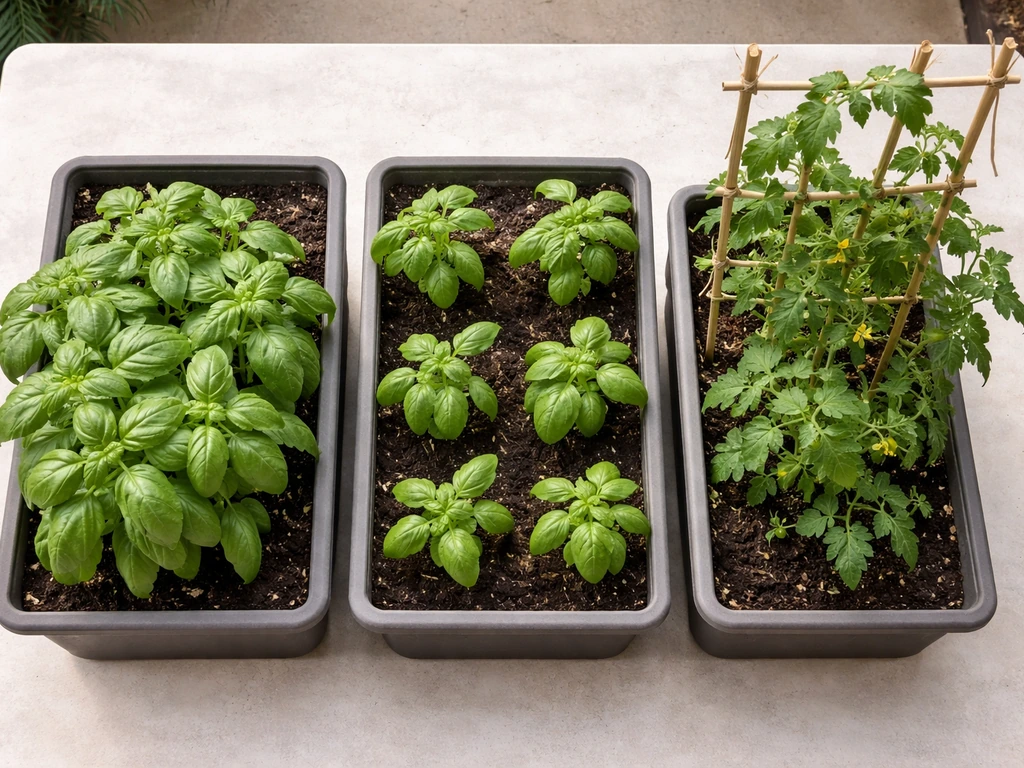
It's tempting to cram containers full of plants, and a little overcrowding looks great at first. But poor air circulation is one of the main causes of fungal disease in small spaces, so follow spacing guidelines on seed packets even when it feels wasteful. In containers, reduce the recommended in-ground spacing by about 20–25% (containers are more uniform in moisture and nutrients), but don't go below that. Three snapdragons in a 12-inch pot is a good rule of thumb; five is too many.
Going vertical
Vertical growing is the single best way to multiply your growing space without needing more floor area. A simple bamboo trellis or wire grid attached to a wall or fence turns a 2-square-foot footprint into a 10-square-foot growing surface. Sweet peas, climbing nasturtiums, and black-eyed Susan vine all grow well up vertical supports in containers. Even a simple obelisk trellis in a large pot works beautifully. Hanging baskets are another underused option, trailing nasturtiums, lobelia, and sweet alyssum spill over beautifully and don't compete with your floor space at all.
Succession planting for continuous bloom
Succession planting means staggering your seed-starting or direct sowing so you get waves of bloom rather than everything peaking at once. For small spaces, this is especially useful with zinnias and marigolds. Start a first round of seeds at the normal time, then start a second batch 3–4 weeks later. The second batch will hit its stride right as the first round starts to wind down. With snapdragons, plant them early in spring (they love cool weather), then let them rest through the hottest part of summer, they'll often revive and bloom again in fall. Cosmos sown in late spring and again in early summer will give you a staggered flush of blooms through late September.
Pest/disease prevention and troubleshooting in tight areas
Small spaces concentrate problems. Aphids find a crowded balcony planting and go to town. Fungal issues like powdery mildew spread quickly between closely-spaced pots. The good news is that small spaces are also easy to monitor daily, which means you can catch problems early before they become disasters.
Preventing problems before they start
- Space plants for air circulation — crowded, humid foliage is an invitation for fungal disease
- Water at the base of plants, not on the leaves — wet foliage overnight is a leading cause of powdery mildew and botrytis
- Remove dead leaves and spent flowers promptly — decaying plant material harbors disease and pests
- Plant marigolds near other flowers — they genuinely help deter aphids and whiteflies
- Check the undersides of leaves every few days — aphids, spider mites, and thrips all hide there
Common problems and quick fixes
| Problem | Likely Cause | What To Do |
|---|---|---|
| Leaves yellowing | Overwatering or nutrient deficiency | Check drainage; feed with balanced liquid fertilizer |
| Wilting in afternoon despite moist soil | Heat stress | Move to a spot with afternoon shade; water in the morning |
| White powder on leaves | Powdery mildew | Improve air circulation; spray with diluted neem oil or baking soda solution |
| Tiny clusters on stems and buds | Aphids | Knock off with water spray; apply insecticidal soap |
| Flowers dropping or not forming | Too much nitrogen or too little sun | Switch to bloom fertilizer; reassess sun exposure |
| Gray fuzzy mold on flowers or stems | Botrytis (gray mold) | Remove affected parts immediately; reduce humidity; improve air flow |
| Leggy, floppy stems | Insufficient light | Move to sunnier spot; pinch stems to encourage bushier growth |
One thing I've learned the hard way: quarantine new plants before placing them next to your existing containers. A new plant from a nursery can bring in spider mites or aphids that spread fast in a tight space. Give any new addition a few days in an isolated spot and check it carefully before integrating it.
Keep flowers blooming: deadheading, pruning, and cut-flower care
Deadheading, removing spent blooms, is the single most impactful thing you can do to extend the blooming season. When a flower goes to seed, the plant's job is done and it slows new flower production. Snipping off faded blooms before they set seed tells the plant to keep going. For marigolds, zinnias, and snapdragons, deadhead every few days during peak season and you'll extend your bloom window by weeks.
How you deadhead matters. For most flowers, cut the stem back to the next set of leaves or side bud rather than just pulling the dead flower head off. This keeps the plant looking tidy and encourages branching. For snapdragons, once the main spike finishes, cut it back by about one-third, side shoots will come up and flower again, especially in cooler weather.
If you're growing flowers for cutting (zinnias, cosmos, snapdragons, sweet peas), cut stems regularly even if you don't need them for a vase. Cutting is essentially the same as deadheading, it prevents seed set and pushes the plant to produce more. Cut in the morning when stems are most hydrated, cut at a 45-degree angle, and get them into water immediately. Change the water every two days and recut the stems to extend vase life.
For container plants that start looking tired mid-season, leggy, sparse, not blooming, a hard cut-back can revive them. Cut plants back by about one-third, give them a feed of liquid fertilizer, and most will bounce back with fresh growth and new blooms within 3–4 weeks. This mid-season reset is especially useful for marigolds and sweet alyssum.
Your next steps today
If you're starting from scratch right now (late spring, early summer), here's the most direct path to blooms this season:
- Spend one day tracking sun in your space — note which spots get 6+ hours vs 3–6 hours vs less than 3 hours
- Buy or gather containers that are at least 10–12 inches in diameter with drainage holes; get a quality potting mix and add perlite
- Pick up transplants of marigolds, zinnias, or snapdragons from a nursery for instant color while your seeds get started
- Direct-sow nasturtiums and wildflower mix in containers or beds right now — both germinate fast and need no indoor starting
- Start a second succession round of zinnias or cosmos from seed in 3–4 weeks to ensure you have late-summer blooms
- Set a watering schedule and feed with liquid fertilizer every 2 weeks once plants are established
- Deadhead every few days as blooms fade — this one habit makes more difference than almost anything else
Small spaces are genuinely no obstacle to a flower-filled season. If you're growing on a balcony specifically, many of these same principles apply, though wind and weight limits add a few extra considerations worth thinking through. And if you're eventually looking to extend into cooler months, many of these same varieties like snapdragons and some wildflowers have surprising cold tolerance that makes them candidates for a fall or even winter setup in mild climates.
If you’re in a mild climate or using the right indoor setup, learning how to grow Christmas flowers can help you extend the season into winter. To learn exactly what to plant and how to protect them, see the guide on how to grow flowers in winter extend into cooler months. For now though: pick your containers, grab some marigold or zinnia seeds, and get started.
If you want to extend your flower season in a greenhouse, focus on temperature control, good light, and proper ventilation so plants stay healthy year-round. The first blooms will show up faster than you expect.
FAQ
What’s the smallest container size that still gives flowers a real chance to bloom?
If you’re growing annuals in pots, smaller is rarely better. Use at least 6 inches wide for compact fillers (like French marigolds or sweet alyssum), and 10 to 12 inches for snapdragon-type plants or anything you want to perform all season. If you must use a smaller pot, plan on more frequent watering and more frequent feeding because nutrients wash out faster.
How do I know if my balcony or patio gets enough light for flowering?
Besides counting hours of direct sun, check whether you get that sun at the same time every day (morning versus afternoon). Many people overestimate by judging only a sunny moment. Try taking a quick photo of your space at mid-morning, midday, and mid-afternoon for a couple of clear days, then match plant choices to the longest consistent direct-light window.
Why are my flowers flowering less even though they’re growing?
The most common causes in small spaces are either too much nitrogen (lots of leafy growth, fewer blooms) or irregular watering that stresses plants during budding. Another frequent culprit is planting in a pot that’s too small for the plant’s mature root mass, which limits both water and nutrient availability. Adjust fertilizer toward lower nitrogen and make watering consistent, watering until it drains freely and letting excess water go.
Can I mix different flower types in one container?
Yes, but pair plants with similar light and watering needs. A common mistake is combining drought-tolerant marigolds with thirstier flowers, which leads to one group suffering. If you want a mix, choose compact plants, leave enough spacing for airflow, and use one potting-mix strategy that supports the highest-need plant in the combo.
What’s the best way to water flowers in hot weather on a balcony?
Use the finger test, water deeply until it drains from the bottom, then stop. In exposed small pots, you may need to water daily or even twice on extreme days, but you should avoid keeping soil constantly wet. For consistency, consider grouping pots close together to reduce evaporation and, if appropriate, using a saucer only as a short-term catch, not as a standing-water reservoir.
My seedlings look leggy on the windowsill, what should I do?
Legginess usually means insufficient light or starting too early. Move seedlings under a grow light as soon as they emerge, use a timer for 14 to 16 hours, and keep the light close enough that plants don’t stretch. If they already have long stems, you can pot them deeper into the seed-starting mix (where appropriate for that species) to stabilize them before transplanting.
Do I have to harden off seedlings if it’s already warm outside?
Yes, warmth alone is not enough. Outdoor sun intensity and wind can still be harsher than indoor light, and that mismatch is what causes sudden wilting or scorching after transplant. Harden off for 7 to 10 days in stages, starting with semi-shade and gradually increasing both time outdoors and direct sun exposure.
Can I save money by using garden soil in my containers?
It usually backfires. Garden soil compacts in pots, drains poorly, and often carries pests or diseases that you would not want concentrated in a small container setup. Use container potting mix for drainage, and if you’re in a very sunny, windy balcony, adding extra perlite improves airflow around roots and reduces rot risk.
What should I do if I overwater my container flowers?
First, stop adding water and let the potting mix dry slightly, then check drainage. If water sat in a saucer longer than about 30 minutes, tip it out. If leaves start yellowing and stems feel soft, you may need to remove the plant, inspect roots, and repot in fresh mix. Prevention is easier, water until it drains freely, then walk away.
How can I prevent pests like aphids and spider mites in a tight space?
Quarantine new plants for a few days and inspect under leaves before combining them. In daily checks, look for early signs rather than waiting for heavy damage. If you spot clusters of aphids, blast them off with water and consider treating affected plants promptly, because outbreaks spread quickly when plants are close together.
My cut flowers keep wilting quickly, what’s the most common mistake?
Warm cutting conditions and delayed hydration. Cut in the morning, recut stems and remove any leaves that would sit below water, then place stems into water immediately. Change the water every couple of days and avoid leaving cut stems in heat or direct sun while you’re working in the area.
How do I get repeated blooms without constantly deadheading by hand?
Deadheading is still the main lever, but you can reduce effort by doing it as a routine during peak season (for example, every few days). Also choose varieties bred to keep producing in containers, and consider a mid-season reset by cutting back plants about one-third if flowering stalls. That combination often yields more blooms with less frantic daily maintenance.
What’s a good succession plan for small-space flowering when I want steady color?
Start your first sowing on schedule, then add a second batch about 3 to 4 weeks later, especially with zinnias and marigolds. For cooler-season types like snapdragons, you can plan for a spring bloom wave, then let them rest during peak heat and attempt a fall revival. Staggering by a few weeks is usually enough to avoid everything peaking at once.
Next Articles
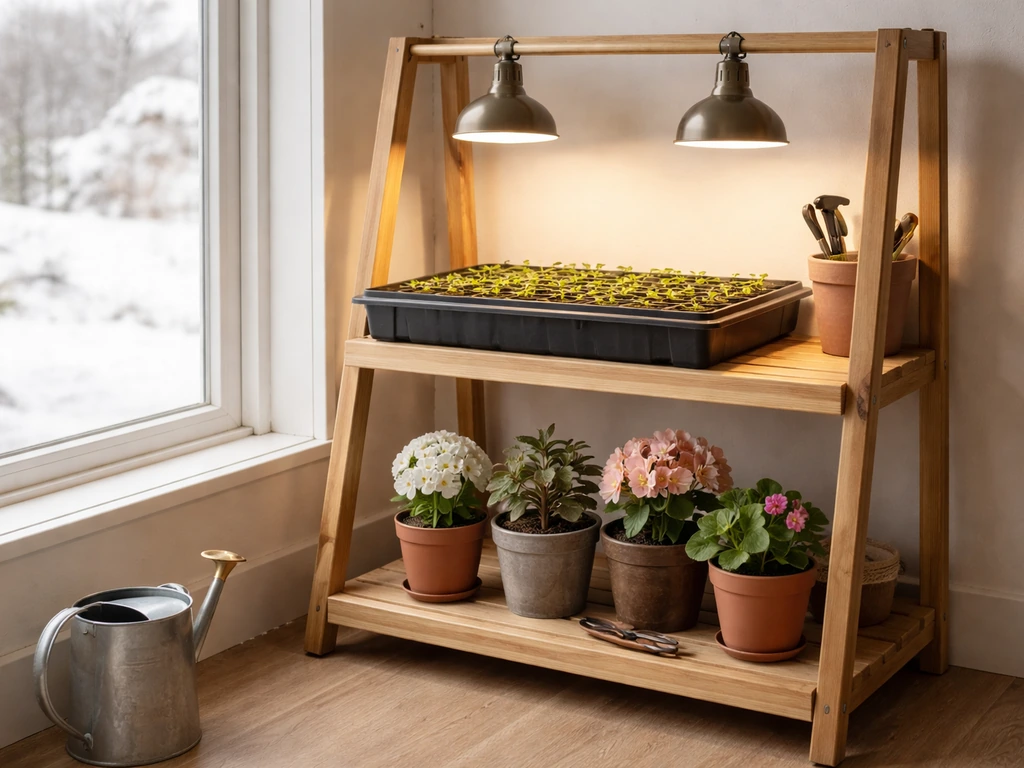
How to Grow Flowers in Winter Indoors Step by Step
Step by step guide to grow indoor winter flowers from seed to bloom, with lights, watering, care, and troubleshooting.
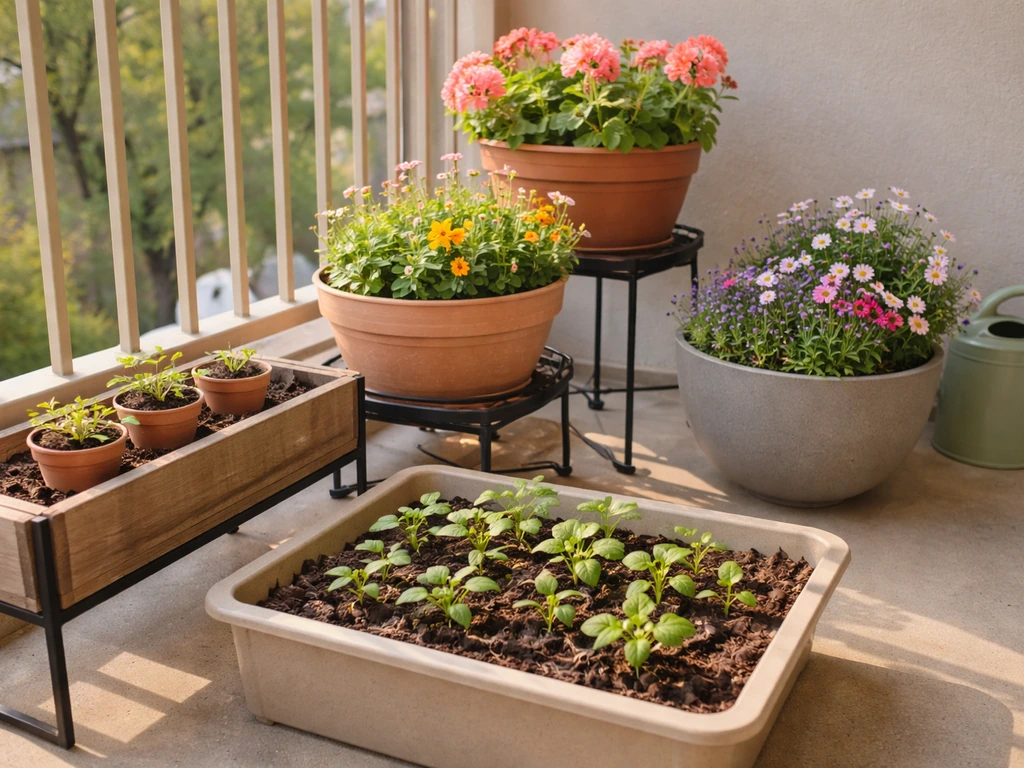
How to Grow Flowers on a Balcony: Step by Step Guide
Step-by-step how to grow balcony flowers from seed to bloom, including setup, timing, sowing, and care tips.
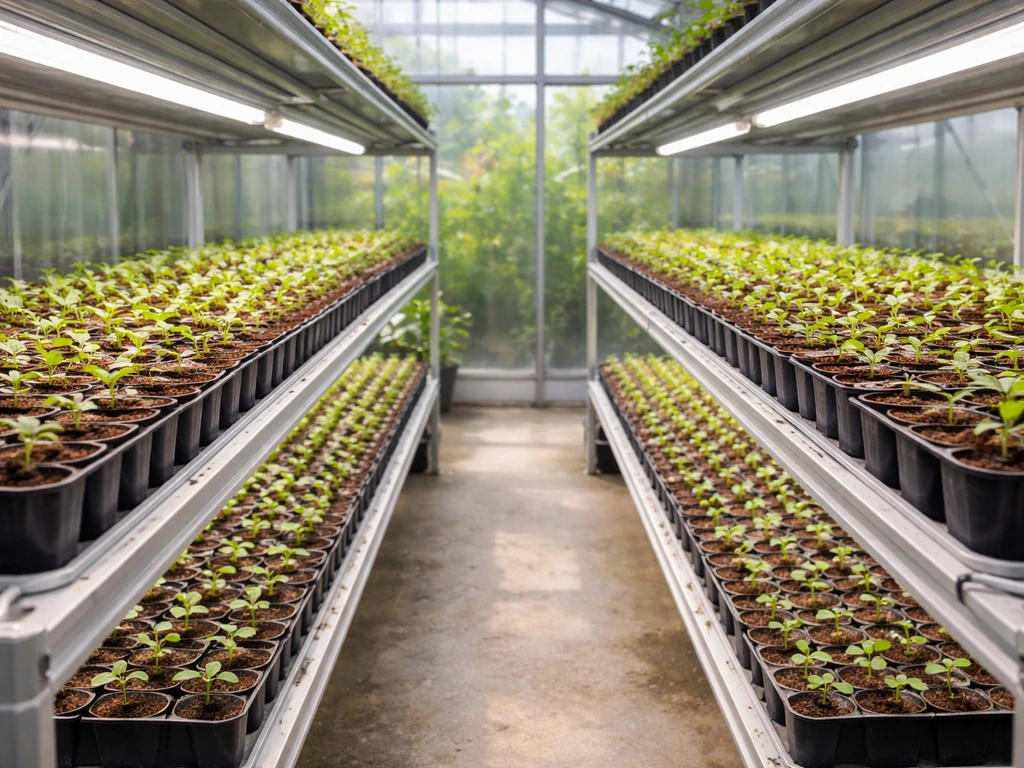
How to Grow Flowers in a Greenhouse: Seed to Bloom
Step-by-step how to grow flowers in a greenhouse from seed starting to transplanting, watering, feeding, and troubleshoo