If you're searching for how to grow wax flowers, you almost certainly have a Hoya on your hands, most likely Hoya carnosa, the classic wax plant with thick, leathery oval leaves and clusters of small, star-shaped, creamy-pink flowers that smell incredible. Growing one from start to bloom is very achievable, but there are a handful of things people get wrong that keep these plants stuck in leaf mode for years. Get the light, pot setup, and a phosphorus-rich fertilizer right, and yours will flower. Skip those details, and it probably won't.
How to Grow Wax Flowers: Seed to Bloom Guide

James Holloway
3 May 2026
What exactly is a wax flower?
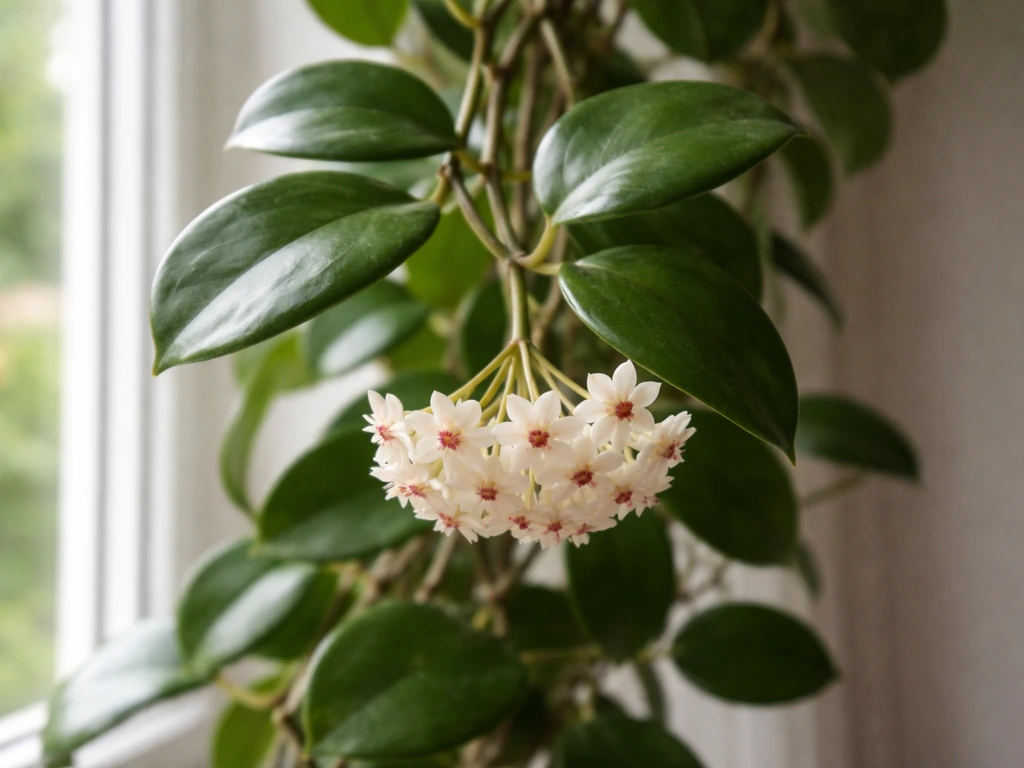
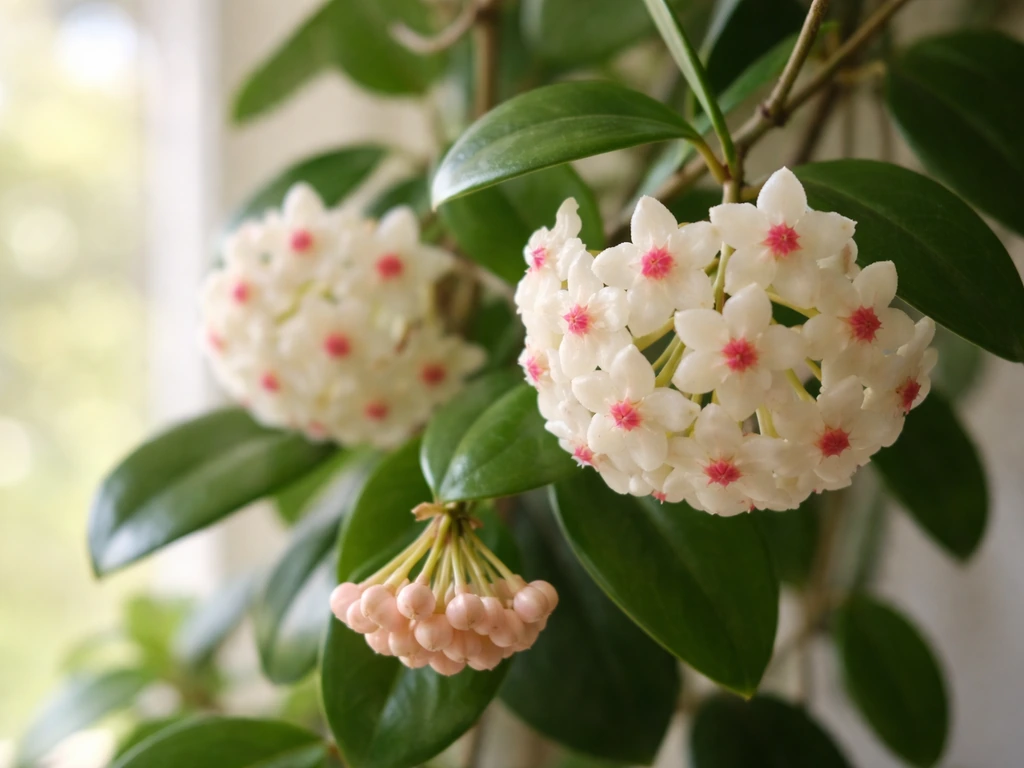
Wax flower is a common name that gets used for a few different plants, so it's worth pinning down which one you have before doing anything else. The most common by far is Hoya carnosa, a semi-woody climbing vine with opposite, nearly oval leaves about 2 to 3 inches long. Its flowers are tiny (roughly half an inch across each), arranged in globe-like clusters called umbels, and they're creamy white to light pink with a waxy, almost porcelain look, hence the nickname porcelain flower. They're also fragrant, especially at night.
Another Hoya you might have is Hoya kerrii, the heart-leaf or lucky-heart plant, which has thick, heart-shaped leaves and is often sold as a single-leaf cutting in a tiny pot. It's adorable but slow, and a single leaf without a node attached to it will never grow into a full plant. If that's what you bought, don't expect much from it. The advice in this guide applies most directly to Hoya carnosa and its cultivars, which are by far the most widely grown wax plants.
Occasionally "wax flower" also refers to Chamelaucium uncinatum, a shrubby Australian native used in cut flower arrangements. That's a completely different plant requiring completely different care. If your plant has delicate, needle-like leaves and you bought it from a florist rather than a houseplant section, that's the one you have. This guide focuses on the Hoya type.
Seeds vs. cuttings: which one should you actually use?
Let's be honest about Hoya seeds: they're a long shot. Germination rates are unreliable, seeds are hard to source fresh (and freshness matters a lot for viability), and seedlings often don't grow true to the parent plant. Gardening experts flag Hoya seed propagation as "chancy" for good reason. If someone hands you a packet of Hoya seeds, give it a try for fun, but don't make it your main plan.
Stem cuttings are the realistic method, and they work well once you know the rules. You need a section of stem with at least one node (the little bump or joint where a leaf meets the stem), not just a leaf. A detached leaf alone won't grow into a new plant. Take a cutting with two or three leaf pairs, strip the bottom pair of leaves, dip the cut end in rooting powder, and plant it into a damp but not soggy rooting medium. Roots typically develop in four to eight weeks, so patience is the main ingredient here.
| Method | Success rate | Time to rooted plant | Grows true to parent? | Best for |
|---|---|---|---|---|
| Stem cuttings | High | 4 to 8 weeks | Yes | Most growers |
| Seed | Low / unreliable | Months, if at all | Often no | Experimental growers only |
| Single leaf (no node) | None for full plant | Never | N/A | Not recommended |
Soil, light, and pot setup
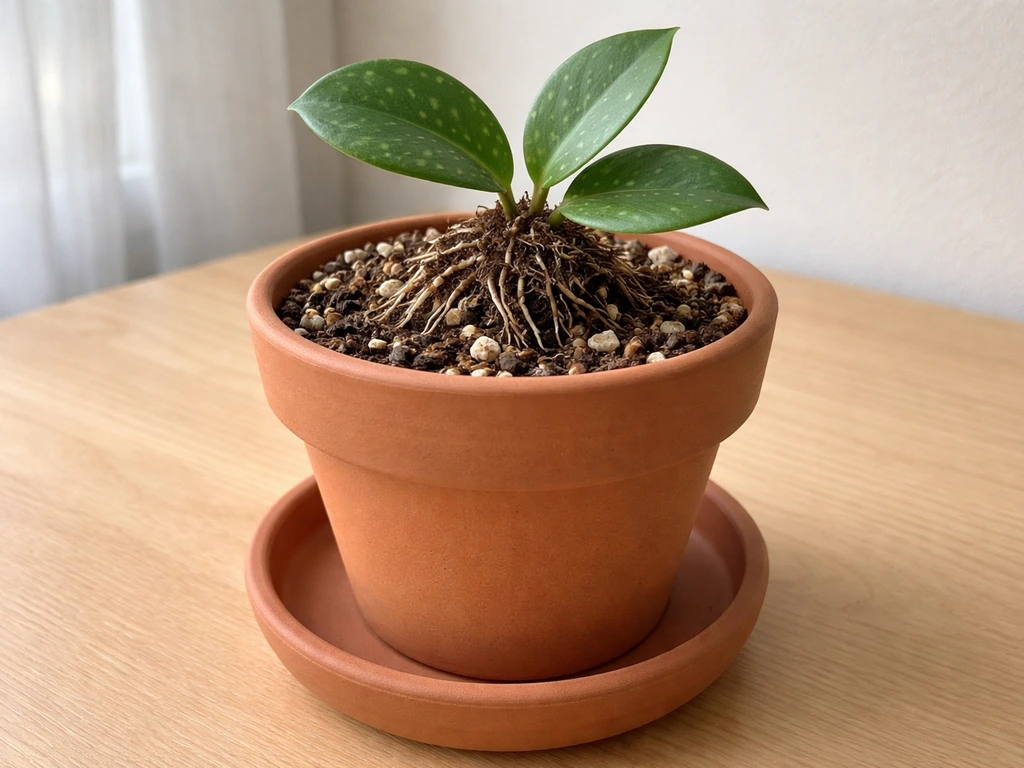
Hoyas hate sitting in wet soil. Their roots need oxygen, and dense, moisture-retentive potting compost is one of the fastest ways to kill one. Use a mix that drains freely. A good starting point is two parts standard indoor potting mix combined with one part perlite or coarse orchid bark. That keeps things airy enough for the roots to breathe between waterings. Avoid heavy garden soil entirely.
For the pot itself, choose something only slightly larger than the root ball. Hoyas actually bloom better when slightly root-bound, so don't rush to upsize. Most importantly, make sure the pot has a drainage hole. No drainage hole means guaranteed root rot eventually. Terracotta pots are great because they allow moisture to evaporate through the sides, giving you a bit of extra protection against overwatering.
Light is where a lot of people go wrong. Hoyas want medium to bright indirect light, which in practical terms means a spot near a window where the sun isn't hitting the leaves directly for hours at a time. An east-facing windowsill is often ideal. A south- or west-facing window with a sheer curtain works too. Too little light and the plant stays stuck in vegetative mode and refuses to flower. Too much harsh direct sun and the leaves bleach and scorch. If your plant is more than about three feet from any window in a typical home, it probably isn't getting enough light.
Starting from seed: timing, temperature, and what to expect
If you do want to try seeds, give them the best possible conditions to improve your odds. Sow in late winter or early spring, around February or March, so the seedlings have the long days and warmth of summer ahead of them. Use a seed-starting mix (not regular potting soil), moisten it evenly, and press the seeds barely into the surface since Hoya seeds need light to germinate. Cover the tray with a clear plastic lid or wrap to hold humidity.
Keep the temperature between 65 and 75 degrees Fahrenheit. A seedling heat mat set to that range speeds things up. Mist the surface if it starts drying out, but don't let it become waterlogged. If germination happens, it usually shows within two to four weeks, though results are genuinely inconsistent. Once seedlings have two sets of true leaves, move them carefully into small individual pots with your regular Hoya mix. Handle the roots gently, because young Hoya roots are delicate.
One important note if you're using cuttings instead of seeds: don't push the cutting so deep into the soil that any buds end up buried. Buds below the surface can't develop into shoots, which stalls the whole process. The node should be just at or slightly below the soil surface, with the rest of the stem above it.
Watering, fertilizing, and pruning
Watering
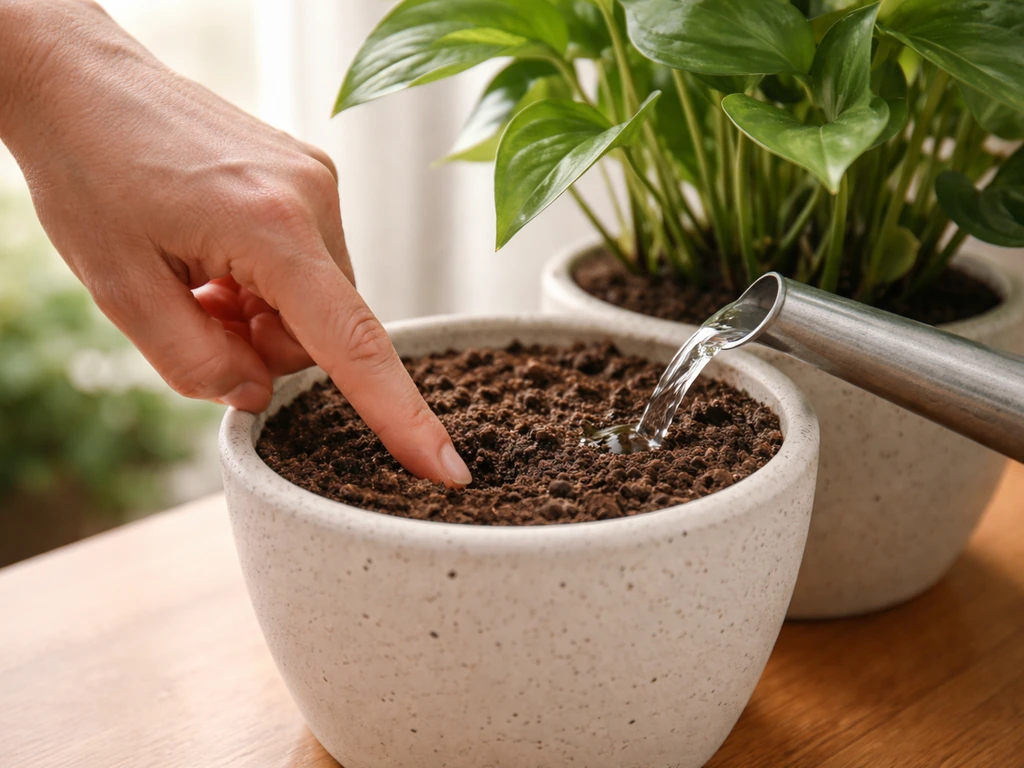
During the growing season (spring through summer), let the top third of the soil dry out between waterings. Stick your finger an inch or two into the soil. If it still feels damp, wait. When you do water, water thoroughly so it drains out the bottom, then let it dry down again before the next drink. In winter, pull back even further. The plant is resting, its roots aren't actively growing, and soggy soil in cool conditions is a recipe for rot.
Fertilizing
Feed with a balanced liquid fertilizer (something like a 10-10-10) every four weeks during spring and summer to support general growth. But here's the key move for getting your Hoya to actually bloom: switch to a high-phosphorus fertilizer (look for a ratio like 5-10-3, where the middle number is highest) for about two months before the plant's normal blooming season. Phosphorus is the nutrient most directly linked to flower production. If your Hoya hasn't bloomed in years, this one change can make a real difference. Stop fertilizing in fall and skip it entirely through winter.
Pruning
This is the most common mistake people make: cutting off the flower spurs. Hoyas bloom from specialized perennial stalks called peduncles or spurs that regrow flowers season after season. Hoya carnosa produces flowers repeatedly on the same peduncles or spurs each year, which is why cutting the spurs off can reduce future flowering blank" rel="noopener noreferrer">Hoyas bloom from specialized perennial stalks called peduncles or spurs that regrow flowers season after season.. If you prune them off thinking the plant looks untidy, you're removing next year's blooms. Leave those spurs alone even after flowering. You can trim back long, unruly vines to shape the plant, but never cut the short, knobby spur stems. Training the vines onto a trellis or hoop keeps things tidy without sacrificing those precious bloom points.
Common problems and how to fix them
Not flowering
This is the number one frustration with Hoyas, and it almost always comes down to one or more of these three things: not enough light, too much nitrogen fertilizer (which pushes leafy growth instead of blooms), or pruning off the flower spurs. Run through that checklist before assuming something is seriously wrong. Also, young plants take time. A cutting typically needs at least two to three years before it's mature enough to flower reliably.
Leggy growth
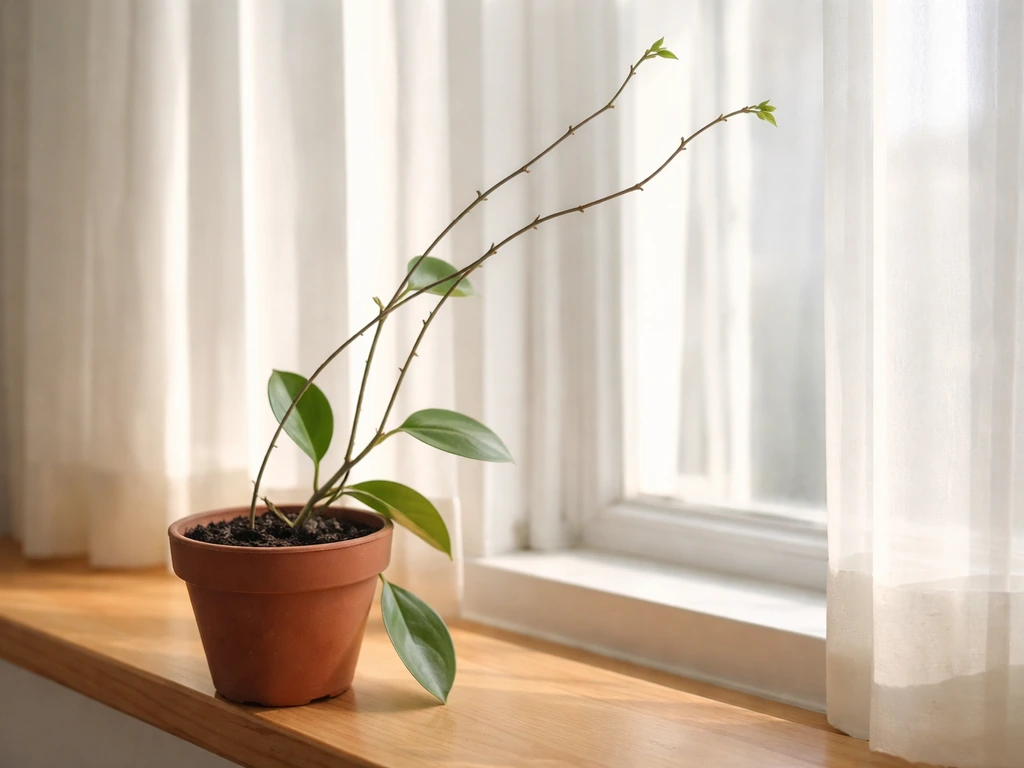
Long, sparsely leaved stems stretching toward the nearest light source is a classic sign of insufficient light. Move the plant closer to a brighter window. You can trim leggy stems back to encourage bushier growth from lower nodes, but address the light situation at the same time or the problem will just repeat.
Root rot
If the plant looks wilted even when the soil is wet, or you notice mushy, dark roots when you tip it out of the pot, that's root rot. It's caused by overwatering in soil that doesn't drain fast enough. Remove the plant, cut away any black or mushy roots with clean scissors, let the roots air out for a few hours, then repot into fresh, well-draining mix. Reduce your watering frequency going forward and check that your pot drains freely.
Pests
The most common Hoya pests are mealybugs and scale insects, both of which are sap-feeders that hide in leaf joints and along stems. Mealybugs look like tiny white cotton tufts. Scale looks like small brown bumps stuck to stems. Both are often introduced by bringing infested plant material home, so always inspect new plants carefully before putting them near your collection. Treat mealybugs by dabbing them with a cotton swab dipped in rubbing alcohol, or spray with neem oil. Scale can be scraped off manually and then treated the same way. Spider mites show up as fine webbing on leaves, usually in dry conditions. Fungus gnats are a sign the soil is staying too wet for too long.
Flowering timeline: what to realistically expect
A Hoya grown from a stem cutting won't flower in its first year. Expect to spend the first year or two just getting the plant established and growing. Most Hoyas bloom for the first time in their second or third year, typically in late spring through summer when light levels are highest. Once a plant matures and conditions are right, it can flower annually or even multiple times in a good season. The bloom clusters last several weeks and smell strongest in the evenings.
If you have a mature plant that still hasn't flowered after three-plus years, the culprit is almost always light or fertilizer (or trimmed-off spurs). Bump up the light first, then switch to your high-phosphorus feed starting about eight weeks before you'd expect blooms based on the previous year. Patience and consistency are genuinely what separate growers who get flowers from those who don't.
Seasonal care and long-term maintenance
| Season | Key tasks |
|---|---|
| Spring (March to May) | Resume watering gradually as growth picks up. Begin balanced liquid feeding every 4 weeks. Switch to high-phosphorus fertilizer 8 weeks before expected bloom time. Move plant to brightest indirect light position. |
| Summer (June to August) | Water when top third of soil is dry. Continue fertilizing. Check for pests regularly, especially during warm weather. Enjoy blooms and leave flower spurs untouched after flowers drop. |
| Fall (September to November) | Taper off fertilizing by late September. Reduce watering frequency as growth slows. Trim leggy vines if needed but avoid spurs. Bring outdoor plants back inside before temperatures drop below 50°F. |
| Winter (December to February) | Minimal watering. No fertilizer. Keep plant in the brightest available spot since days are short. Avoid cold drafts and windowsills that drop below 50°F at night. This rest period helps trigger spring blooming. |
Long-term, Hoyas are genuinely low-maintenance once they're established and happy. Repot only every two to three years, and only go up one pot size at a time. Inspect the roots each spring when you tip the plant out slightly. A snug root ball is fine and actually encourages flowering. Over time, as the plant fills in and matures, you'll find it needs less intervention, not more. It becomes one of those plants you just enjoy rather than worry about.
If you're growing other flowers and want to extend your season indoors or in a protected space, growing wax flowers fits naturally alongside cool-season work. If you are aiming for a Christmas-time display, the same kind of planning for light and seasonal rest can help you grow Christmas flowers successfully wax flowers. If you are also learning how to grow flowers in small spaces, you can use the same focus on bright light and careful watering to help blooms happen indoors wax flowers. These winter-growing tips can also guide you on how to grow flowers in winter for best results growing wax flowers. If you have a balcony, you can use many of the same light and watering principles to figure out how to grow flowers on balcony. If you plan to grow flowers in a greenhouse, you will want to manage light, temperature, and ventilation so your plants stay healthy and bloom extend your season indoors or in a protected space. The dormancy principles here also overlap with what you'd apply to other flowering plants in winter care situations, where rest and reduced watering set the stage for a strong spring bloom.
FAQ
I bought a “wax flower” as a single heart leaf. Will it grow and flower like other wax plants?
If your plant is Hoya kerrii (single heart-shaped leaf), you typically will not get a full plant unless there is an attached node. Check the base of the leaf or the crown for a small joint or stem piece, not just a smooth leaf cut. If it truly arrived as one leaf with no node, growth can stall for a very long time and flowering is unlikely.
Can I grow wax flowers in direct sun to get blooms faster?
Yes, but keep it indirect. Use a spot where it can receive several hours of morning sun or bright reflected light, then gradually increase exposure over 1 to 2 weeks. Sudden full-sun moves are a common cause of leaf scorch and bleaching, even if your plant had been thriving in medium light.
What if I change to high-phosphorus fertilizer but my wax plant still won’t bloom?
Switching fertilizer works best when the plant is actively growing and the light is already adequate. If you try high-phosphorus feeding while the plant is in low light, you often get more leaves instead of flower spurs. Use the “bright enough” test first: if new growth is leggy or pale, fix light before changing fertilizer.
How do I tell whether lack of blooming is fertilizer, light, or pruning?
Don’t automatically treat “no flowers” as a nutrition problem. Run a quick check on spurs first, then nitrogen: if you’re using a general all-purpose feed or anything high in nitrogen, reduce it or stop it during the pre-bloom period. Also confirm you are not repeatedly pruning spur stems during tidying.
Is bottom watering better for Hoyas, or should I water from the top?
Use bottom watering only if your mix is very fast draining, and then always let excess drain fully. For most Hoyas, overhead watering is fine as long as you stop when water runs out the drainage hole and never let the pot sit in runoff. Bottom watering doesn’t solve poor drainage, it just delays where the moisture collects.
What size pot should I use after my wax flower cutting roots?
After a cutting roots, give it stable conditions rather than frequent repotting. Start with a small pot only slightly larger than the root mass, and wait until roots visibly fill the container before moving up again. Too-large a pot increases the chance of soggy soil, which delays growth and can cause root loss.
I may have buried the node when I rooted my cutting. Will it still grow?
If buds are buried, they often rot or fail to develop, and sometimes the cutting never transitions to new shoots. When rooting, set the node at or just below the soil surface, not deep. If you realize the mistake after planting, gently re-check the depth and adjust immediately before rot spreads.
How long should I wait after moving my wax flower to brighter light before it changes behavior?
A “cherry” sign is that light is improving: growth should become thicker and less stretched, and leaves should keep their normal color. If after moving closer to a window you see new growth forming that’s still long and sparse after a few months, increase brightness again using a sheer curtain or a closer window.
What should I do if I suspect spider mites on my wax flower?
If you see fine webbing and mites, it usually correlates with dry air or drought stress. Increase humidity slightly, rinse the plant well, then treat with neem or insecticidal soap as directed, repeating per label timing. Avoid fertilizing during severe pest outbreaks, because stressed plants may drop leaves.
Why do mealybugs or scale keep coming back, even after I treated once?
Scale and mealybugs can hide where leaf joints meet the stem, so one-time treatment often fails. Plan on repeated checks every few days, and treat again if you find new bumps or cottony clusters. Use a cotton swab for direct contact, then isolate the plant until you confirm no new activity.
Can I prune my wax flower to make it bushier without hurting future blooms?
If your Hoya is very leggy, trimming can help, but only when light and watering are already correct. Cut back long vines to encourage branching from lower nodes, but leave knobby spur stems intact. If you prune randomly while the plant is in low light, it often grows even longer stems next.
What’s the best way to recover a wax flower with possible root rot?
True root rot often shows as mushy, dark roots and a plant that looks wilted despite damp soil. If you catch it early, you may be able to salvage by removing only the worst roots and repotting into fresh, dry-leaning mix. After repotting, wait a few days before watering, then water lightly and only when the top portion dries.
Next Articles
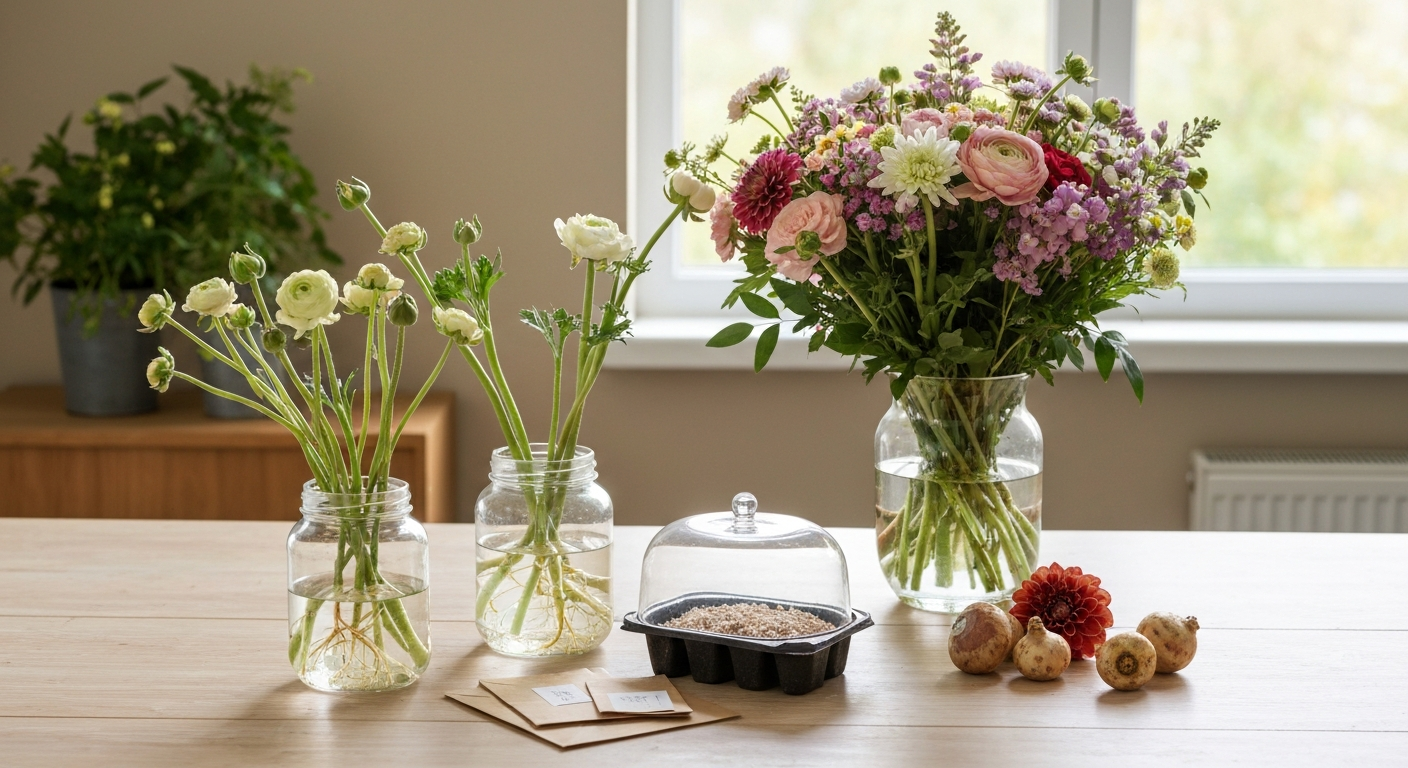
How to Grow Plants from a Bouquet: Step-by-Step Guide for Beginners
How to grow plants from bouquet: step-by-step rooting, seed saving, bulbs, timelines and troubleshooting
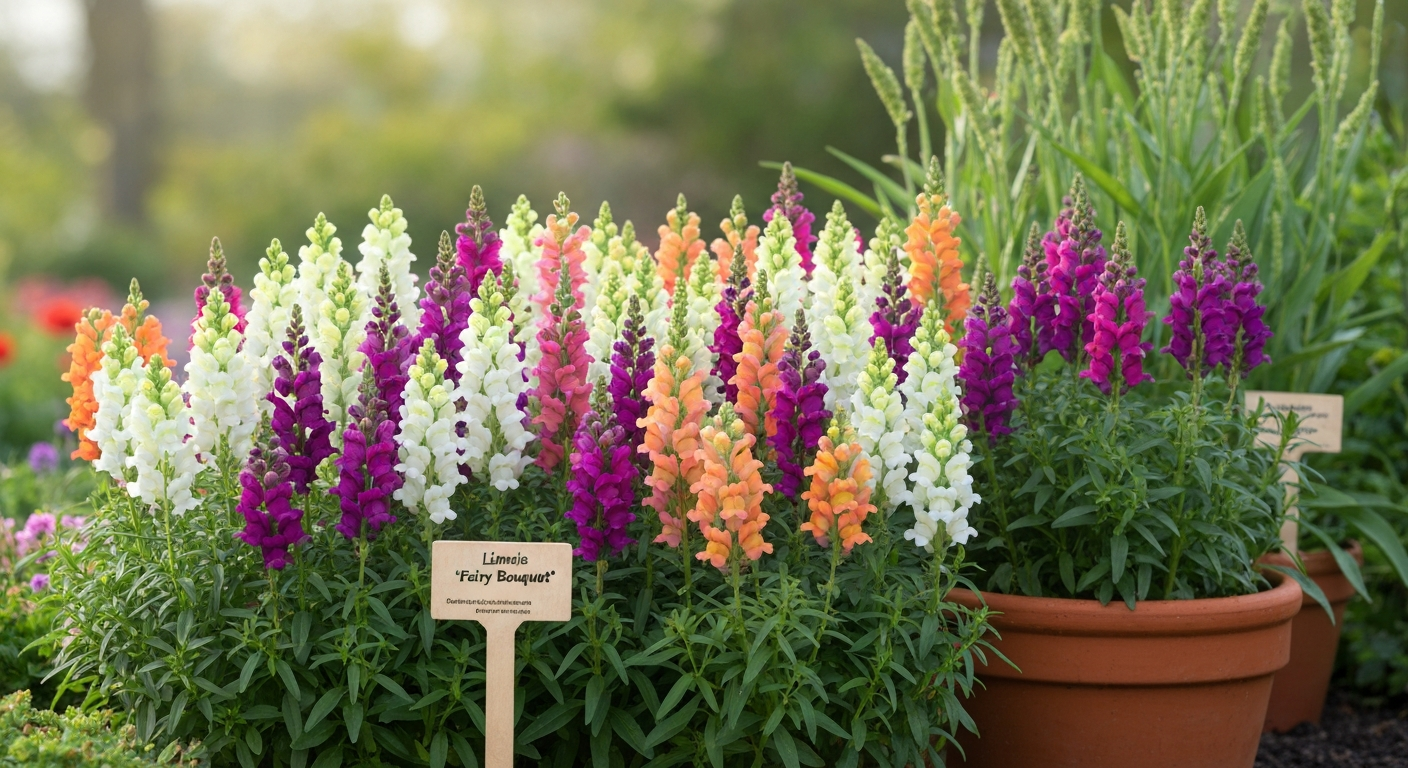
Linaria 'Fairy Bouquet' How to Grow: Seed to Cut Flowers
Grow Linaria 'Fairy Bouquet' from seed to vase: step‑by‑step sowing, care, cutting, seed saving & troubleshooting.
Floret How to Grow Ranunculus: Step-by-Step Guide
Step-by-step Floret-style ranunculus guide: corm prep, planting, watering, frost care, troubleshooting, and harvest for