Yes, you can absolutely grow flowers indoors in winter, and some of them will bloom better in winter than at any other time of year. If you are also learning how to grow wax flowers, the key is matching the right light and keeping the soil evenly moist so the plant can bloom reliably indoors. Amaryllis, paperwhites, African violets, kalanchoe, and even snapdragons started under lights will all flower reliably through the coldest months if you give them the right setup. The biggest thing standing between you and winter blooms is usually light, not temperature or skill. Once you sort out your light situation, the rest falls into place faster than most beginners expect.
How to Grow Flowers in Winter Indoors Step by Step
James Holloway
27 May 2026
Can you really grow flowers in winter indoors?
The short hesitation most people have is understandable. Winter means short days, grey skies, and window light that barely keeps a pothos alive, let alone gets a flower to bloom. But here is the thing: many of the best indoor flowering plants are actually triggered by short days and cool temperatures, which means winter is exactly what they are waiting for. Kalanchoe, for example, needs a minimum of about 14 hours of darkness per night to initiate flowering. Poinsettias need 15 hours of complete darkness each day for roughly 8 to 10 weeks to develop their bracts. Your living room in December is basically a flowering machine for these plants if you manage the light correctly.
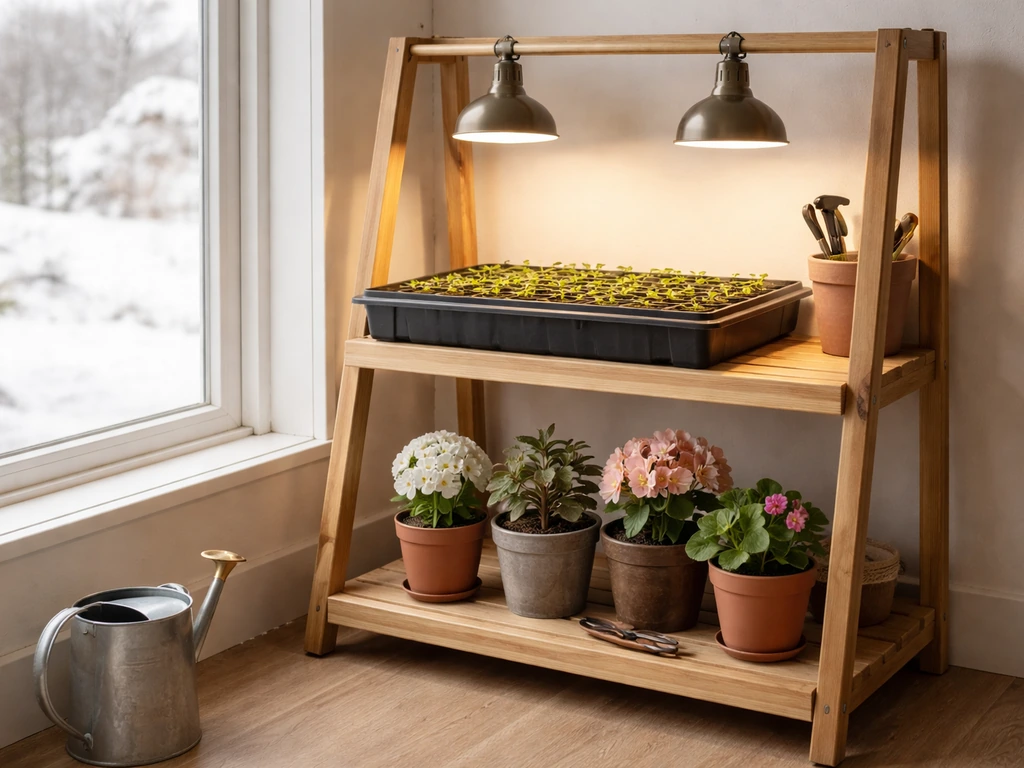
For everything else, from African violets to paperwhite bulbs to snapdragons you are starting from seed, the key is supplementing the weak winter sun with a grow light. University of Maryland Extension puts it plainly: natural window light is seldom enough for strong plant growth indoors, and grow lights are specifically needed to get flowers forming on indoor plants. That is not a maybe. It is just how it works in winter. Once you accept that and add even a basic LED grow light, your options open up dramatically.
If you are also curious about growing flowers in a greenhouse over winter, the setup and variety options differ meaningfully from pure indoor growing, which is worth a separate look. If you want to take the same idea further, here is a step-by-step guide on how to grow flowers in greenhouse settings greenhouse over winter. But for growing flowers inside your home right now, this guide covers everything you need.
Best indoor flowers for winter (by light level and difficulty)
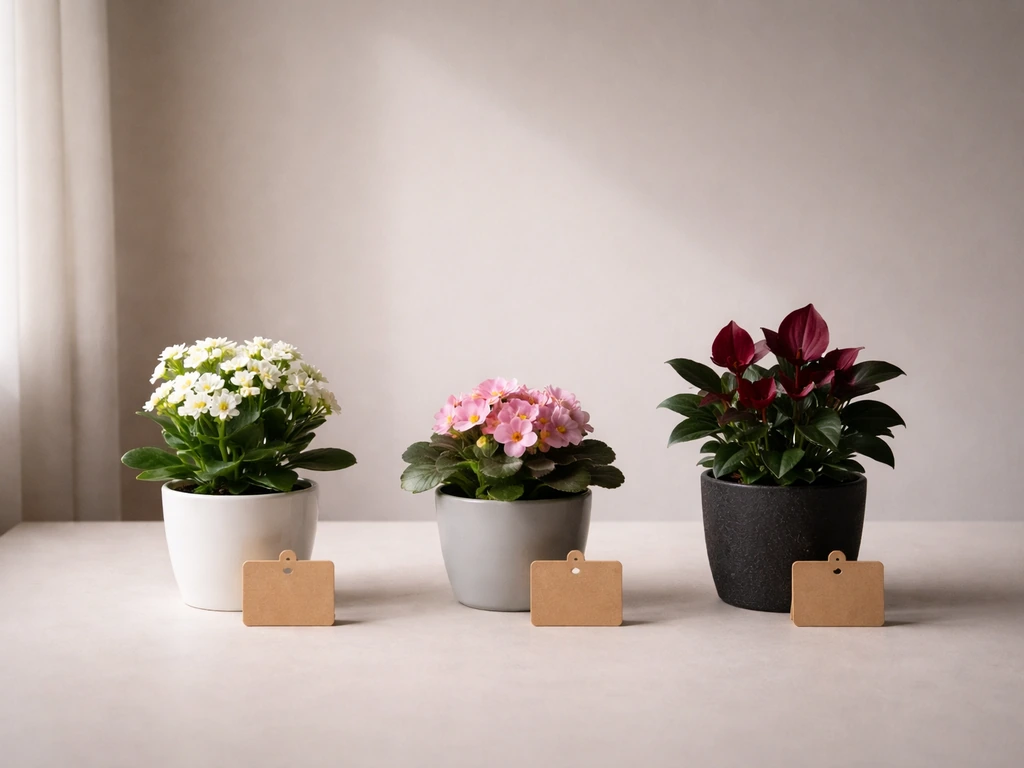
Not all winter-friendly indoor flowers need the same setup. Matching the plant to your actual light situation is the fastest path to success. Here is how the best options break down.
| Flower | Light Needed | Difficulty | Bloom Trigger | Time to Bloom |
|---|---|---|---|---|
| Paperwhite Narcissus | Bright window or low grow light | Very Easy | No chilling needed, just pot and water | 4 to 8 weeks from potting |
| Amaryllis | Bright window or grow light | Easy | No dormancy required; just plant the bulb | 6 to 8 weeks from planting |
| Kalanchoe | Bright window or moderate grow light | Easy | Short-day plant; needs 14+ hours darkness to initiate | 8 to 12 weeks with correct dark period |
| African Violet | Moderate grow light or very bright window | Easy to Moderate | Consistent warmth and light; blooms in cycles | 8 to 12 weeks from start |
| Poinsettia (re-bloom) | Bright window + 15 hrs darkness daily | Moderate | Short-day plant; needs 8 to 10 weeks of short days | 8 to 10 weeks of dark treatment |
| Snapdragon (seed start) | Full grow light setup | Moderate | Cool temps and bright light; great cut flower | 10 to 14 weeks from seed |
| Pansies (indoor seed start) | Grow light setup | Moderate | Cool conditions; can transplant outdoors in early spring | 8 to 12 weeks from seed |
If you are a complete beginner, start with paperwhites or amaryllis. You literally just put a bulb in a pot, water it, and it blooms. No grow lights required if you have a south-facing window. From there, African violets are the gateway plant for anyone who wants continuous indoor blooms through winter and beyond. For more advanced setups where you are starting flowers from seed to eventually transplant or cut, snapdragons are one of the most rewarding choices because they thrive in cool indoor conditions and produce real cut flowers you can enjoy in a vase.
How to set up your indoor winter flower space
Getting light right
Light is the number one thing to get right. South-facing windows get the most light in winter and are your best window option, but even those drop below what most flowering plants need to bloom well. Flowering plants need a PPFD (photosynthetic photon flux density) of roughly 400 to 1,200 micromoles per square meter per second at the canopy.
VOLT Grow’s guidance uses vegetative target PPFD of about 400 to 600 µmol/m²/s as a useful baseline for what plants need beyond low window light Flowering plants need a PPFD (photosynthetic photon flux density) of roughly 400 to 1,200 micromoles per square meter per second at the canopy. .
Window light in winter often does not reliably hit even the low end of that range. A dedicated LED grow light changes everything. You do not need to spend a fortune. A basic full-spectrum LED panel or a clip-on grow light running 14 to 16 hours a day will keep non-short-day plants like African violets, snapdragons, and pansies blooming consistently.
For short-day plants like kalanchoe and poinsettias, you actually use the grow light selectively and then enforce a long dark period manually.
Position your grow light so the canopy of your plants is within the effective coverage zone. What matters is the light the plant actually receives, not just what the light emits. Most small LED panels work best when hung 6 to 12 inches above the plant canopy for seedlings, and 12 to 24 inches for established plants. Check your specific light's recommendations and adjust based on how your plants respond.
Temperature and humidity
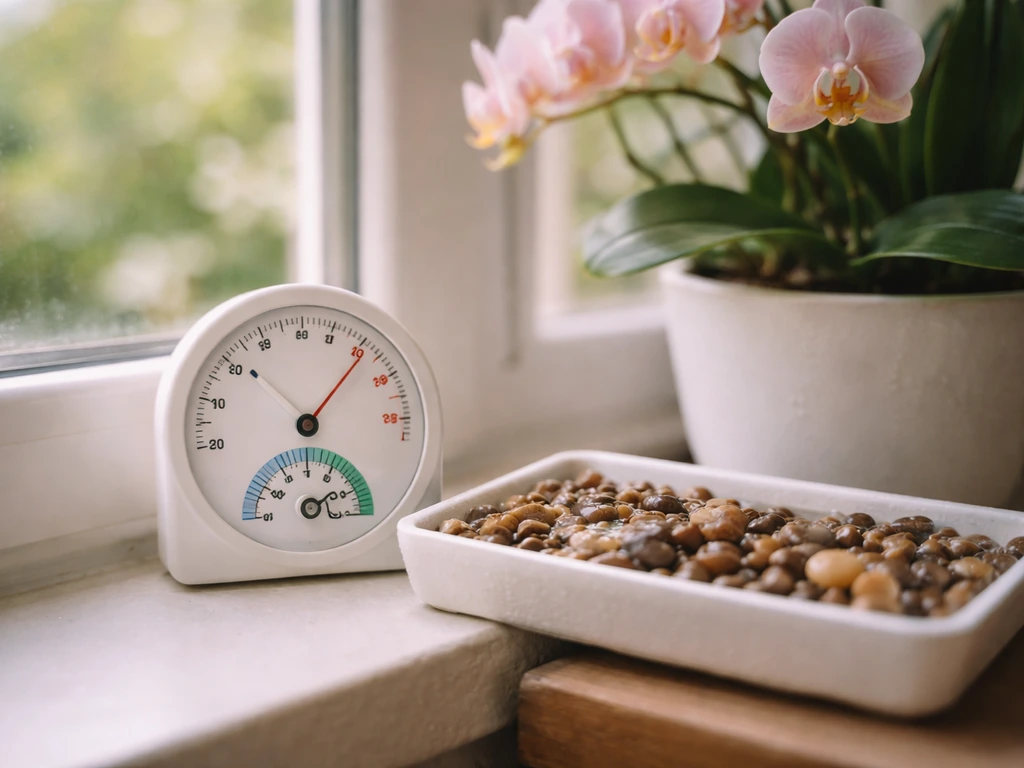
Most indoor flowering plants are happiest in a range of 60 to 75 degrees Fahrenheit. African violets specifically prefer 70 to 75 degrees during the day and 60 to 65 degrees at night. Kalanchoe does well with nights around 60 degrees and days around 70 degrees. Poinsettias prefer around 65 degrees consistently. The main enemy is not cold exactly, it is temperature swings and drafts. Keep plants away from exterior doors, heating vents blowing directly on them, and cold window glass touching their leaves. A plant sitting right against a single-pane window on a January night can experience temperatures well below what you see on your thermostat.
Indoor air in winter is dry, which can cause flower buds to drop before they open on more sensitive plants. Aim for 40 to 60 percent relative humidity if you can. A small room humidifier near your plant area helps, as does grouping plants together (they raise humidity around each other through transpiration). Good air circulation matters too, just avoid cold drafts. A small fan running on low nearby keeps air moving and reduces the risk of fungal issues without chilling your plants.
How to plant: seeds vs. starts, containers, and potting mix
Seeds vs. starts
For bulb flowers like paperwhites and amaryllis, you are buying and planting bulbs, not seeds. This is the easiest entry point because the energy for the first bloom is already stored in the bulb. For everything else, you have two choices: buy starts (small established plants from a nursery or garden center) or start from seed. Starts get you to blooms faster and are more forgiving, but seeds give you far more variety options and are much cheaper if you want to grow multiples. For winter seed starting indoors, snapdragons and pansies are the most beginner-friendly. African violets are almost always started from leaf cuttings or purchased as starts rather than grown from seed.
Containers
Drainage is everything indoors in winter. Every container must have drainage holes. Sitting in water is the fastest way to kill an indoor flowering plant in winter because roots rot quickly in cold, waterlogged soil and there is less evaporation than in summer. For bulbs, a pot only slightly larger than the bulb itself works best. For seedlings, small cell trays work for germination, then move up to 3 to 4 inch pots as they grow. African violets prefer to be slightly root-bound, so a pot just 1 to 2 inches wider than the root ball is ideal.
Potting mix
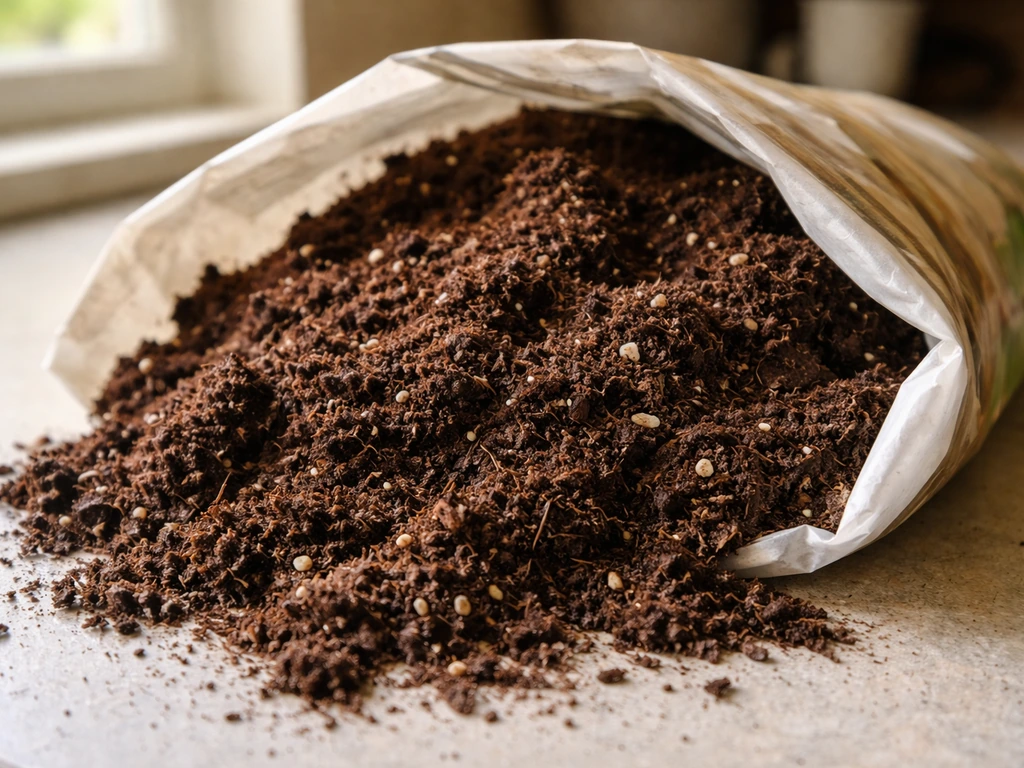
Do not use garden soil indoors. It compacts, drains poorly, and brings in pests. A good indoor potting mix combines peat moss or coconut coir for water retention and structure, plus perlite or vermiculite for drainage and air space. You can buy a quality pre-made potting mix and just add extra perlite (roughly one part perlite to three parts mix) if you want to be extra safe against root rot. African violets do well in a mix specifically made for them, which is lighter and more porous. For bulbs, a standard well-draining potting mix is all you need.
Winter care checklist: watering, feeding, and pruning for blooms
Watering
Overwatering is the most common mistake in winter indoor growing, bar none. Plants grow slower in winter even under lights, which means they use less water. Before you water, stick your finger an inch into the soil. If it still feels damp, wait. If it is dry, water thoroughly until it drains from the bottom, then empty the saucer after 30 minutes so the pot is not sitting in water. Bottom watering (setting the pot in a tray of water for 20 to 30 minutes, then removing it) is a great technique for African violets and also helps keep the soil surface dry, which significantly reduces fungus gnat problems.
Feeding
During winter, most indoor plants need less fertilizer than in the active growing season. For plants you are actively pushing toward bloom under grow lights, a balanced liquid fertilizer at half strength every two to three weeks works well. Once flower buds appear, switch to a bloom fertilizer with higher phosphorus. For bulb plants like amaryllis, no feeding is needed during the initial bloom, but fertilize after flowering if you plan to keep the bulb for future years. African violets benefit from a balanced fertilizer formulated for them, used at quarter to half strength with every watering once they are actively growing.
Pruning and deadheading
Remove spent flowers as soon as they fade. This is one of the highest-value things you can do to keep your plants blooming longer. Deadheading redirects the plant's energy from seed production back into making more flowers. For African violets, pinch off any dead leaves or spent flower stems right at the base. For snapdragons you are growing indoors, pinching the growing tip when the plant is about 4 to 6 inches tall encourages branching and more flower spikes. For kalanchoe, cut the entire spent flower cluster back to just above a leaf node once blooming finishes.
Week-by-week timing plan for winter blooms
Because this guide is being read in late May 2026, the timing advice below is oriented toward someone planning ahead for next winter's blooms, or for gardeners in the southern hemisphere where winter is happening right now. Use this as a framework and shift the weeks based on when you are reading.
| Week | What to Do |
|---|---|
| Week 1 | Decide on your flowers and order seeds or bulbs. Set up your light and get your containers and potting mix ready. |
| Week 2 | Plant paperwhite or amaryllis bulbs if targeting blooms in 4 to 8 weeks. Start snapdragon or pansy seeds under grow lights. |
| Week 3 to 4 | Monitor seedling germination. Keep grow light on 14 to 16 hours a day. Water only when the top inch of soil is dry. Paperwhites should be showing green shoots. |
| Week 5 to 6 | Transplant seedlings from cells to individual 3 to 4 inch pots once they have 2 to 3 true leaves. Amaryllis should have a visible bud emerging. Paperwhites may be blooming. |
| Week 7 to 8 | Begin half-strength liquid fertilizer on seedlings. For kalanchoe you want blooming by midwinter, start enforcing 14 hours of darkness nightly now. Snapdragons: pinch tips if not done yet. |
| Week 9 to 10 | Flower buds should be visible on African violets and snapdragons under good light. Switch to bloom fertilizer. Check for pests weekly. |
| Week 11 to 12 | Full bloom on faster varieties. Deadhead spent flowers immediately. Assess whether slower plants need more light or warmer temperatures to push blooming. |
| Week 13 and beyond | Maintain continuous bloom by deadheading, fertilizing every 2 to 3 weeks, and replacing spent plants with fresh starts or a second round of bulbs. |
For poinsettia re-blooming specifically, begin the 15-hours-of-darkness treatment around late September or early October to have color by late November or December. That means covering the plant completely (no light leaks) from about 5 p.m. to 8 a.m. every single night for 8 to 10 weeks. Missing even a few nights resets the clock. It sounds tedious but it genuinely works.
Troubleshooting common winter problems
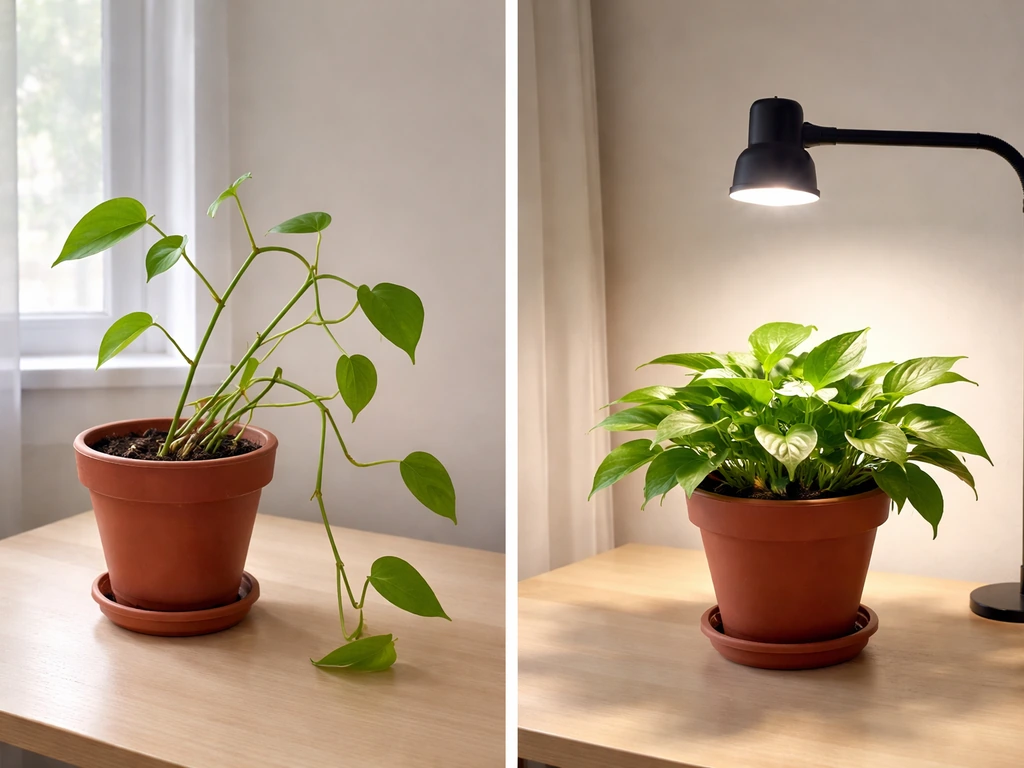
Leggy, stretched-out plants
Leggy growth where stems are long, thin, and flopped over is almost always a light problem. The plant is stretching toward inadequate light. If you are relying on a window, move the plant as close to the glass as possible without touching it, or add a grow light. If you already have a grow light, lower it closer to the plant canopy or increase the daily hours to 14 to 16. Pinching leggy seedlings back hard can encourage bushier growth, but if you do not fix the light situation, they will just get leggy again.
Buds forming but dropping before opening
Bud drop is usually caused by one of three things: low humidity, temperature fluctuations, or drafts. Check that your plant is not sitting near a heating vent, exterior door, or cold window. Boost humidity with a nearby humidifier or a pebble tray with water under the pot (just make sure the pot is sitting on the pebbles above the water, not in it). Sudden changes in light can also cause bud drop, so avoid moving plants that are budding up.
Fungus gnats
Those tiny flies hovering around your indoor plants in winter are almost certainly fungus gnats, and they thrive in consistently moist soil. The fix is simple in principle: let the top inch of soil dry out between waterings. Female gnats are looking for damp conditions to lay eggs, so drier surface soil breaks the cycle. Bottom watering is one of the best practical tools here because it keeps the surface dry while still hydrating the roots. Yellow sticky traps catch the adult gnats while you work on drying out the soil.
Aphids and other small pests
Aphids cluster on new growth and can appear indoors in winter, especially on seedlings. A strong spray of water dislodges them effectively. Do this in a sink or shower, targeting the undersides of leaves where they hide. Repeat every few days for two weeks. If the infestation is heavy, insecticidal soap spray applied directly to the insects works well and is safe for indoor use. Check new plants carefully before bringing them inside, because that is usually how pests get introduced in the first place.
No blooms even after weeks of growth
If your plant looks healthy but is not blooming, the most common reasons are insufficient light, wrong temperature, or (for short-day plants) not enough darkness. Run through this checklist: Is the grow light running 14 to 16 hours for non-short-day plants? Is the temperature in the right range for your specific plant? For kalanchoe or poinsettia, are you actually delivering the required 14 to 15 hours of uninterrupted darkness every night?
Even a small amount of light from a streetlight or phone screen can interrupt the dark period for short-day plants. For amaryllis that has been sitting for more than 8 to 12 weeks with no growth, move it to a bright sunny spot and it should break dormancy and bloom.
Growing flowers through winter indoors is genuinely one of the most rewarding things you can do as a gardener. It keeps your hands in the soil during the months when outdoor growing is impossible, and there is nothing like cutting a snapdragon or watching an amaryllis unfurl in January. Start simple with a bulb or an African violet, get comfortable with your watering rhythm, and then build from there.
If you are growing in a small space or on a balcony where outdoor winter conditions vary, the same principles apply with a few extra considerations around insulation and wind protection that are worth exploring separately. If you are working with a small space, you can also use container sizing, light placement, and airflow tips tailored to tight layouts to grow flowers successfully.
Balcony flower growing in winter follows the same basics as indoors, but you will want to focus on wind protection, insulation, and choosing the right plants for your balcony light.
FAQ
Can I grow winter flowers without a grow light, using only a window?
Yes, but only for certain plants and only if you prevent light leaks. For example, poinsettias and kalanchoe need uninterrupted darkness each night, even small sources like a hallway light, streetlight through a gap, or a phone screen reflected off a cover can interfere. If you skip the darkness window, buds may form and then stall or drop.
How often should I water my winter flowering plants indoors?
Do it based on soil moisture, not the calendar. In winter indoors, it is common to water less often because growth slows, so use the “finger test” (an inch down) and only water when it feels dry. Also empty saucers after about 30 minutes so roots are never sitting in cold, waterlogged soil.
My plant is making buds but they drop, what should I check first?
If buds form and then fall, the most common cause is a mismatch between stable conditions and sudden changes. Start by checking for drafts and hot or cold blasts from vents, then verify humidity is at least around 40 percent. Repositioning the plant while it is budding can trigger bud drop, even if the light seems similar.
How do I enforce the long darkness requirement for poinsettias or kalanchoe?
Short-day plants usually need darkness that is truly dark and continuous, so set a timer and cover the plant in a way that blocks stray light completely. A practical approach is to use a dedicated, opaque box or closet area at the same time each night, and uncover it only after the full dark period is complete.
What if I keep seeing tiny flies around my plants, even after I stop overwatering?
Fungus gnats can look like they are “thriving” even when you have stopped overwatering, because eggs are already in the medium. Let the top inch dry between waterings, use bottom watering where appropriate, and add yellow sticky traps to reduce adults. If the surface stays damp, drying efforts will not fully break the life cycle.
Can I fertilize winter flowers indoors, and what changes when buds appear?
Yes, but you should keep it targeted and consistent with the plant’s bloom stage. Use half-strength balanced liquid for plants you are pushing toward bloom under lights, then switch to a higher-phosphorus bloom fertilizer once buds appear. Avoid fertilizing right after you repot, and do not feed bulbs during the initial bloom period.
Why are my winter flowers getting leggy and leaning?
If your plant is tall, floppy, and not forming flower spikes, it is almost always insufficient light rather than temperature. Either move the plant closer to the window glass (without leaf contact) or raise the grow light intensity by lowering the light or extending photoperiod to around 14 to 16 hours for non-short-day plants. Pinching can help branching, but it will not fix weak lighting.
What are the best beginner plants for winter bloom indoors?
In most cases, the easiest “indoor winter bloom” path is a bulb for instant color or an established flowering plant. For near-effortless blooms, paperwhites or amaryllis are beginner-friendly, and African violets are reliable for steady winter flowering once you have the light and watering rhythm down. If you want cut flowers and do not mind a longer timeline, start snapdragons under lights.
How can I deal with aphids that show up on seedlings indoors?
Start by inspecting the undersides of leaves and new growth, because aphids often hide there. Rinse them off with a firm spray, then repeat every few days for about two weeks. For heavier outbreaks, use insecticidal soap directly on the insects, and keep quarantining any newly brought-in plants for a week before placing them with your others.
Is it enough to run my grow light on a timer, or do I need to fine-tune anything else?
Use a timer and keep a consistent daily schedule, but also remember that “same length of light” is not the only requirement. Light intensity and plant distance from the bulb matter, and short-day plants also require true darkness. If you are seeing weak flowering, first adjust light height and duration, then confirm the darkness window.
Next Articles
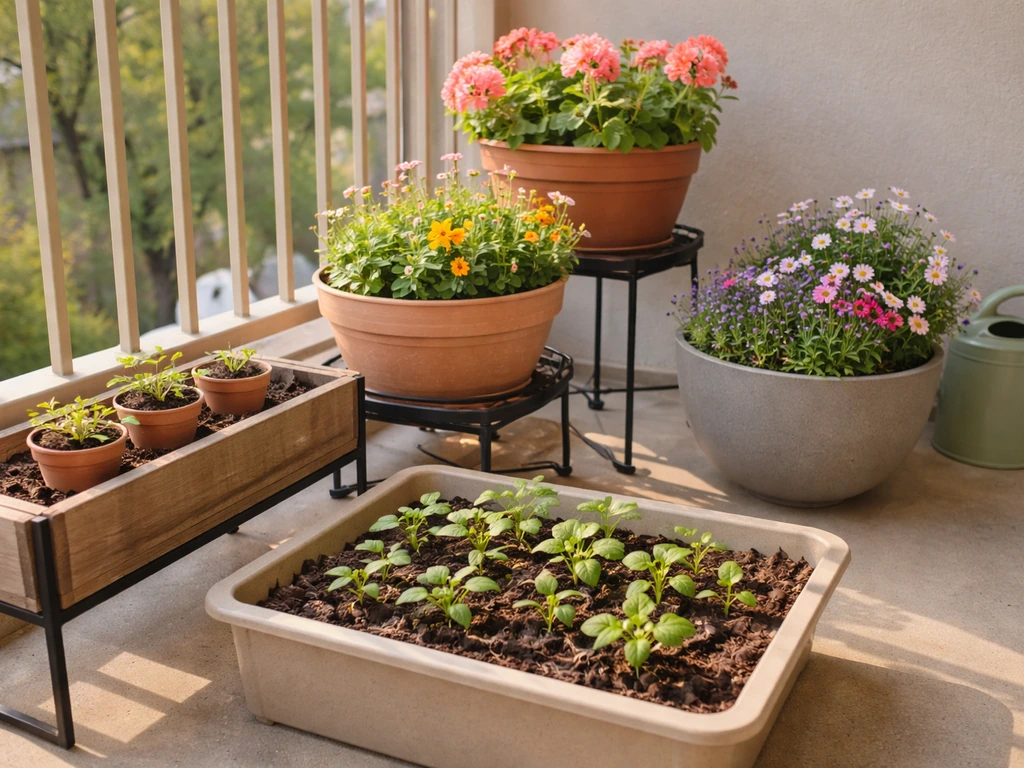
How to Grow Flowers on a Balcony: Step by Step Guide
Step-by-step how to grow balcony flowers from seed to bloom, including setup, timing, sowing, and care tips.
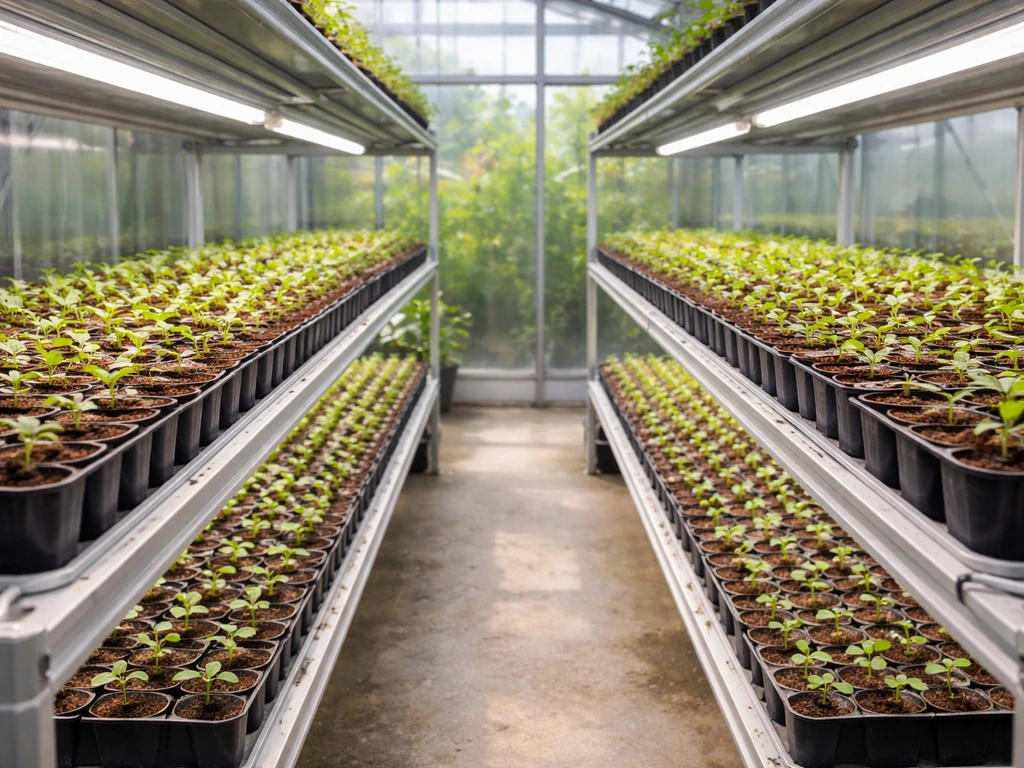
How to Grow Flowers in a Greenhouse: Seed to Bloom
Step-by-step how to grow flowers in a greenhouse from seed starting to transplanting, watering, feeding, and troubleshoo
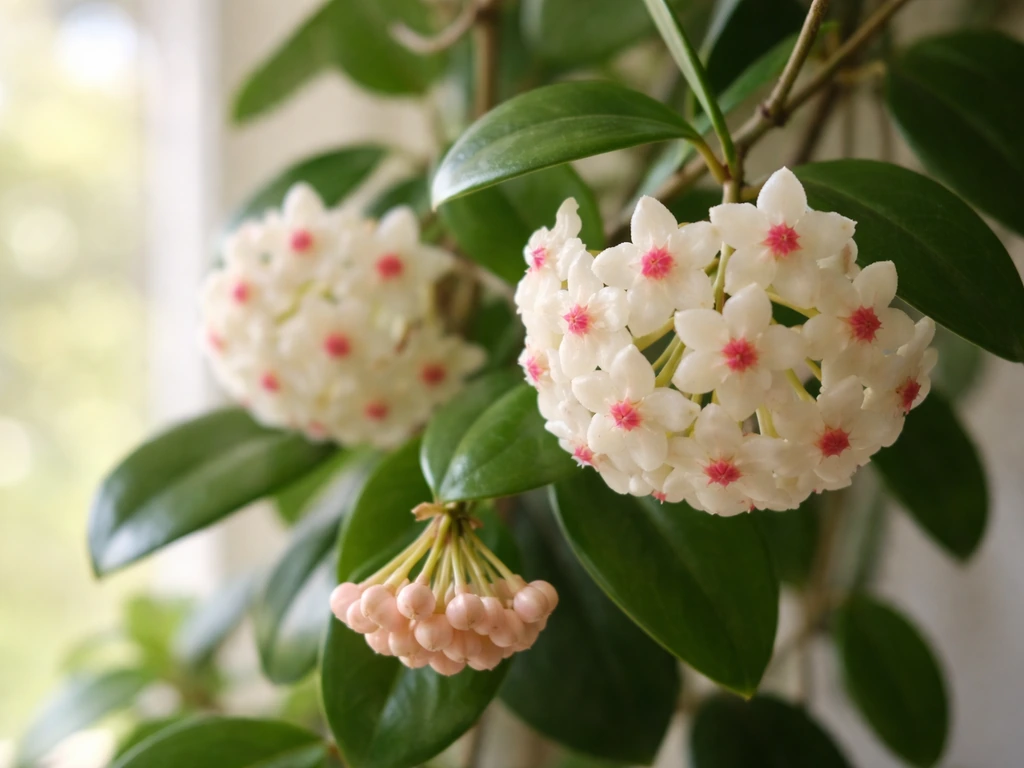
How to Grow Wax Flowers: Seed to Bloom Guide
Step-by-step guide to grow wax flowers from seed or cuttings, with light, soil, care, and bloom troubleshooting.