The right time to grow flowers depends almost entirely on two numbers: your last spring frost date and your first fall frost date. Everything else, which seeds to start indoors, when to direct sow, when to transplant, builds from those two anchors. Once you know your frost dates (NOAA's frost date maps are free and take about two minutes to look up), you can plan every flower in your garden with real confidence instead of guessing. If you’re wondering whether it’s hard to grow flowers, start by planning around your last and first frost dates so you’re not guessing is it hard to grow flowers.
When to Grow Flowers: Planting Windows by Frost Dates
James Holloway
2 Jul 2026
How to choose the right timing for your situation
Your climate and frost dates are the foundation of all flower timing. Start by finding your average last spring frost date and first fall frost date for your specific zip code or region. These are historical averages, not guarantees, so NOAA recommends treating them as a baseline and cross-referencing a current 6 to 10 day forecast when you're close to a planting window. A late surprise frost can wipe out a flat of snapdragon seedlings you've been nursing for eight weeks, so that extra check is worth 30 seconds.
Your growing season length, the number of days between your last spring frost and first fall frost, matters just as much as the dates themselves. If you're in a Zone 5 garden with 150 frost-free days, you have a very different toolkit than someone in Zone 8 with 240+ days. Short-season gardeners need to be ruthless about starting seeds early indoors and choosing fast-maturing varieties. Long-season gardeners get more flexibility but can also overplant and end up with everything blooming at once.
Microclimates tweak things further. A south-facing bed against a brick wall can run two weeks warmer than the rest of your yard. A low-lying spot where cold air pools can get frost when your neighbor's raised beds don't. Pay attention to which corners of your garden thaw first in spring, and use those spots for your earliest direct sowings.
When to start flower seeds indoors vs outdoors
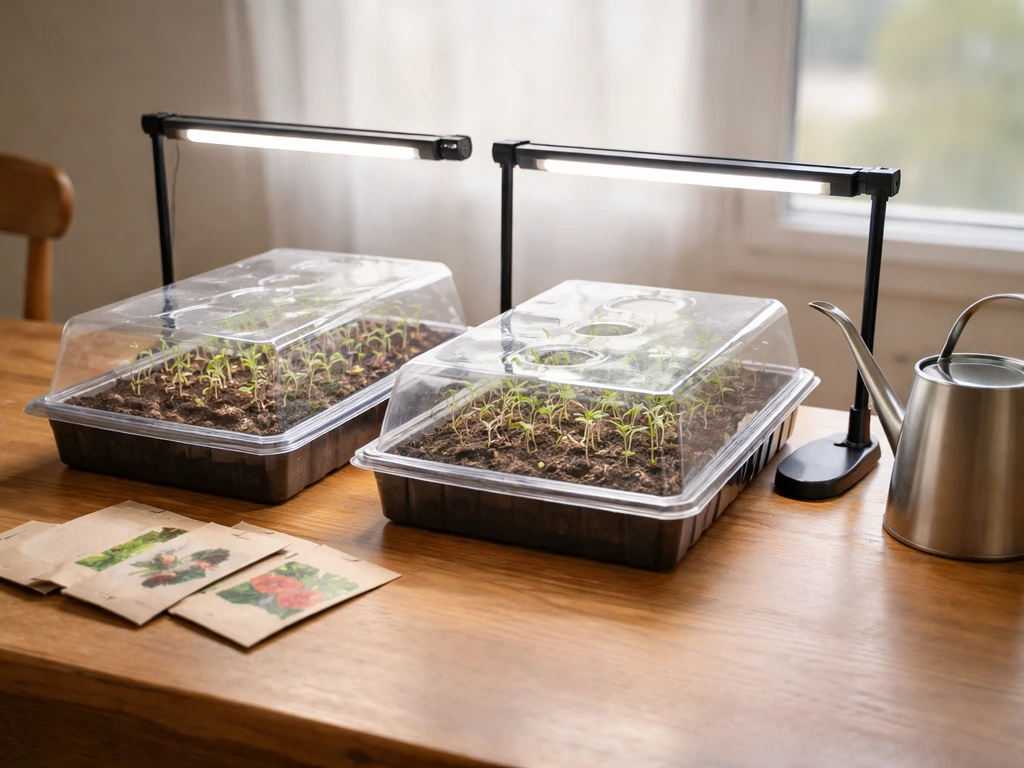
The core decision is simple: start indoors if a flower needs more weeks to reach transplant size than your outdoor season allows, or if the seeds are tiny and fussy and need controlled conditions to germinate well. Direct sow outdoors when a flower dislikes root disturbance, germinates better in cool or fluctuating soil, or simply grows so fast that starting indoors gives you no real advantage. Preschoolers can enjoy learning about planting, too, by starting with simple flowers that grow well for kids as they watch seeds sprout and grow how do flowers grow for preschoolers.
The standard formula for indoor starts is to count backward from your last frost date. If snapdragons need 10 to 12 weeks indoors before transplanting, and your last frost is May 1, you start seeds around mid-February. That formula, last frost date minus seed-starting weeks equals sow date, works for almost every flower you'll grow. University extension services use exactly this math in their seed-starting calendars, and it's the same method I use to build my own planting schedule each year.
| Flower | Start Indoors or Direct Sow? | Weeks Before Last Frost (Indoors) | Direct Sow Timing |
|---|---|---|---|
| Snapdragons | Start indoors | 10–12 weeks before last frost | Can direct sow 2–4 weeks before last frost in mild climates |
| Marigolds | Either works | 4–6 weeks before last frost | After last frost, soil 65°F+ |
| Poppies | Direct sow only | Not recommended | 2–4 weeks before last frost or in fall |
| Wildflower mixes | Direct sow only | Not recommended | Early spring or fall depending on mix |
| Zinnias | Direct sow preferred | Can start 4–6 weeks indoors | After last frost, soil 70°F+ |
| Bachelor buttons | Either works | 4–6 weeks before last frost | 2–4 weeks before last frost |
Direct sow timing: when to put each type of seed in the ground
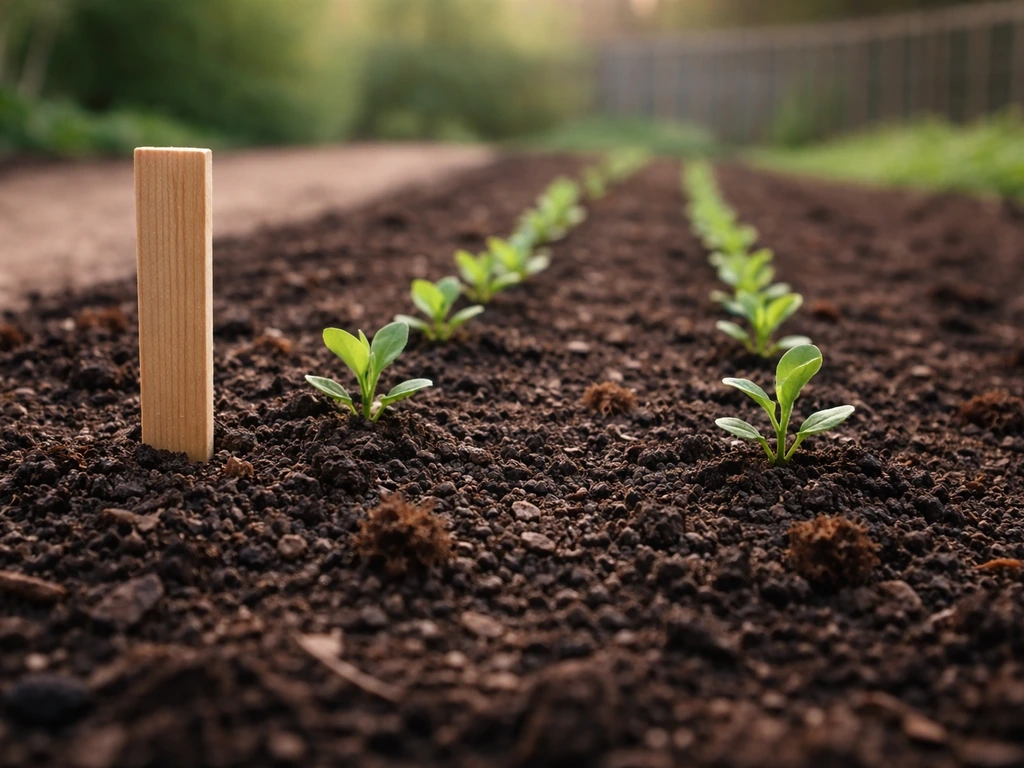
Calendar dates are a starting point, but soil temperature is what actually triggers germination. For frost-tolerant crops, CSU Extension notes that you can direct-seed before the last frost date, and that using soil temperature with a thermometer can be more reliable than relying only on the calendar frost date blank" rel="noopener noreferrer">soil temperature is what actually triggers germination. A thermometer pushed about four inches into the soil gives you the real picture. Cold-hardy flowers like poppies, bachelor buttons, and wildflower mixes can germinate in soil as cool as 45 to 50°F, which is why you can sow them weeks before your last frost date or even in fall. Warm-season flowers like marigolds and zinnias want soil at 65 to 70°F minimum, and germination stalls badly below that. I've made the mistake of direct sowing zinnias too early in a cold snap year and watched them sit in the ground for three weeks doing nothing, then get overtaken by weeds.
Poppies deserve special mention because they actively need a cold period to germinate well. Direct sow them two to four weeks before your last frost date in spring, or do a fall sowing and let winter do the work for you. They do not transplant well at all, so skipping the indoor start is not just easier, it's the right call. Wildflower mixes follow similar logic: most include a blend of cold-tolerant species that prefer cool soil and natural fluctuations over a heated seed tray.
For marigolds, I find direct sowing works beautifully once overnight lows are consistently above 50°F and the soil has warmed up. They catch up fast and often outperform indoor-started transplants because they never deal with transplant shock. Zinnias are the same way: sow directly after your last frost in warm soil and they can bloom in as few as 45 to 55 days.
Transplant timing: when to move seedlings outside
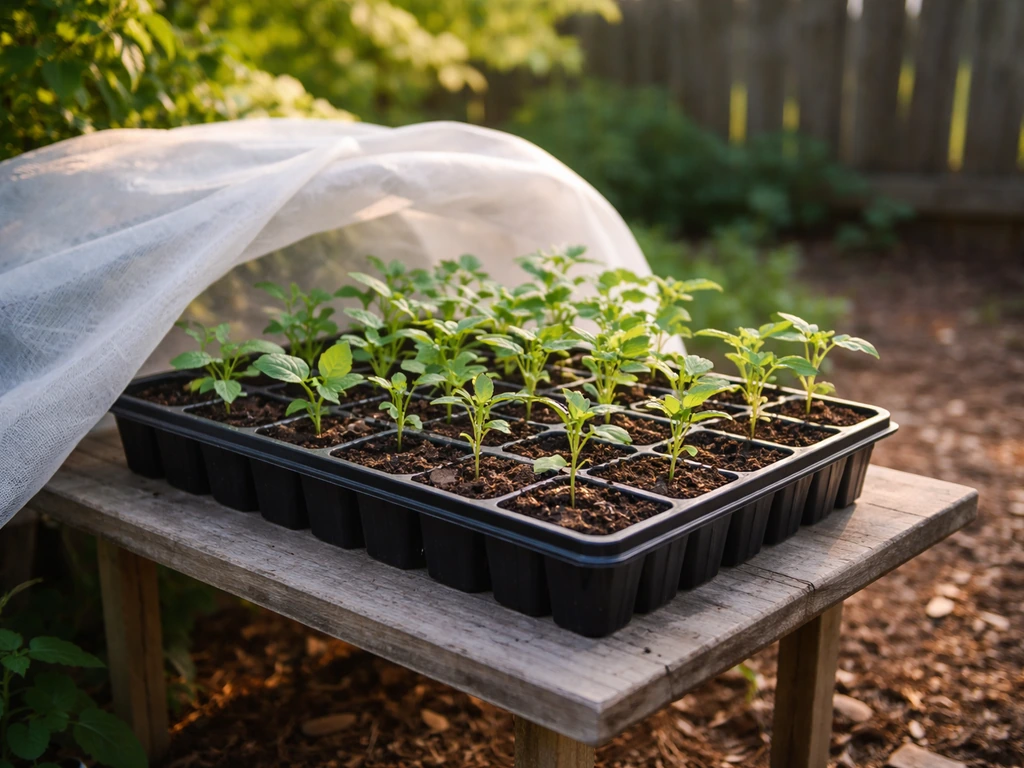
Moving seedlings from indoors to the garden is a two-step process: hardening off, then transplanting. Hardening off means gradually acclimating your seedlings to outdoor conditions over 7 to 10 days by setting them outside in a sheltered spot for a few hours each day and increasing their outdoor exposure gradually. Skipping this step is one of the most common reasons seedlings look great on transplant day and then look terrible a week later.
Cold-hardy flowers like snapdragons can be transplanted outdoors two to four weeks before your last frost date, as long as you've hardened them off. They actually prefer cool weather and bloom best before summer heat sets in, so getting them out early pays off with earlier, longer blooms. Frost-tender flowers like marigolds, zinnias, and most annual cutting garden staples should wait until after your last frost date and ideally until nighttime temperatures are consistently above 50°F.
Transplant on a cloudy day or in the late afternoon if you can. Full sun on newly transplanted seedlings, especially right after moving them from a sheltered indoor environment, causes wilting stress that can set them back a week or more. Water in with a gentle soaking and check the soil moisture daily for the first week.
A month-by-month plan for spring, summer, and fall flowers
This framework assumes a Zone 5 to 6 last frost date around May 1. Adjust the timing forward or backward by the number of weeks your frost date differs from that. If your last frost is April 1, shift everything four weeks earlier. If it's May 31, shift four weeks later.
January and February: start your slow-growing flowers indoors
This is snapdragon season. Snapdragons need 10 to 12 weeks indoors, so a February 1 start gets them ready to transplant by late April, which is right when you want them outside for cool-season blooming. Start them under grow lights on a heat mat (they germinate best at 65 to 70°F) and expect germination in 10 to 14 days. These are tiny seeds, so don't cover them, just press them onto moist soil and keep the surface consistently damp.
March: indoor starts for summer bloomers
March is when marigolds, bachelor buttons, and other six-week starters go under the lights. You can also direct sow bachelor buttons and poppies into the ground now if your soil is workable, even if it's still cold. Bachelor buttons are typically easy to grow once you start them in cool conditions and give them a sunny spot with consistent moisture bachelor buttons easy to grow. These are cold-tolerant seeds and the freeze-thaw cycle actually helps them. I scatter poppy seeds over snow some years and they germinate reliably in April as the ground thaws.
April: harden off and make room in the garden
Your snapdragon seedlings should be stocky and ready for hardening off by early to mid-April. Start getting them outside for a few hours each day. You can also direct sow more cold-tolerant flowers now, including larkspur, sweet peas, and most wildflower mixes. The soil is usually cool enough for these to love it. Marigold and zinnia seedlings started indoors are growing fast and need good light to avoid getting leggy.
May: last frost zone and the real planting push
This is the busiest month. Transplant hardened-off snapdragons early in the month. After your last frost date passes and soil hits 65°F, direct sow marigolds and zinnias outdoors, and transplant any warm-season seedlings you started indoors. This is also prime time for successional sowing: put in a row of zinnias now, another in three weeks, and another in mid-June to stagger your bloom time instead of having everything peak at once.
June and July: midsummer fills and heat-lovers
Keep direct sowing fast-blooming annuals through June and into early July for late-summer color. If you want options that are easy to grow, focus on annuals that suit your season and start timing with your last frost date fast-blooming annuals. Marigolds direct sown in late June will bloom in August and September. Zinnias sown in early July can still bloom before frost in many zones. This is also when you start thinking about fall: if you want to grow biennials like foxglove or hollyhocks for next year, sow them now so they have time to establish before winter.
August and September: fall sowings and planning ahead
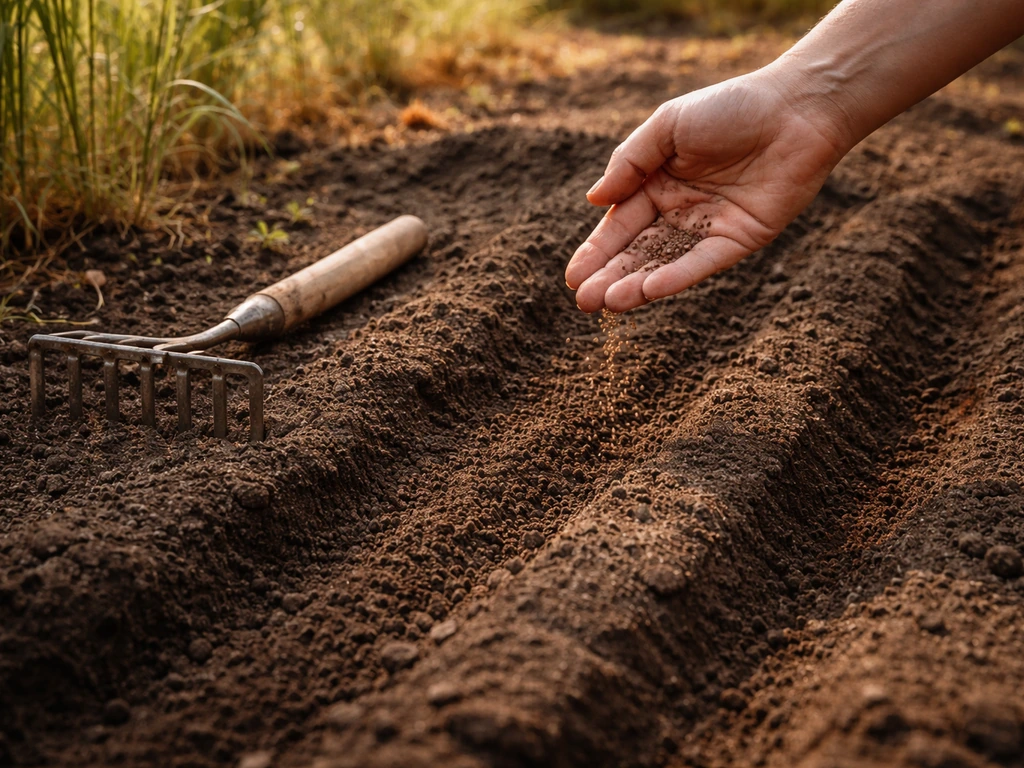
Fall is actually a great time to sow cold-tolerant flowers for spring blooms. Poppies, larkspur, bachelor buttons, and many wildflower species can go in the ground in late September or October. They'll either germinate in fall and overwinter as small seedlings, or they'll sit dormant and germinate as soon as soil warms in spring. This is called a fall direct sow or overwintering sow, and it takes advantage of natural cold stratification instead of faking it in your refrigerator.
Special cases: cold stratification, frost-tender vs cold-hardy, and overwintering
Cold stratification is a process some seeds need to break dormancy, mimicking the cold and moist conditions of winter. Flowers that need it include many wildflower species, some coneflowers, and poppies. You can either sow them outdoors in fall and let nature handle it, or fake it by placing moist seeds in a sealed bag in the refrigerator for 4 to 6 weeks before your spring sowing date. If you skip cold stratification on seeds that require it, you'll get patchy germination at best and nothing at worst.
Frost-tender flowers like marigolds, zinnias, celosias, and most tropical-origin annuals are killed by even a light frost. Do not transplant or direct sow these until after your last frost date, and protect them if a late frost is forecast. Cold-hardy flowers, including snapdragons, bachelor buttons, poppies, sweet peas, and stock, can tolerate light frosts and actually prefer to get growing before summer heat arrives. Getting these in the ground early is not a risk, it's a strategy.
Overwintering works differently depending on the flower type. Hardy annuals sown in fall germinate in spring. Biennials like foxglove and hollyhock need to grow through one summer, go dormant, and then bloom in their second year, so a June or July sowing this year gives you blooms next summer. Hardy perennials started from seed take longer still but can be started indoors in late winter and planted out in spring for establishment, with blooms potentially arriving in year two. If you want blooms this season from a biennial or perennial, buying established plants is honestly the more reliable path.
Timing mistakes that cause flowers to fail
Starting seeds indoors too early is one of the most common errors I see, and one I've made myself. If you start snapdragons 14 weeks before your last frost instead of 10 to 12, you end up with tall, leggy, root-bound plants that struggle after transplanting. More is not better with indoor starts. Stick to the recommended window on the seed packet and count backward carefully.
Planting warm-season flowers in cold soil is the other big one. Marigold or zinnia seeds sitting in 55°F soil don't germinate, they just rot. Check soil temperature with an actual thermometer rather than assuming it's warm enough because the air feels warm. Air temperature and soil temperature can differ by 10 to 15 degrees in early spring.
Trying to transplant flowers that should be direct sown is a timing-adjacent mistake that causes real frustration. Poppies, larkspur, and most wildflowers have taproots that hate disturbance. Even if you start them in biodegradable pots, they rarely perform as well as direct-sown plants. Save your indoor space for the flowers that actually benefit from it.
Skipping hardening off is practically guaranteed to set your transplants back. Even two to three days of gradual outdoor exposure makes a meaningful difference. I once rushed a flat of marigold seedlings outside on a warm sunny day without hardening them and watched the leaves go pale and crispy within 48 hours. They recovered, but they lost two weeks and never quite caught up to the batch I hardened off properly.
Finally, not accounting for your specific frost date variability can hurt you. If your average last frost is May 1 but your area has seen late frosts as late as May 20, planting frost-tender seedlings on May 2 is a real gamble. NOAA recommends looking at the variability range, not just the average, and checking a short-range forecast before you commit your transplants to the ground.
Your next steps this week
If you haven't already, look up your last spring frost date and first fall frost date today. Write them down somewhere you'll actually see them. Then figure out your growing season length and use that to decide which flowers are realistic this season. If you're reading this in early summer and missed the indoor-start window for snapdragons, pivot to direct-sowing fast bloomers like marigolds and zinnias right now, they'll have plenty of time to bloom before fall. If it's late summer, start thinking about a fall sowing of poppies or bachelor buttons for an early spring payoff next year. Flower timing is forgiving once you understand the system, and every season you grow gives you sharper instincts for the next one. If you want an easier start, focus on easy flowers to grow for beginners that fit your frost dates and timing window.
FAQ
What should I do if a frost forecast changes after I’ve started plants indoors?
Yes, but use it as a trigger, not a promise. If your forecast changes and nighttime lows drop suddenly, wait to transplant frost-tender seedlings until your soil temperature is climbing, not just the air looking mild, and re-check for several days in a row before committing.
How accurate is a frost date versus using soil temperature for timing? Can I just rely on the forecast?
Mixing soil and air can mislead you. As a practical rule, measure soil at planting depth (about 4 inches) and only treat it as “warm enough” for warm-season seeds when it has held near the target range for at least a couple of mornings.
I missed the indoor-start timing for a flower I wanted. Is it too late, and how can I pivot?
If you miss an indoor-start window, don’t force it. Choose flowers you can still direct sow or transplant from later batches, then stagger sowing every 2 to 3 weeks so you still get a spread of bloom instead of one short peak.
Can I salvage a flower that should be direct sown by starting it anyway in biodegradable pots?
For plants that prefer direct sowing, switching methods rarely “catches up.” Warm up seed-starting schedule is different, too, so for taproot plants like poppies and many wildflowers, use the missed-season lesson and direct sow next opportunity rather than restarting indoors hoping for the same results.
Do microclimates mean I should use different frost dates for different parts of my yard?
Yes, but it changes what “when to grow flowers” means. A raised bed, container, or reflective wall can warm sooner, so your frost date may effectively shift earlier by days, but only if the microclimate truly drains well and doesn’t trap cold overnight.
How should I protect frost-tender seedlings if the forecast shows a late cold snap?
Assume you may need protection, not a full delay. If cold-tolerant plants are fine with light frost, you can still transplant early, but frost-tender annuals should be protected with a cloche or row cover when lows dip below your personal threshold, and removed during the day to prevent overheating.
Do I have to harden off even if the transplant day is warm and sunny?
Hardening off is about transitions, not survival. If days are cloudy and mild, you can shorten the process slightly, but if conditions swing between warm sun and cold nights, extend it because seedlings adjust to light intensity and outdoor humidity gradually.
How do I use seed packet “weeks to maturity” information with frost dates?
If a seed packet lists “weeks to maturity,” treat it as an estimate that assumes typical weather and correct soil temperature. Convert to your timeline by counting back from the first suitable outdoor conditions for that plant type, then add a small buffer for cool springs or slower germination.
My seedlings are lagging or getting leggy, what does that usually mean for when to transplant?
It depends on why they’re small. If they’re short and stocky, that can be normal for cool-season starters, but if they’re pale and stretched, it usually signals insufficient light or over-long indoor time. Adjust light first, then align transplant timing with soil warmth and the hardening off schedule.
When sowing in fall, how do I decide whether seeds should germinate before winter or wait until spring?
Yes. For fall sowing, make sure the seed has time to germinate and establish enough to overwinter, or to stay dormant without drying out if conditions are too mild. A good check is consistent moisture without waterlogging, and you can add a thin mulch layer for stability after sowing cold-tolerant species.
Next Articles
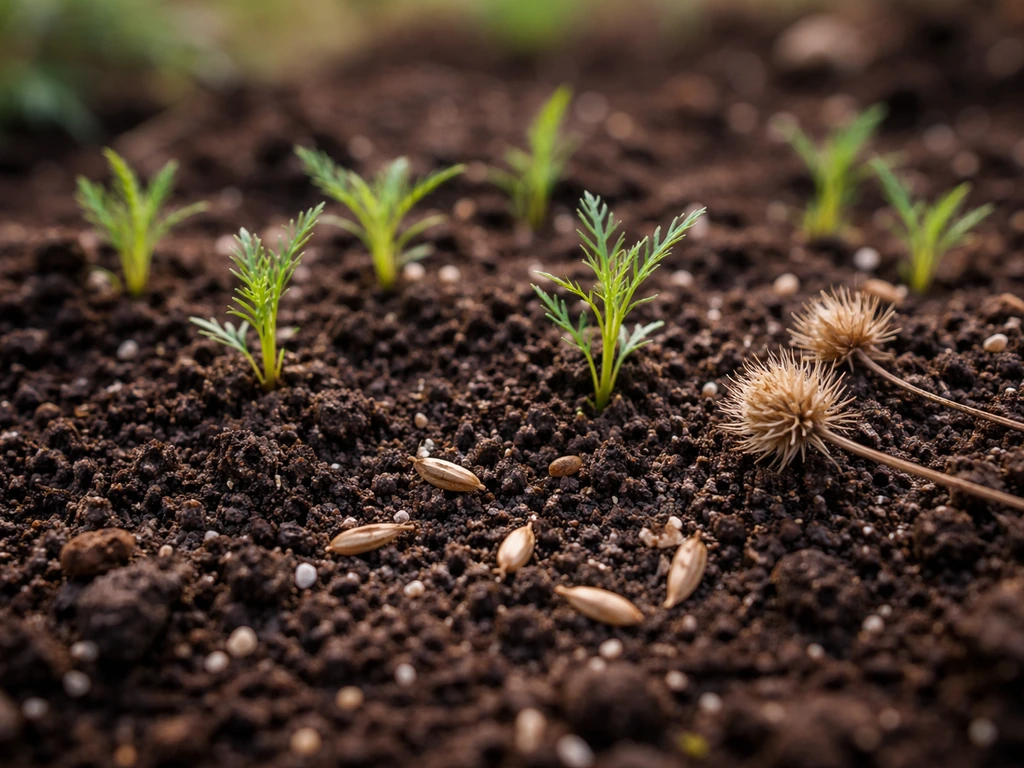
Are Bachelor Buttons Easy to Grow From Seed? Guide
Learn if bachelor buttons are easy to grow from seed and how to sow, water, thin, and troubleshoot to bloom fast.
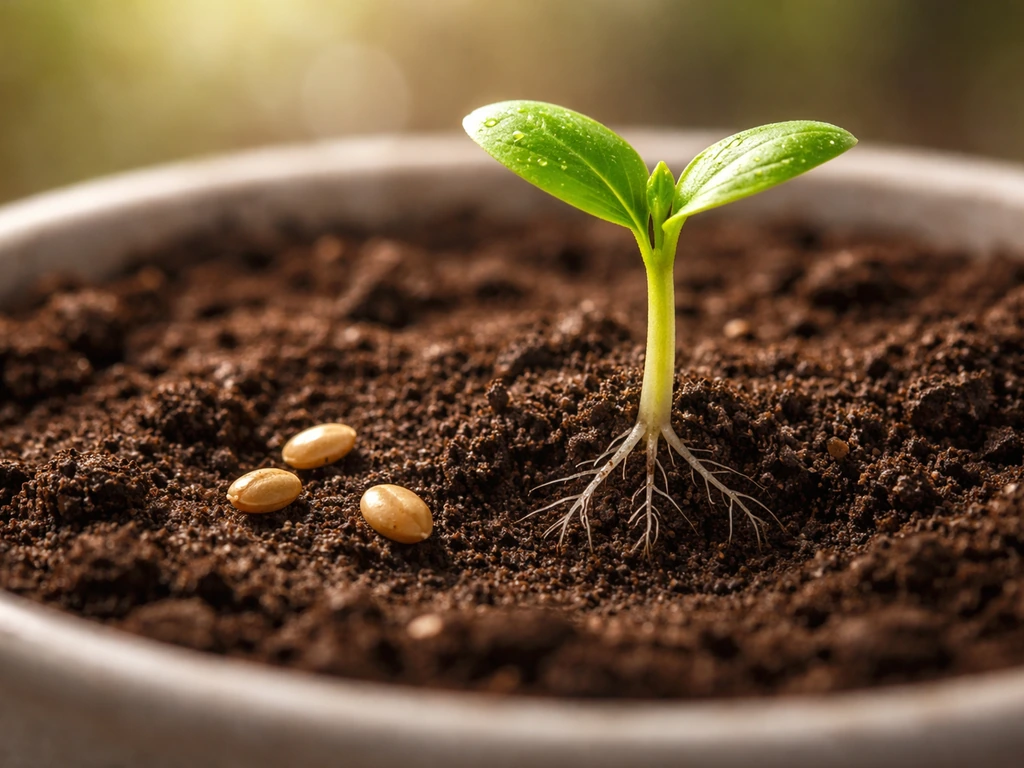
How Do Flowers Grow for Preschoolers and Kindergarteners
Step-by-step seed to bloom for preschoolers: what flowers need, how to plant, and day-to-day care for success
Easy to Grow Annuals for Beginners: Seed to Bloom Guide
Seed to bloom guide for easy annual flowers: when to plant, direct sow or start indoors, care tips, and fixes.