
Flowers grow from tiny seeds that wake up when they get warmth, water, and light. The seed splits open underground, a little root pushes down, and a shoot pushes up toward the sun. Over days and weeks, that shoot grows leaves, then a stem, then finally a bud that opens into a bloom. That's the whole story, and the best part is that kids can do most of it themselves with just a pot, some seed-starting mix, a sunny spot, and a watering can.
How Do Flowers Grow for Preschoolers and Kindergarteners
James Holloway
16 Jun 2026
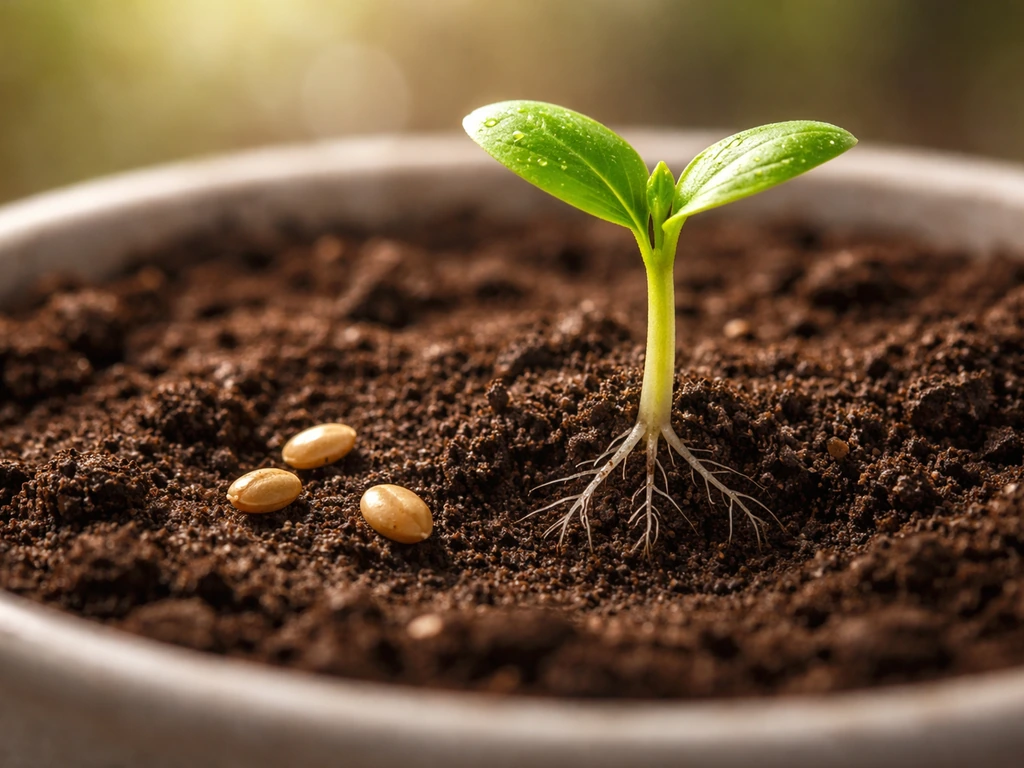
The flower growth story: from seed to bloom
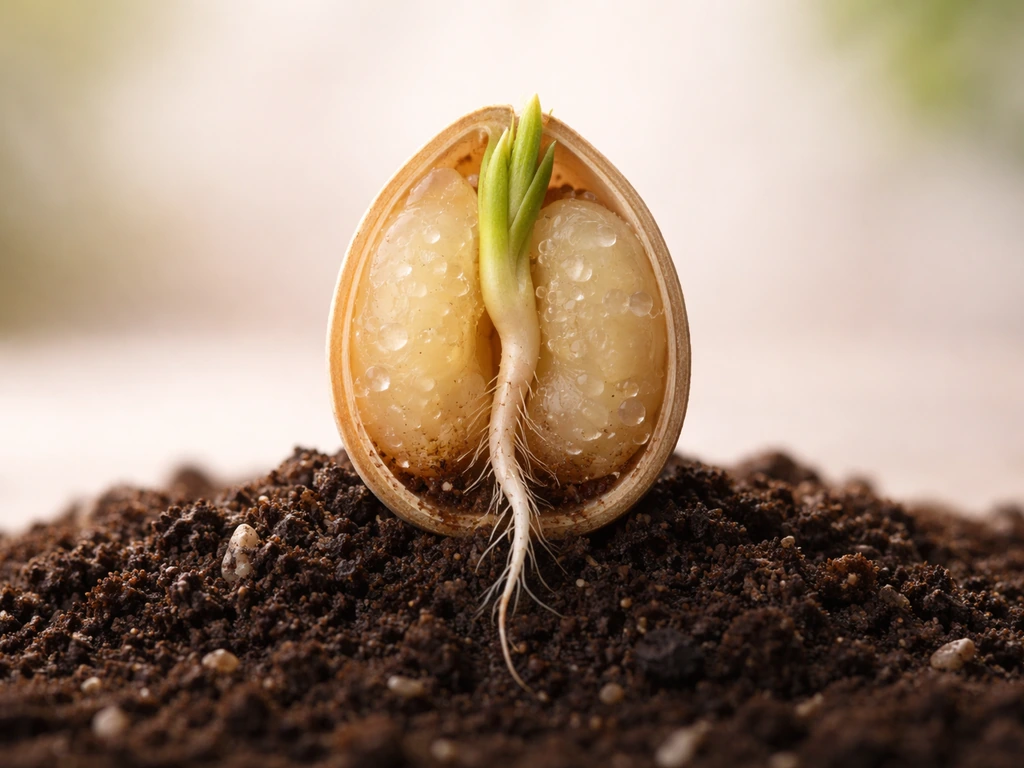
Every flower starts as a seed, and inside that seed is everything the plant needs to get going. Think of it like a tiny sleeping baby plant with its own little lunchbox of stored food. When conditions are right, the seed wakes up, a process called germination. The RHS explains germination as the process by which a seed develops into a new plant, and notes nutrient needs vary by stage. Here's the simple version of what happens next, which you can walk through with kids at any age.
- The seed absorbs water and swells up.
- A tiny root (called a radicle) pushes downward into the soil to anchor the plant and drink up moisture.
- A small shoot pushes upward, breaking through the soil surface.
- The first seed leaves (cotyledons) appear. These look different from the plant's real leaves.
- True leaves grow in. Now the plant can make its own food from sunlight.
- The stem gets taller, branches form, and eventually a flower bud appears.
- The bud opens into a bloom.
For preschoolers, you can simply say: the seed wakes up, grows roots going down and a stem going up, gets leaves, and then makes a flower. Draw it together or act it out (curl up like a seed, then slowly stand up with arms out like leaves, then pop your hands open like a bloom). For kindergarteners, you can use the real words: germination, roots, stem, cotyledon, bud. They love having the grown-up vocabulary.
What flowers need to grow
There are six things every flower needs. Miss one and you'll see it in the plant pretty quickly, which actually makes this a great science lesson for kids.
- Water: Seeds need consistent moisture to germinate, but not soggy soil. Once seedlings are up, water when the top of the soil feels dry to the touch. Overwatering is the most common mistake with kids involved.
- Light: Most flower seedlings need bright light as soon as they sprout. A sunny windowsill can work, but a south-facing window is better than a north-facing one. Without enough light, seedlings get tall and floppy (called leggy) because they're stretching toward the light.
- Soil: Use a fresh seed-starting mix from a garden center, not regular garden soil. Garden soil can carry pathogens that kill young seedlings. Seed-starting mix is light and drains well, which is exactly what tiny roots need.
- Warmth: Most flower seeds germinate best around 65 to 75°F. A warm kitchen counter or the top of a refrigerator works well. Cold, soggy conditions slow germination and increase disease risk.
- Nutrients: Seeds have their own food supply for the first few weeks. Once the first true leaves appear, you can feed seedlings with a diluted liquid fertilizer at about quarter strength once a week. Don't overdo it.
- Air and space: Crowded seedlings share air poorly and are more vulnerable to disease. Thin them out once they sprout so each plant has room to breathe.
Picking kid-friendly flower seeds and planning your space
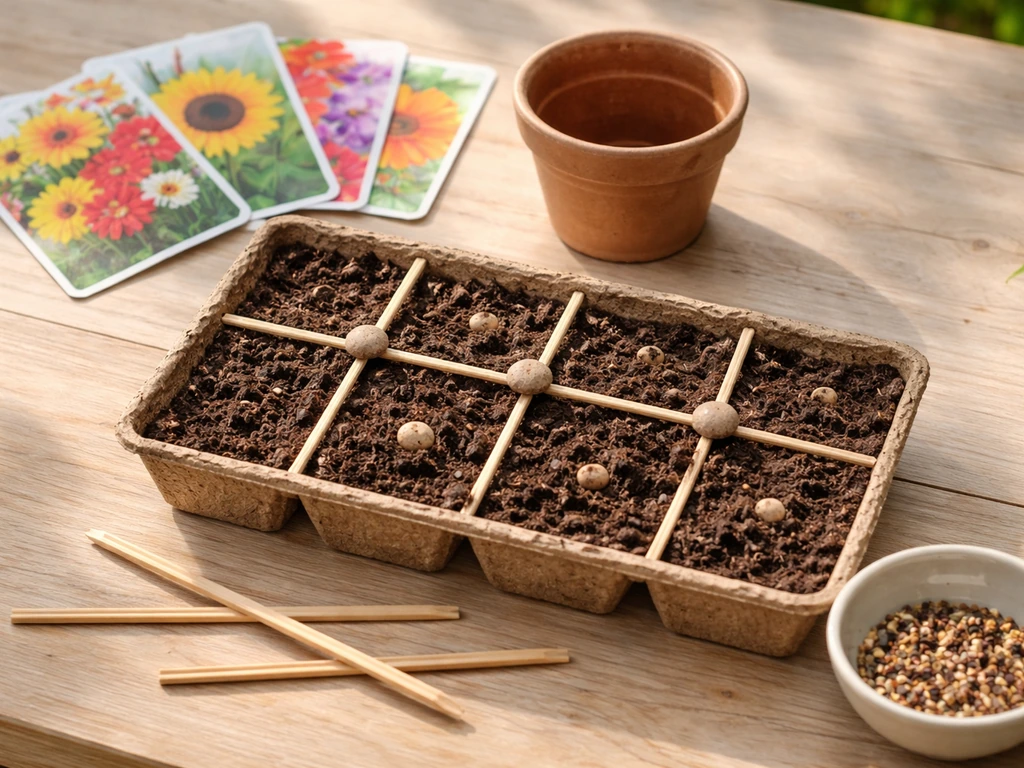
Not all flower seeds are created equal for a kids' project. You want seeds that are big enough for small fingers to handle, fast to germinate so kids don't lose interest, and forgiving if watering isn't perfectly consistent. Marigolds are the gold standard for a reason: the seeds are large, they germinate in about 5 to 7 days, and they bloom in as little as 50 to 60 days from sowing. These easy flowers to grow for beginners are forgiving and a great way to get quick blooms marigolds are the gold standard. Zinnias are similarly fast, often blooming in 40 to 50 days. Snapdragons are a great next step for kindergarteners, though they're tiny seeds and need a slightly different technique (more on that below). Because germination depends on oxygen, light, and heat, snapdragons need special attention, and tiny seeds may be pressed into the medium or managed with fine mist watering rather than deep burial [Starting Plants From Seed \[fact sheet\]](https://extension.unh.edu/resource/starting-plants-seed-fact-sheet). Bachelor's buttons and wildflower mixes with poppies are fun for planting directly in the ground if you have outdoor space.
| Flower | Seed Size | Days to Germinate | Days to First Bloom | Best For |
|---|---|---|---|---|
| Marigold | Medium | 5–7 days | 50–60 days | Preschool and kindergarten |
| Zinnia | Medium | 5–7 days | 40–50 days | Preschool and kindergarten |
| Snapdragon | Tiny | 7–14 days | 60–90 days | Kindergarten with adult help |
| Bachelor's Button | Medium | 7–14 days | 60–70 days | Direct sowing outdoors |
| Sunflower | Large | 5–10 days | 55–70 days | Preschool (great for big fingers) |
For your container, use something at least 2 inches deep with drainage holes at the bottom. A simple plastic cup with a hole punched in the bottom works perfectly in a classroom. A 4-inch pot or a small seed tray works just as well at home. Each child gets their own cup or pot and they're immediately invested in what happens next.
Planting step-by-step: preschool vs. kindergarten
The core planting process is the same for both ages, but how much you explain and how much the child does independently shifts a bit. Here's the full process, with notes on where to adjust.
Preschool (ages 3 to 5): keep it sensory and simple
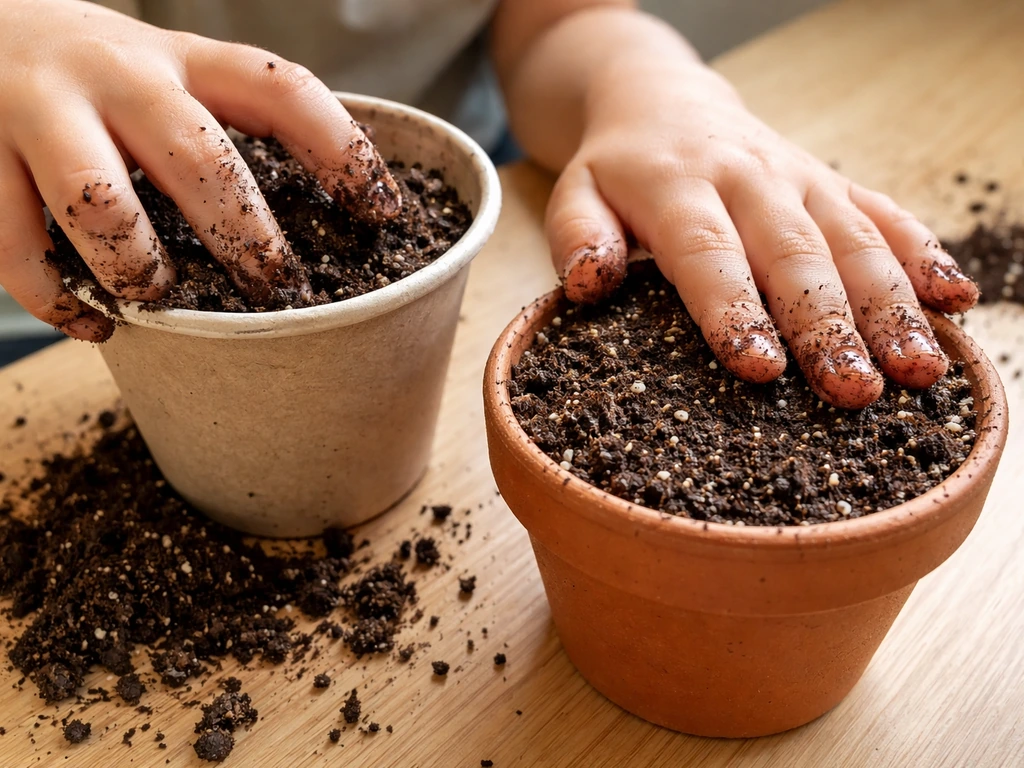
- Fill a cup or small pot with damp seed-starting mix. Let the child scoop and pat it down with their hands. This is the fun part.
- For marigolds or zinnias, use your fingertip or a pencil eraser to poke a hole about half an inch deep. That's roughly twice the width of the seed, which is the general rule for planting depth.
- Drop one seed in and cover it gently. Press the soil down lightly.
- Water gently using a spray bottle so the soil doesn't wash away. Show kids how to count 10 sprays.
- Label the cup with the child's name and what they planted. A sticker or drawing works great.
- Place the cup in a warm spot. A sunny windowsill or kitchen counter near a window is perfect.
- Check every day: is the soil still damp? Does it need a few more sprays? Let the child touch the soil to feel for moisture.
Kindergarten (ages 5 to 6): add a little more detail and vocabulary
- Read the seed packet together before you start. Point out the planting depth, spacing, and days-to-bloom information. This is a real reading and math activity.
- Fill the pot with seed-starting mix, leaving about half an inch of space at the top for watering.
- For marigolds or zinnias, plant seeds at about a quarter inch deep. For snapdragons, the seeds are so tiny that you press them gently onto the surface of the mix and mist with a spray bottle instead of burying them. Light actually helps snapdragon seeds germinate.
- If planting more than one seed per pot (for thinning practice), space them about an inch apart.
- Water with a gentle spray bottle or by bottom-watering: set the pot in a shallow tray of water and let the mix soak it up from below. This keeps the surface undisturbed.
- Cover the pot loosely with a plastic bag or plastic wrap to hold in moisture during germination, then remove it once sprouts appear.
- Label the pot with the flower name, date planted, and expected germination date. This builds anticipation and teaches planning.
- Once seedlings have their first true leaves, thin to the strongest one or two plants by snipping the extras with scissors (teach kids not to pull, which disturbs roots).
Daily care and easy troubleshooting
Once seeds are planted, daily care is simple and makes a great classroom or kitchen-table routine. Check the soil moisture each morning. If it feels dry about an inch down, water gently. If it still feels damp, leave it alone. Overwatering is genuinely the most common problem, and kids naturally want to water every day whether it needs it or not. Make the soil-touch check the ritual, not the watering.
Once sprouts appear, move the pot to the brightest light you have. If seedlings start leaning toward the window or growing very tall and thin, that's a light problem, not a watering problem. Rotate the pot a quarter turn each day so all sides get equal light, or move it closer to the window. A grow light set 2 to 4 inches above the seedlings for 14 to 16 hours a day solves light problems completely if a bright window isn't cutting it.
If seedlings suddenly fall over and the base of the stem looks brown and pinched, that's damping-off, a fungal disease. It happens when the soil stays too wet, there's poor air circulation, or the potting mix had pathogens in it. Unfortunately there's no saving seedlings that have damped off, but you can start again with fresh seed-starting mix, a clean container, careful watering, and a little more airflow. It's not a failure, it's just a garden lesson.
| Problem | What it looks like | What to do |
|---|---|---|
| Leggy seedlings | Tall, thin, floppy stems leaning toward light | Move to brighter light or add a grow light; rotate pot daily |
| No germination after 2 weeks | Nothing coming up | Check soil moisture (too dry or too wet), temperature (too cold), and seed depth (too deep) |
| Damping-off | Seedlings fall over; brown pinched stem at soil level | Start fresh with sterile mix, clean container, and less water |
| Yellow leaves | Pale or yellow color on leaves | Could be overwatering, underwatering, or need for fertilizer; check soil moisture first |
| Wilting | Droopy leaves despite soil being moist | Check for overwatering or root rot; let soil dry out before watering again |
What to look for: signs of sprouting and blooming
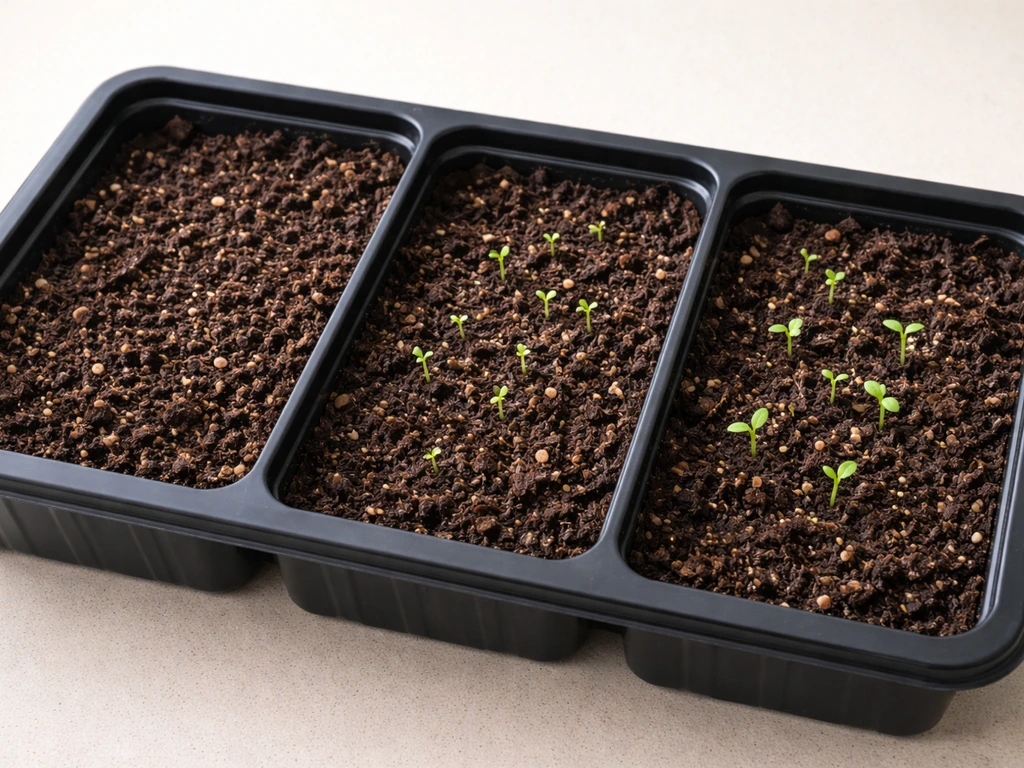
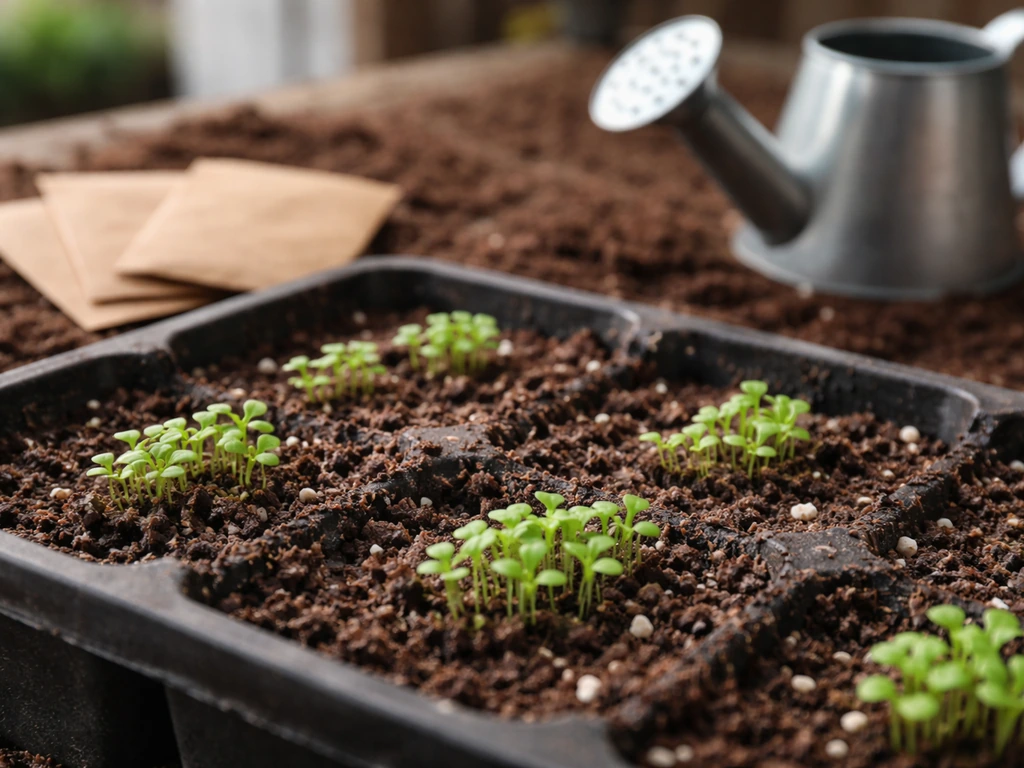
One of the best things about growing flowers with kids is that the signs of progress are dramatic and exciting. The first sign is a tiny arch of green poking through the soil surface, usually a looped stem bent like a hook. That's the seedling pushing through. Within a day or two it straightens up and two small rounded leaves (the cotyledons) open. Point this out to the kids and celebrate it. That's germination in action.
A few days later, the first true leaves appear between the cotyledons. These look more like the plant's adult leaves and are the sign that the seedling is making its own food from sunlight now. This is when you can start fertilizing lightly if you're using seed-starting mix, which has little to no nutrients of its own.
As the plant grows, watch for the first flower bud. It starts as a tiny swelling at the tip of a stem, then slowly fattens up and shows color before finally opening. With marigolds or zinnias, this moment usually arrives 6 to 8 weeks after germination. Kids who have been watching every day genuinely find this thrilling, especially if they've kept a simple picture journal of the plant's progress.
Your simple plan from planting to first bloom
If you're starting indoors, here's a realistic mini timeline using marigolds as an example, since they're the most reliable choice for this kind of project. A simple guide for when to grow flowers by season and indoors versus outdoors can help you plan your timeline too. If you're working outdoors after the last frost date in your area, you can direct-sow marigolds or zinnias directly into a small patch of garden bed or a large outdoor pot.
| Week | What's happening | What to do |
|---|---|---|
| Week 1 (Day 1) | Planting day | Fill pots, plant seeds, water gently, place in warm spot |
| Week 1–2 (Days 5–14) | Germination | Check soil moisture daily; watch for the first green arch breaking the surface |
| Week 2–3 | Seedling stage | Move to bright light once sprouted; begin misting or gentle watering routine |
| Week 3–4 | True leaves appear | Start diluted fertilizer (quarter strength) once a week; thin to strongest seedling |
| Week 5–6 | Plant growing fast | If moving outdoors, begin hardening off: 1 hour outside on Day 1, increasing daily over 7–10 days |
| Week 7–8 | First bud forms | Watch for the bud swelling at the stem tip; keep watering consistently |
| Week 8–10 | First bloom opens | Celebrate! Marigolds typically bloom 50–60 days from sowing |
If you want to move seedlings outdoors, harden them off gradually over about a week. Start with one hour outside in a sheltered, shady spot on Day 1, then add an hour each day, slowly introducing more sun. By Day 7 to 10, they're ready to stay outside full time. Skipping this step leads to sunburned, shocked plants, and that's a hard lesson for little gardeners.
Marigolds and zinnias are genuinely the best starting point, but once kids have had a win with those, they're usually ready to try something a little more interesting. Snapdragons are a natural next challenge, and bachelor's buttons are a great gateway to direct sowing outdoors. Bachelor's buttons are also often easy to grow, especially when you direct sow outdoors and keep an eye on light and watering are bachelor buttons easy to grow. Growing flowers from seed is one of those hobbies where every project builds confidence for the next one, no matter what age you start. If you want the quickest results, focus on what are the easiest flowers to grow from seed for your space and growing conditions Growing flowers from seed.
FAQ
How warm does it need to be for seeds to wake up (germinate)?
Most common kids’ seeds germinate best when temperatures stay comfortably warm, roughly room temperature to warm outdoor spring weather. If your classroom or home is cool, use a sunny window spot or place seed cups on top of a warm surface (like near, not inside, a heat vent). Avoid heating them too much, because very hot, dry conditions can stop germination.
Should I cover flower seeds with soil after planting?
It depends on the type of seed. Larger seeds like marigolds are usually covered lightly or planted at the depth recommended on the packet. Tiny seeds (like snapdragons) often need special, shallower placement. A simple rule for preschool projects is, follow the packet depth exactly, because planting too deep is a common reason nothing sprouts.
What’s the best way to water without washing seeds away?
Use gentle watering at the surface, a watering can with a fine rose, or bottom-watering by setting pots in a shallow tray for a short time. Then let excess drain. If seedlings are not showing, check whether seeds were disturbed, because pouring water directly can float seeds or create bare spots.
Do flowers need fertilizer right away?
Usually not. Seed-starting mix has little to no nutrients, so light fertilizing starts after seedlings grow true leaves, not immediately after sowing. For kids, use a very diluted fertilizer and only occasionally to avoid overfeeding and floppy, weak growth.
How can I tell the difference between “needs water” and “needs more light”?
If seedlings are pale, then they likely need more light, not more water. If they look droopy but the soil feels moist, skip watering and increase light. If they are leaning strongly or stretching tall and thin, that’s a light shortage, fix it with a brighter window or a grow light.
What if no seeds sprout after a week or two?
First, check the soil moisture and warmth, then verify you planted at the right depth. For fast types like marigolds, you should see progress within about a week. If nothing appears, it can be from old seeds or planting too deep, so start a small “test batch” cup with fresh seed to keep the project moving.
Can children touch the soil and stems, or will that hurt them?
Light, careful touching is usually fine once seedlings have a sturdy stem. Handle gently, avoid pressing leaves flat, and wash hands after gardening. The main risk is breaking very young stems, so supervise at the earliest stages and let kids point rather than pinch early on.
Why are my seedlings dying even though I water the same amount each day?
This is often due to damp-off, which is triggered by consistently wet soil and low airflow. Make sure containers drain well, water only when the soil-touch check says it’s needed, and keep seedlings in a location with some air movement. If damping-off starts, restart with fresh mix and clean containers rather than trying to rescue them.
Do I have to rotate the pot, or can I just move it once?
Rotating helps, especially when a window has uneven brightness across the day. If you rotate a quarter turn daily, seedlings grow more straight and sturdy. If you use a grow light positioned evenly above the seedlings, rotation becomes less important.
When is it safe to move seedlings outdoors?
Wait until they are both bigger and ready for outside conditions, then harden them off gradually over about a week. Also consider temperature and weather, because sudden cold snaps can damage young plants even if they look healthy indoors.
How do I prevent sunburn when moving plants outside for the first time?
Start in shade or indirect light for the first day, then increase sun slowly each day. Avoid midday full sun at the beginning. If leaves look dull or curled after outdoor exposure, bring them back to calmer light and continue the gradual schedule more slowly.
What if we grow flowers in cups, can we keep them there until they bloom?
Many kids’ projects can, especially marigolds, but container size still matters. If plants start outgrowing the cup or roots fill the space, transplant to a larger pot to support steady growth and more blooms. Keep drainage holes clear so roots do not sit in water.
Next Articles
Easy to Grow Annuals for Beginners: Seed to Bloom Guide
Seed to bloom guide for easy annual flowers: when to plant, direct sow or start indoors, care tips, and fixes.
How to Grow a Flower Garden for Beginners: Step by Step
Step-by-step guide to grow a beginner flower garden: pick flowers, plan planting, start seed or seedlings, and care by s
What Are the Easiest Flowers to Grow From Seed
Easiest annual flowers to grow from seed, with beginner varieties and step by step sowing, care, and germination tips.