The easiest annuals for beginners to grow from seed are marigolds, zinnias, nasturtiums, cosmos, calendula, California poppies, and sweet alyssum. Every one of these will germinate reliably in normal garden soil, bloom within a single season, and forgive the kind of imperfect watering and spacing that every new grower does. If you only have time to plant one thing this weekend, start with marigolds or nasturtiums. They are nearly impossible to fail with.
Easy to Grow Annuals for Beginners: Seed to Bloom Guide
James Holloway
7 May 2026
What 'easy annuals' actually means for beginners
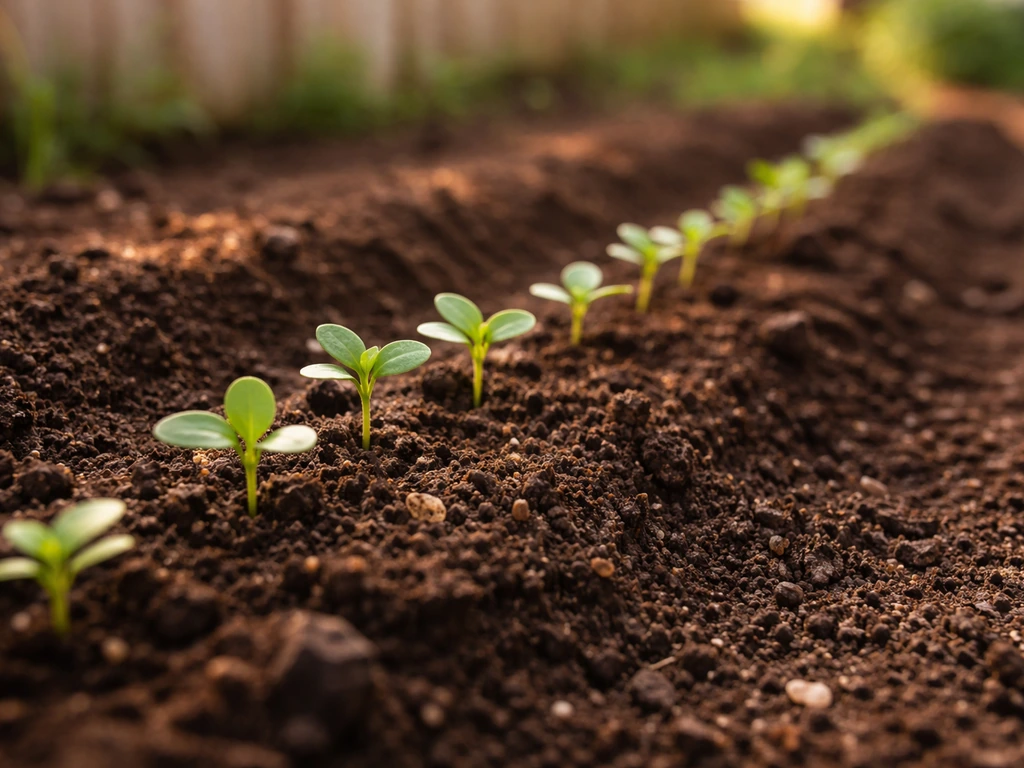
Not every annual is beginner-friendly, so it helps to know what you're looking for. An easy annual has a few specific traits: it germinates fast (usually within 7 to 14 days), tolerates imperfect conditions like slightly dry soil or patchy sunlight, produces blooms reliably without a lot of fussing, and doesn't need a complicated indoor seed-starting setup to succeed. Annuals that tick these boxes give beginners the quick feedback and visible reward that makes the hobby feel worth continuing.
The flip side is also worth knowing. Some annuals look simple on the seed packet but need precise temperature control, long indoor lead times, or very specific soil conditions. Snapdragons, for example, are definitely achievable for beginners, but they do require a surface-sowing technique and a bit more patience than, say, a zinnia you direct sow in late May. Knowing this helps you set realistic expectations so you don't blame yourself when something takes longer than expected.
For the purposes of this guide, 'easy' means: the seed germinates in under two weeks under normal conditions, the plant reaches bloom in one season without needing special treatment, it works in both beds and containers, and it handles the kind of beginner mistakes (a few missed waterings, slightly crowded spacing, not-quite-perfect soil) without sulking.
The best beginner-friendly annuals to grow from seed
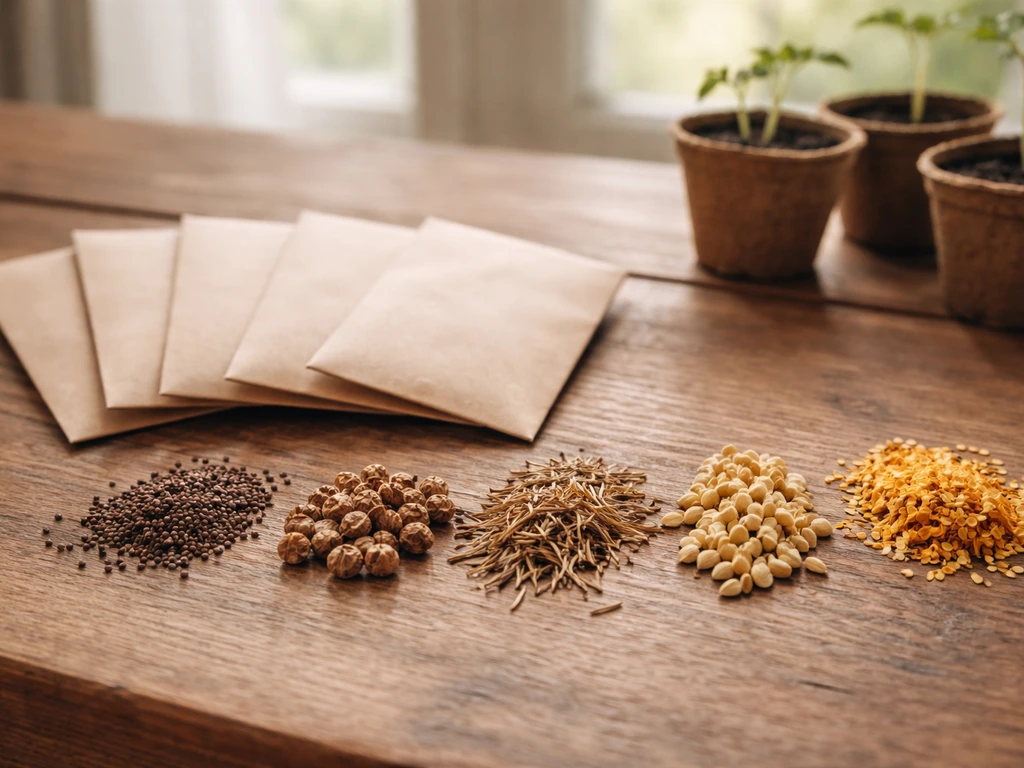
Here is a curated list of annuals that consistently work for first-time growers, with a quick note on why each one earns its spot. If you're wondering, is it hard to grow flowers, the short answer is that choosing beginner-friendly annuals makes it much easier for first-time growers.
| Flower | Why It's Easy | Best Sowing Method | Bloom Time from Seed |
|---|---|---|---|
| Marigold | Germinates in 7–14 days in warm soil; blooms 8–10 weeks from sowing | Direct sow or start indoors 4–6 weeks before last frost | 8–10 weeks |
| Zinnia | Fast bloomer; tolerates heat and drought once established | Direct sow after last frost; or start indoors 5–7 weeks early | 6–8 weeks |
| Nasturtium | Thrives in poor soil and dry conditions; big seeds are easy to handle | Direct sow after last frost (no indoor starting needed) | 5–8 weeks |
| Cosmos | Lightly self-seeds; minimal care needed once established | Direct sow after last frost when soil is above 60°F | 7–10 weeks |
| Calendula | Cool-season tough; direct sow in spring or fall | Direct sow 1/4" deep after danger of frost passes | 6–8 weeks |
| California Poppy | Tolerates light frost; long bloom period; resents transplanting | Direct sow in early spring; cover lightly with 1/4" soil | 8–10 weeks |
| Sweet Alyssum | Fast, low-growing, trouble-free; great for containers and edging | Direct sow on soil surface or start indoors 6–8 weeks early | 6–8 weeks |
| Snapdragon | Reliable bloomer if surface-sown indoors 8–10 weeks before last frost | Indoors only: surface sow in 128-cell flats, transplant when true leaves appear | 10–14 weeks |
Marigolds are the single best starting point if you've never grown flowers from seed before. The seeds are large enough to place individually, germination is fast, and the plants are practically bulletproof once they're a few inches tall. Zinnias are a close second, especially if you want big, colorful blooms for cutting. Nasturtiums are the one to pick if your soil isn't great or your garden tends to be a little dry, because they genuinely perform better with less. Cosmos are ideal if you want an airy, wildflower-style look with almost no effort. And sweet alyssum is the go-to for filling gaps, container edges, and spots that get a bit more shade.
Quick-start setup: soil, containers, sunlight, and timing
Sunlight
Most of the annuals on this list want full sun, which means at least six hours of direct sunlight per day. Marigolds, zinnias, nasturtiums, cosmos, and calendula all fall into this category. Sweet alyssum is more flexible and handles partial shade well. If your space gets fewer than four hours of direct sun, you'll have better luck with alyssum, and to a lesser extent calendula, than with the others.
Soil and containers
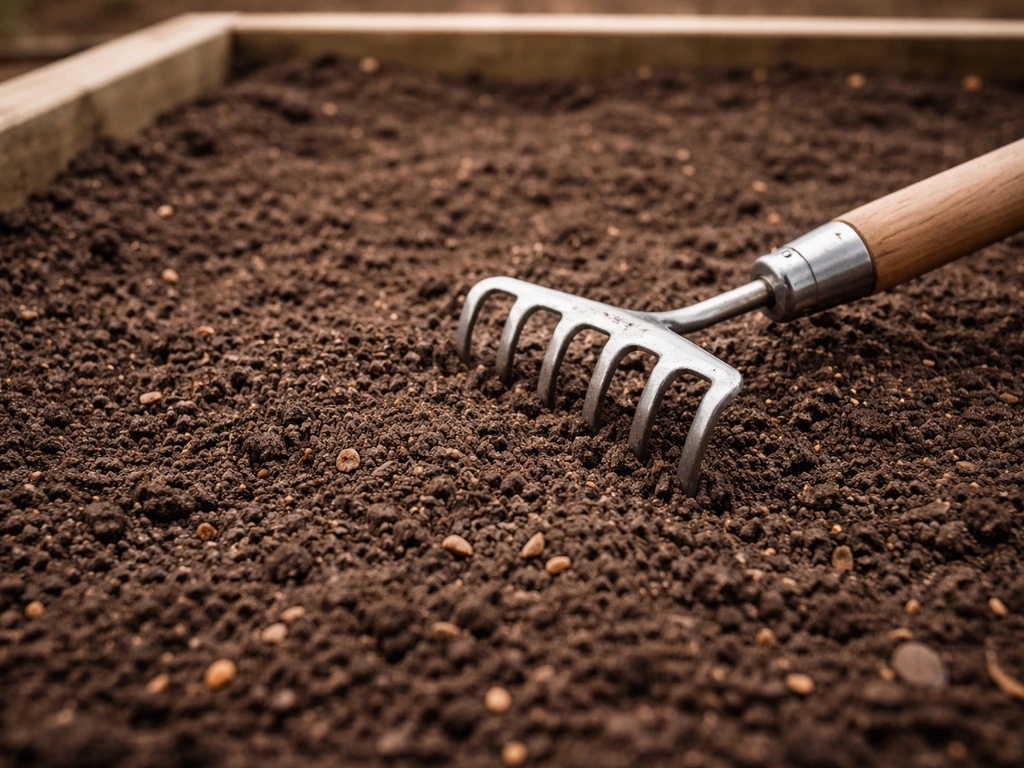
For ground beds, a well-drained soil with some organic matter worked in is ideal. You don't need to buy expensive amendments. A bag of compost mixed into the top few inches is enough to get most annuals off to a good start. For containers, use a quality potting mix (not garden soil, which compacts in pots) and make sure the container has drainage holes. Seed-starting containers should be at least 3 to 4 inches deep so seedlings can develop a proper root system before transplanting.
Timing by season
The single most important timing rule for beginners: don't rush. Most warm-season annuals like zinnias, cosmos, and marigolds want to go out after your last frost date, when soil has warmed to at least 60°F. Cool-season annuals like calendula, sweet alyssum, and California poppies can go out earlier in spring (or even in fall in mild climates). If you're in USDA zones 5 to 7, that typically means direct sowing warm-season annuals from mid-May onward and starting cool-season types as early as late March or early April. In zones 8 and warmer, you can start earlier. Check your local last frost date and count back from there when planning indoor starts.
Direct sow vs starting indoors: which method to use
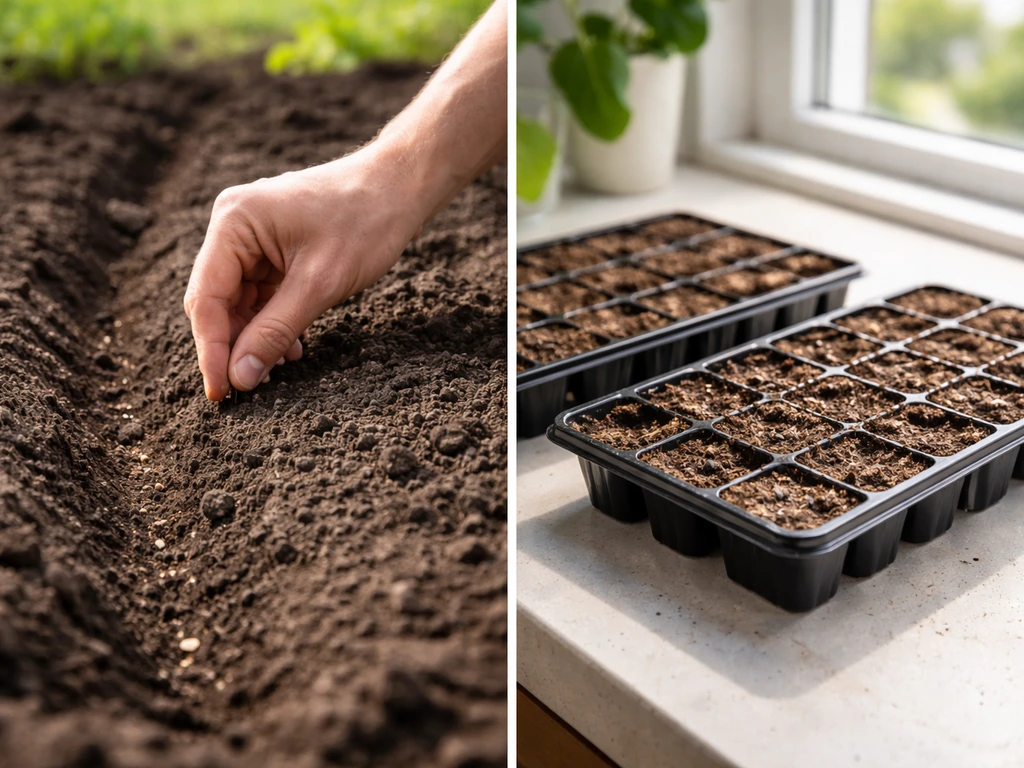
Both methods work, but they suit different flowers and different situations. Direct sowing means you plant the seed straight into the garden or final container where the plant will live. Starting indoors means you sow into trays or small pots weeks before the last frost, then transplant the seedlings outside once conditions are right.
For beginners, direct sowing is almost always the simpler choice when the flower supports it. Nasturtiums, cosmos, California poppies, and calendula all do better with direct sowing because they either dislike being transplanted or simply germinate so easily outdoors that there's no advantage to starting inside. California poppies especially resent root disturbance, so direct sowing is really the only practical option.
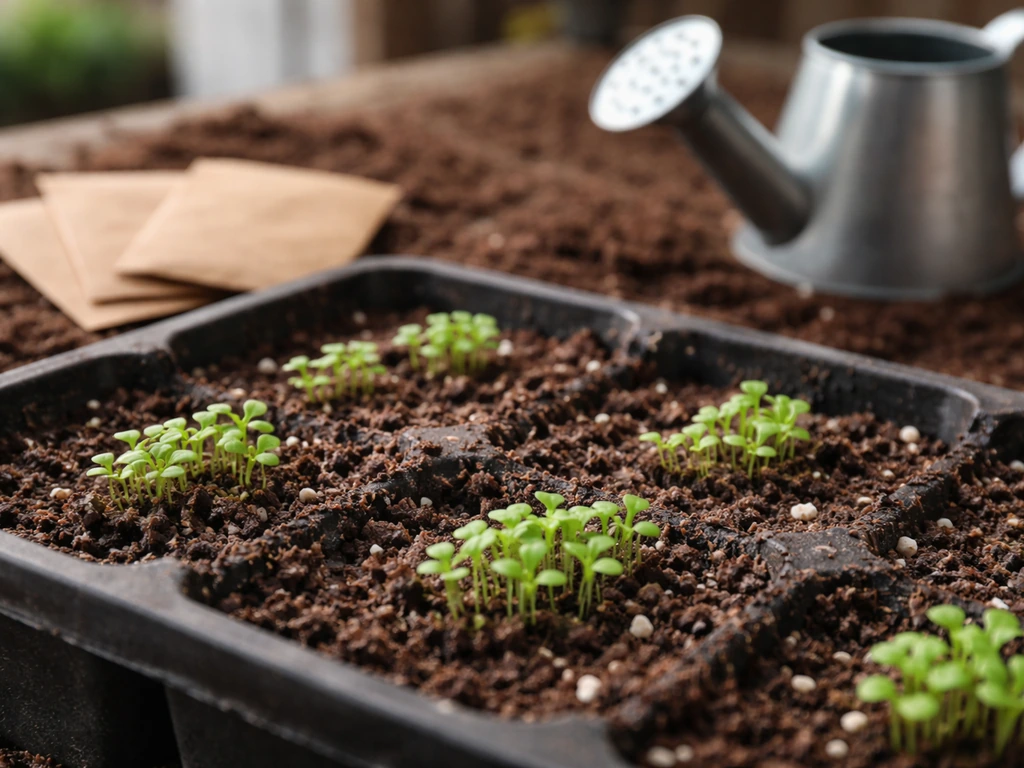
Indoor starting makes sense when you want to get a head start on the season or when the flower has tiny seeds that need controlled conditions. Snapdragons are a good example: surface-sow them into 128-cell flats about 8 to 10 weeks before your outdoor planting date, then move seedlings to larger cells when the first true leaves appear (usually around 3 to 4 weeks after sowing). Zinnias can go either way, but if you start them indoors, give seedlings 16 hours of bright light per day under grow lights to avoid legginess.
Indoor seed-starting basics
- Use a soilless seed-starting mix, not garden soil or potting mix. Soilless mixes are nearly sterile and dramatically reduce damping-off risk.
- Follow the depth rule of thumb: sow seeds at a depth of about twice the seed's width. For tiny seeds like snapdragons and alyssum, press them gently onto the surface and mist in with a fine spray bottle. Do not cover them with soil.
- Water gently after sowing using a spray bottle so you don't shift or wash away seeds.
- Cover the tray with a clear dome or plastic wrap to hold moisture, then check daily. Remove the cover once seedlings emerge.
- Keep the growing medium consistently moist but not wet. Letting it dry out is one of the most common reasons germination fails.
- Once seedlings are up, move them immediately to your brightest light source or under grow lights (16 hours on, 8 hours off).
- Harden off seedlings over 7 to 14 days before transplanting outdoors: start with an hour outside in a sheltered spot, then gradually increase exposure over the following days.
Step-by-step from planting to first bloom
- Read the seed packet first. It will tell you germination temperature, sowing depth, spacing, and whether direct sowing or indoor starting is recommended. This information is specific to the variety and worth two minutes of your time.
- Prepare your bed or container. For beds, loosen the top 4 to 6 inches of soil and mix in compost. For containers, fill to within an inch of the rim with fresh potting mix.
- Sow seeds at the correct depth. Shallow-sown annuals like calendula and nasturtiums go in at about 1/4 inch. Larger seeds like zinnias and marigolds can go slightly deeper. Tiny seeds get pressed onto the surface.
- Water in gently after sowing. Use a gentle spray or watering can with a fine rose head. You want the soil evenly moist, not soaked.
- Keep the soil consistently moist during germination. This is especially important in the first week. A dry spell during this window will stop germination. Thin vermiculite sprinkled on top helps retain moisture and doesn't block light for tiny seeds.
- Thin seedlings once they're 2 to 3 inches tall. This feels brutal, but crowding is one of the main causes of weak plants and disease. For marigolds, final spacing of about 9 to 12 inches works well. Zinnias and cosmos want 12 inches between plants.
- Feed lightly once plants are established. A balanced, diluted liquid fertilizer every two to three weeks is plenty. Avoid overfeeding, especially nitrogen-heavy fertilizers, as they push leafy growth at the expense of flowers.
- Deadhead spent flowers regularly. Removing faded blooms tells the plant to keep producing flowers rather than setting seed. This single habit extends the bloom season by weeks.
- Water deeply but less frequently as plants mature. Once seedlings are established, deeper, less frequent watering encourages roots to go down rather than staying near the surface.
Common problems and fast fixes
Seeds aren't germinating
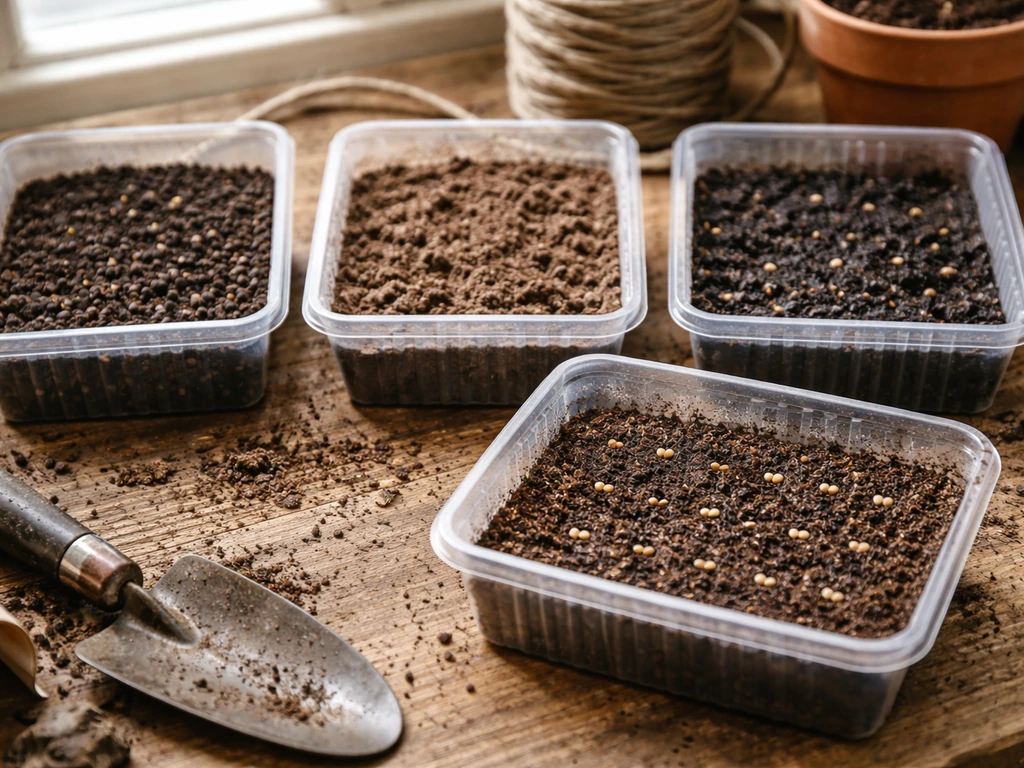
The most common causes are soil that's too cold, too dry, or seeds planted too deep. Warm-season annuals genuinely need soil above 60°F to germinate well, so if you sowed in cool soil, wait or use a seedling heat mat. If the surface is drying out quickly, it could be because your containers are uncovered or near a heat source. Cover the tray or mist more frequently. One more thing: nasturtium seeds have a hard coat, so if germination is slow, gently file the edge of each seed with a nail file before sowing. That small step makes a real difference.
Damping off (seedlings collapsing at the soil line)
blank" rel="noopener noreferrer">Damping off is caused by fungal pathogens in wet, poorly ventilated conditions. It looks like seedlings that were fine yesterday suddenly tipping over with a pinched, rotted stem at the base. The fix, unfortunately, is prevention: blank" rel="noopener noreferrer">use a sterile soilless seed-starting mix (which is largely free of damping-off fungi), don't overwater, don't crowd seedlings, and get air moving around them with a small fan or by cracking a window. Once damping off appears, remove affected seedlings and let the surface dry slightly between waterings.
Leggy, stretched seedlings
Leggy seedlings are almost always a light problem. If your seedlings are tall, thin, and floppy, they're reaching for light that isn't there. Move them closer to a window (south-facing is best) or add a grow light. The leggy growth you already have won't compact back down, but new growth will be sturdier once light improves. Brushing seedlings very lightly with your hand for a few minutes each day can also encourage thicker stem development.
Aphids and slugs
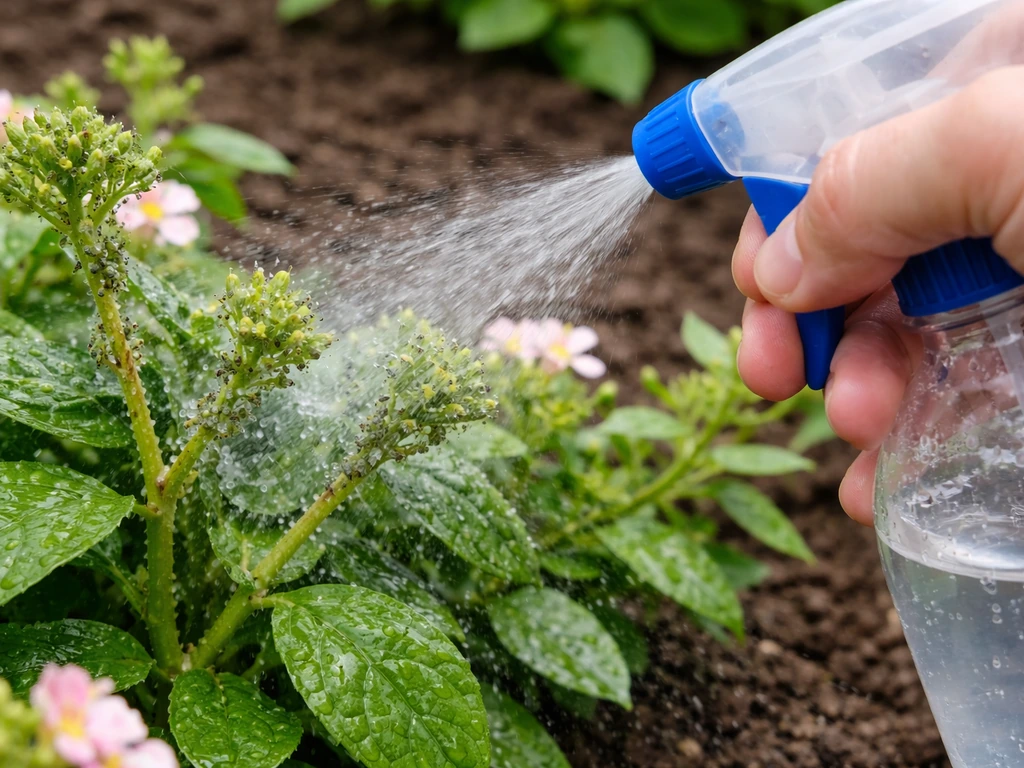
Aphids cluster on new growth and the underside of leaves. A strong spray of water knocks most of them off, and you can follow up with insecticidal soap if they persist. Slugs are most active at night and after rain. They love alyssum and calendula. Remove them by hand in the evening or use a ring of diatomaceous earth around vulnerable seedlings. Slugs are annoying but not catastrophic if you catch them early.
Plants aren't blooming
If your plants are leafy and healthy-looking but not blooming, the most likely causes are too much nitrogen (feeds leaves, not flowers), not enough sun, or the plant simply needs more time. Double-check that it's getting at least six hours of direct sun. If you've been feeding with a high-nitrogen fertilizer, switch to a low-nitrogen, phosphorus-rich bloom fertilizer. And if you're early in the season, sometimes you just have to wait. Cosmos, for example, can take 10 weeks or more to first flower.
Choosing the right annuals for your specific space
Not every garden is a sunny, spacious bed, and that's fine. The right annual for your situation depends on your light, space, and what you actually want from your flowers. Here's how to think through it quickly.
Balconies and containers
Balconies usually have plenty of light if they face south or west, and containers are actually great for annuals because you control the soil completely. Sweet alyssum, marigolds (especially compact French varieties), nasturtiums, and calendula all perform well in pots. Use a container at least 10 to 12 inches wide and deep for marigolds, and add a slow-release fertilizer to the potting mix at planting time since container plants need more feeding than in-ground ones. Water more frequently than you would in a bed, especially during summer heat.
Raised beds and ground beds
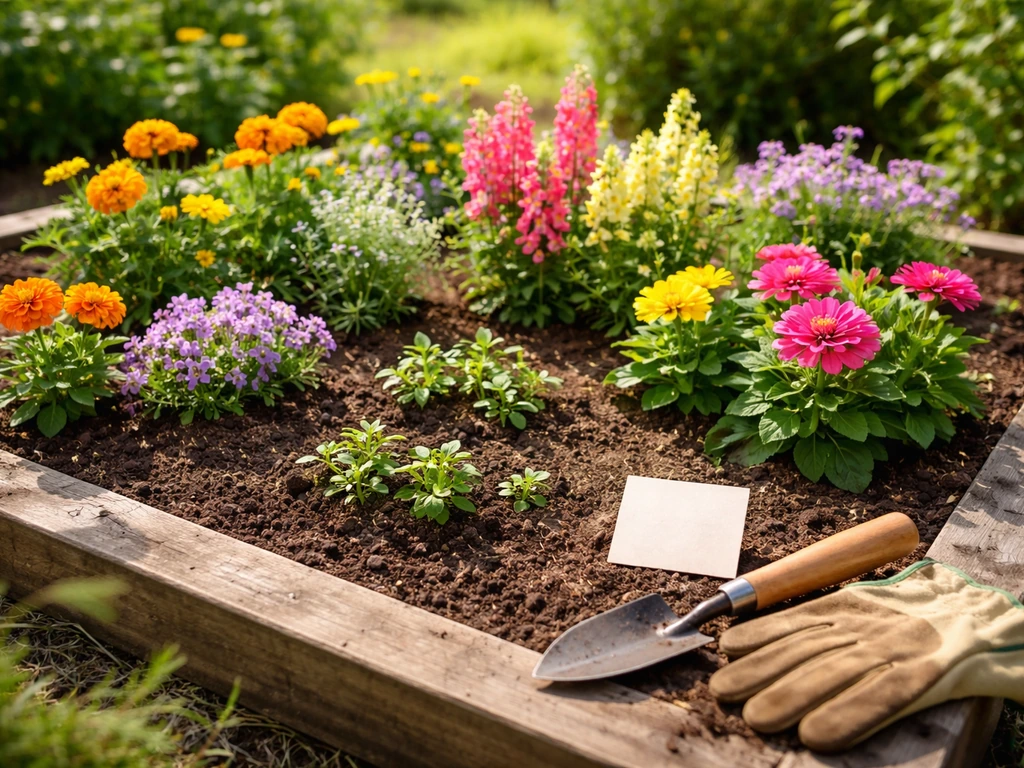
With ground space, you have more flexibility on plant size. Zinnias and cosmos really shine in beds because they get tall (zinnias up to 3 to 4 feet for taller varieties, cosmos even taller) and produce abundant cut flowers. Marigolds work brilliantly as bed edging because they're compact and their scent deters some common pests. California poppies naturalize beautifully in beds if you let a few go to seed at the end of the season.
Partial shade or less-than-ideal sun
If your space gets 3 to 5 hours of direct sun, sweet alyssum is your most reliable option from this list. Calendula tolerates some dappled shade better than most other warm-season annuals and will still flower, just a bit more slowly. Nasturtiums can work in partial shade too, though they'll put out more foliage and fewer flowers than in full sun. Avoid zinnias, cosmos, and marigolds in low-light spots as they'll be disappointing in anything under five hours.
Small spaces and cutting gardens
If you want flowers to bring inside, plant zinnias and snapdragons. Both are classic cutting-garden annuals that produce long, straight stems and vase life measured in weeks. For a tiny cutting patch (even just 4 by 4 feet), two rows of zinnias and a row of snapdragons will give you an impressive harvest all summer. Deadhead regularly and cut stems often, as both plants respond by branching out and producing even more blooms.
Your next steps to get flowers blooming fast
Pick two or three annuals from this guide, not ten. Beginners who try too many varieties at once end up overwhelmed and don't learn nearly as much as someone who really focuses on a couple of plants. A great starting trio for most beginners is marigolds (reliability), nasturtiums (low-care), and zinnias or cosmos (visual payoff). Buy seed packets this week, check your last frost date, and map out whether you're direct sowing or starting indoors. Then follow the steps above and let the season do its thing. If you follow this beginner-friendly plan step by step, you will quickly learn how to grow a flower garden that thrives let the season do its thing. If you want more ideas, learn which easy flowers to grow for beginners so you can pick the best options for your light and schedule.
The other thing worth saying: your first season won't be perfect, and that's completely normal. Maybe the cosmos germinate unevenly or slugs find your calendula. That's not failure, it's just data. Every garden season teaches you something that makes the next one better. The goal right now is to get seeds in the ground and watch something grow. If you want to tailor this for kids, look for age-appropriate steps on how do flowers grow for preschoolers.
FAQ
How many plants should I grow if I’m a beginner and buying from seed packets?
Start smaller than you think. For most beginners, aim for 1 to 3 seeds per planting hole or spot, then thin to the label spacing once seedlings have true leaves. If you want a “full” look without crowding mistakes, choose fewer varieties and plant in simple blocks (for example, one edging strip of marigolds or one repeating row of nasturtiums).
Do I need to thin seedlings, and what happens if I don’t?
Yes for most of the easy annuals on your list. If seedlings stay crowded, airflow drops and you get weaker plants, fewer flowers, and more pest issues. Thin when they’re big enough to handle, and don’t wait until they’re tall. Keep the strongest plants and remove the rest at the soil line.
What’s the best way to water newly sown seeds or seedlings without washing seeds away?
Use gentle, even moisture. For direct sowing, mist or use a light shower so the top layer stays damp but seeds aren’t buried. For trays, bottom-water by filling a tray under the cells for a short time, then drain. Avoid soaking, because consistently wet conditions raise the risk of damping off.
How deep should I plant tiny seeds like sweet alyssum and California poppies?
Tiny-seed annuals are usually not meant to be buried. A common beginner mistake is covering too much. Follow a “light covering if any” approach for these types, and for surface-sown plants (like California poppies), press seeds gently into the soil so they have seed-to-soil contact.
If I don’t know my soil temperature, how can I tell when it’s warm enough for warm-season annuals?
You can buy an inexpensive soil thermometer, but you can also use a simple check. After nights stabilize and daytime warming is steady, feel the ground at planting depth. If it’s still cool to the touch for long stretches, wait. Warm-season seeds often fail when the soil is below the mid-60s, even if air feels warm.
What if my seeds sprout but growth stalls after the first couple true leaves?
Re-check three things: water consistency (not soggy, not bone dry), light (at least 6 hours direct sun outdoors, brighter light indoors), and fertilizer. If you used a heavy high-nitrogen feed early, pause feeding and switch to a low-nitrogen option once plants are established.
Can I grow these annuals from saved seeds, or do I need fresh seed every year?
You can often save seed, but germination drops with age. If your seed is more than a year or two old, do a small germination test on a damp paper towel first so you’re not surprised by poor sprouting. Also note that some annuals are easily cross-pollinated, so saved seed may not match the parent flower exactly.
Are these easy annuals good choices if my garden gets afternoon shade or hot summers?
Most of the listed reliable options handle heat well, but shade changes performance. Sweet alyssum and calendula are your safest bets when you get less than full sun. If you do get only partial shade, expect more foliage and slower flowering for plants that prefer six plus hours of direct sun, like zinnias and marigolds.
What’s the simplest container setup so seedlings don’t fail in pots?
Use a container with drainage holes, and fill it with potting mix meant for containers, not garden soil. Make sure the pot is big enough for the plant’s roots (for example, marigolds need deeper room than small planters). Add a slow-release feed at planting time for long-blooming containers, then top up with light feeding during the season.
How do I prevent aphids and slugs without heavy pest work?
For aphids, inspect new growth weekly, then knock them off early with a strong spray of water. For slugs, prevent nighttime damage by removing hiding spots, watering earlier in the day, and using a barrier approach (hand-picking or diatomaceous earth around vulnerable plants). Early action matters more than trying to solve a full infestation.
If my plants are leafy but not blooming, how long should I wait before changing anything?
First confirm light and fertilizer. Give them about 2 to 3 weeks after correcting sun or switching to a lower-nitrogen feed, then reassess. Some species like cosmos may simply take longer to produce first blooms, so rushing to remove or reset plants too early can slow your results.
Next Articles
How to Grow a Flower Garden for Beginners: Step by Step
Step-by-step guide to grow a beginner flower garden: pick flowers, plan planting, start seed or seedlings, and care by s
What Are the Easiest Flowers to Grow From Seed
Easiest annual flowers to grow from seed, with beginner varieties and step by step sowing, care, and germination tips.
Easy Flowers to Grow for Beginners: Best Picks and How-To
Beginner-friendly flowers list plus step-by-step planting and care tips from seed or starts to bloom fast.