This week, here's where to start: pick two or three easy flowers that suit your climate, find a spot with at least six hours of direct sun, loosen the soil and mix in some compost, and either sow seeds directly or drop in a few nursery seedlings. That's the whole framework. Everything else, choosing varieties, timing, spacing, watering, is just filling in the details for your specific situation. This guide walks you through every one of those details in the order you'll actually need them.
How to Grow a Flower Garden for Beginners: Step by Step
James Holloway
1 May 2026
Choosing the right flowers for your climate and goals
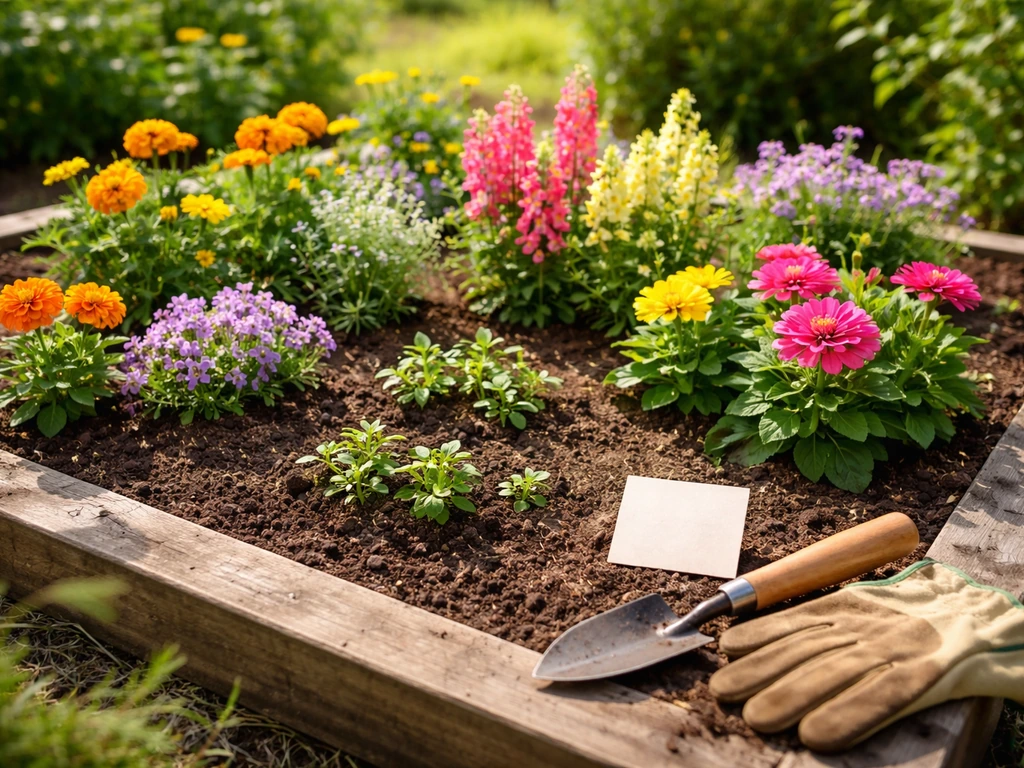
Before you buy a single seed packet, decide what you actually want from your garden. Are you growing for cutting flowers to bring inside? Trying to attract pollinators and butterflies? Want a low-effort wildflower meadow look? Your answer changes everything about which flowers to grow.
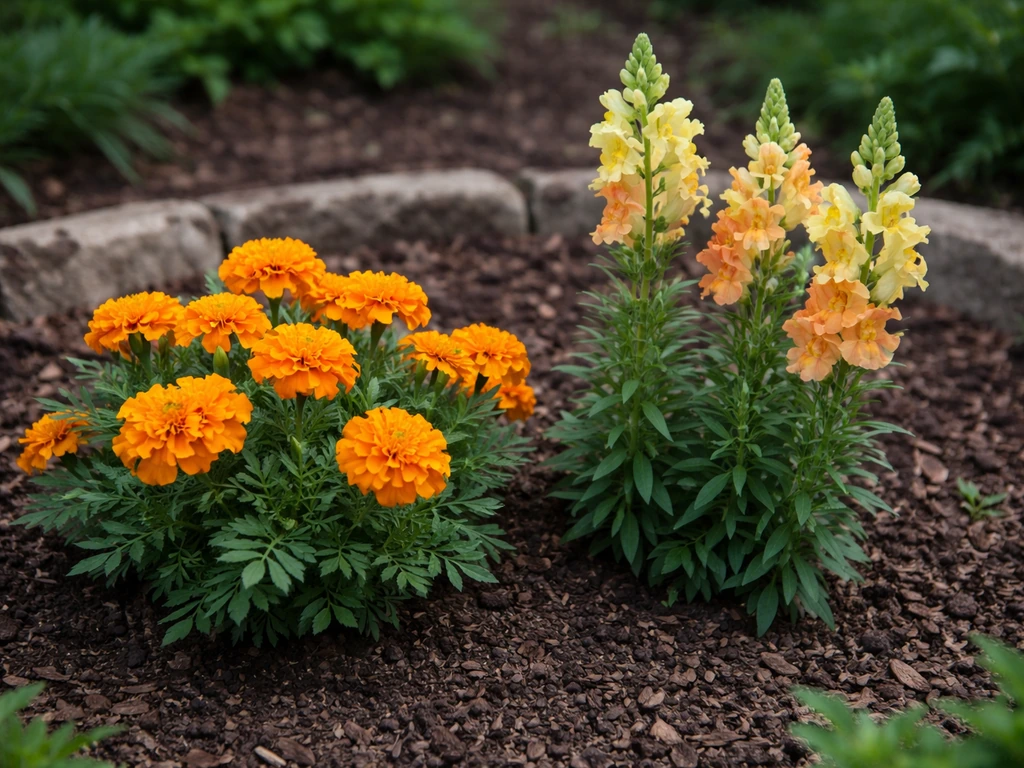
For a cutting garden, marigolds and snapdragons are two of the best starting points. Marigolds (Tagetes patula, the French types) grow in zones 2 through 11, bloom from June straight through to frost, and practically grow themselves in full sun with well-draining soil. Snapdragons are showier, with tall spikes that look gorgeous in a vase, and they actually prefer cooler weather, making them a great spring and fall flower in most climates.
Snapdragon (Antirrhinum majus) is listed as suitable for early spring and fall planting with full sun exposure, along with general sizing guidance Snapdragon (Antirrhinum majus) is suitable for early spring and fall planting with full sun. For something wild and romantic, corn poppies (Papaver rhoeas) scattered through a bed give you those iconic red blooms that look effortless.
And bachelor's buttons (Centaurea cyanus, also called cornflowers) are one of the most forgiving direct-sow annuals you can grow, with cheerful blue, pink, or white blooms from late spring into early summer. If you're wondering are bachelor buttons easy to grow, you'll be glad to know they’re also one of the most forgiving direct-sow annuals here.
For a pollinator garden or wildflower mix, you have even more flexibility. Wildflower seed mixes containing native and adapted species are ideal because they're designed to establish with minimal fuss. The main thing to know is that soil temperature matters: germination simply won't happen if soil is below 40°F (4.4°C), so timing your sow for late spring, early summer, or a fall dormant planting is key.
If you're genuinely new to all of this, I'd suggest starting with marigolds and bachelor's buttons. Both are forgiving, both are beautiful, and both will teach you the core skills you need without punishing your mistakes. You can always branch out to snapdragons, poppies, and wildflower mixes in your second season once you've got the basics down.
Garden setup basics: sun, soil, drainage, and spacing
The single most common beginner mistake is planting in too much shade. Nearly every popular ornamental flower, marigolds, snapdragons, poppies, bachelor's buttons, all want full sun, meaning at least six hours of direct sunlight per day. Walk around your yard at noon on a clear day and see where the sun actually falls. That spot is your flower garden.
Soil prep is where most of the real work happens, and it's worth doing properly once rather than fighting poor growth all season. Loosen the top 8 to 12 inches of soil with a fork or tiller, then mix in a 2 to 3 inch layer of compost. This improves drainage, adds nutrients, and creates a loose structure that roots love. If water tends to pool on the surface of your planned bed, your drainage needs help. The fix for most situations is mixing in coarse sand or grit before planting. For wildflowers especially, avoid over-fertilizing the soil prep since wildflowers actually establish better in leaner conditions.
Spacing matters more than beginners expect. Crowded plants compete for water and nutrients, and poor airflow between them is one of the main reasons diseases like powdery mildew take hold. Snapdragons, for example, should be spaced 6 to 12 inches apart. When in doubt, space a little wider than the seed packet suggests. You can always fill gaps with a few extra plants, but untangling a crowded bed mid-season is genuinely frustrating.
Planning your layout and planting schedule
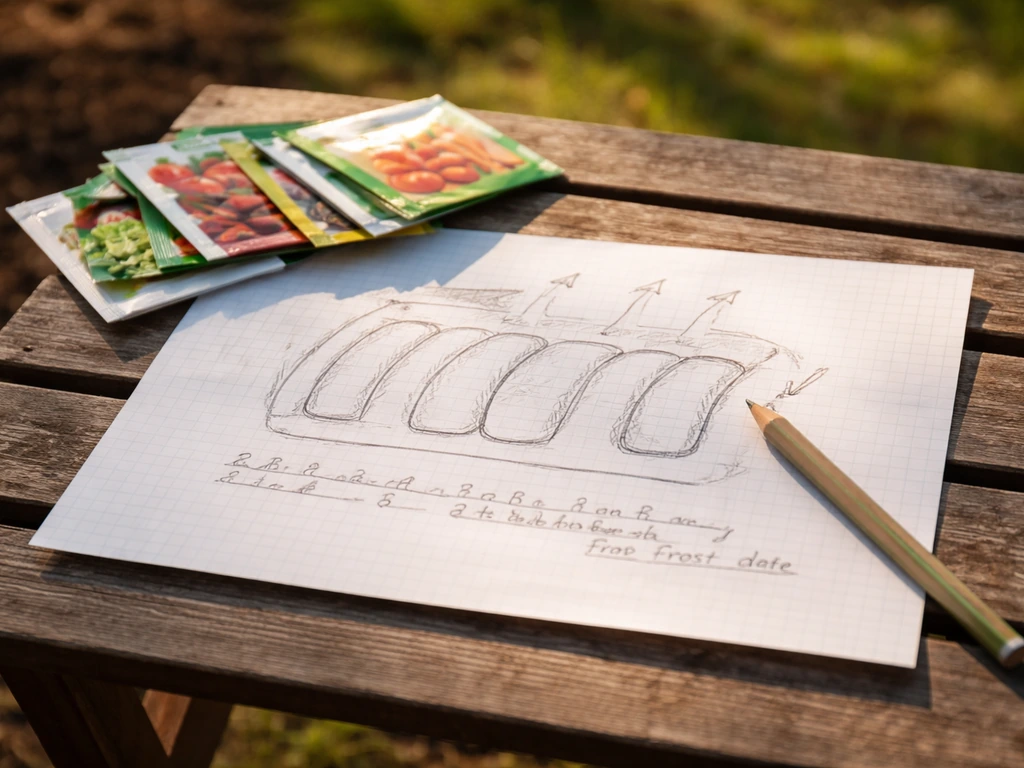
You don't need a formal garden design, but a rough plan on paper saves a lot of regret. Sketch your bed and note which direction gets the most sun. Put taller flowers like snapdragons toward the back or center (depending on whether the bed is viewed from one side or all around), and shorter varieties like marigolds and bachelor's buttons toward the front edges.
Timing is the other half of the plan, and it's tied directly to your last frost date. If you want the right window for each type, learn when to grow flowers based on your local frost dates and soil temperature Timing is the other half of the plan, and it's tied directly to your last frost date.. If you don't know yours, look it up by zip code before you do anything else. It's the anchor date for almost every decision you'll make. Here's how the main beginner flowers line up:
| Flower | Start Indoors | Direct Sow / Transplant Outside | Bloom Window |
|---|---|---|---|
| Marigold | 6–8 weeks before last frost | After last frost | June to frost |
| Snapdragon | 10–12 weeks before last frost | 2–4 weeks before last frost (cool tolerant) | Spring and fall |
| Corn Poppy | Not recommended (direct sow only) | Early spring or fall (direct sow) | Late spring to early summer |
| Bachelor's Button | Optional (direct sow preferred) | Early spring, 2–4 weeks before last frost | Late spring to early summer |
| Wildflower Mix | Not applicable | Late spring / early summer when soil reaches 40°F+ | Varies by mix |
If you're planting in containers rather than in-ground beds, the same timing rules apply, but you'll need to water more frequently since pots dry out faster. Choose containers at least 8 to 12 inches deep, make sure they have drainage holes, and use a quality potting mix rather than garden soil, which compacts badly in pots.
Starting from seed vs. buying seedlings
This is the question I get asked most often, and the honest answer is: both approaches work, and you should probably use both in your first garden. Seeds give you more variety choices and cost a fraction of the price. Seedlings from a nursery get you to bloom faster and are more forgiving if your timing slips.
When seeds are the better choice
Some flowers really should be started from seed because they don't transplant well or because direct sowing is simply more reliable. Corn poppies are the clearest example: they resent being moved, so direct sowing into their final spot is the recommended method. Wildflower mixes are similar; you scatter them directly where you want them to grow. Bachelor's buttons also direct-sow beautifully and are one of the easiest seeds a beginner can handle.
When to buy seedlings instead
If you missed the indoor seed-starting window (which, if it's already May 1, you probably have for crops like snapdragons that need 10 to 12 weeks of lead time indoors), buying nursery seedlings is the practical move this season. Marigold seedlings are available everywhere in spring and will catch up quickly. Snapdragon seedlings at a nursery now are ready to go in the ground without any fuss. There's no shame in buying plants, even experienced growers do it every year.
Step-by-step planting for beginners
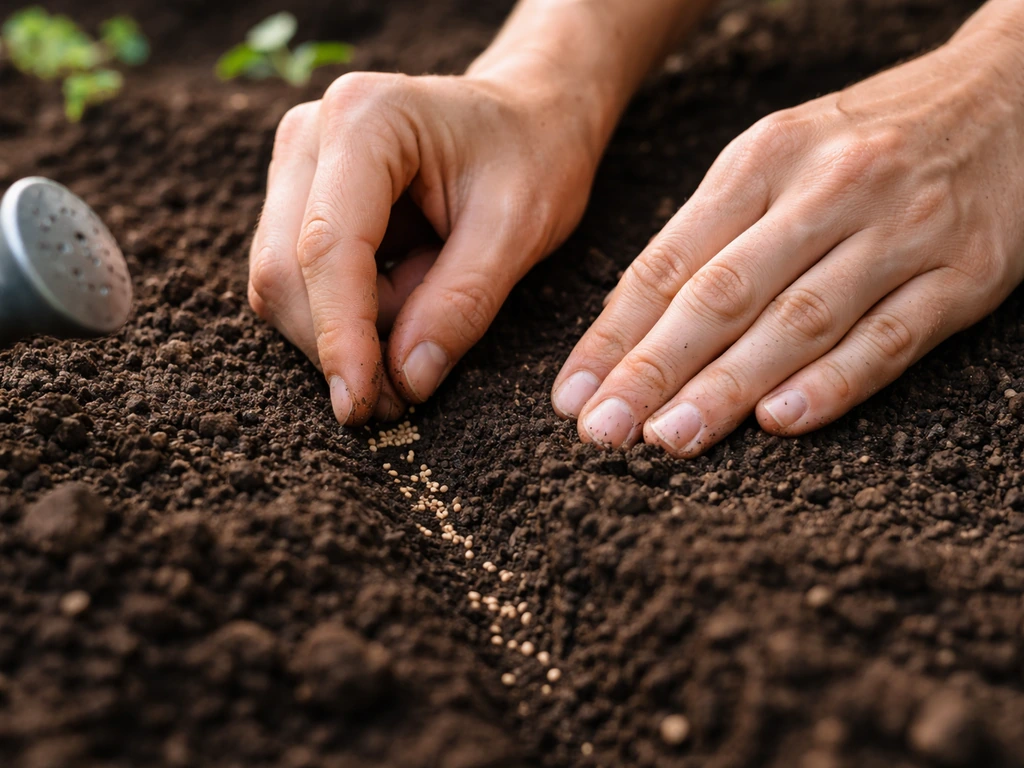
Whether you're sowing seeds or transplanting seedlings, the basic sequence is the same: prepare the soil, plant at the right depth, firm in gently, and water well. For bachelor's buttons, Botanical Interests recommends direct-sowing about 1, 2 weeks before your average last frost, or in late summer or fall, and following their seed-depth guidance when sowing blank" rel="noopener noreferrer">plant at the right depth. The details vary by flower, and getting depth right matters more than most beginners realize. For a kid-friendly overview of how flowers grow, you can also explain the seed, sprout, and bloom stages as you go how flowers grow for preschoolers.
Planting depths and seed-specific tips
- Marigolds: Sow seeds 1/4 inch deep. If transplanting seedlings, plant at the same depth they were growing in the pot.
- Snapdragons from seed: These need light to germinate. Press seeds onto the surface of moist seed-starting mix and cover only barely enough to hold them in place. Bottom-water or mist gently so seeds aren't displaced. Transplant to cell packs when the first true leaves appear, about 3 to 4 weeks after sowing.
- Corn poppies: Sow seeds 1/4 inch deep directly in the garden. They need darkness to germinate, so don't leave them on the surface.
- Bachelor's buttons: Sow very shallowly, about 1/8 inch deep. These need light to germinate, so barely cover them.
- Wildflower mixes: Scatter onto prepared soil and press seeds in lightly. Coverage shouldn't exceed 1/8 inch. Keep the seedbed consistently moist.
Watering after planting
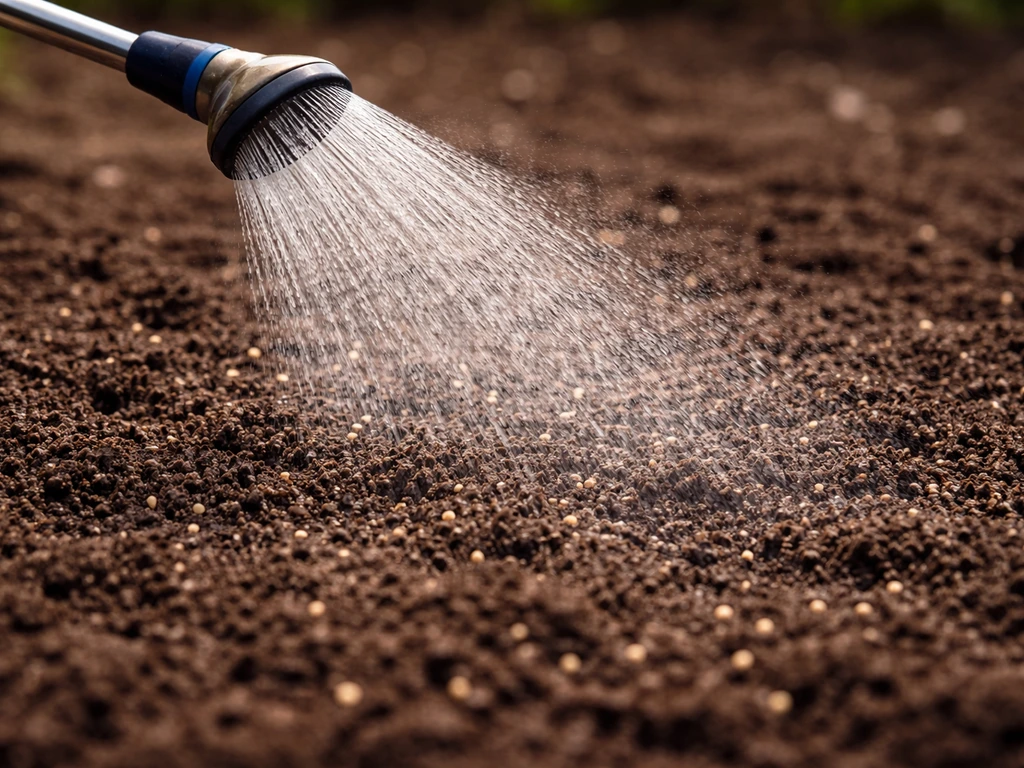
After planting seeds, the number one job for the next few weeks is keeping the seedbed moist. Not soggy, but never bone dry. For wildflower areas, plan to water lightly and frequently until you see a few inches of growth, then back off to watering when the top couple of inches of soil feel dry. For established seedlings (nursery transplants), water deeply right after planting, then check daily for the first week. If the top inch of soil is dry, water again. Once plants are established and actively growing, most ornamental flowers need about an inch of water per week.
Transplanting nursery seedlings without shock
Transplant shock is real and avoidable. Water your seedlings thoroughly a few hours before you plan to plant them. Dig your hole a bit wider than the root ball, set the plant at the same depth it was in the pot (no deeper), firm the soil around the roots, and water immediately. For the first week, keep plants out of intense afternoon sun if possible, or plant on a cloudy day. Avoid fertilizing right at transplant time; let plants settle for a week first.
Care through the season
Once your flowers are in the ground and showing signs of growth, the ongoing work is lighter than most people expect. The main tasks are weeding, mulching, fertilizing, and deadheading.
Weeding and mulching
Weeds compete directly with your flowers for water and nutrients, and they're much easier to pull when they're small. Make a habit of spending 10 minutes in the garden two or three times a week running your fingers through the soil near your plants. Once seedlings are a few inches tall, apply a 2 to 3 inch layer of mulch (straw, shredded bark, or wood chips) around your plants, keeping it a couple of inches away from stems. Mulch suppresses weeds dramatically and helps retain soil moisture, which means less watering too.
One note for wildflower areas: the usual advice about removing weedy competition before planting is important precisely because wildflower mixes do poorly when crowded by aggressive weeds. If you're establishing a wildflower patch, consider removing the top 3 inches of existing soil and vegetation, or smothering the area with cardboard for a season before planting.
Fertilizing
Most ornamental flowers don't need heavy feeding, especially if you amended your soil with compost before planting. A balanced, slow-release granular fertilizer worked in at planting time is often all you need for marigolds and bachelor's buttons. Snapdragons and cutting-garden annuals benefit from a liquid feed every two to three weeks during active growth. Avoid high-nitrogen fertilizers for flowers; they push leafy growth at the expense of blooms. Wildflowers are the exception to all fertilizing advice: they genuinely prefer lean soil and often bloom less in over-fertilized ground.
Deadheading and harvesting
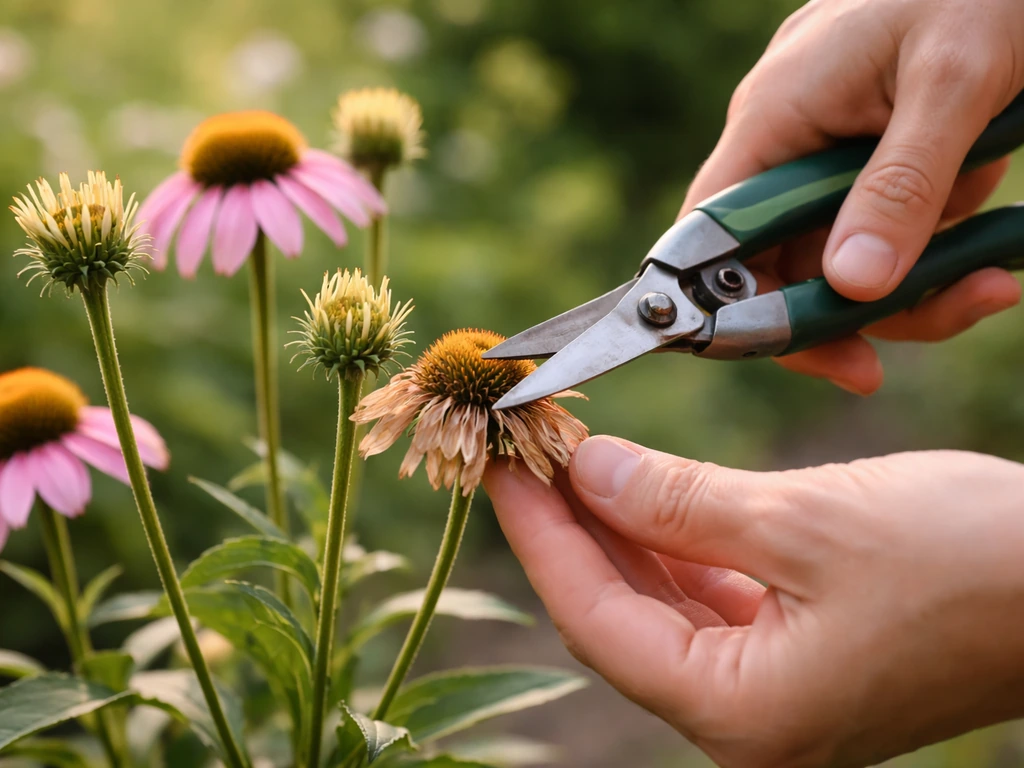
Deadheading, removing spent blooms, is the single most effective thing you can do to keep flowers producing all season. When a flower fades, the plant's energy shifts toward setting seed. Remove it before that happens and the plant redirects that energy into making more flowers. For marigolds, just pinch off spent heads with your fingers. For snapdragons and other cutting-garden stems, cutting the whole stem back to a lateral bud is better. If you're growing flowers specifically to cut and bring inside, cut stems in the morning when they're fully hydrated, put them straight into water, and you'll actually extend the blooming season in the garden at the same time.
Troubleshooting common beginner problems
Poor germination
If seeds aren't sprouting, the most likely causes are soil that's too cold, soil that dried out during the germination window, or seeds planted at the wrong depth. Check your soil temperature (below 40°F for wildflowers, and similarly cool temperatures will stall marigolds and bachelor's buttons). If moisture is the issue, you may need to water twice daily until seedlings emerge. Review the planting depth for each flower since some need darkness (poppies) and some need light (snapdragons, bachelor's buttons), and planting them wrong will reliably prevent germination.
Leggy, stretched-out seedlings
Leggy seedlings, plants that grow tall and spindly instead of stocky and compact, are almost always caused by insufficient light. If you started seeds indoors, move them under grow lights or to the sunniest window you have. Outdoors, leggy growth usually means the planting spot gets less sun than you thought. A few hours of afternoon shade might not seem like much, but it shows up as weak, floppy growth fairly quickly. You can also pinch the growing tip of seedlings once they have four to six leaves; this encourages bushier, stronger growth.
Pests
Aphids are the most common beginner pest problem. They cluster on soft new growth and under leaves, and a heavy infestation can weaken plants quickly. A strong blast of water from a hose knocks them off effectively, and you can follow up with insecticidal soap if needed. Check plants every few days; catching aphids early when there are just a few is far easier than dealing with a colony. Slugs are another common problem, especially on seedlings in cool, moist conditions. Hand-picking at night or placing a shallow dish of beer near plants catches a surprising number of them.
Powdery mildew and other diseases
Powdery mildew shows up as a white, dusty coating on leaves and is a particular problem for snapdragons. The primary culprits are crowded planting and overhead watering. The fix is prevention: space snapdragons properly (6 to 12 inches apart), water at the base of plants rather than over the foliage, and water in the morning so leaves dry quickly. If you see mildew starting, remove the affected leaves and improve airflow around the plant. Heavily infected plants are hard to save, so prevention really is the better strategy here.
Transplant shock
Wilting, yellowing leaves, or stunted growth in the week after transplanting are signs of transplant shock. Most plants recover on their own if you keep the soil evenly moist and protect them from harsh sun for a few days. The temptation is to add fertilizer, but resist it: stressed roots can't take up nutrients well, and fertilizing a shocked plant often makes things worse. Just water, patience, and shade if needed.
Your seed-to-bloom success checklist and next steps
Use this as your practical checklist to move through each stage with confidence. If you're starting this week in early May, you're at a great point in the season for most of these flowers.
- Look up your last frost date by zip code and note it somewhere visible.
- Choose two or three beginner flowers based on your goals: marigolds and bachelor's buttons for easy wins, snapdragons for cutting, corn poppies or a wildflower mix for a naturalistic look.
- Identify a planting spot with at least 6 hours of direct sun daily.
- Prep your soil: loosen 8 to 12 inches deep, add 2 to 3 inches of compost, fix drainage with coarse sand if needed.
- Decide for each flower whether to direct sow, start from seed indoors, or buy seedlings. (In early May, nursery seedlings are a smart shortcut for snapdragons and marigolds.)
- Plant at the correct depths: 1/4 inch for marigolds and corn poppies; surface/barely covered for snapdragons and bachelor's buttons; no more than 1/8 inch for wildflower seeds.
- Water the seedbed consistently for the first 3 to 4 weeks, never letting it dry out completely during germination.
- Apply 2 to 3 inches of mulch once seedlings are established to suppress weeds and retain moisture.
- Deadhead spent blooms weekly to keep plants producing new flowers all season.
- Check plants every few days for pests, mildew, or signs of stress, and address problems when they're still small.
Once you've got your first season under your belt with these foundational flowers, you'll have a much clearer sense of what your garden needs and what you enjoy growing. Marigolds and bachelor's buttons are fantastic confidence builders, but there's a whole world of easy-to-grow annuals that build on exactly the same skills. If you want more options, focus on easy flowers to grow for beginners that match your light and climate easy-to-grow annuals. The learning curve is real but genuinely short, and by midsummer you'll be cutting fresh flowers from your own garden, which makes every bit of the setup work worthwhile.
FAQ
How do I choose flowers if I have partial shade or a spot that only gets 3 to 4 hours of sun?
Start by using that area for plants that tolerate less light, or relocate your main bed to the noon sun spot. If you still plant “full-sun” beginners there, expect fewer blooms and leggier growth. A practical test is to observe for one clear week, not one day, then commit to either full-sun placement or shade-tolerant varieties, since mixing them often leads to uneven performance.
What’s the right way to water young seedlings versus established plants?
For seeds, keep the top layer consistently moist until you see sprouts, then shift to watering that soaks deeper but less often. For established flowers, aim to wet the root zone thoroughly rather than doing frequent light sprinkling, and water early in the day to reduce disease pressure on foliage.
Can I grow flowers the first year with poor soil or clay, or do I need to replace everything?
You usually don’t need full replacement. Loosen the top 8 to 12 inches and mix in compost, then correct drainage issues by adding grit or coarse sand only where pooling happens. If your soil stays waterlogged after rain, consider raised beds, since they warm faster in spring and drain better for most ornamental flowers.
How do I plant at the correct depth when seed packets list vague instructions?
Use the “rule of thumb” many packets imply: plant most flower seeds at a shallow depth, then lightly cover if the packet calls for it. The deeper the seed, the less likely it is to emerge, so when in doubt, verify the specific light requirement for that flower (some need darkness, others need light), and keep the seedbed evenly moist during germination.
Is it better for beginners to use seeds, seedlings, or both?
For most beginners, a mixed approach works best: direct-sow the most forgiving, reliable seeds for your bed, and buy a few nursery seedlings to ensure you get blooms even if germination is slower. This also spreads your workload across timing windows, which reduces stress if your weather or last frost date is off.
How often should I fertilize once the flowers start growing?
After compost-based soil prep, many ornamental flowers do well with minimal extra feeding. If you do fertilize, use light doses and only during active growth, then stop before heat peaks or before fall dormancy. Wildflowers are the exception, since heavy feeding can reduce bloom and keep plants from establishing in lean conditions.
What should I do if my plants are flowering but not as much as expected?
Check the basics in this order: sun first, then spacing and airflow, then watering consistency, then fertilizer type. Overcrowding can suppress blooms, too much nitrogen often increases leaves instead of flowers, and underwatering or irregular watering can cause buds to drop.
How do I prevent weeds without disturbing new seedlings?
Weed early and lightly, keep pulling when weeds are small, and wait to apply mulch until seedlings have a few inches of growth. If you mulch too soon, you can smother tiny seedlings or make it harder for them to emerge. For wildflower areas, address weed competition before planting, since weeds can outcompete the mix.
What’s the safest way to transplant seedlings without shocking them?
Water the plant before transplanting, set it at the same depth it was growing in the pot, and water immediately after. For the first week, protect from intense afternoon sun if possible and avoid fertilizing right away, since stressed roots need recovery time rather than added nutrients.
If I see white powder on leaves, is it always powdery mildew and what should I do immediately?
White dust-like spots that spread on leaves are often powdery mildew, but treat quickly as if it is. Remove heavily affected leaves, improve airflow by thinning spacing if needed, and stop overhead watering by switching to watering at the base and in the morning. If it worsens rapidly, replace the worst plants rather than letting the infection build.
How do I deal with aphids and slugs without harming my flowers?
For aphids, rinse them off with a strong hose and inspect again in a few days, since early control prevents colonies. For slugs, hand-pick at night or use targeted traps, and avoid leaving debris where they hide. Consistent checks matter more than one-time treatments.
How can I make a cut-flower garden bloom longer and keep stems fresh?
Cut in the morning when plants are fully hydrated, place stems in water immediately, and make clean cuts. Deadhead promptly after cutting so the plant isn’t pushed into seed-setting, and consider cutting stems to a lateral bud for continued production on many snapdragon-type plants.
Can I grow a flower garden in containers even if my yard space is limited?
Yes, containers follow the same sun and timing ideas, but they dry out faster and usually need more frequent monitoring. Use containers with real drainage holes, choose deeper pots for stability, and use potting mix rather than garden soil to reduce compaction and improve root oxygen.
When is the best time to plant or sow if I don’t know my last frost date?
Look up your last frost by zip code before you start, since it determines most sowing and transplant windows. If you’re unsure, err on the side of waiting for safer conditions for your chosen flowers, because cold soil can stall germination and late frost can damage tender starts.
What do I do if seeds sprout but seedlings look weak or bend over?
Leggy, bending growth usually means insufficient light. Increase light immediately by moving seedlings to the sunniest window or using grow lights, and consider pinching the growing tip once they have several leaves to encourage bushier growth.
Next Articles
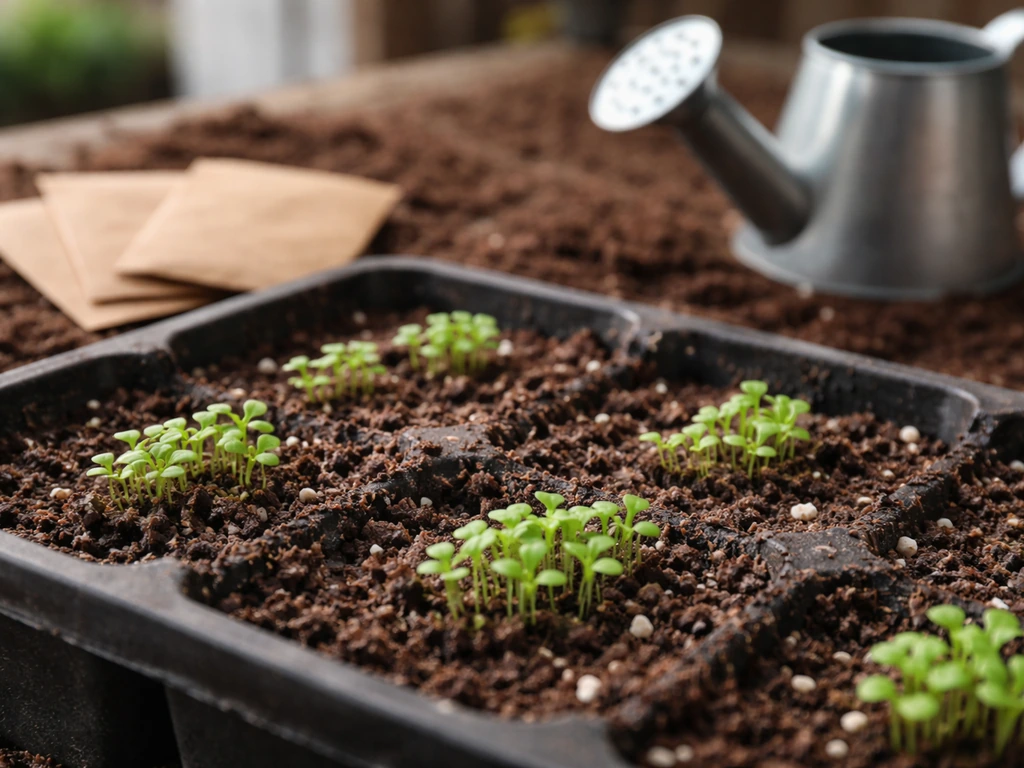
What Are the Easiest Flowers to Grow From Seed
Easiest annual flowers to grow from seed, with beginner varieties and step by step sowing, care, and germination tips.
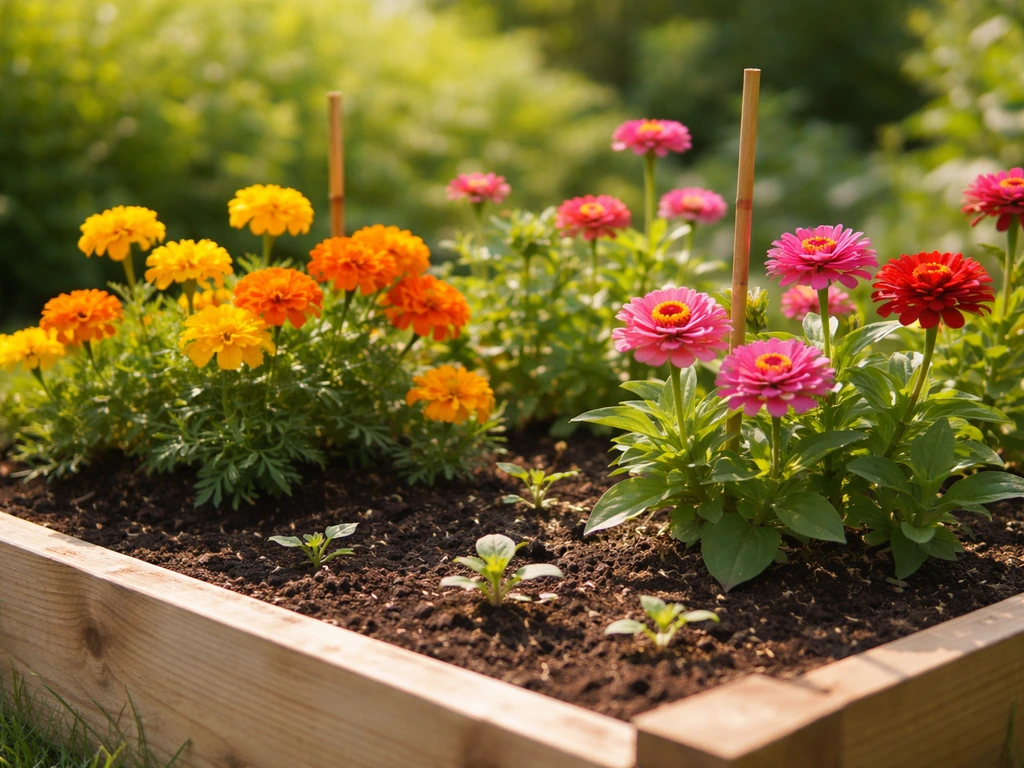
Easy Flowers to Grow for Beginners: Best Picks and How-To
Beginner-friendly flowers list plus step-by-step planting and care tips from seed or starts to bloom fast.
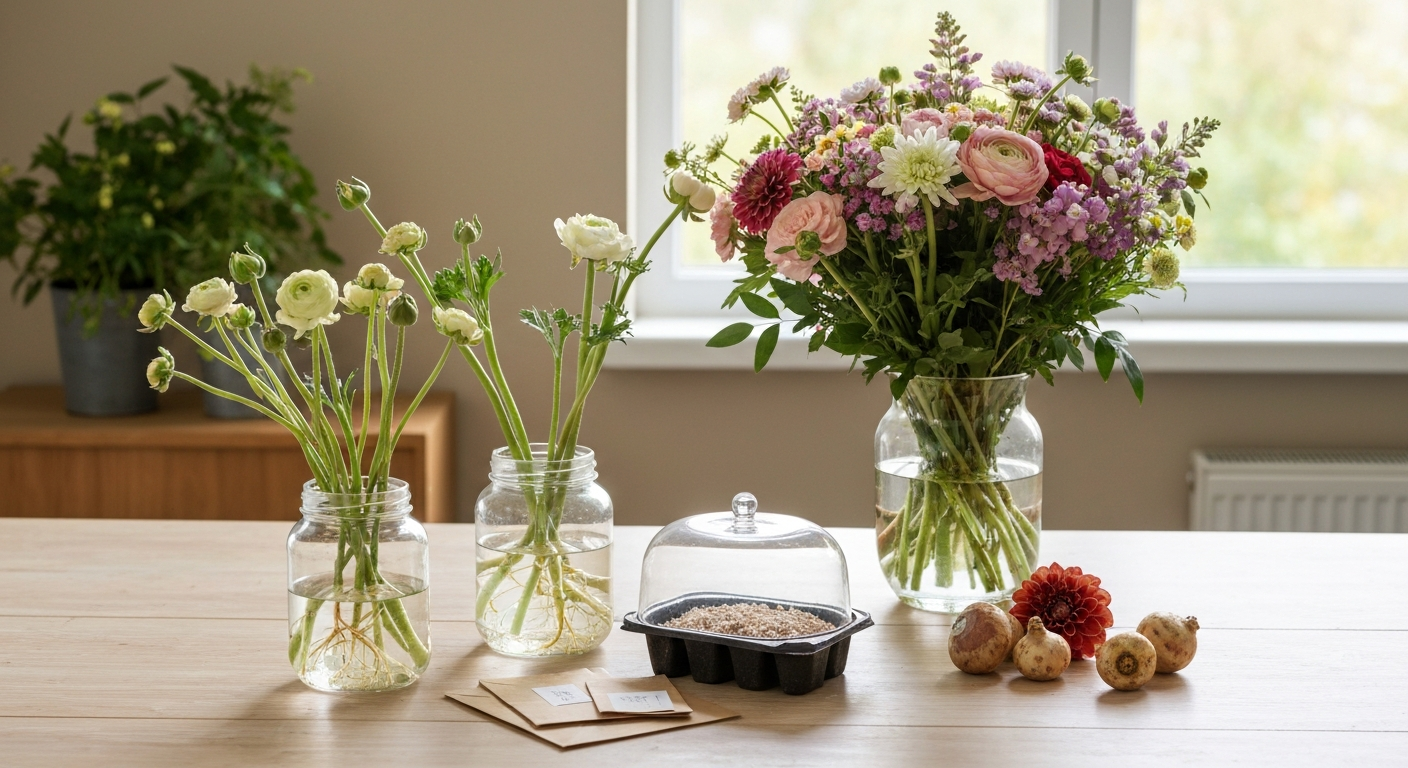
How to Grow Plants from a Bouquet: Step-by-Step Guide for Beginners
How to grow plants from bouquet: step-by-step rooting, seed saving, bulbs, timelines and troubleshooting