Marigolds, zinnias, cosmos, and sunflowers are the easiest flowers to grow for beginners, full stop. Marigolds, zinnias, cosmos, and sunflowers are among the easiest flowers to grow from seed, so they'll give you a great starting point. They germinate fast, tolerate imperfect watering and soil, handle some neglect, and reward you with color within weeks. If you've never grown a flower from seed before, any one of those four will work.
Easy Flowers to Grow for Beginners: Best Picks and How-To

James Holloway
26 Apr 2026
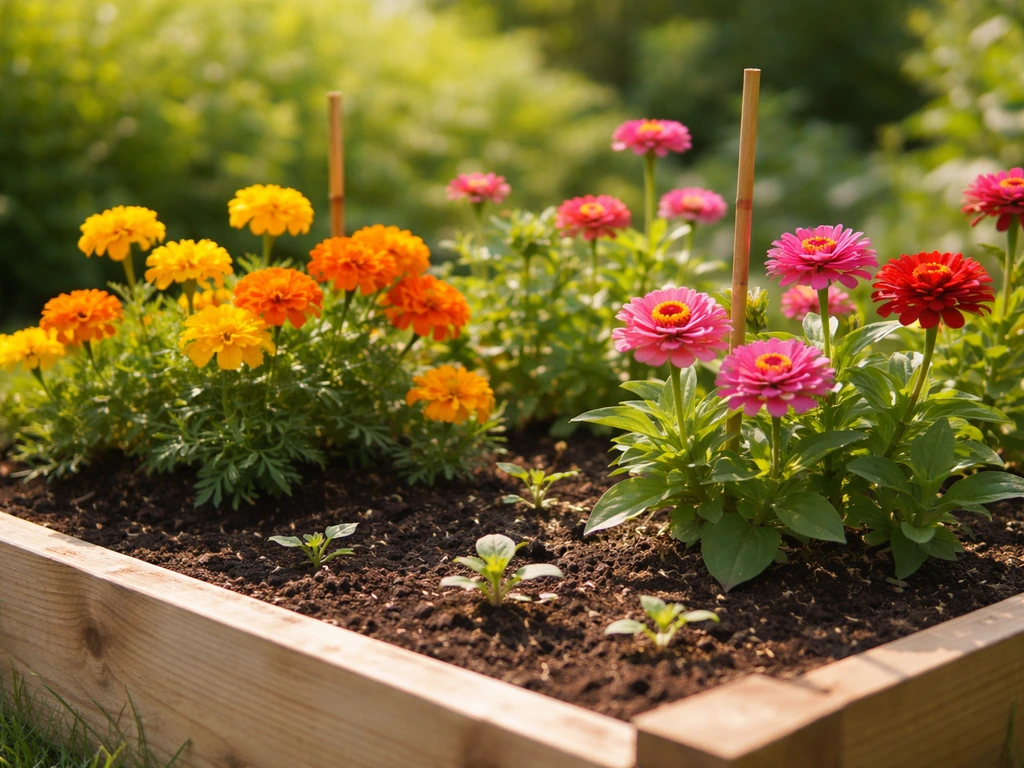
But which one is right for your specific yard, containers, sun exposure, and local timing? If you are wondering “is it hard to grow flowers,” the quick answer is that the difficulty mostly depends on matching the plant to your light and timing, not on having advanced gardening skills But which one is right for your specific yard, containers, sun exposure, and local timing? .
When to grow flowers depends mainly on your last frost date and the amount of direct sun your site gets. That's what the rest of this guide is for. If you want a simple step-by-step plan, this guide on how to grow a flower garden for beginners walks you through choosing plants, planting, and basic care.
What 'easy' actually means when you're new to this
When I say a flower is easy, I mean a specific set of things: it germinates reliably and quickly (within 6 to 14 days under reasonable conditions), it tolerates beginner mistakes like inconsistent watering or slightly wrong soil, it doesn't demand a strict deadheading schedule to keep blooming, and it doesn't attract every pest in the neighborhood the moment it sprouts. A flower that takes 90 days to germinate, needs perfect drainage, and collapses if you miss one watering is not a beginner flower, no matter how beautiful it is.
The other half of 'easy' is forgiveness. Marigolds and zinnias, for example, are self-cleaning, meaning they drop spent blooms without you having to pinch them off. That matters a lot when you're learning and don't yet have the habit of walking the garden every few days with scissors. Starting with forgiving varieties means your first season is more likely to feel like a success, which keeps you coming back.
Pick the right flower for your actual conditions
Before you pick a flower, check two things: how much direct sun does your space get, and are you planting in the ground or in containers? These two factors narrow your options faster than anything else.
Sun vs. shade
Most of the classic beginner flowers, including zinnias, marigolds, sunflowers, and cosmos, want at least 6 hours of direct sun per day. If you have a south- or west-facing spot, you're in great shape for all of them. If your space is shadier (think dappled light under a tree or a north-facing bed), you'll have better luck with impatiens or begonias, which genuinely prefer part shade. Don't try to force a sun-loving zinnia into a shady corner. It'll grow leggy, bloom poorly, and teach you nothing useful.
Containers vs. in-ground
Containers are completely viable for beginners, but they come with one honest catch: they dry out much faster than garden beds, and you'll need to water more often. A good rule of thumb is to check soil moisture at the 1 to 2 inch depth daily in warm weather, and water until it runs freely from the drainage holes. Smaller pots also restrict root growth and tend to produce fewer blooms, so if you're doing containers, go bigger than you think you need. A 12-inch pot minimum for marigolds or zinnias is reasonable. Calibrachoa, petunias, and compact marigold varieties are purpose-built for pots if you want something truly container-optimized.
Climate and hardiness zone
Most beginner annuals are warm-season plants, meaning they go in the ground after your last frost date and die when hard frost arrives in fall. The timing matters. In Zone 5 (Chicago area), that last frost averages around April 30. In Zone 8 (much of the Pacific Northwest and Southeast), you might be safe in March. Check your last frost date first, then count backward or forward to plan your planting. All the timing advice later in this article connects to that date.
The best easy flowers to grow for beginners
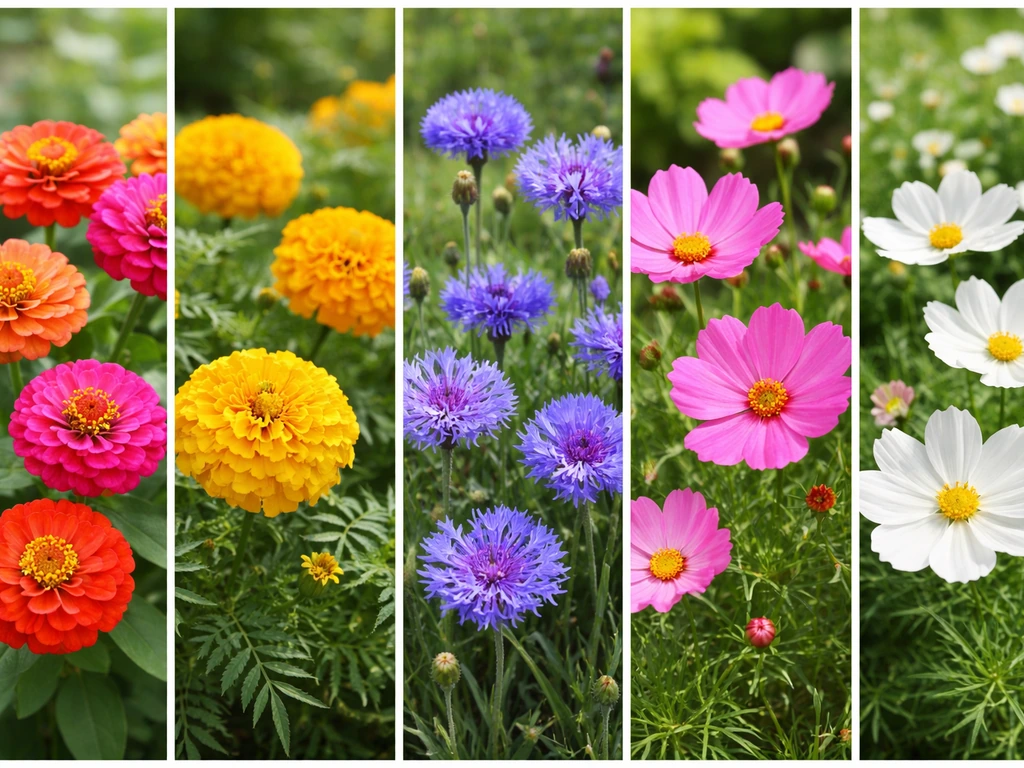
These are the flowers I'd hand to anyone just starting out. Each one checks the boxes: fast germination, low maintenance, reliable bloom, and forgiving of beginner mistakes. If you want to explain the same process to little kids, see how do flowers grow for preschoolers with simple, age-friendly steps.
| Flower | Days to Germinate | Sun Needs | Great For | Why It's Beginner-Friendly |
|---|---|---|---|---|
| Zinnia | 6–12 days | Full sun | Beds, cutting garden | Fast, self-cleaning, heat-tolerant, prolific bloomer |
| Marigold | 5–7 days | Full sun | Beds, containers, borders | Self-deadheads, pest-deterring, nearly indestructible |
| Cosmos | 10–14 days | Full sun | Cottage gardens, wild-style beds | Thrives in poor soil, drought-tolerant once established |
| Sunflower | 7–10 days | Full sun | Back of borders, kids' gardens | Direct sow only, grows fast, dramatic payoff |
| Calendula (Pot Marigold) | 10–12 days | Full sun to part shade | Cooler climates, cutting gardens | Cool-season grower, edible blooms, very hardy seedling |
| Bachelor Button (Cornflower) | 7–14 days | Full sun | Wildflower-style beds, cutting garden | Direct sow in fall or early spring, reseeds freely |
| Nasturtium | 7–14 days | Full sun to part shade | Containers, edible gardens | Thrives in poor soil, edible flowers and leaves |
| Impatiens | 10–14 days | Part to full shade | Shady spots, containers | One of very few reliable shade annuals for beginners |
A closer look at the top picks
Zinnias are probably the single best flower for a first-time seed grower. They germinate in less than two weeks, grow fast, and bloom heavily all summer. The 'Benary's Giant' series is excellent for cutting; 'Profusion' types are compact and perfect for containers or borders. Marigolds are almost impossible to kill once established and actively deter some soil pests, making them a smart companion plant alongside vegetables. For a more relaxed, cottage garden look, cosmos are hard to beat. They actually prefer poor, lean soil (adding too much fertilizer makes them leafy and flower-shy), and they handle dry spells gracefully once they're a few inches tall.
Bachelor buttons are worth a special mention because they're one of the few annuals that actually benefit from a fall sowing or very early spring direct sow while the ground is still cold. Are bachelor buttons easy to grow in your conditions, and when should you sow them for best results? They're also a topic covered in depth elsewhere on this site if you want the full picture on growing them.
If you want the simplest options to start now, these easy to grow annuals for beginners will help you succeed quickly. Calendula is the overlooked gem: it's a cool-season grower, meaning you can start it earlier than most annuals, it tolerates light frost, and the blooms are cheerful orange and yellow all the way into summer or longer in mild climates.
Seeds vs. nursery starts: which one gives you faster success
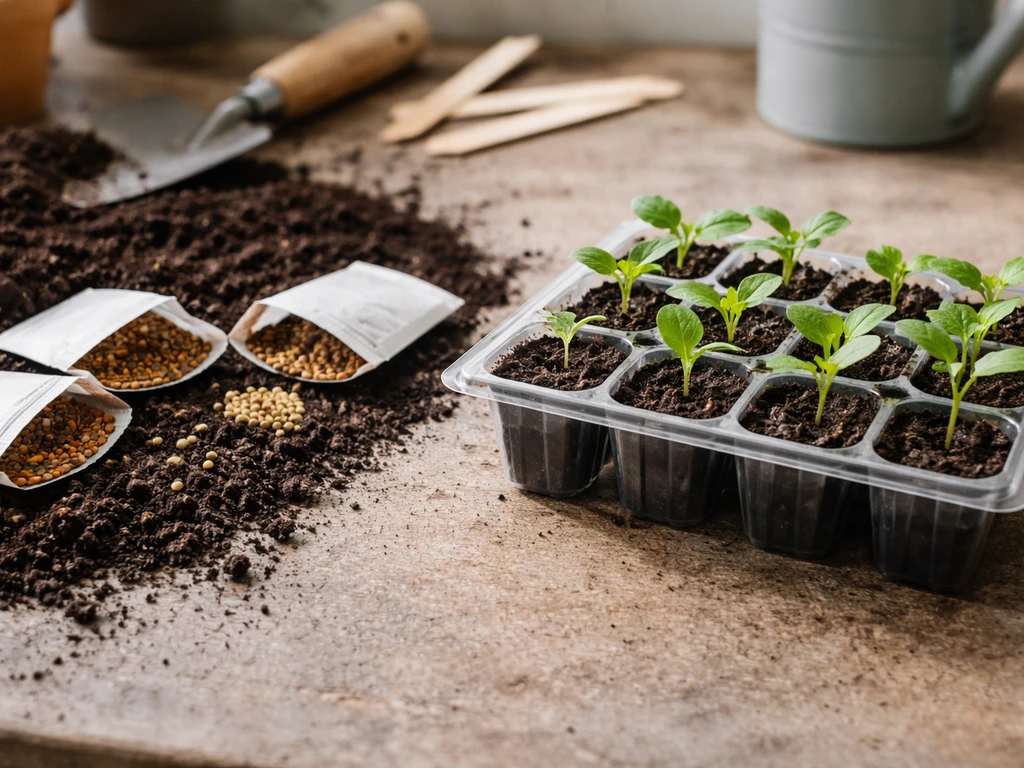
Here's my honest take: for the flowers on the list above, seeds are almost always the better starting point, and they'll get you to bloom faster than you'd expect. Zinnias and sunflowers especially hate being transplanted and do best when direct-sown into the ground after your last frost. Starting them indoors actually slows things down for many gardeners because you have to harden them off carefully before transplanting, and they recover slowly from root disturbance.
That said, if it's already late spring and your local garden center has 4-inch marigold or cosmos starts on the shelf, buying starts is completely valid. You'll skip 3 to 6 weeks of seed-starting and get blooms faster in the current season. The trade-off is cost and variety selection. Nurseries carry popular varieties; seeds give you access to hundreds of options, and a packet of zinnia seeds costs less than a dollar per plant compared to $3 to $5 per start at a garden center.
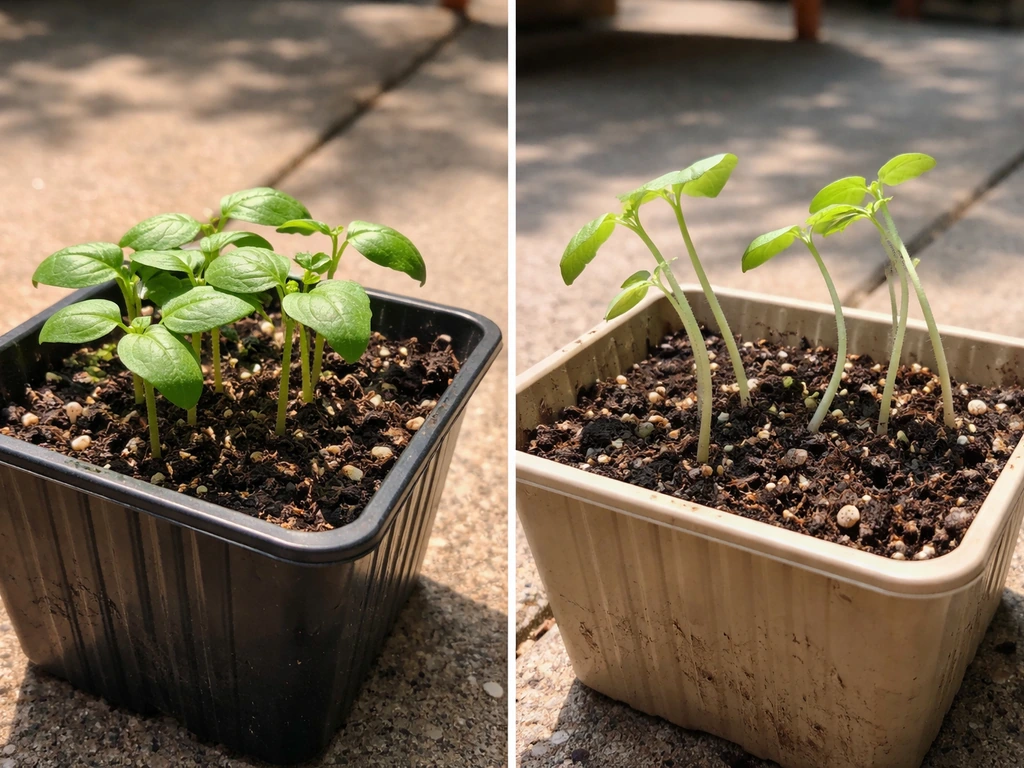
If you want to start seeds indoors, use a sterile seed-starting mix rather than regular garden soil. Garden soil in seed trays introduces pathogens that cause damping-off, a frustrating fungal rot that kills seedlings right at the soil line, usually after they've sprouted and you're already attached to them. A heat mat speeds germination noticeably, since warm soil temperatures (around 65 to 75°F) are what most annual seeds need to sprout reliably. On warm sunny days, prop the lid or cover slightly open so heat doesn't build to damaging levels underneath.
Planting timeline: what to do based on where you are right now
Today is late April 2026. For most of the US (Zones 5 through 8), you're right at or just past the average last frost date, which means you're in prime time for direct sowing warm-season annuals. Here's how to think about timing based on your zone.
| Zone / Frost Timing | What to Do Right Now (Late April) | What's Coming Next |
|---|---|---|
| Zone 5 (last frost ~April 30) | Direct sow zinnias, marigolds, sunflowers this week or next; harden off any indoor starts now | Transplant starts after May 1; succession sow every 2–3 weeks through June |
| Zone 6 (last frost ~April 15–20) | You're clear to sow everything now; get seeds in the ground immediately | Keep succession sowing zinnias and cosmos for continuous bloom through September |
| Zone 7 (last frost ~March 30–April 10) | Warm-season annuals should already be in; direct sow a second succession now | Watch for heat stress in July; cosmos and marigolds handle it best |
| Zone 8+ (last frost ~March or earlier) | You're well past frost; focus on heat-tolerant varieties; consider a second round of calendula in fall | Plan for a fall succession of cool-season flowers (calendula, bachelor buttons) starting in August |
Succession planting is the move most beginners skip but shouldn't. If you want to know when to grow flowers in your specific yard, start by using your last frost date and adjusting by your zone. Instead of sowing all your zinnia seeds at once, sow a third of them now, another third in three weeks, and the final third in six weeks. You'll get staggered waves of bloom that last much longer than one big planting. It's also a great safety net: if a late frost or pest wipes out the first round, you've still got more seeds ready to go.
Basic care from planting through first bloom
Watering
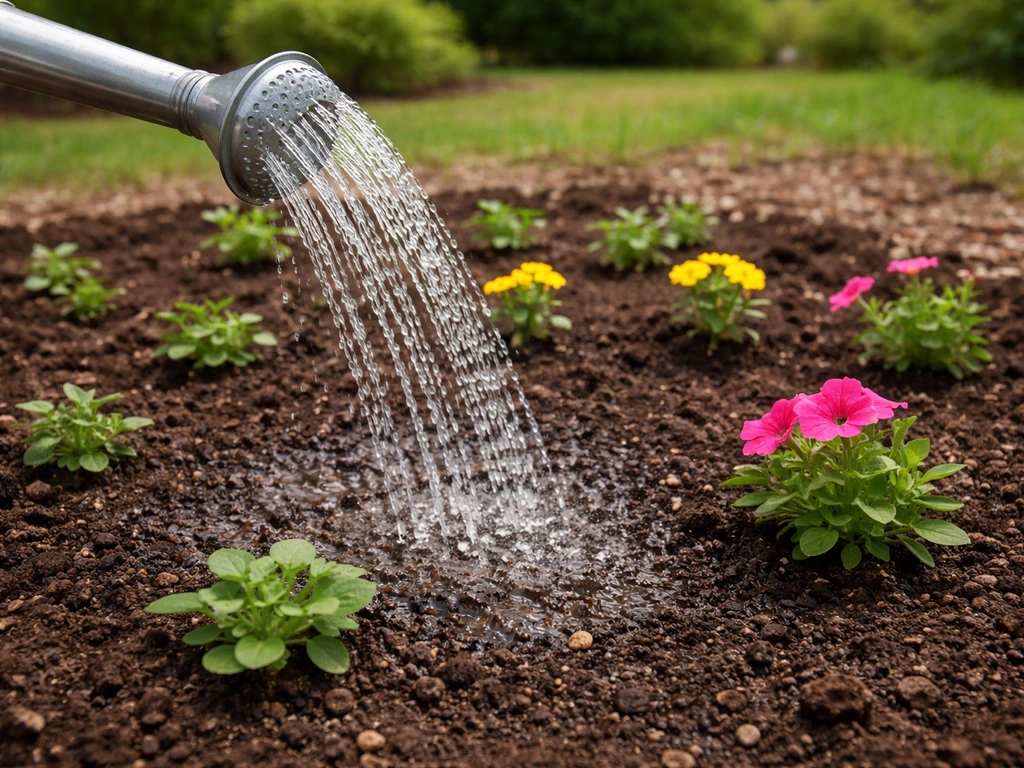
For in-ground beds, water consistently but don't rely on summer rainfall to do the job for you. Annuals have shallow root systems and can stress quickly in dry spells, especially while they're getting established in the first two to three weeks. After that, most of the flowers on this list are reasonably drought-tolerant once their roots are settled. For containers, check moisture daily. Stick your finger 1 to 2 inches into the potting mix: if it's dry at that depth, water thoroughly until it runs out the bottom of the pot. Shallow, frequent sips lead to weak shallow roots.
Soil and feeding
Most beginner flowers aren't demanding about soil. A loosened bed amended with a bit of compost is all you need for zinnias, marigolds, and sunflowers. Tractor Supply’s zinnia growing guide notes that zinnias thrive in well-drained soil and do best with at least 8 hours of full sun per day [How to Grow Zinnias](https://www. tractorsupply.
com/tsc/cms/life-out-here/garden/growing-guides/flowers/how-to-grow-zinnias). Cosmos actually bloom better in lean soil, so skip the heavy fertilizing for those. For containers, the story is different: potting mix loses nutrients quickly through repeated watering, so start applying a balanced liquid fertilizer or slow-release granular fertilizer somewhere between two and six weeks after planting, depending on how fast your plants are growing. Worm castings mixed into the potting mix at planting are a gentle, low-risk option if you want to keep things simple.
Spacing and light
Follow the spacing on the seed packet, and when in doubt, err toward more space. Crowding is the most common beginner mistake I see. Plants that are too close together compete for light and airflow, which leads to leggy stems, fewer blooms, and more disease. Zinnias need at least 6 to 12 inches between plants; cosmos and sunflowers need 12 to 18 inches. If you're thinning seedlings and it feels wasteful to pull healthy ones out, think of it as giving the survivors a better life.
When things go wrong: beginner troubleshooting
Seeds didn't sprout
Give it the full germination window before panicking. Zinnias can take up to 12 days; cosmos and calendula can take up to 14. If nothing has appeared after three weeks, the most common culprits are soil that was too cold (below 60°F), seeds buried too deep, or soil that dried out completely during the germination window. Johnny’s Selected Seeds also recommends direct-sowing zinnia seeds at about 1/4 inch deep, noting germination times vary with temperature. Try again with fresh seeds, keep the soil consistently moist (not soggy), and if you're sowing outdoors, wait until the soil genuinely feels warm to the touch.
Seedlings fell over or rotted at the base
This is damping-off, and it's caused by fungal pathogens that thrive in warm, wet, low-airflow conditions. If you're starting seeds indoors, the fix is to use sterile seed-starting mix (not garden soil), avoid overwatering, and make sure there's some air circulation around your seedlings. Misting overhead constantly creates exactly the conditions these fungi love. If it's happened to one tray, remove the affected seedlings promptly to reduce spread. Outdoors, seeds planted in cold, wet soil are most vulnerable, so wait for the soil to warm.
Plants are tall and leggy with few blooms
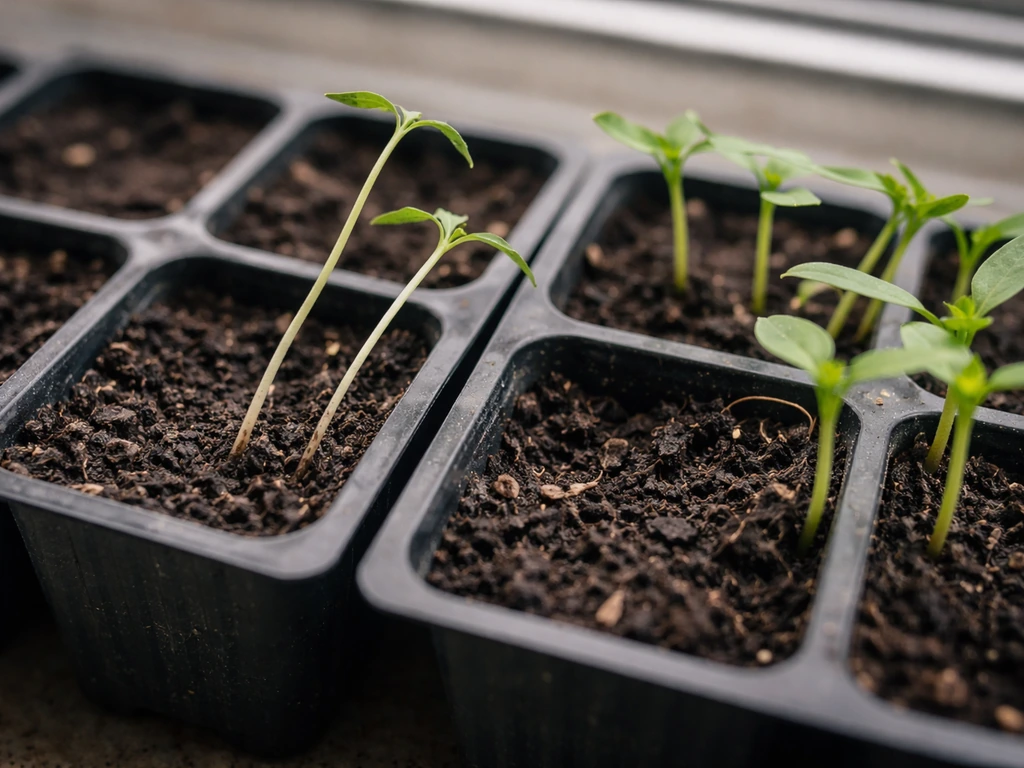
Leggy growth almost always points to insufficient light. The plant is stretching toward whatever light it can find. If it's an indoor seedling, move it closer to the light source or add a grow light. If it's an outdoor plant, you may have it in too much shade. The other cause is overcrowding: plants competing for light grow tall and skinny rather than bushy. Thin them out and see if the remaining plants fill out.
Overwatering symptoms
Overwatered flowers often look like underwatered ones: wilting, yellowing lower leaves, and generally sad posture. If your soil is consistently soggy and plants are showing these signs, ease off the water and improve drainage. In containers, make sure there's an open drainage hole and that you're not leaving the pot sitting in a dish full of standing water. If the symptoms continue after correcting watering, check the roots for rot.
Pests
Aphids are the most common pest beginners encounter. They cluster on new growth and are easy to dislodge with a strong spray of water from a hose. Check the undersides of leaves. For slugs (common in cool, wet weather), a ring of diatomaceous earth around seedlings helps. Marigolds are genuinely useful here: they deter certain soil nematodes and aphids when planted nearby. Most beginner flowers on this list don't attract serious pest pressure, which is part of why they made the list.
What to do with your blooms (and how to plan for next year)
Cutting and using your flowers
Cut zinnias, cosmos, and sunflowers early in the morning when they're fully open but before the heat of the day sets in. Use clean, sharp scissors or snips and cut to a long stem. Put them in water immediately. Cutting flowers regularly actually encourages the plant to produce more blooms, so don't be shy about it. For marigolds, you can deadhead spent blooms to keep things tidy, though the plants are largely self-cleaning and will keep going regardless.
Saving seeds for next year
At the end of the season, let a few flower heads stay on the plant and fully dry on the stem. Once they're completely brown and dry, harvest them into a paper bag or envelope (not plastic, which traps moisture). Let them finish drying at room temperature for another week or two, then store in a cool, dry spot. Refrigerator storage at 32 to 41°F works well for longer-term keeping. Label everything with the variety and year. One important note: seeds from hybrid varieties (anything labeled F1 on the packet) may not grow true to type the following year, so for reliable seed saving, stick to open-pollinated or heirloom varieties.
Planning ahead for a better second season
Your first season is research as much as gardening. Keep notes on what worked, what got leggy, what bloomed fastest, and which spots got more sun than you expected. The flowers you struggled with this year will make more sense next year once you've watched a full season play out. Consider adding a perennial or two (like coneflowers or black-eyed Susans) alongside your annuals so you have a permanent backbone to the garden that comes back on its own. And if you want to go deeper on timing, soil prep, or specific flower types, the rest of this site is built around exactly those questions.
FAQ
What easy flowers can I grow if my yard gets less than 6 hours of direct sun?
Choose all-sun spots for marigolds, zinnias, cosmos, or sunflowers, but if you have only 3 to 5 hours of direct sun, plan for part-shade flowers instead. For beginners, the fastest fix for low bloom is moving the pots or bed to the brightest area you can, rather than adding fertilizer.
I do not know my last frost date, how can I still time planting correctly?
If you do not know your last frost date, use soil temperature as a deciding factor. Wait until outdoor soil is consistently warm (around 60°F or higher) before direct-sowing warm-season annuals like zinnias and sunflowers, and delay sowing after any cold snaps.
Can I start zinnias or sunflowers indoors to get a head start?
No. Most of these annuals are best direct-sown because roots recover slowly from disturbance. If you must start indoors, use the least transplanting possible (cow pots or direct-sow outdoors as soon as the soil warms) and keep seedlings from getting rootbound.
How often should I water easy flowers, and how do I avoid overwatering?
Use one watering method and check it the same way every day. For containers, water until it drains, then empty the saucer, and only water again when the top 1 to 2 inches are dry. For beds, water deeply a few times per week instead of frequent light sprinkling once plants are established.
Can I grow these easy flowers in small containers or window boxes?
Yes, but pick compact or pot-designed options and give them enough space and drainage. A 12-inch pot is a good minimum for marigolds and zinnias, and in smaller pots you will often need daily checks in hot weather.
Why are my plants growing lots of leaves but not many blooms?
Start with fresh potting mix for containers and amended garden soil for beds, then fertilize lightly. Overfeeding is a common reason cosmos stop flowering, and it can also cause tall, floppy plants in rich soil, so follow the “when to fertilize” window (about 2 to 6 weeks after planting) and avoid weekly feeding early on.
My seeds did not sprout, how deep should I sow easy flower seeds?
Do not bury seed too deep, because depth is a frequent germination failure. As a rule, sow small seed shallow (about the depth recommended on the packet) and firm the soil lightly so seed makes good contact without being pressed under.
What should I do if germination is slow or uneven after a couple of weeks?
It is usually one of three things: soil too cold, seeds buried too deeply, or the surface drying out before germination finishes. When re-sowing, keep the soil consistently moist but not soggy, protect outdoor sowings from drying winds, and wait until the soil feels warm to the touch.
How can I prevent damping-off when starting seeds indoors?
If you see damping-off (seedlings collapsing at the soil line), remove affected seedlings right away and improve airflow. The preventive steps that matter most are sterile seed-starting mix, avoiding standing water, and not keeping trays under conditions that stay constantly wet.
Is thinning really necessary, or will it bloom fine if I leave seedlings where they sprouted?
You should thin early if seedlings are crowded, even if it feels wasteful. Crowding reduces airflow and light, which leads to leggy growth and more disease pressure, so follow spacing guidance on the seed packet and thin to the healthiest seedlings.
Do beginners need to deadhead and cut flowers often?
For cut flowers, harvesting in the morning helps keep stems turgid, and cutting regularly signals the plant to produce more blooms. For self-cleaning types like marigolds and many zinnias, you do not need an intense deadheading routine to keep flowers coming.
What is the simplest pest plan for beginners if aphids or slugs show up?
Start with a gentle pest response: spray aphids off with water and remove heavily infested leaves if needed. If you have slugs in cool, wet weather, use a physical barrier strategy around seedlings (like diatomaceous earth) and check after dusk.
Can I save seeds from these flowers for next year, and will they be true to type?
Let heads dry completely on the plant first, then store seeds in a cool, dry place like a refrigerator. Avoid saving seeds from hybrid varieties labeled F1, because the next generation may not match the parent flower.
Next Articles
Linaria 'Fairy Bouquet' How to Grow: Seed to Cut Flowers
Grow Linaria 'Fairy Bouquet' from seed to vase: step‑by‑step sowing, care, cutting, seed saving & troubleshooting.
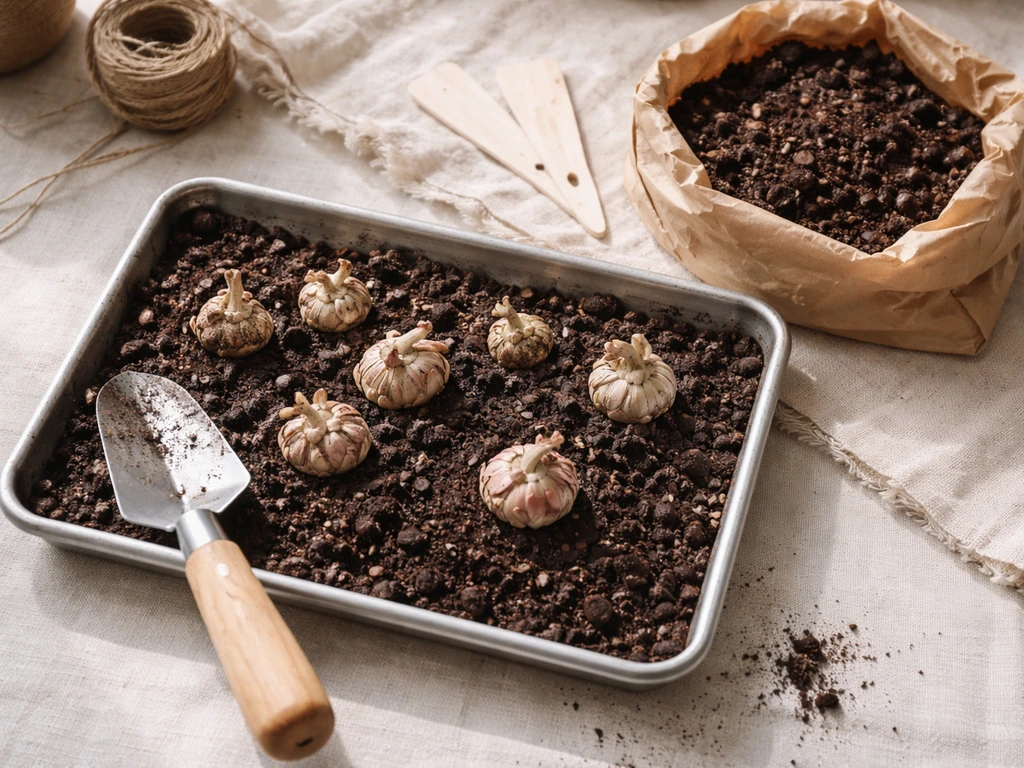
Floret How to Grow Ranunculus: Step-by-Step Guide
Step-by-step Floret-style ranunculus guide: corm prep, planting, watering, frost care, troubleshooting, and harvest for
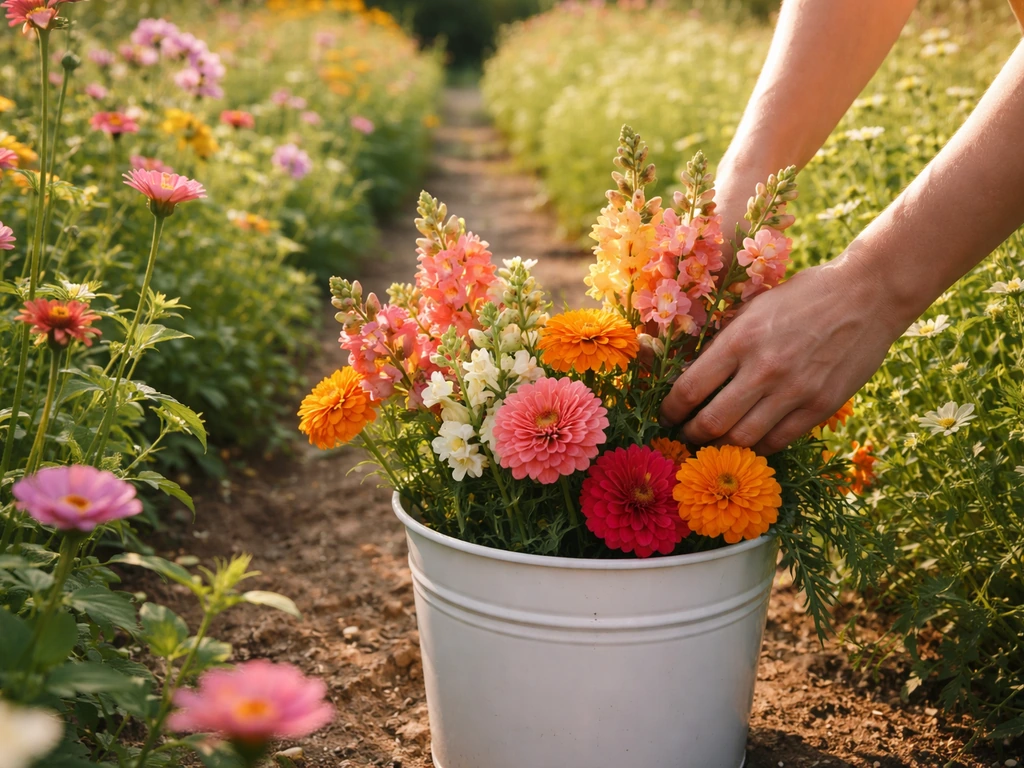
How to Grow Your Own Wedding Flowers Step by Step
Step-by-step guide to grow bouquet-ready wedding flowers, from planning and sowing dates to harvesting, conditioning, an