Yes, bachelor's buttons are genuinely easy to grow from seed, and that's not just beginner hype. Ohio State University Extension lists Centaurea cyanus as one of the easiest flowers to start from seed, and anyone who has scattered a few seeds and watched a patch explode in cobalt blue will tell you the same. They germinate in 7 to 14 days, tolerate cool soil and light frost, and ask for very little beyond full sun and decent drainage. Johnny’s Selected Seeds also lists bachelor’s buttons (Centaurea cyanus) as germinating in about 7 to 14 days in its flower guide PDF, with guidance to sow 3, 4 weeks before planting out if using the transplant route blank" rel="noopener noreferrer">germinate in 7 to 14 days. If you've ever struggled with finicky seeds, bachelor's buttons are the reset you need.
Are Bachelor Buttons Easy to Grow From Seed? Guide
Why bachelor's buttons work so well for beginners
Most flower growing failures come down to seeds that need pampering: precise temperatures, sterile media, humidity domes, bottom heat. Bachelor's buttons sidestep most of that. They actually prefer cool conditions, which means they can go into the ground before your last frost date rather than after it. They're not picky about soil fertility, they bounce back from uneven watering once established, and they self-sow readily enough that you'll often find them coming back in spots you never planted. For anyone who's just getting started with growing flowers from seed, bachelor's buttons are one of the most forgiving choices you can make.
Direct sow vs. starting indoors: which one actually works better
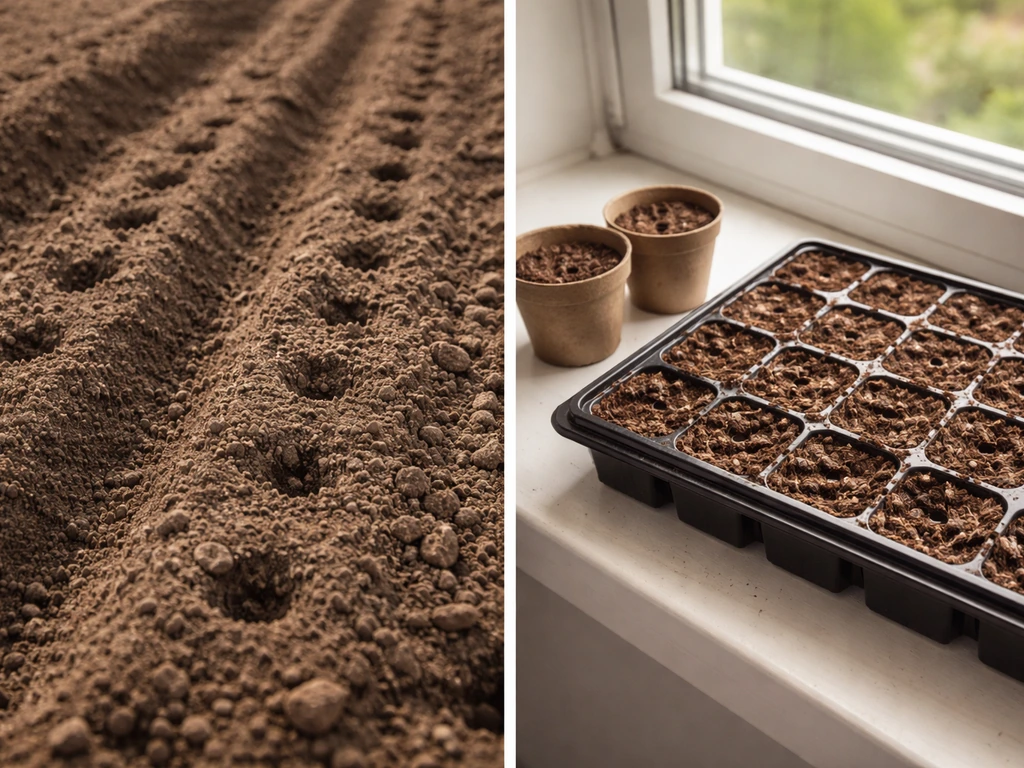
For bachelor's buttons, direct sowing almost always wins. These plants have a taproot that doesn't love being disturbed, and direct-sown plants tend to establish faster and bloom just as reliably as transplants. The ideal window is early spring, right around your last frost date or even a week or two before it, since cornflowers tolerate light frost without drama. In warmer zones (roughly Zone 7 and south), you can also sow in fall for late-winter or early-spring flowers.
If you do want to start indoors, it works, but keep the timeline short. Sow 4 to 6 weeks before your last frost date (some guides say 6 to 8 weeks, but the shorter window tends to produce stockier, less root-bound transplants). Use individual cells or small pots rather than a flat so you disturb the roots as little as possible when transplanting. Harden off carefully over 7 to 10 days and move them out after your last frost date. The transplant route adds a bit of complexity without much payoff over direct sowing, so unless you're chasing an early bloom or have a very short season, just sow direct.
Seed-starting basics: timing, temperature, light, soil, and depth
Timing
For direct sowing, aim for 1 to 3 weeks before your average last frost date in spring. If you're still figuring out when to grow flowers overall, this kind of last-frost timing is a useful starting point. The soil just needs to be workable, not frozen solid. For the indoor route, count back 4 to 6 weeks from your transplant date (which is after last frost). If you're in a region where summers get brutally hot, earlier is better since bachelor's buttons bloom their best in cool weather and slow down significantly once heat sets in.
Temperature
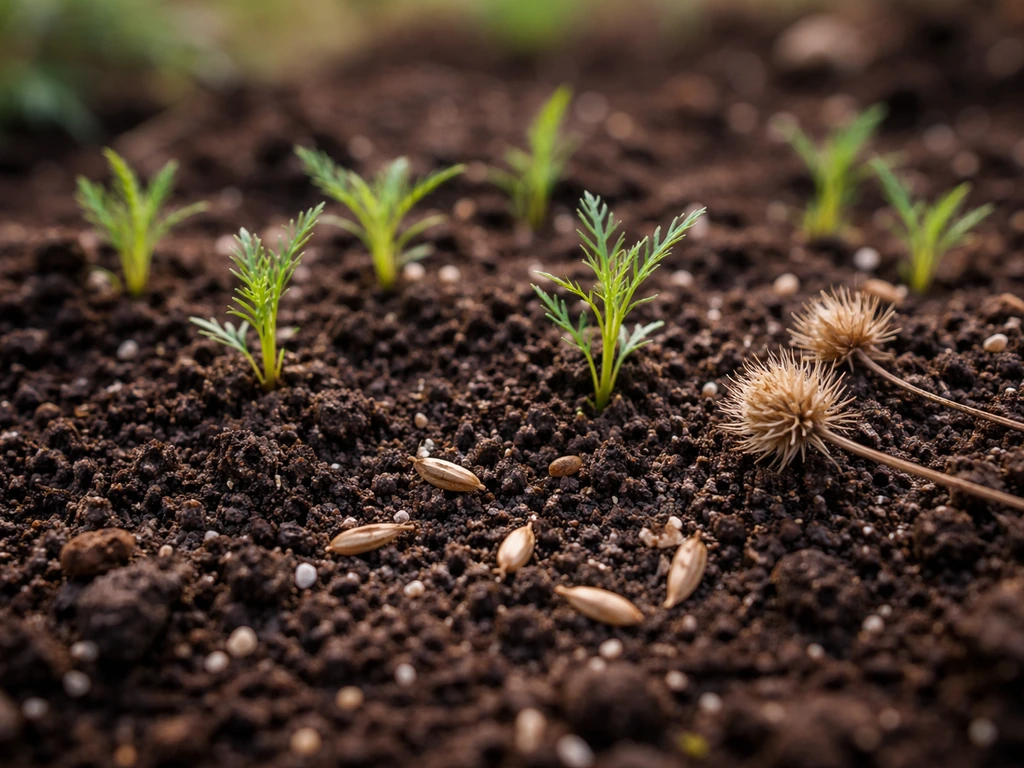
The sweet spot for germination is around 60 to 65°F. At those temperatures, expect seeds to sprout in 7 to 14 days. Interestingly, there's a light and temperature interaction worth knowing: at around 60°F, cornflower seeds actually prefer darkness to germinate, while at warmer temperatures (70 to 75°F) they tolerate or prefer some light. The practical takeaway is to cover your seeds properly (more on depth below) rather than leaving them exposed on the surface, especially in cooler soil.
Soil
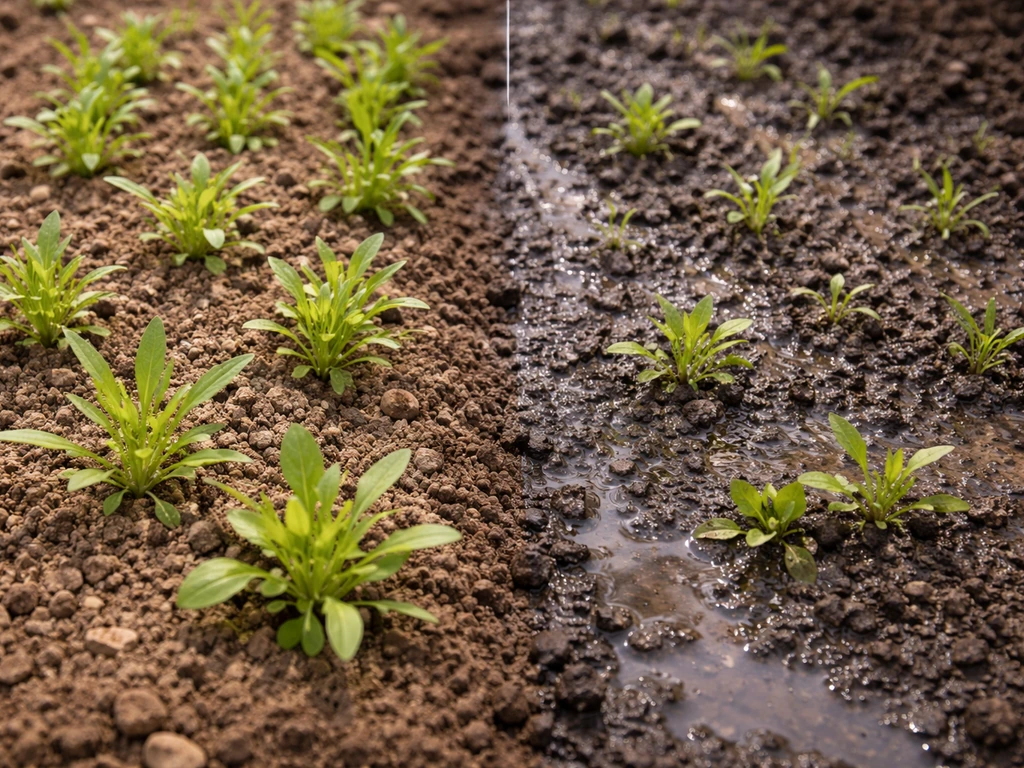
Bachelor's buttons are not demanding about soil nutrition. They do well in average, well-drained garden soil and actually tend to get floppy and produce fewer flowers in overly rich or heavily amended soil. Good drainage matters more than fertility. Indoors, use a standard seed-starting mix, not garden soil, which compacts and often harbors pathogens.
Sowing depth
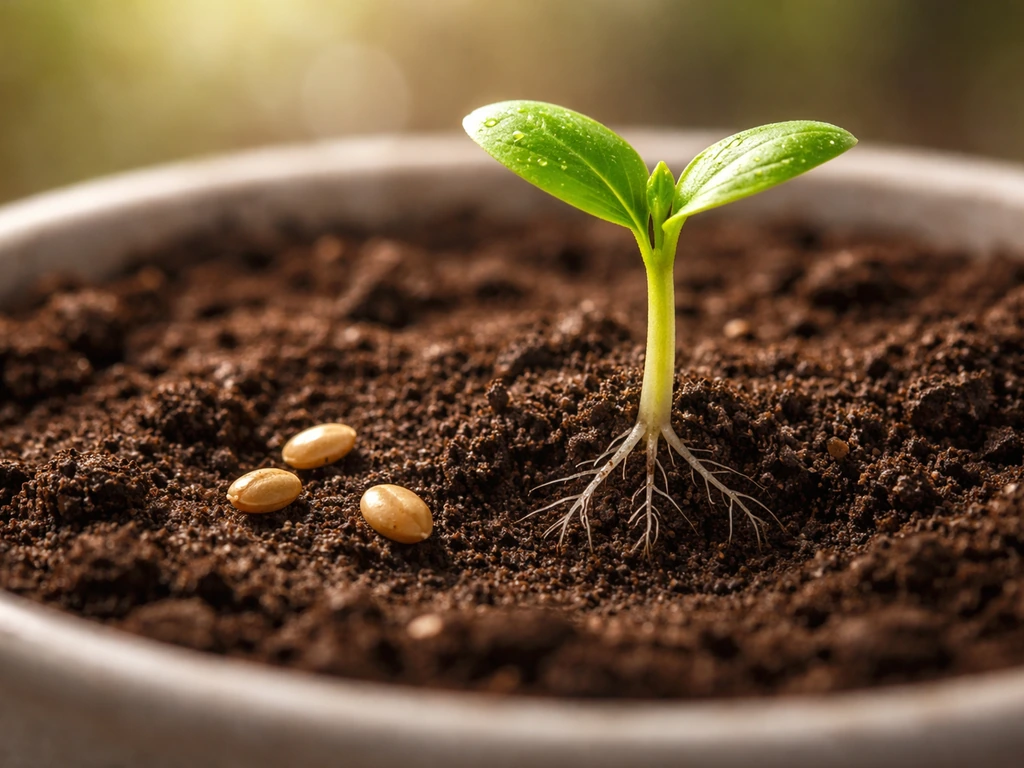
Cover seeds with about 1/4 inch of soil, or somewhere between 5 and 10 mm of finely sifted compost if you're sowing into a seed tray. Don't go deeper than that. Burying seeds too deep is one of the most common reasons for poor germination across almost every flower variety, and bachelor's buttons are no exception. A thin, consistent cover keeps moisture around the seed without blocking emergence.
Watering through germination and the seedling stage
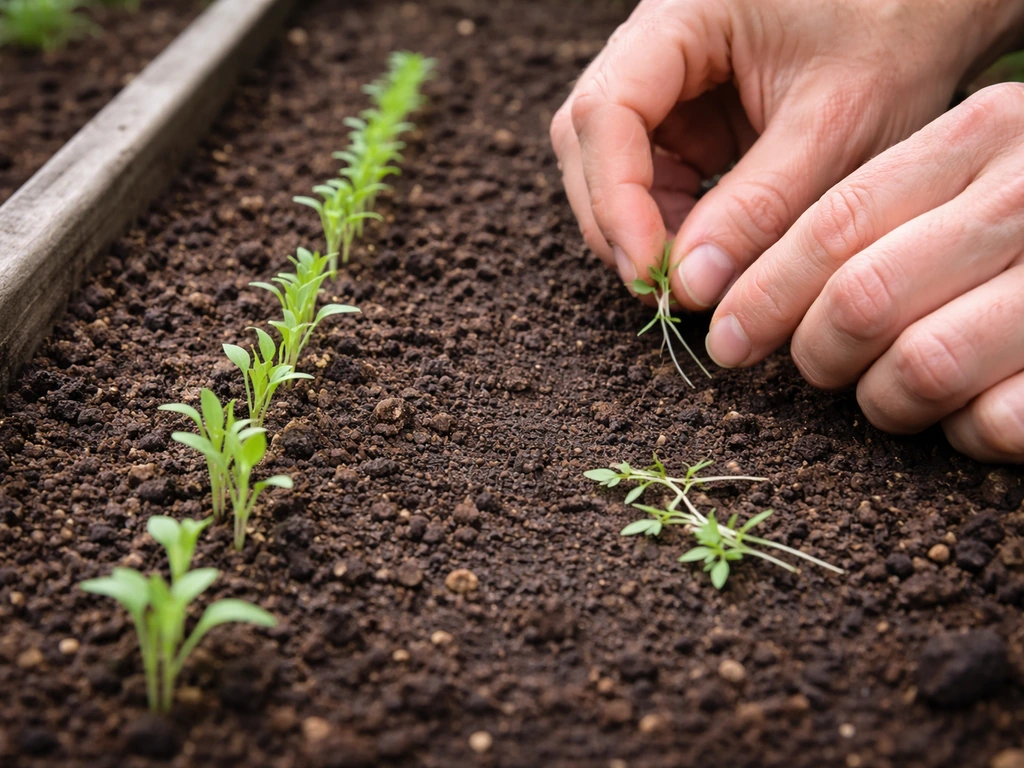
Keep the soil consistently moist but never soggy during germination. After sowing, water gently so you don't displace seeds, then check daily. Once you see sprouts, ease off slightly: let the top of the growing mix dry out just a little between waterings rather than keeping it constantly wet. This sounds like a small detail but it's genuinely important. Overwatering is the main driver of damping off, a fungal problem where seedlings rot at the soil line or seeds decay before they even emerge. The fungi responsible (often Pythium or Phytophthora) thrive in saturated, poorly drained conditions. Watering deeply but less frequently, rather than giving small amounts every day, dramatically reduces the risk.
If you're direct sowing outdoors, spring rain usually handles most of the irrigation during germination. In a dry spring, water every couple of days until seedlings are a few inches tall. After that, bachelor's buttons are reasonably drought-tolerant and need far less attention.
Thinning, spacing, and what crowding does to your flowers
Once seedlings are about 2 to 3 inches tall, thin them to 8 to 12 inches apart. That range matters more than it might seem. Crowded bachelor's buttons get leggy and floppy, don't branch as well, and are more prone to mildew in humid summers. Give each plant enough space and you'll get sturdier stems and more side branches, which means more flowers per plant over the season. Thin by snipping at soil level rather than pulling, since pulling disturbs the roots of nearby seedlings.
Bachelor's buttons grow 1 to 3 feet tall depending on the variety. Dwarf types stay compact and don't need staking; taller heirloom varieties can flop in exposed spots, especially if they've been grown in rich soil. If you're growing talls in a windy area, plant them near other sturdy plants for natural support or use simple pea stakes early in the season.
Getting to bloom: sun, feeding, deadheading, and when to expect flowers
Sunlight is non-negotiable
Full sun is the single most important factor for productive bachelor's button performance. Aim for at least 6 hours of direct sun per day. Plants in partial shade will grow but they produce noticeably fewer flowers, stretch toward the light, and are more susceptible to disease. If your garden spot only gets 4 to 5 hours, you'll still get some blooms, but don't expect the same lush output.
Feeding
Bachelor's buttons don't need heavy feeding. In average garden soil, you can skip fertilizing entirely and still get good results. In very poor or sandy soil, a light balanced fertilizer worked into the bed before sowing is enough. Avoid high-nitrogen fertilizers once plants are growing, since that pushes leafy growth at the expense of flowers.
Deadheading keeps the show going
Deadheading is the single most impactful thing you can do to extend blooming. Remove spent flowers before they set seed, and the plant redirects energy into producing new buds. Illinois Extension specifically calls out deadheading as the key maintenance action for continuous bloom. If you miss a flush and the plant starts setting seed heavily, cut it back by about a third to trigger a second wave of flowering.
When to expect your first flowers
From sowing to first bloom, plan on 70 to 90 days under good conditions. For preschoolers, the easiest way to understand this is to watch for sprouts, measure growth, and help with daily watering and sunlight how do flowers grow for preschoolers. Germination takes 7 to 14 days, and the plant then spends roughly 60 to 80 days growing and setting buds before the first flowers open. So if you direct sow in early April, you're looking at blooms sometime in late June or July. That timeline shifts earlier if you start indoors or sow in fall. Cool, sunny weather speeds things along; heat slows it down.
Troubleshooting common problems from seed to bloom
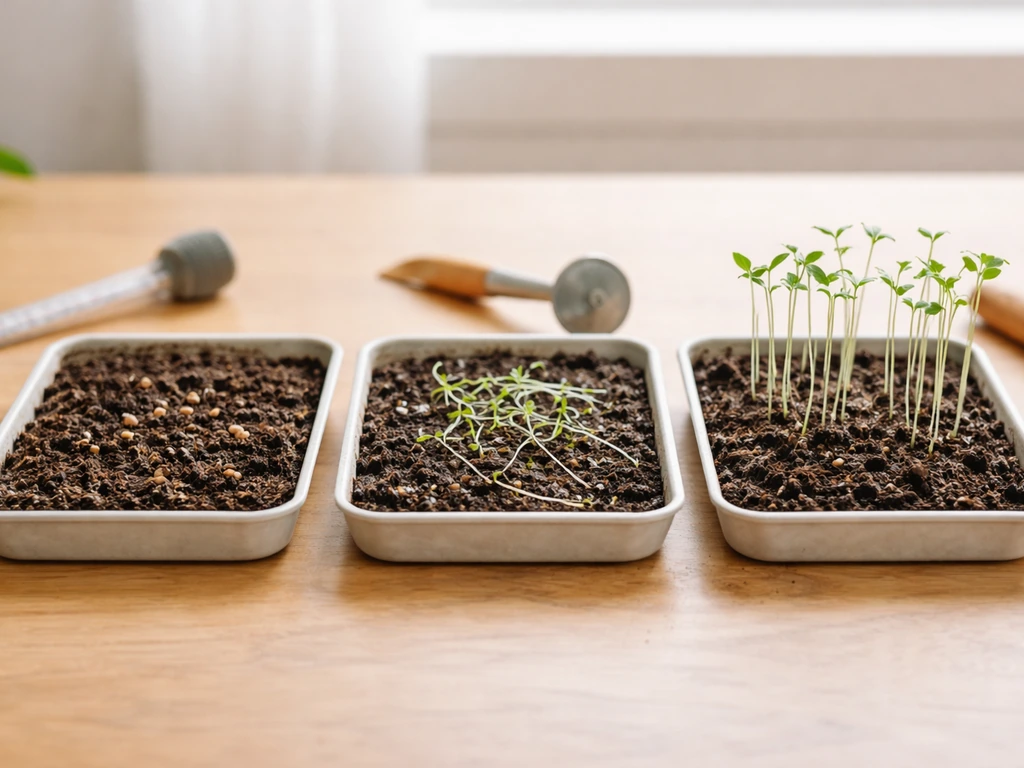
| Problem | Likely Cause | What to Do |
|---|---|---|
| Seeds don't germinate or are very slow | Soil too cold, sown too deep, or overwatered | Check soil temp (aim for 60–65°F), reduce sowing depth to 1/4 inch, let surface dry slightly between waterings |
| Seedlings collapse at the soil line (damping off) | Overwatering plus poor drainage, fungal pathogens | Reduce watering frequency, improve drainage, use fresh seed-starting mix, don't crowd seedlings |
| Leggy, weak stems reaching toward light | Insufficient sunlight or started indoors too early | Move to full sun, thin plants to proper spacing, don't sow indoors more than 6 weeks before transplant date |
| Plants grow but won't flower | Too much shade, too much nitrogen, or heat stress | Ensure 6+ hours direct sun, cut back on fertilizer, consider fall sowing in hot climates for better timing |
| Flowering stops early | Plants allowed to set seed, or heat wave hit | Deadhead consistently, cut back by one-third after a flush to trigger new buds |
| Powdery mildew on leaves | Crowded spacing, poor air circulation, humid conditions | Thin to 8–12 inches, improve spacing, remove affected leaves, treat with diluted neem oil if severe |
Your next steps this season
If you're reading this in late spring or early summer and haven't sown yet, don't write off this season. Bachelor's buttons can still go in now in most zones, especially if your summers stay mild through September. In hot climates, wait and plan for a fall sowing instead. If you're planning ahead for next year, mark your calendar to direct sow 1 to 2 weeks before your last frost date and pick a spot with honest full sun. That one decision, the sun placement, will do more for your results than any other single factor. Beyond that, sow at 1/4 inch depth, keep the soil moist until sprouts appear, thin to 8 to 12 inches, deadhead religiously, and you'll have cut flowers to bring inside within about 10 to 12 weeks of sowing. If you want a complete beginner-friendly plan, follow these steps on how to grow a flower garden for beginners deadhead religiously.
Bachelor's buttons are a genuinely great starting point if you're newer to growing flowers from seed, and they pair well with other easy-to-grow annuals in a mixed cutting garden. If you want more options alongside them, start with other easy flowers to grow for beginners that match your light and watering routine easy-to-grow annuals. The core skills you build here, reading soil moisture, thinning without guilt, timing your sow to the season, apply directly to almost every other flower you'll ever grow.
FAQ
How long do bachelor button seeds stay viable if I store them?
If kept cool, dry, and sealed, bachelor button seeds often remain viable for about 2 to 3 years, but germination can drop in the second year. Do a quick germination test by sowing a small sample on moist seed-starting mix, then compare sprouting rates to what you’d expect in 7 to 14 days.
What’s the best way to water after sowing outdoors so I don’t wash seeds away?
Use a gentle shower or mist setting, water lightly at first, and only water enough to keep the top inch slightly moist. In windy areas or heavy soil, consider watering in the morning and using a fine mesh or row cover until sprouts appear to prevent seed displacement.
Can bachelor buttons grow in containers, or are they only for the ground?
They can grow in containers, but you’ll need a deep pot (at least 8 to 10 inches) for the taproot and strong drainage. Because heat slows blooming, place containers where they get full sun but avoid overheating the pot, and keep watering more consistent than in-ground plants.
Why did my bachelor button seeds fail to germinate, even though the soil was warm enough?
The most common cause is planting too deep, even when “it looked lightly covered.” Another frequent issue is uneven moisture, seeds staying too wet during the germination window, which increases damping off. If you suspect depth or moisture was off, re-sow promptly while conditions are still cool.
Do bachelor buttons need to be started indoors if I have a short season?
Usually direct sowing still works, but if your summers are very short or you want blooms earlier, start indoors no more than 4 to 6 weeks before your last frost. Use small pots so you can transplant with minimal root disturbance, and prioritize outdoor hardening off over “fooling” the seedlings into early growth.
How much thinning is really necessary, and what happens if I don’t thin?
Thinning to about 8 to 12 inches apart helps prevent leggy growth and reduces mildew pressure. If you skip thinning, you’ll often get fewer branches, smaller flower heads, and weaker airflow, which can lead to disease during humid spells.
Should I fertilize bachelor buttons during the growing season for more blooms?
In average soil, you can skip feeding. If you fertilize, do it lightly early (before heavy bud set), then stop. High-nitrogen feeding after growth starts tends to trade flowers for leafy growth, and overly rich soil can also make stems floppier.
What’s the difference between deadheading and cutting back, and when should I do each?
Deadheading means removing spent flower heads as they fade to keep the plant producing. Cutting back is more aggressive, use it when a flush ends and the plant starts setting seed heavily, then trim back by about a third to restart a second bloom wave.
How do I prevent floppy bachelor buttons without over-fertilizing them?
Start with less-rich soil and full sun, then thin for airflow. If plants still flop, add simple support early (pea stakes or nearby sturdy plants) rather than waiting until the stems are long, and water at the base to avoid weakening growth.
Are bachelor buttons deer- or rabbit-resistant?
They can be somewhat less appealing than very tender ornamentals, but they are not reliably deer-proof or rabbit-proof. If wildlife pressure is high, use temporary fencing or protective netting until plants are established and taller.
Step-by-step seed to bloom for preschoolers: what flowers need, how to plant, and day-to-day care for success
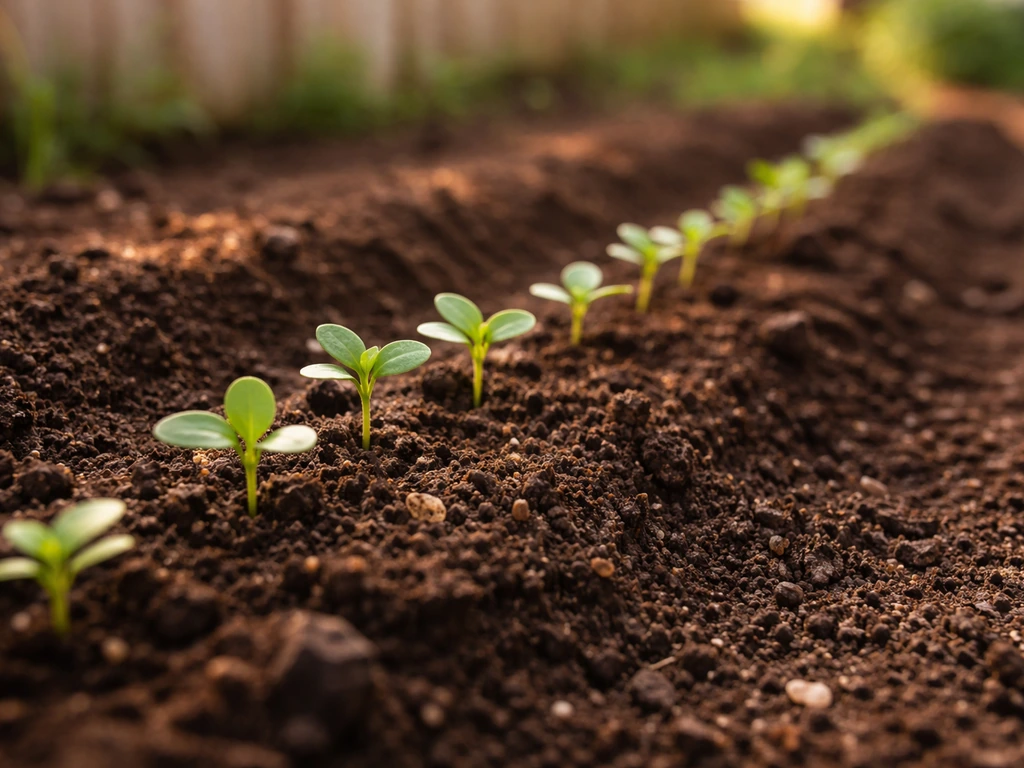
Seed to bloom guide for easy annual flowers: when to plant, direct sow or start indoors, care tips, and fixes.
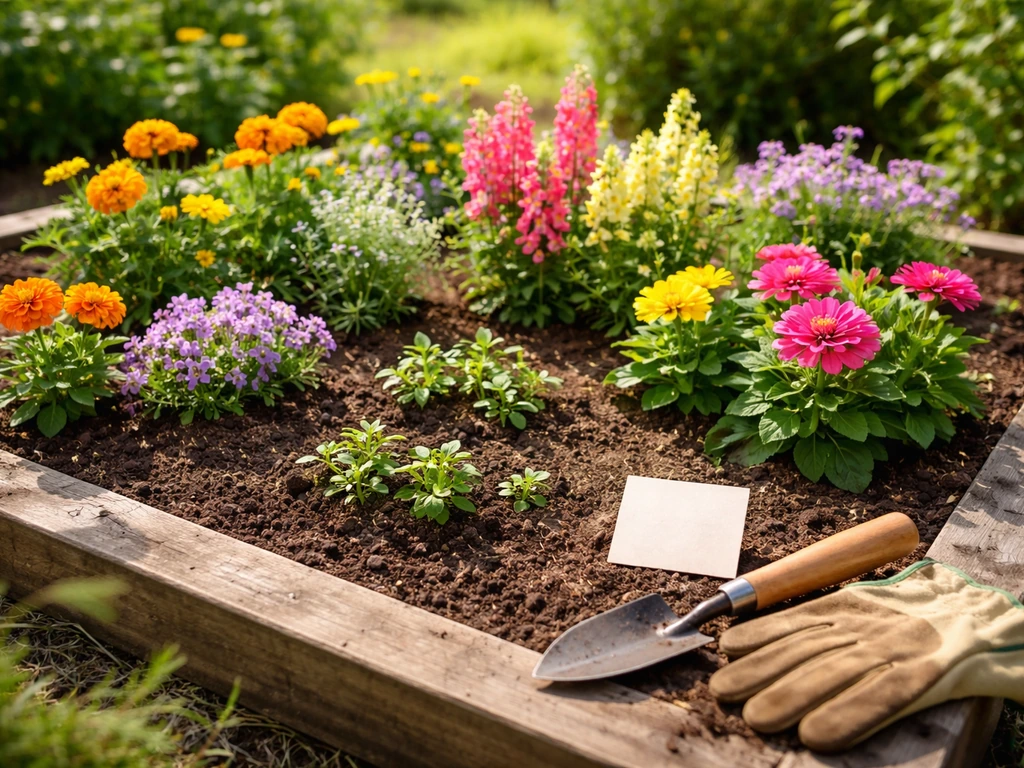
Step-by-step guide to grow a beginner flower garden: pick flowers, plan planting, start seed or seedlings, and care by s