The easiest flowers to grow from seed are zinnias, marigolds, nasturtiums, cosmos, calendula, and bachelor's buttons. All six germinate reliably without fuss, forgive beginner mistakes, and most can be sown directly into the ground without ever touching a seed tray. If you only have time to read one sentence: grab a packet of zinnias or marigolds, wait until your soil hits about 65–70°F, scratch in a shallow furrow, drop in the seeds, and water gently.
What Are the Easiest Flowers to Grow From Seed
James Holloway
27 Apr 2026
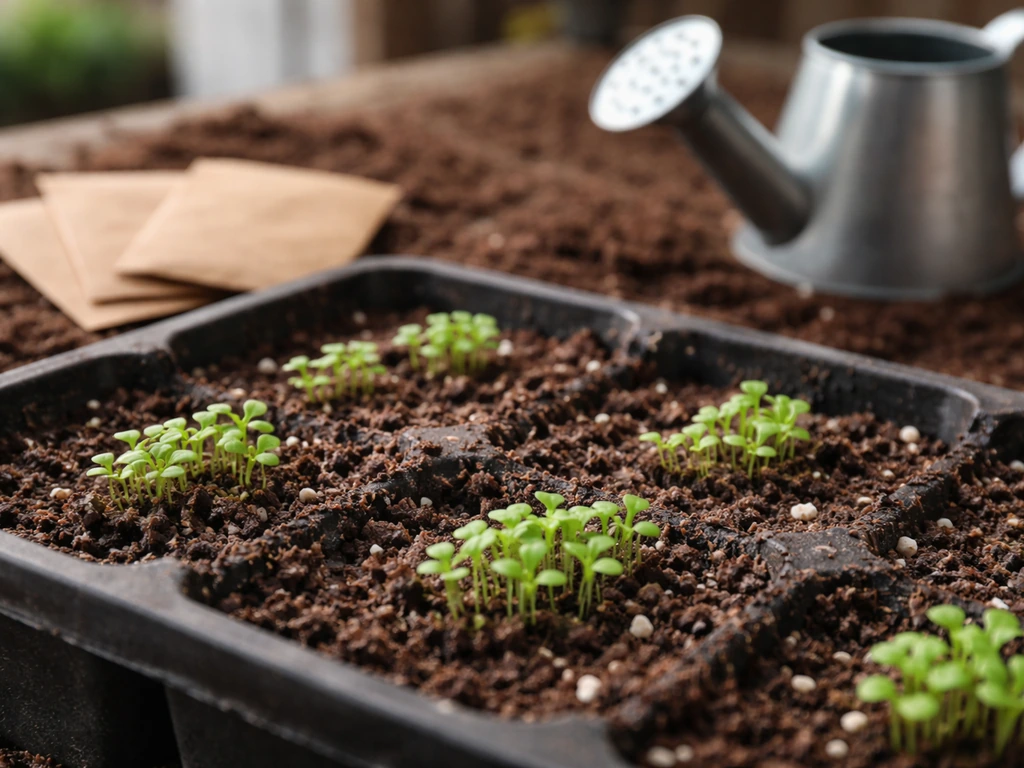
You'll have sprouts within a week. If you want a simple plan for how to grow a flower garden for beginners, start with easy, quick-blooming annuals and follow seed-starting basics. Easy to grow annuals for beginners make it simple to start with quick wins while you learn the basics of sowing and care.
Best beginner-friendly seed-grown flowers (quick picks)
Here's the shortlist with the one-line reason each one earns its place. These are all annuals, which is intentional. Annuals complete their whole life cycle in one season, so they grow fast, bloom generously, and let you experiment without a multi-year commitment.
| Flower | Direct sow or indoors? | Soil temp to sow | Days to germinate | Why it's easy |
|---|---|---|---|---|
| Zinnia | Direct sow (preferred) | 70°F+ | 5–10 days | Fast, heat-loving, nearly foolproof |
| Marigold | Direct sow | 65°F+ | 5–8 days | Germinates in under a week at warm temps |
| Nasturtium | Direct sow (recommended) | 55–65°F+ | 7–14 days | Thrives in poor soil, tolerates dry conditions |
| Cosmos | Direct sow or indoors | 60°F+ | 10–14 days | Self-sufficient once sprouted, minimal care needed |
| Calendula | Direct sow | 60°F+ | 10–15 days | Cool-season tolerant, early spring sowing works |
| Bachelor's button | Direct sow (as soon as soil is workable) | 40–50°F+ | 7–14 days | Sow super early, handles light frost, very low-maintenance |
If you're just starting out, pick two from this list rather than six. Zinnias and marigolds together give you a forgiving, colorful first season. Add nasturtiums if you want something that almost plants itself.
Easiest annuals from seed (top varieties and why)
Zinnias
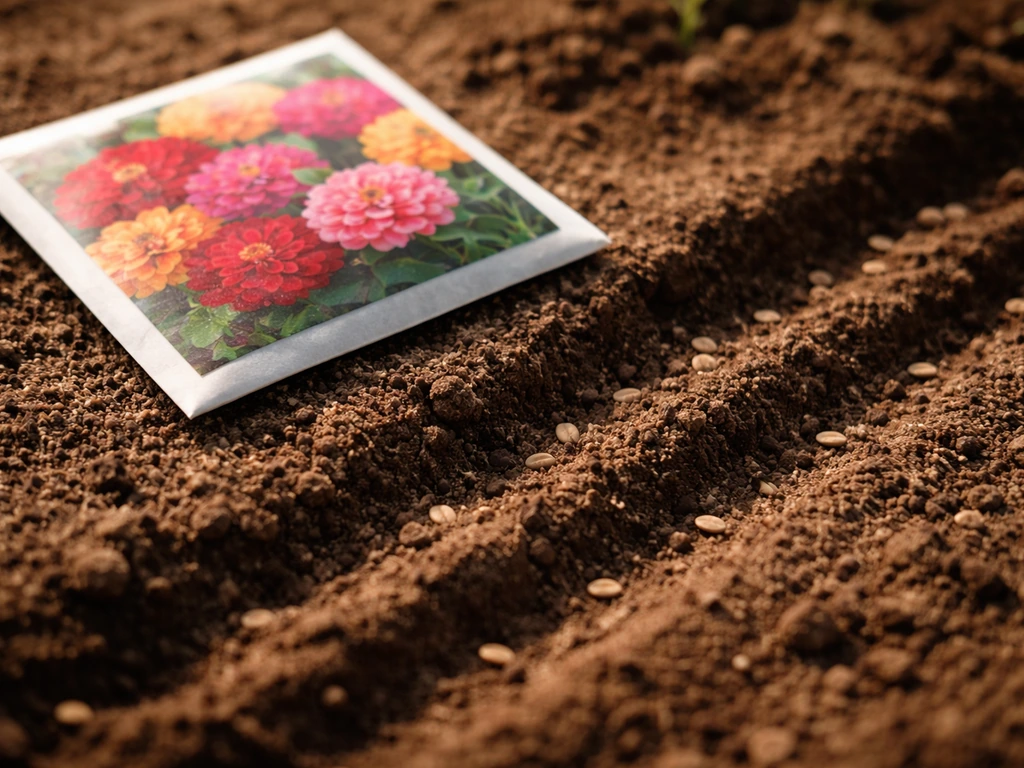
Zinnias are the gold standard of easy annuals. They're heat-loving, sprout within days in warm soil, and grow so vigorously you almost can't stop them. Wisconsin Horticulture Extension calls them easy to grow from seed, and that's an understatement. Direct sow after your last frost date once the soil is consistently at or above 70°F, plant seeds about 1/4 inch deep, and expect sprouts in 5–10 days. After they're up, they like daytime temps around 70–75°F and nights around 65–70°F. Don't rush them into cold soil though, below 70°F and germination gets patchy. Good variety picks for beginners: 'Benary's Giant' for big cutting-garden blooms, or 'Profusion' if you want a compact, disease-resistant plant that almost takes care of itself.
Marigolds
Marigolds might be the most reliably quick-to-germinate flower on this list. At 70–75°F, they'll be poking through the soil in 5–8 days. You can direct sow once soil temps hit 65°F, and they'll handle the rest. Plant at 1/4 inch depth, thin to about 6–12 inches depending on variety, and they're off. French marigolds (Tagetes patula) stay compact and bloom faster than African types (Tagetes erecta), so if you want flowers sooner, go French. Both are excellent and practically bulletproof for beginners.
Nasturtiums
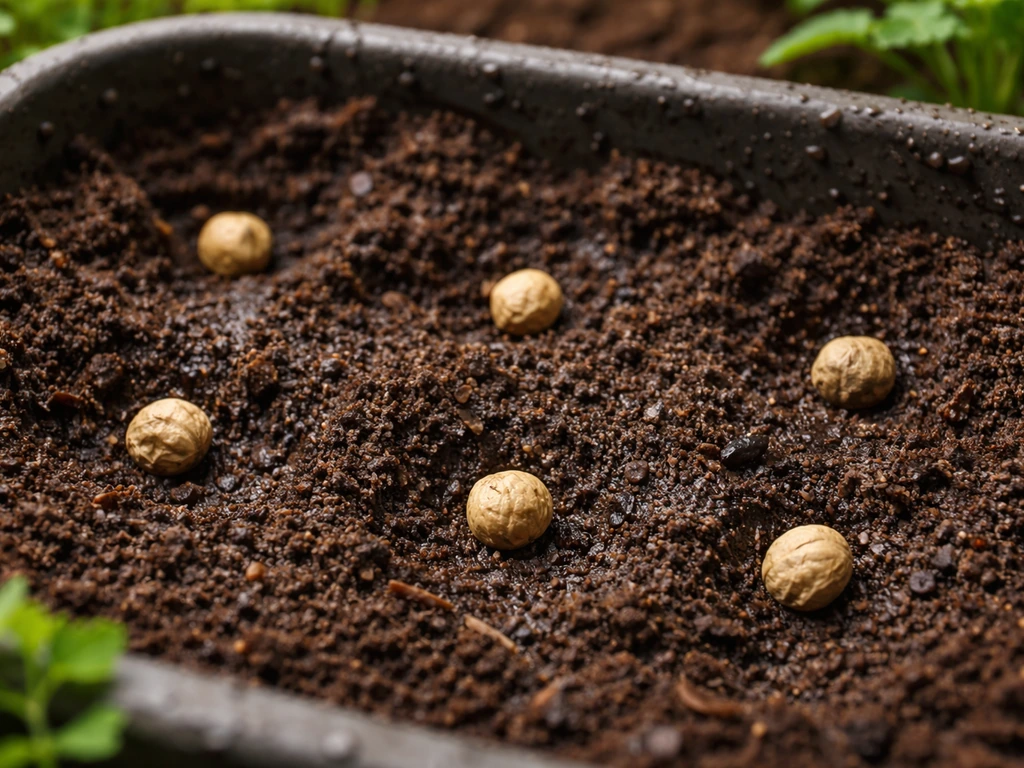
Nasturtiums are one of the few flowers where starting indoors actually makes things harder, not easier. They have big seeds that are easy to handle, and they strongly prefer being direct-sown. Push them about 1/2 to 1 inch deep, deeper than most flowers, and they'll handle drought, poor soil, and neglect without complaint. Johnny's Selected Seeds describes them as vigorous and easily grown in full sun, even in dry conditions and less-than-perfect soil. That last part matters: most beginners don't have perfectly amended beds, and nasturtiums genuinely don't care. 'Jewel Mix' is a classic spreading type; 'Alaska' has variegated leaves and is a bit more compact.
Cosmos
Cosmos are tall, airy, and produce flowers from midsummer until frost with almost no intervention. Direct sow after your last frost date once soil temps are above 60°F, covering seeds lightly, they need light to germinate, so don't bury them. If you want earlier blooms, start them indoors 5–7 weeks before your last frost date and transplant out after. They germinate in 10–14 days and grow quickly once up. 'Sensation Mix' and 'Rubenza' are reliable performers that beginners consistently have success with.
Calendula
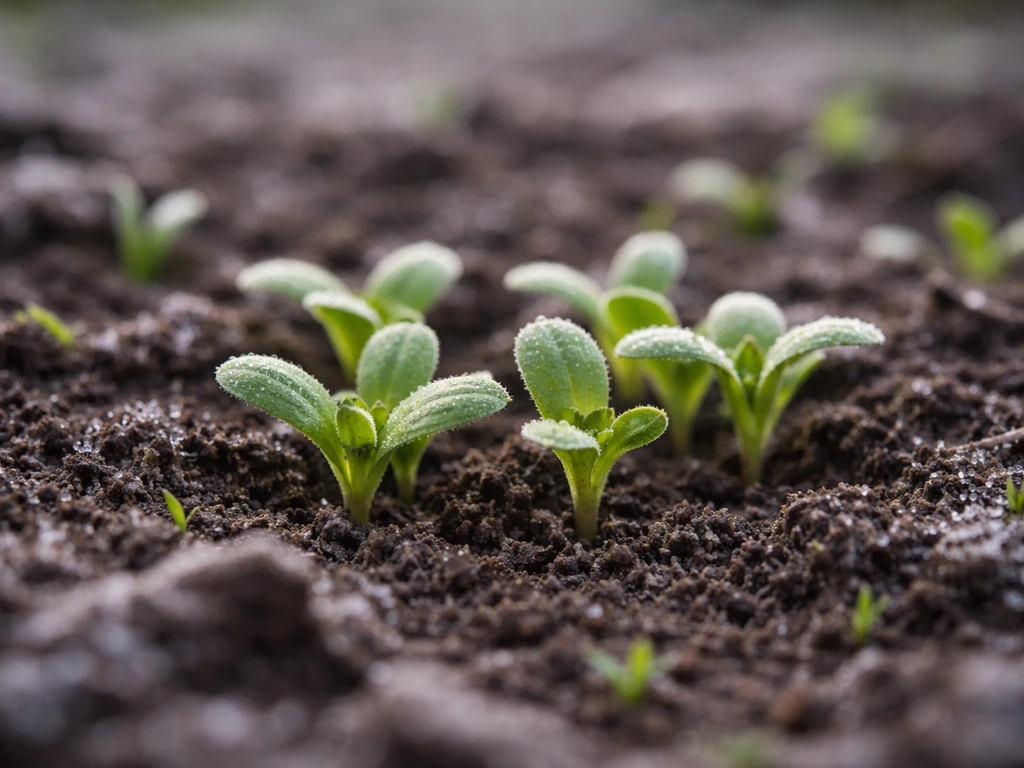
Calendula is a cool-season annual, which means you can get it in the ground earlier than most flowers on this list. Direct sow in early spring once soil temps reach 60°F and the risk of hard frost has dropped, it can actually survive down to about 25°F once established, so it's surprisingly tough. Plant seeds at 1/4 inch depth and expect germination in 10–15 days. It's one of the best flowers for gardeners in cooler climates or anyone who wants to extend the season into late fall. 'Alpha' and 'Art Shades' are easy-to-find varieties with good germination rates.
Bachelor's buttons (cornflower)
Bachelor's buttons (Centaurea cyanus) are the earliest-sowing flower on this list. You can direct sow them as soon as the soil can be worked in spring, before your last frost date, which makes them a great option if you're eager to get something in the ground. Sow thinly at about 1/4 inch deep, aiming for around 6 seeds per foot in a row, and thin once they're established.
They're low-maintenance, naturally reseed, and the blue varieties in particular are a striking color that's rare in the annual world. Are bachelor buttons easy to grow compared with other annuals? In most gardens, yes, especially when you direct sow and plant at the right depth low-maintenance. 'Blue Boy' is a classic; 'Classic Fantastic' is a mix if you want multiple colors.
How to choose the right flower for your conditions
The biggest factor beginners overlook isn't which flower to grow, it's whether they're matching the flower to their actual conditions. If you're wondering, “is it hard to grow flowers,” the best answer is: it’s easiest when you match the flower to your sun, soil, and timing. If you want to pin down timing for your region, this guide on when to grow flowers can help you choose the right sowing dates. Here's a simple framework.
Sun vs. shade
Zinnias, marigolds, nasturtiums, cosmos, and bachelor's buttons all want full sun (6+ hours daily). Calendula handles partial shade better than most on this list. If your garden gets less than 6 hours of direct sun, calendula is your best bet from this shortlist.
Warm vs. cool climates and timing
Use your average last frost date as your anchor point. Penn State Extension recommends gauging your entire sowing schedule around that date. Cool-climate gardeners (short summers, zones 3–5) get the most value from bachelor's buttons and calendula, which go in early and tolerate frost. Gardeners in warmer zones (6–9) can direct sow zinnias and marigolds by late spring and get massive payoff through summer and fall. Cosmos are heat-tolerant but not oppressively hot-weather lovers, they do well in most of the country.
Matching flower to your goal
- Want flowers fast? Marigolds and zinnias bloom in 45–60 days from seed.
- Want a long season? Cosmos keep going until frost; calendula handles cool fall weather.
- Want to cut and bring blooms inside? Zinnias and cosmos are the best cutting flowers here.
- Want something truly hard to kill? Nasturtiums in average to poor soil.
- Want to plant earlier than anyone else? Bachelor's buttons go in before the last frost.
Seed-starting basics that make everything easier
Direct sow vs. starting indoors
For most flowers on this list, direct sowing is easier and produces better results. Easy flowers to grow for beginners like these are usually easiest with direct sowing since it gives more consistent results than juggling transplanting schedules. Nasturtiums especially hate transplanting. Zinnias, marigolds, and bachelor's buttons all direct sow beautifully.
The only case where starting indoors pays off is when you have a short growing season and want earlier blooms, cosmos started 5–7 weeks before your last frost date will flower weeks ahead of direct-sown ones. If you're starting seeds indoors, how do flowers grow for preschoolers can be similar in spirit, since a shorter growing season often benefits from starting early for earlier blooms.
If you do start indoors, use a dedicated seed-starting mix rather than garden soil or potting mix; it's lighter, drains better, and holds less disease risk.
Seed depth: the simple rule
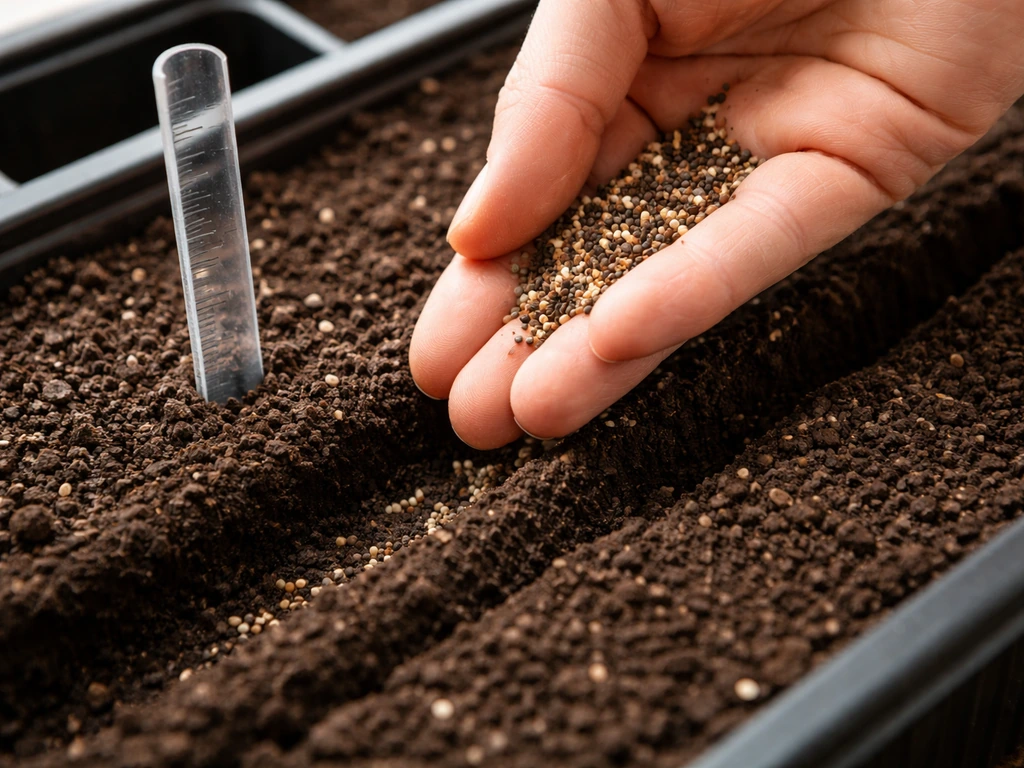
When in doubt, Utah State University Extension's rule of thumb works well: plant seeds at a depth of about 2–3 times their diameter. For the small seeds on this list (zinnias, marigolds, calendula, bachelor's buttons), that means 1/4 inch. For larger seeds like nasturtiums, go 1/2 to 1 inch deep. Cosmos need only a light covering since they germinate better with some light.
Moisture: the most important variable
Keep the soil or seed-starting mix consistently moist but never waterlogged from sowing until germination. After seedlings emerge, you can back off a little. Washington State University Extension warns that soil that's too wet is one of the primary causes of seed rot and early seedling problems. For more local guidance from Washington State University Extension Publications, see their home lawn and seed-starting resources Washington State University Extension warns that soil that's too wet is one of the primary causes of seed rot and early seedling problems.. A spray bottle works well for indoor trays to avoid dislodging seeds. Outdoors, a gentle watering with a can fitted with a rose head does the job.
Light for indoor starts
If you're starting seeds indoors, light is the thing most beginners underestimate. A sunny windowsill usually isn't enough. Seedlings need 14–16 hours of light per day to grow compact and strong. A basic LED grow light positioned 1–2 inches above the seedling tops, on a timer set to 14–16 hours, makes a dramatic difference. Give them 8–12 hours of darkness too, they do need a rest cycle.
Simple sowing and care steps to get faster germination and blooms
- Check soil temperature before sowing outdoors. A cheap soil thermometer costs about $10 and removes all guesswork. Wait for the right temp for your chosen flower (see the table above).
- Prepare a loose, weed-free seedbed or fill a tray with fresh seed-starting mix. Good seed-to-soil contact is what actually makes seeds germinate reliably.
- Sow at the correct depth: 1/4 inch for most small-seeded flowers, 1/2–1 inch for nasturtiums, and just a light dusting of soil for cosmos.
- Water gently right after sowing so seeds settle in without washing away. Then keep soil evenly moist until germination.
- Thin seedlings once they reach 2–3 inches tall. Crowded seedlings compete for resources and rarely outperform well-spaced ones. It feels wrong to pull healthy plants, but do it anyway.
- For indoor starts, harden off seedlings before transplanting: set them outside in a sheltered spot for a few hours a day over 7–10 days, gradually increasing exposure to sun and wind.
- Once plants are established outdoors, water deeply but less frequently to encourage roots to go down. Shallow watering makes shallow roots.
- Deadhead spent blooms on zinnias, marigolds, and calendula to keep them flowering longer. Cut the stem back to the next leaf node and new buds follow quickly.
Common beginner problems and fixes
Leggy, stretched-out seedlings
Legginess is almost always a light problem. If your indoor seedlings are growing tall and floppy instead of short and sturdy, they're reaching for more light than they're getting. Move your grow light to within 1–2 inches of the seedling tops and increase the daily light period to 14–16 hours. If you're relying on a window, move the trays to your brightest south-facing window or supplement with even a basic grow bulb. Outdoor seedlings very rarely get leggy, it's almost exclusively an indoor issue.
Poor or patchy germination
The most common cause is cold soil. Each flower has a soil temperature threshold below which germination just doesn't happen reliably, and it's warmer than most beginners expect. If you're direct sowing and getting nothing after 14 days, check your soil temp. To improve germination success, OSU Extension recommends checking soil temperature before sowing and using a thermometer or probing method to confirm it is warm enough check your soil temp. The second common cause is old seed: flower seeds lose viability, so if you're using a packet from three seasons ago, buy fresh. Finally, check your depth, seeds buried too deep or left sitting on the surface both underperform.
Damping off (seedlings collapsing at the base)
Damping off is a fungal disease that causes seedlings to suddenly keel over at soil level, and it's nearly always caused by overwatering and poor air circulation. Wisconsin Horticulture Extension recommends keeping seedlings on the slightly drier side: water enough to keep them alive, but avoid keeping the growing medium constantly saturated. If you see it happening, remove affected plants immediately, stop misting the foliage, and improve airflow around your trays with a small fan running on low. Using a sterile seed-starting mix rather than reused potting soil helps prevent it from the start.
Seeds sprouting then stalling out
Sometimes seeds germinate fine but then just sit there, barely growing. This usually comes down to one of three things: temperature dropped (especially common on windowsills overnight), nutrients ran out in a small seed-starting cell, or they're pot-bound and need thinning or potting up. If indoor temps are dipping below 60°F at night, try moving trays to a warmer spot. If seedlings are 3–4 weeks old and still tiny, a diluted liquid fertilizer at half strength often gets things moving again.
One last thing worth remembering: even experienced growers have trays that don't perform as expected. A bad germination rate or a patch of damping off isn't a sign you should stop growing from seed. It's just feedback. Adjust one variable, try again, and you'll get there. The flowers on this list were chosen specifically because they give beginners more chances to succeed than almost anything else you could plant.
FAQ
Can I sow these easiest flowers before my last frost date?
Yes, but only for the ones that tolerate cool or handle germination in mild temperatures. From your list, calendula and bachelor’s buttons are the safest bets to sow earlier, while zinnias, marigolds, and cosmos need consistent warmth, and nasturtiums should not be started in cold ground if you want reliable sprouting.
Which of the easiest flowers are better direct-sown versus started indoors?
Most will. Zinnias, marigolds, cosmos, calendula, and bachelor’s buttons generally do fine direct-sown, while nasturtiums are the exception (they strongly prefer direct sowing because transplanting often knocks them back). If you want earlier color and have a short season, start only cosmos indoors.
How do I water seeds after sowing without causing seed rot?
You can, but avoid “drying out then soaking” because that can delay germination. Keep the top layer lightly moist until you see sprouts, then gradually reduce watering. For indoors, use a spray bottle or bottom-watering so seeds do not wash around and bury too deep.
What if my easiest flowers germinate but seedlings never seem to get going?
Yes, light can be the deciding factor. Cosmos and, in many cases, very small surface seeds do best with light access, so don’t bury them deeper than the depth guidelines. A good rule is to lightly cover only when the seed type is meant to be covered, otherwise keep the surface lightly receptive to light.
Do I need to fertilize when starting these flowers from seed?
Not usually. Most annuals on the list are grown for quick bloom and do not need heavy feeding. If seedlings look pale after 3 to 4 weeks indoors, use a very diluted fertilizer, then stop once they start producing steady growth and true leaves.
How much does seed age affect germination for these flowers?
Buy fresh if you are unsure about age. Flower seeds can lose viability quickly, so even if they germinate once, older packets often give patchy stands. If your seed is older than about two seasons, plan to increase sowing slightly and expect lower germination.
What should I do if I see damping off or seedlings collapsing?
Staying too wet is worse than being slightly dry. If you see damping off or the soil surface stays soggy and smelly, improve drainage, increase airflow, and reduce watering frequency. Using a sterile seed-starting mix instead of reused potting soil can lower the risk substantially.
My seedlings are leggy, what is the first thing to change?
If seedlings are tall and floppy indoors, the fix is usually light, not more water. Raise the grow light to within about 1 to 2 inches of the tops and extend light to 14 to 16 hours per day, then check that the temperature at night is not dropping too far.
If nothing is sprouting, what’s the quickest troubleshooting checklist?
Check soil temperature first when direct-sown seeds fail. Zinnias and marigolds are especially sensitive to cold ground, and patchy germination is common below their preferred warmth. Then verify depth, because seeds buried too deep or left exposed to drying wind can both underperform.
Do I really need to thin seedlings for these easiest seed-grown flowers?
Yes, thinning matters even for easy flowers. Overcrowded seedlings compete for light and moisture, which can slow growth and increase disease risk. Thin zinnias, marigolds, and bachelor’s buttons to the spacing appropriate for the variety, and for large-seeded nasturtiums avoid scattering extras too densely.
How deep should I plant seeds, and what happens if I plant them too deep?
It’s a common mistake with small seeds. If you cover too much, especially with zinnias, marigolds, calendula, and bachelor’s buttons, germination drops. Stick close to the recommended depths, and for cosmos use only a light covering since it prefers some light for germination.
When should I move seedlings outdoors, and how do I avoid transplant shock?
Yes, but do it gradually. When outdoor temperatures warm and seedlings have true leaves, harden them off over several days by increasing outdoor time and protecting them from harsh wind and intense sun for the first day or two.
Why did my seeds germinate but they stop growing after a week or two?
Sometimes you need a warmer spot and time. If indoor temps fall below about 60°F at night, growth can stall even if seeds sprout. Also check whether seedlings ran out of nutrition in tiny cells, then consider a half-strength liquid fertilizer if they remain small after several weeks.
Next Articles
Easy Flowers to Grow for Beginners: Best Picks and How-To
Beginner-friendly flowers list plus step-by-step planting and care tips from seed or starts to bloom fast.
Linaria 'Fairy Bouquet' How to Grow: Seed to Cut Flowers
Grow Linaria 'Fairy Bouquet' from seed to vase: step‑by‑step sowing, care, cutting, seed saving & troubleshooting.
Floret How to Grow Ranunculus: Step-by-Step Guide
Step-by-step Floret-style ranunculus guide: corm prep, planting, watering, frost care, troubleshooting, and harvest for