
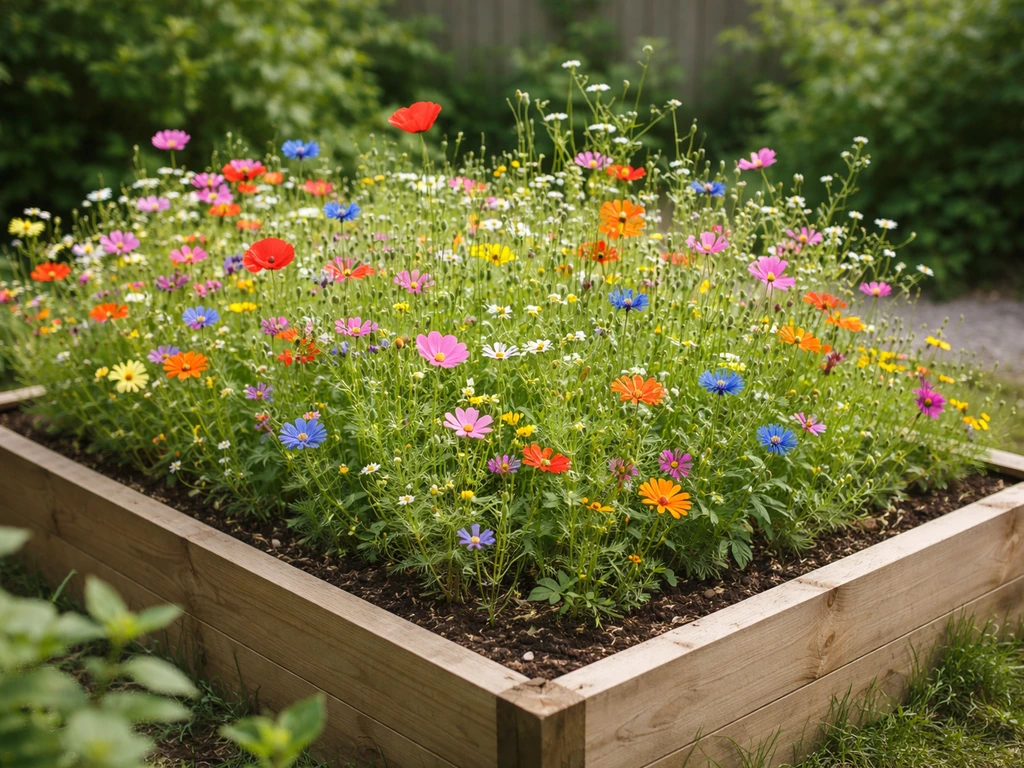
Yes, you can absolutely grow wildflowers in a raised bed, and in many ways it works better than growing them in the ground. Raised beds drain faster, warm up earlier in spring, and give you much tighter control over soil quality and weed pressure. The main adjustments you need to make are keeping the soil lean (wildflowers hate rich, fertile soil), staying on top of watering during the first few weeks, and picking varieties that suit your climate. Get those three things right and a raised bed can produce a genuinely stunning wildflower display.
Can You Grow Wildflowers in a Raised Bed? How-To
James Holloway
4 Jun 2026
When raised beds work best for wildflowers
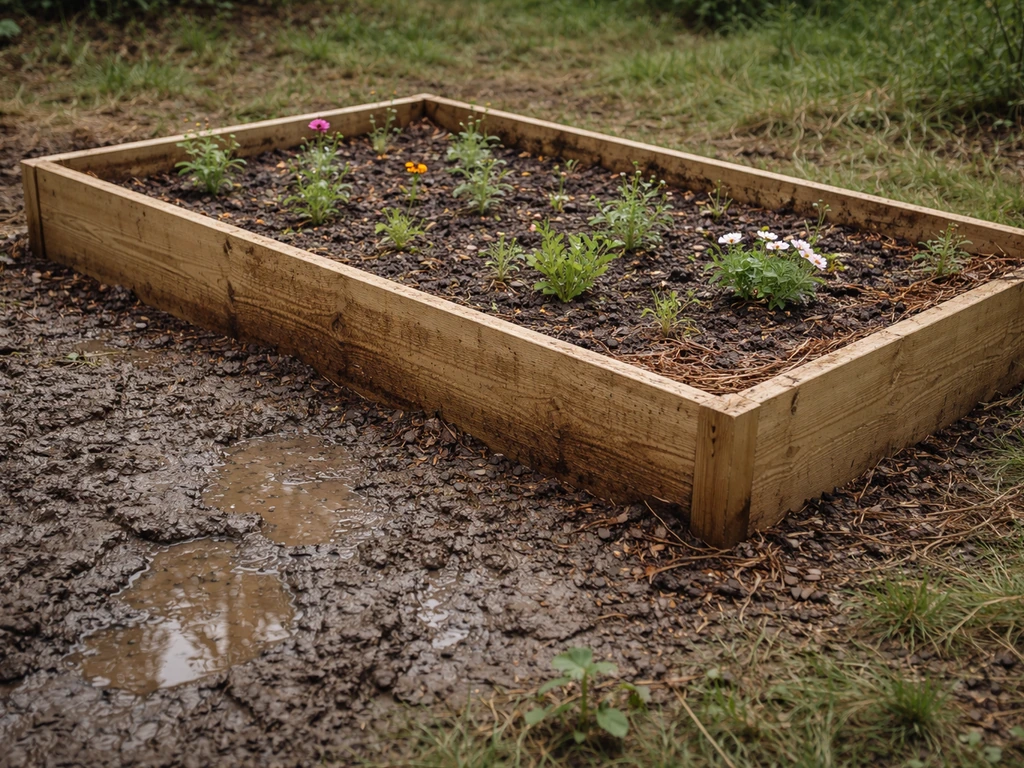
Raised beds shine for wildflowers when your in-ground soil is heavy clay, prone to waterlogging, or so packed with weed seeds that establishing a meadow-style planting feels impossible. The improved drainage alone is a real advantage. Waterlogging cuts off oxygen to the root zone and kills seedlings fast, and a well-built raised bed almost eliminates that risk compared with poorly drained ground.
They are also a great option if you are gardening in a small space, want a dedicated pollinator patch near a patio, or are trying wildflowers for the first time and want something manageable. That said, raised beds do have one notable drawback: they dry out faster. In hot, windy, or dry climates, the soil in a raised bed can lose moisture quickly, which means you will need to water more consistently during germination and early establishment than you would in the ground. Keep that in mind before you decide how deep and how large to build.
Choosing the right wildflower seeds for a raised bed
This decision matters more than most beginners expect. For a raised bed, I lean toward annual-heavy mixes or pure annual species rather than all-native perennial mixes for the first season. Annuals like cornflowers, California poppies, phacelia, and cosmos germinate fast, bloom the same year you sow, and do not require cold stratification. They give you a result quickly and let you learn what works before committing to slower, more complex native perennial species.
If you do want native perennials, choose species carefully. Many native seeds need cold moist stratification to break dormancy, anywhere from 30 to 120 days depending on the species. If you sow these in spring without that pre-chill, you may get almost no germination. Either sow them in late autumn so they experience natural freeze-thaw cycles over winter, or pre-stratify seeds in the fridge in a moist paper towel for the required number of days before spring sowing. Check the seed packet, and if it says stratification is needed, do not skip that step. If you want to learn perennial care beyond the initial pre-chill, review this guide on how to grow perennial flowers.
For raised-bed growing specifically, avoid mixes marketed as 'meadow in a can' that are designed for broadcasting over large open areas. These often include tall, aggressive species that outgrow a compact bed quickly. Instead, look for shorter, more compact varieties, or build your own mix using three to five compatible species you know are suited to your region. Single-species sowings (like a bed of just California poppies or just cornflowers) are also perfectly valid and often produce more consistent, denser blooms in a small space.
| Type | Best for | Stratification needed? | Bloom timeline |
|---|---|---|---|
| Annual mix (cornflower, poppy, cosmos) | Beginners, quick results, first-season colour | No | 8–12 weeks from sowing |
| Annual single species | Uniform look, easy management | No | 8–14 weeks from sowing |
| Native perennial mix | Long-term pollinator habitat | Often yes (30–120 days) | Year 2 onward for most |
| Mixed annual/perennial | Colour in year 1, structure in year 2+ | Partial (check each species) | Year 1 annuals bloom; perennials follow |
Raised bed prep: soil, depth, drainage, and amendments
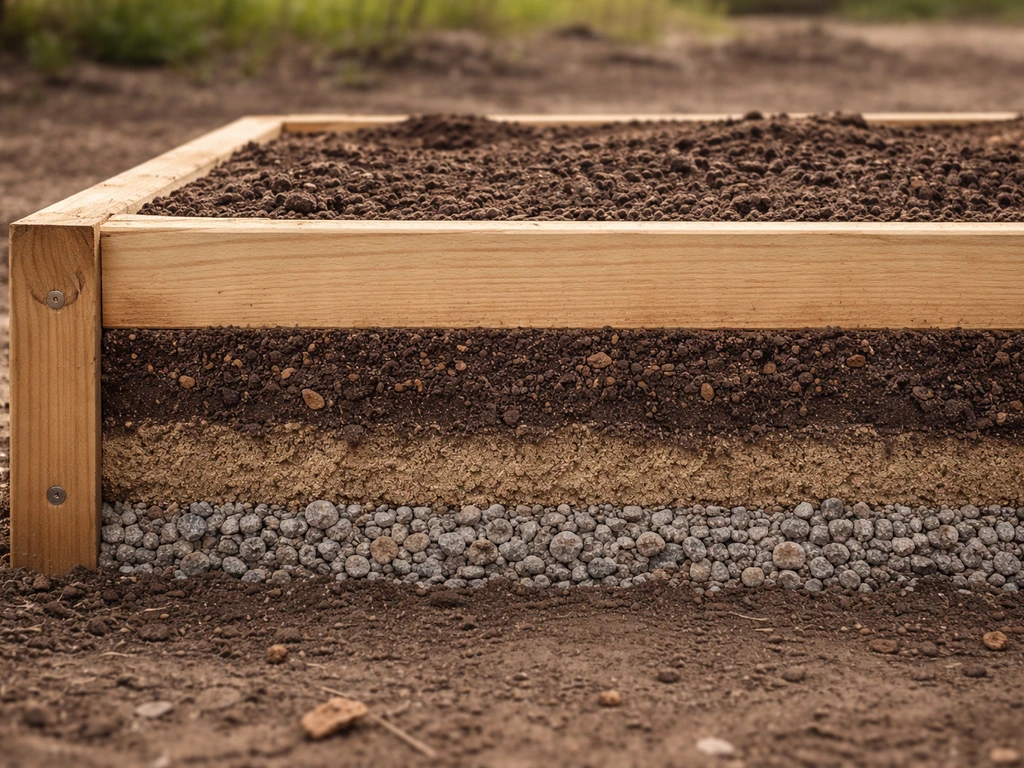
The single biggest mistake people make when growing wildflowers in a raised bed is filling it with the same rich, compost-heavy mix they use for vegetables. Fertile soil produces lush leafy growth and very few flowers. Wildflowers evolved in lean, low-nutrient conditions, so the poorer your soil, the better your blooms. Aim for a mix that is roughly two-thirds topsoil or loam and one-third horticultural grit or sharp sand. That ratio keeps nutrients low and drainage high, which is exactly what wildflowers want.
Depth matters too. A minimum of 20–25 cm (8–10 inches) of growing medium is enough for most annual wildflower mixes, but if you want to include perennials with deeper tap roots, like poppies or native coneflowers, aim for 30 cm (12 inches) or more. At the base of the bed, adding a 5 cm (2-inch) layer of coarse gravel or landscaping rock before filling ensures water drains freely rather than pooling at the bottom of the structure.
Before sowing, take time to prepare the surface properly. Break up any clods, rake the top layer to a fine, crumbly tilth about 2–3 cm deep, and remove any existing weed seedlings by hand. If you have just filled a new raised bed with bought topsoil, wait at least two to three weeks before sowing. This lets any weed seeds in the soil germinate so you can hoe them off, and it allows organic matter to settle. Skipping this step often means your wildflower seedlings compete with a flush of weeds from the get-go.
When and how to sow
Timing your sow
For annual mixes, you have two reliable windows. The first is early spring, once the soil temperature hits around 10°C (50°F) and frosts are becoming infrequent. In most of the UK and northern US, that means late March to early May. The second window is autumn, typically September to October, which allows seeds to overwinter and germinate naturally with spring warmth. Autumn sowing often produces stronger, earlier-blooming plants because the seeds experience natural cold conditioning. For perennials that need stratification, autumn sowing outdoors is the simplest approach since the winter does the work for you.
Seeding rates and how to distribute seeds evenly
Wildflower seeds are tiny and it is very easy to sow them unevenly, ending up with bare patches and overcrowded clumps. The standard guidance for wildflower mixes is around 0. 5 lb per 1,000 square feet (roughly 2–3 grams per square metre), but in a raised bed you want to be a little more generous to compensate for the fact that some seeds will not germinate.
The best technique is to mix your seeds thoroughly with three to four times their volume in dry silver sand or vermiculite. The sand acts as a carrier, making the seeds easier to see and spread evenly. Divide your mix in half and broadcast one half in one direction, then the other half at a right angle for uniform coverage.
Getting good seed-to-soil contact
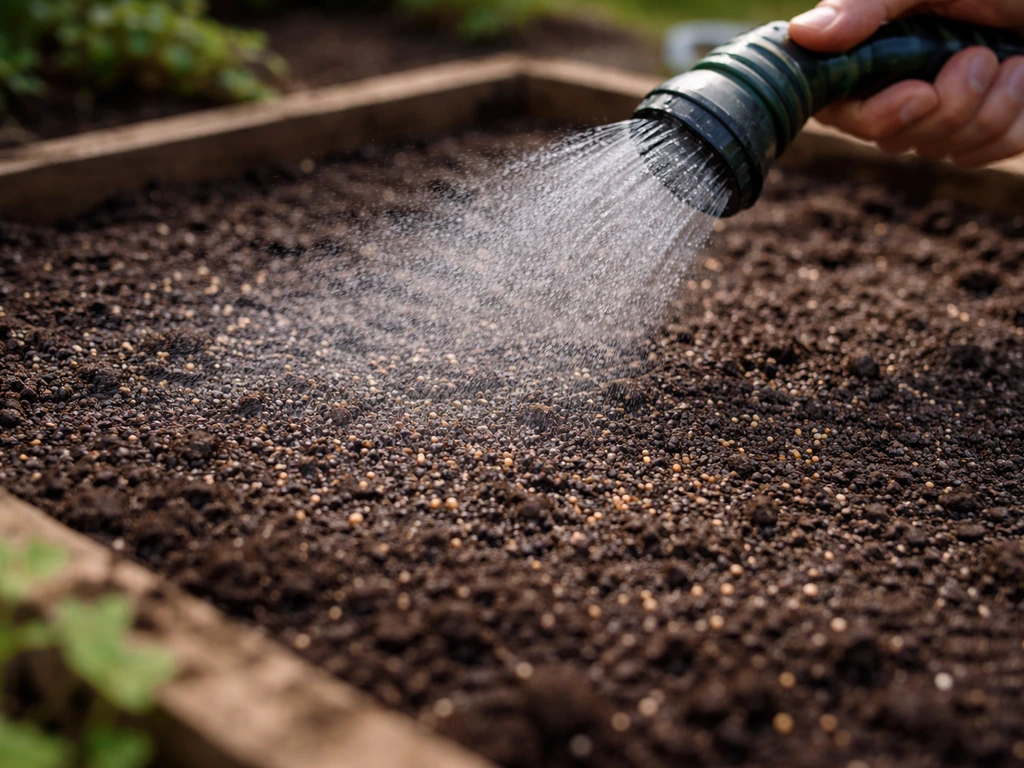
Once the seed is down, do not bury it. Most wildflower seeds need light to germinate or need to be only barely covered, no more than 2–3 mm deep. After broadcasting, lightly rake the surface with a leaf rake to flick a thin layer of soil over the seeds, then firm the bed down by pressing gently with a board, the back of a spade, or even your hands. blank" rel="noopener noreferrer">This seed-to-soil contact is critical. Seeds that just sit on top of loose soil dry out or get carried off by birds and wind.
Watering after sowing
Water the bed gently using a fine rose or misting nozzle immediately after sowing. Overhead watering with a strong jet will scatter your seeds. After the initial watering, check the surface daily and blank" rel="noopener noreferrer">keep it consistently moist until seedlings are 10–15 cm (4–6 inches) tall, which usually takes four to six weeks.
A University of Wyoming Extension guide for native wildflower seedings also highlights that early moisture during late winter and spring is critical for germination, which is why raised beds need consistent surface moisture in the initial stages keep the surface consistently moist until seedlings are 10–15 cm (4–6 inches) tall.
In a raised bed, this means watering every one to two days in warm weather, sometimes daily in full sun during dry spells. The seeds sit near the surface and unlike deeper-sown vegetables they cannot draw on deeper moisture reserves.
After-sowing care: weeds, thinning, and moisture control
The first three to four weeks after sowing are the most critical and also the most confusing. Everything that germinates looks like a wildflower at first, including the weeds. If you are trying to avoid weeds as much as possible, focus on early, consistent weeding and keep the bed setup aimed at reducing weed pressure how to grow wildflowers without weeds. If you are new to this, photograph your seedlings and compare them with seed packet images.
Weeds in a raised bed often have rounder, smoother leaves and tend to appear in irregular patches, while your sown wildflowers will generally come up more evenly across the bed. When in doubt, thin rather than pull, as disturbing roots nearby can damage your wildflower seedlings.
Once your wildflower seedlings are clearly identifiable and about 5 cm (2 inches) tall, thin them to allow 15–20 cm (6–8 inches) between plants for most species. In a raised bed you can get away with slightly closer spacing than in the ground, but overcrowding causes leggy growth, poor air circulation, and increases the risk of disease. Thin by snipping at soil level rather than pulling to avoid disturbing neighbours.
Keep removing weed seedlings regularly in the first six to eight weeks. The research on wildflower establishment is consistent on this point: weed competition in the first two years is the most common reason plantings fail. In a raised bed you have a significant advantage here because the contained space is much faster to weed than an open meadow, but do not get complacent. A handful of weeds left to set seed in a small raised bed will cause real problems the following season.
For moisture, aim for consistently damp but never soggy. Stick your finger an inch into the soil. If it feels dry, water. If it feels cold and wet, hold off. Raised beds drain quickly, so waterlogging is rarely an issue if your drainage layer is in place, but overwatering combined with cool temperatures can trigger damping off, a fungal condition that rots seedlings at soil level practically overnight. If you notice seedlings collapsing in patches, ease off on watering, improve air circulation, and remove affected plants to stop the spread.
Ongoing maintenance to get blooms
Once your wildflowers are established and flowering, the good news is they need very little from you. Fertiliser is almost never necessary and can actually reduce flowering by encouraging leafy growth at the expense of blooms. If you did a soil test before filling your bed and it flagged a specific deficiency, you can address phosphorus or potash with a targeted amendment, but as a rule, resist the urge to feed. These plants want to work for their nutrients.
Deadheading is the one active task that will extend your display significantly. Removing spent blooms before they set seed tells the plant to keep producing flowers. For annuals, once you are happy with the season and want the plants to self-seed for next year, stop deadheading in late summer and allow seed heads to develop and drop. For a mixed annual and perennial bed, deadhead the annuals but let the perennials set some seed to build up a self-sustaining colony over time.
At the end of the season, cut the whole bed back to about 10–15 cm (4–6 inches) rather than cutting right down to the ground. Leaving some stem structure over winter provides habitat for beneficial insects and protects the crowns of any perennial plants. In spring, cut back the old growth before new shoots emerge. For perennial wildflower beds in their second or third year, an annual cut back in early spring keeps weeds suppressed and encourages fresh flowering growth.
Troubleshooting common problems in raised-bed wildflower sowings
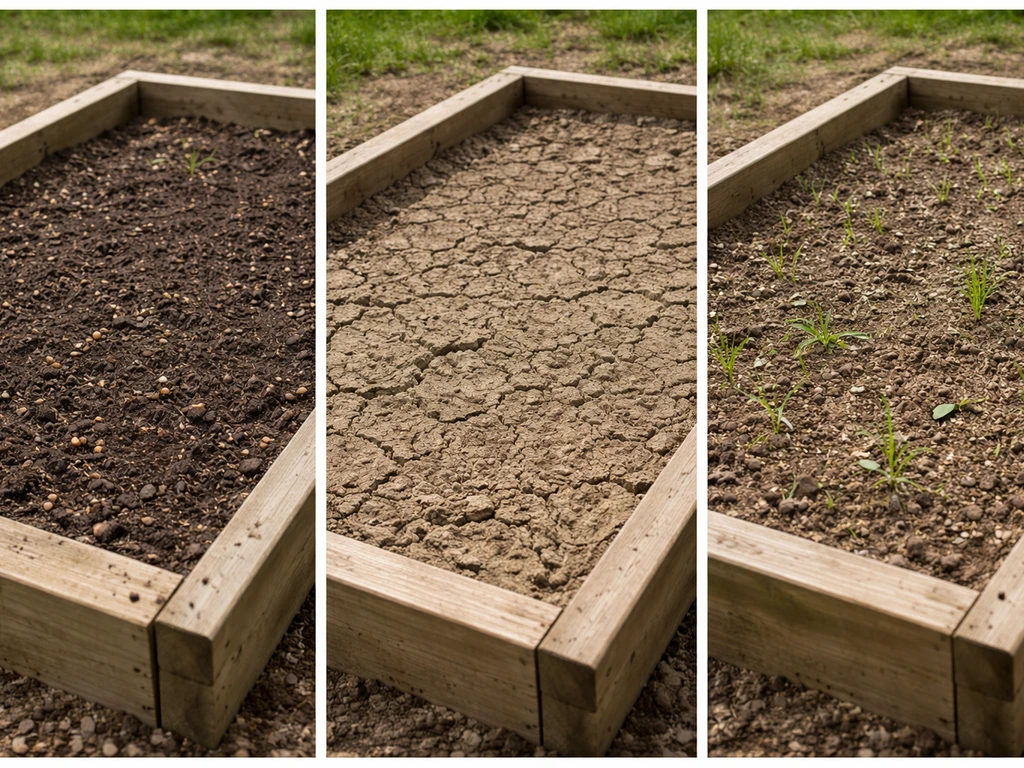
Poor germination is the most common complaint, and it almost always comes down to one of a few causes. If your seeds have been sitting in a warm garage or shed for a year or more, viability drops quickly, so always use fresh seed. If you sowed perennial species without stratification, that is likely the problem. And if the surface dried out in the first week, the seeds simply desiccated before they could sprout. Try again with fresh seed, keep the surface moist, and if using perennials, either sow in autumn or pre-chill the seeds.
Surface crusting happens when fine soil dries into a hard cap that seedlings cannot push through. This is more likely in raised beds filled with topsoil that has a high clay content. Prevent it by mixing sharp sand into the surface layer before sowing, and water gently to avoid compacting the soil. If you spot crusting forming, very lightly scratch the surface with a rake being careful not to disturb the seeds.
Birds and ants are a genuine problem with surface-sown seeds. Birds peck at seeds directly and also disturb the surface while foraging. Lay a length of garden fleece or a fine net over the bed for the first two to three weeks to protect seeds. Ants carry seeds away, particularly small seeds, and there is not much to do about it except accept minor losses. Mixing with sand makes seeds slightly less easy for ants to pick up.
Damping off presents as seedlings that sprout normally and then suddenly collapse at the base, often in a spreading patch. It is caused by fungal pathogens and is made much worse by overwatering, cool temperatures, and poor air circulation. Remove affected plants immediately, water less frequently, and do not cover the bed with anything that traps moisture and heat. Starting over with the affected section is sometimes the quickest fix.
Overcrowding shows up as spindly, pale plants that lean toward light and produce few flowers. If the bed looks dense and tangled by midsummer, thin aggressively. It feels counterintuitive to pull out plants you grew from seed, but the ones that remain will reward you with far better flowers. Think of it as editing, not failing.
A simple starter plan: what to do today and what to expect
If you are reading this in late spring or early summer (May to June), now is still a workable time to sow fast-maturing annuals like California poppies, cornflowers, and phacelia. You will likely see flowers in eight to twelve weeks. If it is July or August, wait until September for an autumn sowing, which will often give you better results the following spring anyway. If you are reading in autumn, you are actually in the best possible window for sowing most wildflower mixes.
- Build or prepare your raised bed with a lean topsoil and grit mix (roughly 2: 1), and add a gravel drainage layer at the base if starting from scratch.
- If the bed has just been filled, wait two to three weeks, hoe off any weed seedlings that appear, then rake the surface to a fine tilth.
- Choose an annual wildflower mix suited to your climate, or select three to five compatible species. Avoid overly rich, all-purpose mixes.
- Mix seeds with three to four times their volume in dry sand, divide in half, and broadcast in two directions across the prepared surface.
- Rake lightly, firm the surface, and water gently with a fine rose. Keep the surface consistently moist for the next four to six weeks.
- Weed weekly. Thin seedlings to 15–20 cm apart once they are clearly identifiable, around five to six weeks after germination.
- Deadhead spent blooms regularly to extend flowering. Hold off in late summer if you want self-seeding for next year.
- Cut back at the end of the season, leaving 10–15 cm of stem, and plan to repeat or refresh the bed the following spring.
Realistically, in year one expect a mix of great patches and a few bare spots. That is normal. You will learn which species perform best in your specific conditions, and by year two you will have a much clearer picture of what to sow more of and what to drop. A raised bed wildflower patch does not have to be a perfect meadow to be genuinely beautiful and full of pollinators. Even a scrappy first-year planting with a few cornflowers and poppies is something to be proud of.
If you want to go deeper, thinking about growing wildflowers in a larger space or without the weed problems that plague open plantings is a natural next step once you have a raised bed sowing under your belt. If you want to take the next step, learn how to grow wildflower plugs as another reliable way to build a strong planting.
For a meadow-style approach tailored to UK conditions, see our guide on how to grow a wildflower meadow in the UK how to grow a wildflower meadow uk. If you want a step-by-step plan for the whole process, this guide on how to grow wildflowers walks through site prep, sowing, and aftercare from start to finish. The principles you learn in a contained raised-bed environment translate directly to bigger projects.
FAQ
How deep should a raised bed be if I want both annual wildflowers and a few tap-root perennials like poppies?
Plan on at least 30 cm (12 inches) of growing medium so the tap roots are not hitting the drainage layer too soon. If your bed is only 20 to 25 cm (8 to 10 inches), stick to shallower-rooted annuals or perennials, because tap-root failures can look like poor germination even when seeds sprout.
Can I reuse the same soil in my raised bed for wildflowers every year?
Yes, but expect a gradual increase in nutrients and weed seed. If the bed was previously used for vegetables, it is usually too rich unless you replace most of the mix or amend it with horticultural grit and top up with leaner material. A practical approach is to refresh the top 5 to 10 cm (2 to 4 inches) with lean soil mix each season, and keep removing any volunteer weeds before they seed.
What should I do if my wildflower bed looks mostly like weeds for the first month?
Don’t assume failure, because early wildflower seedlings and many weeds look similar. Use the “seedling photo” method from the article, weed consistently, and thin rather than pull once you can identify your sown plants. If weeds are overwhelming, increase attention to surface weeding before weeds produce true leaves and before they get established.
Is it better to scatter seeds on top or lightly bury them in a raised bed?
For most mixes, scatter and only lightly rake or flick 2 to 3 mm of soil over the seeds. Avoid deeper burying, because it reduces light-based germination and can worsen uneven emergence. If your previous attempts produced bare patches, try firmer seed-to-soil contact (gentle pressing) rather than adding more depth.
How do I know whether to water more or less if germination is patchy?
Check moisture and also look for symptoms. If the surface is drying quickly, water more frequently and keep it evenly damp until seedlings are up. If seedlings are collapsing in spots, especially with cool weather, ease off watering, improve airflow, remove affected seedlings, and do not add covers that trap humidity.
Should I cover the bed after sowing to help seeds germinate, or will that cause problems?
Light protection like garden fleece can help in the first 2 to 3 weeks mainly for birds and moisture consistency, but don’t keep it on for too long in warm conditions. If you notice condensation, soggy soil, or seedling damping-off symptoms, remove covers immediately and rely on gentle, frequent misting instead.
Can I sow wildflower seeds in the middle of summer if I’m not in a cold climate?
You can sow fast annuals in mid to late summer only if you can keep the surface consistently moist, since raised beds dry out fast. If you cannot water daily during hot spells, delay to autumn, because autumn sowing often leads to stronger results in spring without the same germination stress.
How much sunlight does a raised-bed wildflower patch need to do well?
Most wildflower mixes perform best with at least 6 hours of direct sun. If your raised bed gets less light, you may see more leafy growth and fewer blooms, and weeds may become harder to manage. In partial shade, choose species from your seed packet that explicitly tolerate shade rather than assuming “wildflower” always means full sun.
Do raised beds need drainage holes, and what if water pools on the surface after rain?
They should drain well, but pooling usually indicates either insufficient growing medium depth, poor drainage at the base, or soil that is compacted. If water sits for long periods, fix the drainage layer and avoid compaction when watering. For existing beds, you may need to rebuild the base or partially replace the growing medium if waterlogging persists despite the gravel layer.
Why are my plants flowering but not as much as expected, even though they grew well?
Over-fertile conditions are a common cause. If you used compost-rich soil, added fertilizer, or topped the bed with manure, you can get tall, leafy growth with reduced blooms. Corrective step: stop feeding, ensure the soil stays lean going forward, and deadhead annuals unless you want self-seeding.
When should I stop deadheading if I want the bed to self-seed next year?
For annual-heavy plantings, stop deadheading in late summer so seed heads can mature and drop. For mixed beds, deadhead the annuals to keep the look tidy while allowing selected perennials to set some seed, then you can gradually build a more stable colony over time.
Can ants or birds be deterred without using netting or fleece?
Yes, as a first step you can reduce how long seeds are exposed by raking in a very thin soil layer, firming gently, and watering lightly so seeds are not sitting on loose, dry surface. However, if birds are actively pecking, the most reliable control is temporary fine netting or garden fleece for the first couple of weeks.
What’s the safest way to thin crowded wildflowers in a raised bed?
Snip off extra plants at soil level instead of pulling, because pulling can disturb roots and seedlings that you are trying to keep. Thin to the spacing target (often 15 to 20 cm, 6 to 8 inches for many species) once seedlings are identifiable, usually when they are around 5 cm tall.
How should I prepare the bed in spring if I cut it back in winter?
Cutting back to about 10 to 15 cm helps habitat and crown protection, then in spring cut old growth before new shoots emerge. Avoid cutting too late, because you can remove early stems that would otherwise produce blooms sooner. Also resume weeding promptly before weeds gain size.
Next Articles
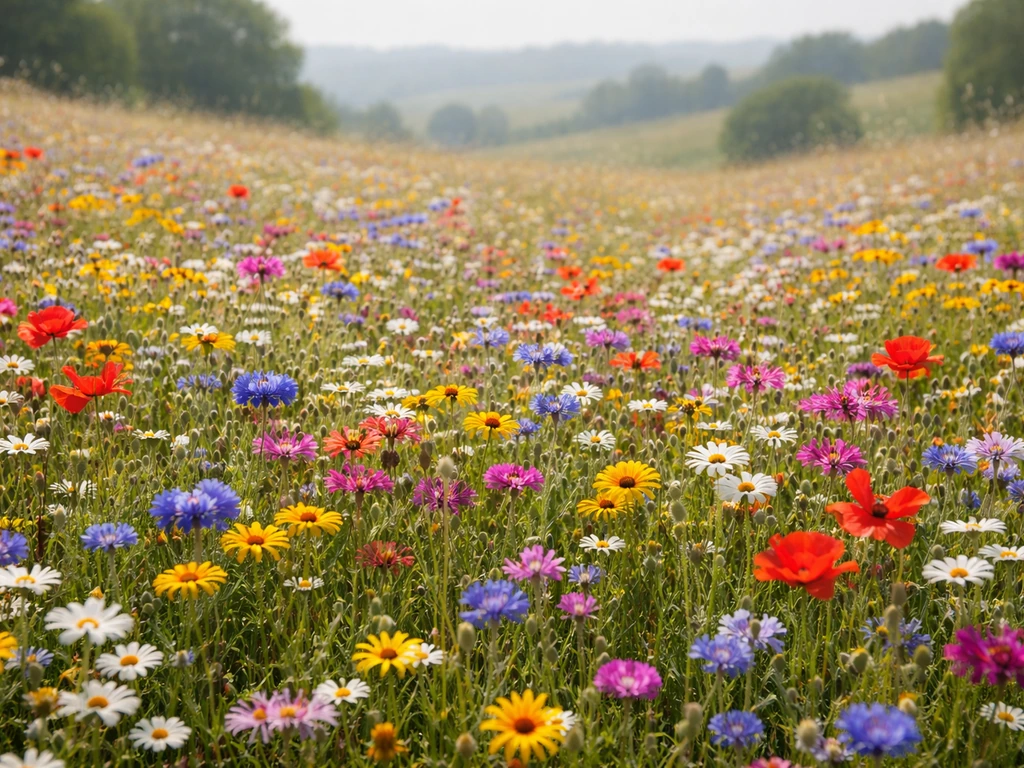
How to Grow Wildflowers Without Weeds: Step by Step
Step-by-step guide to grow wildflowers with minimal weeds using smart site prep, seeding, suppression, and first-season
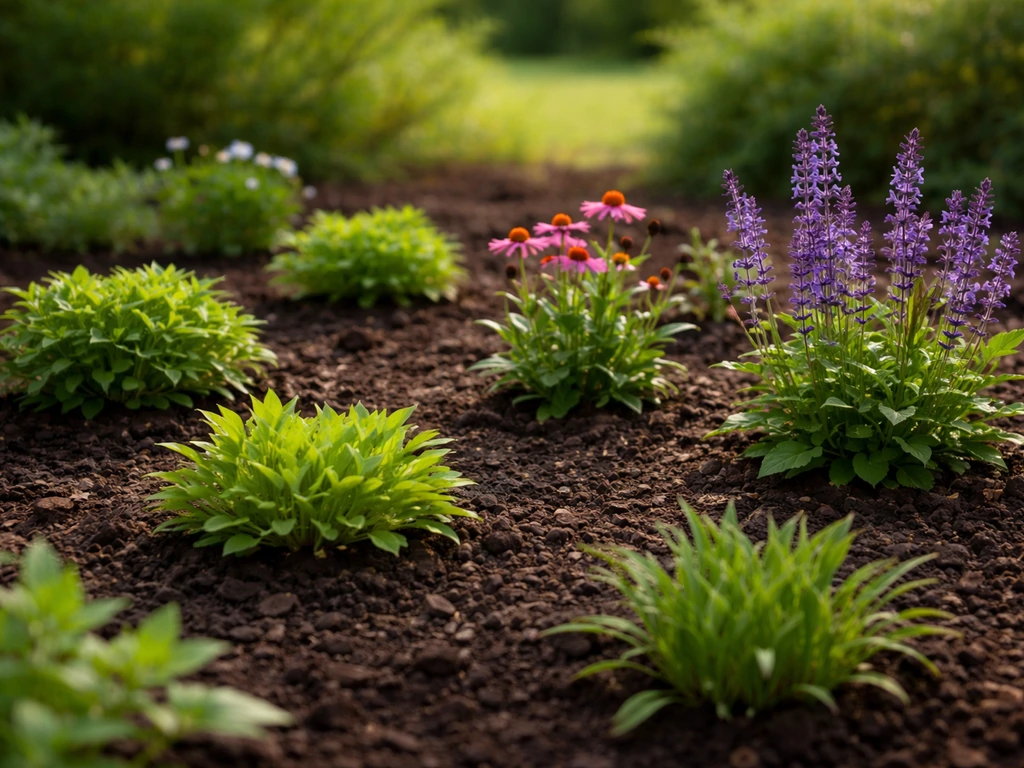
How to Grow Perennial Flowers From Seed to Establishment
Step-by-step guide to grow perennial flowers from seed to established beds, with site prep, timing, care, and troublesho
How to Grow Wildflowers: Step-by-Step Guide for Success
Step-by-step how to grow wildflowers from seed to bloom with site prep, sowing, watering, and troubleshooting for any sp