Growing wildflowers is genuinely one of the most rewarding things you can do in a garden, and it is also one of the most misunderstood. The short answer: scatter seed onto bare, well-drained soil in full sun, keep it lightly raked in, and give it consistent moisture for the first few weeks. But the longer answer is where most people go wrong, and that is what this guide is here to fix. Whether you are working with a narrow border, a backyard patch, or a full field, the principles are the same. Let me walk you through every stage, from choosing your seed to troubleshooting a patch that just will not come up.
How to Grow Wildflowers: Step-by-Step Guide for Success
James Holloway
17 Apr 2026
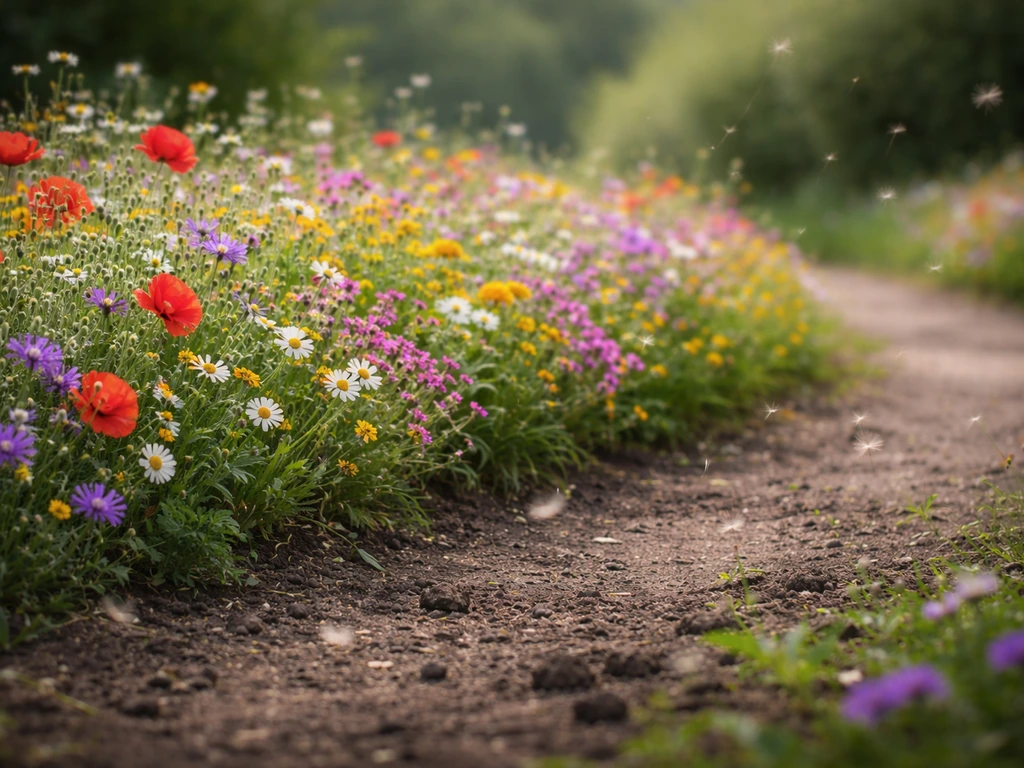
How wildflowers actually grow (seed to bloom)
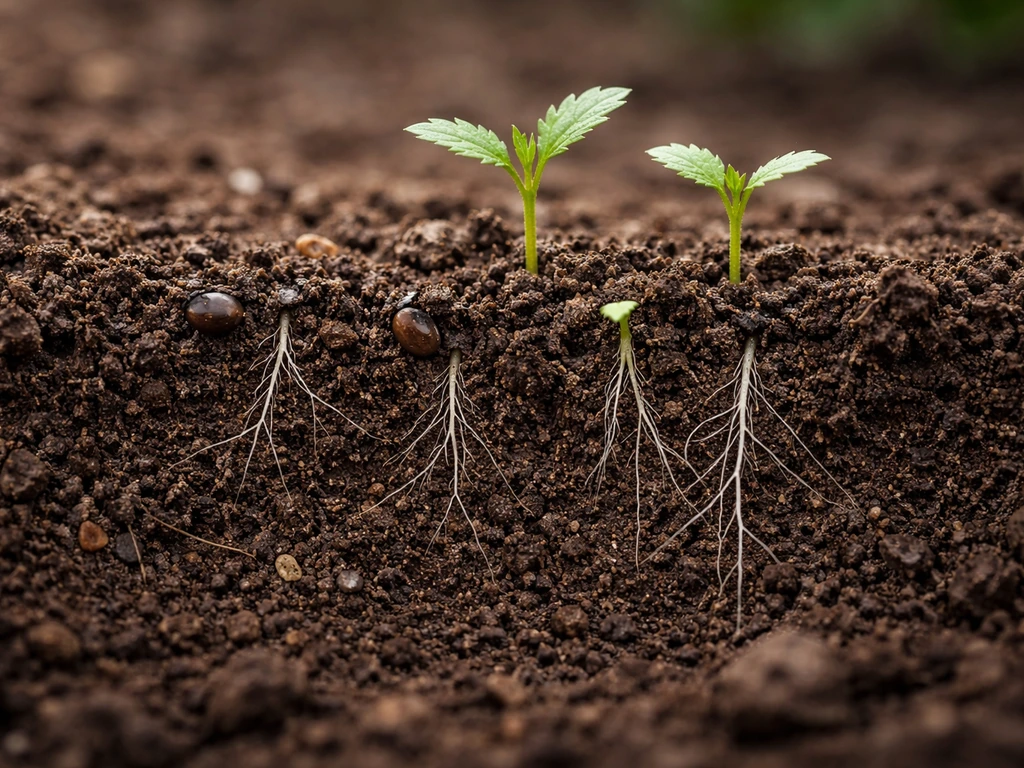
Understanding what happens underground first saves a lot of frustration. Most wildflower seeds germinate within one to four weeks after sowing, but that window depends heavily on species and season. Annual wildflowers like corn poppies, bachelor's buttons, and California poppies are the fast movers. Sow them in spring or fall and many will bloom within 60 to 90 days. Perennial wildflowers are a completely different story. Many of them need a period of cold stratification, basically a winter chill, before they will germinate at all. This is not a failure on your part; it is just how they work.
The bigger mindset shift for anyone planting perennials: year one is mostly about roots, not flowers. In the first growing season, perennial wildflowers put the bulk of their energy into establishing a root system and producing leaves. Blooms are modest or sometimes absent entirely. Year two starts to look like what you imagined. Year three is usually when a well-established planting really hits its stride. UNH Cooperative Extension is blunt about this, noting it typically takes about three years to establish a meadow from seed. Plan for the long game and you will not be disappointed when year one looks a bit weedy and underwhelming.
Some wildflower seeds also have hard seed coats that prevent immediate germination even when conditions are perfect. This is called dormancy, and scarification (nicking or abrading the seed coat) can speed things up for those species. Most commercial wildflower mixes handle this for you, but if you are sourcing native seeds individually, it is worth checking the germination requirements for each species. A mix that includes both annuals and perennials will give you color in year one from the annuals while the perennials are quietly building their root systems below ground.
Picking the right spot and the right mix for your space
Location is where many wildflower projects fail before a single seed is sown. The single most important factor is sunlight. You need at least six hours of direct sun per day for reliable germination and flowering. Less than that and you will get thin, leggy plants that struggle to bloom. If your yard is heavily shaded, wildflowers are the wrong choice; native shade plants will serve you much better. Drainage is the other non-negotiable. Most wildflower species hate sitting in wet soil, and poor drainage is a common but overlooked reason for patchy germination and die-off.
Foot traffic is also worth thinking about before you commit to a spot. Most wildflowers cannot tolerate soil compaction or crushed foliage, so avoid areas where people or pets regularly walk through. A border along a fence, a sunny strip beside a path, or an open corner of the yard where nobody really goes are all ideal candidates.
For a small yard or border planting, a pre-blended wildflower mix sold regionally is your best starting point. Look for mixes labeled for your region (Northeast, Midwest, Pacific Northwest, Southwest, etc.) because they will contain species adapted to your soil and rainfall patterns. For something more structured and long-lasting, you might also want to read about how to grow perennial flowers to complement your wildflower planting with dependable bloomers that come back every year. If you are working in a raised bed, the rules shift slightly because drainage and soil control are easier, and there is a whole separate set of considerations around that approach worth exploring.
For a large field or meadow, regional native mixes are almost always the better investment. They establish more reliably, support local pollinators, and hold up over multiple seasons without replanting. If you are in the UK or working with a more formal meadow layout, the species selection and timing advice differ enough that it is worth looking at a dedicated resource on how to grow a wildflower meadow in the UK for region-specific guidance.
Site prep: the step most people skip
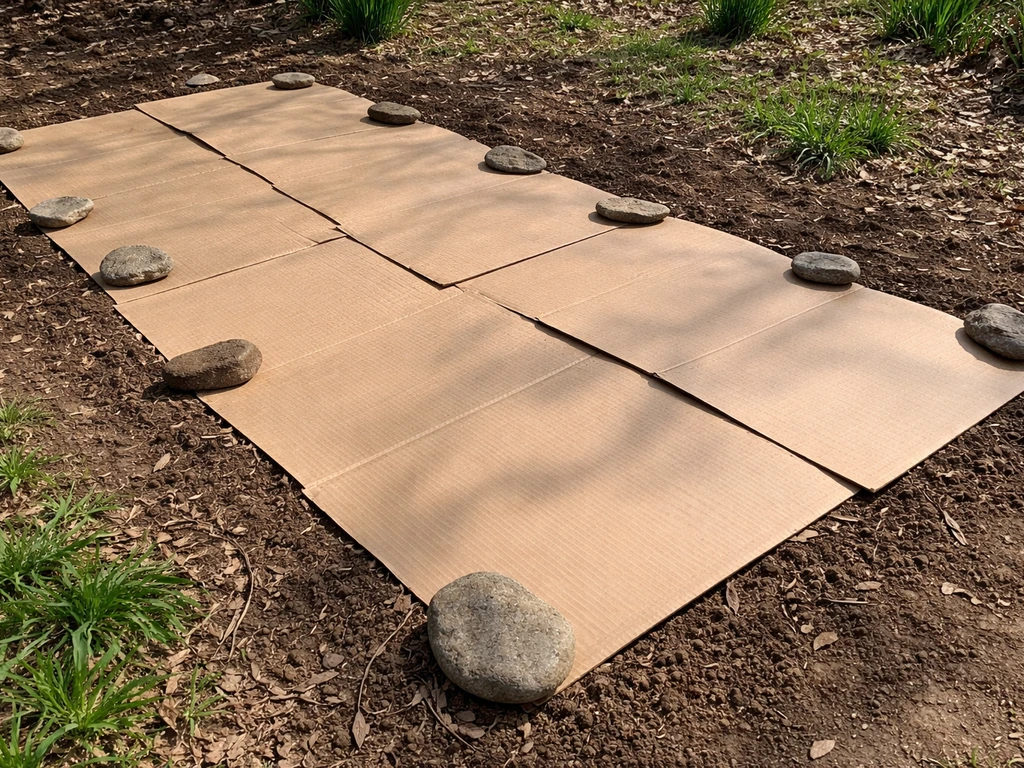
This is the part that separates the people who get a gorgeous wildflower patch from the ones who end up with a weedy mess. Good site prep is not glamorous, but it is the biggest lever you have over the final result.
Clearing the ground without creating new problems
Start by removing existing vegetation. Smother it with cardboard and a thick layer of wood chips for a full season if you have the time, or use repeated shallow cultivation to knock back weeds over several weeks before planting. Here is the trap that catches a lot of gardeners: deep tilling feels productive but it actually brings dormant weed seeds from deeper in the soil up to the surface where they germinate enthusiastically right alongside your wildflowers. If you must till, keep it shallow, no more than two to three inches. University of Delaware Cooperative Extension makes this point clearly, noting that tilling can sharply increase weed pressure during establishment. Do it once and stop.
After clearing, remove loose tree roots, leaf debris, and any cover-crop residues before you sow. You want a clean, firm seedbed, not a fluffy or lumpy one. If you are converting a lawn, consider a solarization approach in summer (clear plastic sheeting left for six to eight weeks kills grass and weed seeds near the surface without deep disturbance). Then rake the area lightly to create a fine, crumbly surface layer.
Soil quality: less is more
Resist the urge to enrich the soil with compost or fertilizer before sowing. Wildflowers, especially native ones, evolved in lean soils. Enriching the soil gives a competitive advantage to weeds and grasses, not to the wildflowers. If your soil has terrible drainage, you can improve the structure with a small amount of sharp sand worked into the top few inches, but do not go overboard. The goal is a well-drained, open-textured seedbed, not a pampered flower border. If you are working with a contained planting, growing wildflowers in a raised bed actually makes this easier because you have direct control over the growing medium from the start.
Sowing wildflower seeds: rates, methods, and timing
When to sow
There are two windows that work well: early spring (once soil is workable and frost risk is dropping) and fall (after summer heat breaks, roughly September through early November, or in cold climates as late as the end of January for a dormant sowing). Fall sowing is worth taking seriously. UNH Cooperative Extension notes that fall seeding can significantly improve germination because seeds get natural cold stratification from winter temperatures and damp soil.
Missouri Department of Conservation recommends sowing native wildflower seed after frost in fall through the end of January, with germination happening the following spring when soil warms. For annuals especially, fall sowing in mild climates gives you an earlier, stronger bloom the following spring than a late spring sowing ever will.
If you are targeting a stunning spring display, Texas A&M AgriLife research points to September, October, or early November as the sweet spot for planting, giving seeds time to settle and establish before winter dormancy kicks in. Annuals sown this way will bloom more quickly in the first year, while perennials will still take until year two or three to really perform.
How much seed to use
Seeding rates vary more than most packets let on. For a typical wildflower mix in a garden setting, rates can range from roughly one pound per acre on the low end (for some native mixes in good conditions) to four to five pounds per acre in most landscape contexts, up to around 13 pounds per acre for a dense, diverse pollinator mix. For a small garden patch, the math works out to roughly a pinch per square foot or whatever the packet recommends for your area. Do not oversow thinking you will get more flowers. You will just get more competition between seedlings.
One practical note on seeding rates: the numbers on a packet assume blank" rel="noopener noreferrer">pure live seed (PLS), which accounts for both seed purity and germination percentage. If your seed has an 80% germination rate and 90% purity, you need slightly more bulk seed to hit the target. TxDOT's planting guidelines cover this conversion clearly, and it is worth understanding if you are ordering seed in bulk for a larger area.
How to actually sow the seed
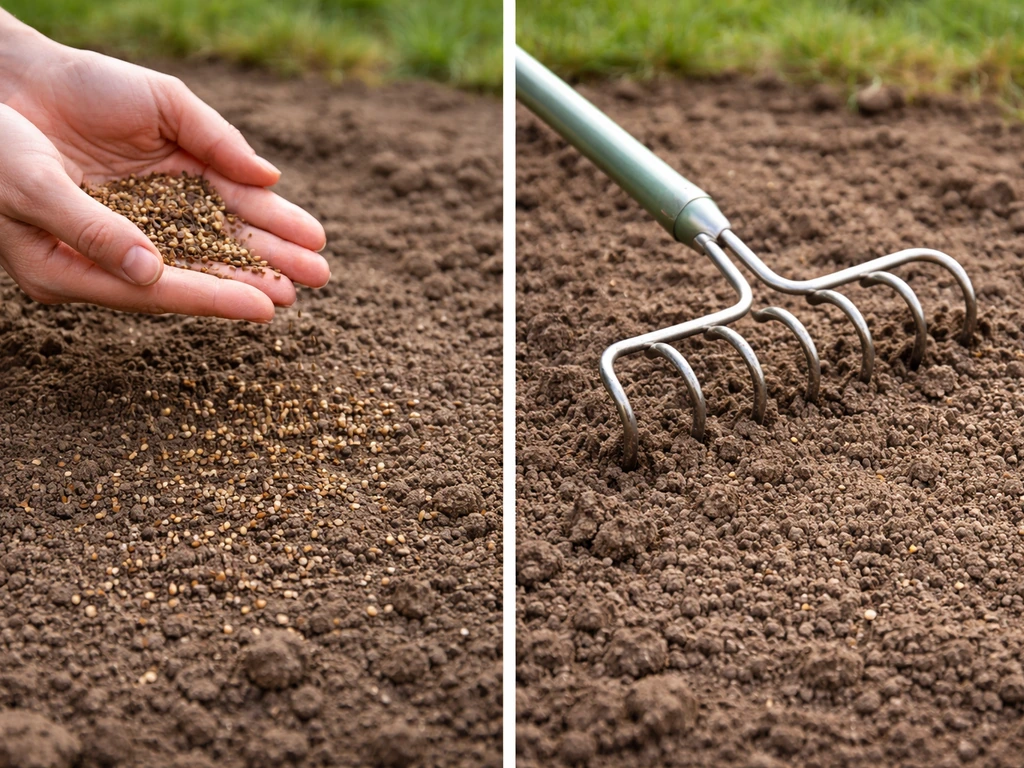
For small areas, hand broadcasting is completely fine. Divide your seed in half and walk the area twice in perpendicular directions to get even coverage. For larger areas, a hand-crank broadcaster or spreader works well, but there is a known issue with tiny wildflower seeds: they settle to the bottom of the hopper and get dispersed unevenly, leaving you with gaps and clumps. UNH Cooperative Extension recommends calibrating your broadcaster with a dry carrier like sand or rice hulls before adding the seed, and then mixing the seed into that carrier. This keeps small seeds evenly distributed and helps you see where you have already sown.
After broadcasting, rake very lightly, no deeper than about one quarter of an inch. Texas A&M AgriLife Extension’s Master Gardener guidance for wildflower seed sowing similarly recommends pressing the seed into the soil surface to improve germination rake very lightly, no deeper than about one quarter of an inch. Wildflower seeds are tiny and burying them deeper than that is one of the most common reasons they fail to germinate.
You are not covering them; you are just pressing them into contact with the soil. After raking, roll or tamp the area firmly to ensure good seed-to-soil contact. Then apply a very light layer of clean straw mulch (not hay, which carries weed seeds) to hold moisture and protect the seeds while they germinate.
Getting your wildflowers to actually take off
Watering in the early weeks
Once sown, consistent moisture is critical for the first three weeks. TxDOT's planting guidance notes that watering is not strictly necessary if you have reliable rainfall, but it will hasten sprouting and improve germination rates noticeably. If you are watering manually, the recommended approach is a good initial watering followed by short, frequent waterings every three days for about three weeks. After that, most established wildflower seedlings are drought-tolerant enough to manage on their own with only occasional supplemental water during dry stretches.
Weed control without losing your wildflowers
This is the hardest part of growing wildflowers, and I will not pretend otherwise. In year one, you will almost certainly have more weeds than wildflowers, and many of those weeds will look exactly like wildflower seedlings to an untrained eye. The honest approach is to let things grow for four to six weeks after sowing, learn to identify your wildflower seedlings by their leaf shape, and then hand-pull the obvious weeds carefully.
If you find this overwhelming, a more structured approach to growing wildflowers without weeds can help you set up the conditions that reduce weed competition before you ever sow a seed. Alternatively, if you need a more controlled start, learning how to grow wildflower plugs can help you establish specific species in the right spots alongside your early weed management.
Avoid hoeing between seedlings in the early weeks. You will either disturb your wildflower seeds or bring up more weed seeds from below. Stick to careful hand-pulling of the largest weeds and focus on preventing them from setting seed. USDA NRCS recommends mowing at a high setting (four to six inches) during the first growing season to prevent weeds from dispersing seed while leaving your wildflower seedlings largely undisturbed below the mower blade.
Thinning and encouraging good growth
If you have overcrowded patches of wildflower seedlings, thin them to three to six inches apart once they have two sets of true leaves. It feels counterintuitive to pull up seedlings you worked to grow, but crowded plants compete for resources and tend to produce fewer flowers. Thinnings from annuals like larkspur or Cosmos can sometimes be transplanted to fill gaps elsewhere in the patch, though they do not always love being moved.
Keeping the blooms going longer
Deadheading and cutting
For annuals, deadheading (removing spent flowers before they set seed) keeps the plant producing new blooms for weeks longer than if you let it go to seed. For a wildflower patch where you want self-seeding for next year, let the last flush of flowers go to seed in late summer. This is especially true for annuals like poppies and cornflowers, which will naturalise and return the following year if allowed to drop seed. Perennial wildflowers generally benefit from cutting back by about one third after the first main flush to encourage a second wave of blooms.
Mulching and seasonal care
Light mulching between established wildflower plants helps retain moisture and suppress weeds without smothering low-growing species. Use straw, shredded leaves, or wood chip at no more than one to two inches deep. In fall, resist the urge to cut everything back to the ground immediately. Many beneficial insects overwinter in hollow stems and seed heads, and birds appreciate the seed. Cut back the previous year's growth in late winter or early spring, just before new growth emerges. This is also when you can topdress with a thin layer of grit or sand if drainage has been an issue.
One important note on multi-year planning: UConn's research on wildflower meadows points out that a mix containing many species may produce a colorful first year but that some species may disappear by year two. This is normal. The species that suit your specific soil and microclimate will self-select and persist; the ones that do not will drop out. Embrace it and fill gaps with plugs of species you know work in your conditions. Speaking of plugs, if you want to fast-track establishment in specific areas, learning about <a data-article-id="18C83EA0-4F10-ACAE-C47BEB0FB1E3">how to grow wildflower plugs is a great companion strategy to direct sowing.
Setting up a wildflower border, patch, or field that actually works
The layout of your wildflower planting affects how manageable and beautiful it stays over time. Here are the practical setup principles that make the biggest difference:
- Define clear edges. A mown grass edge or a simple board/timber edging around a wildflower patch signals that it is intentional, not neglected. This matters for your own peace of mind and for neighbors who might otherwise see it as weeds.
- Build in pathways for larger areas. A mown strip through the middle of a meadow or field lets you access the planting for maintenance, observation, and enjoyment without compacting the planted areas. Mown paths also look great.
- Scale up gradually. Start with a test patch of 10 to 20 square feet before committing to a large area. You will learn a huge amount about your soil and what species thrive in your specific conditions before investing in a larger project.
- Group by type in a mixed border. Plant taller species like rudbeckia, echinacea, and verbena toward the back and shorter annuals like alyssum, poppies, and cornflowers toward the front. Random mixes look great in fields but a border benefits from some structure.
- Plan for succession. Mix early, mid, and late season bloomers so something is always in flower from late spring through first frost. Include grasses in a meadow-style planting to add texture and movement when flowers are between flushes.
For larger field-scale plantings, consider hiring a local ecological landscaper or seed supplier to assess your site before you buy seed. Getting the species mix wrong for your soil type is an expensive mistake at scale. Most native plant nurseries and conservation organizations offer free advice for projects over a certain size.
When wildflowers won't grow: how to diagnose and fix it
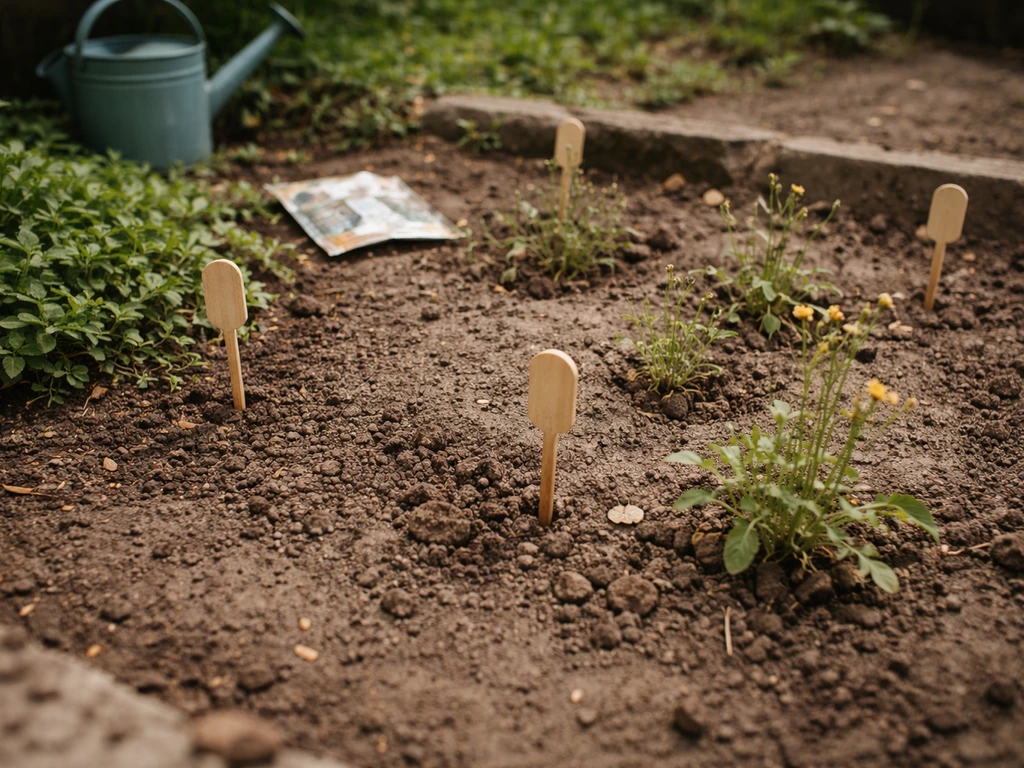
Almost every wildflower failure comes down to one of a handful of problems. Here is a quick diagnostic table to help you figure out what went wrong and what to do about it:
| Symptom | Most Likely Cause | What to Do |
|---|---|---|
| No germination after 4+ weeks | Seeds buried too deep, poor seed-to-soil contact, or soil too wet/cold | Resow on the surface, tamp firmly, wait for soil temps above 50°F |
| Patchy germination with gaps | Uneven sowing or seeds settling in the broadcaster | Use a sand carrier when broadcasting; hand-sow gaps with fresh seed |
| Seedlings appeared then died | Damping off (fungal), drying out, or slug damage | Improve drainage, water less frequently but more deeply, use grit mulch, check for slugs at night |
| Lots of green growth but no flowers (year 1) | Perennials establishing roots, or too much nitrogen in the soil | Be patient; do not fertilize; annuals in the mix should still bloom |
| Overwhelming weed competition | Insufficient site prep or deep tilling before sowing | High-mow at 4 to 6 inches to reduce weed seeding; hand-pull the worst offenders; improve prep for next sowing |
| Plants look healthy but bloom poorly | Insufficient sunlight or soil too rich | Assess whether you have 6+ full sun hours; avoid compost/fertilizer additions |
| Good first year, almost nothing in year 2 | Annuals-only mix without perennials, or perennials that need another year | Add perennial plugs or seeds; plan for a mixed annual and perennial approach going forward |
The most common complaint I hear is some version of 'I scattered the seed and nothing happened.' In almost every case, one of three things went wrong: the seeds were covered too deeply, the soil had too much competition from existing vegetation that was not properly cleared, or the area did not get enough consistent moisture in those critical first three weeks. Go back to the site prep and sowing sections, address whichever issue applies, and try again. A late summer resowing ahead of a fall planting window is often the best recovery move if a spring sowing completely failed.
Wildflowers are more forgiving than most people think once they are established. The challenge is getting them there. Nail the site prep, sow at the right depth, keep the moisture consistent early on, and manage your expectations for year one. Do all that and by year two or three you will have the kind of planting that stops people in their tracks. That is when it gets genuinely addictive.
FAQ
Can I grow wildflowers from the seeds I collect from my existing patch?
Yes, but expect variable results. Collected seed may have uneven germination because maturity timing and dormancy differ by species. Clean and store it cool and dry, then match your sowing window to the species (annuals often work with spring or fall sowing, many perennials need fall sowing or stratification). If you want a predictable mix, buy seed blends or add known perennials as plugs after the first year.
How do I know whether I should scarify seeds or cold-stratify them myself?
Check the seed label or the species’ germination requirements. Scarification is only helpful for seeds with known hard coats. Cold stratification is often needed for perennials that naturally germinate after winter. If you are sowing in fall, many species will receive enough natural chilling, so indoor stratification is usually unnecessary for those mixes.
My yard gets 5 hours of sun instead of 6, will wildflowers still work?
Sometimes, but set expectations lower and choose the right species. If your sun is brief or interrupted by shade, you may get fewer blooms and more leggy growth. If you cannot reach about 6 hours, consider a shade-tolerant native palette instead of classic meadow mixes, or split plantings into the sunniest sections and accept that the shadier parts may underperform.
What’s the best way to prevent birds or rodents from eating the seed?
Use light straw mulch immediately after raking and tamping, it helps hold seed in place and reduces exposure. If you still see heavy loss, consider temporary row cover or netting during the germination window, then remove it once seedlings emerge so plants can grow without restriction.
Can I sow wildflower seed over existing grass without fully removing it?
Usually not. Grass competition and thatch are major reasons for failure. For best results, remove vegetation first, then create a clean, firm seedbed. If you cannot do full clearing, at minimum reduce grass aggressively (repeat shallow disturbance or solarization) so seedlings do not have to compete immediately.
How do I measure correct sowing depth for tiny seeds?
Aim to rake them in until they are just lightly pressed into contact with soil, roughly a quarter inch or less. A simple check is to rake once, then look for many seeds still visible at the surface. If you can’t find them at all after raking, you likely buried them too deeply.
Do I need to fertilize wildflowers if my soil is poor?
Generally no, especially for natives. Wildflowers are adapted to lean conditions, adding fertilizer often boosts grasses and weeds faster than it boosts flowers. If you must amend, focus on drainage and soil structure first (for example, small amounts of sharp sand in the top layer for heavy clay), not on nutrients.
How much watering is too much during the first month?
You want consistent moisture, not saturated soil. Overwatering can cause seed rot and promote moss or algae, particularly in poorly drained spots. Water lightly and frequently at first (short intervals every few days), then reduce once seedlings establish, and always avoid leaving standing water.
Why are weeds coming up at the same time as my wildflowers, and what should I do?
It’s common, and many weed seedlings look similar early on. Wait until you can reliably identify your wildflower seedlings (often after true leaves form), then hand-pull obvious weeds carefully. Avoid hoeing in the early stage, because it can slice roots or disturb buried wildflower seeds.
When should I thin overcrowded seedlings, and can I transplant them?
Thin once seedlings have two sets of true leaves, spacing them about 3 to 6 inches apart. Transplanting thinnings is species-dependent, and many wildflower seedlings do not transplant well. For mixes, it’s often better to let them fill in or topdress gaps with plugs rather than relocating lots of seedlings.
Should I mow or cut wildflowers the first year?
If you have persistent weeds, mowing can help prevent weeds from setting seed. Use a high cut setting (leaving several inches) to minimize disturbance to wildflower seedlings. Do not mow so low that you repeatedly scalp emerging plants.
Do I deadhead wildflowers, and will it stop self-seeding?
Deadheading encourages more blooms for many annuals. If you want next year’s naturalized patch, leave the final flush to go to seed. For mixes, consider deadheading only part of the area so you get both extended flowering and some self-seeding.
When is the right time to cut back perennials and clean up the patch?
Typically, avoid cutting everything back immediately after the growing season. Leave stems and seed heads for overwintering insects and birds, then cut back late winter or early spring just before new growth begins. If drainage has been an issue, that same late-winter timing is a good window for topdressing with a thin layer of grit or sand.
My wildflower mix looks great year one but thins out year two, is something wrong?
Often it’s normal species turnover. Some seeds establish quickly but disappear if they do not match your microclimate or soil. The planting self-selects over time. Refill gaps with plugs of species that performed well in your conditions rather than trying to re-sow the entire patch every year.
How can I fast-track results without starting over?
Use a staged approach. Direct sow for long-term meadow establishment, then add plugs in areas that look sparse after germination and the first flush. This reduces the “weedy year” effect while still letting the meadow mature from seed over time.
Next Articles
Linaria 'Fairy Bouquet' How to Grow: Seed to Cut Flowers
Grow Linaria 'Fairy Bouquet' from seed to vase: step‑by‑step sowing, care, cutting, seed saving & troubleshooting.
Floret How to Grow Ranunculus: Step-by-Step Guide
Step-by-step Floret-style ranunculus guide: corm prep, planting, watering, frost care, troubleshooting, and harvest for
How to Grow Your Own Wedding Flowers Step by Step
Step-by-step guide to grow bouquet-ready wedding flowers, from planning and sowing dates to harvesting, conditioning, an