You can grow wildflowers with dramatically fewer weeds, but you won't get zero weeds forever, and that's okay. The trick is front-loading your effort: kill the weed seedbank before you sow, plant at the right depth and density, then mow strategically through the first season while your wildflowers are finding their feet. Do those three things well and you'll have a wildflower patch that looks natural and abundant, not like an abandoned lot.
How to Grow Wildflowers Without Weeds: Step by Step
James Holloway
21 May 2026
Why weeds always win at first (and what 'weed-free' actually means)
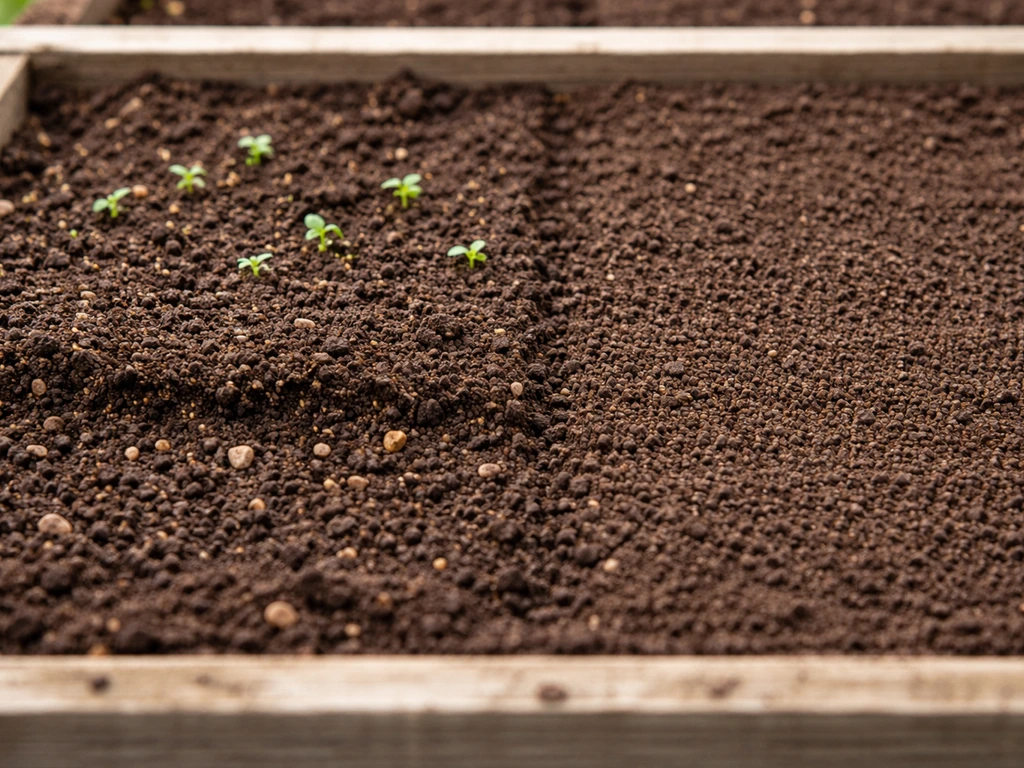
Weeds win because they cheat. They've already banked millions of seeds in your soil from years of previous growth, and most of them germinate faster and grow more aggressively than wildflower seedlings do. A new wildflower seedling in its first year stays small and low, which means it simply can't compete against a vigorous annual weed that's already twice its height by June. That's not a failure on your part, it's just biology.
The seedbank is the real problem. Even if your soil looks clean and weed-free right now, dormant weed seeds are waiting just below the surface. Research from Nevada Extension shows that after just one year without weed control, a seedbank can recover to 90% of its pre-control size. That's why 'near weed-free forever' isn't a realistic goal, but 'weed-light with the right management' absolutely is. The honest framing here is that year one and year two are the hard years. Once your wildflowers fill in and establish strong root systems, they do most of the suppressing work for you.
It's also worth knowing that 'weed-free soil' doesn't equal a low-weed start. Cultivated or tilled soil still carries a deep reserve of dormant seeds, and any digging you do can bring fresh ones up to the germination zone. So the goal isn't to create perfect soil, it's to exhaust the top layer of the seedbank before your wildflowers go in.
Pick the right wildflower mix and plan your site
Not all wildflower mixes are equally weed-competitive. A thoughtfully chosen mix gives you a canopy advantage: plants that fill in quickly and densely shade out weeds from below. Here's what to look for and plan around before you even open a seed packet.
Choosing a mix that competes
Annual wildflower mixes (corn poppies, bachelor's buttons, cosmos, Californian poppies) germinate fast and create a dense canopy in the first season, which is genuinely useful for weed suppression in year one. Perennial-heavy mixes take longer to establish but pay off in years two and three when they crowd weeds out more reliably. A blend of annuals and perennials often gives the best of both: quick coverage this year, long-term persistence later. UNH Extension found that annual and perennial mixes differ significantly in their establishment behavior, so match your mix to your goal. If this is your first wildflower bed, a 70/30 annual-to-perennial split is a forgiving starting point.
Be cautious with budget mixes. Penn State Extension warns that cheap commercial wildflower mixes often have one or two dominant species that crowd out the rest after the first year, which affects not just aesthetics but also canopy competition against weeds. Look for mixes with at least 8 to 10 species and check that they suit your climate. Regional mixes (Northeast, Midwest, Pacific Northwest) tend to establish better than generic national blends.
Sun, soil, and timing
Most wildflower mixes are written for full sun (6+ hours a day). Shade reduces germination rates and weakens establishment, which hands the advantage back to weeds. If your site gets fewer than 4 hours of direct sun, you're working against the seed mix and the weed-suppression goal simultaneously. For shaded sites, a targeted shade wildflower mix or a different planting approach (like wildflower plugs, which are already established plants) is a smarter call.
Soil quality matters less than you might think, and in the counterintuitive direction. Wildflowers evolved in poor, lean soils. Rich, fertile soil actually encourages weeds more than wildflowers, because weeds are better adapted to high-nutrient conditions. Don't add compost or fertilizer to a wildflower bed before seeding. If your soil is very heavy clay, a light surface scratch to improve seed contact is fine, but deep digging is counterproductive because it lifts dormant weed seeds into the germination zone.
For timing, RHS advises sowing in mid-spring (April) or early autumn (September) for best results. In the US, early autumn sowing works well in zones 6 and warmer, letting seeds cold-stratify naturally over winter. Spring sowing (after the last frost in your zone) suits cooler climates. Texas A&M Forest Service notes that some wildflower seeds germinate in 10 to 20 days while others won't emerge until the following spring, so early-season weed competition is always the harder battle regardless of when you sow.
Killing the weed seedbank before you plant
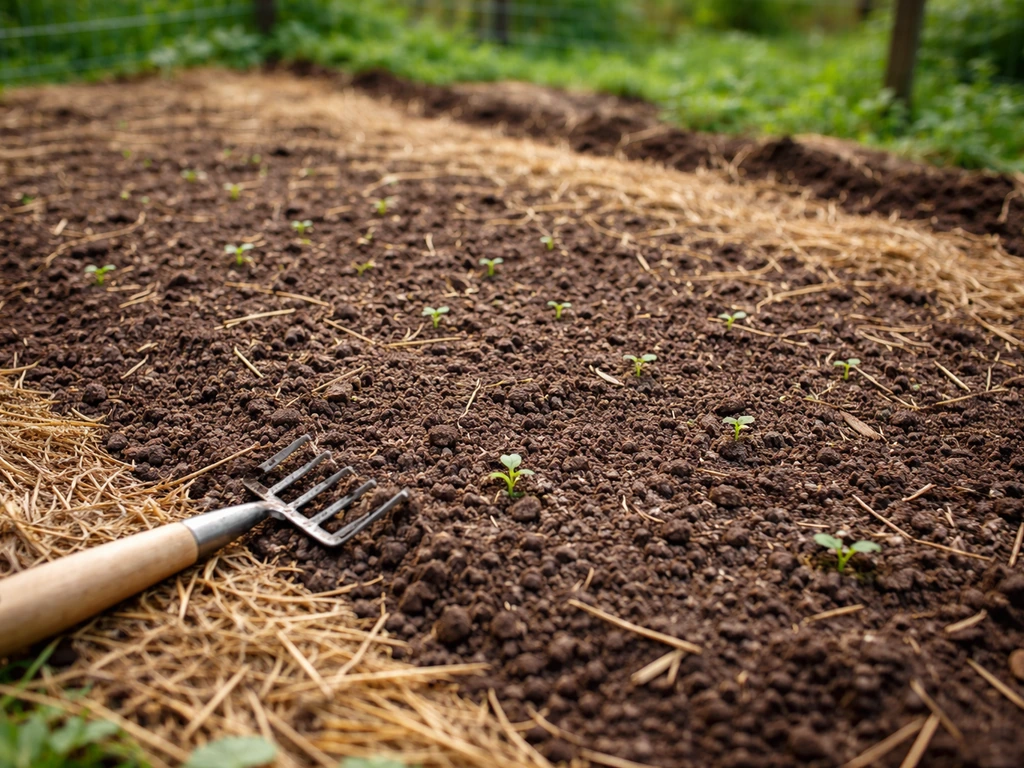
This is the step most people skip, and it's the single biggest reason wildflower beds fail to weeds. Spending a full growing season (or at least 6 to 8 weeks) reducing your weed seedbank before sowing will save you enormous effort in years one and two.
Starting from lawn
Converting lawn to wildflowers is one of the most common starting points, and the dense root mat of established grass makes it tricky. Michigan DNR recommends physically removing the top 3 inches of grass and soil with a sod cutter for larger areas, or a hand shovel for smaller beds. This removes a significant portion of the existing seedbank along with the grass. For a small patch (under 200 square feet), a sharp spade and some weekend effort will do it. For larger areas, renting a sod cutter is genuinely worth it.
Smothering is a slower but effective alternative. Covering the lawn with thick cardboard (overlapping edges by 6 inches), plywood, or black plastic sheeting for one full growing season can kill most of what's underneath, including perennial weeds. Michigan DNR specifically mentions this method as effective for killing many existing plants. UNH Extension backs this up for killing perennial weeds during the summer prior to planting. The downside is time: you're committing one season to prep, then sowing the following one.
Starting from bare or previously cultivated soil
Bare soil looks like a clean slate, but it isn't. UNH Extension is clear that cultivated soil still contains dormant weed seed reserves. The best strategy here is a 'false seedbed' approach: lightly scratch the surface to encourage the first flush of weed seeds to germinate, wait 2 to 3 weeks, then hoe or flame-weed the seedlings without disturbing the soil. This depletes the top layer of the seedbank before your wildflower seeds go in. Repeat this once or twice if you have time. Xerces Society recommends factoring in this kind of delay into your prep timeline for exactly this reason.
Solarization (covering bare soil with clear plastic in summer to heat it) can also kill weed seeds in the top few inches. UNH Extension notes it's most reliable in hot, arid climates and less predictable in northern or cloudy regions. A related approach, occultation (using opaque black plastic), works by encouraging seeds to germinate in dark, moist conditions and then dying from lack of light. University of Minnesota Extension describes both as strategies for eliminating that critical 'first flush' of weed seeds before planting.
Sites with heavy weed pressure
If your site has a significant weed bank from years of neglect, UNH Extension advises treating it as a 'previously vegetated area' and expecting ongoing weed competition even after thorough prep. In this case, two rounds of prep (a full growing season of suppression followed by a second shorter round) before sowing is more realistic. Texas A&M Forest Service notes that applying a non-selective herbicide like glyphosate and repeating if regrowth occurs is part of the standard establishment approach for weedy sites, if you're comfortable using it. For a fully organic approach, repeated occultation or smothering over two seasons achieves a similar result with more time.
Sowing in a way that works against weeds
How you sow matters as much as when. A few technique choices at planting time can significantly tip the balance toward wildflowers.
Seed depth and coverage
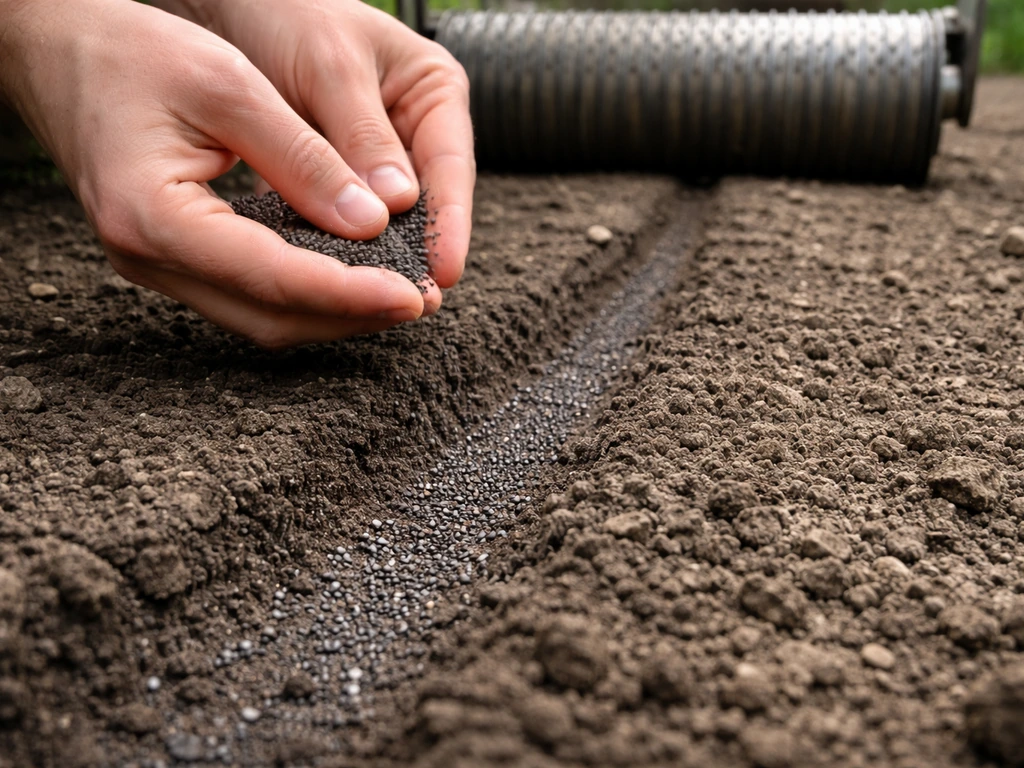
Wildflower seeds are tiny, and most need light to germinate. Xerces Society's installation guide is specific: plant no deeper than 1/4 inch. Burying seed deeper reduces germination rates and wastes your investment. Equally important, avoid deep cultivation at sowing time, because (as the Wildflower Seed and Tool Company warns) deeper digging exposes fresh weed seeds that will germinate alongside your wildflowers and immediately outcompete them.
For seed-to-soil contact (which is critical for germination), use a water-filled roller or cultipacker to gently press seed into the surface after broadcasting. Xerces recommends this method, and rollers are available at most equipment rental shops. On small beds, simply pressing seed in with the back of a rake or walking on a board laid over the seed area works fine.
Seeding rate and coverage
Dense sowing helps choke weeds. UNH Extension recommends a seeding rate of around 0.5 lbs per 1,000 square feet for wildflower mixes. It can help to mix your seed with sand (use a 4:1 ratio of sand to seed) before broadcasting, which helps with even distribution and makes it easier to see where you've sown. Sow in two passes, once north-south and once east-west, for even coverage. Bare patches in coverage equal weed opportunities, so thoroughness matters here.
Watering after sowing
Water gently after sowing and keep the surface consistently moist until germination, which typically takes 10 to 20 days for fast-germinating annuals. RHS advises careful, gentle watering to avoid disturbing delicate seedlings. A fine mist setting on a hose nozzle is ideal. Avoid heavy watering that creates puddles or washes seed into low spots.
First-season maintenance: the weed-control window that matters most
The first growing season is when weed management is most critical and also most difficult, because your wildflower seedlings and weed seedlings look almost identical at first. Iowa State Extension is blunt about it: even a weed-free start can see serious weed encroachment in the first year or two. This is normal. The goal isn't perfection, it's keeping weeds from completely overwhelming your seedlings.
Learn what's a weed and what's a wildflower
Before you pull or mow anything, learn to identify your seedlings. Both Xerces Society and UNH Extension flag this as a common pitfall: young weed and wildflower seedlings look remarkably similar. If you got a seed mix with a species list, look up photos of each species at the cotyledon (first leaf) stage. Taping a printed reference card near the bed isn't a bad idea in the first few weeks.
Mowing as your main weed tool
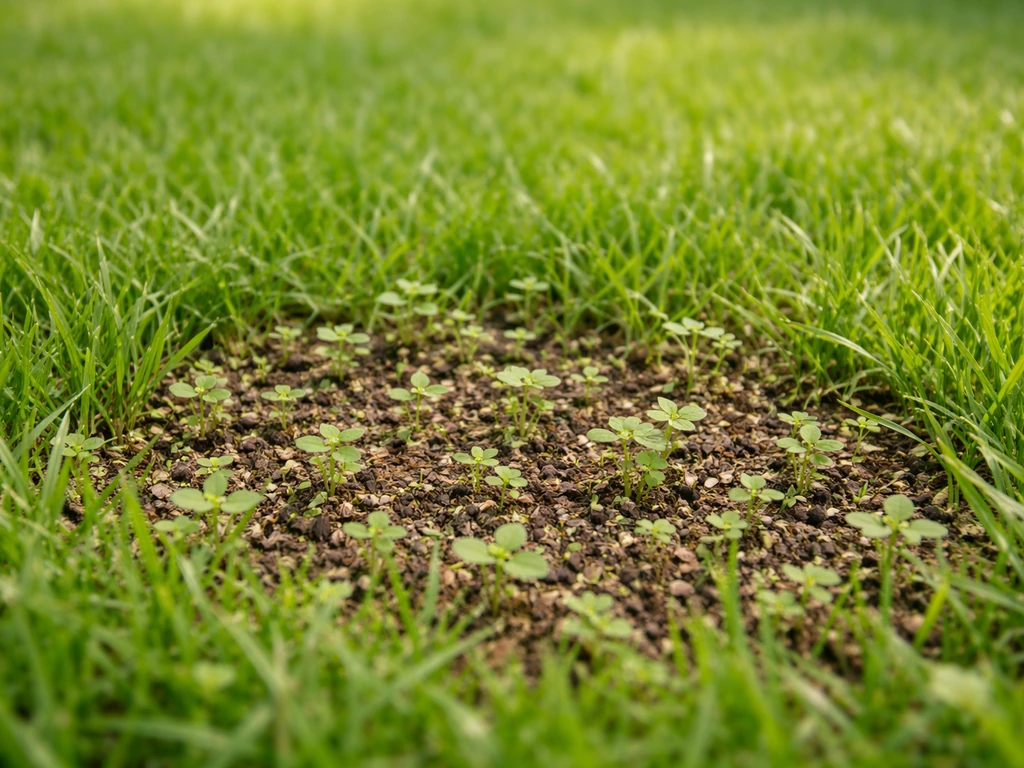
Mowing is the most practical and effective first-year weed management tool. The principle is simple: weeds grow faster than wildflower seedlings in early stages, so mowing cuts weeds back before they shade out or set seed on your wildflowers, while the slower-growing wildflowers recover and keep establishing below. University of Delaware Extension recommends mowing to a height of 6 to 12 inches during first-year establishment. The Natural History Museum (UK) advises mowing to about 7 cm (roughly 3 inches) every 6 to 8 weeks in year one to control vigorous species and encourage root development.
Don't mow lower than this. Scalping the ground damages establishing wildflower seedlings. The RHS notes that regular mowing in the first year actually encourages strong root growth in perennial flowers and grasses, which sets them up to suppress weeds more effectively in later years. University of Delaware Extension also notes that if spring growth is especially vigorous and weedy, a second mow in mid-June won't hurt fall flowering.
One warning: UNH Extension flags crabgrass as a particularly tough first-year problem. A thick blanket of crabgrass can smother germinating wildflowers, and mowing alone isn't enough to manage it if it's established. If crabgrass is a known problem on your site, consider a pre-emergent treatment (carefully timed before your wildflower seed germinates) or hand-pulling it aggressively before it gets a foothold.
Hand-weeding and spot control
For patches where specific weeds are getting ahead, hand-pulling is your best option. Focus on any weed that's setting seed (pull it before the seed heads open) and on any weed clearly larger than the surrounding wildflowers. The aftercare principle from the Wildflower Aftercare guide is to eliminate fast-establishing annual weeds in the early establishment period, before they outcompete your seedlings and set seed into your newly reduced seedbank.
Ongoing management once wildflowers fill in
Once your wildflowers are established (typically from mid-year two onward for perennial mixes, and end of year one for annuals), management becomes much less demanding. This is the payoff for all that first-year work.
For perennial wildflower patches, the Natural History Museum recommends mowing until early April in subsequent years, then leaving the bed alone until after peak flowering so wildflowers can set seed. After seed set, a late-season cut and removal of cuttings (to avoid enriching the soil) keeps the site lean and weed-resistant. Removing cuttings is important: leaving them to decompose adds nutrients that favor weeds over wildflowers.
Annual wildflower beds need re-sowing each year, but after thorough first-year prep, subsequent years require much less site preparation because your seedbank is already depleted. Many annual wildflowers (poppies, nigella, cornflowers) self-seed freely, which means re-sowing becomes optional if you allow seed heads to mature and drop before cutting back.
Spot-weeding remains part of ongoing management. Walk the bed once a month and pull any perennial weeds (dandelions, docks, thistles) before they establish deep taproots. Small and consistent beats large and occasional here. For cutting flowers to bring indoors, cut stems that are just opening and the resulting die-back often triggers reblooming, which keeps canopy dense and continues suppressing weeds through summer.
A quick decision guide based on your starting point
| Starting situation | Main challenge | Best approach |
|---|---|---|
| Established lawn | Dense root mat, grass seedbank | Remove 3 inches of sod or smother for a full season before sowing |
| Bare/previously cultivated soil | Dormant weed seedbank throughout | False seedbed: scratch, wait 2–3 weeks, kill first flush, then sow |
| Heavy weed pressure (neglected site) | Large seedbank, perennial weeds | Two seasons of prep (smothering or repeated occultation) before sowing |
| Previously prepped bare soil (low weed pressure) | Residual seeds, fast annual weeds | Sow densely, mow at 6–12 inches in year one, spot-weed |
| Shaded site (under 4 hours sun) | Weakened wildflower germination | Use a shade-specific mix or wildflower plugs instead of seed |
| Arid or dry climate | Different weed species, dry soil | Solarization is more reliable; consider grass-first establishment approach |
Troubleshooting: what to do when things go wrong
Seeds not germinating
If you're not seeing germination after 3 to 4 weeks, check for two things first: seed-to-soil contact and moisture. If the surface dried out after sowing, germination stalls. Wildflower seeds need consistent moisture to germinate. Redo gentle watering daily if conditions have been dry. If seeds were buried deeper than 1/4 inch during soil prep or rolling, germination rates drop sharply. Some perennial species genuinely won't germinate until the following spring, especially if sown in autumn, so patience is warranted there.
Weeds swamping early seedlings
If annual weeds are outpacing your wildflowers in the first 4 to 6 weeks, mow immediately to 6 to 8 inches. Don't wait. Naturescape's guidance is direct: if management isn't carried out in the first season, annual weeds will swamp new wildflower plants and the planting fails. A timely mow will set weeds back without damaging emerging wildflowers, as long as you don't go lower than 6 inches. Hand-pull anything notably larger than its neighbors.
Bare patches mid-season
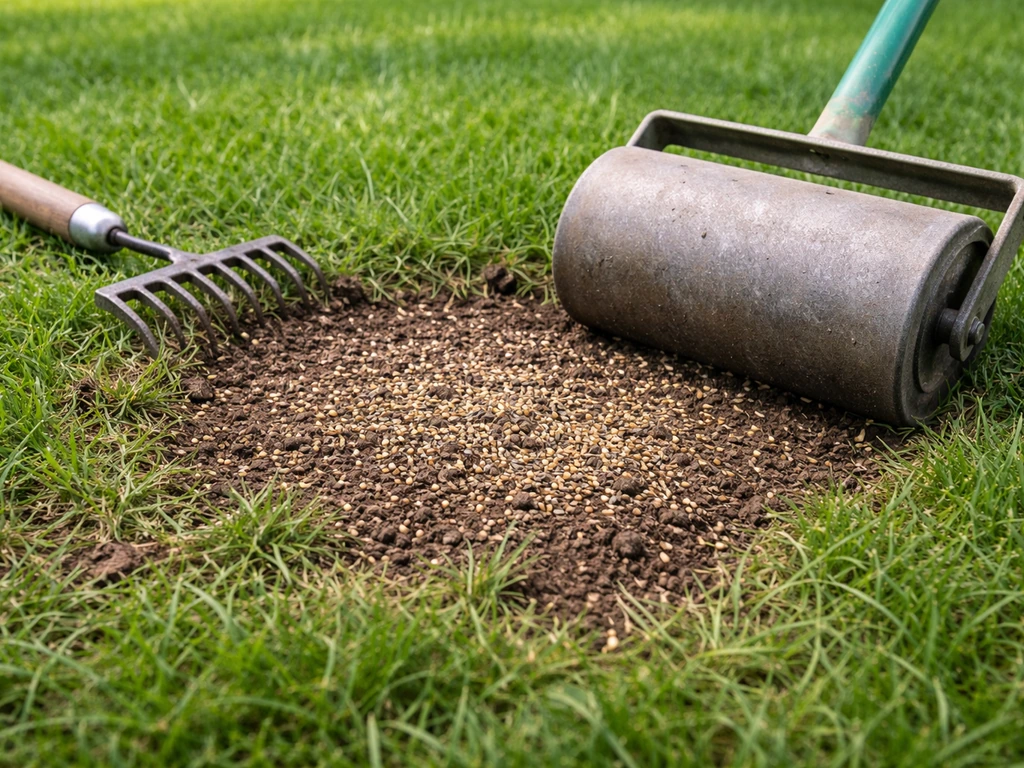
Bare patches are weed invitations. If you spot gaps opening up, don't wait until autumn to address them. Scratch the bare surface lightly, add seed from the same mix, press it in, and water. A small bare patch filled in July will still contribute to canopy cover and seed set before the end of the season, and it denies weeds an easy foothold.
One species taking over
Penn State Extension notes that one dominant species crowding out others is a common problem with commercial mixes. If this happens, it often reflects a species that's highly adapted to your specific soil and climate conditions. Rather than fighting it, you can supplement by hand-sowing seeds of the species you want more of into thin spots. Over time, selectively spot-weeding the dominant species can restore balance. See this as a refinement process, not a failure.
First-year bloom disappointment
UConn Extension notes that some wildflower species may not persist or may not bloom strongly in year one, particularly perennials. If your first year looks sparse or mostly green, that's often the perennial species building root systems underground. The colorful bloom year for perennials is usually year two. Annual species in the mix should bloom in year one; if they didn't, soil temperature at sowing time may have been too low, or germination conditions weren't right. Resowing the annual portion of the mix in spring while leaving perennial seedlings undisturbed is a good fix.
The bottom line is that growing wildflowers without weeds taking over is genuinely achievable, but it's a process rather than a single action. Front-load the effort in site prep, sow at the right depth and density, mow through year one, and you'll find that by year two your wildflowers are doing most of the work for you.
If you're in the UK, the same principles apply but the timing and local advice can differ, so check UK-specific guidance for your sowing window Front-load the effort in site prep. Every season you get better at reading the bed, identifying the seedlings, and timing your interventions. That knowledge builds quickly, and a year from now you'll be the person confidently giving this advice to someone else.
The same weed-light strategy also works well when you set up your wildflowers in a raised bed instead of planting directly in the ground raised beds.
FAQ
How can I tell if I’m watering correctly right after sowing?
Use a known-size, wide nozzle rather than a strong stream, and water in short cycles so the surface stays evenly moist but never muddy. If you see tiny seedlings washing or seed pooling in low spots, pause and switch to misting until the surface firms up again.
Can I use a lawn roller after broadcasting wildflower seed, or will it bury the seed?
Yes, in many cases you can, but you still want to preserve seed-to-soil contact. Wait until the day after sowing to avoid dislodging seed, then use the gentlest setting that will not create runoff, and plan on re-pressing only if you notice bare, raised, or exposed seed areas.
What’s the safest way to fix bare spots without increasing weeds?
If your goal is fewer weeds, avoid repeated soil disturbance during weeding. For gaps, do spot scratching only, add a small amount of seed from your existing mix, press lightly, and water. A full-bed rake-down or hoeing usually brings up more seedbank and makes weeds worse.
What if nothing comes up after 4 weeks, is my seed bad?
Many mixes will germinate unevenly, so treat “no germination” as a timing problem until you’ve confirmed moisture and depth. After 3 to 4 weeks, check a small test area you marked at sowing time, then wait another few weeks for late-germinating species, especially perennials.
Can I just weed the bed aggressively in the first month to prevent problems later?
Raking, hoeing, or pulling soil during early establishment often reintroduces weed seeds. Instead, identify seedlings, mow at the recommended height, and hand-pull only the clearest offenders that are setting seed or are visibly larger. Think “selective removal,” not “clean sweep.”
Will lower seeding rates help wildflowers compete better, or does it backfire?
No, and in a weed-light strategy, thicker early coverage is usually your friend. Use the recommended seeding density and sow in two directions so you avoid thin lanes. Thin sowing leaves more light and space for weeds before wildflowers form a canopy.
How do I know whether I need one season of prep or two before sowing?
For a previously weedy site, plan on at least one full prep season plus a second round if regrowth or a heavy seedbank is expected. If you skip the second round, your first-year mowing may control some weeds but seedbank recovery can still push a second wave.
What should I do differently if crabgrass is a problem in my yard?
Crabgrass is the big “edge case” where mowing alone often fails because seedlings and stolons can persist under cutting. If crabgrass is established or you see it already creeping in, consider an appropriate pre-emergent timing for your local conditions or a more intensive hand-removal before it seeds.
Why is converting a lawn to wildflowers harder than planting on bare soil, even if I suppress weeds?
Dense root mats from turf reduce weed germination but also make it harder for wildflower seeds to make consistent contact. That’s why sod removal or smothering prep matters, then the key at sowing time is gentle surface pressing so seed is in contact with the soil, not stuck in grass residue.
When should I mow a second time in year one, and how low is too low?
Mowing schedule depends on growth speed and weed pressure, but don’t treat mowing height as optional. A second mow is appropriate if spring growth is vigorous and weedy, just keep cutting no lower than the first-year target height to avoid damaging establishing seedlings.
My mix bloomed poorly in year one, should I worry or adjust?
If your first year is mostly green with limited blooms, confirm whether you planted a perennial-heavy mix. Many perennials focus on root establishment first, so judge success by emergence density and plant stability, not just flowers. For annual portions that didn’t bloom, the fix is often resowing in spring after adjusting sowing temperature and moisture management.
Is it okay to use herbicides during establishment to reduce weeds faster?
You can spot-treat, but avoid products or timing that kill your wildflower seedlings or prevent regrowth at the wrong stage. In a weed-suppression setup, use herbicides only as part of a planned prep window and verify label guidance for your species and life stage, otherwise you risk creating fresh bare soil that weeds immediately exploit.
Would using wildflower plugs help me get fewer weeds than starting from seed?
Yes, especially for shaded or difficult sites. Plugs are already established, so they tolerate mowing and competition better than seeds early on, and you still apply the same weed-light principle by avoiding soil disturbance around plugs.
Next Articles
How to Grow Perennial Flowers From Seed to Establishment
Step-by-step guide to grow perennial flowers from seed to established beds, with site prep, timing, care, and troublesho
How to Grow Wildflowers: Step-by-Step Guide for Success
Step-by-step how to grow wildflowers from seed to bloom with site prep, sowing, watering, and troubleshooting for any sp
Floret How to Grow Ranunculus: Step-by-Step Guide
Step-by-step Floret-style ranunculus guide: corm prep, planting, watering, frost care, troubleshooting, and harvest for