
The shoe flower plant is Hibiscus rosa-sinensis, the tropical Chinese hibiscus also known as the shoeblack plant. If you want to scale up your results and aim for consistent blooms, learn how to grow million flower and build the right conditions Hibiscus rosa-sinensis. It grows best in full sun, warm temperatures above 60°F (15°C), and well-draining fertile soil. For most home gardeners, cuttings are the fastest and most reliable way to get blooms, but you can absolutely start from seed if you're patient. Either way, this guide walks you through every step, from choosing your method to getting those dinner-plate-sized flowers to open reliably season after season.
How to Grow Shoe Flower Plant From Seed to Bloom

James Holloway
20 Jun 2026
What exactly is a shoe flower plant?
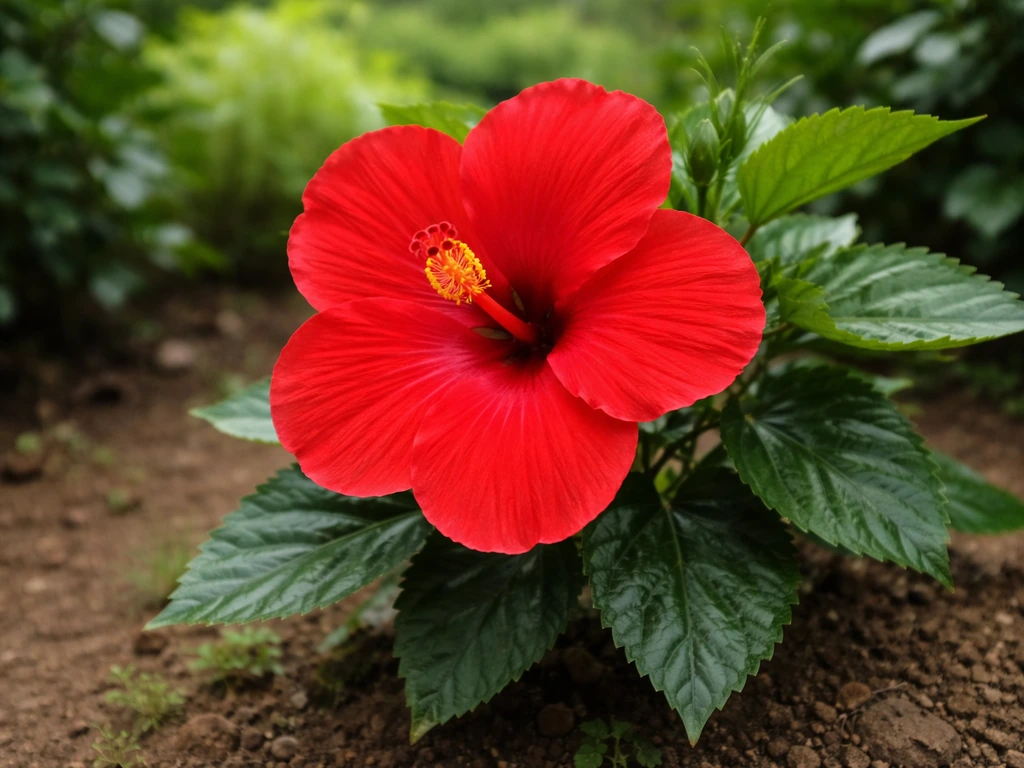
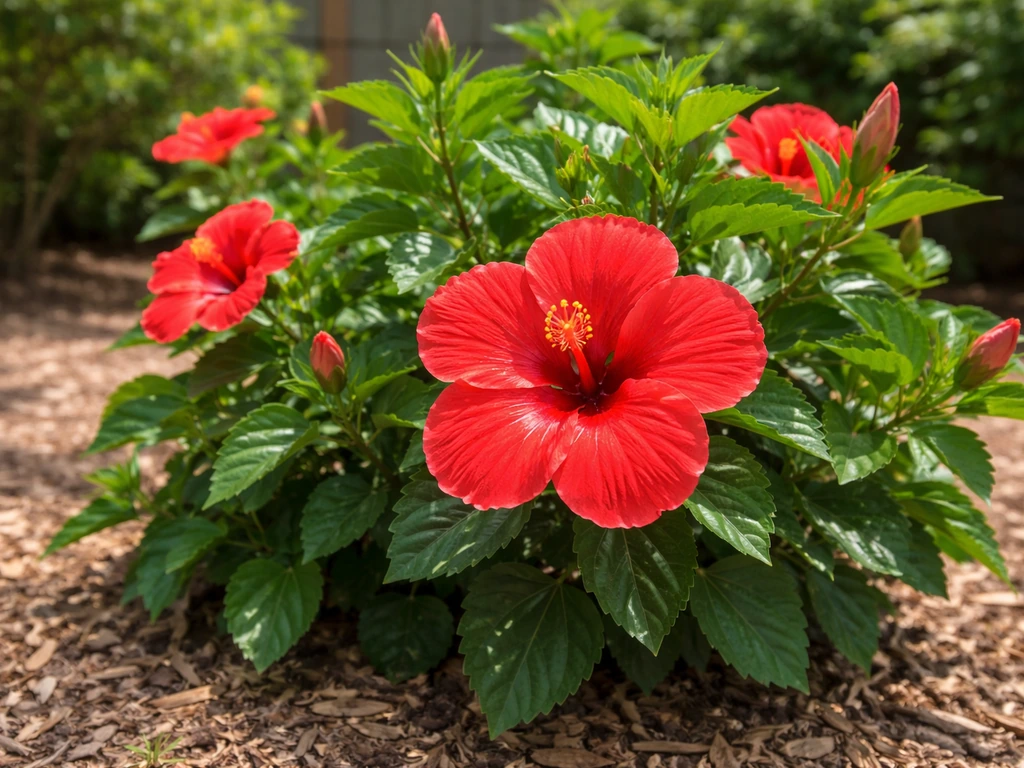
"Shoe flower" is one of those common names that causes real confusion, so it's worth nailing down the right plant before you buy seeds or cuttings. The name most commonly refers to Hibiscus rosa-sinensis, a tropical hibiscus native to East Asia. In parts of India and Southeast Asia it's called the shoeblack plant because the crushed flowers were historically used to polish shoes. You'll also hear it called Chinese hibiscus, Hawaiian hibiscus, or kembang sepatu in Indonesian. The flowers are large, bold, and funnel-shaped, typically in red, orange, yellow, pink, or white, with that characteristic long staminal column sticking out from the center.
The name "shoe flower" is occasionally applied to other hibiscus relatives too, most notably Hibiscus moscheutos, the hardy swamp rose-mallow. That one is a North American native perennial that dies back to the ground in winter and can survive in zones 4 through 9. The flowers are equally dramatic, but the care is quite different. If you're in a cold climate and want a plant that comes back every year without being brought indoors, Hibiscus moscheutos might actually be the better fit. This guide focuses primarily on Hibiscus rosa-sinensis, since that's what most people searching for "shoe flower" are after, but I'll flag where the two species diverge.
Seed, cutting, or transplant, which growing method should you choose?
This is the most important decision you'll make upfront, and the honest answer is: cuttings win for most people. A cutting from a healthy parent plant roots within 4 to 6 weeks, keeps all the characteristics of the original variety (color, form, flower size), and blooms in the same season. Seeds are slower, less predictable, and the offspring of hybrid varieties won't come true to the parent. That said, seeds are genuinely fun to experiment with, and if you're working with straight species plants or open-pollinated varieties, the results can be brilliant.
| Method | Time to First Bloom | Difficulty | Best For |
|---|---|---|---|
| Seeds | 6 to 12 months | Moderate | Experimenting with new varieties, species hibiscus |
| Stem cuttings | 3 to 5 months | Easy | Replicating a favorite plant, faster results |
| Transplants (nursery starts) | 4 to 8 weeks after planting | Very easy | Beginners who want blooms quickly |
My recommendation: if this is your first shoe flower plant, buy a nursery transplant or take a cutting from a friend's plant. Once you've got one growing well and you understand how the plant behaves, then try growing from seed the following season. It takes the pressure off and means you'll still have flowers to enjoy while you're experimenting.
Light, temperature, and soil: setting up the right environment
Hibiscus rosa-sinensis is a sun lover. It performs best in full sun, which means at least 6 hours of direct sunlight daily. The Smithsonian Gardens notes it will tolerate light shade, but in my experience shaded plants produce noticeably fewer flowers and tend to get leggy. If you're growing it indoors or on a porch, put it in the brightest spot you have, ideally a south- or west-facing window or a position that catches afternoon sun.
Temperature is non-negotiable for this plant. Hibiscus rosa-sinensis is a true tropical. It wants daytime temperatures between 65°F and 95°F (18°C to 35°C) and struggles below 50°F (10°C). Frost kills it outright. In USDA zones 9 through 11 you can grow it outdoors year-round. In zones 4 through 8, treat it as a container plant that you bring indoors before the first frost, or grow it as an annual for the warm season.
For soil, you want something well-draining but moisture-retentive, with a slightly acidic to neutral pH of around 6.0 to 7.0. A standard potting mix with some added perlite (about 20 to 30 percent by volume) works well in containers. In garden beds, amend heavy clay with compost and coarse grit before planting. Hibiscus roots hate sitting in waterlogged soil, and that's probably the single most common reason plants fail to thrive.
Step-by-step planting schedule
Growing from seed indoors
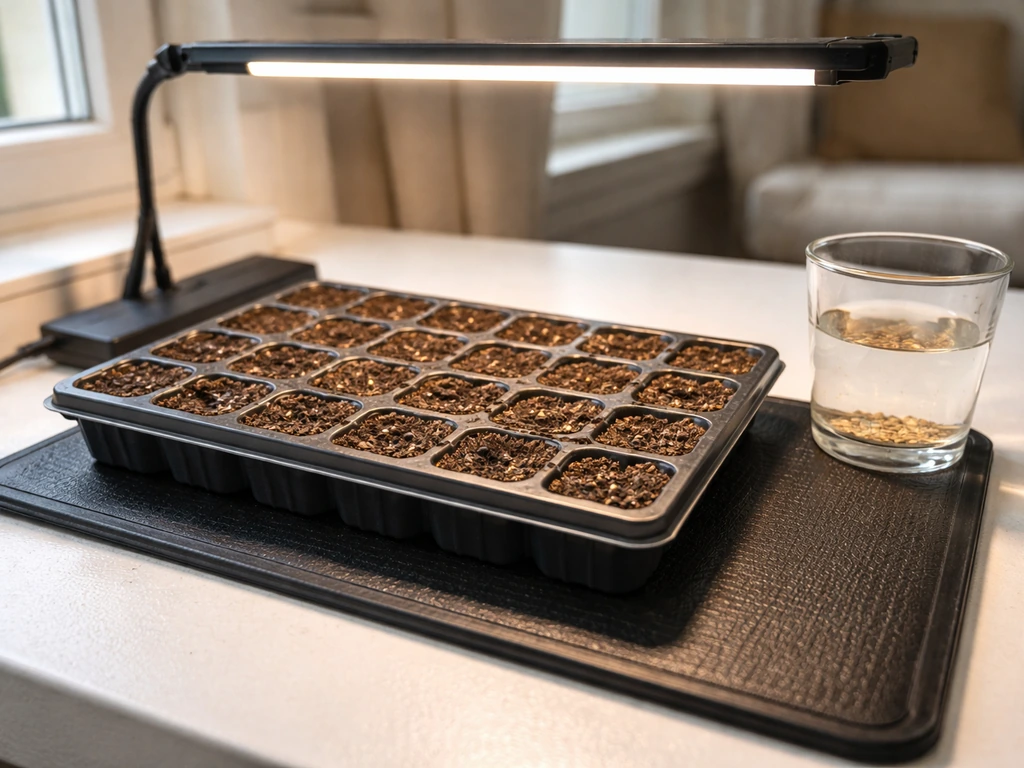
- Start seeds indoors 10 to 12 weeks before your last expected frost date. For most of the US, that puts indoor sowing in January through March.
- Soak seeds in warm water for 8 to 24 hours before sowing. The seed coat is hard, and pre-soaking dramatically improves germination rates.
- Sow seeds about 1/4 inch (6mm) deep in a seed-starting mix. Use small individual cells or a shallow tray.
- Keep the growing medium consistently moist but not waterlogged. Cover the tray with a clear plastic dome or plastic wrap to hold humidity.
- Maintain a soil temperature of 75°F to 85°F (24°C to 29°C) using a heat mat. Without bottom heat, germination is slow and patchy.
- Expect germination in 7 to 14 days at the right temperature. Remove the cover once seedlings emerge.
- Place seedlings under grow lights for 14 to 16 hours per day, or in the brightest window available. Thin to one seedling per cell once the first true leaves appear.
- Pot up into 3- to 4-inch containers when seedlings have 3 to 4 true leaves.
- Harden off outdoors over 10 to 14 days once nighttime temperatures stay consistently above 55°F (13°C).
- Transplant to final containers or garden beds after hardening off is complete.
Taking cuttings
- Take cuttings in late spring or early summer from healthy, actively growing stems.
- Cut a 4- to 6-inch (10 to 15cm) stem tip just below a leaf node. Remove the lower leaves, leaving 2 to 3 leaves at the tip.
- Dip the cut end in rooting hormone powder or gel, tapping off any excess.
- Insert the cutting into a small pot filled with a 50/50 mix of perlite and peat-free compost.
- Water gently and cover loosely with a clear plastic bag to create humidity. Keep out of direct sun.
- Check for roots after 4 weeks by gently tugging the cutting. Resistance means roots have formed.
- Once rooted, move to a bright location and begin normal care.
Planting nursery transplants outdoors
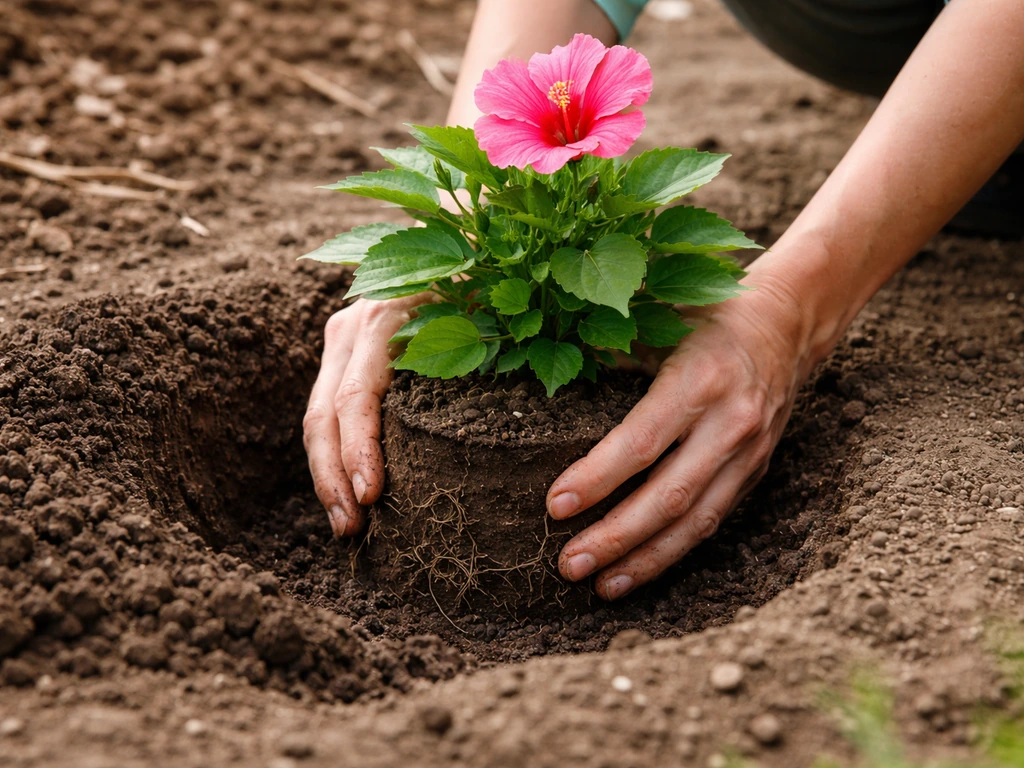
Wait until nighttime temperatures are reliably above 55°F (13°C) and all frost risk has passed. Dig a hole twice as wide as the root ball and the same depth. Set the plant so the top of the root ball sits level with the surrounding soil, firm in, water well, and mulch around the base with 2 to 3 inches of organic mulch, keeping it away from the stem.
Watering, fertilizing, and feeding for blooms
Hibiscus rosa-sinensis is a thirsty plant in active growth. Water deeply and consistently, letting the top inch of soil dry out slightly between waterings rather than keeping it constantly wet. In hot summer weather, container plants may need watering daily. In cooler conditions or winter (if overwintering indoors), cut back to once or twice a week and let the soil dry out a bit more between sessions.
Feeding is where a lot of gardeners either underdo it or overdo it in the wrong direction. Hibiscus is a heavy feeder, but it needs the right nutrients. High-potassium fertilizers encourage flowering. Avoid fertilizers with excessive phosphorus, which can actually inhibit blooming in hibiscus. A good approach is a balanced slow-release granular fertilizer (like a 10-10-10) worked into the soil at planting, plus regular liquid feeds of a high-potassium fertilizer (such as a tomato feed at half strength) every 2 weeks during the growing season. In winter, stop feeding entirely or drop to once a month at most.
One thing worth knowing: hibiscus leaves will yellow if they're getting too much or too little of certain nutrients. Iron deficiency causes yellowing between the veins (interveinal chlorosis) and is common in alkaline soils or when roots are waterlogged. A chelated iron supplement fixes this quickly. Nitrogen deficiency causes general pale yellowing and slow growth, fixed with a balanced feed.
Keeping your shoe flower plant healthy as it grows
Pruning and shaping
Prune shoe flower plants in early spring before new growth kicks off. Cut stems back by about one-third to one-half to encourage bushy, compact growth and more flowering stems. Without pruning, hibiscus tends to get leggy over time with flowers only at the tips of long bare stems. Pinching out growing tips in the first few months of growth on a young plant also encourages branching. Don't be afraid of cutting it back hard if it's gotten out of control. Hibiscus recovers well from aggressive pruning. Once you get the pruning routine down, you can use the same overall care to learn how to grow scented stocks for fragrant blooms.
Deadheading
Individual hibiscus flowers only last one to three days, but the plant produces them in a continuous flush through the warm months. Deadheading spent flowers (removing them as soon as they drop or wilt) keeps the plant tidy and channels energy into producing the next round of buds. This is especially important if you want the plant to keep blooming rather than setting seed.
Staking
Young shoe flower plants with lots of top growth and a weak root system can topple in wind or heavy rain. A simple bamboo cane tied loosely to the main stem solves this until the plant establishes. Mature, well-pruned plants are generally sturdy enough without support.
Pests and disease
The most common pests on Hibiscus rosa-sinensis are aphids, whitefly, spider mites, and mealybugs. All of these tend to show up when plants are stressed (usually by drought or being kept indoors with low humidity). Check the undersides of leaves regularly. Aphids and whitefly respond well to insecticidal soap spray or a strong blast of water. Spider mites are a sign of dry conditions, so increasing humidity with misting or a pebble tray helps prevention. Mealybugs are trickier: dab them with a cotton swab dipped in rubbing alcohol for small infestations, or use neem oil spray for larger ones.
Disease-wise, watch for root rot (caused by overwatering and poor drainage) and botrytis (grey mold in humid, cool conditions). Both are mostly preventable with good watering habits and adequate air circulation around the plant.
Troubleshooting: what to do when things go wrong
| Problem | Likely Cause | Fix |
|---|---|---|
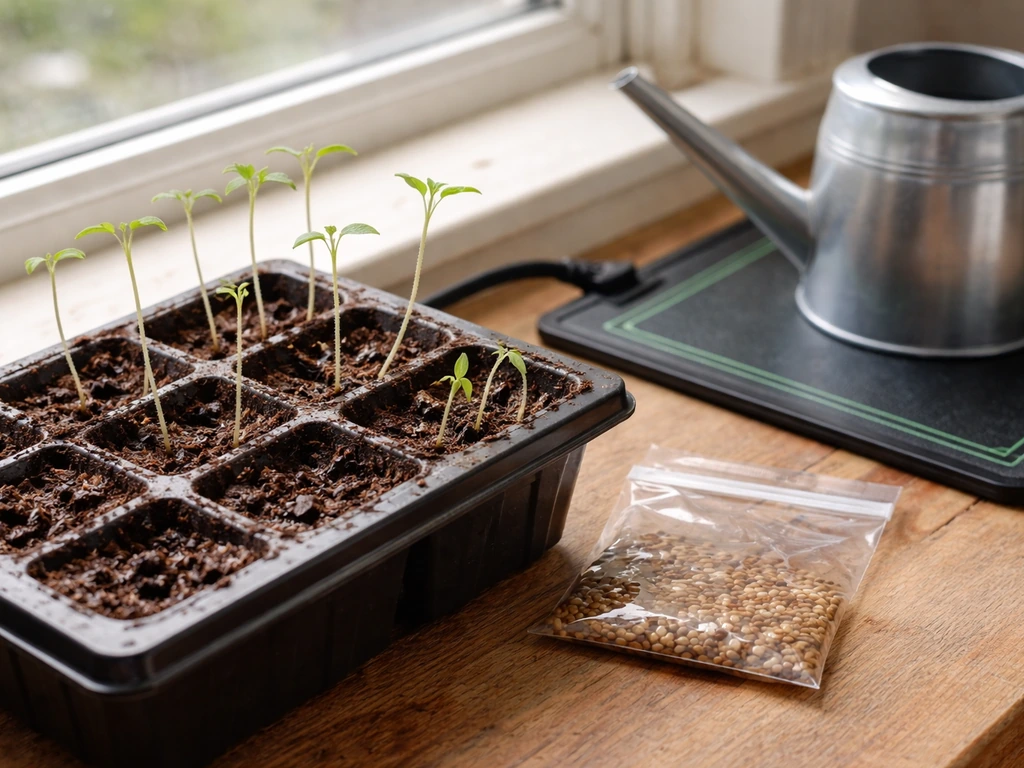
| Seeds won't germinate | Soil too cold or seeds not pre-soaked | Use a heat mat, soak seeds 24 hours before sowing, check soil temp is 75°F+ |
| Leggy, stretched seedlings | Not enough light | Move to grow lights or the sunniest window; increase light duration to 14+ hours |
| Plant not flowering | Too much shade, wrong fertilizer, or stress | Move to full sun, switch to high-potassium feed, check roots aren't pot-bound |
| Yellow leaves | Overwatering, nutrient deficiency, or root rot | Check drainage, reduce watering, apply chelated iron for interveinal yellowing |
| Buds dropping before opening | Temperature fluctuation, drought stress, or being moved | Keep temperatures stable, water consistently, avoid moving the plant while budding |
| Wilting despite moist soil | Root rot from waterlogging | Repot into fresh well-draining mix, trim any black or mushy roots before repotting |
Bud drop is probably the most frustrating issue, and the most common cause is moving the plant or changing its conditions right when buds are forming. Hibiscus is notorious for this. Once you see buds forming, resist the urge to rotate or relocate the plant until the flowers have opened.
End-of-season care, repeat blooming, and saving seed
Overwintering in cold climates
If you're in zone 8 or colder, bring your shoe flower plant indoors before nighttime temperatures drop below 50°F (10°C). Cut it back by about one-third before bringing it in to make it easier to manage and to remove any pest-prone soft growth. Over winter, keep it in the brightest spot in your home, water sparingly (about once a week), and stop fertilizing. It may drop some leaves. That's normal. Resume regular watering and feeding in early spring when you see new growth starting, and move it back outside after your last frost date.
Encouraging repeat blooming
Hibiscus rosa-sinensis blooms on new growth, so the more you encourage new stems, the more flowers you get. Regular deadheading, consistent watering and feeding through the growing season, and that annual spring prune are the three biggest levers you have. For florist-style stems, start from strong cuttings, keep the plant in bright light, and maintain a steady watering and feeding routine to maximize consistent blooms. If your plant is in a container, repotting every two to three years into a slightly larger pot with fresh compost also makes a measurable difference to bloom production.
Saving seed
To save seed, let a few flowers go unpollinated (or hand-pollinate them by transferring pollen between flowers with a small brush). The flower will drop and a seed pod will form and gradually swell over several weeks. Once the pod turns brown and papery, cut it off and let it dry completely indoors. Then split it open and collect the seeds. Store them in a paper envelope in a cool, dry place. Keep in mind that Hibiscus rosa-sinensis is mostly a hybrid species, so seeds won't come true to the parent plant. You'll get interesting variation, which can actually be exciting if you approach it as experimentation rather than replication. For guaranteed replicas of your best plants, cuttings are always the better route.
If you find yourself getting seriously into growing flowering plants more broadly, the skills you build here transfer well. The same understanding of feeding, light, and timing that makes shoe flower thrive applies to other ambitious flowering plants. Growing for cutting gardens or market production builds on exactly this kind of foundational care. Growing for cutting gardens or market production is one of the key ways many growers learn how to grow a flower farm. The more you grow, the more you'll notice these patterns repeat across species.
FAQ
How can I tell if my “shoe flower” is the tropical hibiscus or the hardy swamp rose-mallow?
Start by confirming which “shoe flower” you bought. If it’s Hibiscus rosa-sinensis (tropical Chinese hibiscus), it needs warmth, at least 6 hours of direct sun, and winter protection below about 50°F (10°C). If you accidentally have Hibiscus moscheutos (hardy swamp rose-mallow), it behaves like a die-back perennial and won’t bloom the same way or over the same seasons.
My plant has healthy leaves but few or no blooms. What should I check first?
If yours is growing lots of leaves but not flowers, the usual culprits are too little sun, nutrient imbalance, or stress during bud formation. Move to brighter light (aim for full sun), switch to a fertilizer that emphasizes potassium for flowering, and avoid rotating or relocating the plant once buds appear.
Will repotting set back my hibiscus blooms, and how do I prevent it?
Repotting can temporarily reduce flowering, especially if you upsize the container too aggressively. When repotting, choose only a slightly larger pot, use fresh well-draining mix (with added perlite), and water properly after repotting. Then hold steady on light and feeding, since the plant usually rebounds after it reestablishes roots.
What’s the best way to keep hibiscus healthy indoors and reduce pests and bud drop?
For indoor plants, low humidity is a common driver of spider mites and also bud drop. Use a pebble tray or a humidifier, keep air moving gently (good ventilation), and check leaf undersides weekly. If pests show up, treat early with insecticidal soap or targeted measures before infestations explode.
How do I stop bud drop once my hibiscus starts forming buds?
Bud drop is most likely from environmental changes right when buds are forming. The practical fix is to keep conditions stable: don’t rotate the pot, avoid sudden temperature swings near heating vents or cold windows, and water consistently so the soil slightly dries at the top between waterings rather than alternating between soggy and bone-dry.
My leaves are turning yellow. How do I tell iron deficiency from watering or nitrogen issues?
Yellow leaves can be from several causes, so match the pattern: yellow between veins often points to iron deficiency (more common in alkaline conditions or waterlogged roots), while overall pale yellow with slow growth points more toward nitrogen shortage. Improve drainage first if roots sit wet, then adjust feeding with the right nutrient rather than guessing.
What’s the correct watering routine, and how do I know I’m not overwatering?
Avoid overwatering even when the plant “seems thirsty.” Use the top-inch dry test, water deeply, then let excess drain fully. In containers, empty saucers and make sure the mix actually drains, since constant wet feet quickly lead to root rot.
When should I bring my shoe flower indoors for winter, and how should I care for it inside?
Frost damage is the big risk. Plan to bring the plant in before nighttime temps regularly fall below 50°F (10°C), cut back about one-third for easier management, and keep it in the brightest spot indoors. Water sparingly (around weekly) and stop or greatly reduce fertilizer until spring.
When is the best time to prune, and will late pruning delay flowering?
For best flowering, prune after the winter rest period and before vigorous new growth in early spring, cutting stems back by roughly one-third to one-half. If you prune too late, you can delay the bloom flush, since hibiscus flowers on new growth.
Should I grow from seed or cuttings if I want predictable, “true-to-type” flowers?
For faster growth and reliable blooms, cuttings usually outperform seeds because cuttings maintain the parent’s flower traits and root within about a month under good conditions. If you do use seed, expect variation and slower progress, especially if your seeds come from hybrid plants rather than open-pollinated varieties.
How do I properly save seed from my hibiscus, and why might the new plants look different?
When saving seeds, you need unpollinated or controlled pollination, otherwise you will get cross results. After pods turn brown and papery, dry them indoors fully, split to collect seeds, and store in a cool, dry place in a paper envelope. Expect that hybrid seeds will not match the parent exactly.
My hibiscus is getting tall and leggy. How do I make it bushier and improve flower coverage?
If your plant keeps getting leggy with flowers only at the tips, it usually needs more hard pruning and earlier branching. Do the annual spring cutback, pinch young tips early to encourage side shoots, and keep it in bright light to reduce long, weak growth.
Next Articles
How to Grow Million Flower: Step-by-Step Guide
Step-by-step guide to grow Million Bells flowers from seed or seedlings, with care, feeding, pruning, and troubleshootin
How to Grow Plants from a Bouquet: Step-by-Step Guide for Beginners
How to grow plants from bouquet: step-by-step rooting, seed saving, bulbs, timelines and troubleshooting
Linaria 'Fairy Bouquet' How to Grow: Seed to Cut Flowers
Grow Linaria 'Fairy Bouquet' from seed to vase: step‑by‑step sowing, care, cutting, seed saving & troubleshooting.