Scented stocks (Matthiola incana) are one of the most rewarding flowers you can grow from seed. With the right cool-season timing, feeding, and full sun, you can also learn how to grow million flower quality blooms from scented stocks. Start them indoors 8 to 10 weeks before your last frost date, keep germination temperatures around 65 to 68°F, transplant them out while it's still cool, give them full sun and well-drained soil, and you'll have fragrant, clove-scented spikes ready to cut in late spring or early summer. The whole process is very achievable, even for first-time growers, as long as you respect one rule: stocks are cool-season plants and they need to feel that coolness from start to finish.
How to Grow Scented Stocks Step by Step for Strong Fragrance

James Holloway
25 Jun 2026
What scented stocks are and how to pick the right variety
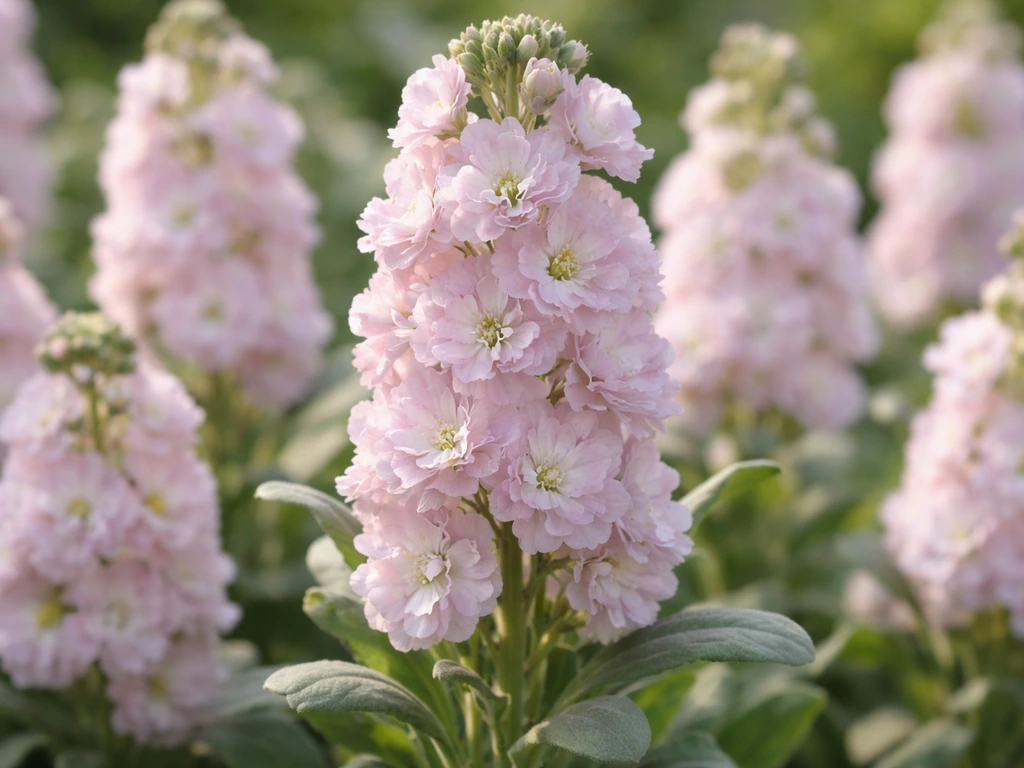
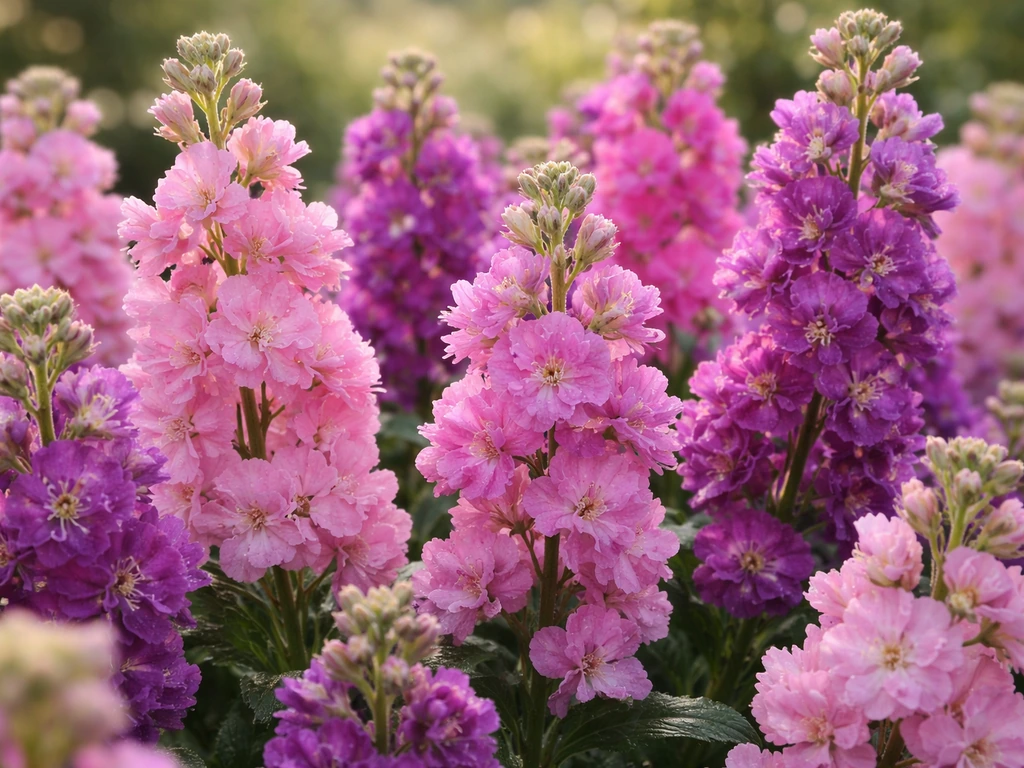
Matthiola incana is a biennial or short-lived perennial grown as a cool-season annual. The blooms sit in dense spikes on upright stems, and the fragrance is unmistakable: sweet, spicy, and genuinely clove-like in a way that carries right across a room. It's the kind of flower that makes people stop and ask what that smell is.
Here's the thing about variety selection: it directly affects both your fragrance and your success rate. Modern commercial cultivars are bred to produce double flowers, which are the big, full blooms you see at florists. Online Plant Guide also describes Matthiola incana stock varieties as being grown and marketed for large, double blooms on sturdy stems Modern Matthiola incana trade cultivars are often marketed as producing large, double florets on thick, tall stems rather than the single flowers of earlier varieties.. Double-flowered stocks are widely considered more showy and are commercially dominant, but scent is also strong in well-bred doubles. Single-flowered types are older and sometimes more wildflower-like in character. For most home gardeners, doubles are the better choice because modern breeding has pushed them toward near-100% double bloom rates, strong spikes, and reliable scent.
A few variety types worth knowing about:
- Column types (like the 'Katz' or 'Anytime' series): Tall, single-stem varieties bred for cut flower production. Strong fragrance, long stems, excellent for bouquets.
- Dwarf/bedding types: Shorter and bushier, better suited to containers or front-of-border planting. Still fragrant but stems are shorter for cutting.
- Extra-early series (like 'Cheerful'): Useful if you're in a short-season climate and need blooms before heat sets in.
- High-double selections (like 'Stox'): Marketed specifically for near-100% double bloom rates with sweet, spicy fragrance. Worth seeking out if you want maximum flower fullness.
- Legacy/heirloom varieties: Often single-flowered or mixed, with beautiful fragrance. Great if you want that old-fashioned cottage feel rather than uniform cut stems.
When buying seed, check the packet description for 'double flowering' and 'highly scented' or 'sweet fragrance.' Some stocks are bred more for stem length or colour range than scent, so it pays to read the description. If you're growing specifically to supply flowers for bouquets or arrangements (similar to what you'd do if you were growing flowers for florists), column types will serve you best. If it's purely for the garden experience and the scent hitting you when you walk past, almost any named cultivar will deliver.
When to sow: timing for your climate
Getting the timing right is honestly the single most important thing with stocks. They want cool soil and cool air, and if they hit summer heat before they've set their flower spikes, the game is basically over for that season. So your whole sowing strategy is built around getting plants established and blooming before the heat arrives.
Starting indoors (most reliable method)
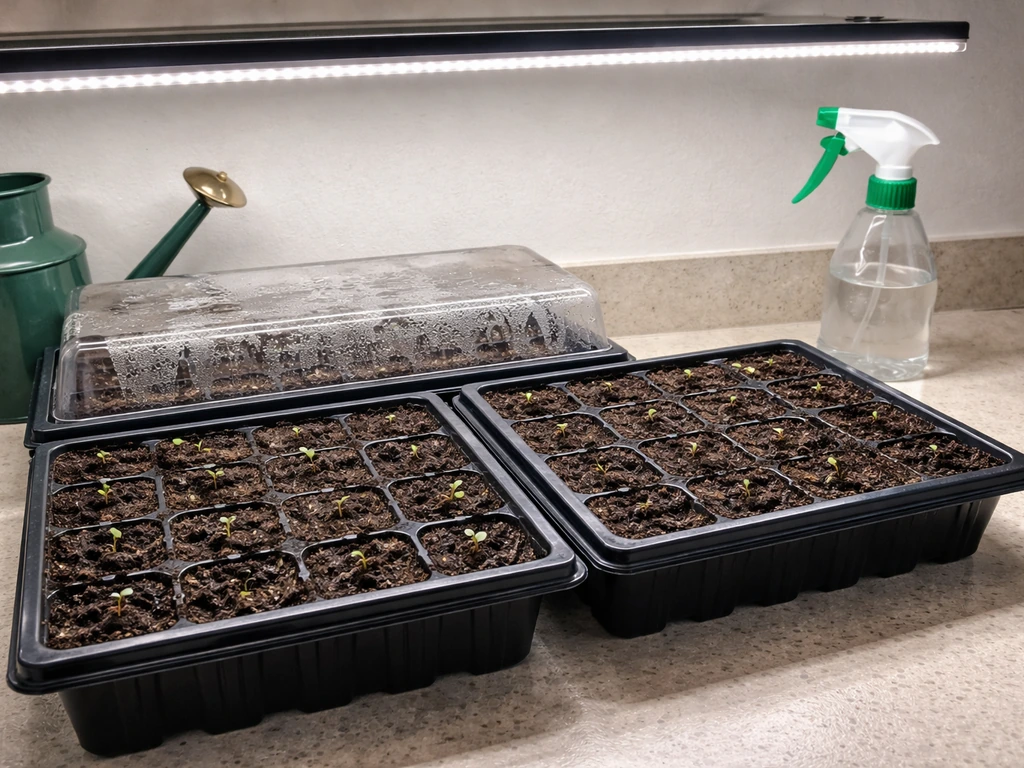
Sow indoors 8 to 10 weeks before your last expected frost date. For most of the northern US and UK, that means starting seeds in late January through early March. The goal is to have sturdy seedlings ready to go out when overnight temperatures are still regularly dipping below 50°F, which stocks actually love. After germination, grow seedlings on at around 45 to 50°F if you can manage it. A cool garage, unheated greenhouse, or cold frame is perfect for this grow-on stage. Keeping them cool prevents the leggy stretching that wrecked your last batch of seedlings.
Direct sowing outdoors
Direct sowing works well in mild-winter climates (think USDA zones 7 to 10, or the UK's milder regions). In these areas, you can sow directly into the ground in autumn for late winter or early spring blooms, or in very early spring as soon as the ground can be worked. In warmer zones, an autumn direct sow is often the best move because it lets plants establish over the cooler months. In colder zones, direct sowing in very early spring (soil around 50°F) is possible, but indoor starting gives you more control and more weeks of cool growing time.
Climate-specific timing at a glance
| Climate / Zone | Best Sowing Method | When to Sow | Expected Bloom Time |
|---|---|---|---|
| Cool temperate (zones 4–6, northern UK) | Indoors under lights | Late January to early March | Late May to June |
| Mild temperate (zones 7–8, southern UK) | Indoors or autumn direct sow | Feb–March indoors; Oct–Nov direct | April to May |
| Warm/mild winter (zones 9–10) | Autumn direct sow | September to November | February to April |
| Short-season or high altitude | Indoors, extra-early variety | 8–10 weeks before last frost | As early as conditions allow |
Soil, containers, and site setup for best fragrance
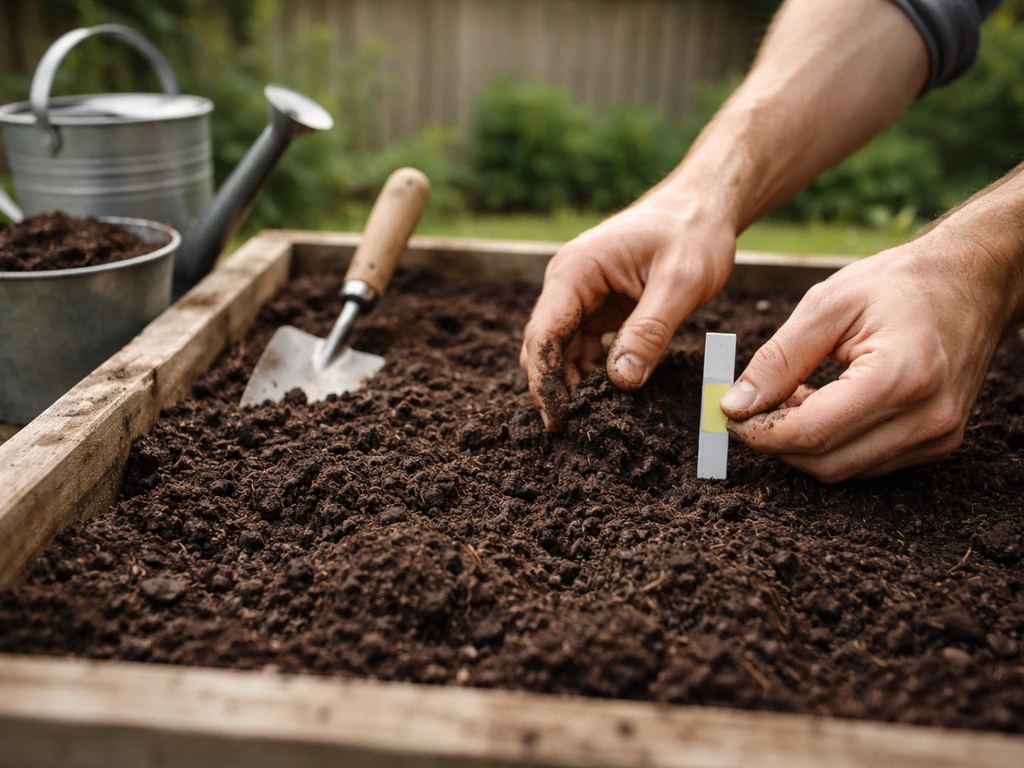
Stocks are not fussy about luxury, but they have two firm requirements: drainage and pH. They do not do well in acidic soil. Aim for a soil pH of around 6.5 to 7.5. If your ground tends acidic, work in some garden lime before planting. In the garden, pick a spot with full sun as the primary goal, though they'll tolerate a little light shade in very warm climates. Full sun drives both better stem development and stronger fragrance.
Soil preparation is simple but worth doing properly. Dig in some well-rotted compost or humus-rich material to improve moisture retention without causing waterlogging. Stocks want consistently moist soil, not waterlogged. If your soil is heavy clay, raise your beds or work in grit to improve drainage. Good drainage also reduces disease pressure, which is worth thinking about early.
For containers, the rules are the same but the risks are higher. Use a quality potting mix, make sure every container has drainage holes at the bottom, and don't let pots sit in saucers of standing water. Compacted potting mix holds water far more than garden soil, so lift and check drainage regularly. A pot that's 8 to 10 inches deep is the practical minimum for column-type stocks. Dwarf varieties will do fine in slightly shallower containers.
Fragrance is also tied to spacing and airflow. Give plants at least 9 to 12 inches between them. Crowded stocks don't just underperform, they become a disease risk. Good airflow between plants keeps foliage drier and reduces the chance of downy mildew and other fungal issues.
Step-by-step seed starting and transplanting
- Fill small cells or a seed tray with a fine-textured, moist seed-starting mix. Don't use garden soil or heavy potting compost for germination.
- Sow seeds on the surface. Stock seeds need light to germinate, so surface sow them and press gently into the mix rather than burying them. If you want to cover at all, a very thin dusting of vermiculite (1–2mm max) is fine, but many growers skip covering entirely.
- Mist the surface lightly and cover the tray with a clear dome or plastic wrap to retain moisture.
- Place in a warm spot at 65–68°F for germination. A heat mat set to this range works very well. Avoid going above 75°F as it can reduce germination rates. You should see sprouts in 7 to 14 days.
- As soon as seedlings emerge, remove the cover and move them immediately to bright light. A south-facing window works, but grow lights positioned close (2–3 inches above seedlings) are more reliable and prevent stretching.
- Once germinated, drop the temperature. Move trays somewhere cool: around 45–55°F is ideal for the grow-on phase. This is counterintuitive but it produces stockier, more robust seedlings.
- When seedlings have their first true leaves (usually 3 to 4 weeks after germination), pot up into individual 3-inch cells or small pots. Handle by the leaves, not the stem.
- About 1 to 2 weeks before transplanting outside, start hardening off. Set trays outside in a sheltered spot for a few hours each day, gradually increasing exposure over 7 to 10 days.
- Transplant outside when overnight temperatures are consistently above about 28°F but ideally still below 50°F. Stocks are cold-tolerant and actually prefer those cool early-spring conditions. Space plants 9 to 12 inches apart in prepared beds.
- Water in well after transplanting and firm soil gently around roots.
One note on transplanting: stocks don't love having their roots disturbed. If you've been growing in cell trays, pop the root ball out intact rather than trying to separate tangled roots. This makes the transition much smoother and reduces transplant shock.
Watering and feeding schedule for strong blooms
Watering stocks is about consistency rather than volume. They want evenly moist soil throughout the growing period, but they hate sitting in wet conditions. Water at the base of plants rather than overhead to keep foliage dry and reduce disease risk. In spring, rainfall often handles most of this for you. During dry spells, water deeply once or twice a week rather than a little every day.
For feeding, the key insight from commercial growers is this: go easy on nitrogen and make sure potassium levels are adequate. Too much nitrogen produces lush, weak-stemmed plants that flop and are more disease-prone. It can also delay or suppress flowering. Potassium is more important for strong stems and good flower development. A deficiency shows up as brown tips and margins on leaves, especially as flowering approaches.
A practical home garden feeding approach: work a balanced slow-release granular fertilizer into the bed at planting time. Then, once plants begin to form buds, switch to a low-nitrogen liquid feed with a higher potassium content (something like a tomato feed works well here, as these are balanced towards K). Feed every 2 weeks during the budding and flowering phase. If you're growing in containers, start liquid feeding 3 to 4 weeks after transplanting since container mixes exhaust their nutrients faster.
Maximizing scent and bloom performance
Sun and temperature
Full sun is your best tool for both fragrance and stem quality. Stocks grown in too much shade produce weaker, taller stems and less pronounced fragrance. However, if you're in a warmer climate (zones 8 and above), some afternoon shade can extend the season a few extra weeks by keeping soil temperatures cooler. The fragrance in stocks is genuinely strongest in the evening and on warm days, so plant them somewhere you'll actually be when that scent is peaking: near a path, seating area, or open window.
Deadheading and cutting back
Stocks are primarily grown as cut flowers rather than repeat-bloomers in the classic sense, since each plant produces one main spike. However, some branching varieties will produce secondary side shoots after the main spike is cut. For these, cutting the main stem promptly encourages those laterals. For single-spike column types, once you've harvested the main stem, the plant is essentially done. This makes succession planting much more important than deadheading.
Succession sowing for continuous blooms
If you want a steady supply of blooms rather than one big flush, sow seeds in batches 7 to 14 days apart. To build a practical flower farm, plan your site around cool-season crops, timing, and consistent succession sowing so you always have blooms to harvest. Three to four successions started indoors from late January through March will give you a rolling harvest from late spring into early summer. In mild climates with long cool seasons, you can push this further. This approach is especially valuable if you're growing stocks alongside other cutting garden flowers and want to keep arrangements going for weeks.
Troubleshooting common problems
Seeds not germinating
The two most common causes are covering seeds too deeply and temperatures being too high or too low. Remember: stocks need light to germinate. If you've buried them more than a millimetre or two, try again with surface sowing. Temperature should sit in the 65 to 75°F range. Below 60°F, germination slows dramatically. Above 80°F, it can fail altogether. Check your heat mat with a soil thermometer rather than guessing.
Leggy, stretched seedlings
Legginess is almost always a light problem. Seedlings on a windowsill in January or February simply don't get enough light, even south-facing. Get grow lights in position right after germination, keeping them 2 to 3 inches above the seedling tops and running them for 14 to 16 hours a day. Also make sure you've dropped temperatures to 45 to 55°F after germination. Warm temperatures combined with low light is the perfect recipe for lanky, weak plants that never recover properly.
Damping off
Damping off is a fungal seedling killer that causes stems to rot at soil level, and it spreads fast through trays. The fix is mostly preventative: use fresh, sterile seed-starting mix, don't overwater, water from the bottom rather than misting overhead, and make sure there's airflow around trays. Bottom heat at around 70 to 75°F helps because it keeps the soil slightly warmer than the air, which discourages the moisture conditions the pathogens love. If you see it start in one area of a tray, remove affected seedlings immediately and reduce watering.
Pests and diseases on established plants
Downy mildew is the main disease to watch for: it appears as yellow patches on upper leaf surfaces with a grey-white fuzzy coating underneath. It thrives in cool, humid, still conditions. Good plant spacing and airflow are your best prevention. If you see it, remove affected leaves, improve air circulation, and avoid overhead watering. Fusarium wilt is another potential issue, causing wilting even in moist soil. It enters through roots and is soil-borne, so crop rotation helps: don't grow stocks (or other brassica family plants) in the same spot year after year.
Aphids and caterpillars occasionally target stocks. Check the undersides of leaves regularly. A strong jet of water dislodges aphids. Slugs and snails can devastate young transplants, so protect new plants with whatever slug control method you prefer in the first few weeks after planting out.
Plants bolting or not flowering
If your stocks bolt (shoot up without producing proper flower spikes) or simply don't flower, heat is usually the cause. Stocks that experience warm temperatures before they've established enough vegetative growth may fail to set proper flower spikes. This is why timing is everything. If you're in a warmer climate and your plants regularly fail to bloom well, try switching to an extra-early variety and moving your sowing date even earlier, or switch to an autumn sowing schedule to take advantage of your cool season.
Cutting, using, and wrapping up the season
When and how to cut
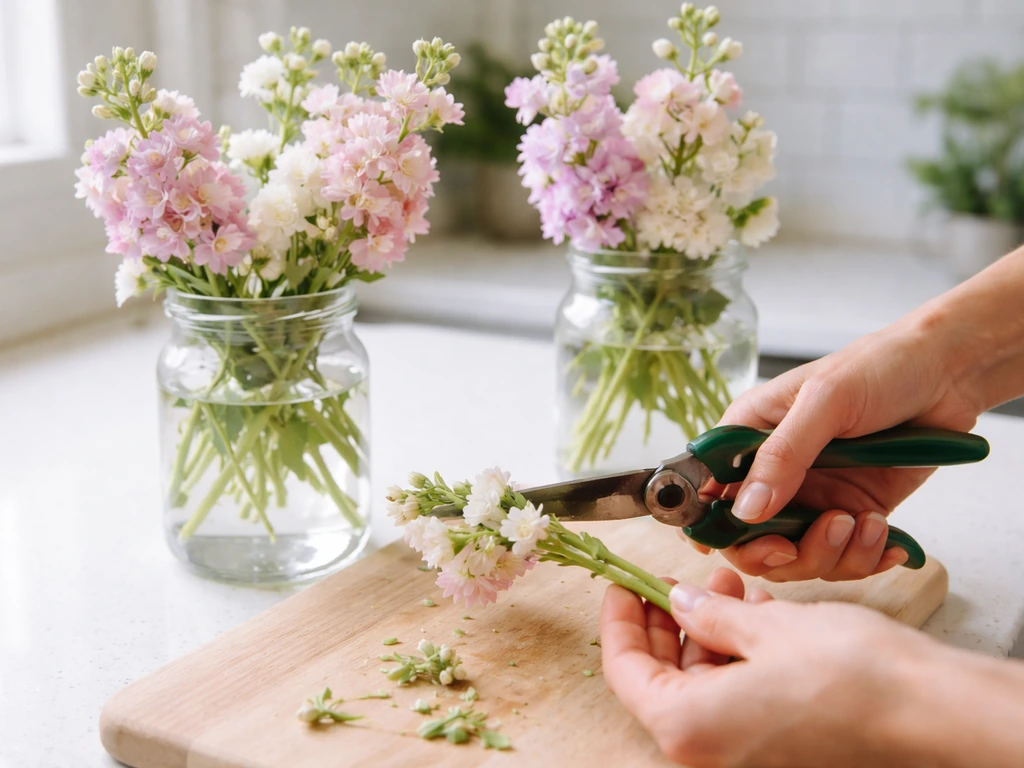
For home bouquets, cut when roughly half the florets on the spike are open. At this stage the fragrance is strong and you'll still get the rest of the flowers opening in the vase. For a slightly longer vase life with buds still to come, cut earlier, when 4 to 5 flowers per spike are open. Cut in the early morning or evening when stems are fully hydrated. Use clean, sharp scissors or snips and take the stem as long as possible.
Stock stems are dense and fleshy, which means water can struggle to penetrate the cut end. Re-cut the stems at an angle immediately before placing in water, and change the vase water every 2 to 3 days, re-cutting the stems each time. With this care, you can expect about 7 to 10 days of vase life. Keep cut arrangements away from fruit (especially apples and pears), which release ethylene gas and shorten vase life significantly.
End-of-season care and what comes next
Stocks are cool-season plants and they wind down naturally as summer heat arrives. Once plants have finished blooming and temperatures are consistently warm, pull them and compost the plant material (unless disease has been a problem, in which case dispose of it instead). If you want to save seed, let a few pods mature and dry on the plant before collecting.
In mild-winter climates (zones 7 and above), you can often leave roots in the ground and get a second round of growth the following cool season, though plants typically perform best in their first season. If you are trying to grow a shoe flower plant as well, the same cool-season approach and site setup will help you succeed how to grow shoe flower plant. In colder zones, stocks are treated as annuals and replaced fresh each year.
If you've caught the bug for growing cutting garden flowers through the season, stocks pair beautifully with other cool-season favourites like snapdragons and poppies. And if you find yourself wanting to scale up your growing into a more regular supply of blooms, the skills you've built here translate directly into growing flowers for florists or planning a more structured cutting patch.
FAQ
Can I grow scented stocks for continuous blooming, or do they only flower once?
Yes, but you will usually get better results by sowing for succession in small batches rather than one big planting. Start multiple trays or seed batches 7 to 14 days apart, then keep them at cool temperatures after germination so each group reaches the flowering stage before summer heat forces bolting.
My seedlings are leggy, what should I fix first?
If your stocks are turning tall and floppy before you see spikes, check two things first: light and nitrogen. Aim for grow lights 2 to 3 inches above seedlings for long daily exposure, then switch away from high-nitrogen feeding, because excessive nitrogen produces weak stems even if you watered correctly.
What mistakes most often prevent seeds from sprouting or lead to poor blooming later?
Surface sowing is critical, but even if seeds germinate you can still reduce flowering if they are buried or if the growing mix dries out right after sprouting. Keep the top layer lightly moist until seedlings are established, and avoid letting them dry and then flood, which stresses roots.
How can I reduce the chances of downy mildew on scented stocks?
Downy mildew risk is higher when foliage stays wet and air is stagnant. Use wider spacing (9 to 12 inches), water at the base, remove affected leaves early, and avoid pushing plants together with overlapping pots or tight beds.
When is the best time to transplant scented stocks, and how should I handle the roots?
Because stocks are sensitive to root disturbance, transplant in a way that preserves the root ball. If you must move them, handle the plug as one piece, water in immediately after transplanting, and avoid separating tangled roots.
Can I grow scented stocks in warmer climates without losing their fragrance?
Yes, in hot regions you can use afternoon shade, but you still need enough sun for fragrance and spike strength. The best compromise is bright morning sun with relief from harsh late-day heat, and you must keep soil consistently moist because heat plus dryness can still stop spike development.
My stocks did not flower, how do I diagnose whether it is timing versus something else?
Most flowering problems come from warm conditions arriving too soon. If nights are staying above about 50°F for long stretches while plants are still small, shift to an earlier sowing schedule, use an extra-early variety, or try autumn sowing in mild climates.
When should I change from general fertilizer to bloom-focused feeding?
For fragrance performance, avoid late feeding with nitrogen. After buds form, use a low-nitrogen, higher-potassium liquid or similar tomato-style fertilizer and feed every 2 weeks, then stop once the main flowering period is underway so plants do not produce more leafy growth than blooms.
Why do my scented stocks do poorly in pots compared with the garden?
Stocks in containers dry out faster and can also become waterlogged if drainage is poor. Use a mix designed for containers, ensure drainage holes are clear, never let pots sit in standing water, and check moisture daily in warm weeks so watering stays consistent.
How do I cut scented stocks for the best vase life and strongest smell?
Cut when about half the florets are open for strong scent with the best overall bouquet look, or cut earlier if you want more days of gradual opening. Always recut stems at an angle just before placing them in fresh water, and refresh vase water every 2 to 3 days.
Do scented stocks regrow after cutting, and how should I manage harvests?
If you only harvest the main spike, single-spike types usually do not restart flowering in a meaningful way. For longer harvests, use succession sowing and, if you have branching types, cut the main stem promptly to encourage side shoots.
Can I save seed from my scented stocks to grow the next season?
Yes, but treat seed-saving as a tradeoff in performance. Let a few pods fully mature and dry on the plant before collecting, then store seed cool and dry. Expect variable results in double bloom and fragrance, especially if your plants were not true-to-type.
Next Articles
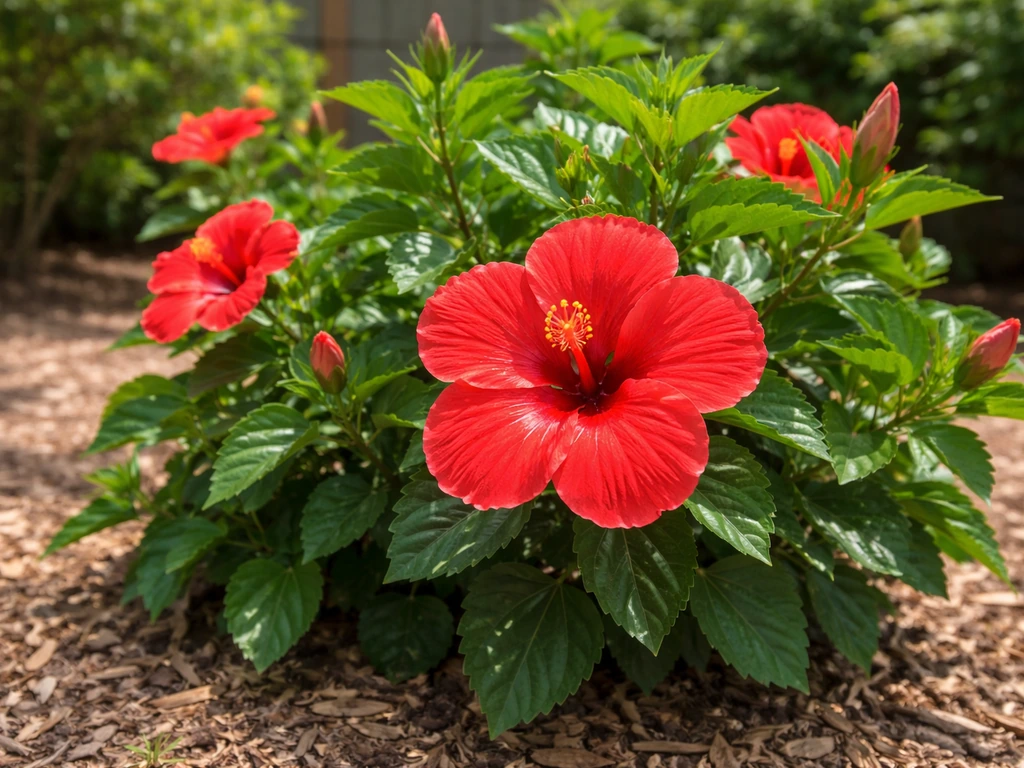
How to Grow Shoe Flower Plant From Seed to Bloom
Step-by-step how to grow shoe flower plant from seed to bloom, with care, timing, troubleshooting, and next-season tips.
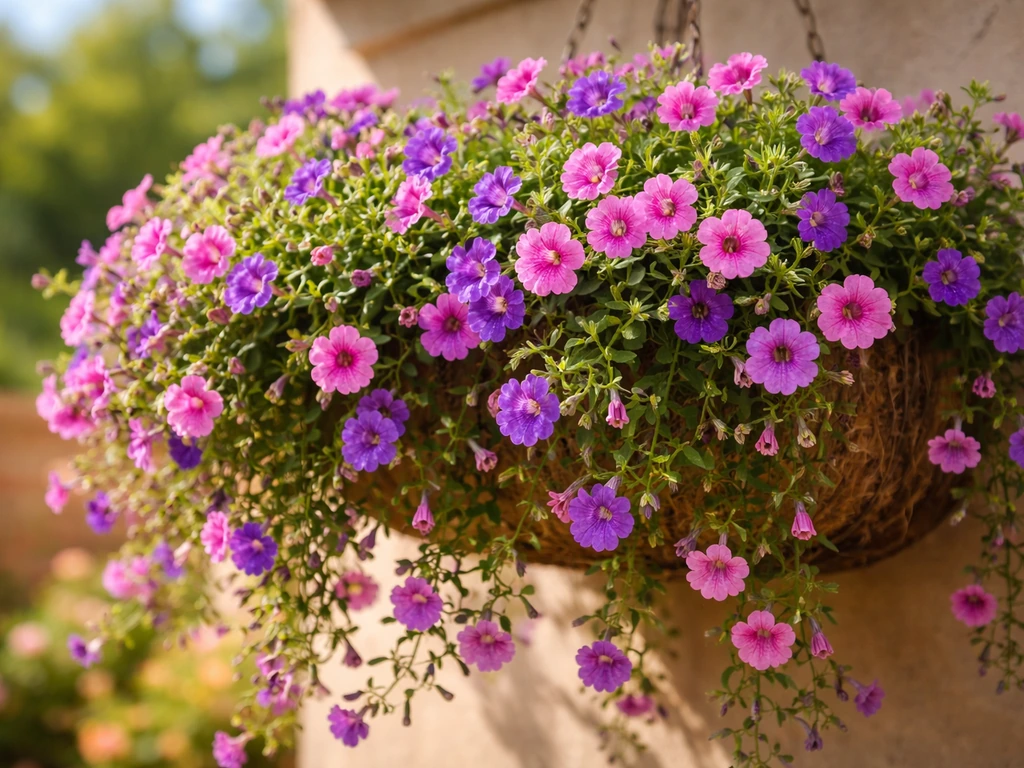
How to Grow Million Flower: Step-by-Step Guide
Step-by-step guide to grow Million Bells flowers from seed or seedlings, with care, feeding, pruning, and troubleshootin
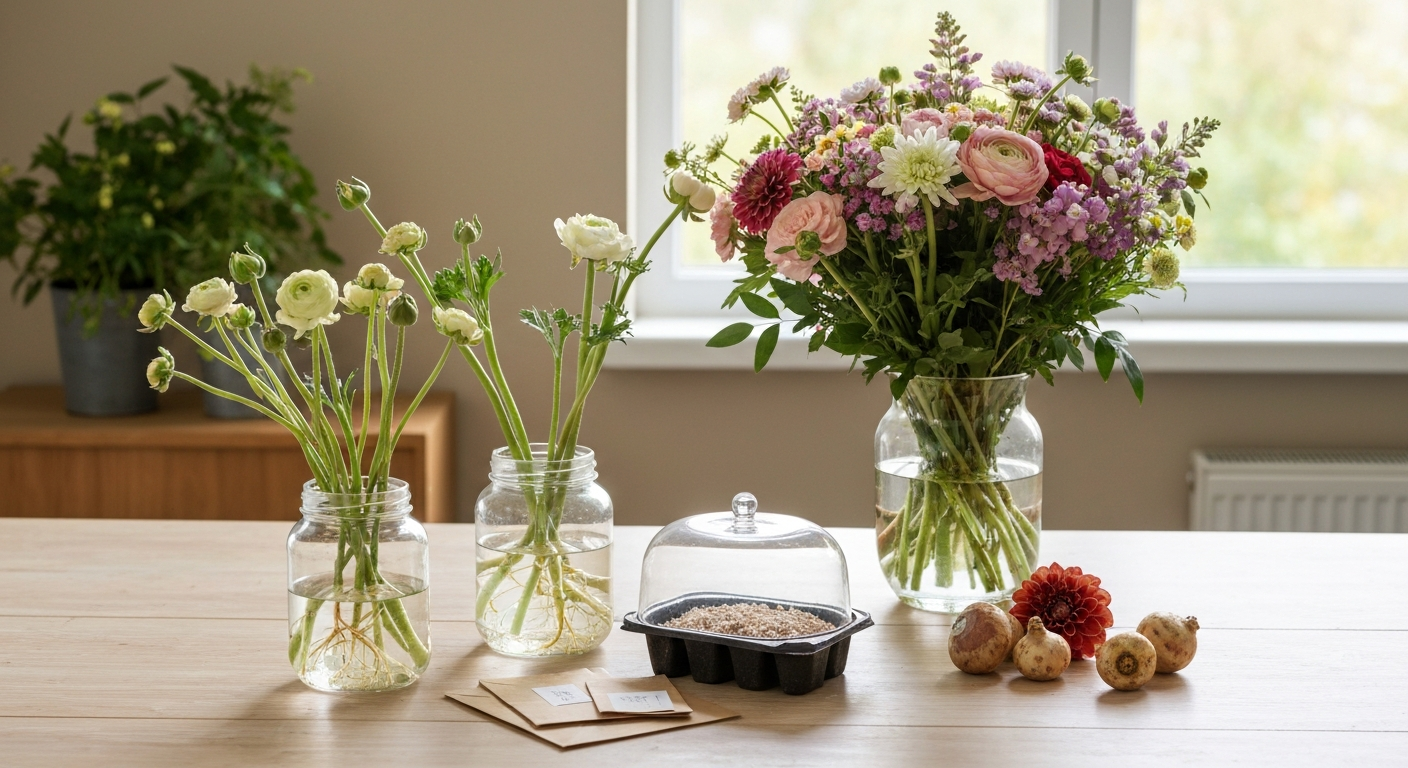
How to Grow Plants from a Bouquet: Step-by-Step Guide for Beginners
How to grow plants from bouquet: step-by-step rooting, seed saving, bulbs, timelines and troubleshooting