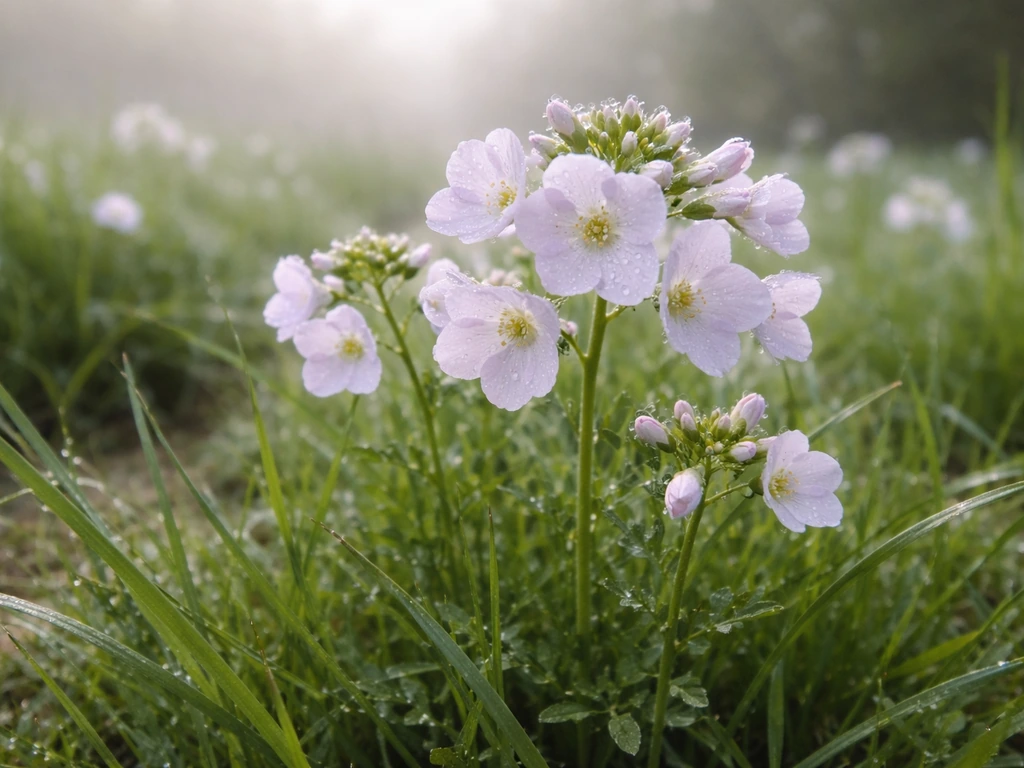
Cuckoo flower is Cardamine pratensis, a dainty spring-flowering perennial also known as lady's smock or milkmaids. It produces clusters of pale lilac to white four-petalled flowers from April through June, thrives in moist, humus-rich soil, and handles partial shade better than most flowering plants. If you give it consistently damp feet and a cool spot, it is genuinely one of the easier wildflower-style perennials to grow from seed. A cosmos flower can be grown in a similar beginner-friendly way, as long as you follow its own needs for sun and consistent watering cosmos flower how to grow.
How to Grow Cuckoo Flower From Seed to Bloom

James Holloway
12 Jun 2026
Make sure you have the right plant first
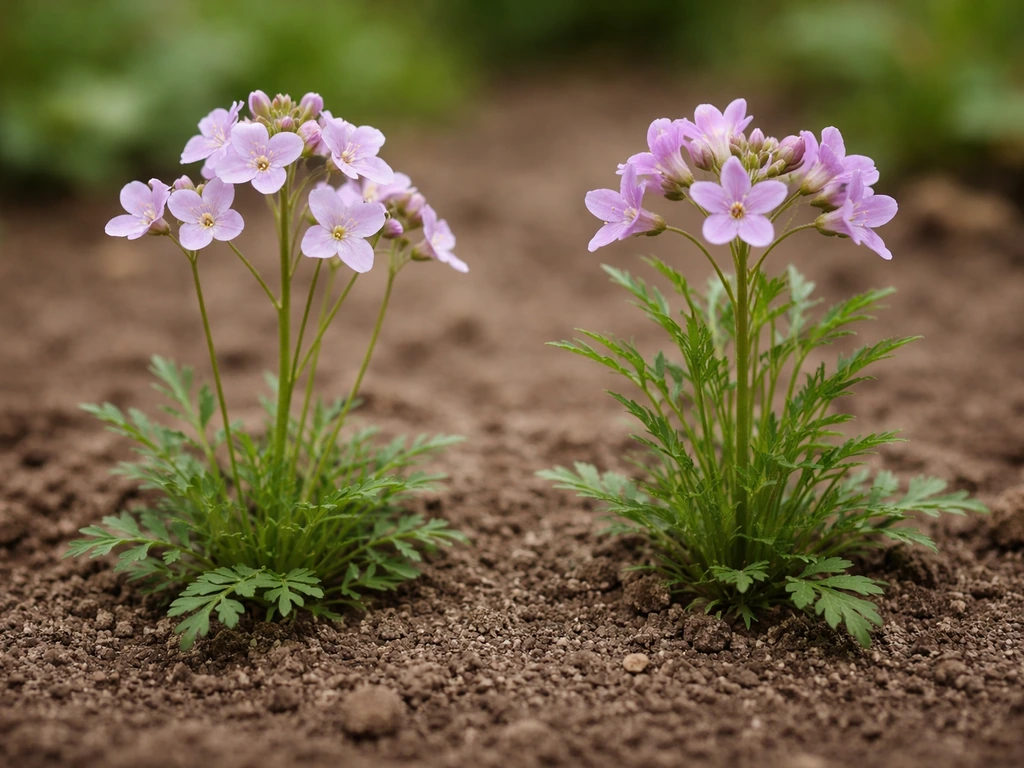
It is worth pausing on the name because 'cuckoo flower' trips people up. A quick internet search can pull up unrelated plants, so confirm you are working with Cardamine pratensis before buying seeds. The common names lady's smock and milkmaids both refer to the same species, so you will often see seed packets labelled any of those three ways.
The straight species produces soft lilac-pink flowers with a lovely meadow quality, but if you want something a little showier for a garden border, look for the double-flowered cultivar 'Flore Pleno,' which has fuller, longer-lasting blooms and still attracts pollinators. Both are true Cardamine pratensis and are grown exactly the same way. There are no dramatically different varieties to overthink here, which is part of what makes this plant beginner-friendly. If you are looking for a more heat-tolerant cousin with a similar beginner-friendly approach, see how to grow cleome spider flower for another simple spring-to-summer option.
The growing conditions that actually matter
Get these fundamentals right and cuckoo flower practically grows itself. Skip them and you will struggle regardless of how carefully you sow.
Moisture is non-negotiable
In the wild, Cardamine pratensis grows in wet meadows, along ditches, river banks, and roadside verges. Cumbria Wildlife Trust describes cuckoo flower as a spring perennial of “damp, grassy places” such as wet meadows, ditches, riverbanks, and roadside verges [damp, grassy places such as wet meadows, ditches, riverbanks, and roadside verges](https://www. cumbriawildlifetrust. org.
uk/wildlife-explorer/wildflowers/cuckooflower). That tells you everything about what it wants. The soil needs to stay consistently moist, not just occasionally watered. If your garden dries out fast in summer, or if you are in a hot, sunny, dry climate, this is genuinely not the plant for that spot.
BBC Gardeners' World is direct about this: if your garden is particularly dry or sunny, choose something else. No amount of extra watering fully compensates for a fundamentally unsuitable site.
Light and soil
Cuckoo flower grows in full sun to partial shade. In practice, partial shade tends to suit it better, especially in warmer climates, because it keeps the soil cooler and moister around the roots. Aim for a humus-rich, moderately fertile soil with a pH somewhere between 5. BSBI notes that Cardamine pratensis appears to prefer moderately acid to neutral soils, with a pH of about 5.
0 to 7. 5, and performs best in moderately fertile soils [a humus-rich, moderately fertile soil with a pH somewhere between 5. ](https://fermanagh. bsbi.
org/cardamine-pratensis-l). 0 and 7. 5 (moderately acid to neutral). It does not need rich, heavily amended soil, but it absolutely needs good organic matter content to hold moisture.
Digging in leaf mould or well-rotted compost before planting makes a real difference.
Climate and hardiness
Cardamine pratensis is a tough perennial. The Missouri Botanical Garden lists it as hardy in USDA Zones 3 to 7, and other sources extend that to Zone 8 in cooler, wetter conditions. It is not frost tender at all, which means in most of the UK and northern Europe you can leave it outdoors year-round without any winter protection. In the US, it performs best in the northern half of the country where summers stay relatively cool and rainfall is reliable.
Starting from seed
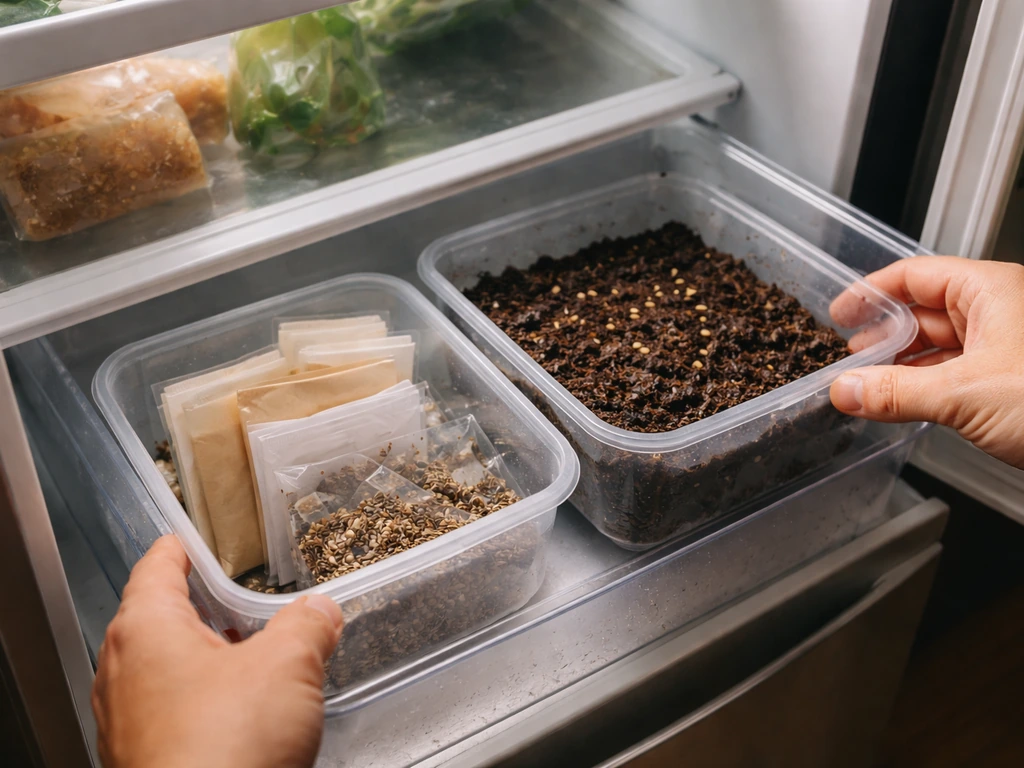
Seeds are the most affordable way to start a patch, but there are a couple of things to know before you sow. Cardamine pratensis reproduces naturally by both seed and short rhizomes, which means once established it will spread gently and you rarely need to start from scratch again.
Does it need cold stratification?
Fresh seed sown directly outdoors in autumn will stratify naturally over winter and germinate the following spring, which is the simplest approach. If you are sowing indoors in late winter or buying seeds in early spring, giving the seeds a cold, moist stratification period of two to four weeks in the fridge (wrapped in a damp paper towel inside a sealed bag) improves germination rates noticeably. It is not always essential, but skipping it can mean patchy germination that frustrates beginners.
When and how to sow
For indoor sowing, late winter to early spring works well, specifically March to April. Sow into small pots or seed trays filled with a moist, peat-free seed compost mixed with a little extra grit for drainage. Press seeds onto the surface and cover very lightly, no more than about 2 to 3 mm of compost, as they need some light to germinate well. Keep the compost consistently moist but not waterlogged, and place trays somewhere cool rather than on a warm windowsill. A cold greenhouse, a cool spare room, or an unheated porch are all ideal. Expect germination in two to three weeks under these conditions.
For direct outdoor sowing, autumn is the best window. Scatter seeds thinly onto prepared, moist ground, rake lightly to press them in, and let winter do the stratification work for you. Germination happens naturally the following spring. This method requires less effort and often gives better establishment than indoor-sown plants.
Keeping seedlings healthy
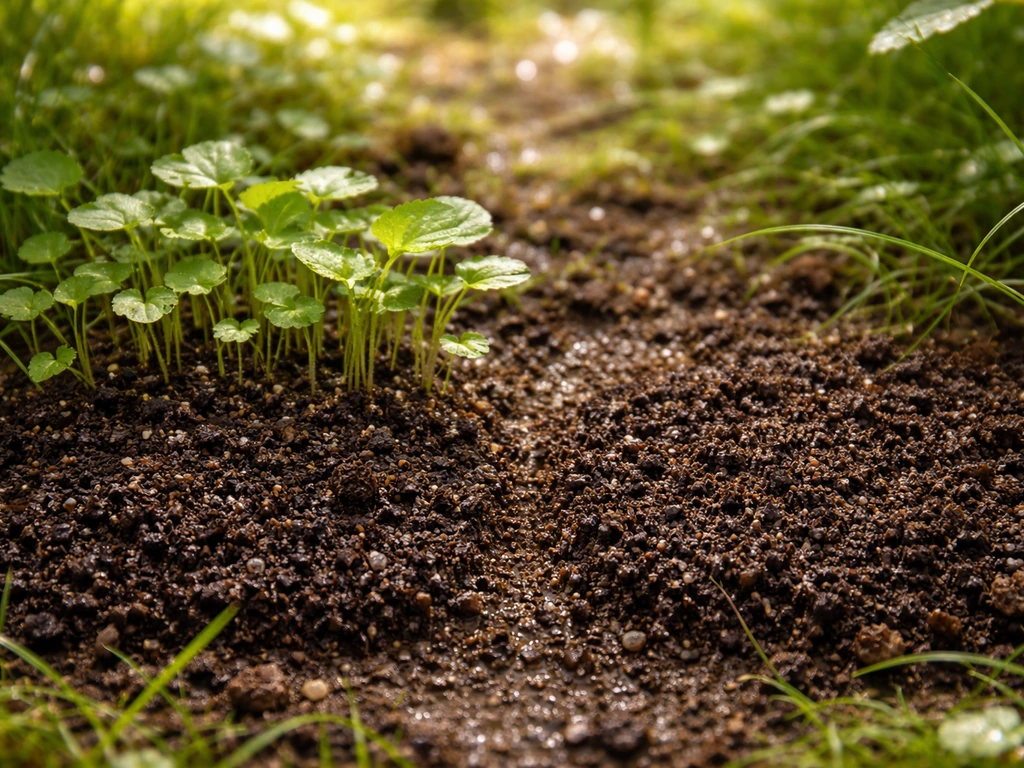
The main thing that kills young Cardamine seedlings is drying out. They are small and shallow-rooted and have almost no drought tolerance at this stage. Check soil moisture daily and water gently before it dries out. Once seedlings have two to three true leaves, they are robust enough to pot on or prepare for planting out.
Transplanting and getting plants established
Hardening off
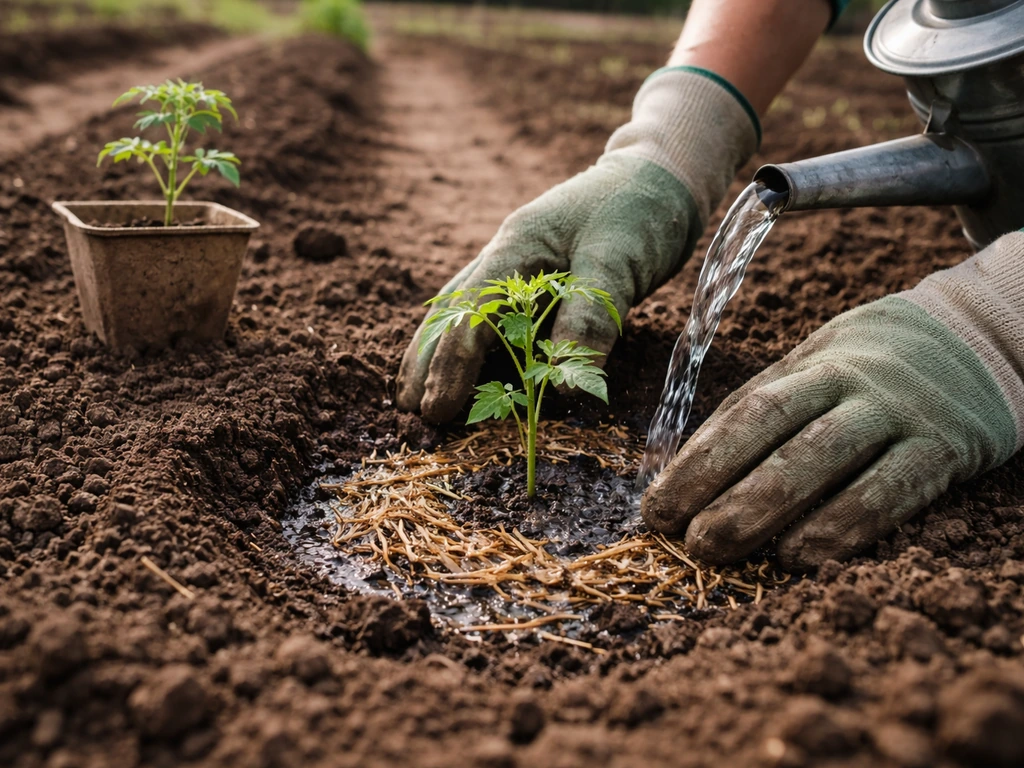
If you started seeds indoors, do not rush straight from a warm room to the open garden. Spend one to two weeks gradually introducing plants to outdoor conditions, starting with a sheltered spot outdoors for a few hours a day and increasing exposure over time. Cuckoo flower is cold-hardy so actual frost is not a big concern, but the adjustment to outdoor wind and light still matters for reducing transplant shock.
When to transplant and how far apart
Plant out in spring once seedlings are sturdy, usually April to May, or in early autumn. Space plants around 30 cm (12 inches) apart. Cuckoo flower spreads slowly via rhizomes so it will fill in over time, but starting with reasonable spacing gives each plant room to develop properly and reduces competition.
Watering after transplanting
Water in well immediately after planting and keep soil consistently moist for the first four to six weeks while roots establish. Mulching around plants with leaf mould or bark chips helps retain moisture significantly, especially if you are in a drier area. In the right conditions, established plants become reasonably self-sufficient, but during dry spells you will need to supplement rainfall.
Ongoing care to keep plants blooming
Fertilizing
Cuckoo flower does not need heavy feeding. It is a wildflower-type plant that prefers moderately fertile soil rather than a rich, heavily fed border. An annual top-dressing of well-rotted compost or leaf mould worked lightly into the soil around plants in spring is usually all that is needed. Avoid high-nitrogen fertilizers, which will push leafy growth at the expense of flowers.
Deadheading
Removing spent flowers redirects the plant's energy away from seed production and can encourage a slightly extended flowering period. That said, if you want the plant to self-seed and naturalise (which is a great low-maintenance strategy for a meadow or damp patch), leave some seedheads in place. If you are growing cuckoo flower to support butterflies, particularly the orange-tip butterfly which lays eggs specifically on this plant, leaving the seedheads intact is even more valuable.
Weeding
Young cuckoo flower plants are small and can be outcompeted by vigorous weeds, especially in the first season. Keep the area around new plants clear until they establish. Once plants have been in the ground a full season, they hold their own reasonably well.
Pests and diseases to watch for
- Slugs and snails: The biggest practical threat, especially to seedlings and young transplants in moist conditions. Use organic slug pellets, copper tape, or regular hand-picking in the evening. Grit mulches around plants also help.
- Powdery mildew: Can appear in warm, dry periods (counterintuitively, even on moisture-loving plants). Improve air circulation around plants and avoid overhead watering. Remove affected leaves promptly.
- Aphids: Occasionally cluster on new growth. A strong jet of water or a dilute soap spray deals with them quickly. Healthy, well-watered plants tend to shrug off minor infestations.
- Club root: Less common but possible in acidic soils. Improve drainage and avoid replanting in the same spot if you see distorted, stunted roots.
Troubleshooting the problems that catch people out
| Problem | Likely Cause | Fix |
|---|---|---|
| Seeds not germinating | Skipped cold stratification, sown too deep, or compost too warm | Stratify seeds in the fridge for 2–4 weeks before sowing; keep seed trays cool; sow at max 2–3 mm depth |
| Leggy, weak seedlings | Too warm, not enough light, or overcrowded | Move trays to a cooler brighter spot; thin seedlings so each has space; harden off gradually |
| Poor or no flowering | Soil too dry, too much shade, or overly rich soil encouraging leaf growth | Increase moisture; move to brighter position if possible; switch to compost top-dressing rather than fertilizer |
| Plants dying after transplanting | Drying out too fast, transplant shock, or slug damage at night | Water daily for first month; check for slug damage; harden off properly before planting out |
| Self-seeded plants not appearing | Seedheads removed too early or seedbed disturbed | Allow some seedheads to ripen fully before cutting back; leave soil undisturbed near plants in autumn |
Seasonal timing across the full year
Cuckoo flower follows a straightforward seasonal rhythm once you know it. Here is how to work with it across the calendar.
- Autumn (September to November): Best time for direct outdoor sowing. Also a good time to divide established clumps and replant divisions into prepared, moist ground.
- Winter (December to February): Seeds stratify naturally in the ground. If starting indoors, place seeds in a damp paper towel in the fridge for 2–4 weeks from January onward.
- Early spring (March to April): Sow indoors now if you missed autumn. Existing plants will begin putting on growth. Plant out hardened-off seedlings from late April.
- Spring (April to June): Main flowering season. Deadhead spent blooms to extend flowering, or leave some to self-seed and support wildlife.
- Early summer (June to July): Flowering winds down. Allow seed pods to ripen if you want self-seeding. Cut plants back lightly after seed dispersal to tidy growth.
- Late summer (August to September): Plants rest. Keep soil moist. This is also when you can divide clumps ahead of autumn replanting.
End-of-season cutback and overwintering
Cardamine pratensis is a hardy perennial and does not need protection in USDA Zones 3 to 7 or in most of the UK. After the growing season, cut back the foliage to just above ground level once it yellows or dies back naturally. Leave a loose mulch of leaf mould over the crown in colder zones (Zone 3 to 4) for extra insurance, but this is usually precautionary rather than essential. The plant will re-emerge reliably in early spring. If your plants have been in the ground three or four years, they will benefit from being lifted and divided in autumn, which keeps them vigorous and gives you free new plants.
Worth growing alongside other spring flowers
Cuckoo flower pairs beautifully with other early-season perennials in a damp, semi-shaded border or naturalistic meadow planting. Its April to June bloom window overlaps well with other spring growers. If you enjoy the wildflower aesthetic, it sits naturally alongside meadow-style annuals and perennials. The combination of its moisture-loving, cool-climate preferences and its hands-off growing style makes it a satisfying plant to add to any garden where the conditions are right.
Get the soil moisture sorted, sow with a brief cold period, and this is one of those plants that genuinely rewards you without demanding much in return. In Animal Crossing, you can apply the same basics by choosing an appropriate flower type and keeping conditions right for it to grow flower growth basics.
If you are wondering crocus how to grow, the biggest tip is to match them to the right sun and drainage so they can rest and flower reliably.
FAQ
Why aren’t my cuckoo flower seeds germinating (or they germinate and then die)?
In most cases the problem is moisture management, not temperature. Seedlings dry out quickly because they are shallow-rooted, so water gently to keep the top layer consistently damp. If your soil stays wet but seedlings still fail, check that you covered seeds only very lightly (about 2 to 3 mm) since deeper sowing commonly reduces germination.
Do I really need cold stratification for cuckoo flower seeds?
Yes, but aim for cool and humid conditions rather than “warm and wet.” A fridge stratification period of two to four weeks usually works even if you skip it, but expect patchier results without it when seeds are sown indoors in late winter or early spring.
Can I grow cuckoo flower in full sun if I water a lot?
Do not treat it like a typical dry-garden perennial. If your summers are hot and you cannot keep the soil consistently moist, move it to a naturally damp spot (near a downspout, pond edge, or shaded slope) or choose a different plant. Extra watering rarely fixes a permanently dry site because heat accelerates drying.
When should I expect germination and when can I plant it out?
If you sow in autumn outdoors, you can plan on waiting until the following spring for germination and growth. If you sow in late winter indoors, you should see sprouts in about two to three weeks, then transplant April to May (or early autumn) once plants are sturdy enough to handle outdoor wind.
How far apart should I plant cuckoo flower?
Spacing is a starting point, not a strict rule. About 30 cm (12 inches) helps reduce competition early, but because it spreads slowly via rhizomes, expect the patch to thicken over time. Crowding is most noticeable in the first season if weeds compete or you planted too densely.
What’s the best way to keep soil moist without turning the bed soggy?
In very dry climates, mulch is your best tool, not fertilizer. Use leaf mould or bark chips to retain moisture, keep mulch a little back from crowns to avoid constant sogginess, and plan on supplemental watering during dry spells even after establishment.
How much fertilizer does cuckoo flower need (and what should I avoid)?
Overfeeding is a common mistake. Skip high-nitrogen fertilizers, because they tend to increase leafy growth at the expense of flowers. Instead, use a light spring top-dressing of well-rotted compost or leaf mould (worked lightly in around plants) once established.
Should I deadhead cuckoo flower or leave the seedheads?
For a low-maintenance meadow effect, leave some seedheads, especially if you want pollinator or orange-tip butterfly support. If you want the longest tidy flowering display, deadhead spent flowers selectively, removing most seedheads while leaving a few in place for naturalising.
When and how should I divide mature cuckoo flower plants?
Yes, in-ground dividing is usually easiest in autumn for older plants (about three to four years). Lift and divide carefully, replant promptly, and keep the new divisions consistently moist for their first few weeks to reduce transplant shock.
What causes poor flowering, lots of leaves, or weak growth?
Look first at moisture and light, then at sowing depth and timing. If plants are leggy and sparse, they likely did not get enough cool, stable conditions during germination or were stressed by inconsistent watering. If there are lots of leaves but few blooms, suspect overly rich soil or nitrogen-heavy feeding.
Next Articles

How to Grow Flowers in Animal Crossing New Leaf
Step-by-step guide to growing, spreading, and hybridizing flowers in Animal Crossing New Leaf, plus fixes when none grow
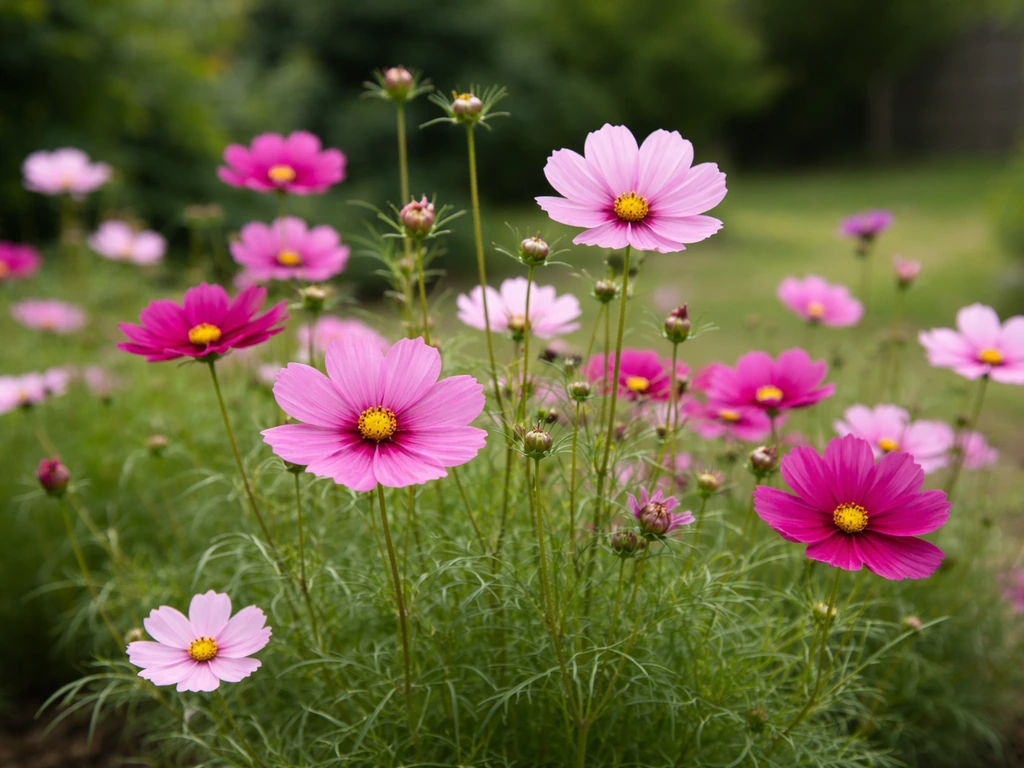
Cosmos Flower How to Grow: Step-by-Step From Seed
Step-by-step guide to grow cosmos from seed to bloom, including sowing, timing, care, pests, and troubleshooting.
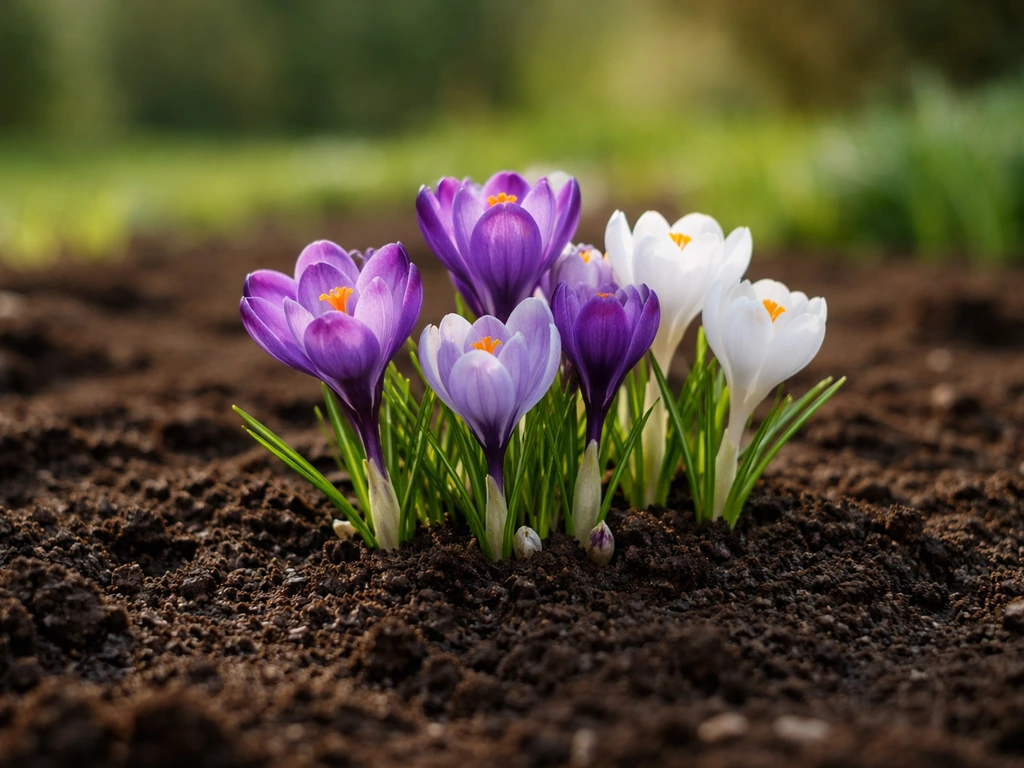
Crocus How to Grow: Step-by-Step Planting and Care
Step-by-step crocus how to grow guide: choose varieties, plant corms, care, troubleshoot, and prep for next year’s bloom