Cleome is one of the easiest flowers you can grow from seed, and it rewards you with tall, dramatic blooms from midsummer right through the first frost. Sow seeds directly in the garden after your last frost date, or start them indoors 4 to 6 weeks earlier for a head start.
How to Grow Cleome Spider Flower From Seed to Blooms

James Holloway
19 Jun 2026
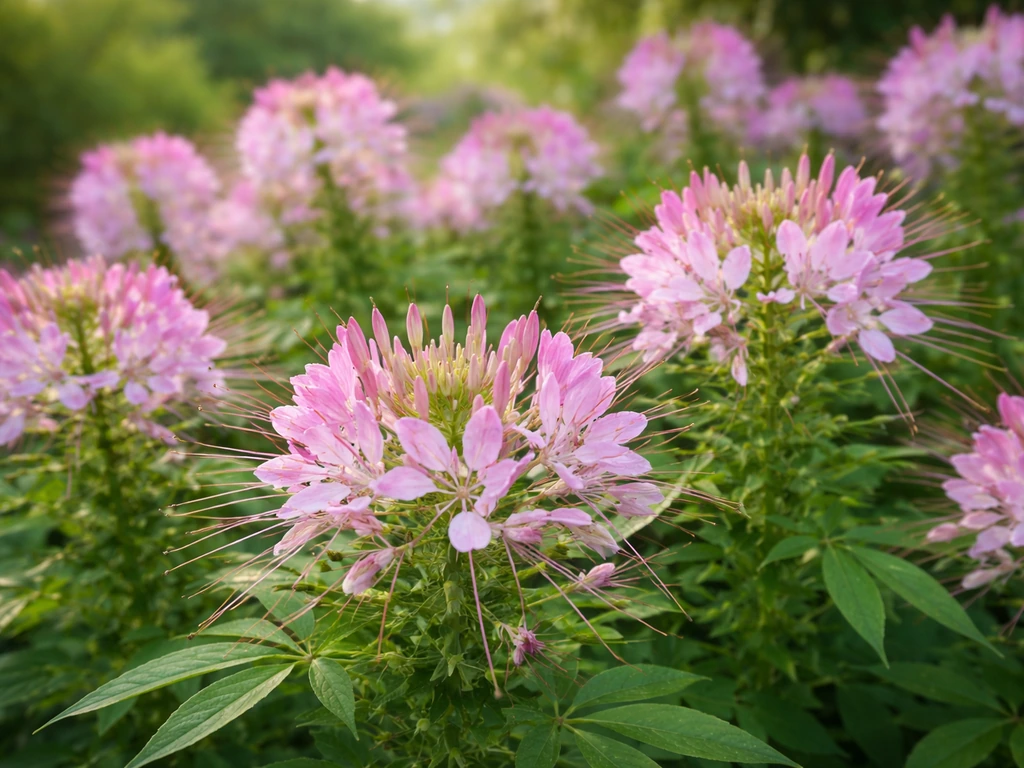
They need light to germinate, so press seeds onto the soil surface rather than burying them, keep things warm (around 70 to 75°F), and expect sprouts in 10 to 14 days. From there, thin to 12 to 18 inches apart, plant in full sun, and give them a drink when the top inch of soil dries out. That's the core of it.
Everything below fills in the details that actually make the difference between a leggy disappointment and a 4-foot showstopper.
Picking the right cleome variety and where to plant it
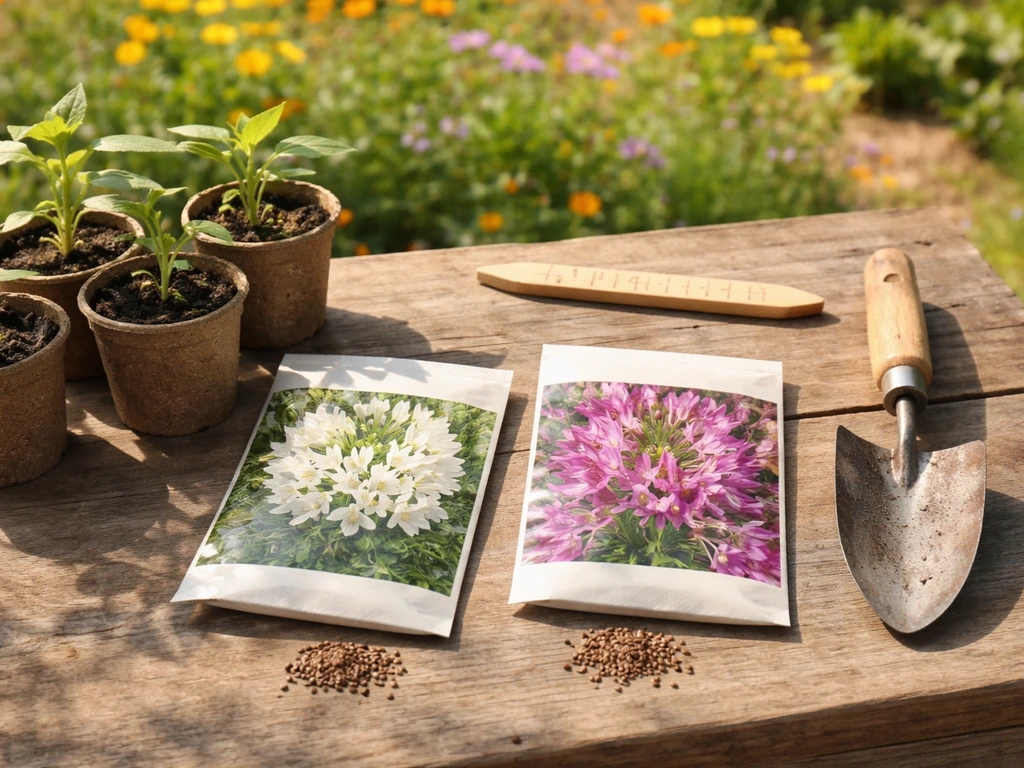
Before you buy seeds, it helps to know what you're working with. Cleome has a wide size range depending on the cultivar. Clemson Extension also notes that cleome [height and spread vary by cultivar or series](https://hgic. clemson.
edu/factsheet/cleome-or-spider-flower/), with dwarf types roughly 1½ to 4 feet tall and about 1 to 2 feet wide, making them good for smaller areas and containers. Traditional heirloom types like 'Helen Campbell' (white) or the classic violet and pink mixes can reach 5 to 6 feet tall with a 24-inch spread. That's a back-of-border plant or a cutting garden anchor, not something you tuck into a window box.
If you want something more manageable, the 'Sparkler' series is a great pick: it starts blooming when plants are only about 18 inches tall and typically tops out around 4 feet. 'Senorita Rosalita' is even better if you hate the sticky stems and self-seeding habit that old-fashioned cleome is notorious for. It's sterile, so it won't aggressively reseed all over your beds, and [it blooms from June right through frost with a tidy upright shape](https://www. missouribotanicalgarden.
org/PlantFinder/PlantFinderDetails. aspx? taxonid=267351). For the smallest spaces or containers, look for dwarf cultivars in the 1.
5 to 4-foot range.
For placement, cleome is non-negotiable about one thing: full sun. It needs at least 6 to 8 hours of direct sunlight to bloom well. I've tried it in part shade and gotten tall, floppy plants with sparse flowers, which is a waste of a whole season. Good drainage matters too. Cleome will rot in soggy soil but handles heat and drought surprisingly well once it's established, which makes it fantastic for hot, dry spots where other annuals struggle.
When to start cleome seeds for your climate
Timing is where most people either nail it or lose a month of blooms. Here's the basic framework: cleome takes roughly 70 to 80 days from germination to first flower. Work backward from your expected last frost date to figure out your window.
| Climate / USDA Zone | Last Frost Window | Direct Sow Outdoors | Start Indoors |
|---|---|---|---|
| Zones 3–4 (Northern US, Canada) | Mid to late May | Late May to early June | Early to mid-April |
| Zones 5–6 (Midwest, Mid-Atlantic) | Late April to mid-May | Mid to late May | Late March to early April |
| Zones 7–8 (Southeast, Pacific NW) | Late March to mid-April | Early to mid-April | Late February to early March |
| Zones 9–10 (Southwest, Gulf Coast) | February or frost-free | Late February to March | January to February |
Cleome seeds also need a brief cold treatment to germinate well if you're direct sowing. The easiest trick: sow seeds in fall and let winter do the stratification for you, or refrigerate seeds in a damp paper towel for about a week before spring sowing. If you're in a warmer zone and direct sowing in late winter, a night or two of cool temps outdoors works fine. For the 'Sparkler' series, the University of Saskatchewan notes these newer types tend to start blooming in mid to late July and carry through September, so even a slightly later start gives you a solid run of flowers.
Starting cleome seeds: the details that actually matter
Soil mix and sowing depth
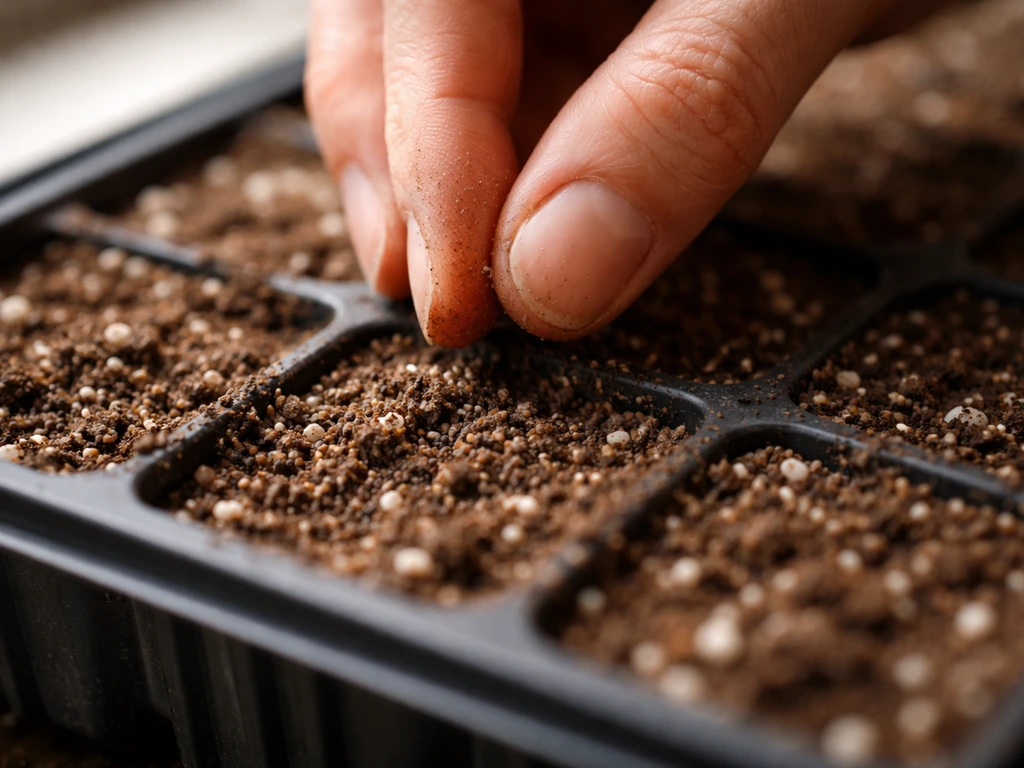
Use a lightweight seed-starting mix, not garden soil or heavy potting mix. You want something that stays moist without compacting. Fill cells or trays to about half an inch from the top, moisten the mix thoroughly before sowing, then scatter one or two seeds per cell. Here's the critical part: do not cover the seeds with soil. Cleome seeds need light to germinate. Just press them gently onto the surface so they make good contact with the mix. You can lay a single layer of fine vermiculite over them to help retain moisture without blocking light, but even that's optional.
Light and temperature for germination
Cleome germinates best between 70 and 75°F. A heat mat under your trays makes a real difference, especially if your seed-starting area is a cool basement or garage. Once seeds are on the surface, place the tray under grow lights or in the brightest window you have. If you're using a windowsill, rotate the tray every day so seedlings don't immediately stretch toward the glass. You should see sprouts in 10 to 14 days under good conditions. If you're pushing past 3 weeks with no action, temperature is usually the culprit.
Germination troubleshooting
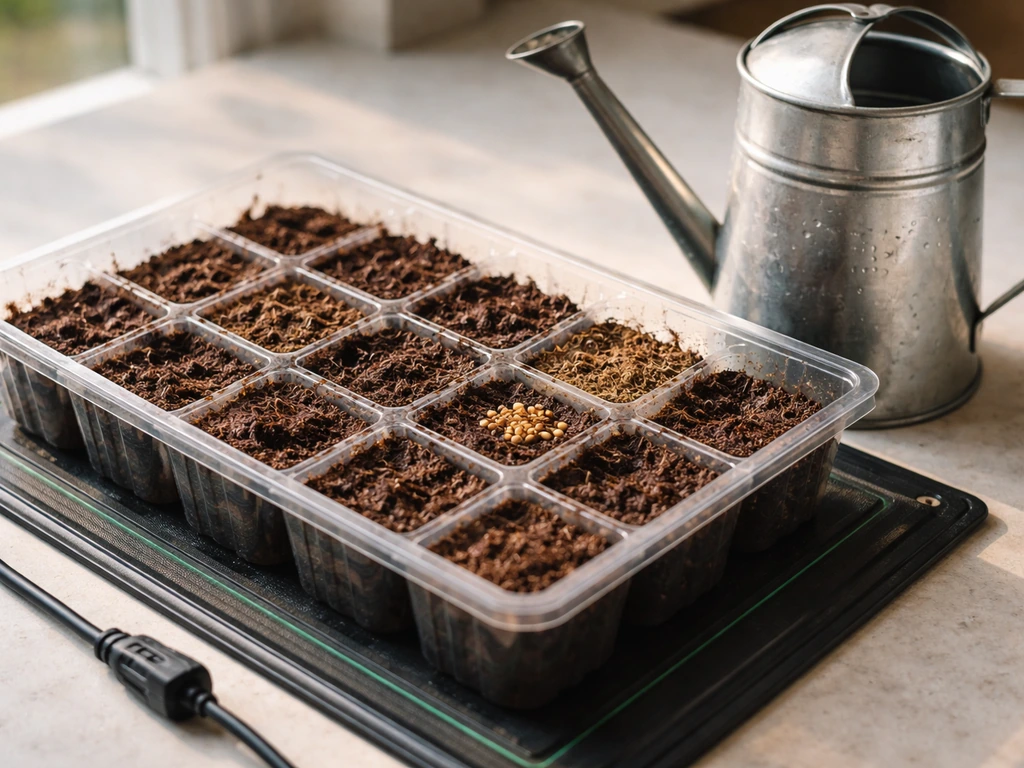
- No sprouts after 2 weeks: Check soil temperature. If it's below 65°F, germination stalls. Add a heat mat or move trays somewhere warmer.
- Seeds rotting before sprouting: Overwatering or a mix that doesn't drain well. Let the surface dry slightly between mistings and improve drainage.
- Patchy, uneven germination: Seeds may be old or were stored in heat and humidity. Fresh seed from a reputable source germinates far more reliably.
- Sprouts immediately falling over (damping off): This fungal issue loves cool, wet, stagnant air. Improve airflow with a small fan and water from the bottom rather than overhead.
- Spindly seedlings: Not enough light. Move trays closer to grow lights (within 2 to 3 inches) or to a sunnier spot.
Transplanting and thinning: getting seedlings in the ground
If you started indoors, harden off seedlings for 7 to 10 days before transplanting. Set them outside in a sheltered spot for a few hours the first day, gradually increasing exposure until they're spending full days outside. Cleome does not love root disturbance, so handle transplants gently and try not to disturb the root ball. Transplant on a cloudy day or in the evening to reduce transplant shock.
If you direct sowed, you'll have a cluster of seedlings to thin. Thin them to one plant every 12 to 18 inches for standard-sized varieties, or 12 inches for dwarfs. I know it feels wrong to pull out healthy plants, but crowded cleome gets leggy and blooms poorly. Thinning is not optional. Snip extras at the soil line rather than pulling them, so you don't disturb the roots of the seedlings you're keeping.
After transplanting or thinning, water well and give plants a few days to settle. Don't fertilize immediately after planting. Let roots establish first, then feed after a week or two once you see new growth starting.
Ongoing care once plants are established
Sun, water, and feeding
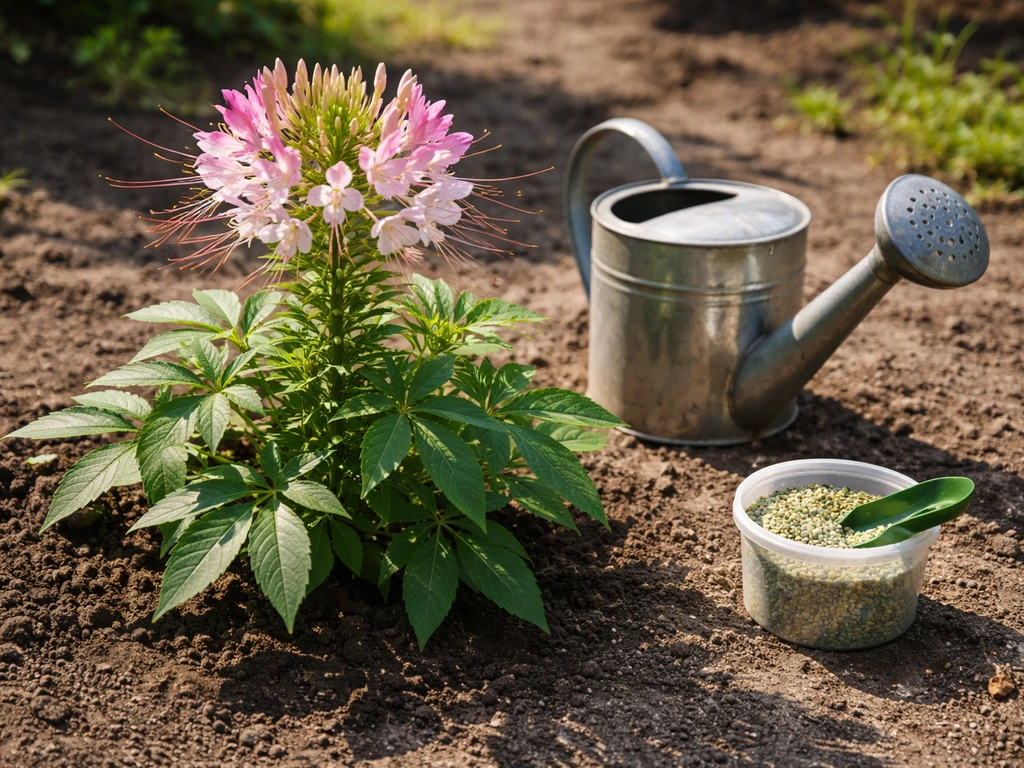
Full sun is the foundation. Cleome that gets less than 6 hours tends to stretch for light and produces fewer flowers. Once established, these plants are surprisingly drought-tolerant, but they bloom better with consistent moisture. Aim to water deeply once or twice a week rather than shallow daily sprinkles. Let the top inch of soil dry out between waterings, then soak the root zone. Avoid wetting foliage, which can invite fungal problems.
For fertilizer, cleome is not a heavy feeder. Too much nitrogen gives you a big leafy plant with disappointing blooms. A balanced slow-release fertilizer worked into the soil at planting is usually enough for the whole season. If plants look pale or flower production slows mid-summer, one application of a low-nitrogen, phosphorus-forward fertilizer (something like a 5-10-10) can help kick blooms back into gear.
Spacing and airflow
Spacing at 12 to 18 inches gives plants enough airflow to stay healthy. Crowded cleome is prone to powdery mildew in humid climates, and poor airflow is almost always the reason. If you're in a region with hot, humid summers, err toward the wider end of that spacing. Tall varieties may need staking in windy spots, especially once they're heavy with blooms. A bamboo stake and some soft twine placed early is easier than trying to rescue a toppled plant later.
Pest and disease basics
Cleome is remarkably pest-resistant. The sticky stems and aromatic foliage deter most insects. Aphids occasionally cluster near growing tips, especially on plants under stress. A strong spray of water from a hose knocks them off. Powdery mildew can appear in late summer when nights cool down and humidity rises. Improving airflow by thinning nearby plants helps, but at that point in the season, the plant has usually already given you most of its show. Spider mites sometimes appear in very hot, dry conditions. Keep plants consistently watered during heat waves and mites are rarely a serious problem.
How to get more blooms all season long
Cleome blooms from the top of the stem downward, and new buds keep forming as the season progresses. The question of whether to deadhead or not depends entirely on what you want from the plant.
If you want more branching and a denser, bushier plant with more flower heads, pinch out the central growing tip when plants reach about 12 inches tall. This encourages side shoots to develop, each of which will produce its own flower cluster. I do this every year with my tall varieties and it genuinely makes a difference in how full the plants look. If you are looking for a similar guide but for Animal Crossing, focus on how your flowers’ light, watering, and timing work in your town makes a difference. You won't need to do this with sterile varieties like 'Senorita Rosalita', which naturally branch well.
Deadheading spent blooms prolongs flowering and keeps the plant looking tidy, but there's a tradeoff. Cleome produces seeds prolifically, and if you let seed pods form, the plant shifts energy away from producing new flowers. For maximum bloom time, remove spent flower clusters before seed pods swell. If you want a self-seeding colony that comes back next year with minimal effort, let the last round of flowers go to seed in late summer. Just know that a single plant can drop hundreds of seeds, so be intentional about where you allow this.
Saving seed and wrapping up the season
Cleome is one of the easiest flowers to save seed from. Once the long, narrow seed pods turn from green to tan and feel dry to the touch, clip them from the plant and let them finish drying indoors on a paper plate or in a paper bag for a week or two. Then crack the pods open, collect the small round seeds, and store them in a labeled envelope in a cool, dry spot. I keep mine in the refrigerator over winter. Properly stored, cleome seeds stay viable for 2 to 3 years.
For end-of-season cleanup, cleome is an annual (or behaves as one in most climates), so there's no overwintering needed. After the first hard frost kills the plant, you can cut it down to the ground and compost the stems. If you're in Zone 9 or 10 and winters are mild, plants may persist longer, but they're still best treated as annuals and replaced with fresh seedlings for the next season's best performance.
If you want free plants next year without any work, simply leave a few plants standing through early fall and let the seeds drop naturally. You'll almost certainly have volunteers coming up in spring. The catch is that self-sown cleome from heirloom varieties won't always match the parent plant's color, so if you grew a named variety, collect seed intentionally and sow from that rather than relying on volunteers. Sterile varieties like 'Senorita Rosalita' won't self-seed at all, so you'll always need to buy or save seed from another source.
If you're already experimenting with other easy-from-seed annuals, cosmos is a close companion in terms of care level and timing, and growing cosmos alongside cleome gives you a similar low-maintenance, high-impact cutting garden. Crocus works well as a companion for seasonal interest at the opposite end of the calendar, bridging the gap between winter and when your cleome seedlings go in the ground. If you want to grow crocus, focus on planting the corms at the right depth and giving them well-drained soil for reliable fall and spring color.
FAQ
Should I soak cleome seeds before sowing to improve germination?
Usually no. Cleome seeds germinate best when they get light and the right temperature, around 70 to 75°F. If you want to pre-soak, limit it to a brief soak (a few hours) and let them dry back to sowing-ready, because long soaking can encourage rot in a damp medium.
How do I know if my cleome seeds need cold stratification when starting indoors?
Indoors, it is often optional because warmth and consistent moisture can carry germination. If your first attempts stall, give them the cold period once (about a week in a damp paper towel in the refrigerator) before sowing, then keep the trays warm and on the surface with good light exposure.
What’s the best grow-light setup so seedlings do not stretch?
Aim to keep seedlings under strong light close enough that you can’t see big gaps between leaves. Run lights about 12 to 16 hours per day, and raise the light as seedlings grow. Also rotate the tray daily, even under lights, to prevent one-sided leaning.
My cleome seedlings look tall and floppy, what should I change?
Most often it is light level. Increase light intensity (move closer to grow lights or ensure full bright window placement), and avoid overwatering, since wet soil plus weak light makes stems stretch and weaken. If they get very leggy, transplant sooner rather than waiting for perfect size.
When is it safe to transplant cleome outdoors if there are late spring chills?
Wait until nights are consistently mild and the soil is not cold and wet. If a cold snap is expected, protect plants with a temporary row cover overnight. Avoid leaving covers on during the day if temperatures soar, because overheating can stress seedlings.
Should I fertilize cleome seedlings after transplanting if they look pale?
Delay fertilizing until you see active new growth, typically after about 1 to 2 weeks. If they look pale right away, it can be normal after transplant. Use a low-nitrogen approach if you do feed, because too much nitrogen usually reduces flower production later.
How can I prevent powdery mildew on cleome in humid weather?
The biggest control is airflow, use the wider spacing and avoid crowding nearby plants. Water at the base so foliage stays drier, and remove nearby weeds that trap moisture. If mildew starts late season, focus on thinning and sanitation since heavy sprays are less likely to fully reverse established issues.
Does deadheading cleome always reduce self-seeding volunteers next year?
Yes, unless you intentionally leave some pods to mature. Deadheading removes the parts that become seeds, so the plant will produce fewer viable volunteers. If you want volunteers but still want more blooms, leave a few spent flower clusters on separate stems and deadhead the rest.
How do I save seed from cleome if I grew multiple colors nearby?
Cleome can cross-pollinate, so color may not match the parent if multiple varieties are blooming at the same time. If purity matters, collect seed only from plants you kept isolated by distance or timing, otherwise treat saved seed as a mix.
Are sterile cleome varieties safe to save and will they germinate?
They will still form pods sometimes, but they are bred to be sterile, so viability is usually poor. If you plan to use saved seed for future planting, do a small germination test first so you are not caught without plants for the season.
How long do cleome seeds stay viable if stored properly?
They generally stay viable for about 2 to 3 years when stored cool and dry in a sealed container. For best results, label the envelope with the collection date and use the oldest seed first to avoid unexpected germination drop-offs.
Next Articles
How to Grow Cuckoo Flower From Seed to Bloom
Step-by-step guide to grow cuckoo flower from seed to bloom, including light, soil, stratification, transplanting, care,
How to Grow Flowers in Animal Crossing New Leaf
Step-by-step guide to growing, spreading, and hybridizing flowers in Animal Crossing New Leaf, plus fixes when none grow
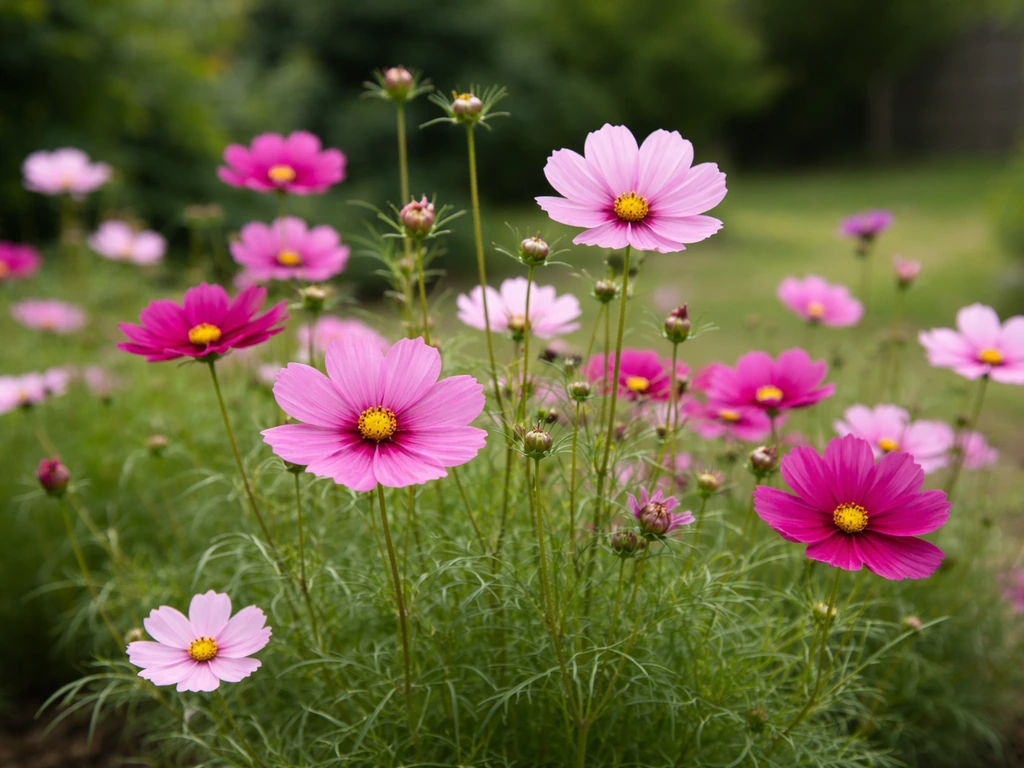
Cosmos Flower How to Grow: Step-by-Step From Seed
Step-by-step guide to grow cosmos from seed to bloom, including sowing, timing, care, pests, and troubleshooting.