
Cosmos are one of the easiest flowers you can grow from seed, and they reward you with months of airy, daisy-like blooms in pink, white, magenta, and crimson from midsummer right through fall. Sow them directly in the ground after your last frost date once the soil hits 60°F, or start them indoors 4 to 6 weeks earlier for flowers a few weeks sooner. Either way, expect your first blooms roughly 50 to 90 days from sowing, with 65 days being a pretty reliable benchmark for most Cosmos bipinnatus types.
Cosmos Flower How to Grow: Step-by-Step From Seed

James Holloway
24 Apr 2026
What you're actually growing: cosmos basics
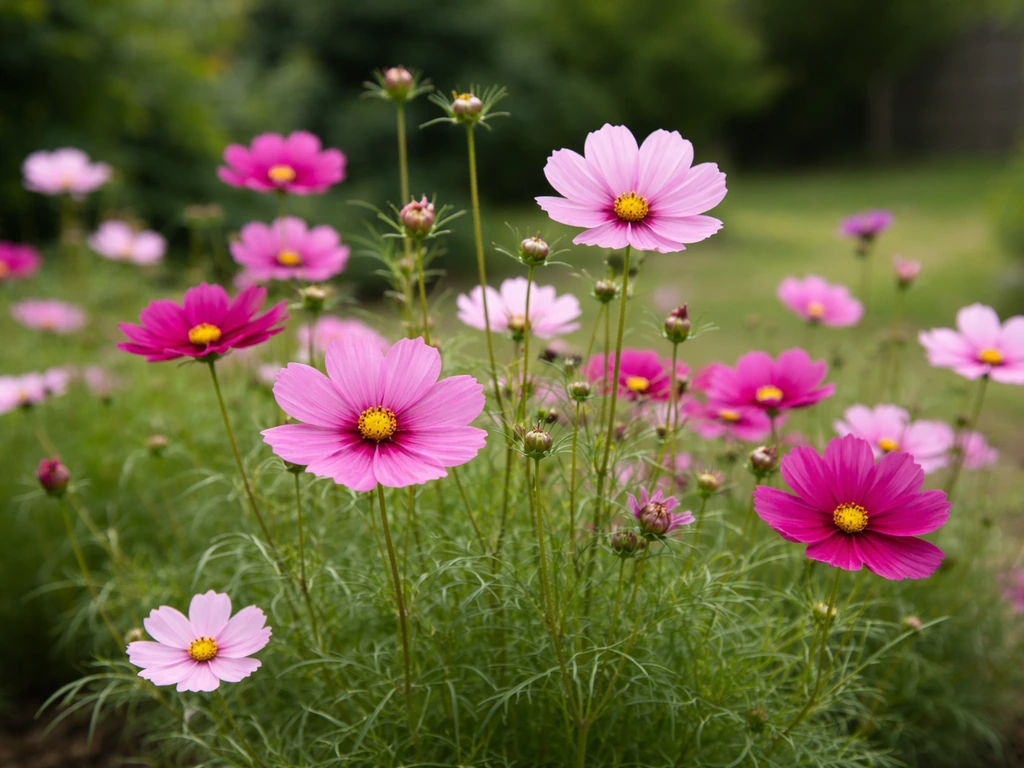
The cosmos you'll find at most seed racks is blank" rel="noopener noreferrer">Cosmos bipinnatus, a half-hardy annual native to Mexico. It grows 2 to 4 feet tall on slender, upright stems with feathery, almost fern-like foliage. Flowers come in single, semi-double, and double forms, and the color range covers white, blush pink, hot pink, magenta, and bicolor combinations. Because it's an annual, it germinates, blooms, sets seed, and dies within one season, but it self-sows readily enough that it often reappears the following year without any effort on your part.
A few varieties are worth knowing by name. 'blank" rel="noopener noreferrer">Sensation Mix' is a classic tall variety with flowers 3 to 4 inches across in pink, magenta, and white, and it won the RHS Award of Garden Merit for good reason. It's bushy, prolific, and excellent for cutting. 'Sonata White' is a shorter option at around 60 cm, making it better for containers or front-of-border spots where you don't want something flopping over. For cutting gardens specifically, the taller Sensation types are worth the extra staking, because the long stems make them genuinely useful in vases. If you've grown cleome spider flower before, you'll recognize a similar effortless, self-sowing energy in cosmos.
When to plant cosmos
Timing is the single most important decision you'll make with cosmos. The seed needs soil that's at least 60°F to germinate reliably outdoors, and the seedlings won't survive a hard frost, so you're working around your last frost date either way.
Direct sowing outdoors
For most gardeners, direct sowing is the easiest approach and the one cosmos naturally prefers. Wait until after your last frost date and the soil temperature has climbed above 60°F (16°C). In USDA zones 7 and warmer, that's often late March to early April. In zones 5 to 6, you're usually looking at late April through mid-May. In zone 4 and colder, aim for mid-May to early June. If you sow too early into cold soil, seeds just sit there and rot, or germinate poorly and then stall. Patience pays off here.
Starting indoors for earlier blooms
If you want flowers earlier in the season, start seeds indoors 4 to 6 weeks before your last expected frost. Be careful not to start too early: cosmos grows fast, and a plant that's been sitting in a small cell pack for 8 or 10 weeks will be root-bound and stressed before it ever hits the garden. Four to six weeks is genuinely the sweet spot. Also worth knowing: cosmos doesn't love being transplanted. Roots are delicate. If you're starting indoors, use biodegradable pots you can plant whole, or handle rootballs very gently.
How to start cosmos from seed
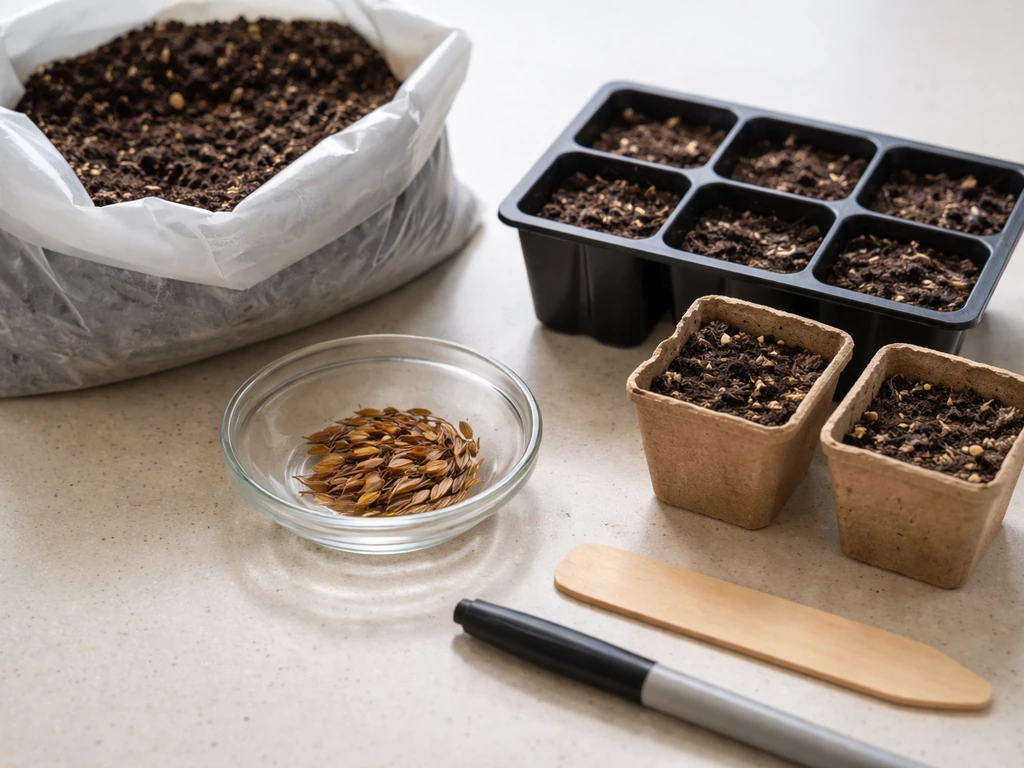
What you'll need
- Cosmos seed (fresh seed from the current season germinates best)
- Sterile seed-starting mix (not garden soil or potting mix with heavy fertilizer)
- Cell packs, small biodegradable pots, or a seed tray
- A spray bottle or gentle watering can
- A warm spot or heat mat to keep the mix at 70 to 75°F (21 to 25°C)
Step-by-step seed starting indoors
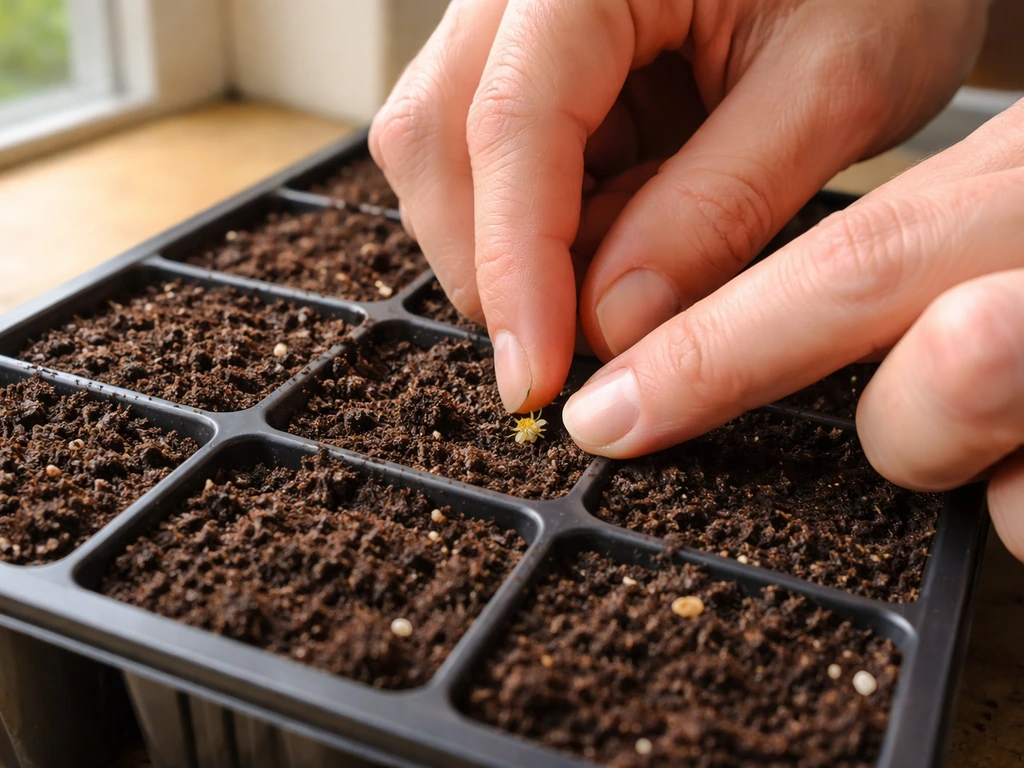
- Fill your cell packs or pots with moist seed-starting mix. It should feel like a wrung-out sponge, damp but not dripping.
- Sow one seed per cell, pressing it gently into the surface and covering it with about 1/4 inch of mix. Cosmos needs darkness to germinate, so don't leave seeds sitting on the surface uncovered.
- Mist the surface lightly and cover the tray with a clear plastic dome or plastic wrap to hold in humidity.
- Place the tray somewhere consistently warm, ideally 70 to 75°F. A heat mat under the tray makes a real difference. Germination typically takes 7 to 10 days at the right temperature.
- Once you see sprouts, remove the dome and move seedlings to your brightest light source. A south-facing window works, but a grow light positioned 2 to 3 inches above the seedlings is even better for preventing leggy growth.
- Water from the bottom when possible by setting the tray in a shallow container of water for 10 to 15 minutes. This reduces the surface moisture that encourages damping-off.
Direct sowing in the garden
Loosen the soil surface and rake it smooth. Scatter seeds or sow them in shallow furrows about 1/4 inch deep, spacing seeds roughly 6 inches apart. Firm the soil over them gently and water in. Once seedlings are 3 to 4 inches tall, thin them to 12 to 18 inches apart. Yes, thinning feels brutal, but crowded cosmos gets leggy and poorly flowering. Snip thinned seedlings at the base rather than pulling, to avoid disturbing neighbors.
Hardening off indoor starts
Before transplanting outdoor-destined seedlings, give them 10 to 14 days to adjust. Start by setting them outside in a sheltered, bright-shade spot for just 2 to 3 hours on the first day, then bring them back in. Increase the time and sun exposure a little each day. Reduce watering slightly during this period but don't let them wilt. Skipping hardening off almost always leads to transplant shock, scorched leaves, and a plant that sits doing nothing for weeks.
Caring for young cosmos plants
Cosmos are genuinely undemanding once they're in the ground, but they do have a few non-negotiable requirements. Get these right and the plants more or less take care of themselves.
Sun
Full sun is non-negotiable. Cosmos needs at least 6 hours of direct sun per day, and 8 hours is better. In part shade, plants get leggy, produce fewer flowers, and are more prone to disease. If your planting spot gets afternoon shade, expect noticeably weaker results.
Soil
This is where many new gardeners get tripped up: cosmos actually prefers lean, well-drained soil. Cuckoo flower has similar needs to many easy annuals, so using the same direct-sowing and sun-focused approach can help you get strong blooms how to grow cuckoo flower. Rich, heavily amended beds or soil that holds too much moisture produces lush, leafy plants with few flowers. If your garden beds are already fertile from compost or fertilizer, plant cosmos anyway, just don't add more. Sandy or average soil is genuinely fine here, and often better.
Watering
Water young transplants regularly for the first week or two while they settle in, then back off. Established cosmos is quite drought-tolerant. Deep, infrequent watering (every 5 to 7 days in average conditions) is better than frequent shallow watering, which keeps the surface damp and invites fungal problems. Let the top inch of soil dry out between waterings once plants are established.
Thinning
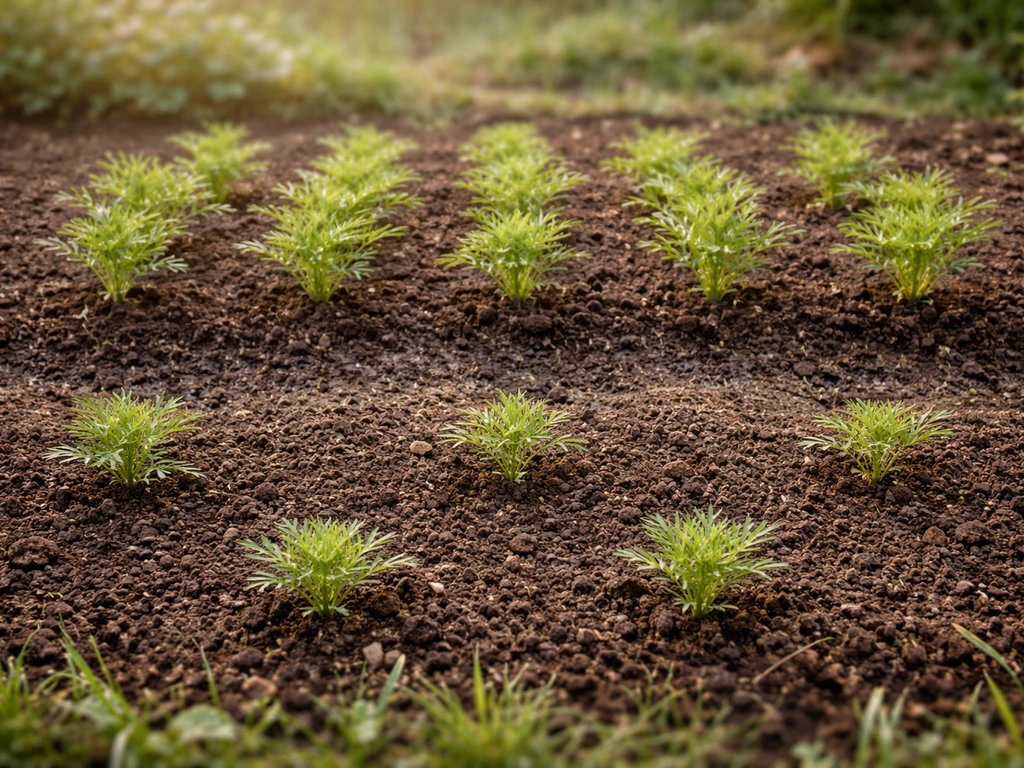
Whether you direct-sowed or transplanted, aim for final spacing of 12 to 18 inches between plants. Crowded plants compete for light, stay thin and weak, and are far more vulnerable to powdery mildew. Thin without guilt.
Keeping cosmos blooming all season
Feeding: less is more
If your soil is genuinely poor, a balanced fertilizer applied once at transplanting can help get plants established. After that, switch to a lower-nitrogen fertilizer if you feed at all, and stop feeding altogether once buds form. High nitrogen keeps pushing leafy growth at the expense of flowers. I've made this mistake before with a heavily amended raised bed, and the result was gorgeous, bushy 4-foot plants that barely flowered until September. Lean soil really does produce better blooms.
Deadheading and cutting back
Deadheading, removing spent flowers before they set seed, is the single most effective thing you can do to keep cosmos blooming. When a plant thinks it's reproduced successfully, it slows down flower production. Cut or pinch off finished blooms every few days during peak season. If the plant gets leggy or tired-looking mid-season, don't be afraid to cut it back hard, down to 12 to 18 inches from the ground. It will regenerate and rebloom within a few weeks. This is one of those moves that looks drastic but works.
Pests and diseases to watch for
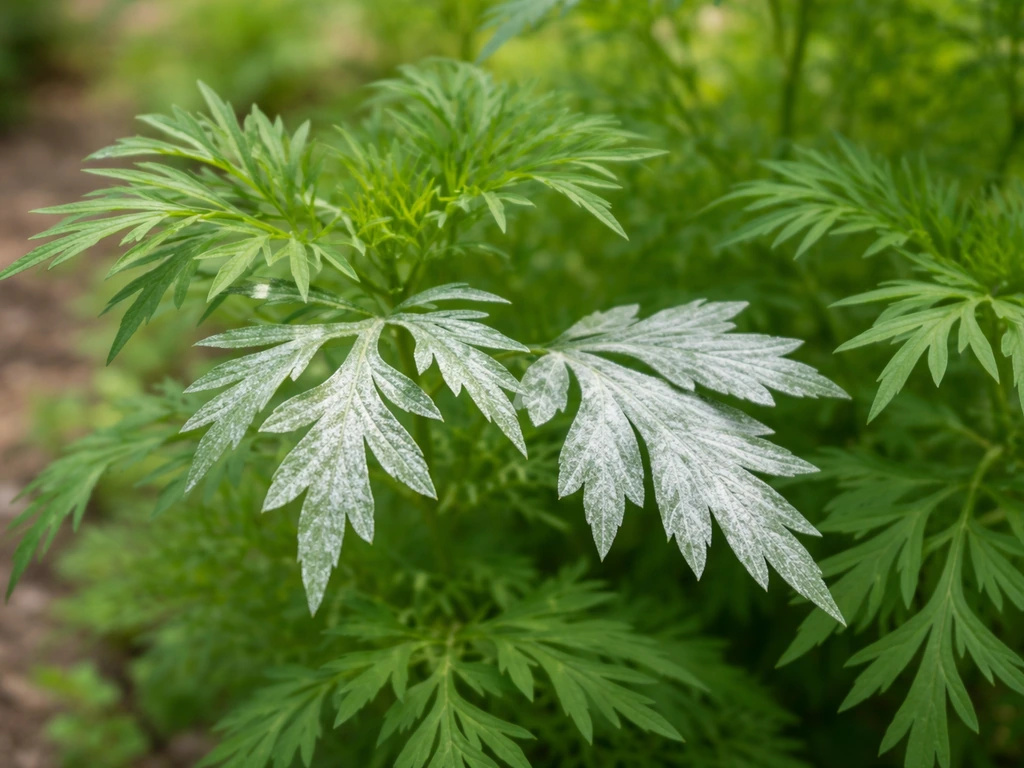
Cosmos is relatively trouble-free, but a few issues do come up. Powdery mildew is the most common disease, showing up as a white powdery coating on leaves, usually in late summer when nights cool down and plants are crowded. Prevention is much easier than treatment: space plants well, water at the base rather than overhead, and remove affected leaves promptly. Aphids, including green peach aphids, can cluster on new growth. A strong spray of water knocks most of them off, and insecticidal soap works by direct contact if populations are heavy. Spider mites occasionally appear during hot, dry spells, leaving a fine webbing and stippled leaves. Increasing humidity and keeping plants well-watered during heat waves reduces the risk.
Cutting cosmos for the vase
Cosmos is a wonderful cutting garden flower, and harvesting regularly actually encourages the plant to produce more blooms. Cut stems in the morning when it's cool, choosing flowers that have just opened or are still in the bud stage with color just showing. Fully open flowers don't last as long in the vase. Cut stems as long as possible, going back to a lateral branch or leaf node.
To extend vase life, strip any leaves that would sit below the waterline, recut the stems at a sharp angle underwater, and place them immediately into clean water in a clean vase. Change the water every two days. Cosmos stems are somewhat delicate and benefit from a floral preservative in the water. Kept this way, cut cosmos typically lasts 5 to 7 days in the vase. Avoid placing arrangements in direct sun or near ripening fruit, which releases ethylene gas and shortens vase life.
Troubleshooting common cosmos problems
| Problem | Likely Cause | Quick Fix |
|---|---|---|
| Seeds won't germinate | Soil too cold (below 60°F), seeds planted too deep, or soil surface dried out during germination | Check soil temp with a thermometer. Sow no deeper than 1/4 inch. Keep surface consistently moist until sprouts appear. |
| Leggy, floppy seedlings indoors | Not enough light after germination | Move to a south window or lower a grow light to 2 to 3 inches above seedlings. Increase light hours. |
| Lots of foliage, no flowers | Too much nitrogen in the soil, or not enough sun | Stop fertilizing entirely. Make sure plants get 6+ hours of direct sun. Lean soil = more blooms. |
| Plants flower early and then stop | Deadheading not keeping up, or plants going to seed | Deadhead every 2 to 3 days during peak bloom. If plants look exhausted, cut back hard to 12 to 18 inches. |
| Seedlings collapse at the base (damping-off) | Fungal rot caused by overly wet, humid conditions with poor air circulation | Use sterile seed-starting mix only. Water from the bottom. Increase airflow around seedlings. Affected plants can't recover; prevent with the next batch. |
| White powder on leaves | Powdery mildew, usually in late season | Remove affected leaves immediately. Improve spacing. Avoid overhead watering. |
| Transplants wilting and stalling after planting out | Transplant shock from insufficient hardening off | Shade plants for 2 to 3 days after planting. Keep well-watered. Allow 10 to 14 days hardening off next time. |
Most cosmos problems come down to a handful of correctable mistakes: sowing into cold soil, giving plants too much fertility, not giving them enough light, or skipping deadheading. Once you've grown a patch of cosmos, even an imperfect one, you'll have a much better feel for how forgiving and generous this plant really is. For more overall game-specific guidance, see our guide on how to grow flowers in Animal Crossing. Like crocus or poppies, cosmos rewards even modest effort with a long season of blooms, and the fact that it self-sows means your next crop is often already in the works by the time the first one finishes. If you are also interested in crocuses, check out crocus how to grow for tips on planting and timing.
FAQ
Do I need to soak cosmos seeds before planting?
Usually no. Cosmos bipinnatus seeds germinate well at warm soil temperatures (around 60°F or higher) without soaking. If you want to speed things up, you can soak for 6 to 12 hours, but don’t soak longer because swollen seeds can rot if the soil stays too wet.
Should I cover cosmos seeds with mulch after sowing?
Avoid thick mulch directly over the seeds. A light layer can be fine once seedlings are established, but for sowing, keep coverage shallow (about 1/4 inch depth) so sprouts can reach the surface. Too much mulch can keep the soil cool and delay germination.
My cosmos sprouted but stalled, what’s the most likely cause?
Cold, waterlogged soil is the top culprit when seeds or tiny seedlings sit without growing. Another common reason is over-fertile soil that encourages weak, lush growth without steady flowering. Make sure plants get full sun and water only enough to keep the top inch from staying constantly wet.
Can I grow cosmos in containers if I don’t want them to self-sow?
Yes, but choose a pot that’s at least 10 to 12 inches wide, use well-drained potting mix, and don’t over-fertilize. To control self-sowing, deadhead frequently and remove spent blooms before seeds form, since container plants can still produce viable seed.
How do I stop cosmos from coming back next year?
Cosmos self-sows readily, so you need to remove seed heads before they fully mature. Deadhead or harvest cut flowers often, and if you’re saving time, mow or cut back plants before seed pods dry and release seeds.
Is it okay to transplant cosmos, or is direct sowing always better?
Direct sowing is usually the easiest, but transplanting works if you handle roots gently and harden off properly. Use biodegradable pots or minimize root disturbance, because cosmos roots are delicate and transplant shock can set growth back for weeks.
What spacing should I use if my cosmos gets leggy or falls over?
Stay close to 12 to 18 inches between plants for most garden beds. In addition, don’t overcrowd to “save space,” because crowding reduces airflow and increases powdery mildew risk. For very tall selections, consider light staking early so stems don’t bend and then stay bent.
How often should I water cosmos once they’re established?
Water deeply about every 5 to 7 days in average conditions, then let the top inch of soil dry between waterings. If you’re in hot, windy weather, you may need to check more often. Consistently wet surface soil increases disease pressure.
Do cosmos need fertilizer, and what type should I use?
They generally do best in lean soil. If your soil is poor, use a balanced fertilizer at transplanting only, then switch to little or no additional feeding once buds form. Avoid high-nitrogen fertilizer because it trades flowers for leafy growth.
Why are my cosmos producing lots of leaves but few flowers?
Most often, the soil is too rich (from compost or frequent feeding) or plants are getting less than 6 hours of direct sun. Reduce fertilizer, ensure full sun, and consider trimming back leggy plants to encourage a fresh flush of blooms.
How do I deadhead cosmos the “right” way without damaging the plant?
Snip finished blooms just above a leaf node or side branching point. If the plant looks tired, you can cut it back hard to about 12 to 18 inches and let it regrow, rather than just removing the top flowers.
What can I do about powdery mildew early, before it spreads?
Start with airflow and watering habits: space plants properly, water at the base, and remove heavily affected leaves promptly. If pressure is high in late summer, prune lightly to open the canopy, because dense, humid foliage makes mildew harder to control.
How can I tell the difference between aphids and spider mites damage?
Aphids usually cluster on new growth and stems, often with sticky residue nearby. Spider mites cause fine webbing and stippled or speckled leaves, which look dull and patchy during hot, dry spells.
When is the best time of day to cut cosmos for a vase?
Cut in the morning when stems are cool and less dehydrated. Choose buds that are just starting to show color, these last longer in vases than fully opened flowers.
How do I make cut cosmos last longer indoors?
Strip leaves that fall below the waterline, recut the stem ends at an angle underwater, and place stems immediately in clean water in a clean vase. Change the water every two days, and keep arrangements away from direct sun and from ripening fruit (ethylene shortens vase life).
Next Articles
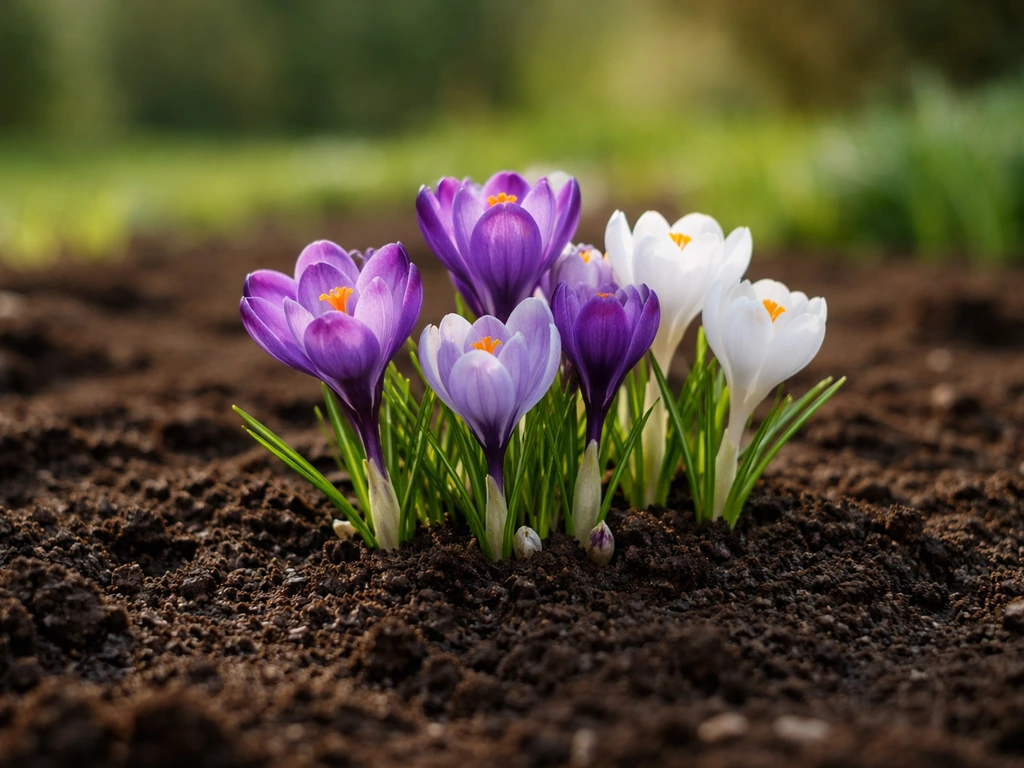
Crocus How to Grow: Step-by-Step Planting and Care
Step-by-step crocus how to grow guide: choose varieties, plant corms, care, troubleshoot, and prep for next year’s bloom
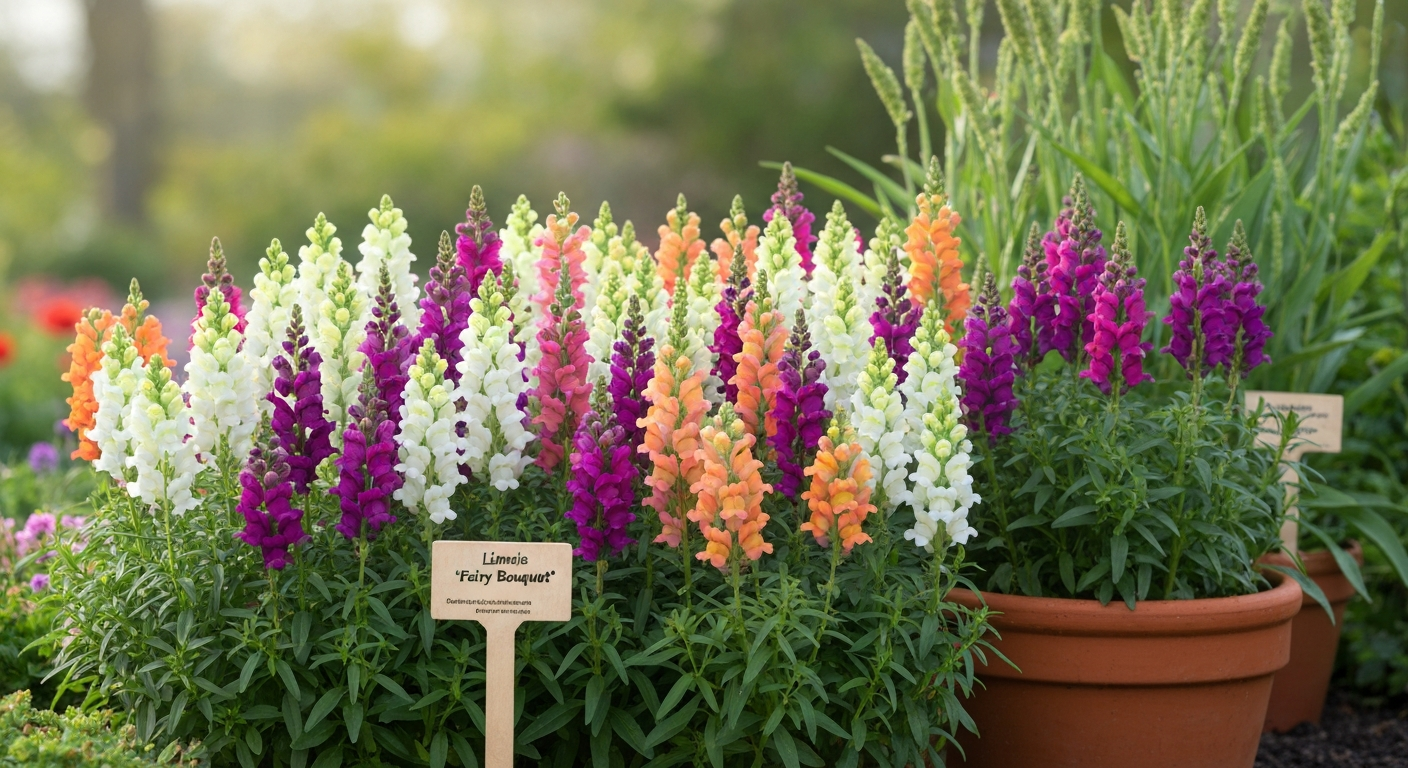
Linaria 'Fairy Bouquet' How to Grow: Seed to Cut Flowers
Grow Linaria 'Fairy Bouquet' from seed to vase: step‑by‑step sowing, care, cutting, seed saving & troubleshooting.
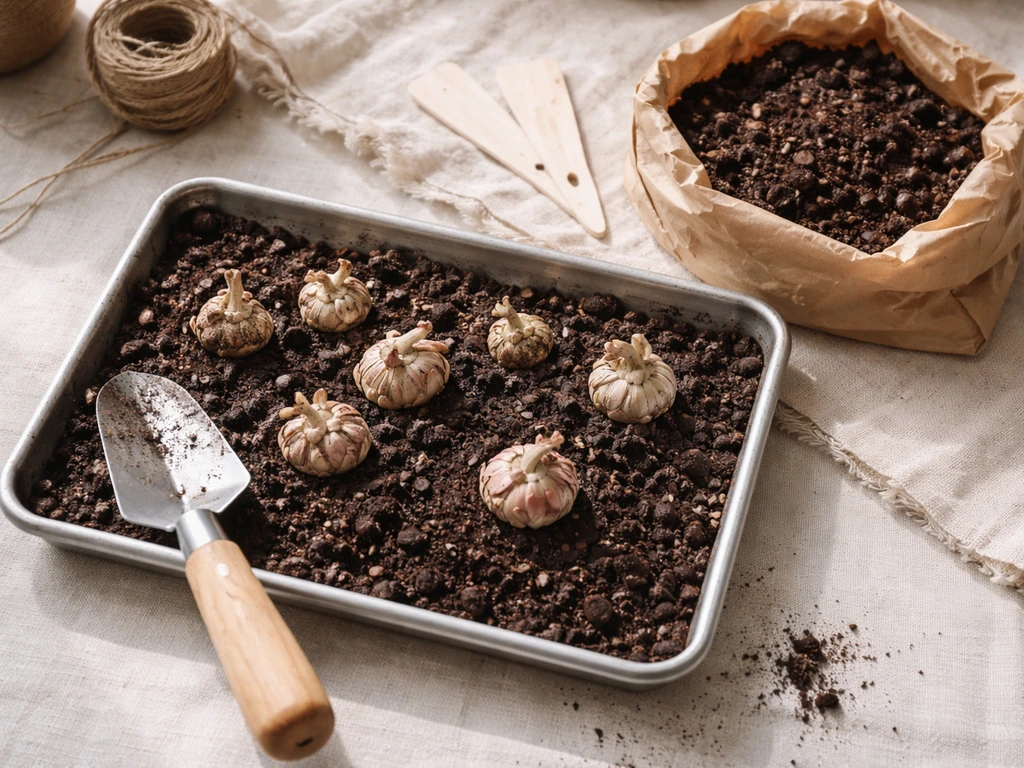
Floret How to Grow Ranunculus: Step-by-Step Guide
Step-by-step Floret-style ranunculus guide: corm prep, planting, watering, frost care, troubleshooting, and harvest for