
Plant crocus corms in autumn, about 6 to 8 weeks before your first hard frost, with the pointed end facing up, about 3 to 4 inches deep and 3 to 4 inches apart, in a sunny spot with well-drained soil. That is genuinely most of the battle. Get those basics right and crocuses will reward you with one of the earliest splashes of color in the garden, often pushing through while there is still snow on the ground, and they will come back reliably year after year with very little help from you.
Crocus How to Grow: Step-by-Step Planting and Care

James Holloway
23 Apr 2026
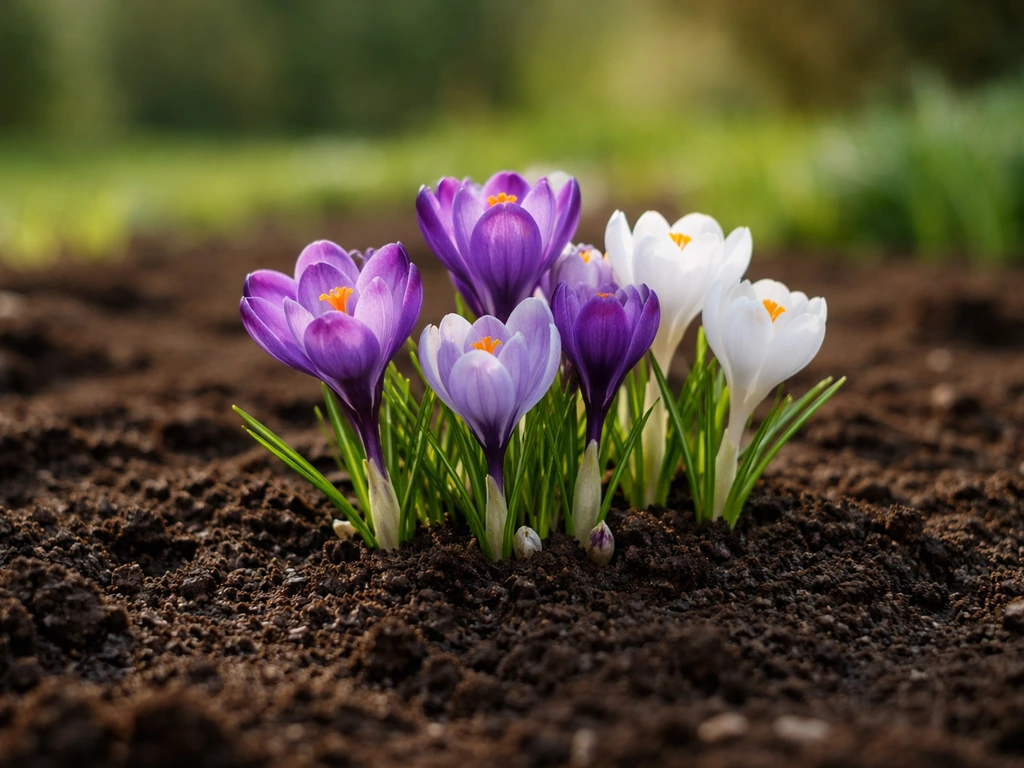
Choosing crocus types and when to plant
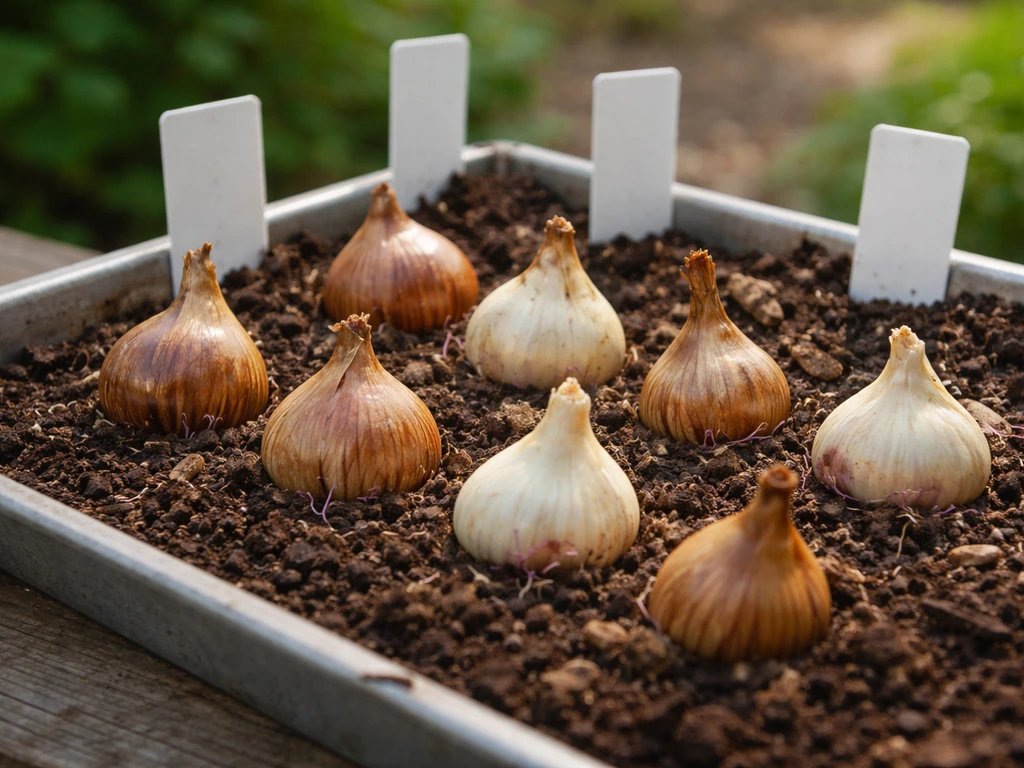
Most gardeners are thinking about spring-flowering crocuses, and that is a great place to start. The two types you will encounter most often at garden centers are Crocus vernus (the classic large-flowered spring crocus) and Crocus chrysanthus (a smaller, earlier-flowering species with gorgeous color patterns). The RHS describes Crocus vernus as a dwarf perennial growing from a corm with goblet-shaped flowers in autumn or early spring Crocus vernus (spring crocus) is a dwarf perennial that grows from a corm and has goblet-shaped flowers. Both are grown from corms, both are hardy in USDA Zones 3 to 8, and both are planted in autumn for a spring show. C. chrysanthus often blooms a few weeks earlier than C. vernus, so planting a mix of both will stretch your season nicely.
There are also fall-blooming true crocuses, like Crocus speciosus, which actually flower in mid-autumn and go in the ground during summer. The RHS also notes that crocuses can flower in autumn as well as spring, and that they are perennials that grow from corms fall-blooming true crocuses. A quick word of warning here: a lot of plants sold as 'autumn crocus' are actually colchicums, which are a completely different plant group. They look similar but have different planting requirements and a different leaf cycle (leaves appear in spring, well after the fall flowers are gone). If you buy something labeled 'autumn crocus,' check whether it is a true Crocus species or a Colchicum before you plant.
For spring crocuses, the planting window is September through November, depending on where you live. The key trigger is soil temperature: you want to plant when soil has cooled below about 60°F (16°C). In colder zones (3 to 5), that means September to early October. In zones 6 to 8, you can often wait until late October or even November. Aim to get the corms in the ground at least 6 weeks before your first hard frost so they have time to establish roots before everything freezes.
Getting your soil and site ready
Crocuses are not fussy about soil fertility, but they are extremely fussy about drainage. Waterlogged soil is the number one killer of crocus corms, full stop. If water sits around a corm for any length of time, it rots. So before you think about anything else, ask yourself: does this spot drain well after heavy rain? If the answer is no, you need to fix that before you plant.
For heavy clay soils, work in organic matter (compost is ideal) down to about 10 inches deep. You are not just adding nutrients here, you are physically improving the soil structure so water moves through it instead of pooling. If your clay is truly bad, mixing in coarse grit or perlite is worth the extra effort. For planting in containers, use a gritty, peat-free, loam-based compost mix and make sure your pots have drainage holes. The RHS recommends planting container crocuses in pots around 4 to 5 inches deep with a genuinely gritty medium.
Light is the other big site factor. Crocuses want full sun, at least 6 hours a day. They will tolerate light shade under deciduous trees, since they bloom before the tree canopy fills in, but avoid deep or permanent shade. A south or west-facing bed, a sunny lawn patch, or the front edge of a border all work beautifully. Aim for a soil pH somewhere between 6.0 and 7.0, though crocuses are fairly tolerant and most garden soils will be fine without adjustment.
Planting depth, spacing, and the pointed-end rule
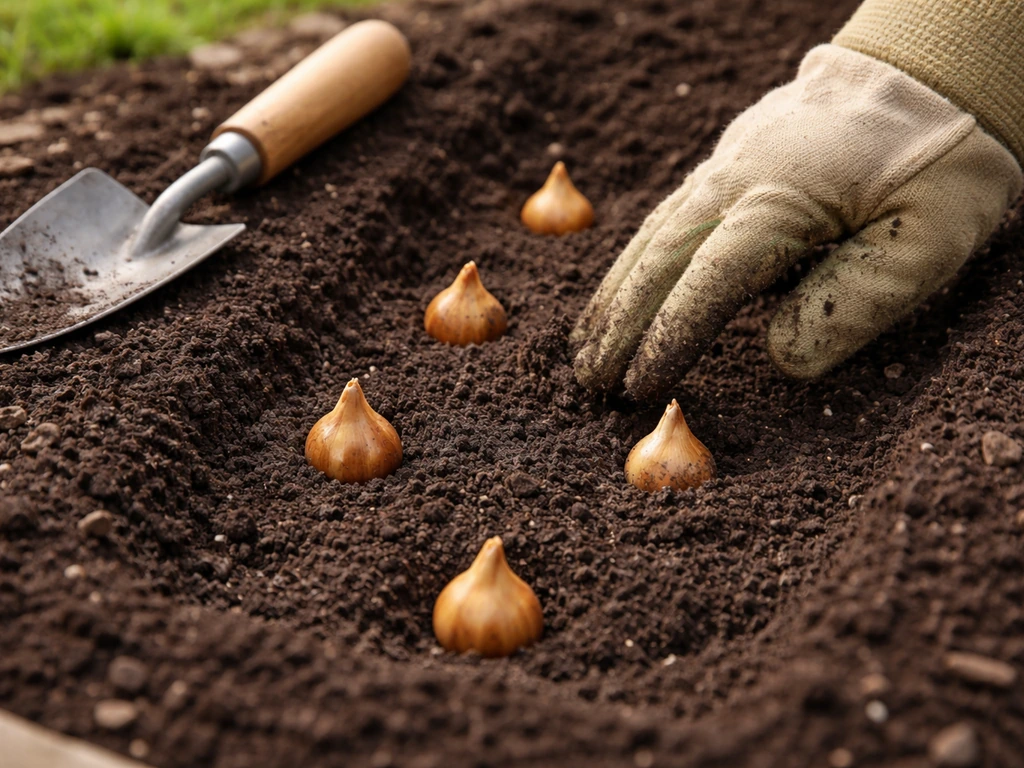
The standard recommendation is to plant crocus corms 3 to 4 inches deep (about 7 to 10 cm), spaced 3 to 4 inches apart. The RHS specifically recommends 5 to 6 cm for Crocus vernus, which lands at the shallower end of that range. If you are in a colder zone or an exposed spot, going a little deeper (closer to 4 inches) gives extra frost protection and also puts the corms further from squirrels' digging range, which is a real bonus.
Always plant with the pointed end facing up. If you cannot tell which end is which on a particularly rounded corm, plant it on its side and it will usually sort itself out, but when in doubt, look for a slight papery tip or a flatter basal plate at the bottom. Before you drop each corm in, prepare the soil a few inches deeper than your planting depth so the soil directly beneath is loose and crumbly. Compacted soil underneath slows drainage and stunts root development.
For a naturalistic effect in a lawn, scatter the corms randomly and plant them where they land. Groups of 10 to 20 look far better than a single row. In borders or beds, clusters of 15 or more give you that satisfying drift of color come spring. Water in after planting to settle the soil around the corms, then leave them alone. They do not need babying through autumn.
Light, watering, and feeding while they grow
Once your crocuses are in the ground, the cold and winter moisture does most of the work for you. The corms need a cold period to trigger flowering, which is why autumn planting is so important. When shoots emerge in late winter or early spring, the plants need good light to open their flowers fully (crocus flowers close in shade and at night, so a sunny spot really does matter for getting the most from them).
Watering for in-ground crocuses is largely unnecessary if you get normal winter and spring rainfall. They are drought-tolerant once established, and as noted earlier, overwatering is far more likely to cause problems than underwatering. If you have an unusually dry autumn after planting, a single good soaking will help root establishment. After that, step away.
Feeding in-ground crocuses is generally not needed. The RHS is clear on this: crocuses in the ground should not need fertilizing. The exception is if you are growing crocuses in containers, where nutrients get depleted faster. For potted crocuses, a high-potassium liquid fertilizer (like tomato feed) applied while the plant is growing and approaching bloom will support flowering. Avoid high-nitrogen, all-purpose fertilizers for crocuses in any setting as too much nitrogen pushes leafy growth at the expense of flowers.
Looking after your crocuses through bloom
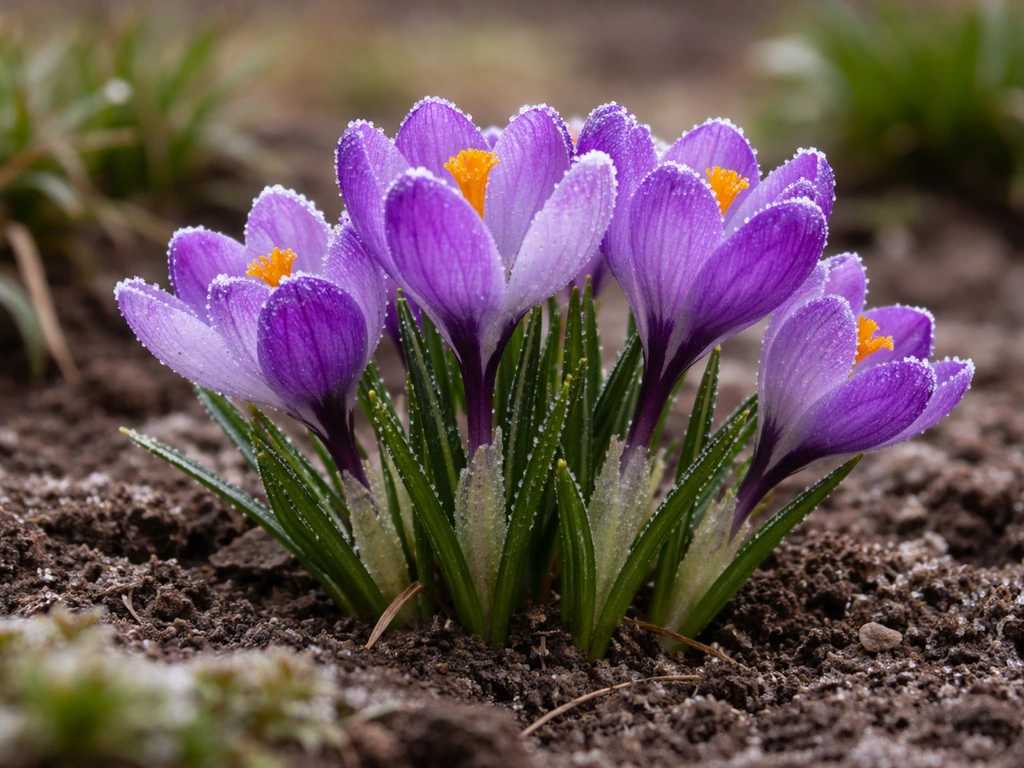
Crocus flowers do not last long, typically 1 to 3 weeks depending on weather, and cold snaps will actually help them last longer. Warm weather shortens the show. There is nothing you need to do to the flowers themselves while they are open, just enjoy them. You do not need to deadhead. The RHS specifically says there is no need to deadhead crocuses, and in fact removing the spent flowers makes no real difference to next year's performance. Save yourself the effort.
If a late frost hits while your crocuses are flowering, do not panic. Crocus flowers are surprisingly frost-tolerant and will often recover once temperatures rise. A hard freeze might turn the petals to mush, but the corm underneath will be fine.
After bloom: the step most gardeners skip
This is where the magic for next year happens, and where a lot of people go wrong. After the flowers fade, the leaves will keep growing for several more weeks. Those leaves are photosynthesizing and sending energy back down into the corm to fuel next year's flowers. If you cut them off early, you are essentially starving the corm and your display will be weaker or non-existent the following year.
The rule is simple: leave the foliage completely alone until it has turned yellow and died back on its own, which typically takes about 5 to 7 weeks after bloom. Only then should you remove it or mow over it in a lawn setting. I know the floppy, yellowing leaves are not pretty, but this patience pays off. If you want to hide the dying foliage, plant crocuses among low perennials or spring bulbs that will grow up and mask them as the season progresses.
Once the foliage has fully died back, you can leave the corms exactly where they are. They do not need to be lifted in most climates (Zones 3 to 8). In fact, crocuses naturalize beautifully and clumps will gradually multiply over the years, giving you a bigger and better display each spring. If a clump gets overcrowded after 3 to 4 years and flowering drops off, you can lift, divide, and replant in late summer or early autumn.
When things go wrong: quick fixes for common problems
No flowers
The most common reason for crocuses failing to flower is cutting the foliage back too early in previous years, starving the corm of energy. The second most common reason is planting too late, or in a spot that did not get cold enough to trigger flowering. In warm climates (Zone 9 and above), spring crocuses really struggle without an adequate cold period. Planting in too much shade will also prevent buds from opening properly. Finally, if you used a high-nitrogen fertilizer, you may get lush foliage and no blooms.
Rotting corms
If corms rot, drainage is almost always the culprit. Check whether the planting site holds water after rain. Adding grit or perlite to the soil mix, planting on a slight slope, or moving to a raised bed will solve most rot problems. Prolonged ice encasement (common in poorly draining flat spots) traps moisture right against the corm and encourages rot even in otherwise cold-hardy zones. Sometimes individual corms arrive diseased from the garden center; always discard any soft or mushy corms before planting.
Pests and animals
Squirrels and voles are the main offenders. Squirrels dig up corms shortly after planting, while voles tunnel through the soil and chew corms from below during winter. If you find holes and missing corms in autumn, it is almost certainly squirrels. If plants disappear mid-winter with no surface disturbance but you spot small tunnels, suspect voles. Deer and rabbits tend to chew the flowers and foliage above ground, usually leaving ragged stems at or near soil level.
- Squirrels: lay wire mesh (chicken wire or hardware cloth) just under the soil surface over the planting area, pegged flat, so corms are harder to dig out. Remove it in spring once shoots emerge.
- Voles: plant in wire mesh baskets sunk into the ground, or use a grit layer beneath the corms to deter tunneling.
- Deer and rabbits: plant where there is some protection, or use a low wire barrier around beds in early spring when shoots first emerge.
- Planting deeper (toward the 4-inch end of the range) also makes squirrel raids less successful.
A quick comparison of common crocus choices
| Type | Bloom time | Flower size | Best use | Planting time |
|---|---|---|---|---|
| Crocus vernus | Early to mid spring | Large | Borders, lawns, naturalizing | Sept to Nov (autumn) |
| Crocus chrysanthus | Late winter to early spring | Small to medium | Rock gardens, containers, front of border | Sept to Nov (autumn) |
| Crocus speciosus | Mid autumn | Medium | Autumn interest, naturalizing | Mid to late summer |
Your crocus growing plan at a glance
- In late summer or early autumn (September to November depending on your zone), buy firm, dry corms and check the soil where you plan to plant for drainage.
- Dig the soil down to about 10 inches, amend with compost if needed, and add grit if drainage is questionable.
- Plant corms 3 to 4 inches deep, pointed end up, 3 to 4 inches apart. Water in well.
- Leave them alone through winter. No feeding, minimal watering.
- Enjoy the flowers in late winter or early spring without deadheading.
- After bloom, leave all foliage in place for 5 to 7 weeks until it turns yellow and dies back on its own.
- Repeat next autumn. Over time, clumps multiply and the display gets better all by itself.
Crocuses are genuinely one of the most forgiving and rewarding bulbs you can grow. They ask for very little and deliver a lot. Once you have them established and understand that the post-bloom foliage phase is non-negotiable, you will have crocuses returning reliably for years. If you enjoy growing other easy-care spring and summer flowers, many of the same principles around timing, drainage, and letting plants complete their natural cycle apply when you branch out to other annuals and perennials too. If you are looking to grow cleome spider flower instead, you will need a different approach for sunlight, temperature, and sowing time. Cuckoo flower (a different plant than crocuses) needs its own specific growing approach, so follow the guidance in our how to grow cuckoo flower article for best results. If you want to branch out to summer color next, learning cosmos flower how to grow can be the next easy step. In Animal Crossing, you can apply the same basics by selecting the right flower types, planting at the correct time, and providing a good growing spot so your flowers thrive.
FAQ
How long will it take crocuses to sprout after planting in autumn?
Most spring-flowering crocuses sprout in late winter or early spring. If your winter is mild, you may see shoots earlier, but flowering timing still depends on having had adequate cold, so very early sprouting does not always mean an early bloom.
Can I plant crocus corms in the spring instead of autumn?
You can, but spring planting usually gives weak or missed blooms because the corm needs a cold period to trigger flowering. If you must plant in spring, use only firm, healthy corms, plant promptly in cool, well-drained soil, and expect less predictable results the first year.
What should I do if I planted in autumn and the ground stays wet all winter?
First, avoid topping up with extra water. If you suspect soggy conditions, improve the drainage where you planted (for example, add coarse grit into the planting area or lift and replant into a raised bed in late winter before growth gets going). Do not add nitrogen or heavy compost at the surface, it can worsen water retention.
How do I stop squirrels and voles without harming the plants?
For squirrels, consider planting corms beneath a small layer of wire mesh or placing the corms inside a mesh bag at planting depth, then backfilling. For voles, mesh barriers need to extend below the soil surface (not just around the top) because they tunnel from underneath.
Do I need to water crocuses right after planting, and how often after that?
Water in after planting to settle soil around the corms. After that, rely on rainfall. If your autumn is unusually dry, give one thorough soak, then stop, because consistently wet soil is the main cause of corm rot.
Should I fertilize crocuses in the ground to improve blooming?
In most gardens, fertilizing in-ground crocuses is unnecessary and can even backfire if nitrogen is high, leading to more leaves than flowers. If you really want to correct poor soil, do it before planting by improving drainage and structure, not by adding a fast-release high-nitrogen feed.
What kind of fertilizer is best for container crocuses?
Use a high-potassium liquid feed during active growth and as bloom approaches. Apply at the label rate, and do not overdo it early in the season, because too much nitrogen tends to boost foliage at the expense of flowering.
My crocuses come up with lots of leaves but no flowers. What did I likely do wrong?
The most common causes are cutting foliage too early the previous year, planting too late or in a spot that did not get enough cold, planting in too much shade, or using fertilizer high in nitrogen. A quick check is whether leaves were allowed to yellow and die back naturally for several weeks after bloom.
How do I know whether what I bought is a true crocus or an autumn-blooming lookalike?
Check the label for Crocus species versus Colchicum. A key clue is leaf timing: true autumn-blooming crocuses are still crocus-type plants with their own cycle, while colchicums typically have leaves that appear in spring after the fall flowers have finished.
When can I mow over crocus leaves in a lawn?
Only after the foliage has fully yellowed and died back on its own. Mowing earlier interrupts photosynthesis and reduces next year’s blooms, so if the leaves look messy, wait the full 5 to 7 weeks window or temporarily hide them with other plant growth.
Should I lift and store crocus corms after blooming?
Usually no, in Zones 3 to 8 they naturalize well and should be left in place. Lift and divide only if you see crowding (blooming drops off after a few years) or if you have a site drainage issue that you cannot correct in place.
Next Articles
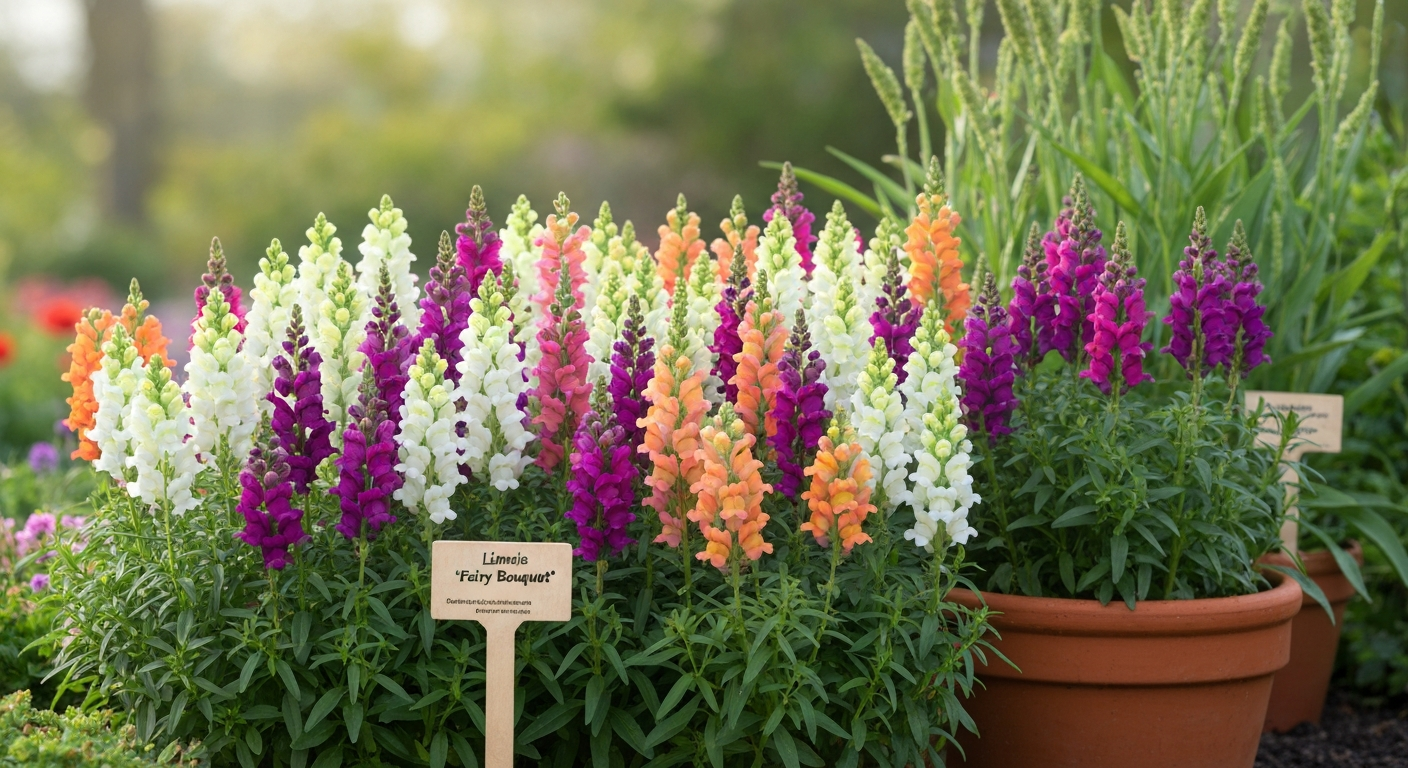
Linaria 'Fairy Bouquet' How to Grow: Seed to Cut Flowers
Grow Linaria 'Fairy Bouquet' from seed to vase: step‑by‑step sowing, care, cutting, seed saving & troubleshooting.
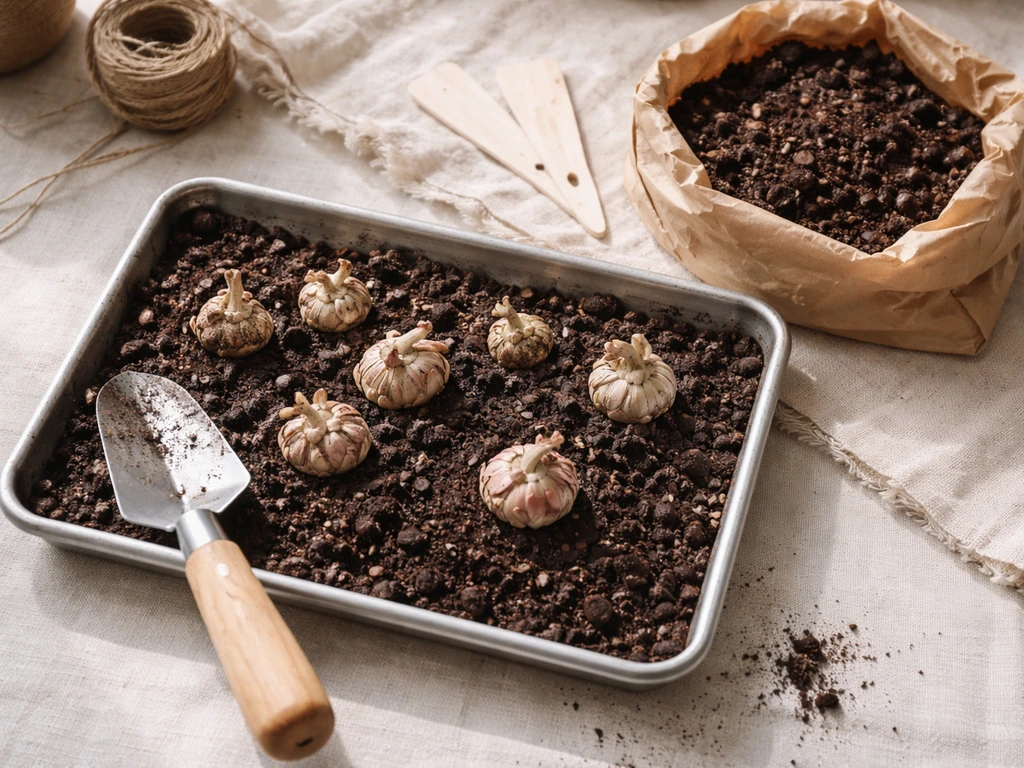
Floret How to Grow Ranunculus: Step-by-Step Guide
Step-by-step Floret-style ranunculus guide: corm prep, planting, watering, frost care, troubleshooting, and harvest for
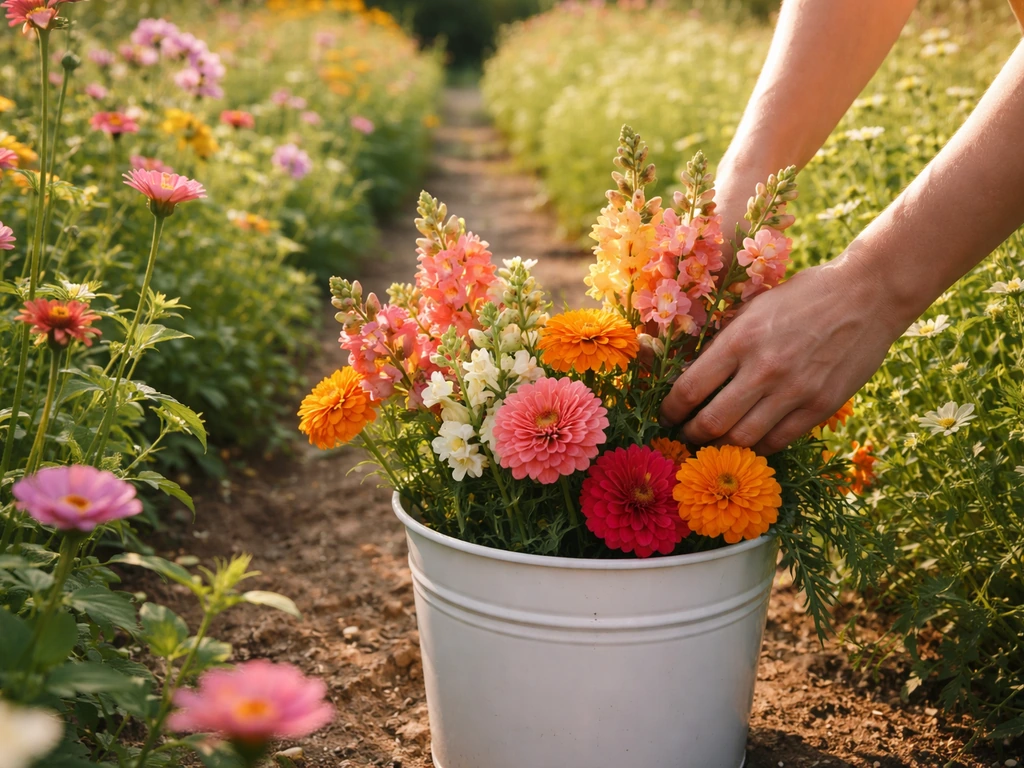
How to Grow Your Own Wedding Flowers Step by Step
Step-by-step guide to grow bouquet-ready wedding flowers, from planning and sowing dates to harvesting, conditioning, an