To grow fresh cut flowers at home that actually last in a vase, you need three things working together: varieties bred for cutting (long stems, good petal longevity), growing conditions that push strong stem growth rather than just pretty blooms, and a harvest-and-conditioning routine that locks in freshness the moment you cut. Get those three right, and you can have a steady supply of bouquet-ready stems from late spring through fall, or even longer with a little planning.
How to Grow Fresh Cut Flowers: Step by Step Guide

James Holloway
10 Jul 2026
Choosing the right cut-flower varieties
Not every flower that looks gorgeous in the garden is worth cutting. Some wilt within hours. Some have short, weak stems. The varieties worth growing for cutting share a few traits: stems at least 12 inches long (ideally 18 or more), petals that hold up for 5 to 10 days in water, and plants that rebloom after cutting rather than shutting down after one flush.
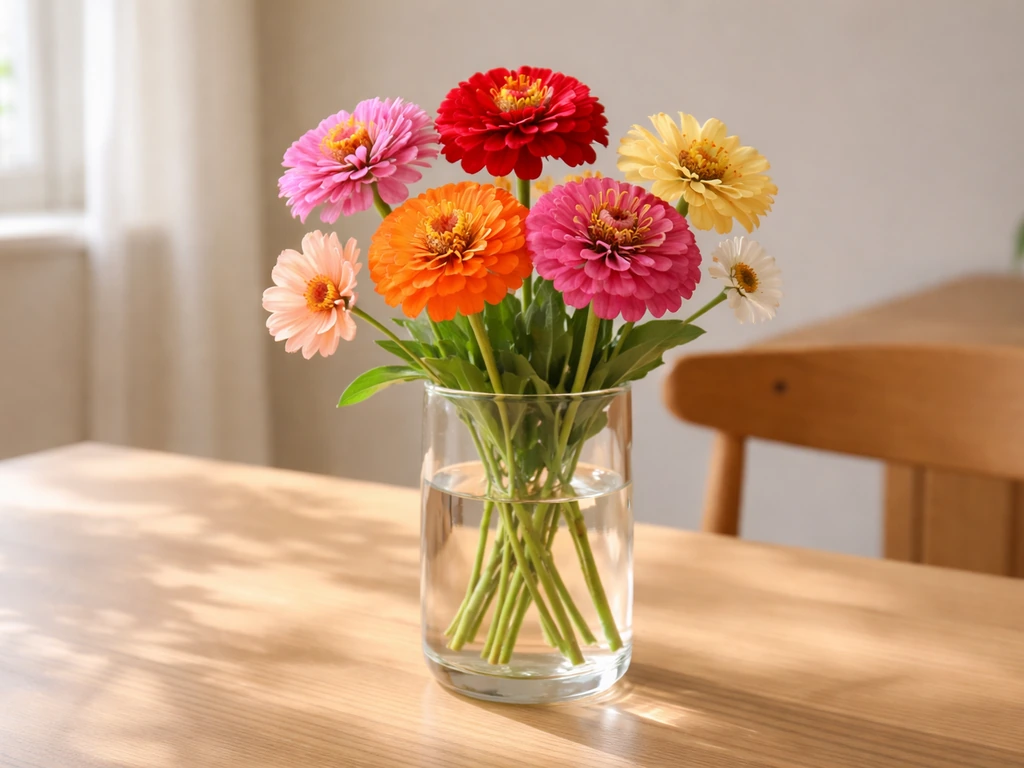
Zinnias are probably the best beginner cut flower there is. Zinnias grown from seed are also among the best cutting flowers to try because they germinate reliably and produce steady stems once the weather warms up zinnias are probably the best beginner cut flower there is. Illinois Extension flat-out labels them a 'good cut flower,' and UMN Extension trials have rated specific cultivars good to excellent for all-season production. Deadheading (removing spent blooms) keeps them pumping out stems from summer through fall. For a specific variety to try, the zinnia 'Sun Gold' has shown really nice, long, sturdy stems with vase life of a week or more in NC State cut flower trials, though it can get powdery mildew late in the season, so keep air moving around the plants.
Snapdragons are another workhorse. They prefer cooler temperatures (optimum growth is around 65 to 75°F), which makes them ideal for spring and fall plantings in most zones. Celosia is a fantastic heat-tolerant option with striking plume or comb forms that dry beautifully and hold color for weeks. Lisianthus produces elegant, long-lasting blooms but is slower and more demanding to start from seed. Beyond those, sunflowers, sweet peas, cosmos, larkspur, and strawflowers are all reliable producers that are easy to manage even if you're just getting started.
When shopping for seeds or starts, look for descriptions like 'cutting garden,' 'tall stems,' or specific vase life claims on the packet. Dwarf or compact varieties are bred for pots and borders, not bouquets.
Setting up your growing space
Sun, wind, and water access
Cut flowers want full sun, meaning at least 6 to 8 hours of direct light daily. Anything less and you'll get leggy stems that flop over and fewer blooms. Wind is a real enemy of tall-stemmed flowers, so if your yard is exposed, position your bed near a fence or hedge that blocks the worst gusts without casting shade. You also need reliable irrigation access nearby because inconsistent watering is one of the fastest ways to ruin stem quality.
Soil preparation
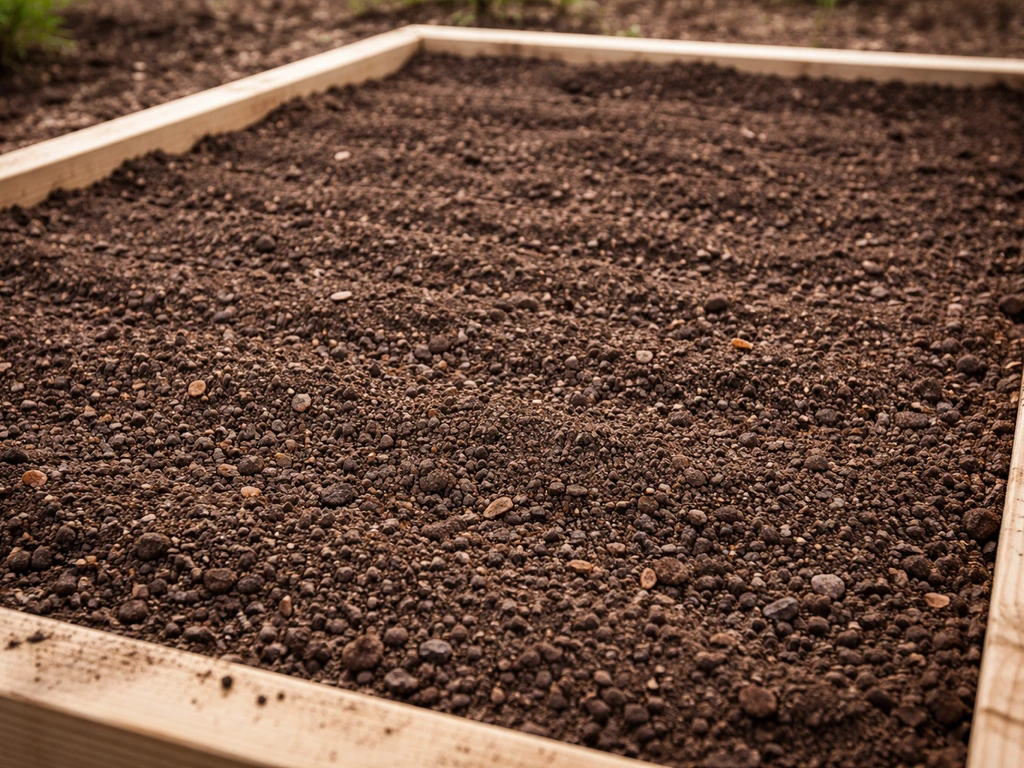
Most cut flowers thrive in well-drained soil with a pH in the 6.0 to 6.5 range. Celosia specifically does best in that range with high organic matter. Before you do anything else, get a soil test. Virginia Tech Extension puts it well: don't guess, soil test. A basic test (usually under $20 through your local extension service) tells you your actual pH and nutrient levels so you can amend with purpose instead of guessing. Work in 2 to 3 inches of compost before planting to improve drainage, feed soil biology, and give young roots something to work with.
Beds vs. containers
In-ground or raised beds give you the most yield per dollar of effort. A dedicated cutting bed as small as 4 feet wide and 8 to 10 feet long can produce an impressive number of stems. Keep the width narrow enough that you can reach the center without stepping in, which compacts the soil. Containers work for smaller quantities or balcony gardeners, but they dry out faster, need more frequent fertilizing, and limit how tall some varieties can grow. If you go the container route, choose the largest pots you can manage (at least 12 to 14 inches deep) and expect to water daily in hot weather.
Spacing
Resist the temptation to crowd plants. Dense spacing reduces airflow and significantly increases disease risk, particularly fungal problems like botrytis and powdery mildew. As a general rule, space zinnias and celosia about 9 to 12 inches apart in rows. Cornell High Tunnels work found 9x9 inch spacing adequate for celosia in high tunnel beds where side shoots are harvested after the main stem. Snapdragons can go a bit tighter at 6 to 9 inches. Better airflow between plants pays off enormously come mid-summer when humidity peaks.
Starting from seed or buying starts
When to start indoors
Starting from seed saves money and gives you access to far more variety choices than garden centers stock. The trade-off is timing discipline. Most warm-season cut flowers should be started indoors 4 to 8 weeks before your last frost date. Celosia, for example, should be seeded in early April for spring planting in most Midwestern zones, with germination taking 6 to 11 days at 65 to 68°F (don't grow it cool or germination stalls). Snapdragons benefit from a chilling treatment after sowing: holding pots at 40 to 47°F for 3 to 5 days before moving to warmer conditions improves germination. Lisianthus is a light-germinator, needing surface sowing, and takes 10 to 14 days to sprout.
Missouri Extension and K-State both publish seed-starting schedule tables for common flower types that are worth bookmarking. If you don't know your last frost date, check your county extension office or the USDA Plant Hardiness Zone map for your area.
Sowing tips and avoiding damping-off
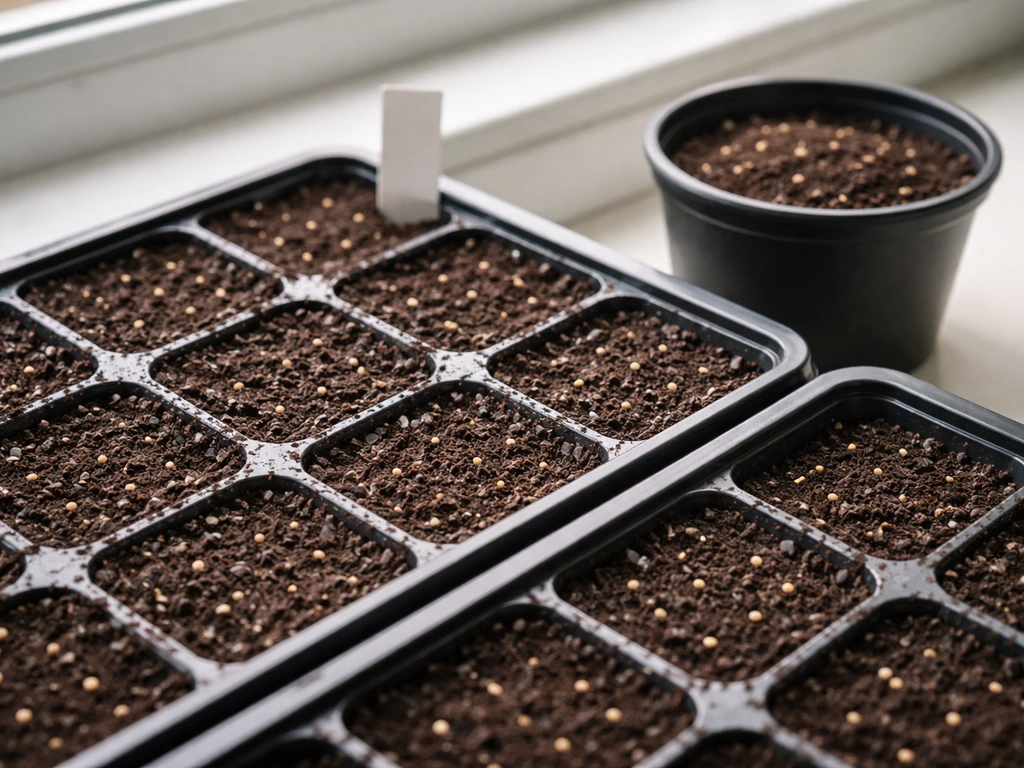
Use sterile seed-starting mix, not garden soil or reused potting mix from last year. The biggest killer of seedlings is damping-off, a fungal condition where seedlings suddenly collapse at the soil line. Utah State Extension is clear on this: damping-off risk spikes when seedlings are kept too wet and seeds are sown too deep. Sow at the depth listed on the packet, water from the bottom when possible, and make sure your trays drain freely. Bottom heat (a seedling heat mat) speeds germination for warm-season flowers like zinnias and celosia.
Transplanting outdoors
Harden off transplants over 7 to 10 days by gradually increasing outdoor exposure before planting them in the ground. Start with an hour of shade, work up to a half-day of dappled light, then full outdoor conditions. Transplant on a cloudy day or in the evening to reduce transplant shock. Water in well and keep the soil consistently moist for the first week. Direct-sown flowers like zinnias, cosmos, and sweet peas often work just as well seeded straight into the bed once temperatures are reliably above 60°F.
Growing for strong stems and long vase life
Watering
Consistent, deep watering builds the strong stems that hold up in a vase. Aim to water at the base of plants rather than overhead. Wet foliage is an invitation for botrytis and other fungal diseases. If you must use overhead watering (like a sprinkler), do it early in the morning so foliage dries completely before nightfall. Most established cut-flower plants need about 1 inch of water per week; container plants often need daily watering in summer heat. The goal is even moisture, not wet-dry-wet cycles, which stress plants and produce weak, distorted growth.
Fertilizing
Cut flowers are heavy feeders because you're pushing them to produce continuously. Once plants are established (2 to 3 weeks after transplant), feed every 2 to 3 weeks with a balanced fertilizer or one slightly higher in phosphorus to support root and flower development. Your soil test results will tell you whether you need to adjust specific nutrients. Avoid over-applying nitrogen, which pushes lush leafy growth at the expense of flowering and can produce soft, weak stems that collapse in the vase. Back off feeding a week or two before you want a big harvest flush, since plants should be in steady production mode, not surge growth mode.
Pruning and harvesting to encourage reblooming
The single most effective thing you can do to keep cut flowers producing is to cut or deadhead regularly. When you harvest a stem, you signal the plant to make more. When you leave spent flowers to set seed, the plant winds down production. For zinnias and celosia, aim to harvest or deadhead every 3 to 5 days during peak season. Snapdragons produce new laterals after the main spike is cut. The pattern is the same across most cut-flower crops: the more you harvest, the more you get.
Pests, diseases, and common problems
Botrytis (gray mold)
This is the most common and destructive disease in a cut-flower garden. UMass Extension describes the early signs as irregular, water-soaked or tan spots on petals that quickly develop into fuzzy gray fungal growth. Infected buds may fail to open at all. Botrytis thrives in humid, poorly ventilated conditions, especially when foliage stays wet. Management is mostly cultural: water at the base of plants, space generously to improve airflow, remove infected tissue immediately, and clean up debris at the end of the season. Illinois Extension specifically recommends removing all infected plant tissue as part of gray mold management. There are no magic sprays that substitute for good cultural practices.
Thrips
Thrips are tiny, slender insects that rasp on petals and leaves, leaving silvery streaks and distorted blooms. They're frustrating because they hide inside flowers. UC IPM advises careful diagnosis before treating, but practical control options include insecticidal soaps, narrow-range horticultural oils, neem or azadirachtin-based products, and pyrethrins, all used according to label directions. Consistent monitoring (tap a flower over white paper and look for tiny moving specks) lets you catch infestations early before they spread.
Weak stems and poor germination
Weak, floppy stems usually come from insufficient light, overfeeding nitrogen, or irregular watering. If your seedlings are leggy before they even get in the ground, they didn't get enough light indoors. Move trays closer to your grow lights or into a south-facing window. Poor germination is usually a temperature or moisture issue: too cold, too dry, or buried too deep. Review the temperature requirements for each crop and use a heat mat for warm-season flowers started indoors.
Powdery mildew
Powdery mildew shows up as a white powdery coating on leaves and stems, especially late in the season when days are warm and nights cool. Zinnias are particularly prone to it in late summer. Improving airflow is the primary prevention. If you're seeing it consistently, switch to more resistant varieties next season or plan to pull and replace zinnia plantings by late July before the worst mildew pressure hits.
How to harvest and condition cut flowers
When and how to cut
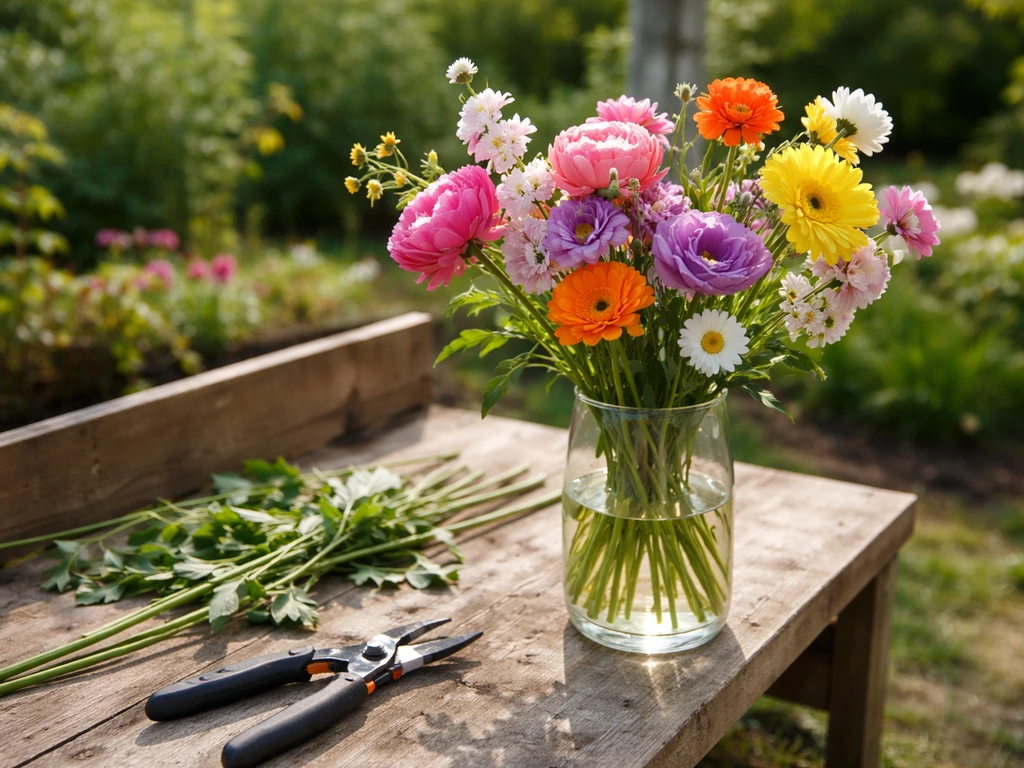
Cut flowers in the early morning or in the evening, never at midday. Plants are most hydrated early in the morning and stems are firmer, which directly affects vase life. Cut at a 45-degree angle using clean, sharp scissors or bypass pruners. The angled cut increases the surface area for water uptake and prevents the stem from sitting flat against the bottom of a bucket. Bring a bucket of clean, cool water into the garden with you and drop stems in immediately after cutting.
Stage of bloom at harvest matters a lot. For most flowers, cut when buds are just beginning to open or are one-quarter to one-half open. If you want a step-by-step checklist, review the best way to grow cut flowers for the full workflow from planting through harvest. Fully open flowers will last only a fraction as long. Snapdragons should be cut when the bottom third of the spike has opened flowers. Zinnias are one of the few exceptions where you wait for full open bloom before cutting.
Conditioning and hydration
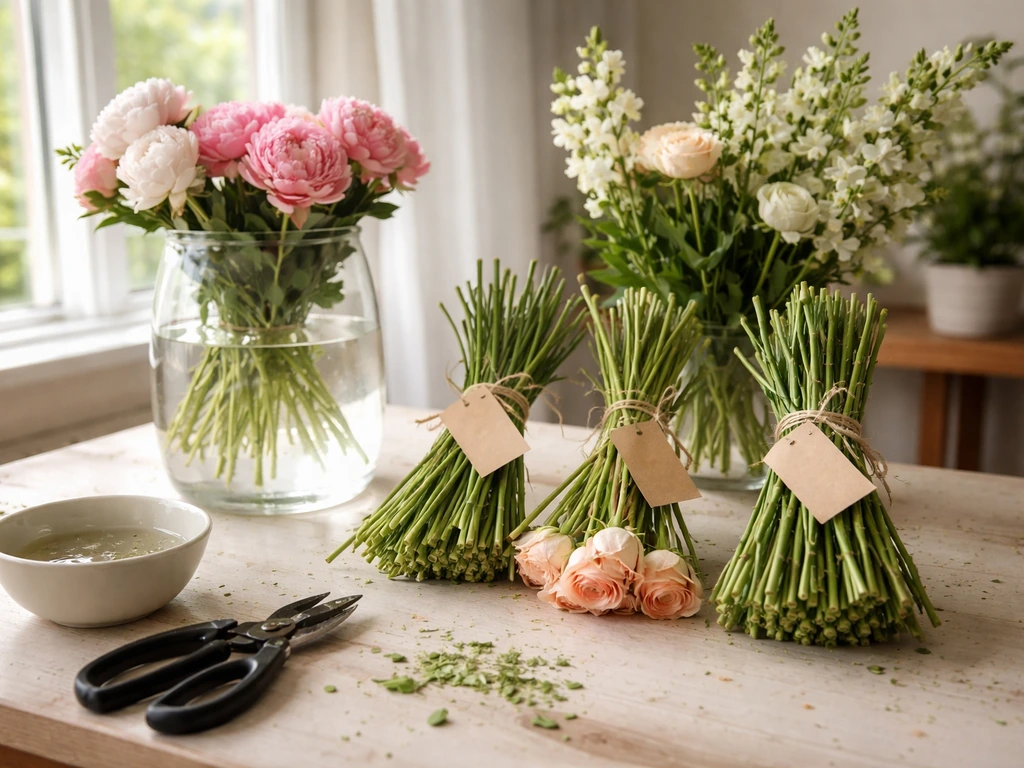
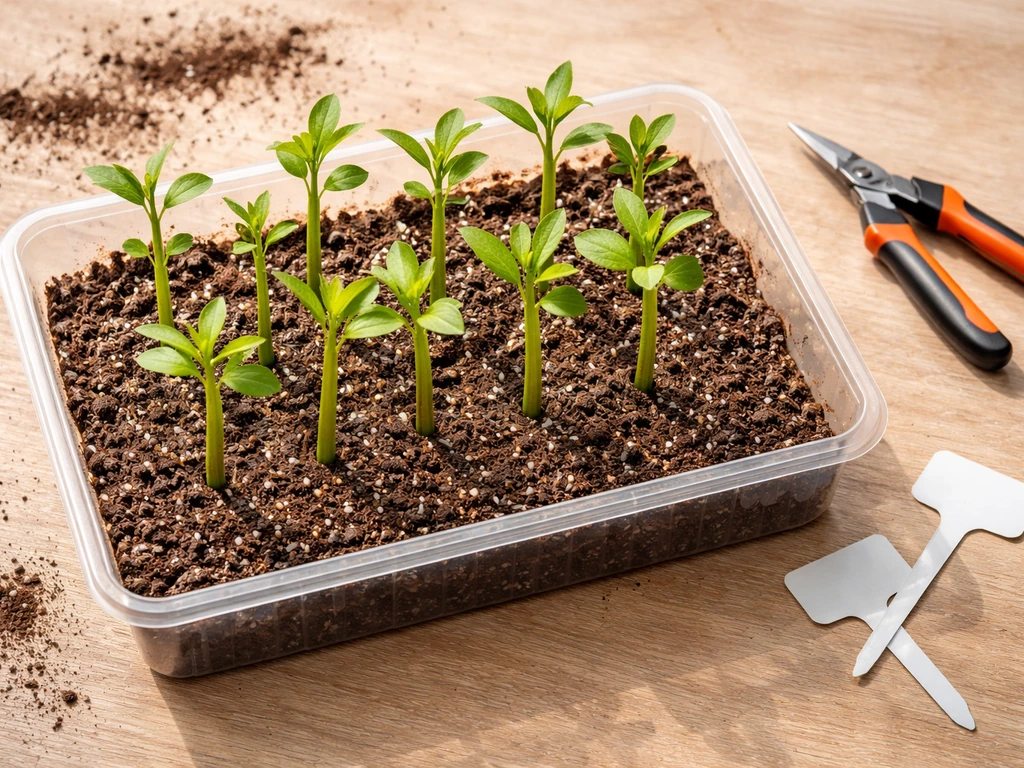
Conditioning is the step most home gardeners skip, and it makes a significant difference. If you want to grow plants from cut flowers, start by rooting the right stems and keeping them warm, moist, and well-ventilated until new growth appears Conditioning is the step most home gardeners skip. Once you're back inside, strip all foliage that would sit below the water line (submerged leaves rot and contaminate the water fast). Then recut each stem under water, removing about 1/2 to 3/4 inch at an angle. Cutting under water prevents air from entering the cut end and blocking water uptake. UMass Amherst and UC ANR both emphasize this step as fundamental to postharvest quality. Place conditioned stems in a clean container with fresh cool water and a commercial floral preservative (the packets that come with grocery store flowers work well), or make your own with a teaspoon of sugar and a few drops of bleach per quart of water. Let stems hydrate for 30 to 60 minutes in a cool location until stems and leaves become firm and turgid before arranging.
Keeping arrangements fresh
Once flowers are in a vase, keep them out of direct sun, away from heating vents, and away from ripening fruit (fruit releases ethylene gas that accelerates petal drop). Change the water every 2 to 3 days and give stems a fresh recut under water each time you do. NC State Extension confirms that giving stem bases another fresh cut when changing water keeps the bottom of stems unclogged so flowers continue taking up water. Storage tip for snapdragons: if you want to hold them before use, they can be stored at 32 to 34°F (0 to 1°C) for 7 to 10 days wrapped in polyethylene film to slow moisture loss. NC State Extension also notes that cut flowers maintain quality when stored at the correct temperature, as cold as possible within safe handling limits, and when protected from water stress, ethylene, and microbial contamination storage at correct temperature.
Stretching your season for continuous blooms
Succession planting
The most effective way to have fresh cut flowers for months rather than weeks is succession planting: sowing or transplanting small batches every 2 to 3 weeks rather than everything at once. A single large planting of zinnias, for example, will peak and then slow down. But if you plant a second batch three weeks after the first, and a third batch three weeks after that, you stagger the bloom cycle and maintain consistent production through the whole season. UC ANR's guide to planning a year-round cutting garden specifically addresses this succession approach as the core strategy for continuous harvest.
Low tunnels and row covers
Low tunnels are cheap, effective, and wildly underused by home gardeners. You basically build simple hoops from wire or metal conduit over your beds and drape spun-bond floating row cover fabric over them, securing the edges with soil or clips. Utah State University Extension describes these structures as cost-effective for protecting cut-flower crops and extending the harvest season. NC State Extension Gardener Handbook covers the same technique, noting that sealed-edge row cover traps heat and blocks wind effectively. In spring, low tunnels let you plant 3 to 4 weeks earlier than you otherwise could. In fall, they extend production well past first frost. The fabric should be propped up on hoops so it doesn't rest directly on the foliage.
Choosing varieties that span different seasons
Pair cool-season crops with warm-season crops so there's always something in production. Snapdragons and sweet peas thrive in the cooler weeks of spring and fall when zinnias and celosia would struggle. Sunflowers bridge the gap between late spring and midsummer. If you map out your planting calendar across the whole growing year and assign each bed section to a different crop at a different time, you can move pretty close to continuous harvest from late spring through hard frost with no special equipment at all.
| Crop | Best season | Stem length | Vase life | Beginner-friendly? |
|---|---|---|---|---|
| Zinnia | Summer to fall | 12–24 in | 7–10 days | Yes |
| Snapdragon | Spring and fall | 18–24 in | 7–14 days | Yes |
| Celosia | Summer | 12–18 in | 10–14 days (longer dried) | Yes |
| Sunflower | Summer | 18–36 in | 7–10 days | Yes |
| Cosmos | Summer to fall | 12–20 in | 5–7 days | Yes |
| Lisianthus | Summer | 18–24 in | 10–14 days | Moderate |
| Sweet pea | Spring | 8–14 in | 5–7 days | Moderate |
| Larkspur | Spring to early summer | 18–30 in | 7–10 days | Yes |
Putting it all together
The biggest mindset shift for new cut-flower gardeners is thinking of the garden as a production system rather than a display. You're growing stems, not just pretty plants. That means choosing varieties for cutting performance, spacing for airflow and workability, feeding and watering for stem strength, and harvesting aggressively and consistently so plants keep producing. It sounds like a lot when you lay it all out, but in practice it becomes a satisfying rhythm: check on plants every few days, cut what's ready, strip and condition stems, change vase water, plan the next planting. Once you see how much a small bed can produce, and how long home-grown flowers last when you condition them properly, it's genuinely hard to go back to buying bouquets. Aim for good cutting flowers to grow by choosing varieties bred for long stems and strong vase life, not just pretty blooms.
FAQ
My homegrown cut flowers open up in the jar, then fade fast. What am I doing wrong?
If your blooms look fine but vase life is short, the most common cause is cutting at the wrong stage (flowers fully open) or skipping conditioning steps (submerged foliage and not recutting under water). Also check your stem thickness, very skinny stems clog faster in cool water, and they do best with a fresh recut each time you change water.
Can I grow enough fresh cut flowers in containers for bouquets?
Yes, but you need to match the variety to the container limits. Use the deepest pots you can (at least 12 to 14 inches deep), prioritize full sun, and plan on more frequent feeding because container soil runs out of nutrients quickly. For bouquet stems, pick taller “cutting garden” types, not compact bedding varieties.
How should I clean and reuse a vase or bucket for cut flowers?
Rinse and reuse only if you are confident about cleanliness. Use a scrubbed container, fresh water, and remove any leaves that fall below the waterline, because decaying leaf material quickly breeds bacteria that shorten vase life. If you stored stems or used the container for cut flowers before, wash with hot soapy water and let it dry before refilling.
Is it ever OK to cut flowers later in the day?
Most cut flowers do best with morning harvest, but late-day harvest can work if you immediately get stems into cool water, shade them, and condition promptly indoors. Avoid harvesting at midday heat, if you cannot harvest early, do it in the evening and focus on fast hydration and careful bud stage.
What is the quickest conditioning routine for fresh-cut stems at home?
Use a bucket of clean, cool water and do the following each time: strip submerged leaves, recut stems under water, and then hydrate in a cool spot. If you skip the “under water” recut, air can get trapped in the stem end and reduce uptake, which looks like wilting soon after arranging.
My stems flop even though I water and fertilize. How do I troubleshoot?
Don’t assume one variety will “behave” the same in every part of your yard. If wind is an issue, place the bed near a windbreak, but still avoid casting shade because weak, floppy stems can be a light problem. For best results, aim for 6 to 8 hours of direct sun and consistent irrigation right at the bed.
How can I tell if I have thrips, and what should I do first?
Thrips control is easier when you catch them early, so treat only after you verify which pest is actually present. Use monitoring with a white sheet or paper, then choose an option that fits your situation (insecticidal soap or horticultural oil for early outbreaks, pyrethrins for tougher cases). Always follow label directions and recheck after treatment, because eggs inside flowers can delay results.
What’s the best way to plan my planting schedule for flowers for months?
Yes, and the key decision is whether you want continuous harvest or a single big show. For continuous stems, use succession planting (small batches every 2 to 3 weeks) and consider separate zones for cool-season and warm-season crops so one bed keeps producing as another slows down.
What should I do when I see gray mold or botrytis in my cutting garden?
Botrytis “gray mold” is often a humidity and airflow problem, not a watering amount problem. If you see fuzzy gray growth, remove infected tissue quickly, space plants farther, water at the base, and avoid wetting foliage overnight. If the problem keeps recurring, switch to more disease-resistant varieties next season.
Can I store cut flowers before putting them in a vase?
If you want to pre-harvest for later arranging, timing matters. Harvest buds at the right stage (often not fully open), keep stems cool, and store snapdragons wrapped in film at near-freezing temperatures for short holding periods. For most other stems, holding is safer when you condition them and keep them cool with minimal time before use.
Next Articles
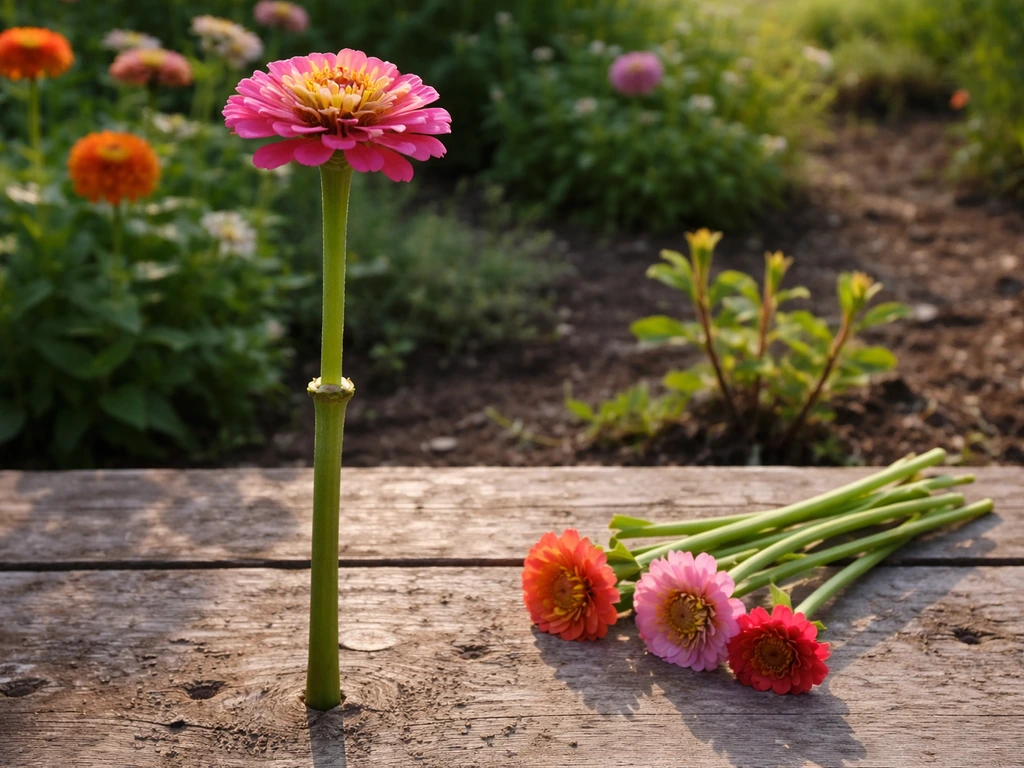
How to Cut Flowers So They Grow Back: Step-By-Step
Learn where to cut stems, how much to remove, and aftercare to trigger new blooms and regrowth.
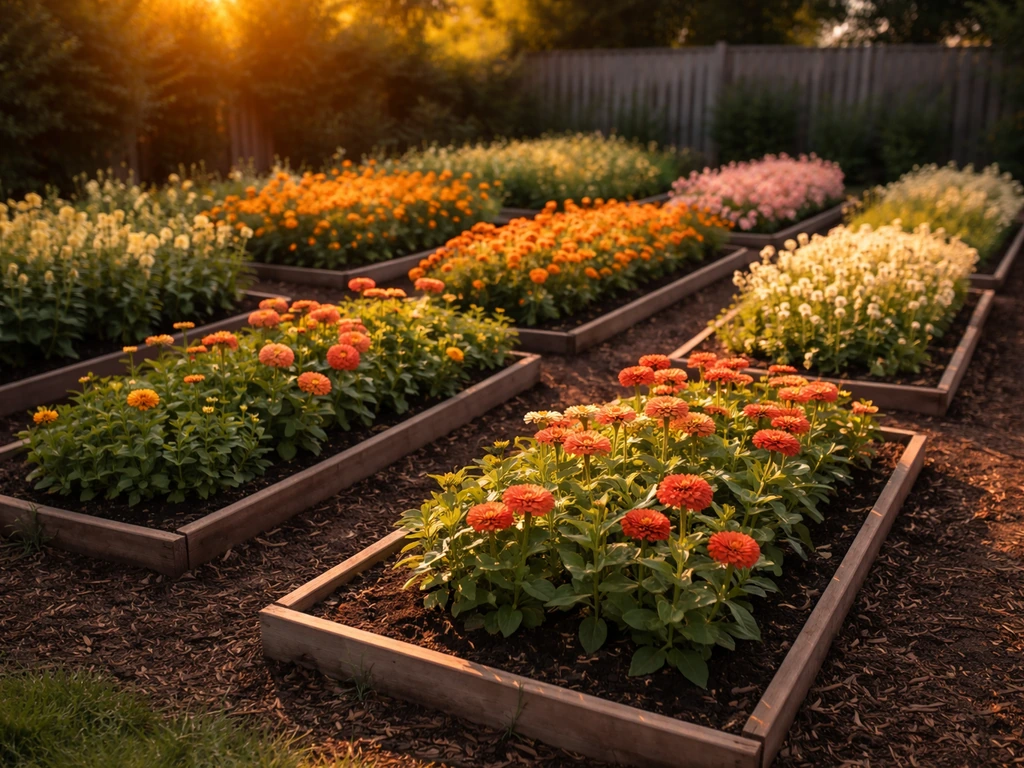
How to Grow a Cut Flower Garden: Step-by-Step Guide
Step-by-step plan for a sun, soil, and spacing cut flower garden with staggered blooms, pest care, and fresh harvest tip
How to Grow Cutting Flowers From Cuttings Step by Step
Step by step guide to propagate cutting flowers from stem cuttings, root, pot, grow, and harvest for bouquets.