Cut flowering stems just above a leaf node, a branching point, or an outward-facing bud, leaving at least one set of healthy leaves on the stem below your cut. That single habit is what separates a plant that reblooms all summer from one that sulks and stalls. But the honest truth is that whether a flower "grows back" at all has less to do with your technique and more to do with the type of plant you're working with. Annuals, perennials, bulbs, and roses all behave differently, and knowing which category you're dealing with will save you a lot of frustration.
How to Cut Flowers So They Grow Back: Step-By-Step

James Holloway
23 May 2026
Why cut flowers don't always regrow (it starts with the plant type)
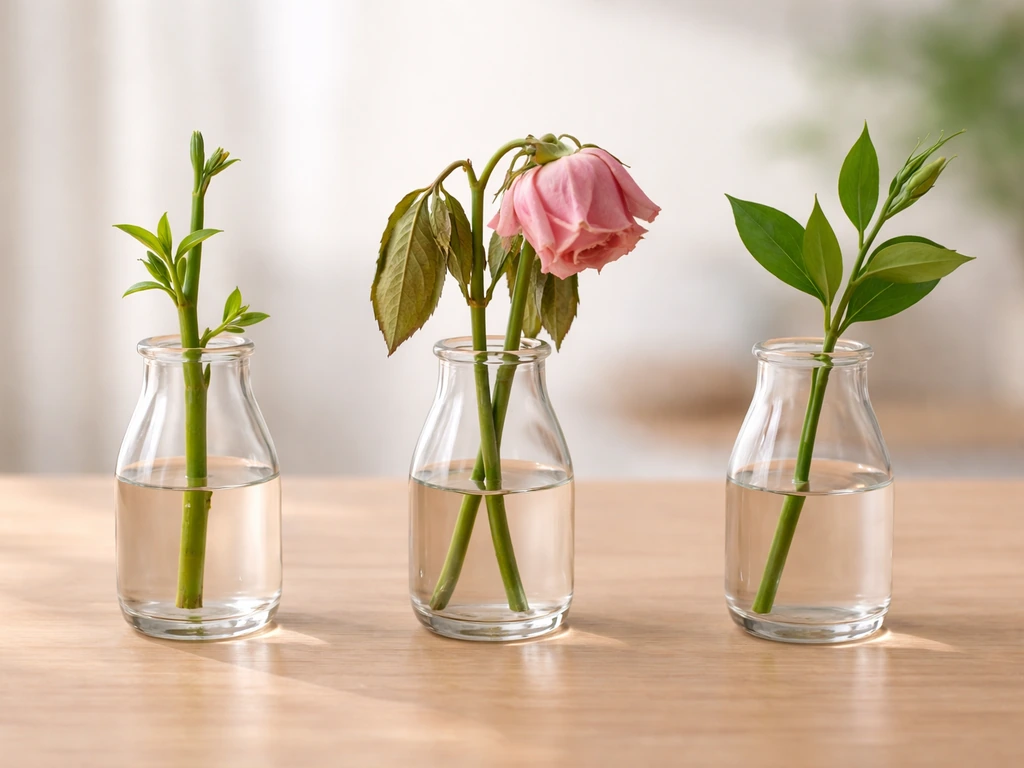
The number one reason people are disappointed after cutting flowers is that they expected regrowth from a plant that was never going to give it. Here's how to read your plant before you even pick up the snips.
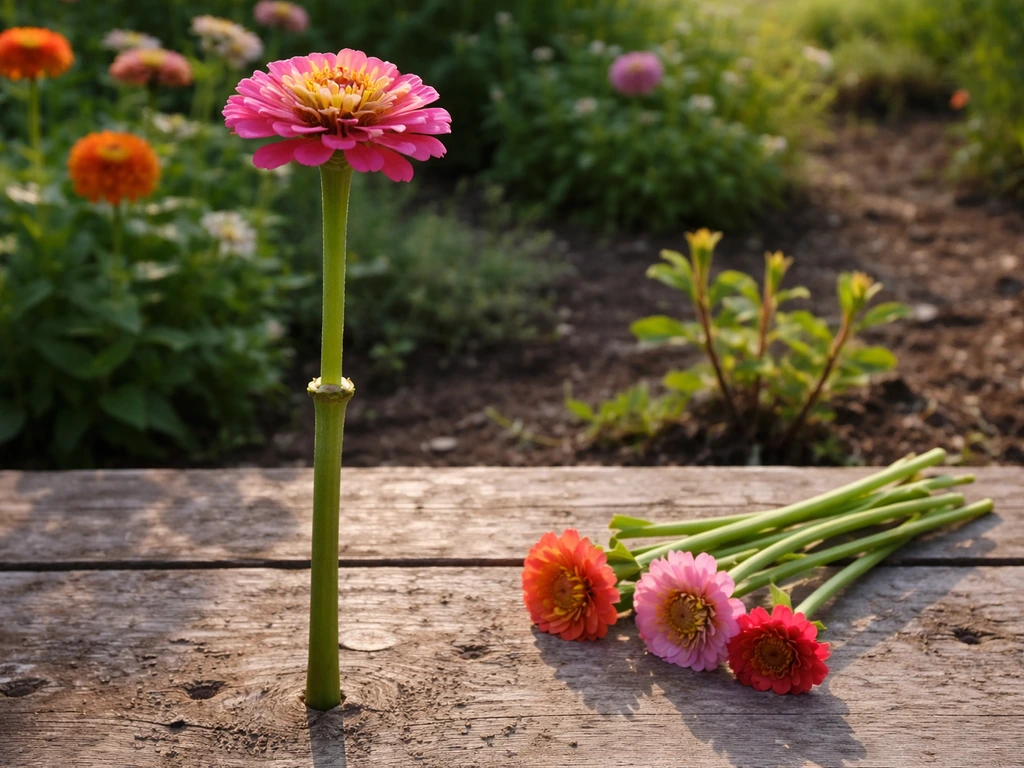
Repeat-blooming plants, like roses, zinnias, dahlias, snapdragons, and most salvias, are designed to keep producing flowers as long as you keep removing the spent ones. Cut them right and they'll cycle through blooms all season. Single-flush perennials like peonies, alliums, and most irises put out one round of blooms per year, then they're done for the season regardless of how you cut them. Cutting them back neatly is still worthwhile for plant health, but don't expect a second wave of flowers.
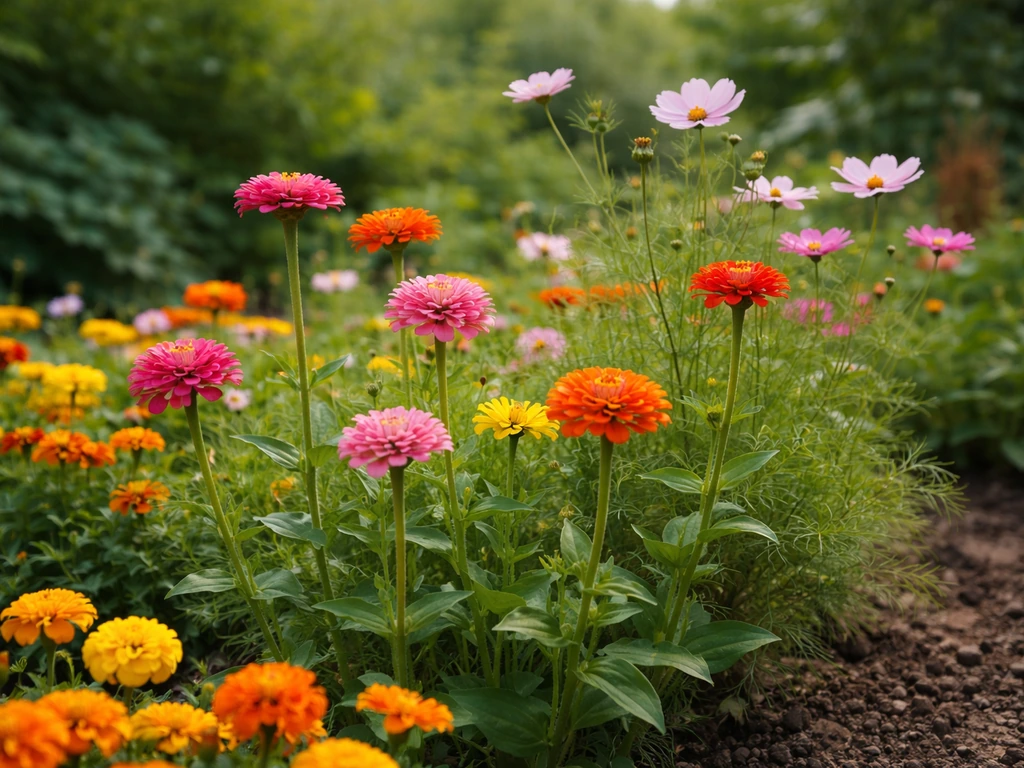
Bulb flowers like tulips and daffodils are in their own category. Once the bloom is gone, it's gone for the year. The goal after cutting is to protect the foliage so the bulb can recharge underground for next spring. True annuals (zinnias, marigolds, cosmos) live their whole life in one season, but they're actually among the best candidates for continuous blooming through the season because deadheading redirects their energy from seed-making back into flower production. They won't "come back" next year without replanting, but they'll give you months of flowers if you keep cutting. This distinction matters a lot, and it's worth knowing before you commit to what you're growing.
| Plant Type | Will it rebloom the same season? | Will it come back next year? | Key cutting goal |
|---|---|---|---|
| Repeat-blooming annuals (zinnia, marigold, cosmos) | Yes, with regular cutting | No (replant from seed) | Deadhead to prevent seed set |
| Repeat-blooming perennials (salvia, coneflower, black-eyed Susan) | Yes, often 2-3 flushes | Yes, from roots | Cut back to lateral bud or base |
| Single-flush perennials (peony, iris, allium) | No second bloom same season | Yes, from roots | Cut cleanly, protect foliage |
| Bulbs (tulip, daffodil) | No second bloom same season | Yes, from bulb | Remove flower, leave all foliage |
| Roses (repeat-flowering) | Yes, every 6-8 weeks | Yes, woody shrub | Cut to outward-facing bud above 5-leaflet leaf |
| Herbs with flowers (basil, mint) | Yes, if pinched early | Depends on species | Pinch before flowers fully open |
The cut-back rules: exactly where to cut and how much to take
The most important rule: never leave a bare stub. A stub is the section of stem between your cut and the nearest bud or leaf. It has no purpose, can't photosynthesize, and usually rots or dies back, sometimes introducing disease into the healthy stem below. According to Penn State Extension guidance on pruning herbaceous plants, cuts should land about 1/4 to 1/2 inch above the node or bud, no more. Too close and you nick the bud; too far and you get a dead stub. That small distance is the sweet spot.
A node is the slight bump or joint on a stem where a leaf grows (or used to grow). Just above a node is where new growth will emerge. Leaf axils are the angles between a leaf stem and the main stem, and they often hide small buds that will activate once you cut above them. Branching points are where two stems fork, and cutting just above one of those encourages both sides to push new growth.
How much to remove depends on the plant. For most repeat bloomers, Purdue's consumer horticulture guidance suggests cutting back about halfway encourages more branching and ultimately more flowers. For a spent bloom with a nearly bare stem, University of Maryland Extension recommends cutting close to the base since there's nothing below worth leaving. For a lush, leafy stem, cut to the first or second healthy lateral leaf below the spent flower. The general principle is: leave as much healthy, leafy stem as you can while still removing the spent bloom and any bare stem above a bud.
Make a clean, angled cut every time
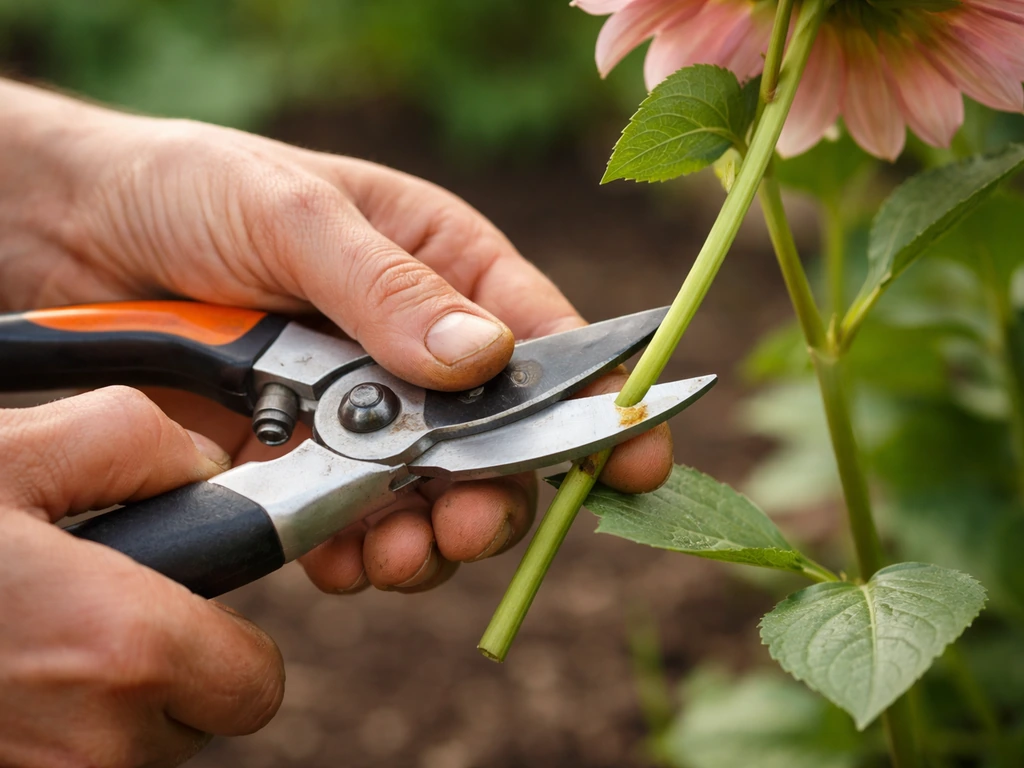
Use clean, sharp snips or secateurs and wipe the blades between plants if you suspect any disease. A slightly angled cut (around 45 degrees) lets water run off rather than pool on the cut end, which reduces rot. Blunt scissors crush the stem instead of slicing it cleanly, and crushed stems don't take up water or heal as efficiently. It's a small thing that makes a real difference, especially in a humid summer garden.
Cutting for regrowth vs cutting for a bouquet (deadheading, pinching, and harvesting)
These are related but different goals, and mixing them up is one of the most common beginner mistakes. Here's how to think about each one.
Deadheading: removing spent blooms to trigger new ones
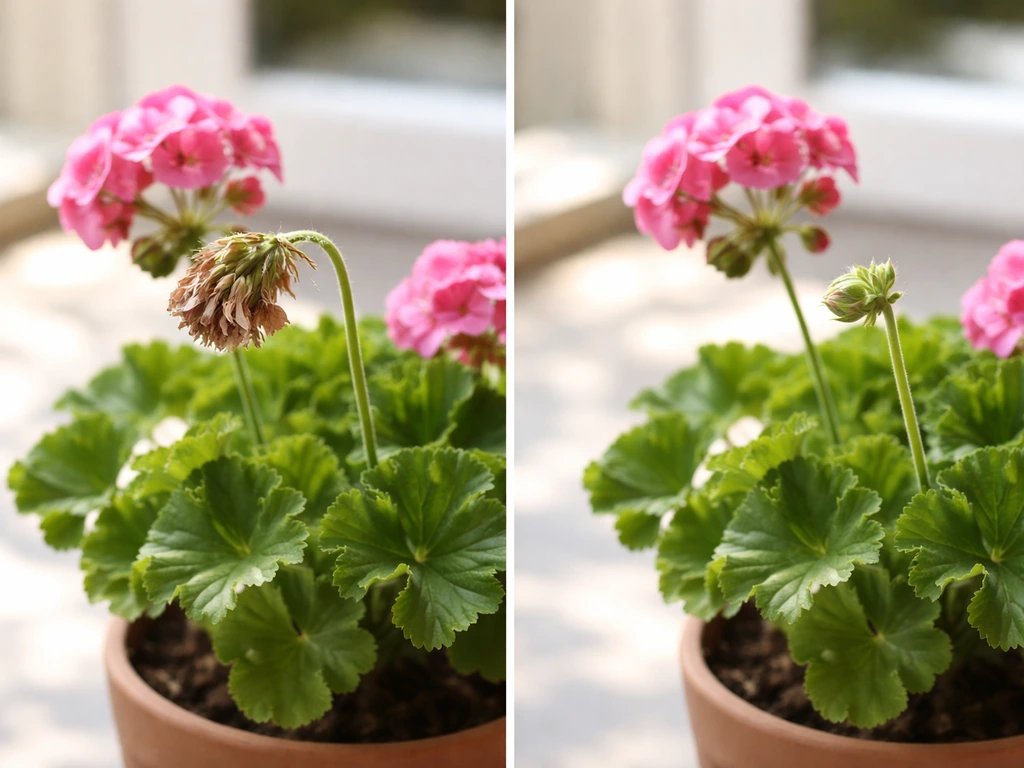
Deadheading means removing flowers that have already peaked and are starting to fade or go to seed. RHS also explains that deadheading generally means blank" rel="noopener noreferrer">cutting spent flowers back to just above the next bud, whether that bud is apical (at the tip) or axillary (between leaf axils). The plant's instinct is to produce seeds once flowers are pollinated. By removing the spent flower before seeds form, you're essentially tricking the plant into trying again. The RHS describes deadheading as cutting spent flowers back to just above the next bud, whether that's an apical bud at the tip of a stem or an axillary bud tucked in a leaf axil. Illinois Extension notes it can also prevent disease, stop unwanted self-seeding, and keep the plant looking tidy through the season. UIUC notes that deadheading can help plants remain attractive, prevent disease, stop them from going to seed, and increase flower production; it can be done by pinching or cutting out old flowers blank" rel="noopener noreferrer">prevent disease and stop unwanted self-seeding.
The Chicago Botanic Garden makes a good point worth repeating: for some annuals, the right cut point is deeper than you'd expect. Don't just snap off the flower head at the first leaf junction. Look a bit further down the stem for where the next visible bud or branching point is, and cut just above that. Going too shallow leaves a weak, short stub; going to the right depth gives the plant a better framework to push new growth from.
Pinching: getting ahead of the first bloom for bushier plants
Pinching is deadheading before the flower even opens. You literally pinch out the growing tip of a young stem, which forces the plant to branch and produce two or more stems where there was one. Do this early in the season on annuals like basil, zinnias, dahlias, and sweet peas, and you'll end up with a much fuller, more productive plant than if you'd let it bloom straight away from a single stem. The first few weeks of flowers feel like a sacrifice, but the payoff over the rest of the season is worth it.
Harvesting for a vase: how to cut without hurting the plant
When you're cutting stems for arrangements, you're essentially doing the same thing as deadheading, just earlier, while the flower is still at its peak. The same rules apply: cut at a node or branching point, leave healthy leaves behind, make a clean angled cut. The main difference is you'll want a longer stem for the vase, so you'll naturally be cutting further down the plant. Just make sure there's still a node or lateral bud below your cut so the plant has somewhere to push new growth from. Never cut all the way to the base unless the stem is completely bare of leaves below the cut.
Aftercare that actually makes regrowth happen
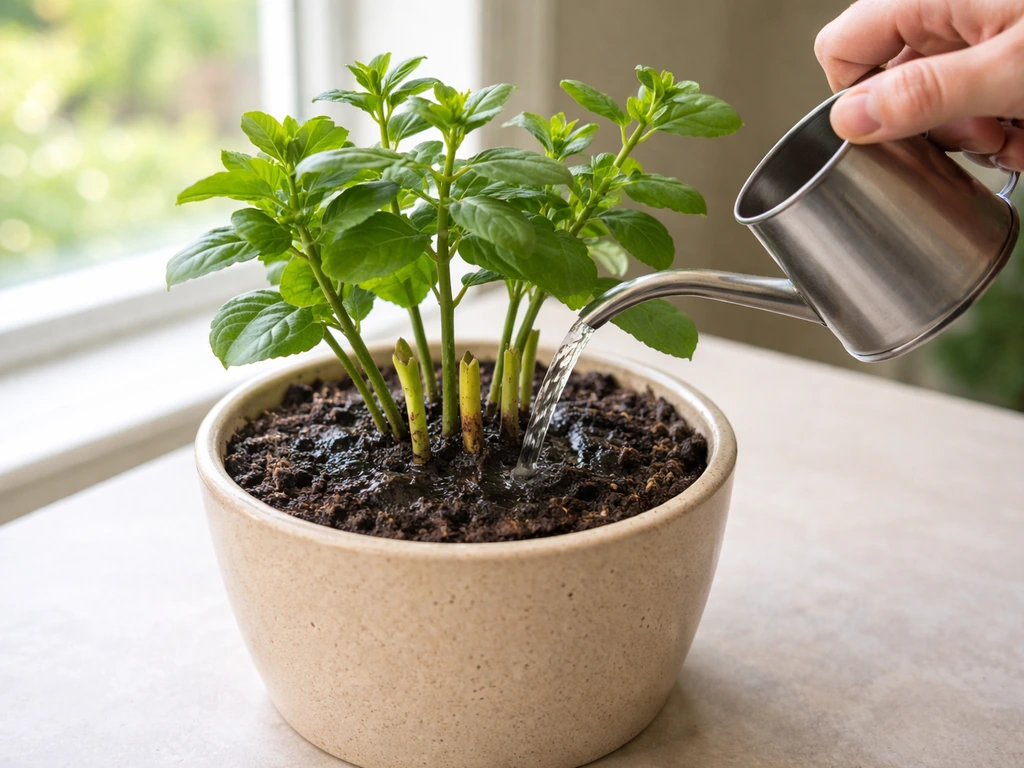
Cutting is only half the equation. What you do in the days and weeks after the cut determines whether the plant throws new buds or just sits there looking tired. These four factors matter most.
Watering
Consistent moisture is critical after cutting. A plant under water stress focuses on survival, not new flower production. Aim for about an inch of water per week, delivered deeply and less frequently rather than a daily sprinkle. Deep, infrequent watering pushes roots deeper into the soil, which makes the plant more resilient during dry spells. Water at the base, not overhead, to reduce fungal issues on fresh cut stems.
Feeding
After a heavy cutting or deadheading session, give repeat bloomers a light feed to support the energy cost of pushing new growth. A balanced liquid fertilizer (something like 10-10-10) or a feed higher in phosphorus will support root development and flower formation. For roses and heavy feeders, a monthly feeding through the bloom season is reasonable. For annuals in rich soil, you may not need much at all, since over-fertilizing with nitrogen produces lush green leaves but fewer flowers. Hold back on the nitrogen; lean toward phosphorus and potassium.
Light
Most cutting garden flowers need at least six hours of direct sun to rebloom well. If your plant is getting less than that after a cut, it simply may not have enough energy to push new flowers. If you're growing in a marginal light spot and seeing sluggish regrowth, light is often the culprit before anything else. There's not much to fix there except to move container plants or plan differently next season, but at least you'll know why.
Mulch
A 2 to 3 inch layer of mulch around the base of your plants does a surprising amount of work. It holds soil moisture, regulates temperature, suppresses weeds that compete for nutrients, and slowly breaks down to feed the soil. In summer heat especially, mulch keeps roots cooler and reduces the water stress that stalls reblooming. Just keep it a few inches away from the actual stem base to prevent rot.
Flower-specific quick guides
Every flower has its own rhythm, and knowing the quirks of what you're growing is a real advantage. Here are quick cutting guides for the flowers you're most likely to have in a cutting garden.
Perennials (coneflowers, salvia, black-eyed Susans, coreopsis)
These are your best candidates for multi-flush blooming. Penn State Extension notes perennials may naturally bloom for only 2 to 3 weeks, but regular deadheading stretches that window considerably. Cut spent stems back to a lateral bud, a side stem, or a leaf node. If the stem is bare below the flower, cut it close to the base as University of Maryland Extension advises. After the main flush, a harder cut back by about one-third can sometimes trigger a second flush in late summer. Perennials return from the roots each spring, so even hard cuts late in the season won't kill them.
Annuals (zinnias, marigolds, cosmos, snapdragons)
These are the workhorses of any cutting garden. They bloom prolifically if you stay on top of deadheading, but they won't return next year without replanting from seed. Zinnias and marigolds especially respond well to regular cutting. Cut zinnias back to a node with at least one pair of leaves remaining on the stem. Snapdragons can be cut quite deeply to a lateral shoot. Let a few stems go to seed at the very end of the season if you want to save seed for next year. If you're interested in growing these from seed, there's a lot of ground to cover on selecting the best cutting flowers to grow from seed for your specific space and climate.
Roses (repeat-flowering types)
Roses have the most specific cutting rules. Illinois Extension's guidance is to cut the spent flower stem back to an outward-facing bud above a five- or seven-leaflet leaf. That five-leaflet leaf is your landmark. Iowa State cautions that during the first growing season, removing only to the uppermost three-leaflet leaf is a safer approach since it preserves more foliage for photosynthesis. Taking too much foliage slows the plant down considerably. In subsequent seasons once the plant is established, cutting deeper to the five-leaflet leaf encourages stronger new canes. Roses cycle through blooms roughly every six to eight weeks when cut correctly and fed consistently. UIUC also notes that watching for forsythia to flower can serve as a useful timing signal for when the rose pruning season begins in spring.
Herbs with flowers (basil, mint, lavender)
Pinch basil before the flowers open fully and the plant will branch and keep producing leaves and flowers much longer. Once basil bolts and sets seed, the flavor drops and the plant winds down fast. Lavender is best cut back by about one-third after the first flush, cutting into the leafy gray-green growth but not into old woody stems. Mint can be cut hard and will regrow vigorously from the root system. All of these benefit from pinching early in the season.
Tulips and spring bulbs (tulips, daffodils, alliums)
Remove the spent flower head as soon as the petals drop, but leave all the foliage in place. The leaves are the engine that refuels the bulb underground for next year. If you cut back the foliage too early, the bulb won't store enough energy and next year's bloom will be weaker or may not come at all. Let the leaves yellow and die back naturally, usually six to eight weeks after bloom. It looks untidy, but it's essential. Interplanting with later-emerging perennials helps hide the dying foliage.
Common cutting garden flowers (dahlias, sweet peas, lisianthus)
Dahlias are among the most rewarding cutting flowers in terms of repeat bloom. Cut stems at a node and the plant will push two or three new stems from below the cut. Pinch the growing tip when plants reach about 12 inches to encourage branching from the start. Sweet peas need constant cutting to keep producing. Stop cutting them (or let any pods form) and production halts within days. Lisianthus is more of a cut-and-done flower in terms of individual stems, but the plant will push lateral buds if you cut the main stem above a branching point early in its growth. If you're building a dedicated cutting garden and want to know which flowers give the most return on effort, exploring how to grow a cut flower garden with the right variety mix makes all the difference. If you want a stronger plan for consistent blooms, focus on how to grow cutting flowers from day one by pairing the right plants with the correct cut points and aftercare. If you are planning your cutting bed, choosing the best cutting flowers to grow for your climate is the shortcut to more repeat blooms.
Troubleshooting when your plant won't rebloom
You cut correctly, you watered, and still nothing. Here are the most common reasons regrowth stalls and what to actually do about them.
- Cut too high, leaving a long bare stub: The stub will die back and may rot, sometimes infecting healthy stem tissue below. Remove the dead stub with a clean cut just above the next node.
- Cut too low on a single-flush perennial or bulb: If the plant only blooms once per season, cutting lower won't produce more flowers. Focus on protecting remaining foliage instead.
- Removed too much foliage: Iowa State's rose guidance applies broadly here. Foliage is how the plant feeds itself. If you've stripped a stem bare, the plant is operating in survival mode, not bloom mode. Let it recover before cutting again.
- Heat stress: In temperatures above 90°F (32°C), many plants pause blooming. It's not your cutting technique, it's survival biology. Keep plants consistently watered and wait for temperatures to drop. Many will surge again in late summer or early fall.
- Underwatering or overwatering: Both cause wilting and bloom stall. Stick a finger two inches into the soil. If it's dry, water deeply. If it's wet and has been for days, ease off and check drainage.
- Pests: Aphids, spider mites, and thrips all attack new bud tissue first. Look on the undersides of leaves and at growing tips. A strong water spray or insecticidal soap handles most infestations if caught early.
- Disease: Powdery mildew, botrytis, and black spot on roses can all slow or stop blooming. Remove affected tissue, improve air circulation, and avoid overhead watering. Fungicide sprays help in persistent cases.
- Wrong timing: Cutting back perennials too late in the season (after they've set up next year's bud structure underground) can delay the following year's bloom. In general, avoid heavy cuts after late summer in cold climates.
When to expect new blooms and how many cycles are realistic
Patience is the underrated part of this whole process. After a cut, most repeat-blooming annuals will show new buds within one to two weeks and open flowers within two to three weeks in warm conditions. Roses typically cycle every six to eight weeks. Perennials like coneflowers and salvias may take three to four weeks between flushes depending on temperatures and how hard you cut.
Realistically, here's what you can expect by plant type in a typical growing season:
| Plant | Bloom cycles per season | Time between flushes | Notes |
|---|---|---|---|
| Zinnias | Continuous with regular cutting | 10-14 days | Most productive cutting annual |
| Marigolds | Continuous with deadheading | 10-14 days | Don't let seed heads form |
| Coneflowers (Echinacea) | 2-3 flushes | 3-4 weeks | Cut back hard after first flush |
| Salvia (perennial) | 2-3 flushes | 3-5 weeks | Cut to lateral shoot after each flush |
| Repeat roses | 4-6 flushes | 6-8 weeks | Feed after each flush |
| Dahlias | Continuous, season-long | 2-3 weeks | Keep cutting; stop and they slow down |
| Sweet peas | Continuous if cut regularly | 7-10 days | Must cut before pods form |
| Tulips | 1 bloom per season | N/A (annual cycle) | Protect foliage after bloom |
The gardeners who get the most out of their cutting gardens aren't doing anything magical. They're just cutting consistently, cutting in the right spot, and giving plants what they need to recover. Start with one or two of the most forgiving repeat bloomers, like zinnias or dahlias, get comfortable with the technique, and then expand your variety list from there. Eucalyptus is another great option for a cutting garden, as long as you cut correctly and give the plant enough sun and aftercare to regrow eucalyptus for cut flowers. If you're wondering about the best way to grow cut flowers, start by matching your plant type to the right cutting and deadheading approach. If you want a steady supply, start by choosing reliable varieties and then practice the right cutting and aftercare so your fresh cut flowers keep coming. Once you've seen a zinnia push four new stems from a single cut and watched a rose cycle through its third flush of the summer, the logic of all of this clicks into place fast.
FAQ
What should I do if I already cut too low and my plant looks stalled?
If you cut too low and leave no healthy leaves below the cut point, the plant has little to no energy to drive new buds. Re-cause is usually a technique issue only for repeat bloomers, but if the flower type is single-flush (like peonies), no amount of better cutting will create a second round.
When is the best time of day or season to deadhead so flowers regrow faster?
Warm temperatures speed up regrowth because new buds develop faster, but cutting timing still matters. A practical approach is to deadhead in the morning, then avoid heavy cutting right before cold snaps or during extreme heat, since stressed plants prioritize survival over new blooms.
Can annuals ever “grow back” next year after cutting?
Annuals that you cut for season-long blooms can get long-lasting if you keep harvesting frequently, but they will not overwinter like perennials. If you want the plant to “come back” next year, you need seed-saving or replanting, especially for zinnias and marigolds.
How do I know when to stop deadheading and let the plant rest?
Many plants can be cut again, but don’t keep trimming indefinitely if the stem below the spent bloom is already getting bare or the plant looks exhausted. A good rule is to switch from frequent deadheading to light cleanup once flush slows, then resume cutting when you see new buds forming.
Why am I getting leafy growth but not new blooms after cutting?
Yes, overfertilizing is a common cause of lots of leaves and few flowers. If you’re using fertilizer, reduce nitrogen and consider a balanced feed or one higher in phosphorus, then water consistently so nutrients move to roots.
What is the most common cutting mistake that prevents regrowth?
Staying too shallow can create weak, short growth, while cutting too deep can remove the bud you wanted to activate. Aim for a cut just above a visible outward-facing bud or lateral node, then verify there is at least one healthy leaf set below your cut.
How can I tell whether my plant will rebound, or if something else is wrong?
For a simple diagnostic, gently inspect for new green tissue at leaf axils or along nodes within 1 to 2 weeks (warm weather) for repeat bloomers. If you see no new buds after that window, check for low light, inconsistent watering, or over-pruning that removed most leaf area.
Can mulch placement affect whether cut flowers regrow?
Mulch helps, but piling it right against the stem base can encourage rot, especially on tender crowns and during humid weather. Keep mulch a few inches away from the actual stem base and renew it after heavy rains if it has compacted.
Should I cut roses the same way the first year as later years?
For roses, cutting back more foliage early in the first growing season can be safer because the plant is still establishing. Once established, deeper cuts to the correct leaflet landmark generally encourage stronger new canes, but avoid removing so much that the canes lose most of their leaf framework.
Why do my tulips or daffodils bloom once and then fade until next year?
For bulbs, you typically should not remove foliage after bloom just because it looks ugly. Leave the leaves to yellow naturally over about 6 to 8 weeks so the bulb can recharge, then you can clean up once the foliage is fully dead back.
Next Articles
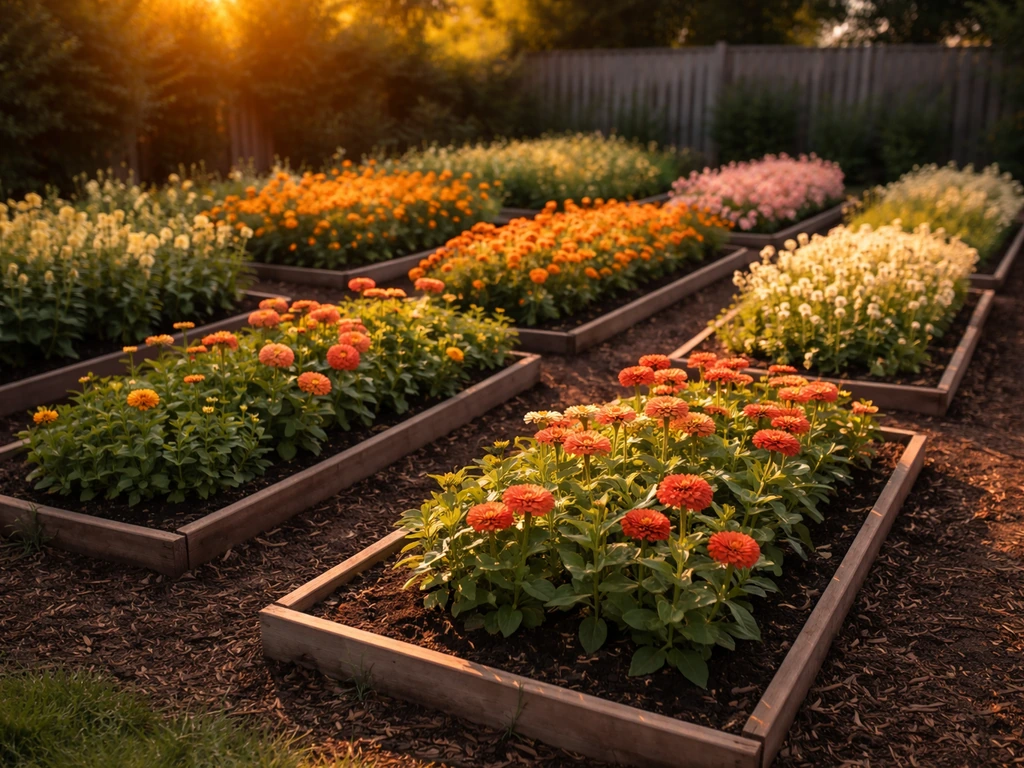
How to Grow a Cut Flower Garden: Step-by-Step Guide
Step-by-step plan for a sun, soil, and spacing cut flower garden with staggered blooms, pest care, and fresh harvest tip
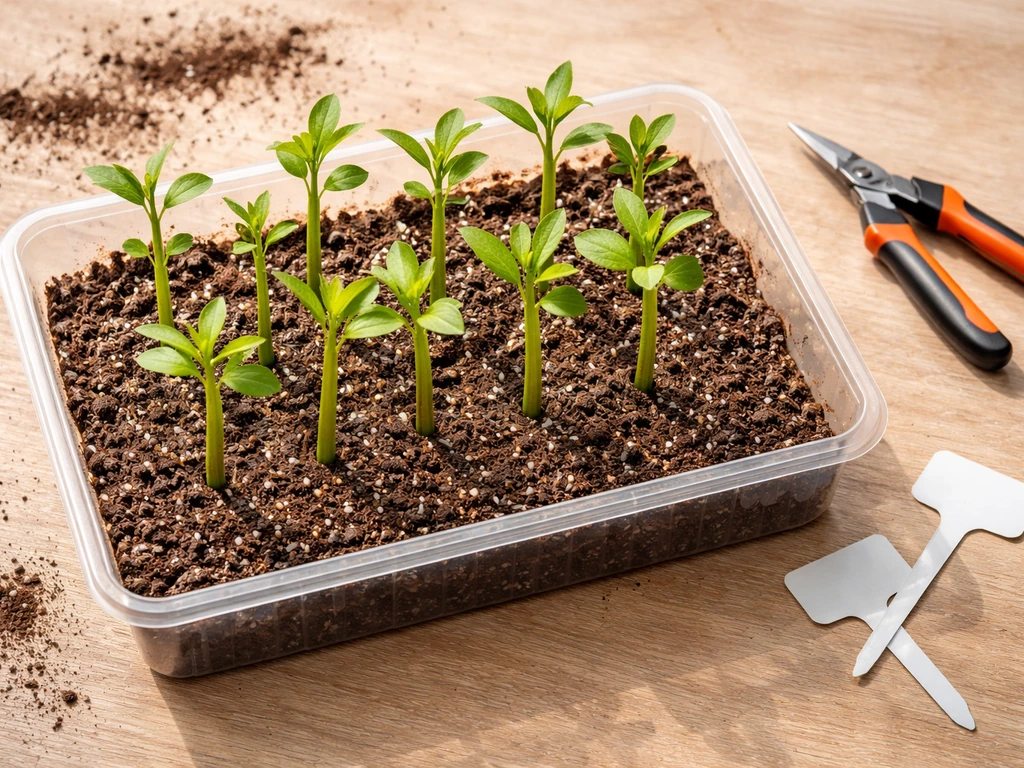
How to Grow Cutting Flowers From Cuttings Step by Step
Step by step guide to propagate cutting flowers from stem cuttings, root, pot, grow, and harvest for bouquets.
Best Cutting Flowers to Grow From Seed: Varieties and Guide
Best seed-grown cutting flowers, top varieties, sowing steps, and care tips for long stems, fast blooms, and vase-ready