Growing cutting flowers from stem cuttings is one of the most satisfying shortcuts in the garden. You take a 3-to-5-inch piece of healthy stem, give it the right conditions to root, grow it on until it's strong, and end up with a plant that pumps out bouquet-worthy blooms all season. The full process from cutting to first harvest typically takes 8 to 14 weeks depending on the variety, and once you've done it once, it feels completely repeatable. Once they are rooted, you can continue the same routine to grow plants from cut flowers through repeated harvests.
How to Grow Cutting Flowers From Cuttings Step by Step

James Holloway
25 Apr 2026
Picking the right flowers for cutting (and for growing from cuttings)
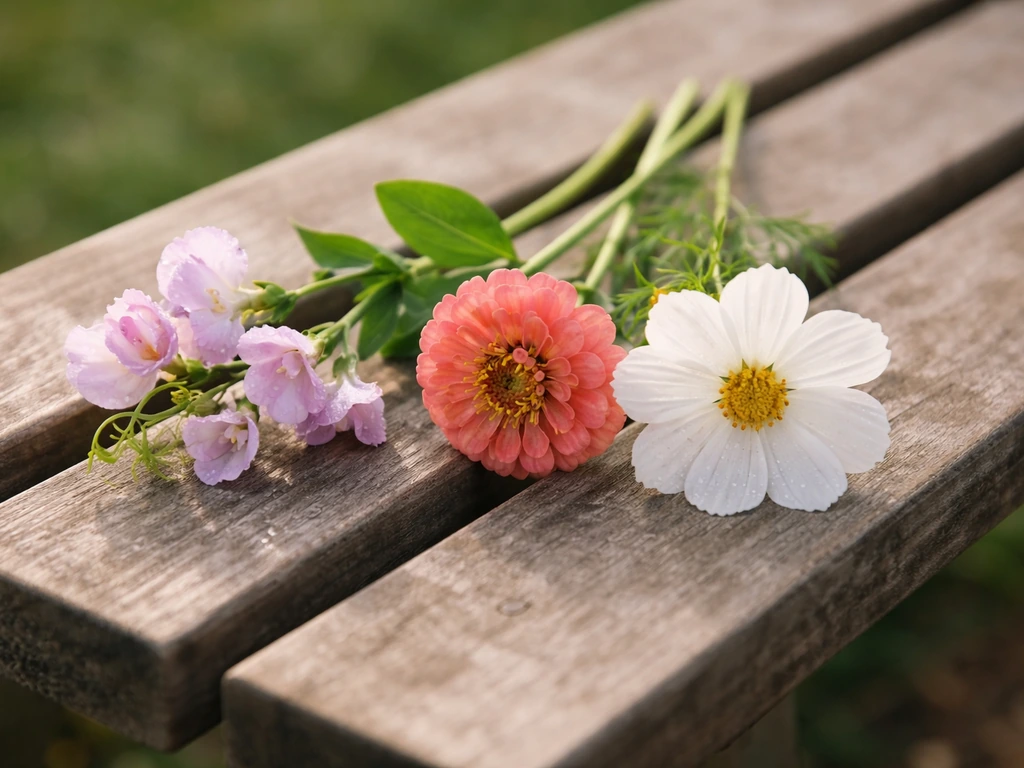
Not every flower makes a great cut stem, and not every cutting flower roots easily from cuttings. The sweet spot is varieties that do both well. For a beginner cutting garden, focus on annuals and tender perennials that root reliably from softwood cuttings: dahlias are the gold standard because they root fast, grow vigorously, and produce stems all season. Chrysanthemums, zinnias, lisianthus, and snapdragons also perform well when propagated this way.
Among foliage and filler plants, coleus, scented geraniums, and eucalyptus (typically grown from seed but also propagated by cuttings) all work. For eucalyptus specifically, start with propagation from seed or cuttings and then grow it for cut stems with the same attention to sun, rooting, and aftercare described for other cutting flowers. If you want to go the seed-starting route instead, there are great options covered separately in guides on the best cutting flowers to grow from seed.
If you want to start from seed instead, choose the best cutting flowers to grow from seed so you can build strong stems from the beginning. For this guide, we're focused on cuttings.
When choosing what to grow, think about vase life, stem length, and how the plant behaves after cutting. Dahlias, zinnias, and chrysanthemums rebloom aggressively when harvested regularly, which is exactly what you want from a cutting garden. If you want the best way to grow cut flowers for repeat harvests, focus on varieties that rebloom when cut and keep their rooting and aftercare steps consistent. Roses work too, though they take more effort to root. Avoid anything with very short stems or that doesn't continue producing after cutting. The goal is flowers that reward you for cutting them.
Taking cuttings: best time, stem selection, and how to prepare them
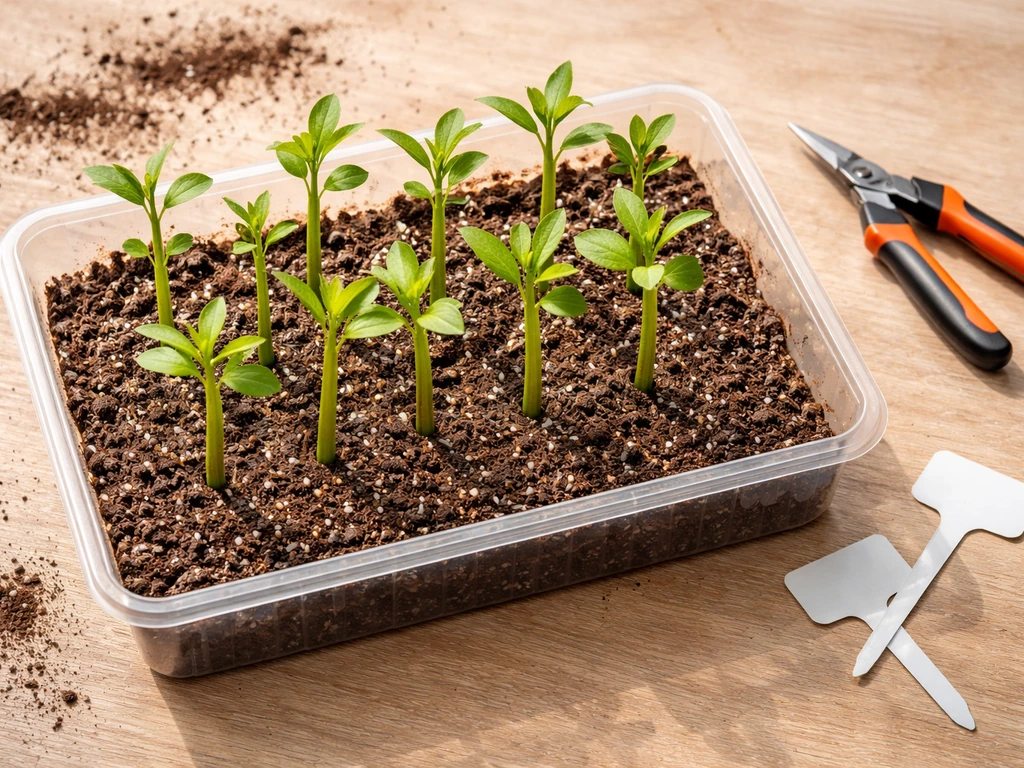
Timing your cuttings correctly makes a real difference in rooting success. There are three main types of cuttings, and the right one depends on the plant and its growth stage rather than just the calendar. Softwood cuttings come from the fresh, flexible new growth at the tips of actively growing stems during the main growing season. Semi-hardwood cuttings are taken after a flush of growth when the stem has started to firm up but isn't fully mature yet. Hardwood cuttings are taken after the growing period is over, from fully matured stems. For most cutting-garden favorites like dahlias, chrysanthemums, and zinnias, softwood cuttings taken in spring and early summer give you the best rooting rates.
For stem selection, look for healthy, disease-free growth with no flower buds. If buds are present, pinch them off before taking the cutting. A good cutting is 3 to 5 inches long, has at least two nodes (the bumpy points where leaves attach), and comes from a non-flowering shoot. Cut just below a node at a 45-degree angle using clean, sharp scissors or pruners. Wipe your blade with rubbing alcohol between plants to avoid spreading disease. Strip the lower leaves, leaving only one or two sets at the top so the cutting can focus energy on rooting rather than keeping foliage alive.
Rooting methods: water vs soil vs propagation medium
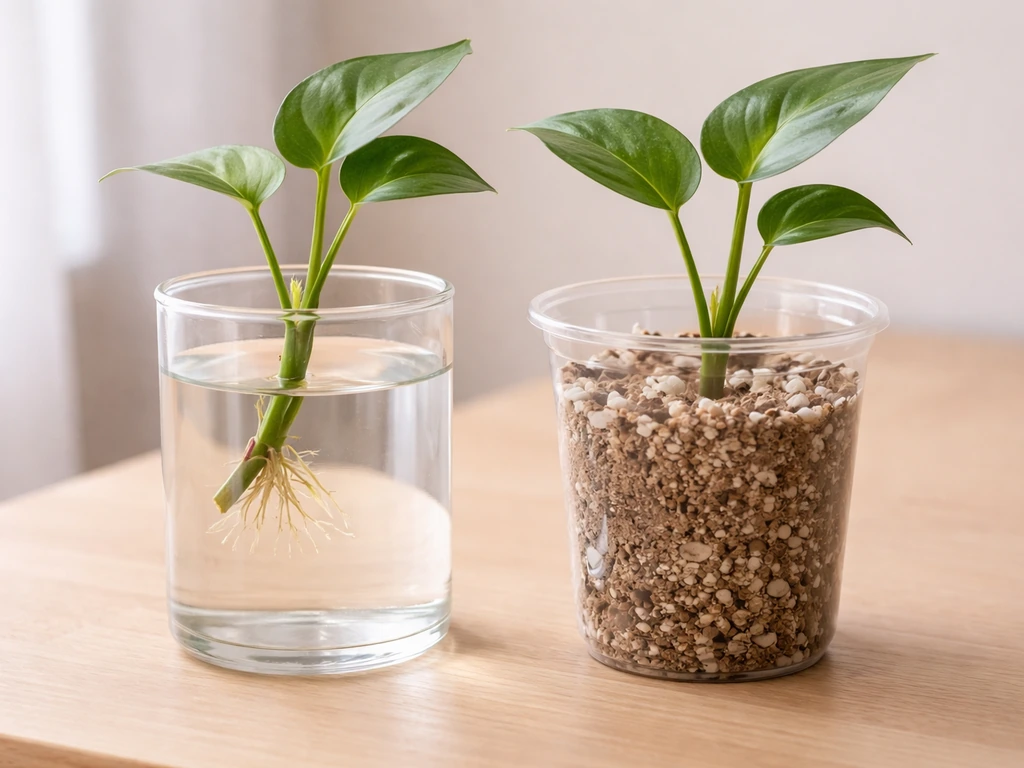
You have three main options for rooting cuttings, and each has real trade-offs. Water rooting is the most visible and satisfying for beginners because you can watch roots develop, but roots formed in water are structurally different from soil roots and the transition to a growing medium can stress the cutting. Soil rooting (straight into moist potting mix or a blend of half peat and coarse sand) produces roots that are already adapted to their medium, which means less transplant shock. A dedicated propagation medium, typically perlite, coarse construction-grade sand, or a commercial propagation mix, is the most reliable option overall because it's sterile, well-draining, and holds just enough moisture without staying soggy.
| Method | Pros | Cons | Best for |
|---|---|---|---|
| Water rooting | Easy to monitor, no supplies needed | Weaker roots, higher transplant stress | Soft-stemmed plants, quick experiments |
| Potting mix / soil | Familiar, readily available | Can stay too wet, risk of damping-off | Dahlias, zinnias, and robust annuals |
| Propagation medium (perlite/coarse sand) | Sterile, excellent drainage, strong roots | Needs more attention to moisture | Most cutting-garden varieties, best results overall |
Whichever medium you choose, use rooting hormone to improve your success rate. Powdered IBA-based rooting hormone is easy to use: dip the cut end into the powder and tap off any excess before inserting it into the medium. Pour out a small amount of powder into a separate container for dipping rather than dipping directly into the original bottle, which can contaminate the whole supply. Liquid and gel forms work too and are great for quick dipping.
Penn State Extension notes that you can apply rooting hormone as a quick dip or tap-off technique by dipping the cut end in hormone, tapping off excess, and then placing the cutting into water or rooting media Liquid and gel forms work too and are great for quick dipping. .
Once your cuttings are inserted, cover the tray or pot with a clear plastic bag or humidity dome to maintain high humidity around the foliage while the roots develop. Rootless cuttings lose moisture fast through their leaves, and maintaining that humidity is one of the most important things you can do.
Check daily, keep the medium consistently moist but not waterlogged, and gradually open or remove the humidity cover over a week or two once you start to see new leaf growth or feel resistance when you gently tug a cutting.
Potting up and transplanting for strong, harvest-ready growth
Most softwood cuttings of cutting-garden annuals root within 2 to 4 weeks. You'll know they're ready when you see new leaf growth or when a gentle tug on the stem meets real resistance. At that point, it's time to pot up. Move rooted cuttings into individual 3-to-4-inch pots filled with a good-quality potting mix. Handle them gently because the new roots are fragile. Water them in well and keep them out of direct strong sunlight for a few days while they settle.
From there, grow them on until they're 6 to 8 inches tall and have a strong root system before transplanting into the garden or a larger container. Before moving them outside permanently, harden them off over 7 to 10 days: set them outside in a sheltered spot for a few hours each day, gradually increasing their exposure to sun, wind, and temperature swings. This step is easy to skip and always a mistake. Plants that skip hardening off often stall for weeks after transplanting while they recover. Transplant into the garden after your last frost date, spacing cutting-garden plants like dahlias 18 to 24 inches apart and zinnias 12 to 18 inches apart to allow good airflow.
Light, watering, fertilizing, and pest and disease basics
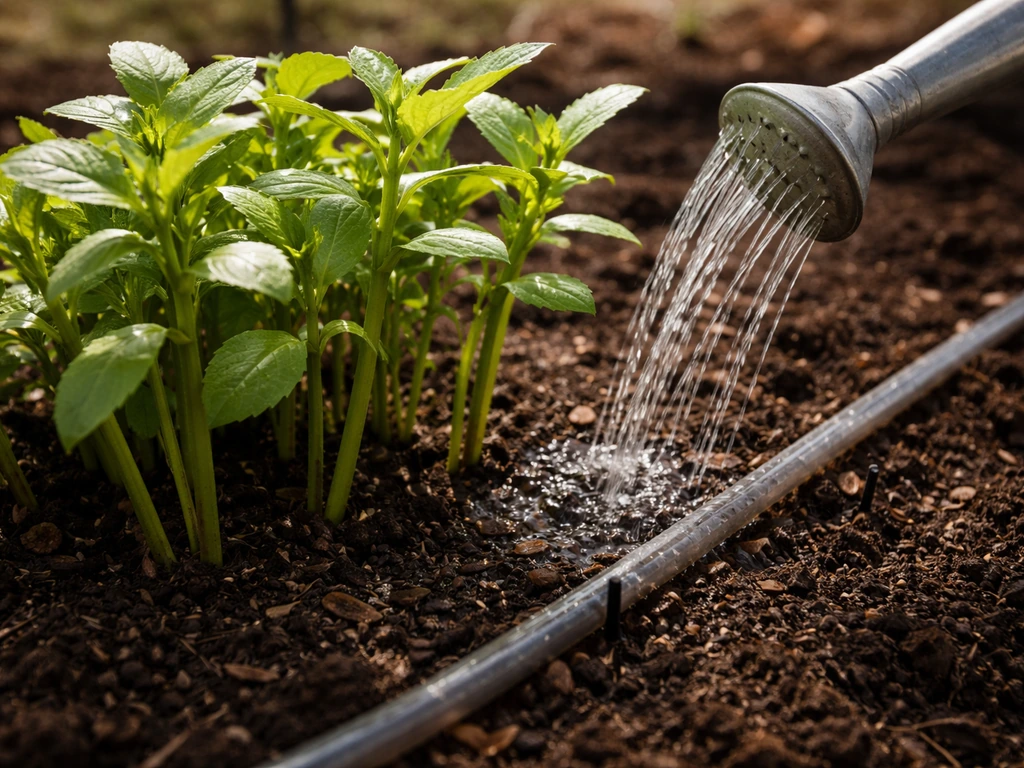
Cutting flowers are generally full-sun plants. Most want at least 6 to 8 hours of direct sun per day for strong stem production. Less light means longer, weaker stems and fewer blooms, which is the opposite of what you're growing for. In terms of watering, consistent moisture is more important than frequency.
Letting the soil go bone dry between waterings stresses plants and shortens stems. Overhead watering at night is worth avoiding because wet foliage overnight is an open invitation to gray mold (Botrytis cinerea), which is one of the most common and damaging diseases in cutting gardens. It attacks flower buds, petals, and soft stem tissue, and it thrives when humidity is high and temperatures drop in the evening causing condensation.
Water at the base of plants in the morning so foliage dries quickly.
Feed established plants every two to three weeks with a balanced fertilizer or one slightly higher in phosphorus to support flowering. Once plants are actively blooming, ease up on high-nitrogen feeds, which push leafy growth at the expense of flowers. For pests, aphids and thrips are the main troublemakers in cutting gardens. Both can be managed with insecticidal soap or neem oil, applied in the evening to avoid leaf scorch.
Horticultural oil is another biorational option. Check the undersides of leaves regularly because that's where aphid colonies establish early. For Botrytis, the best prevention is good airflow (don't crowd plants), keeping humidity down, and removing any spent or damaged flowers and foliage promptly. If you see gray fuzzy patches on buds or stems, remove and dispose of affected tissue immediately and improve air circulation around the plant.
When and how to harvest cut flowers for longest vase life
Harvesting at the right moment is the single biggest factor in how long your flowers last in a vase. The general rule is to cut earlier than you think. Most flowers last longest when harvested at the tight bud stage, when color is fully developed but petals haven't yet opened or have just begun to unfurl. For roses, that means a fully colored bud that's still closed. For zinnias and dahlias, cut when the outermost petals have opened but the center is still tight. Flowers harvested fully open look beautiful immediately but drop fast.
Cut in the early morning when stems are fully hydrated after the cool night.
Bring a bucket of clean water into the garden and place stems directly into it the moment you cut them. Use sharp, clean scissors or pruners and cut at a 45-degree angle to maximize the surface area for water uptake. Cut longer than you think you'll need because you can always trim, but you can't add length back.
Once you're inside, recut the stems under water (this prevents air bubbles from blocking the stem) and move the bucket to a cool spot for an hour or two before arranging. If you have a cool space like a basement or garage that stays around 50 to 60 degrees Fahrenheit, conditioning your stems there overnight dramatically extends vase life.
Aftercare: getting repeat blooms and managing the cutting garden over the season
The more you cut, the more most cutting-garden plants produce. That's not just a feel-good gardening saying: harvesting stems regularly prevents the plant from setting seed, which signals it to keep producing flowers. To keep the cycle going so your cut flowers keep growing back, harvest regularly and follow the aftercare steps that trigger more blooms instead of seed how to cut flowers so they grow back. If you're not harvesting, deadheading spent blooms achieves the same thing.
Remove finished flowers before they start forming seed heads and the plant redirects that energy back into new blooms. This is especially important for annuals like zinnias, marigolds, and snapdragons, which will bloom continuously through frost if you keep up with it. For perennials, deadheading often triggers a second flush of blooms in late summer or early fall, and following up with a light feed after deadheading helps plants refuel for that second wave.
Over the course of the season, keep an eye on plant health and productivity. If a plant starts looking tired, leggy, or diseased, don't be afraid to cut it back hard. Many cutting-garden annuals respond with a fresh flush of growth after a hard cutback in midsummer. Remove dead or damaged material promptly to reduce disease pressure.
At the end of the season, dahlias need to be dug up and stored as tubers in frost-prone zones, while hardy perennials can be cut back and mulched for winter. The cuttings you took at the start of the season can be taken again from the best-performing plants, so you're continuously selecting for the strongest, most productive stock. That cycle, cut, root, grow, harvest, repeat, is what makes a cutting garden genuinely self-sustaining after the first year.
If you want to dig deeper into any part of this process, it's worth exploring what makes specific varieties worth growing, whether you're looking at the best options for a dedicated cut flower garden or the easiest flowers to grow fresh for cutting. Each of those angles adds a layer to what you're building here, but the fundamentals above will carry you from your first cutting to your first full bouquet. If you want to understand the full workflow from choosing varieties to getting repeat harvests, review this guide on how to grow a cut flower garden. If you're deciding what good cutting flowers to grow for your space, start with the varieties that root reliably and rebloom with regular harvests.
FAQ
How can I tell when my cuttings are actually ready to pot up?
For cuttings, “success” is usually the first rooted growth, but “ready to transplant” is when the cutting holds firm resistance without slipping out of the medium. If you pot too early, the cutting can lose fragile roots and stall for 1 to 3 weeks. Give it another week once you see leaf growth, especially if the stem feels soft or light when gently tugged.
Can I use regular potting soil to root cutting flowers?
Yes, but only if you manage moisture carefully. If you keep humidity high with a dome or bag and the medium stays wet, rot is more likely. Use a sterile propagation mix, keep the medium just evenly moist, and watch for blackening at the base (a common early sign). When in doubt, start with perlite-heavy or sand-forward media instead of plain potting soil.
What are the most common reasons cuttings fail to root?
Not all “healthy” cuttings root the same way, and one bad variable can ruin a tray. Avoid cuttings with visible stress (wilting, insect damage), take from non-flowering shoots, and strip leaves so only the top set remains. Also, don’t let cuttings sit dry after cutting, keep them hydrated, and insert promptly into the medium because dehydration is a top failure cause.
Is rooting hormone necessary, and how do I avoid contaminating it?
For beginners, rooting hormone is most helpful for slightly reluctant varieties, but it does not replace the right cutting stage and humidity. Use it consistently, dip only the cut end, and tap off excess so you do not introduce clumps into the medium. If you reuse the same dipping container or contaminate the bottle, rooting performance drops because you can introduce microbes to the powder or gel.
What should I do if my cuttings’ leaves turn yellow or the stems blacken?
If you see leaves yellowing, check two things first: humidity and airflow. Yellowing that starts at the base can indicate rot from staying too wet, while yellowing plus drying edges can mean humidity is too low. Keep the dome on high humidity during rooting, then open gradually, and remove any slimy or foul-smelling cuttings immediately to protect the rest of the batch.
Can I root cutting flowers indoors or in a cool climate?
You can, but it depends on the variety and your environment. Softwood cuttings root best in warm conditions, while very cool nights slow rooting dramatically. If your indoor space is cool, use gentle bottom heat for consistency, keep light bright but indirect, and avoid full sun on the humidity dome because it can overheat the cuttings.
Is it better to root multiple cuttings together or in individual pots?
You can propagate multiple cuttings in one tray, but overcrowding raises humidity around foliage and increases the risk of Botrytis-like issues. Use enough space so leaves do not constantly touch, label varieties, and thin or separate once roots begin to form. If cuttings share a tray, one rot case can spread quickly through wet media, so remove affected pieces fast.
Why do I need to remove buds before rooting cuttings?
No, and it is a frequent mistake. If you never pinch off buds on the cutting shoot, the plant may spend energy trying to bloom instead of forming roots. Pinch off buds before taking cuttings, and after potting, keep new plants in bright conditions but avoid forcing blooms too soon until they have strong roots.
How should I overwinter newly rooted cutting-flower plants?
Winter storage rules vary by variety. Dahlias typically require digging and storing tubers in frost-prone zones, while many hardy perennials can be cut back and mulched. Do not store tender rooted cuttings outdoors, if you are overwintering new plants, move them into protected shelter, keep them barely moist, and avoid letting pots freeze through.
What should I do if my rooted cuttings stall after transplanting?
After transplanting, the most common issue is skipping hardening off or planting into stressed conditions. Give plants a sheltered start, water at the base in the morning, and avoid strong hot sun for the first several days. If leaves look limp, don’t “rescue” with extra frequent watering, instead ensure consistent moisture and wait for recovery after the shock period.
Can I keep selecting cuttings from my best plants to improve results over time?
Yes, and it changes the whole rhythm of the garden. If you take cuttings from your best performers early in the season, you build a stock that tends to rebloom reliably under your conditions. Avoid taking cuttings from the weakest plants or those already showing disease, and rotate where you take stock so you do not exhaust one portion of a bed.
How do I choose the exact harvest stage for the longest vase life?
Timing matters, but also consider plant-specific bloom signals. Many cut flowers last longest when harvested at the tight bud stage, with fully colored but not fully opened petals. If your zinnias or dahlias are opening unevenly, harvest when the “outer” petals show color and the center is still firm, and harvest the same time of day for consistency.
Next Articles
Best Cutting Flowers to Grow From Seed: Varieties and Guide
Best seed-grown cutting flowers, top varieties, sowing steps, and care tips for long stems, fast blooms, and vase-ready
Good Cutting Flowers to Grow: Best Picks for Bouquets
Top cut flowers to grow for bouquets and market: best varieties, planting timing, and how to harvest long-stem blooms.
Linaria 'Fairy Bouquet' How to Grow: Seed to Cut Flowers
Grow Linaria 'Fairy Bouquet' from seed to vase: step‑by‑step sowing, care, cutting, seed saving & troubleshooting.