
The best cutting flowers to grow from seed are zinnias, cosmos, snapdragons, marigolds, calendula, and poppies. Every one of them is genuinely beginner-friendly, produces long stems and abundant blooms, and costs a fraction of buying transplants. If you are standing in a garden center or scrolling a seed catalog right now wondering where to start, those six are your answer. The rest of this guide walks you through picking the right varieties, starting them correctly, keeping them flowering, and cutting them at exactly the right moment so your vases stay full all season.
Best Cutting Flowers to Grow From Seed: Varieties and Guide

James Holloway
22 Apr 2026
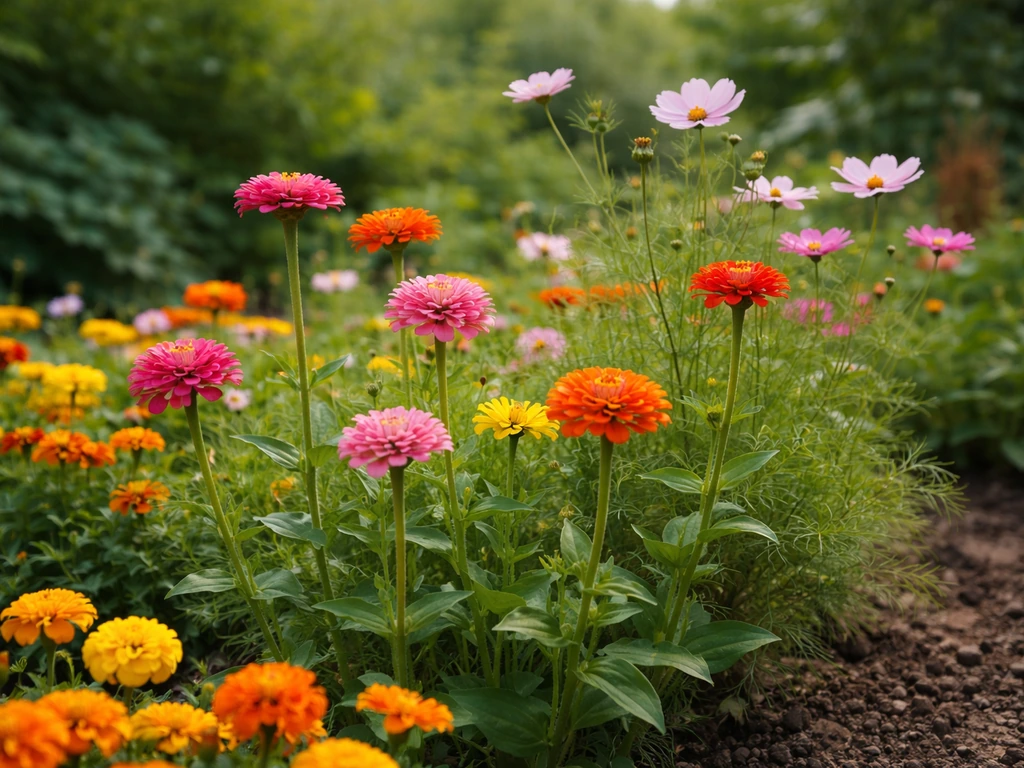
How to choose cut-flower varieties for growing from seed
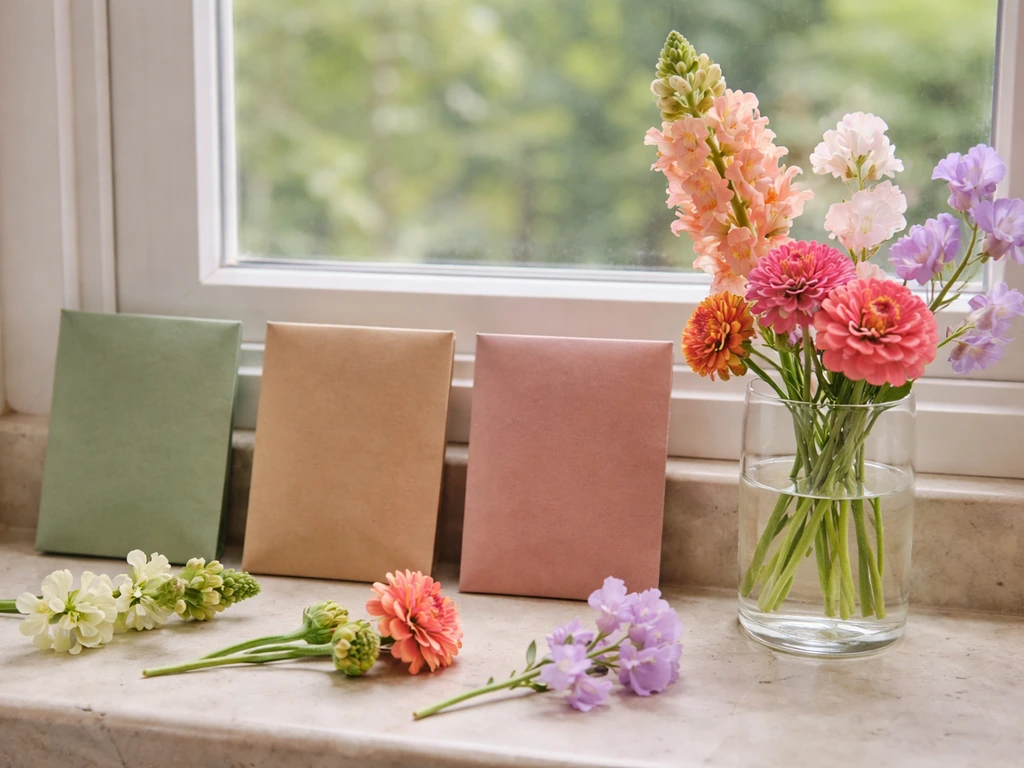
Not every flower that looks pretty in the garden makes a good cut flower, and not every cut flower is worth the trouble of starting from seed. For a variety to earn a spot in a cutting garden, it needs at least three things: stems long enough to arrange (ideally 12 inches or more), flowers that hold up for several days in a vase, and seeds that germinate reliably without a lot of fussing. When you are browsing seed catalogs, look specifically for varieties labeled 'tall,' 'cut-flower type,' or 'for cutting.' Those descriptions are not just marketing; they usually indicate the plant was selected for stem length and flower longevity rather than compact garden habit.
Difficulty and days-to-bloom are the other two filters worth applying before you buy. Some flowers bloom in 50–60 days from direct sowing (zinnias, cosmos, marigolds), while others need to be started indoors weeks before your last frost to hit their stride (snapdragons especially). Neither is a problem once you know what you are working with, but mixing up your timing is the most common reason a cutting garden underperforms. Match the seed-starting method to the flower, not the other way around.
Succession sowing is also worth building into your variety selection from the start. Choosing two or three varieties that bloom at different points in the season, or sowing the same variety every three weeks, keeps you from having one giant flush of flowers and then nothing. Cosmos and calendula are especially forgiving candidates for succession sowing because both can be direct-seeded and both respond well to regular harvesting.
Best cutting flowers: quick picks by difficulty and timing
Here is a practical breakdown of the top seed-grown cut flowers, including what makes each one worth growing and where it fits in a beginner-to-intermediate cutting garden.
| Flower | Difficulty | Days to Bloom | Sowing Method | Vase Life | Why It's a Cut-Flower Winner |
|---|---|---|---|---|---|
| Zinnia | Easy | 50–70 days | Direct sow after last frost | 7–10 days | Fast, prolific, long stems on tall varieties; blooms more the more you cut |
| Cosmos | Easy | 50–70 days | Direct sow after last frost | 4–6 days | Airy texture, great filler, very low maintenance |
| Marigold | Easy | 50–60 days | Direct sow or start indoors 4–6 weeks early | 7–10 days | Reliable germination in 5–8 days, cheerful color, pest-deterrent bonus |
| Calendula | Easy | 45–60 days | Direct sow; tolerates light frost | 5–7 days (longer if cut half-open) | Cool-season bloomer, germinates in 10–15 days, extends your harvest season |
| Snapdragon | Moderate | 90–120 days from seed | Start indoors 8–10 weeks before last frost | ~10 days | Tall spikes, cool-season performer, long vase life |
| Poppy (annual/Iceland) | Easy–Moderate | 60–90 days | Surface sow; needs light to germinate | 3–5 days (sear stem after cutting) | Unique texture, no transplanting needed, succession-sow for extended harvest |
| Cleome (Spider Flower) | Easy | 70–80 days from germination | Surface sow after last frost; needs light | 5–7 days | Tall, architectural, great vertical accent in arrangements |
Zinnias: the workhorse of the cutting garden
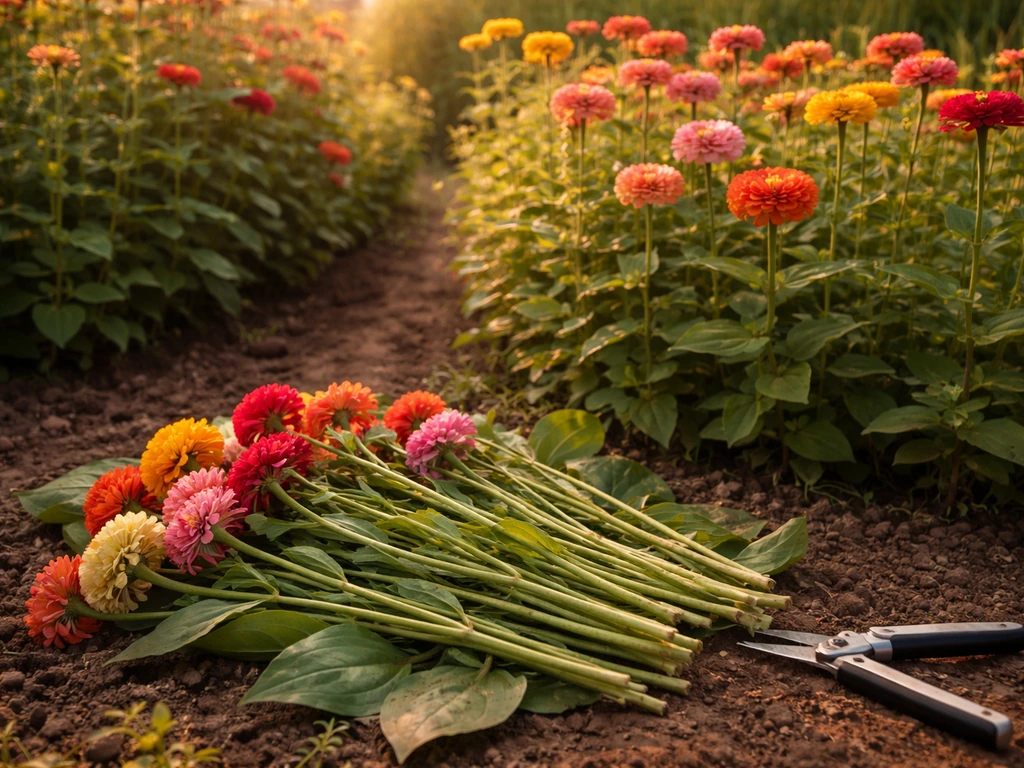
If you only grow one cut flower from seed, make it a tall zinnia. Varieties like 'Benary's Giant,' 'Oklahoma,' and 'Queeny Lime' are bred specifically for cut-flower production and produce stems over 18 inches long. Sow about 1/4 inch deep directly in the garden after your last frost date, thin to 6–12 inches apart, and you will have blooms in 50–70 days. The more you cut, the more they produce. I have had single plants yield 20 or more stems over a season when I kept up with harvesting.
Cosmos: the low-maintenance filler
Cosmos are almost impossible to fail with. Direct sow once soil temperatures are above 60°F (16°C) and cover the seeds lightly. They do not need rich soil, they handle dry spells reasonably well, and they flower continuously from summer until frost. Vase life is shorter than zinnias at about 4–6 days, but they arrange beautifully and fill space in mixed bouquets. 'Sensations Mix' and 'Cupcake' types are popular for cutting.
Marigolds: faster than you think
Marigolds germinate in just 5–8 days at 70–75°F, which makes them one of the most satisfying seeds to watch sprout. For cutting, skip the dwarf bedding types and go for tall African marigold varieties (Tagetes erecta) with large, globe-shaped flowers on 18-to-24-inch stems. Johnny's has developed tall hybrid marigolds bred specifically for professional cut-flower production, and those are worth seeking out. Direct seed when soil hits 65°F, or start indoors 4–6 weeks before your last frost for earlier blooms.
Snapdragons: worth the extra planning
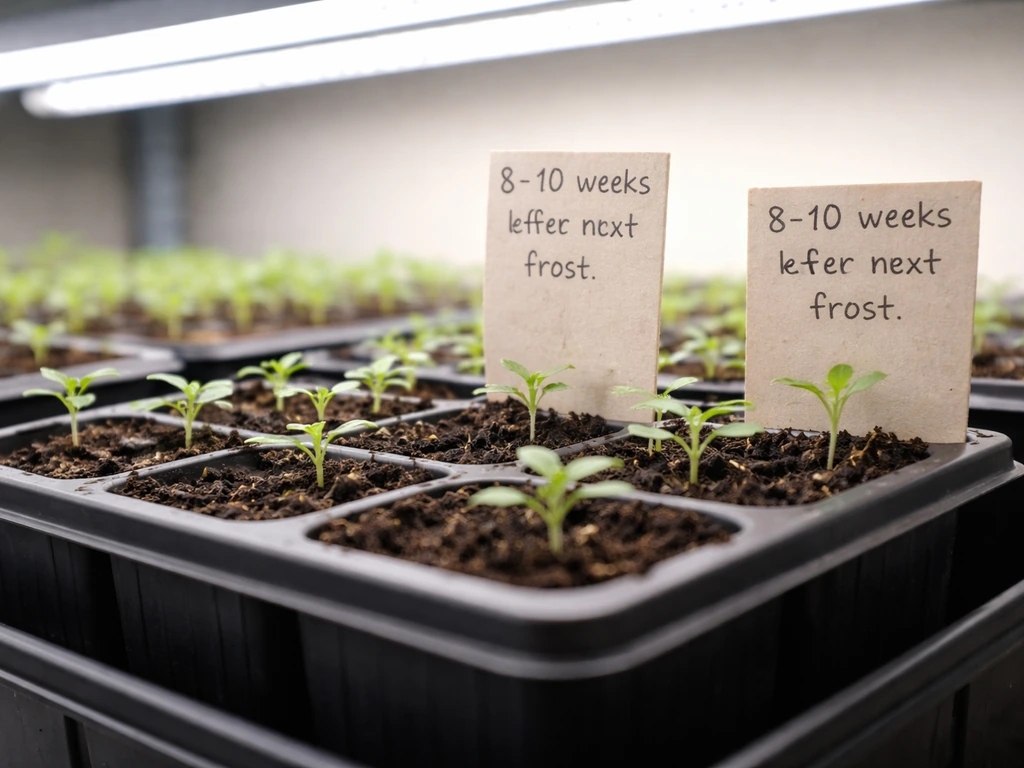
Snapdragons are a cool-season annual, which means they perform best in spring and fall rather than midsummer heat. Start seeds indoors 8–10 weeks before your last frost date. They take longer to get to bloom than direct-sown flowers, but the payoff is outstanding: tall, elegant spikes with a vase life of around 10 days. The 'Rocket' and 'Madame Butterfly' series are consistently strong performers for cutting.
Calendula: your cool-season workhorse
Calendula is one of the few cut flowers that actually prefers cool weather, which makes it a great choice for early spring and fall harvests when most other flowers are not yet going. Seeds germinate in 10–15 days, and the plants tolerate light frost. 'Indian Prince' and 'Sherbet Fizz' are excellent cutting varieties with deep color and sturdy stems. Harvest when blooms are about half open to get the best vase life.
Poppies: a little fussy, totally worth it
Annual and Iceland poppies are surface sown because they need light to germinate. Do not bury the seeds; just press them gently into moist soil. They do not transplant well, so direct sowing in their permanent spot is the right approach. Vase life is short (3–5 days), but you can extend it significantly by searing the freshly cut stem end with a flame immediately after cutting, which seals in the sap. Succession sow every 2–3 weeks in cool weather for a continuous supply.
Growing from seed: timing, soil, and sowing basics
Indoors vs. direct sow: matching method to flower
The single most important seed-starting decision is whether to sow indoors or directly in the ground. Flowers that are sensitive to transplanting (poppies, cosmos, some wildflowers) do best direct-seeded. Flowers with long lead times (snapdragons) or that you want blooming as early as possible (marigolds, zinnias) benefit from an indoor head start. When starting indoors, use a sterile seed-starting mix rather than garden soil. Garden soil can carry pathogens that cause damping-off, which is the frustrating condition where seedlings keel over at the soil line shortly after sprouting. Good sanitation and careful moisture management are your best defenses: keep the mix evenly moist but never waterlogged, and provide good air circulation.
General timing guide by sowing method
- Snapdragons: start indoors 8–10 weeks before last frost; they need the longest lead time of all common cut flowers
- Marigolds: start indoors 4–6 weeks before last frost, or direct sow after soil reaches 65°F
- Zinnias: direct sow after last frost; soil should be warm (65°F or above) for best germination
- Cosmos: direct sow after last frost once soil is above 60°F (16°C); cover lightly
- Calendula: direct sow in early spring (tolerates light frost) or fall in mild climates
- Poppies: direct sow in early spring or fall; surface sow only, no burial
- Cleome: surface sow after last frost; seeds need light to germinate
How to sow for strong germination
Depth matters. Zinnias go in about 1/4 inch deep. Snapdragon seeds are tiny and should not be covered at all; bottom-water or mist lightly to avoid displacing the seeds with overhead watering. Poppies and cleome are also surface-sown because they need light to germinate. When in doubt, a useful rule of thumb is to cover a seed to a depth of about twice its diameter, but for the tiniest seeds that means essentially just pressing them onto the surface.
Germination temperature matters just as much as depth. Marigolds germinate best at 70–75°F and will sprout in as little as 5 days under those conditions. If your indoor space is cool, a seedling heat mat under the trays makes a noticeable difference. Once seedlings emerge and show their first true leaves, move them somewhere bright, either under grow lights for 14–16 hours per day or in the sunniest window you have. Leggy, pale seedlings are almost always a light problem, not a watering problem.
Care that actually gets you long stems and lots of blooms
Sun, water, and soil
All six of the flowers covered here want full sun, which means a minimum of 6 hours of direct sunlight per day, with 8 hours being better. Less sun means shorter stems, fewer flowers, and plants more susceptible to disease. Water consistently but avoid wetting foliage whenever possible. Overhead watering in the evening is a reliable recipe for powdery mildew and downy mildew. Water at the base of plants, and if you do get water on leaves, do it early enough in the day that they dry before evening. Most cut flowers grow well in average garden soil enriched with compost. They do not need extremely rich soil, but they do need good drainage. Once your seedlings are in place, use the timing, spacing, and harvesting guidance here to master how to grow fresh cut flowers all season. If you want to add eucalyptus to your cutting garden, treat it like a woody evergreen and plan around its light, water, and harvest timing so it produces usable stems how to grow eucalyptus for cut flowers.
Thinning and spacing: do not skip this step
Crowded plants produce short stems and more disease pressure, which is the opposite of what you want in a cutting garden. Thin direct-seeded zinnias and cosmos to at least 6–12 inches apart. Marigolds benefit from similar spacing. It feels wasteful to pull out perfectly good seedlings, but the ones you leave behind will reward you with much longer, stronger stems. Think of thinning as editing: you are trading quantity of plants for quality of stems.
Fertilizing for stem length and flower production
A balanced slow-release fertilizer worked into the soil at planting covers most of the season for zinnias, cosmos, and marigolds. For snapdragons, which have a longer season, a monthly liquid feed helps sustain production once they start blooming. Avoid over-fertilizing with nitrogen, which pushes lots of leafy growth at the expense of flowers. If your plants are lush and green but not blooming, back off the nitrogen.
Keeping them blooming: deadheading and succession sowing
Removing spent blooms is essential for continued production. When marigolds are allowed to set seed, the plant shifts its energy away from making more flowers. The same applies to zinnias and cosmos: cut or deadhead regularly and the plants keep producing. If you want your cut flowers to keep putting out fresh blooms, follow the harvesting stage guidance in this section so the plant can rebound how to cut flowers so they grow back. In a cutting garden, regular harvesting does the deadheading for you, which is one of the great pleasures of the whole system.
Succession sowing is the other key to a long harvest season. Rather than sowing all your cosmos or zinnia seeds at once, sow a short row every 3 weeks from your last frost date until about 10 weeks before your first fall frost. Each wave comes into bloom as the previous one starts to fade. It takes about five minutes of extra planning at the start of the season and pays off enormously.
Common problems and quick fixes
- Damping-off (seedlings collapsing at soil line): use sterile seed-starting mix, avoid overwatering, improve air circulation
- Powdery or downy mildew on foliage: water at the base, water in the morning, increase spacing for airflow
- Short or weak stems: almost always a light problem; move to a sunnier spot or thin plants more aggressively
- No flowers on snapdragons after transplanting: normal; they need cool temperatures to set buds and may pause during summer heat
- Zinnias with distorted flowers: check for thrips or spider mites, especially in hot dry weather
When to harvest and how to get the most from every stem
Harvest timing: the stage that matters most
Cutting at the right stage of bloom is the single biggest factor in how long your flowers last in the vase. The general rule is to cut before a flower is fully open. For zinnias, cut when the petals are just unfurling and the center is still tight. For snapdragons, cut when the bottom third of the spike has open blooms but the top is still in bud. For calendula, cut at the half-open stage for the longest vase life. Poppies should be cut when the bud is just beginning to crack open and show color, then have the stem end seared immediately with a flame or dipped briefly in boiling water to seal the sap.
The best time of day to harvest is early morning, when stems are fully hydrated from the cool night. Avoid cutting in the heat of the afternoon if you can. Bring a bucket of water into the garden with you and drop each stem in immediately after cutting rather than carrying them back to the house dry.
Conditioning: the step most beginners skip
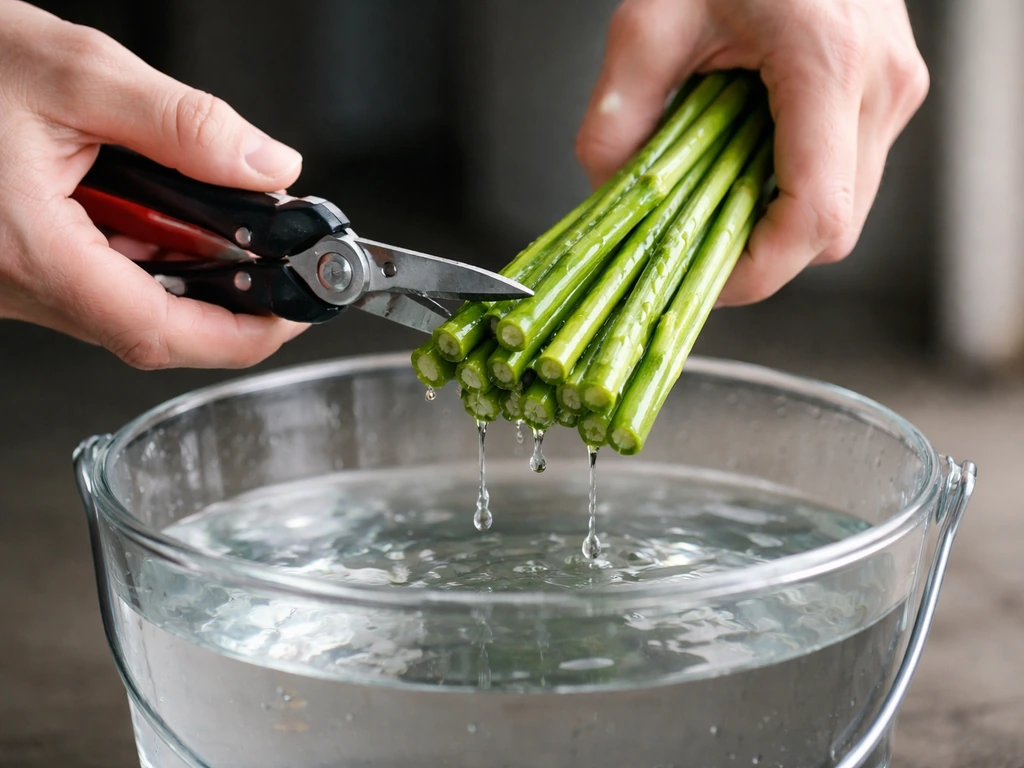
Conditioning is simply giving freshly cut stems time to drink deeply before you arrange them. After you bring your harvest inside, recut each stem by removing about an inch from the bottom, ideally while holding the stem under water or immediately after. This removes the air bubble that forms when you first cut the stem, which would otherwise block water uptake. Strip off any leaves that would sit below the waterline in your vase, because submerged foliage rots quickly and fouls the water.
Place conditioned stems in clean water in a cool, dark spot (a cool garage or basement works well) for a few hours or overnight before arranging. Cool temperatures remove field heat quickly, which is one of the most important things you can do to extend vase life. Clean, acidified water with a floral preservative (the little packet that comes with store-bought flowers is a good example of what you are replicating) provides both the biocide and the sugar source some flowers need to keep developing in the vase.
Vase care that actually makes a difference
- Use a scrupulously clean vase: bacteria in dirty vases are the number one killer of cut flowers
- Change the water every 2 days and recut stems each time you do
- Keep arrangements away from direct sun, heating vents, and ripening fruit (ethylene gas from fruit shortens vase life, especially for snapdragons, which are ethylene-sensitive)
- Remove any petals or leaves that are wilting or dropping into the water
- For snapdragons specifically: store and display at cool temperatures to slow petal drop and prevent stem bending
Growing cut flowers from seed is one of those gardening projects that rewards you faster than almost anything else. If you want the full roadmap for how to grow a cut flower garden from seed, start by picking tall, cut-flower varieties like the ones mentioned above. From a packet of zinnia seeds to a full vase of blooms is roughly 8–10 weeks of fairly relaxed effort. Once you have gone through a full season with even two or three of these varieties, you will have a solid sense of which ones suit your climate, your schedule, and the kinds of arrangements you like to make. That is where the real fun starts: refining your seed selections, dialing in your succession schedule, and filling buckets with stems you grew yourself from the very beginning. If you want the best way to grow cut flowers, focus on choosing tall, cut-flower types, then match indoor vs direct sowing to each variety. If you are wondering how to grow plants from cut flowers instead, the basics of timing and stem prep still matter, even though you start with different material than seeds.
FAQ
If I only have a small garden space, which of the “best cutting flowers to grow from seed” won’t get too tall or spread too much?
For tight spaces, choose tall types but use stricter spacing than you might for pollinator beds, especially for zinnias and cosmos. Also plan on cutting frequently, because regular harvesting redirects growth into new stems. Marigolds can be easier to manage because you can select tall (not dwarf) varieties and keep them spaced to reduce disease and crowding.
Should I thin zinnias and cosmos even if I’m worried about wasting seedlings?
Yes. Thinning is one of the biggest drivers of stem length in a cutting garden. If you skip thinning, you will get more plants but shorter stems and a higher risk of mildew, because airflow drops. Treat thinning like “planting for stems,” not “planting for flowers.”
What’s the best way to tell if my seeds are planted too deep, especially for tiny seeds like snapdragons and poppies?
If you covered poppy and snapdragon seeds with even a light dusting of soil, chances are germination will be poor because they need light. For depth-checking, measure the seed packet guidance and remember the “twice the seed diameter” rule, which means tiniest seeds basically get pressed, not buried.
How can I avoid damping-off when starting these cut flowers indoors?
Use a sterile seed-starting mix, keep airflow moving (a small fan helps), and water from the bottom or mist lightly so the surface doesn’t stay wet. Let the mix approach “evenly moist, not soggy” between waterings. Also avoid high nitrogen in any early feeding, because weak, soft growth is more likely to fail.
If my seedlings are leggy and pale, should I adjust watering or light first?
Light first. Leggy, pale seedlings usually indicate insufficient brightness, not too much or too little water. Move them under grow lights or into the sunniest window and keep the light duration consistent, around 14 to 16 hours for most setups.
Can I direct seed in clay soil, or do I need to amend everything for these cutting flowers?
You can grow them in heavier soil if drainage is improved. Mix in compost and loosen the bed before sowing, because consistently waterlogged conditions increase disease and can reduce germination. If your soil stays wet for days after watering, raise the bed or choose a faster-draining spot for the most success.
How do I time harvest so vase life is maximized, and what should I do if I cut too late?
Cut before full opening, using the stage guidelines in the article (zinnia early, snapdragon from the bottom third, calendula half-open, poppies as buds start cracking). If you cut too late, vase life usually drops and some flowers may not open properly indoors. In that case, condition normally (recut and remove submerged foliage) and swap water sooner.
What’s the correct way to condition cut stems, and do I need to recut every day?
Recut once, right after bringing stems in (or while holding them under water), removing about an inch. Then let them hydrate in clean water in a cool, dark place for a few hours or overnight. Daily recutting is usually unnecessary, but you should refresh water and re-remove any foliage that starts to rot below the waterline.
Do these flowers need floral preservative in the water to last longer?
It helps, but the key priorities are clean, acidified water and hydration time. If you do not have preservative, change the water regularly and keep stems cool. Avoid warm rooms and direct sun, because heat accelerates bacterial growth and shortens vase life even when the stems are conditioned.
How often should I deadhead or harvest zinnias, cosmos, and marigolds to keep blooms coming?
Harvest or deadhead as soon as the bloom reaches the “cut-ready” stage, then keep removing spent flowers before seed develops. The article emphasizes that allowing seed-setting slows new blooms, so make deadheading a routine (often several times per week in peak season) rather than a one-time cleanup.
What’s the difference between succession sowing and just planting everything at once, and how much does it change my harvest window?
Planting everything at once creates a short peak followed by a quick drop-off when plants shift toward seed or natural decline. Succession sowing spreads the workload, giving you waves of fresh stems that overlap. Practically, this can extend your cutting window by many weeks, especially with forgiving choices like cosmos and calendula.
Can I combine these flowers in the same bouquet if they have different vase lives, like cosmos (4–6 days) and snapdragons (around 10 days)?
Yes, but plan your bouquet “rotation.” Short-vase flowers like cosmos may fade first, so consider building bouquets with a snapdragon anchor plus fewer cosmos blooms, or remove spent heads promptly. For the longest-looking arrangements, condition everything well and keep the room cool so slower flowers do not exhaust their sugar supply early.
Next Articles
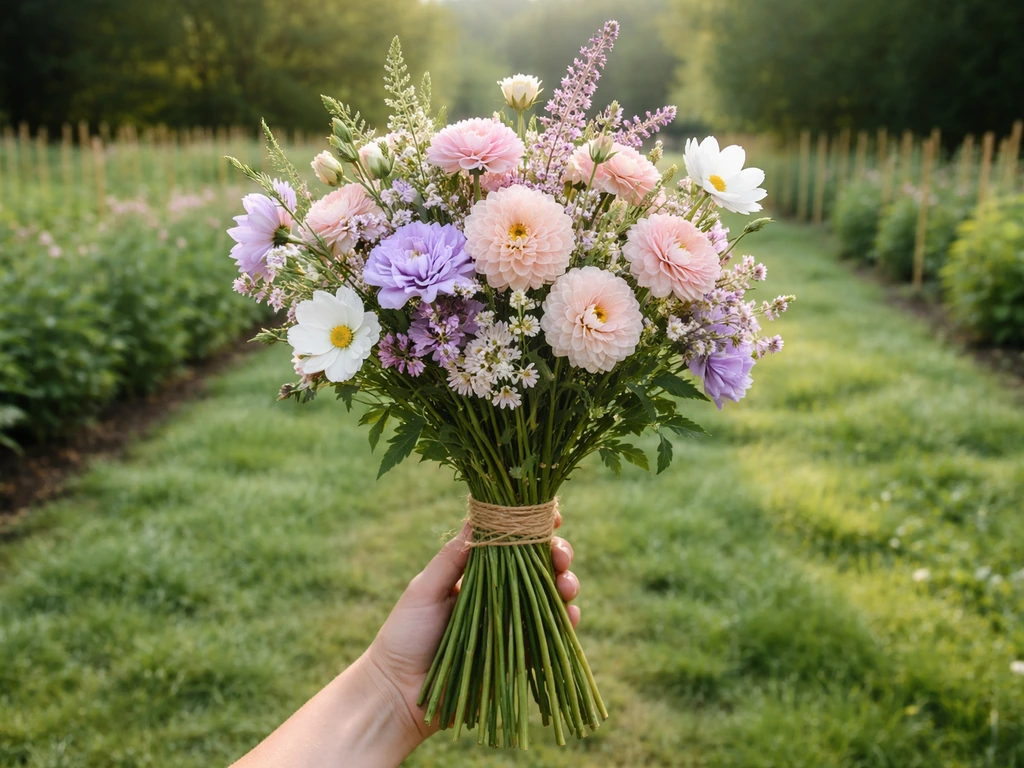
Good Cutting Flowers to Grow: Best Picks for Bouquets
Top cut flowers to grow for bouquets and market: best varieties, planting timing, and how to harvest long-stem blooms.
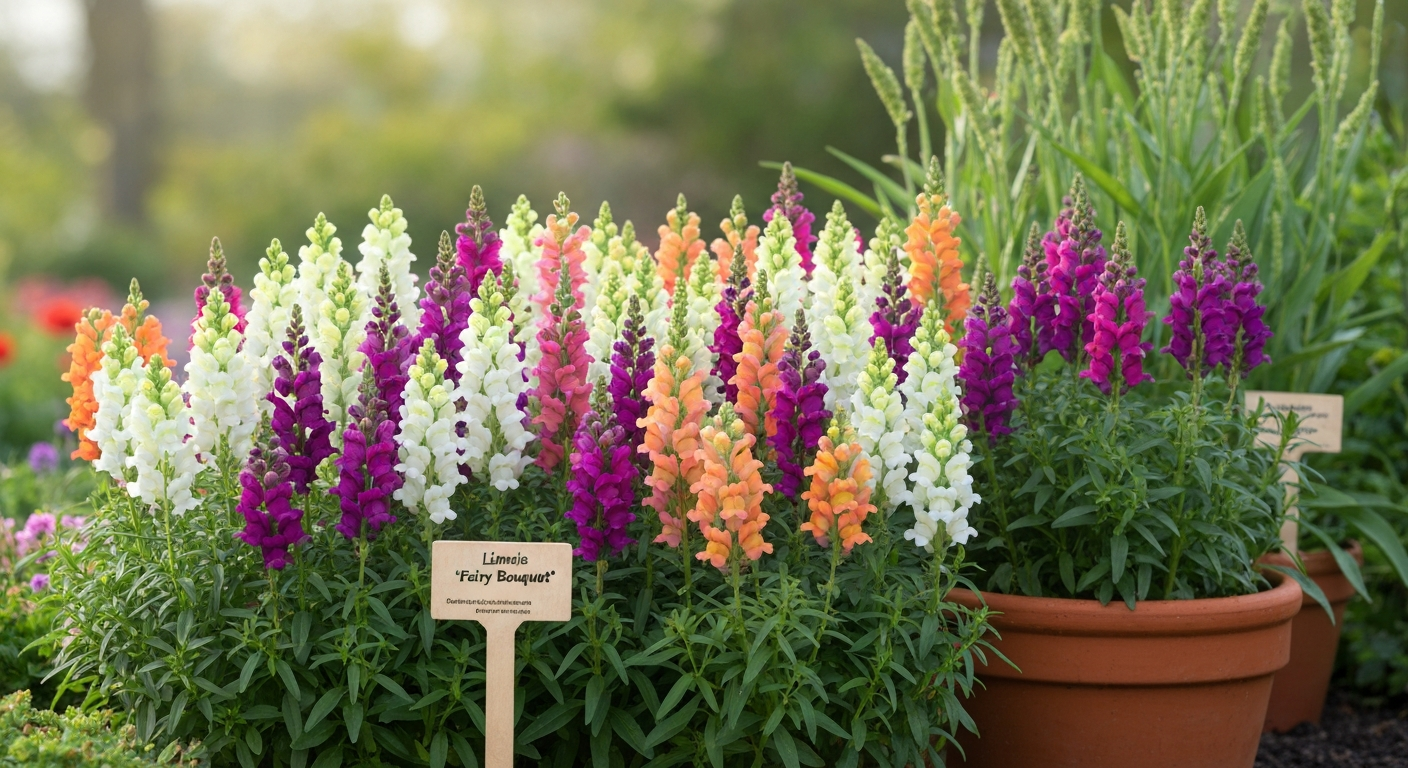
Linaria 'Fairy Bouquet' How to Grow: Seed to Cut Flowers
Grow Linaria 'Fairy Bouquet' from seed to vase: step‑by‑step sowing, care, cutting, seed saving & troubleshooting.
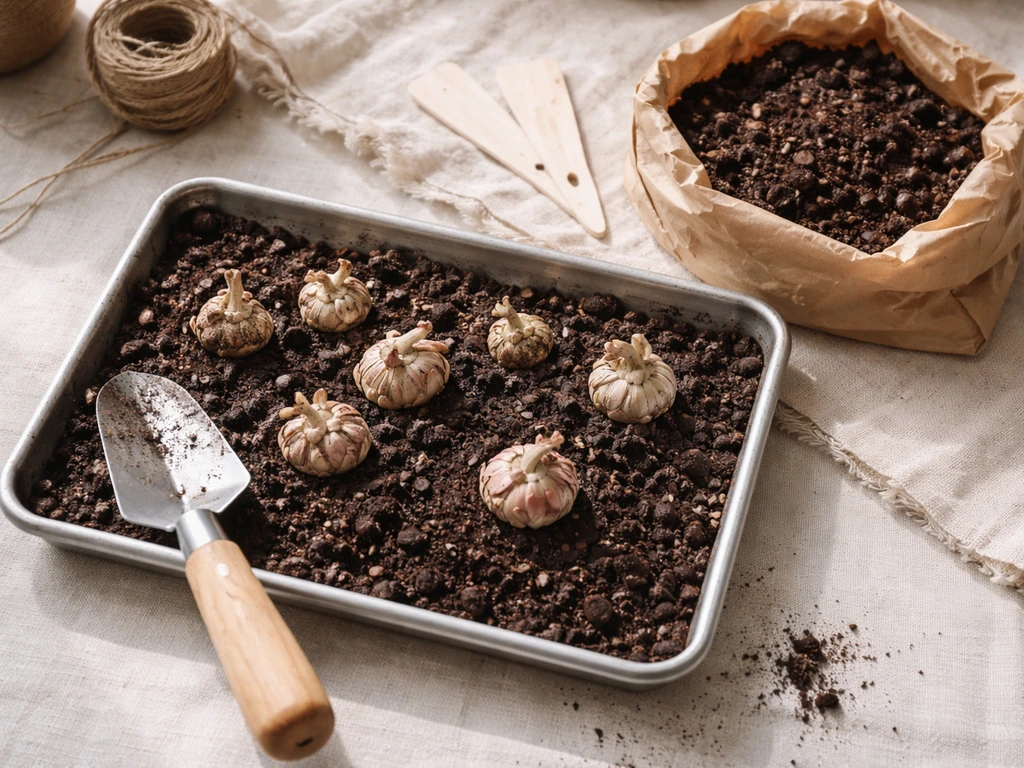
Floret How to Grow Ranunculus: Step-by-Step Guide
Step-by-step Floret-style ranunculus guide: corm prep, planting, watering, frost care, troubleshooting, and harvest for