
You can grow new plants from a bouquet, but it depends entirely on which flowers are in it. Roses, hydrangeas, chrysanthemums, lavender, and baby's breath all have a realistic shot at rooting from stem cuttings. Lilies, ranunculus, and most tropical bouquet fillers are a dead end for cutting propagation, those need bulbs, corms, or seed instead.
How to Grow Flowers From a Bouquet: Step-by-Step

James Holloway
12 May 2026
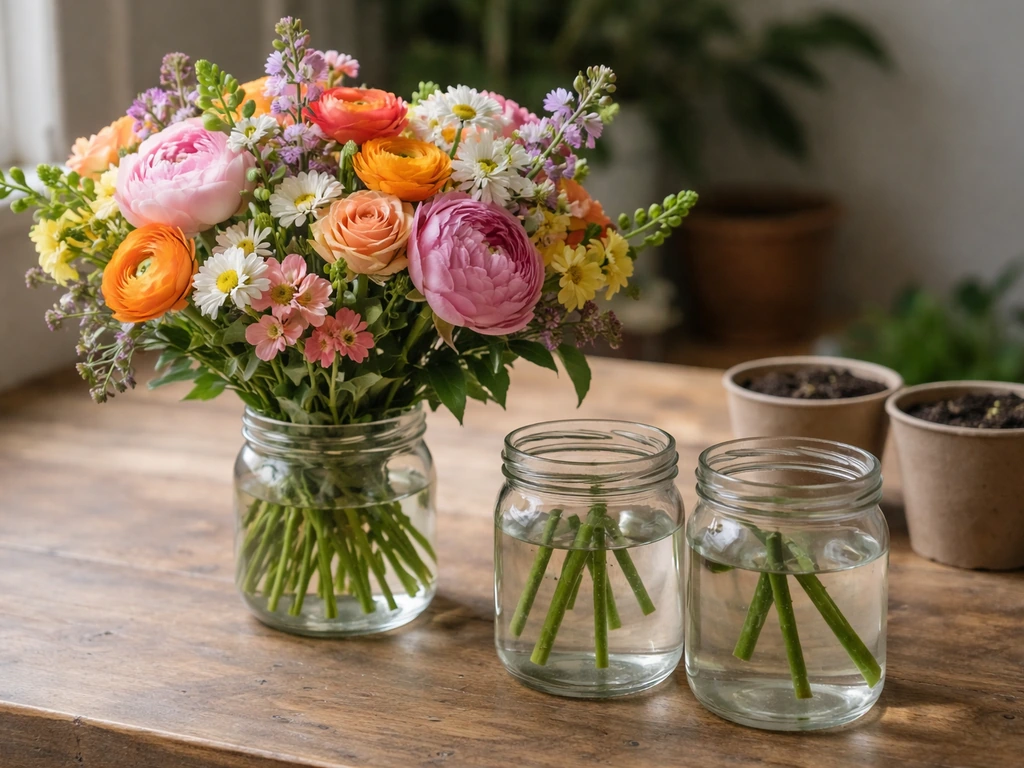
The honest approach is to pick out the stems that can actually root, treat them correctly within the first hour or two, and set up a simple rooting environment at home. If you want a simple, step-by-step approach, follow the guidance on how to grow plants from bouquet stems pick out the stems that can actually root. If you do that, you'll have new rooted plants in 2 to 8 weeks depending on the variety.
Which bouquet flowers are actually worth trying to propagate
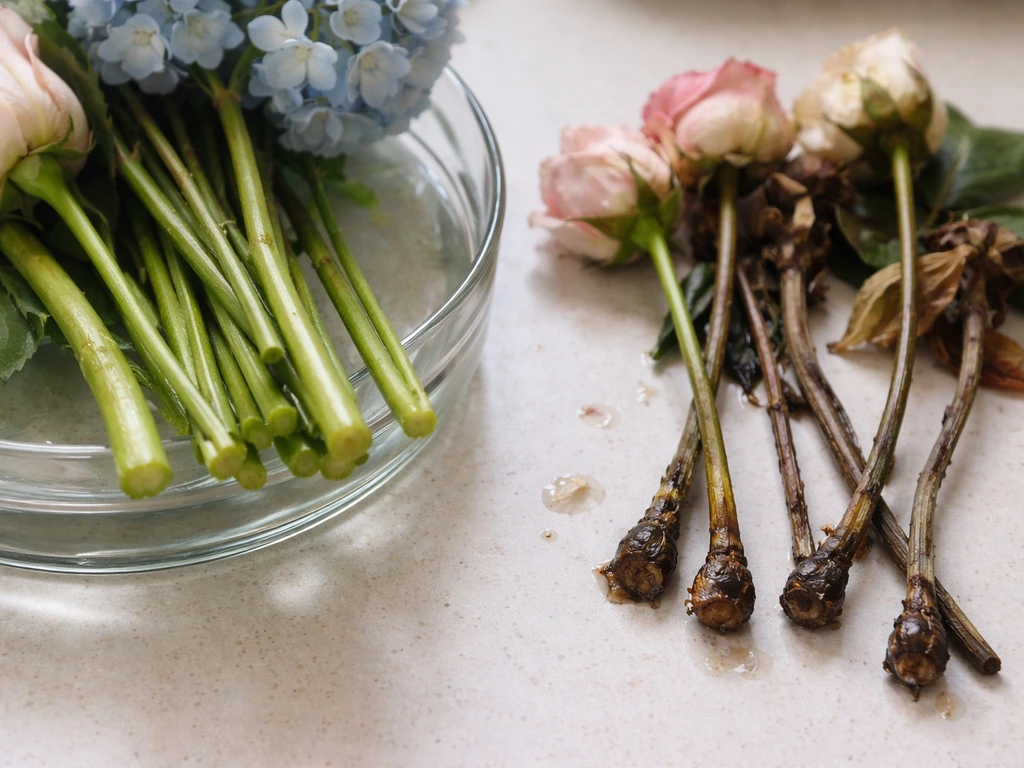
Not every stem in a bouquet is a candidate. Some flowers simply can't root from a cut stem, they need a bulb, corm, or underground structure that isn't there when you cut them. Knowing the difference saves you a lot of frustration.
Here's what works and what doesn't in plain terms:
| Flower | Propagation method | Realistic success? | Notes |
|---|---|---|---|
| Rose | Stem cutting | Yes — 50–70% success rate | Use fresh softwood stems; 45° cut just below a leaf node |
| Hydrangea | Stem cutting | Yes — one of the easiest | Use non-flowering green stems; early autumn timing is best |
| Chrysanthemum | Stem cutting | Yes — reliable | Take cuttings late spring/early summer from basal shoots |
| Lavender | Stem cutting | Yes — moderately reliable | Semi-hardwood cuttings root in 4–8 weeks |
| Baby's breath (Gypsophila) | Stem cutting | Yes — possible with hormone dip | Root in moist potting mix; keep temps 65–72°F |
| Statice (Limonium) | Seed (not cuttings) | Grow from seed instead | Annual statice is seed-grown; skip the cutting attempt |
| Ranunculus | Corm (not cuttings) | Grow from corms instead | Seed-grown plants can take an extra season to bloom |
| Lily (true Lilium) | Bulb (not cuttings) | No — stem cuttings won't root | Missing basal plate tissue makes cutting propagation fail |
| Linaria 'Fairy Bouquet' | Seed or softwood cutting | Seed is easiest | Sow on surface of well-drained seed compost in early spring |
The flowers with the best bouquet-to-cutting success are roses, hydrangeas, and chrysanthemums. These are also cutting-garden workhorses, so rooting them successfully gives you a real return: future harvests from your own plants. For flowers like ranunculus or lilies, the better move is to use your bouquet as inspiration and order the appropriate corms or bulbs to plant properly. If you're curious about ranunculus specifically, the standard method is starting from corms rather than trying to root a cut stem.
How to prepare your cuttings (and catch common mistakes early)
Timing is the first thing most people get wrong. The longer a bouquet stem sits in vase water before you try to root it, the worse your odds. Floral preservatives, bacteria buildup, and stem deterioration all work against you. Ideally, work with your chosen stems within a day or two of getting the bouquet, the fresher the stem, the better the root tissue.
Step-by-step cutting prep
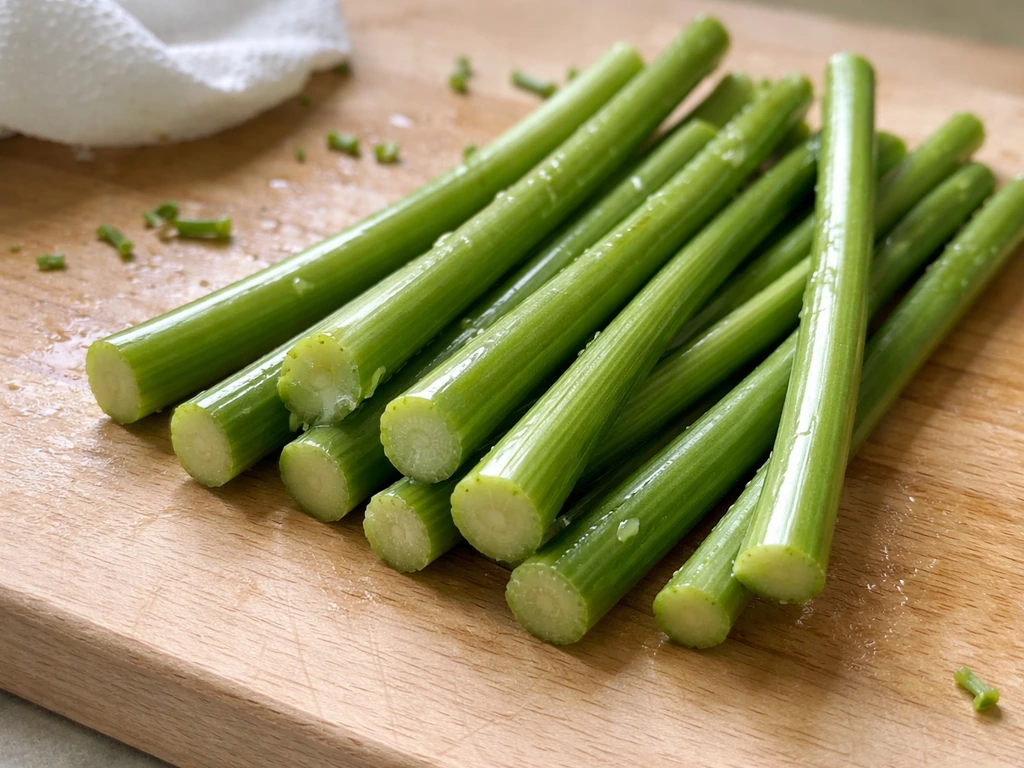
- Choose stems that are firm and green — not soft, mushy, or darkened at the base. A slightly woody stem is fine; a slimy one is not.
- Cut the stem to 4–6 inches (10–15 cm) long using clean, sharp scissors or pruners. Make the cut at a 45° angle just below a leaf node (the point where a leaf meets the stem). A clean cut matters — ragged edges invite rot.
- Strip all leaves from the bottom half of the stem. For roses, remove the lower leaves and any flower buds. For chrysanthemums, cut larger leaves in half to reduce water loss from the cutting.
- If the stem has an open flower on it, remove the flower. The cutting needs to put energy into roots, not keeping a bloom alive.
- Dip the bottom inch (2.5 cm) of the stem into powdered or gel rooting hormone. Tap off the excess. This step meaningfully improves success rates for roses, lavender, hydrangeas, and baby's breath.
- Move quickly — don't leave the prepared cutting sitting out for more than a few minutes before placing it in your rooting medium.
When cuttings aren't the right approach
If your bouquet is mostly lilies, ranunculus, or tulips, skip the cutting prep entirely. These plants propagate through underground structures, and no amount of hormone or warm water will change that. Instead, use the bouquet as inspiration: note the varieties and colors you loved, then source the right bulbs or corms for planting at the correct time of year. It's a different path to the same destination.
Setting up rooting: water vs soil, temperature, and what to actually do
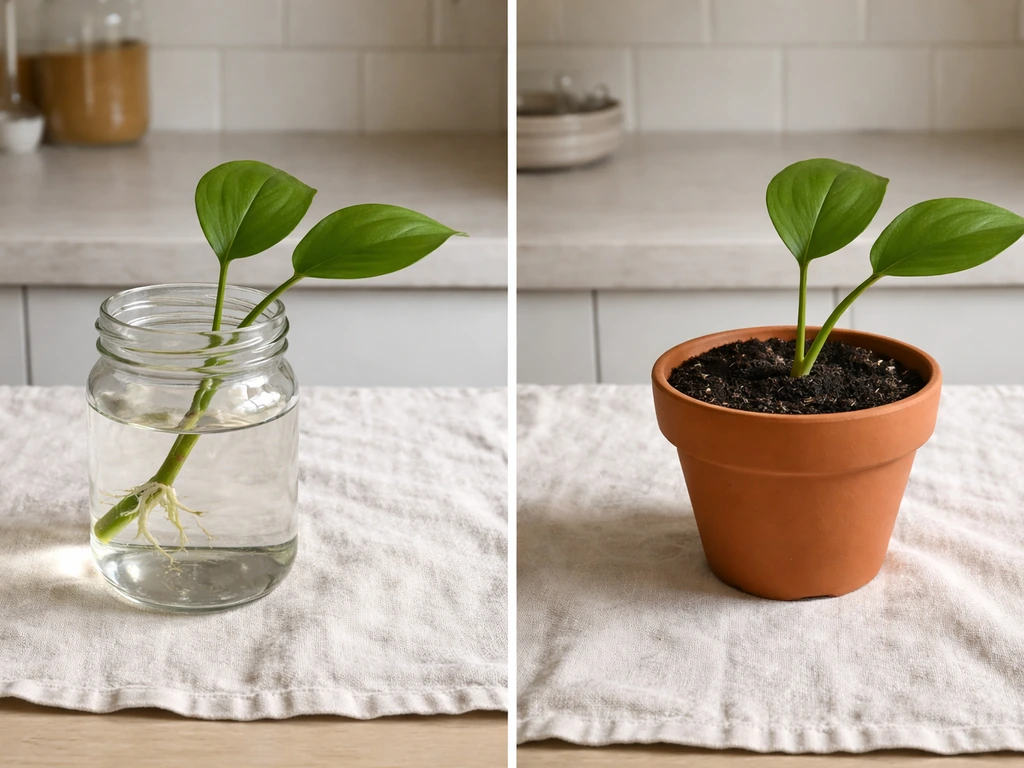
You have two options for rooting cuttings: water or a soil-based medium. Each has trade-offs, and for bouquet cuttings specifically, a moist potting medium tends to outperform plain water for most flower varieties.
Water rooting
Water rooting is easy to monitor, you can see roots forming, but the roots that form in water are structurally different from soil roots, which means transplant shock can be harder to manage. It works reasonably well for roses and some softer-stemmed flowers for a short period, but if you leave cuttings in water too long, the base can start to rot. Change the water every two to three days, keep the container out of direct sun, and move to soil as soon as you see roots that are at least half an inch (1–2 cm) long.
Soil (or rooting medium) setup
A mix of perlite and vermiculite, or a light potting mix with added perlite, gives cuttings the air and moisture balance they need without staying waterlogged. Pure potting soil can hold too much moisture and increase rot risk. Fill a small pot or cell tray, moisten the medium thoroughly, poke a hole with a pencil, and insert the hormone-dipped cutting about 2 inches (5 cm) deep. You can apply rooting hormones by quick-dipping the basal cut end, using stem base sprays, or applying post-stick foliar sprays, and quick-dips are a common approach. Firm the medium gently around the stem so it stands upright.
Temperature and humidity
Most bouquet flowers root fastest at 65–75°F (18–24°C). Chrysanthemums benefit from bottom heat at around 60–65°F at the roots specifically, which speeds rooting to 2–3 weeks. Baby's breath roots best in the 65–72°F range. A heat mat under your tray is one of the most useful investments you can make if you're rooting cuttings regularly.
Humidity matters almost as much as temperature. Cuttings don't have roots yet, so they can't drink, they lose moisture through their leaves. Covering your pot or tray with a clear plastic bag or a humidity dome keeps moisture in without blocking light. Don't seal it completely; leave a small gap or crack the bag daily to prevent fungal buildup. Once you see new leaf growth or feel resistance when you gently tug the stem (a sign roots have formed), you can remove the cover.
Light during rooting
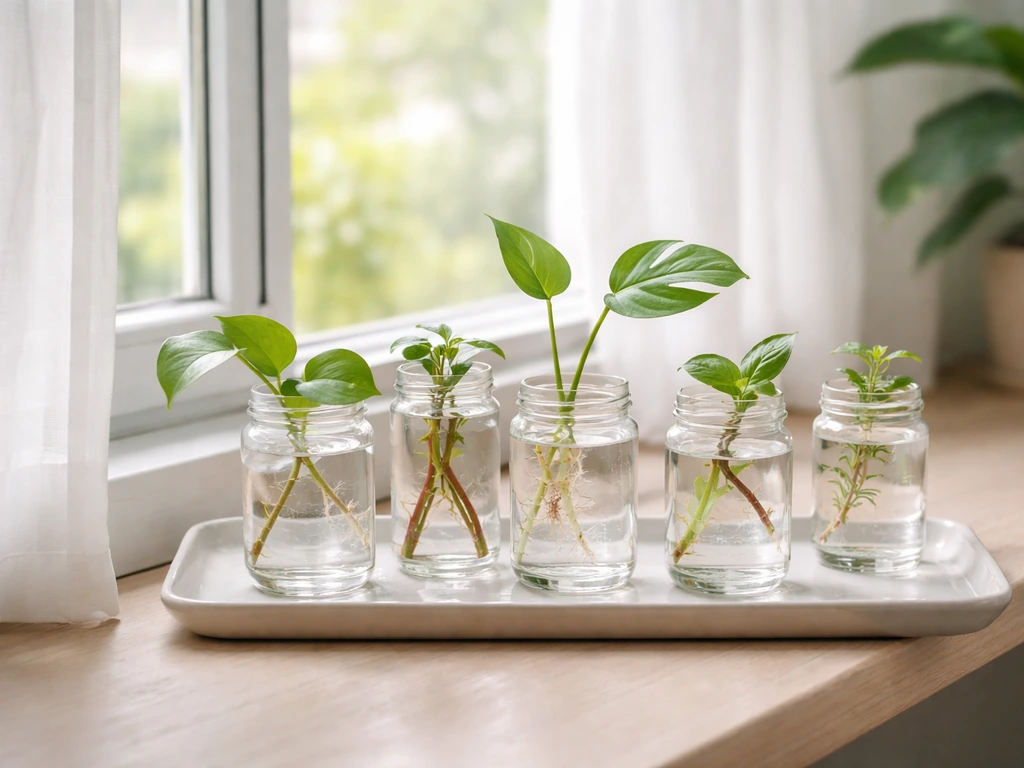
Keep cuttings in bright, indirect light, not direct sun. A windowsill with morning light works well. Direct sun through glass will overheat the cutting and cause it to wilt before roots can form. Under grow lights, position bulbs 4–6 inches above the cuttings for 14–16 hours a day.
Moving rooted cuttings outdoors: transplanting and hardening off
Once your cuttings have visible roots and new leaf growth, they're ready to grow on, but not quite ready for the garden yet. Plants that have been rooting inside need to adjust slowly to outdoor conditions before you put them in the ground. Skipping this step is one of the most common reasons young plants die, and it's completely avoidable.
The process is called hardening off, and it typically takes one to two weeks. Start by placing your rooted cuttings outdoors in a sheltered, shaded spot for just one to two hours on the first day, then bring them back inside. Add an hour or two of outdoor time each day, gradually introducing more sun and wind over the course of the week. By the end of two weeks (assuming no frost is in the forecast), the plants can stay outside overnight and are ready to transplant into the garden or a larger container.
When transplanting, dig a hole slightly larger than the root ball, set the plant at the same depth it was growing in the pot, and water in well. Avoid fertilizing for the first week or two after transplanting, the roots need time to establish before being pushed to grow.
Getting your plants to actually bloom: light, water, feeding, and pruning
Rooting a cutting is satisfying, but the real goal is flowers. If you want a bridal bouquet feel at home, focus on the same propagation steps and growing conditions for the bouquet flowers you choose how to grow bridal bouquet plant. Here's how to manage your young plants from the transplant stage through to first bloom.
Light
Most cutting-garden flowers want at least 6 hours of direct sun per day to bloom well. Roses, chrysanthemums, and lavender are particularly sun-hungry. Hydrangeas will tolerate more shade but still flower best with morning sun and afternoon shade in hot climates. If your plants are producing lots of green growth but not blooming, insufficient light is usually the first thing to check.
Watering
Young rooted cuttings need consistent moisture while they're establishing, not soggy, but never bone dry. Once plants are established in the garden (after about four to six weeks), most bouquet-type flowers prefer to dry out slightly between waterings. Overwatering is a more common killer than underwatering for lavender and roses in particular. Water at the base of the plant, not overhead, to reduce fungal disease.
Feeding
Start feeding about two to three weeks after transplanting, once roots are settled. A balanced, water-soluble fertilizer (something like a 10-10-10 or similar) every two weeks works well through the growing season. When you want to encourage blooms specifically, switch to a fertilizer with a higher middle number (phosphorus), which supports flower development. Don't over-fertilize with nitrogen, it drives leafy growth at the expense of flowers.
Pruning and pinching
Pinching the growing tip of chrysanthemums and lavender when plants are young (4–6 inches tall) encourages branching and more flower stems. More stems mean more blooms for your future bouquets. For roses, deadheading spent flowers and cutting back to just above a leaf with five leaflets encourages reblooming. For hydrangeas, prune lightly after flowering rather than in spring, since many varieties bloom on old wood.
What to expect variety by variety: bouquet cuttings vs growing from seed
This is where I want to be really honest with you, because expectations make a big difference in whether you feel successful or frustrated.
Roses
A rose cutting taken from a bouquet stem that's still reasonably fresh has a 50–70% chance of rooting if you use rooting hormone and keep conditions right. The key is using a cane that has just finished blooming, it's at the right stage of ripeness. Expect roots in 4–6 weeks. Your new plant likely won't bloom until the following season, so plant it out in a sheltered spot and focus on getting it established through the first winter.
Hydrangeas
Hydrangeas are genuinely one of the easiest bouquet flowers to root. The catch is that the best cuttings come from non-flowering stems, so if your bouquet hydrangea stem still has a flower head on it, remove it before rooting. Illinois Extension recommends taking hydrangea cuttings from stems that did not flower this year, and notes that some hydrangeas can root in as little as about one week best cuttings come from non-flowering stems. Young green stems about 6 inches (15 cm) long taken in early autumn root fastest. Expect 3–5 weeks to root. These plants grow quickly once established and can bloom in their second season.
Chrysanthemums
Chrysanthemum cuttings root in about 2–3 weeks with bottom heat. Take your cuttings in late spring or early summer from basal shoots (the new growth at the base of the plant). Take cuttings in the morning when the plant is most hydrated. With proper care, rooted chrysanthemum cuttings can produce blooms in the same season.
Lavender
Lavender softwood cuttings root in 2–4 weeks; semi-hardwood cuttings (firmer, more mature stems) take 4–8 weeks. Lavender bought from a florist may be harder to root than garden-fresh stems, but it's worth trying. Expect to wait until the following season for a plant that's large enough to produce cut stems regularly.
When to grow from seed instead
For statice, linaria (like Linaria 'Fairy Bouquet'), and most annual fillers, seed is the correct approach. Statice is reliably started from seed each season. Linaria 'Fairy Bouquet' can be sown on the surface of well-drained seed compost in early spring in a cold frame, or grown from softwood cuttings in spring.
If you want the full Linaria Fairy Bouquet how to grow checklist, focus on light, drainage, and keeping seedlings from drying out too fast Linaria 'Fairy Bouquet' can be sown on the surface of well-drained seed compost in early spring in a cold frame. Ranunculus is best started from corms, not seed, seed-grown ranunculus can take an extra season to flower, which is a long wait.
If you've fallen in love with ranunculus from a bouquet and want to grow your own, sourcing corms is the practical shortcut.
If you're also interested in growing flowers specifically for wedding or event arrangements, the planning process for those involves a lot of the same cutting-garden varieties but with specific timing and volume considerations that go beyond propagating a single bouquet stem. If you're aiming for wedding flowers, plan ahead for the varieties, bloom timing, and the volume you’ll need growing flowers specifically for wedding or event arrangements.
When things go wrong: fixing leggy growth, rot, and cuttings that won't root
Most cutting propagation problems come down to three things: too much moisture, too little light, or a stem that was already too far gone when you started. Here's how to diagnose what's happening.
The stem is rotting at the base
This almost always means the rooting medium is staying too wet, or the humidity dome is trapping too much moisture without enough airflow. Remove the rotted cutting immediately, it won't recover. For the remaining cuttings, switch to a lighter, faster-draining medium (more perlite, less potting soil), crack the humidity dome daily, and make sure the medium barely moist rather than wet. If you're using water rooting, change the water more frequently and move to a soil medium sooner.
No roots after 6+ weeks
First, check that the stem is still firm and green, if it is, it may just be slow. Some lavender and hardwood cuttings take 8 weeks or more. If the stem is soft, discolored, or smells off, it's failed. Try again with a fresher stem, more rooting hormone, and slightly warmer temperatures. A heat mat set to 70°F can make a noticeable difference. Also double-check that you removed the flower and enough of the lower leaves, a cutting trying to maintain a flower bud will never put energy into rooting.
Leggy, weak growth after rooting
Leggy growth (long, stretched stems with small leaves) is almost always a light problem. Move the plant closer to a brighter window, or position grow lights 4–6 inches above the foliage rather than higher up. Pinching the tip of the plant back by an inch or two at this stage actually helps, it forces the plant to branch and produce stronger, more compact growth. Don't fertilize a leggy plant with nitrogen; that will only make the stretching worse. Get the light right first.
Realistic success timeline at a glance
| Stage | Timeframe |
|---|---|
| Cutting prep and planting | Day 1 (do this as soon as possible after getting the bouquet) |
| First signs of rooting (resistance when tugged; new leaf growth) | 2–6 weeks depending on variety and conditions |
| Ready to begin hardening off | Once roots are visible or new growth is established |
| Hardening off period | 1–2 weeks |
| Transplant into garden or larger pot | After hardening off is complete |
| Establishment in garden | 4–6 weeks after transplant |
| First blooms from a rooted cutting | Same season (chrysanthemums) or following season (roses, lavender, hydrangeas) |
Don't let a failed cutting discourage you. The first attempt is really about learning your conditions, your humidity levels, your light, your rooting medium. Most experienced gardeners have a modest success rate with bouquet cuttings specifically, because those stems have already been cut, conditioned, and stored in ways that aren't ideal for propagation. If you get one good plant out of four or five cuttings, that's a genuine win. And every time you do it, your read on which stems have a chance gets sharper.
FAQ
What should I do if my bouquet stems have already been sitting in vase water with preservative?
If the stems look dry at the base or the bouquet was in preservative water, rinse the cut ends under cool water, then re-cut 1/4 to 1/2 inch (5 to 12 mm) above the old cut before dipping in hormone. This removes stem tissue that may already be breaking down, which is one of the main reasons roots stall even with good temperature and humidity.
What size pot or tray should I use for bouquet flower cuttings?
Work with the smallest possible container that still lets the cutting stand upright, so the medium stays evenly moist without getting soggy. For most flowers, a 3 to 4 inch (8 to 10 cm) pot or a cell tray is enough, use drainage holes, and discard excess runoff in the saucer.
How should I apply rooting hormone so I do not mess up the rooting process?
Use rooting hormone specifically meant for cuttings, and dip only the lower 1 to 2 inches (2 to 5 cm) that will be underground. Tap off excess powder so you do not create a thick clump, clumps can block contact between stem and medium and slow rooting.
Do I need to mist the cuttings, or is humidity enough?
Avoid misting so much that the leaves stay wet for hours, that increases fungal risk under the humidity dome. Instead, keep the medium lightly moist, ventilate daily, and only mist lightly if the cutting leaves are visibly wilting.
Can I fertilize the cuttings while they are still rooting?
Yes, but only after you see roots and the cutting starts actively growing. A light, balanced feed can begin about 2 to 3 weeks after transplanting, and if you feed earlier, you can stress new roots (especially in cooler weather).
What if I cannot keep the cuttings in the recommended temperature range?
If you do not have a heat mat, place the rooting tray in the warmest part of your home (often near a rarely used warm appliance area), and keep the medium away from cold floors or windows. A small temperature drop can turn a 2 to 3 week rooting into 5 to 8 weeks.
When exactly should I transplant from the rooting pot into growing pots or the garden?
Do not move a cutting to a bigger pot right away. First keep it in the rooting medium until it has established new leaf growth and roots that hold together when gently teased, then transplant once it resists a gentle tug. Early transplanting is a common reason rooted cuttings fail.
How can I tell if a cutting is failing versus simply taking longer to root?
If stems are browning near the base, it is usually rot, not dormancy. Remove the failing cuttings immediately, increase ventilation, lighten the medium (more perlite), and reduce watering until the medium feels barely moist at the surface.
What are the biggest mistakes people make when rooting bouquet stems in water?
For water-rooting, use clean, room-temperature water and a container that is not deep enough to keep the base submerged too long. Change water every 2 to 3 days as you already would, and transplant to medium as soon as roots reach at least half an inch (1 to 2 cm) to reduce transplant shock.
Should I plant the rooted cuttings in the garden immediately, or keep them in pots first?
For outdoor planting, delay until after hardening off and the risk of frost is past. If you live in a cold climate, consider keeping hydrangea or rose cuttings in a container through the first winter in a sheltered spot, then plant out in the spring when growth resumes.
My cuttings are getting long and stretchy. What should I adjust first?
Leggy growth is often a light intensity problem, not a watering or fertilizer problem. Move closer to bright indirect light (or use grow lights), keep the light low enough so the leaves are within 4 to 6 inches (10 to 15 cm), and pinch the tip once or twice to encourage compact branching.
If my bouquet has lilies or ranunculus, can I still try to root them just in case?
A good rule is to treat ranunculus and lilies as “source-only” flowers. If the bouquet variety is known to be grown from bulbs or corms, try rooting only as an experiment, but plan on ordering corms or bulbs for the actual grow-out to reliable blooms.
Next Articles
How to Grow a Paper Flower Plant Step by Step
Step-by-step guide to grow a paper flower plant from seed or cuttings, with light, watering, feeding, pruning, and fixes
How to Grow Paperwhites in Rocks: Step-by-Step Guide
Step-by-step how to grow paperwhites in rocks indoors: rock choice, bulb setup, water level, light care, and post-bloom
How to Grow Paperwhites in a Jar: Step-by-Step Guide
Step-by-step how to grow paperwhites in a jar with water level, light, and timing to get fast, straight blooms plus fixe