Pocket bees, the small solitary bees like mason bees and leafcutter bees that nest in cavities or bare ground near your garden, need a steady supply of pollen and nectar from early spring through fall. The single best thing you can do for them is grow a continuous sequence of flowering plants from seed, starting with early bloomers for mason bees in March and April and finishing with late-season flowers like marigolds and phacelia to carry leafcutter bees into September. You don't need a huge plot. A sunny 4x8-foot bed with the right mix of species, planted in succession, is enough to make a real difference. If you want beautiful flowers and how to grow them effectively, start by matching bloom times to the pockets of empty nesting activity in your yard.
How to Grow Flowers for Pocket Bees Step by Step

Pocket bees basics: what they need from flowers
Pocket bees is a casual term for the small, often metallic-looking solitary bees that live and forage close to home, especially ground-nesting species and cavity-nesters like mason bees (Osmia) and leafcutter bees (Megachile). Unlike honeybees, every female is on her own: she finds a nest site, collects pollen and nectar, and provisions each egg cell independently. That means she needs reliable, accessible flowers very close to her nest, ideally within a few hundred feet. Place the flowers close to the nesting area so you can support the bee’s friend flower cycle with steady nectar and pollen bee's friend flower.
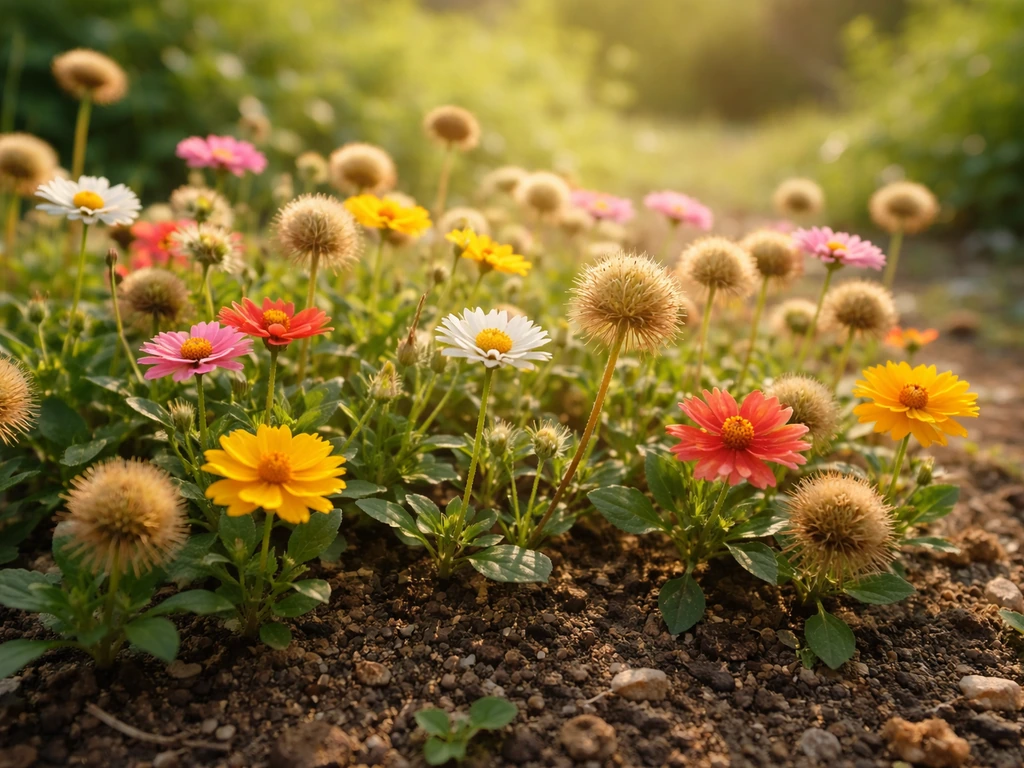
These bees are generalists when it comes to flowers, but they have clear preferences. They need open, accessible blooms where they can land easily and collect pollen directly onto their bodies or into specialized leg or belly hairs. Densely double-petalled cultivars bred for looks over function are mostly useless to them because the pollen is hidden or absent. Single-petalled, simple flowers with visible stamens are what you want to grow. Mason bees are especially active in early spring when temperatures reach around 55 degrees Fahrenheit, so having flowers open by late March or early April in zones 5 to 7 is critical. Leafcutter bees peak in midsummer and will visit dozens of flower species per foraging trip.
Habitat matters almost as much as flowers. Ground-nesting pocket bees need small patches of bare, well-drained soil that never gets tilled or compacted by foot traffic. Ground-nesting solitary bees need accessible bare or sparsely vegetated soil for nest excavation, and they benefit from soil protected from regular tillage and vehicle traffic bare, well-drained soil that never gets tilled or compacted by foot traffic. The Xerces Society recommends leaving at least a few clear spots of exposed ground in your garden, roughly 12 inches square and in a sunny, south-facing location. Keep those patches undisturbed year after year. Pair that with your flower plantings and you have a complete pocket-bee habitat.
Choosing the right flowers for pocket bees (by bloom time and habitat)
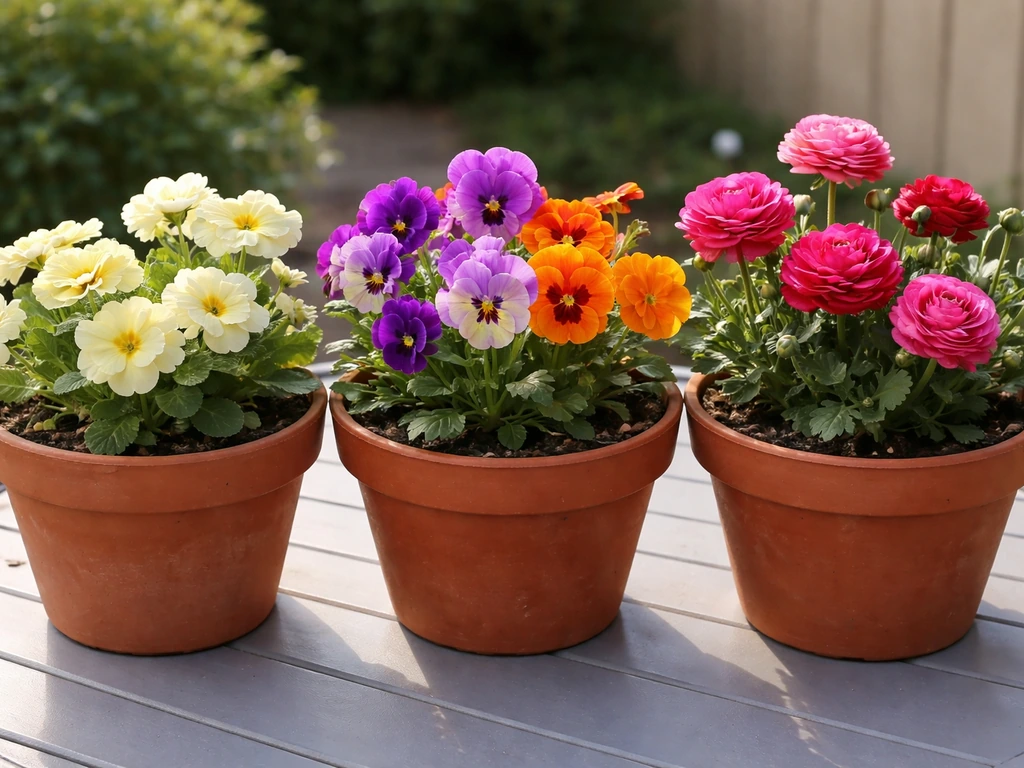
The goal is overlap: when one flower type fades, the next is already opening. I plan my pocket-bee garden in three bloom windows, early, mid, and late season, and make sure each window has at least two species so there is always a backup. Here is a reliable starting list organized by when they actually bloom, not just when the seed packet says to plant them.
| Bloom Window | Flower | Why Pocket Bees Love It | Climate Suitability |
|---|---|---|---|
| Early spring (Mar–May) | Phacelia tanacetifolia | Rich in nectar and pollen, extremely attractive to mason bees | Zones 4–9, cool-season annual |
| Early spring (Mar–May) | Borage (Borago officinalis) | Continuous small blue flowers, self-sows freely | Zones 2–11, cool-season annual |
| Late spring (May–Jun) | Cosmos (Cosmos bipinnatus) | Open single blooms, easy from seed, long season | Zones 2–11, warm-season annual |
| Late spring (May–Jun) | Snapdragons (Antirrhinum majus) | Early pollen source, cool-season workhorse | Zones 7–11 as perennial; annual elsewhere |
| Summer (Jun–Aug) | Marigolds (Tagetes patula) | Dense pollen, extremely reliable, heat-tolerant | Zones 2–11, warm-season annual |
| Summer (Jun–Aug) | Zinnia (Zinnia elegans, single-flower types) | High pollen, preferred by leafcutter bees | Zones 2–11, warm-season annual |
| Late summer–fall (Aug–Oct) | Sunflower (Helianthus annuus) | Massive pollen load, critical late-season resource | Zones 4–11, warm-season annual |
| Late summer–fall (Aug–Oct) | Calendula (Calendula officinalis) | Cool-season finisher, extends season past first frost in mild climates | Zones 2–11, cool-season annual |
A few things I have learned the hard way: avoid double-flowered zinnias and marigolds even if the seed packet looks beautiful. The bees genuinely cannot access the pollen. Stick to single or semi-double types like Zinnia 'Pinwheel' or Tagetes 'Single Gold'. For colder climates (zones 3 to 5), phacelia and borage are your most important early investments because they germinate in cold soil and flower before most warm-season annuals even get going. In warmer zones (8 and up), you can extend into November with calendula and keep pocket bees fed well past when northern gardeners have already pulled their beds.
Site and soil setup for reliable flower growth
Most of the flowers pocket bees prefer need full sun, meaning at least six hours of direct sunlight per day. This is non-negotiable for seed germination speed and bloom density. A south or west-facing bed is ideal. If you only have part shade, lean toward borage and snapdragons, which tolerate it better than cosmos or zinnias.
Soil preparation matters most in the first season. Loosen the top 8 to 10 inches with a fork or tiller, remove weeds and their roots, and work in a 2-inch layer of compost. You are not aiming for perfect garden-center soil. You want something that drains well, holds a little moisture, and is not compacted. Most of the bee-friendly annuals I have listed actually perform better in lean or average soil than in heavily fertilized soil. Rich soil pushes leafy green growth at the expense of flowers. Once your bed is established, a light compost top-dress each spring is all you need.
Spacing is worth planning before you sow. Crowded plants compete for light and tend to get leggy and disease-prone. As a rough guide: cosmos and sunflowers at 12 to 18 inches apart, zinnias and marigolds at 8 to 12 inches, phacelia and borage at 6 to 9 inches. You can sow more densely and thin later, which is actually the best approach when direct sowing.
One more thing: designate your bare-ground bee nesting patch before you start planting, not after. Pick a sunny, south-facing corner of the bed or a separate nearby area. Keep it to about 1 square foot minimum. Mark it with a small stone border so you and anyone else tending the garden knows not to disturb it, mulch it, or walk on it. Leave it alone every single year.
Seed starting vs direct sowing: your pocket-bee flowering timeline
You have two routes to get flowers in the ground: starting seeds indoors under lights and transplanting, or direct sowing into the bed. Both work, but they hit different parts of the calendar in ways that matter for pocket bees.
Starting seeds indoors (best for: snapdragons, zinnias, marigolds)
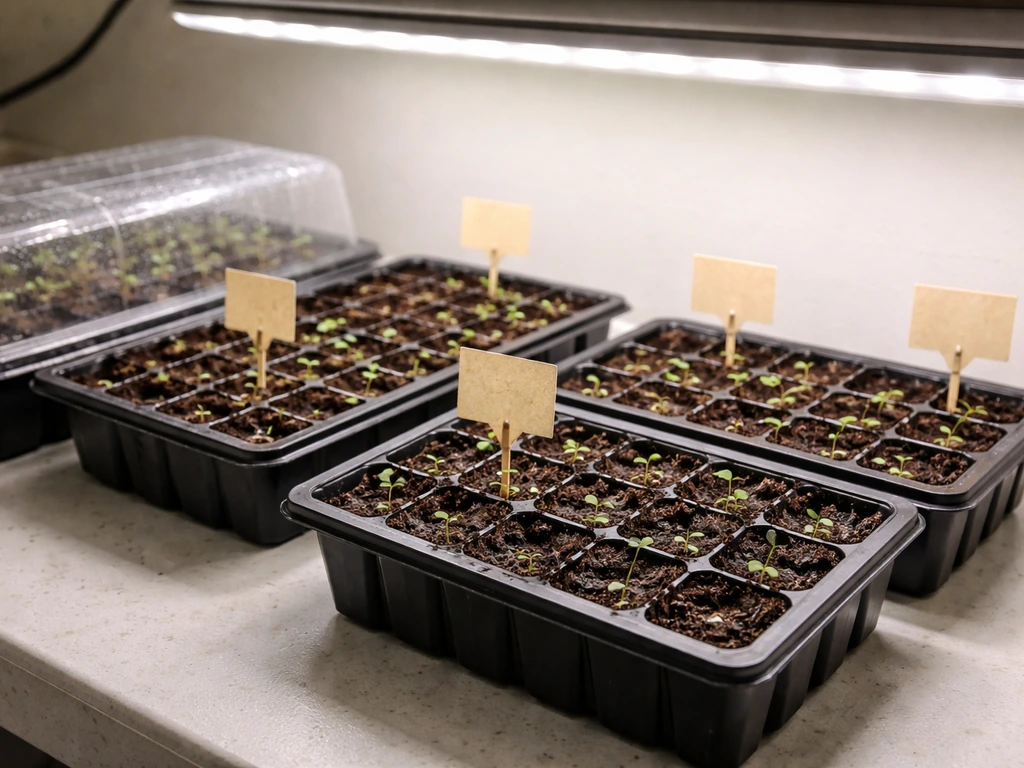
Indoor seed starting gives you a 4 to 8 week head start and gets blooms open earlier, which is especially valuable for mason bees. Snapdragons should be started 10 to 12 weeks before your last frost date. Marigolds and zinnias need only 4 to 6 weeks indoors. Use a well-draining seed-starting mix, sow at the depth listed on the packet (most small seeds just need pressing gently onto the surface), and keep soil at 65 to 70 degrees Fahrenheit for germination. Once seedlings have two true leaves, pot up into 3-inch cells. Harden off for 7 to 10 days before transplanting outdoors after your last frost date.
Direct sowing outdoors (best for: phacelia, borage, cosmos, sunflowers, calendula)
Many of the best pocket-bee flowers actually prefer to be direct sown because they dislike root disturbance. Phacelia, borage, and calendula can go in the ground 2 to 4 weeks before your last frost date since they tolerate light freezes. Cosmos and sunflowers go in right at or just after the last frost date. Direct sow by preparing your bed, scattering seed at roughly twice the final spacing, raking lightly to cover (most of these need only a quarter-inch of soil), and keeping the bed consistently moist until germination. Thinning is not optional with direct sowing; you have to do it.
Here is a practical timeline for zone 6 (last frost around April 15) to make it concrete. Adjust the dates forward or backward by about two weeks for each zone above or below zone 6.
| Date (Zone 6) | Action |
|---|---|
| January 15 | Start snapdragons indoors under grow lights |
| February 15 | Start marigolds and zinnias indoors |
| March 15–25 | Direct sow phacelia, borage, and calendula outdoors |
| April 15 (last frost) | Transplant snapdragons, marigolds, zinnias outdoors |
| April 15–May 1 | Direct sow cosmos and sunflowers |
| May–June | Early bloomers (phacelia, borage, snapdragons) open for mason bees |
| June–August | Marigolds, zinnias, cosmos peak for leafcutter bees |
| August–October | Sunflowers and calendula carry bees into fall |
Caring for seedlings to bloom: watering, thinning, feeding
Getting seeds to germinate is one thing. Getting them to bloom well is the part that trips up a lot of beginners, and most problems come down to three things: inconsistent watering in the early weeks, skipping thinning, and over-feeding.
Watering
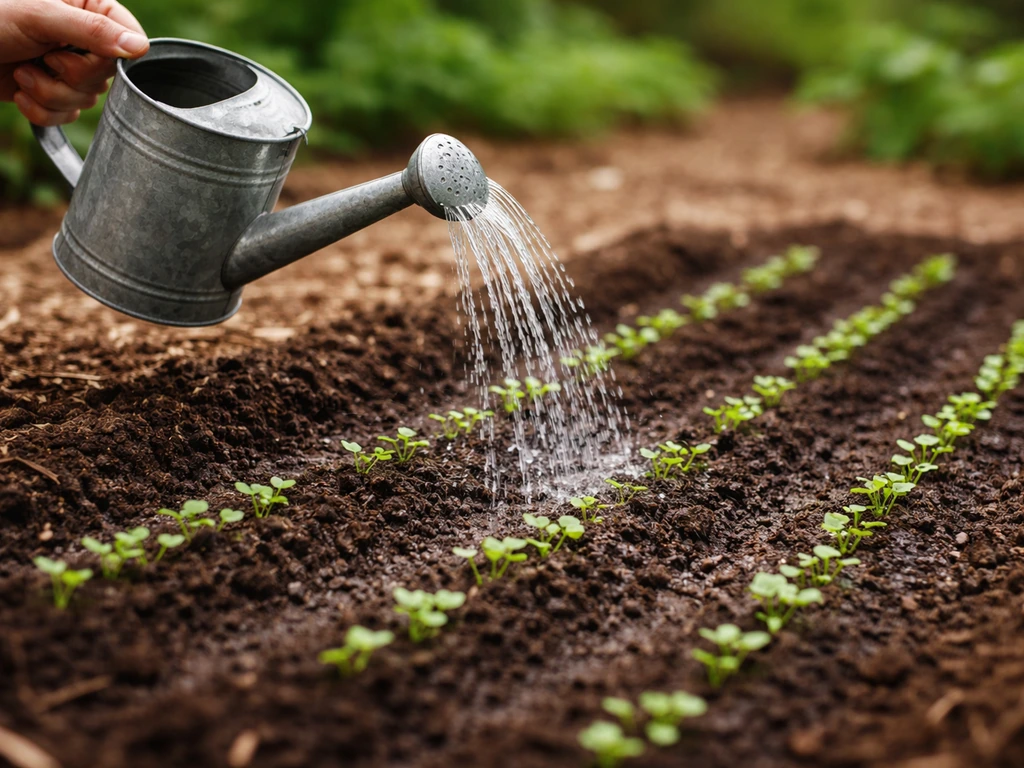
Newly sown beds and transplanted seedlings need consistent moisture for the first 2 to 3 weeks while roots establish. Water lightly every day or every other day if conditions are dry, keeping the top inch of soil moist but not waterlogged. Once plants are 4 to 6 inches tall and roots have gone deeper, shift to a deep watering once or twice a week. A soaker hose laid along the bed is the most efficient method and keeps foliage dry, which reduces fungal issues. The biggest mistake I see is watering daily with a light sprinkle once plants are established. That encourages shallow roots and makes plants more drought-sensitive, not less.
Thinning
Thinning is the step people skip because it feels like killing plants, but crowded seedlings produce fewer flowers and get leggy fast. When direct-sown seedlings reach 2 to 3 inches tall, thin to final spacing using scissors to snip extras at the soil line rather than pulling, which disturbs nearby roots. I know it feels wrong. Do it anyway. A thinned cosmos at 12 inches will out-bloom an unthinned patch three to one.
Feeding
For most of the flowers on this list, fertilizing is minimal or unnecessary if you prepped your soil with compost. Heavy nitrogen feeding produces lush foliage and delayed or reduced flowering, which defeats the whole purpose. If your plants look pale and are growing slowly 4 to 5 weeks after germination, a single application of a balanced slow-release fertilizer (something like a 10-10-10) at half the label rate is plenty. After that, let them run. Phacelia, borage, and cosmos especially resent being over-fed.
Maintenance during flowering: succession planting and deadheading
Once your flowers are blooming, your two main jobs are keeping the bloom going as long as possible and filling any gaps in the calendar. Succession planting and deadheading are the core tools.
Succession planting
Succession planting means sowing the same species two or three weeks apart so you get staggered waves of blooms rather than one big flush that ends all at once. It is most useful for cosmos, marigolds, and phacelia. After your first direct sowing in spring, do a second sowing 3 weeks later, and potentially a third in early summer. This is a technique used by professional cutting garden growers to keep stems coming, and it works just as well for pocket-bee habitat. The later batches will carry foraging activity well into August when many first-sown plants are starting to decline.
Deadheading
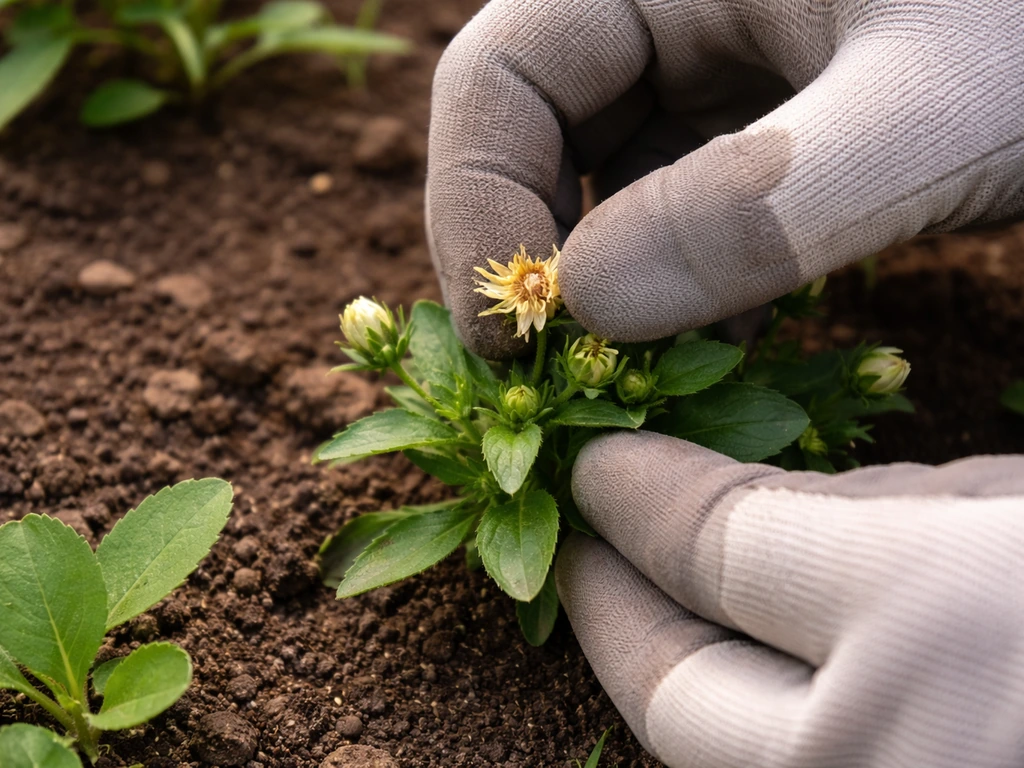
Deadheading, which means removing spent flowers before they set seed, signals the plant to produce more blooms rather than putting energy into seed production. For pocket-bee gardens, deadhead zinnias, cosmos, and marigolds regularly throughout the season by snipping or pinching just above a leaf node. The exception: stop deadheading in late summer and let some plants go to seed. Pocket bees and other pollinators benefit from seedheads in fall, and self-sown seedlings from borage, phacelia, and calendula will often come back the following spring with zero effort from you.
Weed control during flowering is mostly about maintaining those bare-ground nesting patches. Keep the open soil patches clear of weeds without disturbing them. For the planted areas, a thin layer of straw mulch (1 inch maximum) between plants suppresses weeds without blocking ground-nesting access. Avoid thick wood chip mulch directly around your nesting patches.
Troubleshooting common problems and a simple 'do this today' plan
Common problems and fixes
| Problem | Likely Cause | Fix |
|---|---|---|
| Seeds not germinating | Soil too cold, too dry, or buried too deep | Check soil temp (most annuals need 60°F+), keep surface moist, re-sow at correct depth |
| Leggy, stretched seedlings | Not enough light (indoors) or overcrowding | Move to brighter location or thin seedlings; pinch growing tips to encourage branching |
| Lots of leaves, no flowers | Too much nitrogen or too much shade | Stop fertilizing; relocate or wait for more sun exposure |
| Flowers appear but no bees visiting | Wrong flower type (double blooms) or isolated planting | Swap to single-petalled varieties; plant in larger patches (minimum 3x3 feet per species) |
| Plants wilting despite watering | Root rot from overwatering or poor drainage | Let soil dry between waterings; improve drainage by adding coarse grit to bed |
| Aphids or whitefly on seedlings | Common in warm weather, especially on stressed plants | Blast with water; avoid over-fertilizing; encourage beneficial insects by diversifying plantings |
Your 'do this today' starter plan
If you are reading this and want to get started right now, here is the simplest possible action plan based on where we are in the calendar (late June). You have not missed the window. There is still time to plant a productive late-season bed that will feed leafcutter bees and other pocket bees through September and October. To keep your pocket-bee garden productive for the season, make sure you plan your blooms so pollinators never run out of flowers.
- Pick a sunny spot (minimum 4x6 feet) and clear it of weeds this week.
- Work in a 2-inch layer of compost and rake the surface smooth.
- Mark a small bare-soil patch (about 12x12 inches) in a sunny corner and leave it untouched.
- Buy seeds for: single-flower zinnias, sunflowers (a shorter variety like 'Autumn Beauty' or 'Sunspot' for faster bloom), and marigolds (Tagetes patula, single type).
- Direct sow all three this week. They will germinate in 7 to 14 days and bloom in 45 to 60 days, putting you in peak flower from mid-August through October.
- In 3 weeks, direct sow a second batch of marigolds and zinnias for succession blooms.
- Start a packet of calendula in late July or early August to transplant in September for a fall finisher.
- Next January, start snapdragons and phacelia planning so your spring mason bee window is covered next year.
This is not a complicated gardening project. The hardest part is usually just committing to the thinning step and resisting the urge to over-fertilize. Get those two things right and the flowers will come, and the pocket bees will find them faster than you expect. Once you have one season under your belt and you see how reliably these bees show up when the flowers are right, you will want to expand the planting. That is exactly the right impulse to follow.
FAQ
Can I use any “bee-friendly” flower variety, or do pocket bees need specific bloom types?
Yes, but you need to choose hybrids carefully. Look for single or semi-double blooms where pollen is visible in the center. If the center looks tightly packed like a pom-pom (or the petals are clearly layered over stamens), pocket bees usually cannot access pollen, even if the flower is bright and abundant.
What should I do if I’m growing flowers but pocket bees still do not show up?
If your flowers are healthy but you see little bee activity, the first fix is usually distance and timing. Pocket bees forage close to nests, so plant the highest nectar and pollen species within a few hundred feet of the bare-ground or cavity nesting spots, and ensure you have bloom overlap during the exact weeks bees are active in your yard.
How much bare soil do pocket bees really need, and how do I keep it usable?
Focus on the soil you want bees to use. For ground-nesters, avoid burying the nesting patch under compost, mulch, or landscape fabric. Keep exposed, well-drained soil in a sunny spot and prevent compaction (no walking, no tilling). A shallow covering can deter nesting because they need to excavate.
Can I grow the right flowers in containers instead of a bed and still support pocket bees?
Container gardens can work, but nesting is the limiting factor. Pocket bees need nearby ground or cavities. If you rely only on potted flowers far from nests, you may attract occasional foraging but not sustained activity. If you use containers, place them adjacent to your bare-ground nesting area and keep containers from drying out completely during bloom.
Do double-flowered plants ever work for pocket bees if they still produce lots of petals?
Yes, but prioritize plant choices that do not hide pollen. Many ornamental cultivars are bred for fullness and color, not for accessible stamens. When in doubt, select plants sold as single-flowered, and test by observing whether bees land and forage on the open center within the first few sunny days.
How do I water correctly when I’m trying to grow succession flowers for pocket bees?
Overwatering is the most common follow-up problem after you get germination right. Once seedlings have rooted and are established, switch to deeper, less frequent watering so roots grow down. Also avoid wetting foliage late in the day; a soaker hose reduces fungal issues and helps keep the bed consistently attractive to bees.
Is thinning really necessary for direct-sown seeds, and what happens if I skip it?
Thinning is worth doing even if you are using direct sowing for a “natural” look. Crowded seedlings compete for light and often bloom later or less. Snipping at the soil line is less disruptive than pulling, and it usually lets the remaining plants hit full spacing fast enough to recover bloom timing.
Why are my plants growing leaves but not many flowers, and how should I adjust fertilizer?
If you’re fertilizing and blooms stall, cut back and observe your timing. Most pocket-bee flowers respond best to compost-prepped soil and minimal feeding, heavy nitrogen can cause leafy growth with fewer blossoms. Wait until plants are 4 to 5 weeks past germination, and if they look pale and slow, use a balanced, half-strength slow-release dose rather than frequent liquid feedings.
Can I use pesticides if I want pocket bees, and what are the safest options?
Insecticide use is a major risk. If you must treat pests, choose the least harmful approach and spray only spot treatments on the problem plants, ideally at times when bees are least active and not directly on open blossoms. For pocket bees, you will get better results by using cultural pest control and tolerating some leaf damage so you do not reduce visiting activity.
Should I deadhead everything, or are there times to leave flowers for pocket bees?
Let some seedheads stand in late summer and early fall, especially for species known to self-sow well in your area. That gives pollinators extra forage and increases the odds of volunteers the following spring, reducing your workload for the next “early bloom window.” Avoid trimming everything back at the first sign of frost.
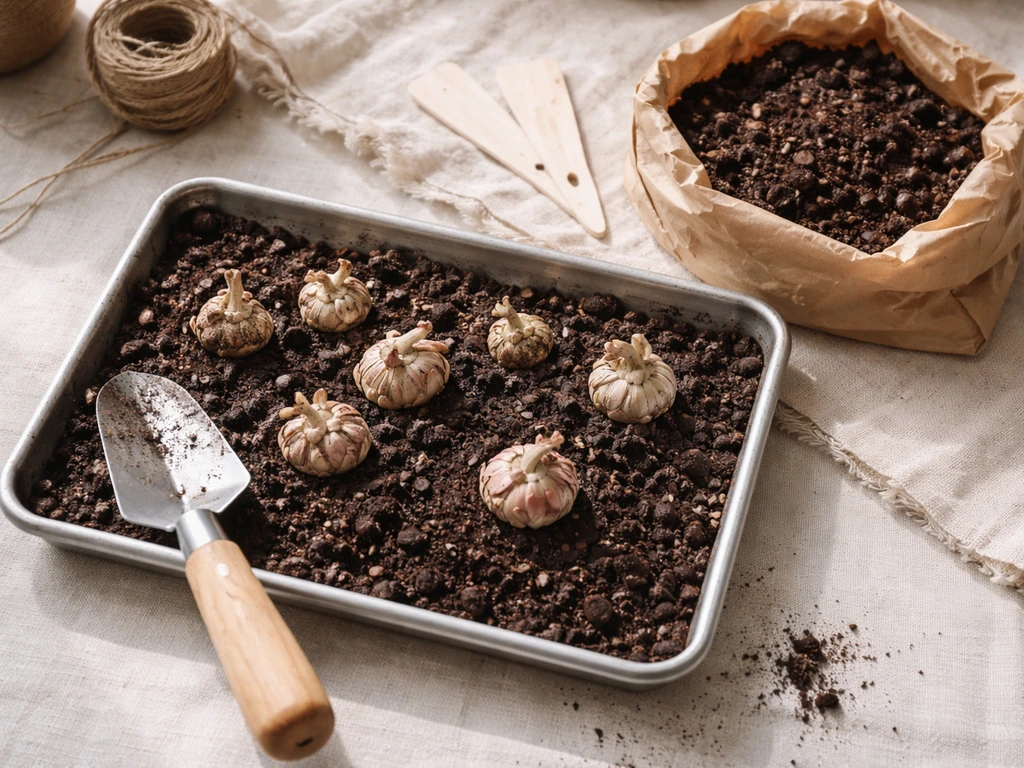
Step-by-step Floret-style ranunculus guide: corm prep, planting, watering, frost care, troubleshooting, and harvest for
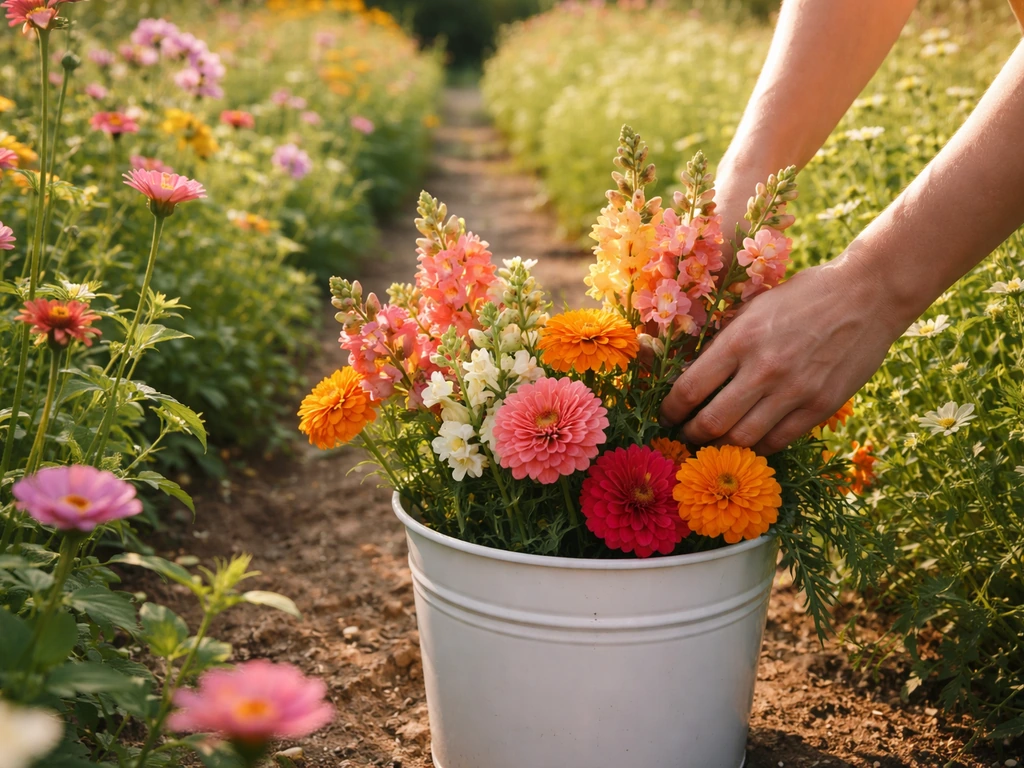
Step-by-step guide to grow bouquet-ready wedding flowers, from planning and sowing dates to harvesting, conditioning, an
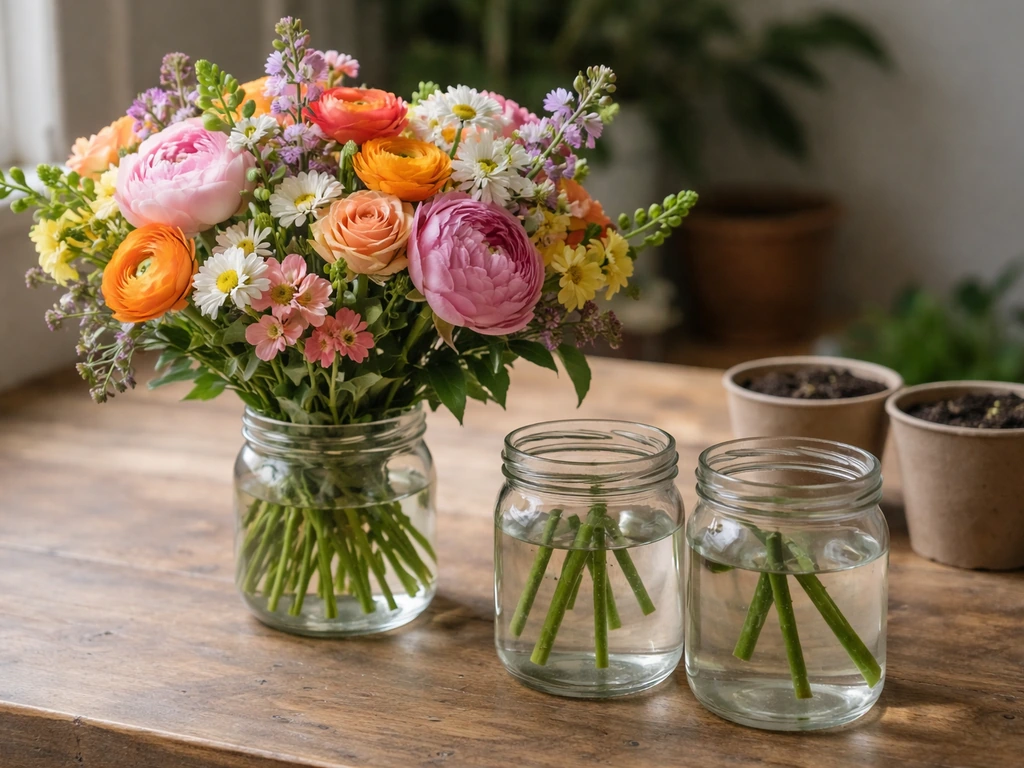
Step-by-step guide to propagate bouquet stems into new flowers: prep, rooting in water/soil, transplanting, care, timeli