Yes, you can grow new flowers from an existing flower plant, but which method actually works depends entirely on what type of flower you have. If you want to know specifically whether you can grow a plant from a flower, the method depends on whether that flower is producing viable seed or is better started from cuttings or division grow new flowers.
How to Grow a Flower From a Flower: Step-by-Step

James Holloway
4 Jul 2026
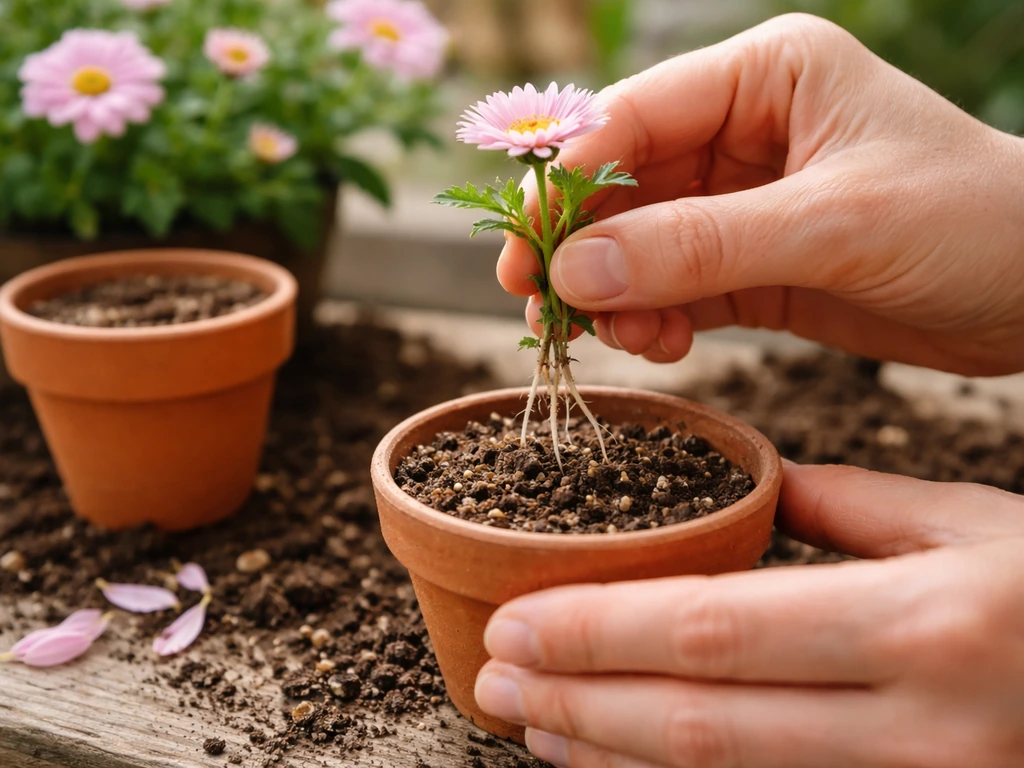
For most ornamental favorites like marigolds, zinnias, and poppies, collecting seeds from spent blooms is the easiest route. For shrubby or perennial flowers like dahlias, chrysanthemums, or coneflowers, stem cuttings or division will give you a faster, more reliable copy of the parent plant. The key thing to understand upfront is that not every flower gives you a worthwhile shortcut. Some are better propagated by buying fresh seed, and that's fine too.
This guide walks you through how to figure out which method suits your flower, then how to do it step by step.
First, figure out what your flower can actually do
Before you collect a single seed or snip a cutting, it's worth spending two minutes identifying what kind of flower you're working with. This determines everything. There are three things to check: whether the plant is a hybrid or open-pollinated variety, whether it's an annual or perennial, and whether it produces viable seed at all.
The hybrid vs. open-pollinated question matters most for seed saving. If your flower was grown from an blank" rel="noopener noreferrer">F1 hybrid packet (the label will say 'F1'), the seeds inside those spent blooms will not reliably produce plants that look like the parent. Genetic segregation means the offspring can vary wildly in color, size, and form. blank" rel="noopener noreferrer">Open-pollinated and heirloom varieties are far more genetically stable, so saved seed is much more likely to resemble what you started with. This is why old-fashioned marigolds, cosmos, and bachelor's buttons are classic seed-saving flowers, while many modern hybrid petunias or snapdragons are not.
Annuals like zinnias, marigolds, and poppies complete their life cycle in one season and die after setting seed, so seed saving is your natural propagation path. Perennials like coneflowers, dahlias, and daylilies come back year after year from their roots, which means division is often faster and more reliable than seed. Shrubby perennials and tender perennials (dahlias, chrysanthemums, pelargoniums) also root well from stem cuttings taken in summer or early fall.
- Open-pollinated or heirloom annuals (marigolds, zinnias, cosmos, poppies): save seeds from dried flower heads
- F1 hybrid annuals (many modern petunias, impatiens, snapdragons): seed saving is unreliable; buy fresh seed or take cuttings if possible
- Clump-forming perennials (coneflowers, daylilies, black-eyed Susans): divide the root clump every 2 to 4 years
- Tender or tuberous perennials (dahlias, chrysanthemums, pelargoniums): take stem cuttings or divide tubers
- Woody-stemmed flowers (roses, lavender, hydrangeas): stem cuttings or layering are the go-to methods
One more practical note: some flowers are patented cultivars, and propagating them for sale or distribution is technically illegal, even if it works perfectly. For your own garden use, this is rarely an issue, but it's worth knowing.
Pick your propagation method: seeds, cuttings, division, or layering
Each method has its own strengths, and honestly, once you understand them, it becomes intuitive which one to reach for.
Seed saving
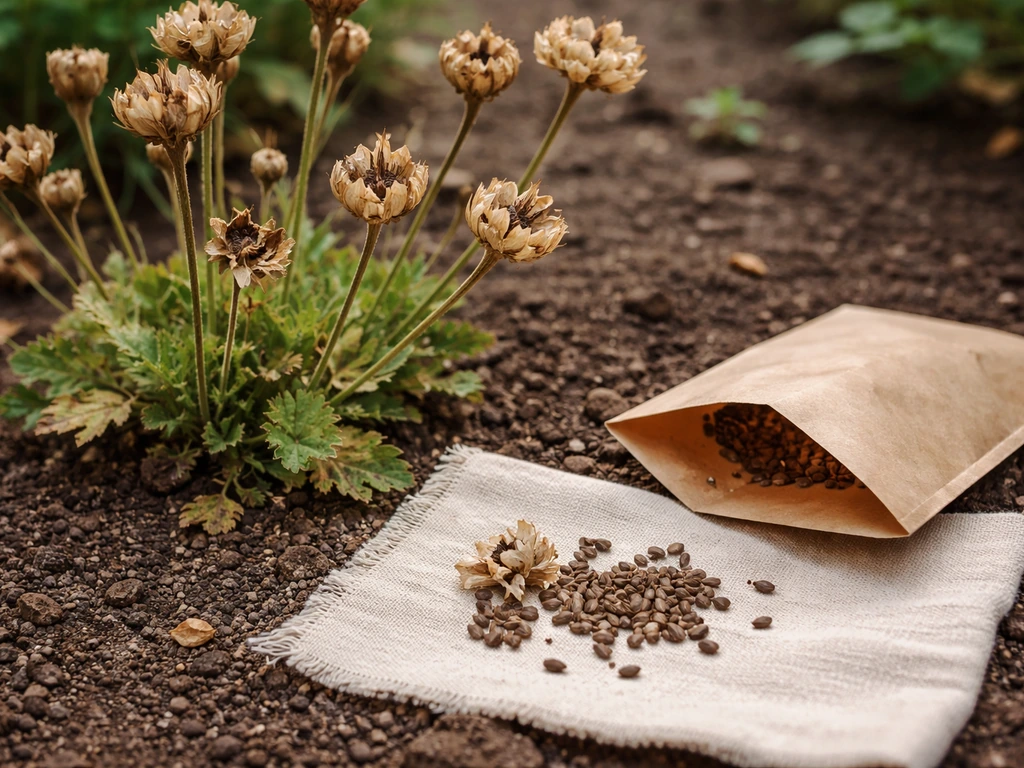
Seed saving is the most rewarding method for annual flowers and any open-pollinated perennial. You let the flower go fully to seed, harvest the seed heads when they're papery and dry on the plant, and store them in a cool, dry place until the following spring. It takes patience (you have to resist deadheading those blooms), but it's essentially free propagation. Best flowers for this: marigolds, zinnias, sunflowers, cosmos, sweet peas, poppies, bachelor's buttons, and nigella.
Stem cuttings
Cuttings produce a genetically identical copy of the parent plant, which makes them ideal when you love a specific color or form. You take a 3 to 5 inch section of healthy, non-flowering stem, remove the lower leaves, dip the cut end in rooting hormone, and stick it in a moist rooting medium. Many ornamental flowers root within 2 to 4 weeks. This works brilliantly for dahlias, chrysanthemums, pelargoniums, impatiens, coleus, fuchsias, and many salvias.
Division
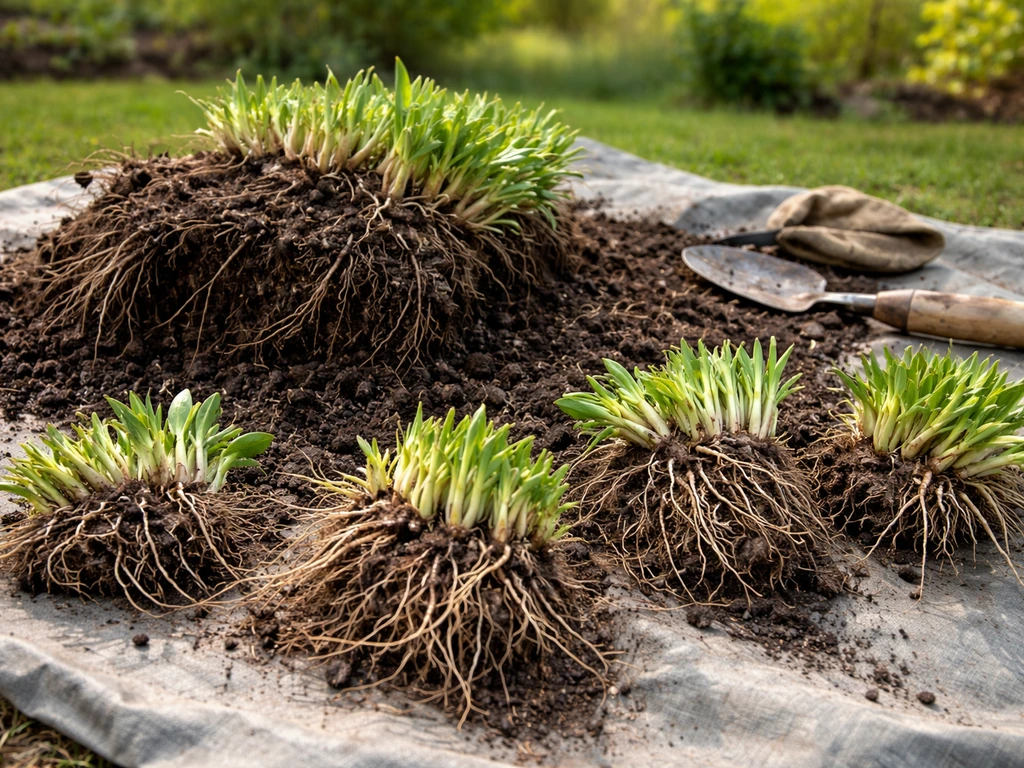
Division is the easiest method for clump-forming perennials. You literally dig up the whole plant, split it into two or more sections (each with roots and shoots), and replant each section. It refreshes the original plant and gives you new ones at the same time. Best done in early spring or fall when temperatures are cooler. Great for coneflowers, daylilies, hostas grown near flower gardens, black-eyed Susans, and ornamental grasses.
Layering
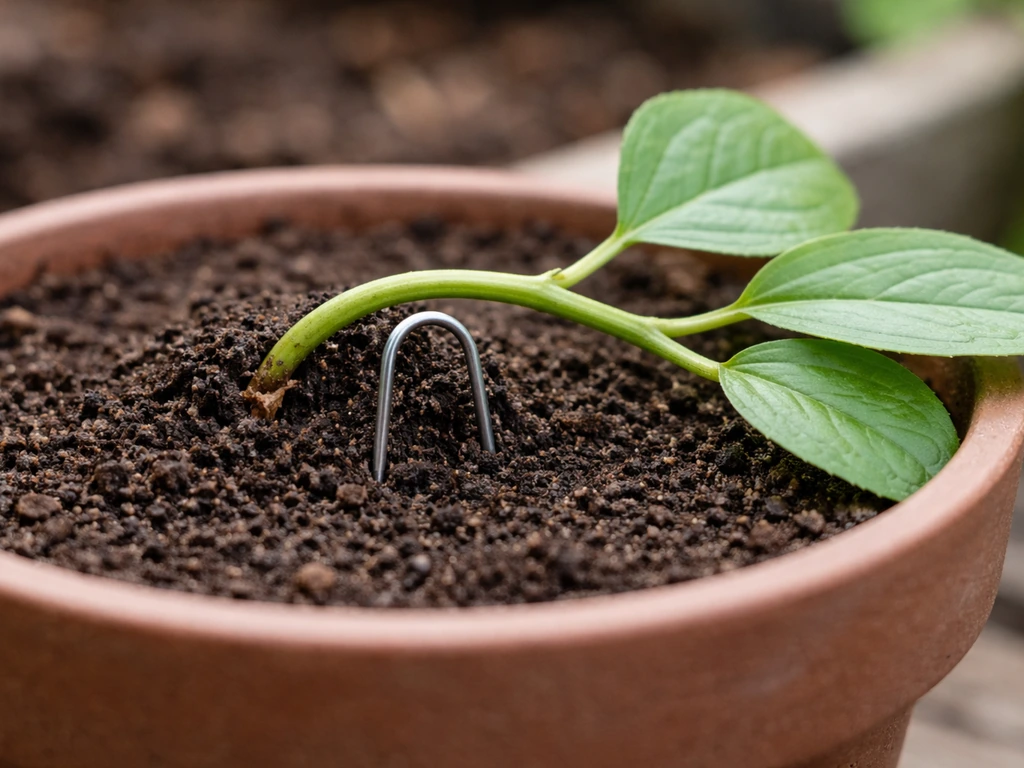
Layering is the gentlest method and works well for flowers with long, flexible stems like climbing roses, some dianthus varieties, and carnations. You bend a low-growing stem to the ground, pin it down with a U-shaped wire or a rock, cover a section of it with soil, and leave it attached to the parent plant until it roots (usually 4 to 8 weeks). Once it has its own roots, you cut it free and transplant it. Very low failure rate because the parent plant keeps feeding the new plant while it roots.
| Method | Best for | Time to roots/germination | Produces true copy? | Difficulty |
|---|---|---|---|---|
| Seed saving | Open-pollinated annuals and perennials | 7 to 21 days to germinate | Only if open-pollinated | Easy |
| Stem cuttings | Tender perennials, shrubby flowers | 2 to 4 weeks | Yes | Moderate |
| Division | Clump-forming perennials | Immediate (already has roots) | Yes | Easy |
| Layering | Long-stemmed flowers, climbing roses | 4 to 8 weeks | Yes | Easy to moderate |
How to actually do it: step-by-step for each method
Saving and sowing seeds from a flower
- Stop deadheading a few blooms on your best plant and let them dry fully on the stem. The seed head should feel papery and rattle when shaken.
- Harvest seed heads on a dry day. Snip into a paper bag (not plastic, which traps moisture and causes mold).
- Allow harvested seed heads to dry for another week or two indoors in a warm, ventilated spot before shelling.
- Shell the seeds, removing as much chaff as you can. Spread on a paper plate to dry completely for another few days.
- Store in a labeled paper envelope inside an airtight jar in the fridge or a cool, dry place until planting time.
- When ready to sow, fill small seed-starting trays with a fine seed-starting mix (not garden soil or potting mix, which is too coarse). Moisten the mix before filling.
- Sow seeds at the depth specified for the species (most small flower seeds need just a light covering of mix or barely any at all). Press gently.
- Cover the tray loosely with a clear plastic dome or plastic wrap to hold humidity. Place on a heat mat or in a warm spot (65 to 75°F is ideal for most ornamental flowers).
- Check daily and keep the mix consistently moist but not waterlogged. Most flower seeds germinate in 7 to 14 days.
- Once seedlings emerge, remove the cover and move to bright light immediately to prevent leggy growth.
Taking stem cuttings
- Choose a healthy stem that has no flowers or buds on it, ideally from new growth that is firm but not woody. Morning is the best time to take cuttings.
- Use clean, sharp scissors or pruners sterilized with rubbing alcohol. Cut a 3 to 5 inch section just below a leaf node.
- Remove all leaves from the bottom two-thirds of the stem, leaving only 2 to 4 leaves at the top.
- Dip the cut end in powdered or gel rooting hormone. Tap off excess powder.
- Prepare small pots or a tray filled with a 50/50 mix of perlite and coco coir (or a dedicated cutting compost). This mix drains freely and resists rot.
- Make a hole with a pencil or chopstick and insert the cutting, then firm the medium gently around it.
- Water lightly. Place a clear plastic bag or humidity dome over the cuttings to keep humidity high around the leaves.
- Set in bright indirect light. Avoid direct sun, which will scorch the cutting before it has roots.
- After 2 to 3 weeks, gently tug the cutting. Resistance means roots are forming. After 4 weeks, check the drainage holes for root tips before transplanting.
Dividing a perennial flower
- Water the plant deeply the day before dividing so it is well hydrated and the soil is loose.
- Dig around the outside of the clump with a garden fork, keeping a wide berth to avoid cutting roots.
- Lift the whole clump and set it on the ground or a tarp. Shake off loose soil.
- Use two garden forks inserted back-to-back to pry the clump apart, or use a sharp spade for large, tough clumps. Each division needs roots, a crown, and several shoots.
- Replant divisions immediately at the same depth they were growing before. Water in well.
- Mulch around newly planted divisions and keep them consistently moist for 2 to 3 weeks while they re-establish.
Layering a stem
- Choose a flexible, healthy stem long enough to bend to the ground. Pick one from the current season's growth.
- About 12 inches from the tip, make a small wound on the underside of the stem by scraping off a half-inch of bark or making a shallow upward cut. This helps roots form.
- Dust the wound lightly with rooting hormone.
- Bend the stem to the ground and bury the wounded section about 2 inches deep. Pin it in place with a U-shaped wire stake or a heavy stone on top.
- Leave the shoot tip (the last few inches) sticking up above ground and stake it upright if needed.
- Keep the area moist. After 4 to 8 weeks, tug gently on the buried section. Resistance means roots have formed.
- Cut the stem free from the parent plant, then wait another week or two before digging and transplanting the new plant to its final spot.
Timing, light, soil, containers, and watering
Timing is the single biggest factor most beginners overlook. Starting cuttings or sowing saved seeds at the wrong time of year is often the real reason things fail, not technique.
For seeds: Start indoors 6 to 8 weeks before your last frost date (look up your USDA hardiness zone if you're in the US). In most of the northern US, that's late February through March for a late May transplant. In warmer zones (8 through 11), fall sowing of hardy annuals works brilliantly because winters are mild enough for slow establishment.
For cuttings: The sweet spot for most ornamental flowers is late spring through midsummer, when growth is active and stems are firm but not woody. The same general timing can help when you can you grow proteas from cut flowers, since active growth supports rooting For cuttings: The sweet spot for most ornamental flowers is late spring through midsummer. Taking cuttings from dahlias or chrysanthemums in late May or June gives roots time to establish before fall. Avoid taking cuttings in the dead of winter unless you have a heated propagator.
For division: Early spring (as soon as new growth appears) or early fall (at least 6 weeks before first frost) are both ideal. This gives divisions time to settle in before heat or cold stress hits. Avoid dividing in midsummer heat.
Light
Seedlings need intense, consistent light the moment they germinate. A south-facing windowsill rarely provides enough in late winter. If you can, put seedlings under a full-spectrum LED grow light set 2 to 4 inches above the tray for 14 to 16 hours a day. For cuttings, bright indirect light is correct until roots form, after which you can gradually introduce more direct light.
Soil and containers
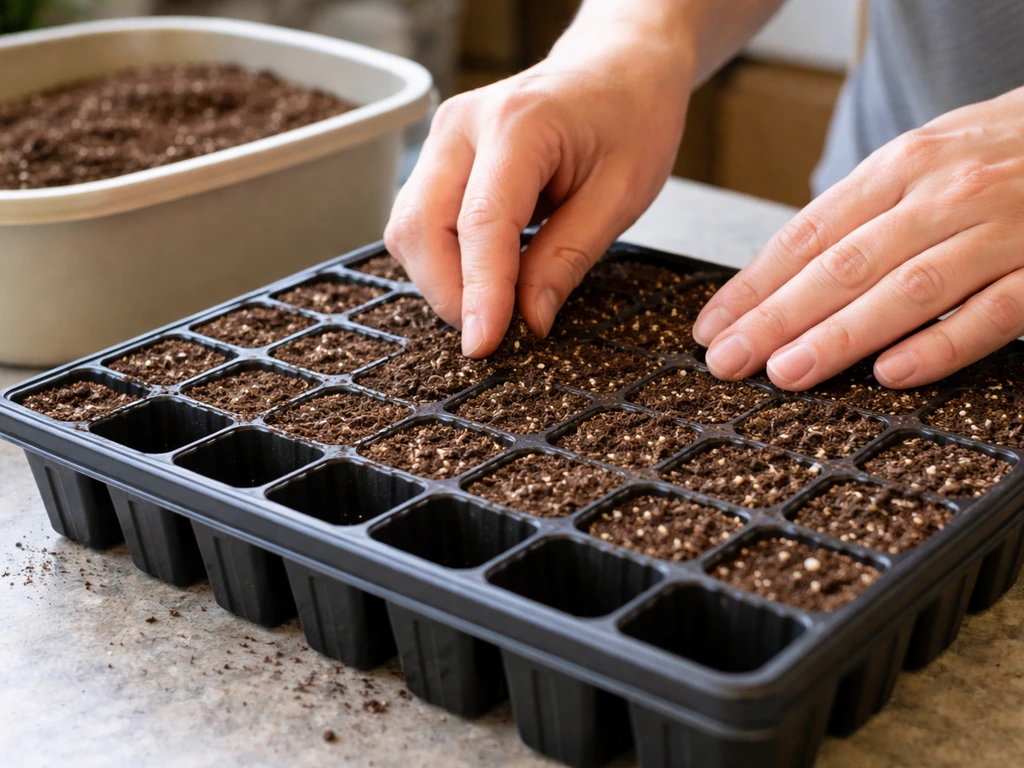
Never use straight garden soil for propagation. It's too heavy, drains poorly, and often harbors pathogens. For seed starting, use a fine-textured, low-nutrient seed-starting mix. For cuttings, use a well-draining mix of perlite and coco coir or a dedicated cutting compost. For potting on established seedlings or rooted cuttings, move to a quality all-purpose potting mix. Small plug trays or 3-inch pots work well for seeds and cuttings. Use pots with drainage holes always.
Watering
Bottom watering is the best approach for seedling trays: set the tray in a shallow dish of water for 20 to 30 minutes and let the mix absorb moisture from below. This keeps the surface from getting too wet, which reduces damping off (a fungal disease that kills seedlings at the base). For cuttings, water lightly and only when the surface of the mix feels barely dry. Overwatering cuttings is by far the most common cause of rot and failure. Divisions and layered plants need regular watering for the first few weeks but are otherwise fairly forgiving once established.
When things go wrong: common failures and fixes
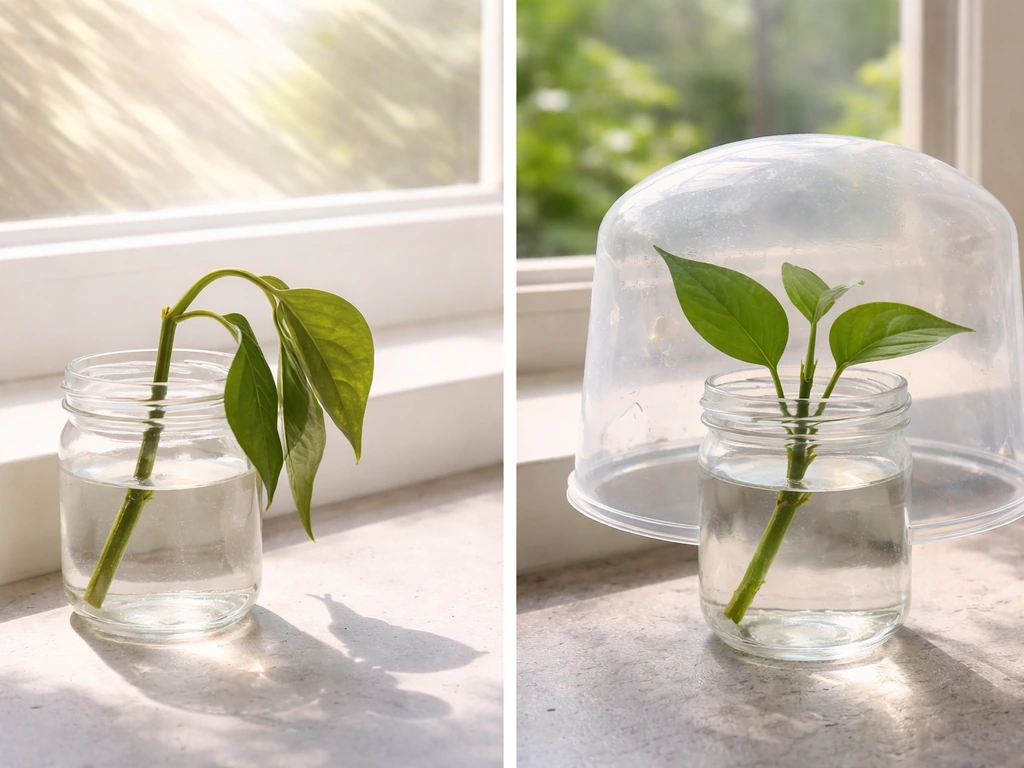
Most propagation failures come down to a handful of predictable problems. Here's what to look for and what to do.
| Problem | Likely cause | Fix |
|---|---|---|
| Cuttings wilt and collapse | Too much direct sun, not enough humidity, or cut taken at wrong time | Move to shade, increase humidity with a dome, take cuttings from firmer stems in early summer |
| Cuttings rot at the base | Overwatering or mix too dense and wet | Reduce watering, use a more perlite-heavy mix, ensure drainage holes are clear |
| No roots after 6 weeks | Cutting taken from woody or too-mature stem, no rooting hormone used, temperature too cool | Take fresh cuttings from newer growth, use rooting hormone, add bottom heat (65 to 70°F) |
| Seeds fail to germinate | Too cold, too old, sown too deep, or mix allowed to dry out | Check viability with a paper towel test, add heat mat, check correct sowing depth, water from below consistently |
| Seedlings are leggy and pale | Insufficient light | Move under grow lights or to a brighter spot; if using a window, supplement with a lamp |
| Seedlings collapse at soil level (damping off) | Fungal disease from overwatering or poor air circulation | Remove affected seedlings immediately, improve airflow, water less, avoid misting |
| Divisions wilt after replanting | Root disturbance shock, especially in hot weather | Shade for the first week, water daily, cut back some foliage to reduce water demand |
When to transplant
Seedlings are ready to transplant when they have two to four true leaves (not just the seed leaves) and feel firm when you gently hold the stem. Rooted cuttings are ready when you can see roots through the drainage holes or when they resist a gentle tug. Both need hardening off before going outside: set them outdoors in a sheltered, shaded spot for a few hours on day one, gradually increasing time and sun exposure over 7 to 10 days. Skipping this step is one of the fastest ways to lose a tray of plants you've been nursing for weeks.
Getting your new plants to bloom and keeping them healthy
Once transplanted into the garden or a final container, the focus shifts from survival to growth and bloom. The good news is that most ornamental flowers are not demanding once they're properly established.
Feed lightly in the early stages. A balanced, diluted liquid fertilizer (something like 10-10-10 or a seaweed-based feed) every two weeks after transplanting supports leafy growth and root development. Once you see flower buds forming, switch to a slightly lower-nitrogen, higher-phosphorus feed to encourage blooming rather than leaf production.
Pinch annuals when they reach about 6 inches tall. Pinching out the growing tip encourages branching and produces a bushier plant with more flower stems. I do this to my young zinnias, dahlias, and cosmos every season, and the difference in flower count is dramatic. It feels counterintuitive to cut back a small plant, but it pays off.
Deadhead regularly once blooming begins. For open-pollinated varieties you want to save seed from, leave some late-season blooms to go to seed, but deadhead the rest to keep the plant producing. For plants you're not saving seed from, deadheading consistently can extend the flowering season by weeks.
Keep an eye on watering as summer heat ramps up. Newly transplanted flowers need more frequent watering than established ones. Check the soil an inch down: if it's dry, water deeply rather than shallowly. Deep, less-frequent watering encourages deep roots, which makes plants more resilient in dry spells.
For perennials grown from cuttings or division, the first season is mainly about root establishment. Don't be disappointed if a newly divided coneflower or a rooted cutting only produces a modest display in its first year. By year two, with an established root system, you'll get the full show. Cut back perennials in late fall or early spring depending on your climate, and top-dress around the base with compost to feed the soil.
If you've developed an interest in keeping and preserving flowers beyond the growing season, it's worth exploring how to harvest and dry blooms from your propagated plants. Some flowers grown from seed or cuttings make beautiful dried specimens too, especially if you've grown everlasting types like strawflowers or statice. And if you're curious about growing plants specifically for drying, that's a whole satisfying side of flower growing worth digging into alongside fresh garden varieties.
The bottom line is that propagating flowers from existing plants is genuinely achievable for beginners, and it gets easier every season as you learn which methods work best for the varieties you love. Start with something forgiving, like saving seeds from a marigold or dividing an established clump of coneflowers, and build from there. Every successful rooted cutting or seedling that reaches first bloom is a small win worth celebrating.
FAQ
Can I grow a flower from a store-bought bouquet bloom?
Sometimes, but it depends on whether the stems are still alive and whether the flower has viable seed. Many bouquet flowers are cut so long that they cannot form roots, and hybrid cultivars often do not come true from saved seed. If you want the best odds, try rooting a non-flowering stem from the bouquet only if it is fresh and still shows green, flexible growth, using a sterile cutting medium and misting or humidity support.
How can I tell if the seeds from my flower will actually sprout?
Check whether the bloom fully matured into seed heads, then do a quick germination test with a small sample before committing the whole packet. If most seeds fail, it is often because they were harvested too early, stored warm or wet, or came from an F1 hybrid. Viable seed typically looks well-formed rather than shriveled.
If my flower is an F1 hybrid, am I totally out of luck for growing from saved seed?
Not totally, but expect variation. You can still sow the seed, just treat it like a breeding experiment rather than a cloning method. To get consistent results, switch to cuttings or division for those varieties where that is practical.
What is the best way to propagate a plant that spreads by underground runners instead of forming clumps?
Division can still work, but look for natural sections with roots and shoots rather than splitting the crown randomly. For strongly spreading species, you may also be better off digging and transplanting sections of runners where growth nodes already have roots, ideally in early spring or early fall.
Why do my seeds germinate but the seedlings suddenly die?
Damping off is a common cause, usually triggered by staying too wet right after germination. Use a low-nutrient seed-starting mix, keep airflow around the tray, water from below (bottom watering), and avoid letting the surface stay soggy between checks. Also confirm the tray has drainage and that you are not overcrowding too many seeds.
Do I need fertilizer before transplanting?
Usually not. Seedlings and rooting cuttings do best in low-nutrient media until they are established, then they benefit from light feeding after transplant or after clear rooting. If you fertilize too early, you can cause weak growth or algae on the surface of propagation trays.
How do I know when my cuttings are rooted enough to move them to regular potting mix?
A clear sign is visible roots at drainage holes or when the cutting resists a gentle tug. Once roots are established, transition gradually by increasing light and swapping to a well-draining all-purpose mix for growth. Jumping straight from a sterile cutting mix to rich soil too early can stress young roots.
Is it okay to take cuttings from a plant that is flowering?
It is better to avoid flowering stems when possible, use healthy stems that are non-flowering so the plant can put energy into root formation. If the only stems available are in bud or bloom, remove the lower leaves and consider pinching off buds to redirect energy, but success rates are typically lower.
What should I do if my divided perennial wilts right after transplanting?
Keep the division evenly moist for the first couple of weeks and provide some protection from harsh sun. Water deeply, then re-check the soil an inch down before watering again. A light mulch can reduce moisture loss, but keep it slightly away from the crown to prevent rot.
How long should I expect it to take before I see flowers from propagation?
Seed-grown annuals may bloom in the same season if started early enough. Cuttings often take until the next growing window to produce heavy blooms, and perennials commonly spend the first season building roots with only modest flowering. If you get foliage without flowers, it can be normal, especially in the first year for divisions and some cuttings.
When is the right time to harden off, and how do I do it without shocking the plants?
Start hardening off once seedlings or rooted cuttings have sturdy growth and nighttime temperatures are reasonably stable. Use a sheltered shaded spot for the first day, then gradually increase sun and outdoor exposure over 7 to 10 days. If a cold or windy day is forecast, delay the next step rather than forcing the schedule.
Do I need to deadhead even if I want to save seed from the same plant?
You can, but selectively. Leave a few late-season blooms on the plant to finish seed development, while deadheading the rest to keep flowering longer. This prevents the plant from putting all its energy into seed too early and reduces the number of empty or low-quality seed heads.
Is there a legal or ethical issue with saving seeds or propagating patented flowers?
Yes, patented cultivars can restrict propagation for sale or distribution, even if personal growing is allowed. If you plan to share plants or seeds widely, confirm whether your cultivar is patented and follow the restrictions for that specific variety and region.
Next Articles
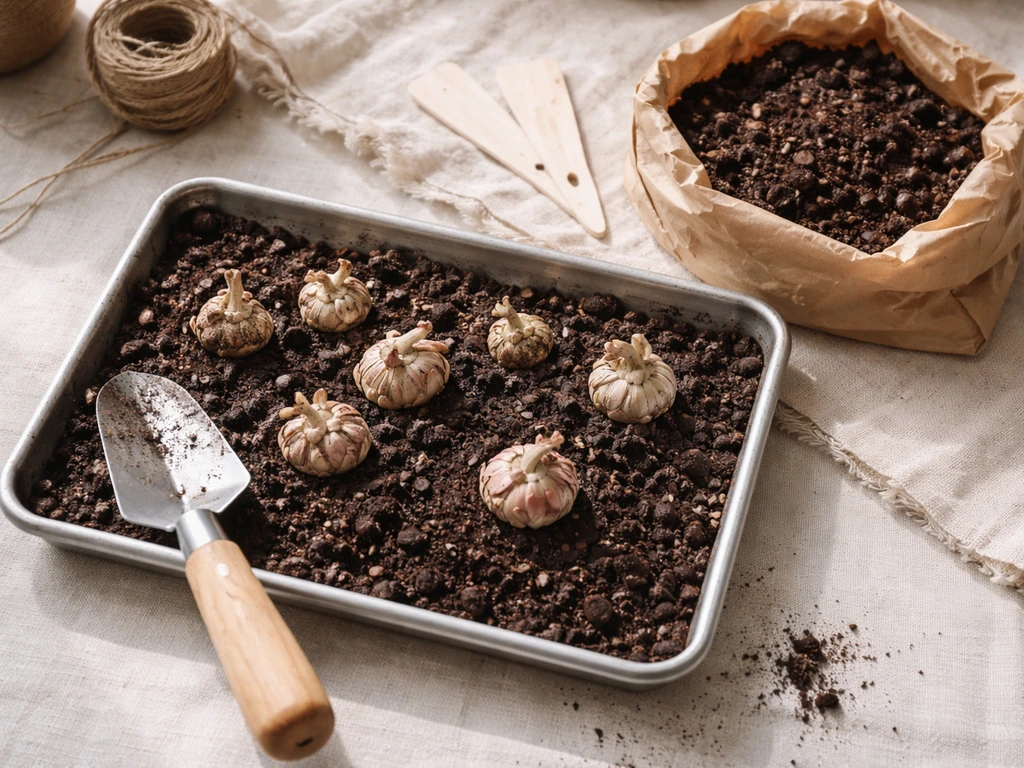
Floret How to Grow Ranunculus: Step-by-Step Guide
Step-by-step Floret-style ranunculus guide: corm prep, planting, watering, frost care, troubleshooting, and harvest for
How to Grow Your Own Wedding Flowers Step by Step
Step-by-step guide to grow bouquet-ready wedding flowers, from planning and sowing dates to harvesting, conditioning, an
How to Grow Flowers From a Bouquet: Step-by-Step
Step-by-step guide to propagate bouquet stems into new flowers: prep, rooting in water/soil, transplanting, care, timeli