
Zendu flowers are marigolds, specifically the African marigold (blank" rel="noopener noreferrer">Tagetes erecta). "Zendu" is the Marathi word for marigold, and you'll also see it spelled Zandu or Genda depending on the region. If you've bought seeds labeled "zendu" from a South Asian grocery or seed store, you're growing the same big, bold, orange-and-yellow pom-pom marigolds that fill Indian festival garlands. Treat them exactly like any African marigold: start seeds indoors 4 to 6 weeks before your last frost, give them full sun, keep them warm, and they'll reward you with generous blooms from midsummer through fall. You can apply the same step-by-step seed-starting approach at home, whether you’re growing marigolds in containers or directly in the garden start seeds indoors.
How to Grow Zendu Flowers at Home Step by Step

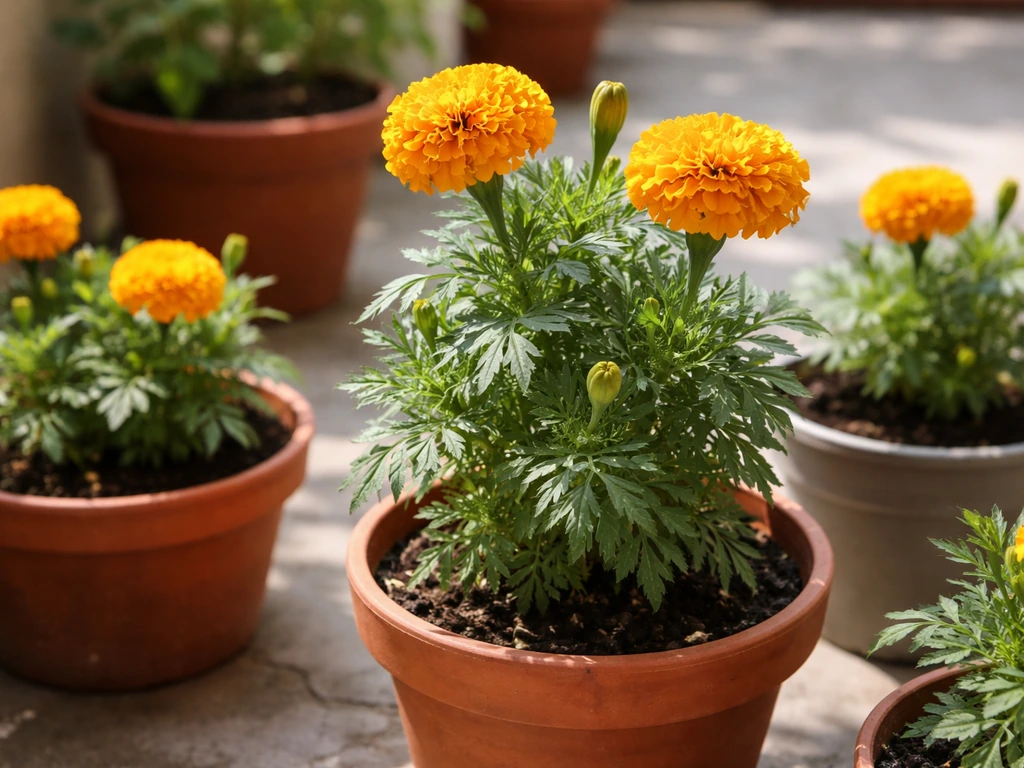
What exactly are zendu flowers?
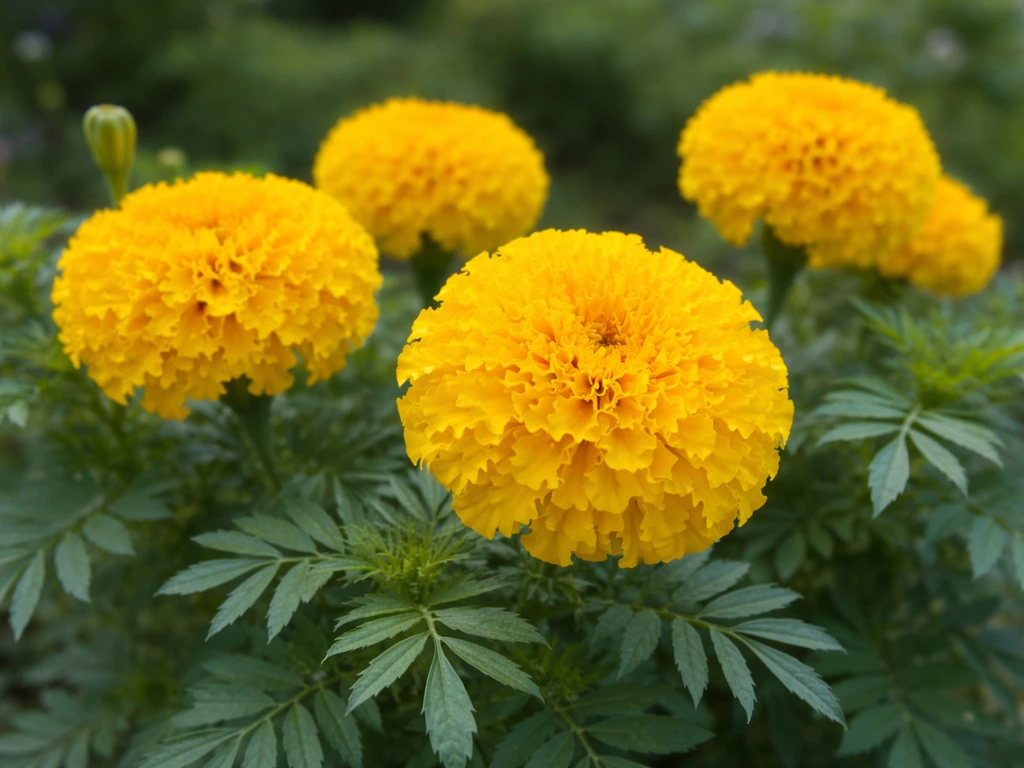
Tagetes erecta is native to Mexico and Central America, but it became deeply embedded in South Asian gardening culture centuries ago. The common names stack up fast: African marigold, Mexican marigold, Aztec marigold, zendu, zandu, genda. They all point to the same plant, typically growing 18 to 36 inches tall with large, densely petaled flower heads in shades of yellow, orange, gold, and cream. For growing purposes, treat zendu as a tender annual. In most of North America and Europe, it will not survive frost, so you grow it fresh from seed each year. In warm, frost-free climates it can sometimes persist longer, but the standard approach everywhere is annual from seed.
One thing worth knowing upfront: Tagetes erecta is technically a short-day plant, which means very long days (over 12 hours of light) can delay flowering. This rarely causes problems outdoors where natural daylength shifts through the season, but it matters if you're growing under artificial lights indoors for extended periods. Keep that in mind and we'll come back to it in the troubleshooting section.
Setting up your growing space: light, soil, and containers vs. ground
Zendu/marigolds are full-sun plants, no negotiating on that. They need at least 6 to 8 hours of direct sun daily, and they genuinely perform better with more. A south-facing spot outdoors or a bright, unobstructed window for seedlings is your baseline. In peak summer heat (July and August), they may temporarily slow down or drop a few blooms, but they recover once temperatures ease. Don't try to grow these in part shade thinking they'll manage; they'll get leggy and flower poorly.
For soil, the good news is that Tagetes erecta is genuinely tolerant across different soil types, including clay, sand, and loam, and it handles mildly acidic conditions well. The one non-negotiable is drainage. Roots sitting in soggy soil leads directly to root rot, which is one of the most common ways people lose marigolds. Whether you're planting in the ground or in containers, work in compost to improve structure and make sure water moves through freely. A soil pH between 6.0 and 7.0 is the sweet spot.
Containers versus ground really comes down to your space and goals. African marigolds get large, so if you're growing in pots, go bigger than you think you need: a 10 to 12 inch pot per plant for full-sized varieties, or you can group two to three smaller French-style varieties in a 14 to 16 inch pot. In the ground, they anchor beautifully in borders or cutting beds. If you're after cut flowers, a dedicated row or raised bed makes harvesting much easier.
When and how to start seeds
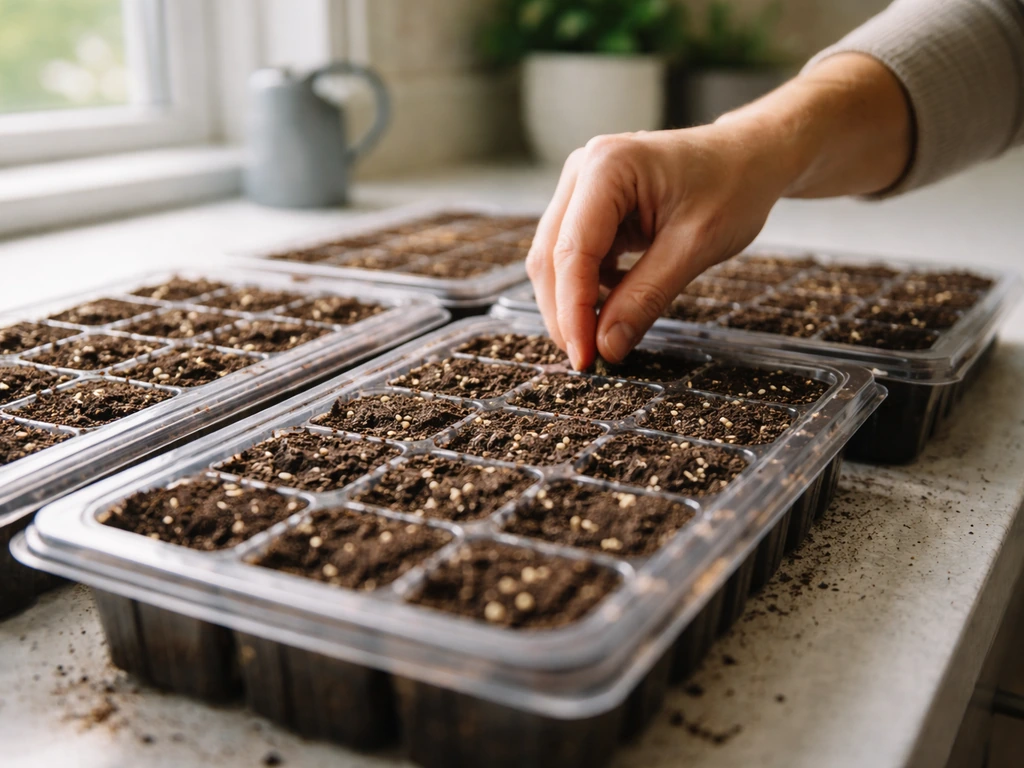
Starting indoors (recommended for most climates)
Start seeds indoors 4 to 6 weeks before your average last frost date. For most of the US Midwest and Northeast, that puts indoor sowing in late March through mid-April. For warmer zones (8 and above), you may only need 3 to 4 weeks lead time since you'll be transplanting out sooner. Marigold seeds germinate very quickly at the right temperature: you can expect sprouts in just 3 to 5 days when soil temperature is between 72 and 75°F (22 to 24°C). That's genuinely fast compared to most flowers, which makes them satisfying for beginners.
Fill cell trays or small pots with a quality seed-starting mix. Sow seeds about 1/4 inch deep and cover lightly with mix. You do not need light for germination, so a warm spot like the top of a refrigerator or a heat mat works perfectly until sprouts appear. Keep the medium consistently moist but not waterlogged: saturate it when you first sow, then back off slightly so the surface stays moist but not soggy. Once you see seedlings emerging (usually day 3 to 5), move them immediately to your brightest light source or under grow lights set 2 to 3 inches above the seedlings.
Direct sowing outdoors
Direct sowing works well in warmer climates or if you've missed the window for indoor starting. Wait until soil temperature is reliably above 65°F and all frost risk has passed. Sow seeds 1/4 inch deep, water them in, and thin to final spacing once seedlings are a few inches tall. You'll get flowers a bit later than transplants started indoors, but direct-sown marigolds often establish with less transplant stress. In frost-free subtropical or tropical climates (Zones 10 and above), you can sow almost year-round.
Transplanting, spacing, and early care

Transplant seedlings once they've developed their first true leaves (the second set of leaves, which look like miniature versions of the adult leaf). At this stage, if you started in a communal tray, move each seedling to its own cell or small pot and begin fertilizing lightly once a week. This true-leaf transplant stage usually arrives about 7 to 10 days after germination.
Before moving seedlings outdoors permanently, harden them off over 7 to 10 days. Start by setting them outside in a sheltered, shaded spot for an hour or two, then gradually increase their outdoor time and sun exposure each day. This step prevents transplant shock and sunscald, which can set plants back by weeks. Skip the hardening process and you'll often see wilting, bleached leaves, and stalled growth.
Space African marigold (zendu) plants 12 to 18 inches apart. They get wide, and crowding them reduces airflow, which invites fungal problems. If you're planting in rows for cut flowers, 12 inches is fine with support; for a border or container display, give them the full 18 inches and they'll fill out beautifully. Water transplants in well and keep soil evenly moist for the first week while roots settle in.
One thing that genuinely makes a difference: pinch the growing tip once your transplant is 6 to 8 inches tall. Nip out the top inch or two above a leaf node. It feels counterintuitive, but this encourages branching and dramatically increases the number of flower stems you'll get. The plant takes an extra week or two to start blooming, but you get three to four times the flowers in return.
Watering and feeding for the best blooms
Marigolds need consistent moisture but absolutely cannot tolerate waterlogged roots. A good rule of thumb: water deeply when the top inch of soil feels dry, then let it partially dry before watering again. In hot weather that might mean every 2 to 3 days for containers, or once or twice a week in-ground. During cooler or rainy stretches, back way off. Containers dry out faster than garden beds, so check them more frequently.
For fertilizing, a balanced, water-soluble fertilizer (something like 10-10-10 or 20-20-20) applied once a week works well during the seedling and early growth phase. Once plants are established and flowering, you can switch to a bloom-boosting fertilizer with a higher middle number (phosphorus) to support flower production. Don't overdo nitrogen or you'll get lush green plants with few flowers. If you amended your bed with good compost before planting, you can reduce feeding frequency to every two to three weeks.
Keeping plants blooming all season
Deadheading is the single most effective maintenance habit for continuous zendu blooms. As soon as a flower head starts to fade or dry out, pinch or snip it off at the base of the stem. This prevents the plant from putting energy into seed production and signals it to keep making new flowers. Do a quick pass through your plants every 3 to 4 days during peak season and the difference is dramatic compared to letting spent blooms sit.
Tall African marigold varieties (those reaching 24 to 36 inches) can get floppy, especially after rain or wind. In a cutting garden, a simple string-and-stake setup or a piece of wire grid laid horizontally a foot above the soil keeps stems upright. In a mixed border, neighboring plants often provide enough support, but it's worth checking after storms.
On seasonal timing: zendu marigolds typically begin blooming 8 to 10 weeks after sowing from seed. If you sow indoors in early April and transplant out in mid-May, you can expect first blooms by late June or early July. They'll continue through frost in most climates. For succession planting aimed at a longer harvest window, try a second sowing 3 to 4 weeks after your first. This is similar to the succession strategies used with other cutting garden staples like strawflowers and poppies. Strawflowers also start best by following similar steps for seed-starting, sunlight, and spacing so you can build strong plants before bloom time how to grow straw flower.
Troubleshooting: when things go wrong
No germination or very slow sprouting
The most common cause is soil temperature being too low. If your seed-starting area is below 68°F, germination will be sluggish or fail entirely. Use a heat mat and confirm the soil surface temperature (not just air temperature) is between 72 and 75°F. Also check that seeds are actually covered with medium: they need the covering to hold moisture against the seed coat. Finally, check seed viability. Old marigold seeds (more than 2 to 3 years old, stored in a warm or humid environment) can have poor germination rates.
Leggy, weak seedlings
Leggy seedlings are almost always a light problem. Once seedlings emerge, they need bright light immediately. If they're stretching toward a window, they're not getting enough. Move them under grow lights (2 to 3 inches above the seedlings, 14 to 16 hours of light per day at this stage is fine since germination is done and they need to build structure before outdoor day lengths matter). Leggy seedlings can be buried deeper at transplant time to compensate.
Plants not flowering or flowering very late
If your plants are big and lush but refusing to bloom, check a few things. First, are they getting over 12 hours of light continuously? Tagetes erecta is a short-day plant, and very long artificial light periods can delay flowering. If you're keeping seedlings under grow lights for 16 to 18 hours a day well past transplant readiness, this can interfere. Outdoors this usually self-corrects as natural daylength changes. Second, too much nitrogen fertilizer produces leafy plants at the expense of flowers. Cut back on feeding or switch to a lower-nitrogen formula. Third, if you planted late, just wait: sometimes plants simply need more time to reach flowering size.
Browning leaves, root rot, and wilting
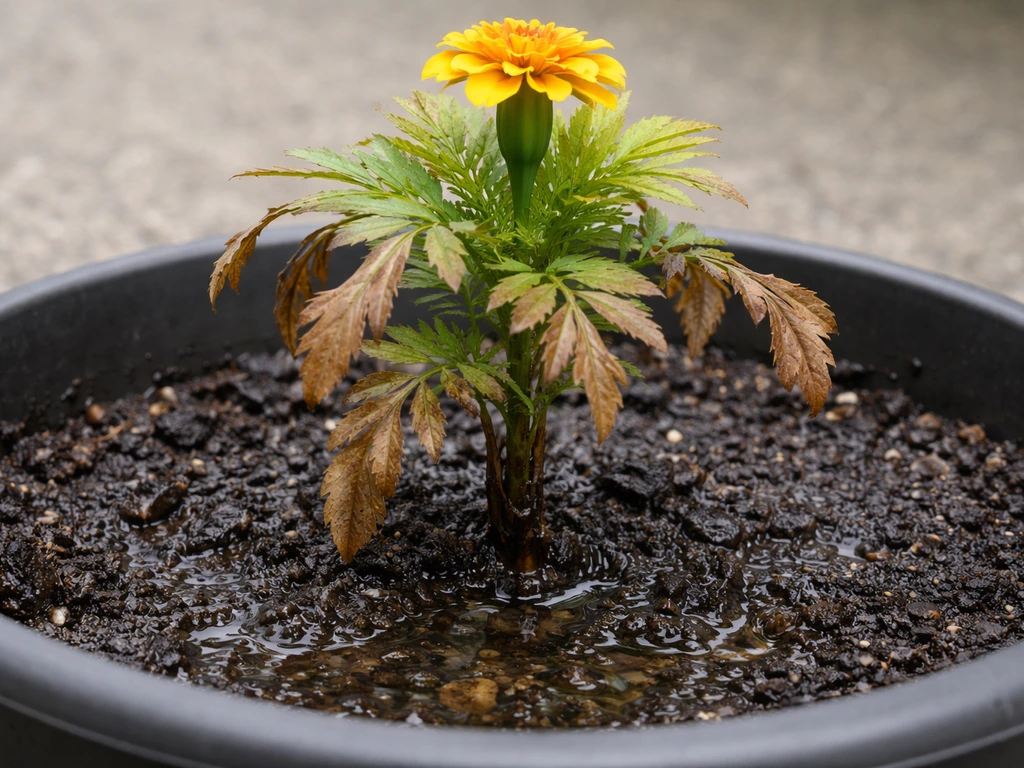
Overwatering is the primary killer of marigolds in containers. If lower leaves are yellowing and browning, stems look mushy at the base, or the plant wilts despite moist soil, root rot is likely. Pull the plant from the pot: black, slimy roots confirm it. The fix for mild cases is to let the soil dry out significantly and improve drainage. For severe cases, you may need to repot into fresh dry mix and trim off affected roots. Prevention is easier: never let containers sit in standing water, and always use a well-draining mix.
Powdery mildew shows up as a white, dusty coating on leaves, usually late in the season or during humid stretches. Improve airflow by spacing plants properly (that 12 to 18 inch gap matters here) and avoid overhead watering in the evening. Leaf spot presents as dark spots or blotches and is also fungal. Both can be managed with a neem oil spray or copper-based fungicide applied at first sign. Remove and dispose of heavily affected leaves rather than composting them.
Common pests
- Aphids: clusters of small soft-bodied insects on new growth; knock off with a strong water spray or treat with insecticidal soap.
- Spider mites: tiny dots and fine webbing on leaves, usually in hot dry conditions; increase humidity and spray with neem oil.
- Whiteflies: clouds of tiny white insects when you disturb the plant; yellow sticky traps help monitor and reduce populations.
- Earwigs and caterpillars: chewed leaf edges and holes; handpick at night or use an organic Bt (Bacillus thuringiensis) spray for caterpillars.
Your practical starting checklist
If you're ready to start today, here's what to gather and do in the first week to set yourself up for success.
- Get your seeds: look for zendu, genda, or African marigold seeds labeled Tagetes erecta at a South Asian grocery, local garden center, or online seed supplier.
- Gather supplies: seed-starting mix, cell trays or small pots, a heat mat if available, and a bright window or grow light setup.
- Check your calendar: count 4 to 6 weeks back from your last frost date to confirm whether to start now or wait.
- Sow seeds 1/4 inch deep, water in gently, and place in a warm spot (72 to 75°F) covered with plastic wrap or a humidity dome until sprouts appear.
- As soon as seedlings emerge (day 3 to 5), move to bright light and begin monitoring daily for moisture.
- At the first true-leaf stage, transplant to individual cells or pots and start weekly light feeding.
- Plan your outdoor site: confirm it gets 6 to 8 hours of direct sun and amend soil or prepare containers with well-draining mix before transplant day.
Zendu marigolds are genuinely one of the most forgiving flowers you can grow from seed. The germination is fast, the plants are vigorous, and the blooms are spectacular. Whether you're growing them for a cutting garden, a border display, or to recreate the flower garlands they're famous for in South Asian tradition, the process from seed packet to first bloom is achievable in under 10 weeks. If you're also curious about growing other flowers from seed at home, the same core principles of light, warmth, drainage, and consistent care apply across almost every annual in the cutting garden. You can apply these same beginner-friendly steps as a guide for how to grow flowering plants at home beyond just marigolds.
FAQ
Can I grow zendu as a perennial or bring it back after winter?
Yes, but keep expectations realistic. If you live somewhere with winter freezes, treat zendu (African marigold) as a tender annual and re-sow each spring. If you want to preserve a plant, move it indoors before the first frost, place it in the brightest spot you have, and cut watering back. It may bloom less indoors because daylength and light intensity are usually lower than outdoor conditions.
What container size and drainage setup works best for zendu marigolds?
Use the smallest container you can still water without drying out too fast, but avoid tiny cups for mature plants. The article recommends pot sizes, and an extra tip is to choose pots with drainage holes plus a saucer that you empty. If you notice water staying in the saucer for more than 10 to 15 minutes, that often leads to root stress.
My seedlings are green but not thriving, what besides light should I check?
If seedlings look pale or weak even under bright light, check that you are not keeping them too cold. A warm root zone helps, especially early. Aim for soil surface warmth around the same range you used for germination, and avoid drafts from doors or single-pane windows.
Can I sow zendu directly in the garden instead of starting indoors?
Direct-seeded zendu can absolutely be grown, but you need reliable warmth. Wait until soil is consistently above 65°F, not just on sunny days. For extra certainty, warm the planting area for a week using clear plastic (then remove it before sowing) so seedlings establish faster and avoid gaps in germination.
How soon should I thin zendu seedlings, and does spacing affect disease?
Overcrowding is a bigger issue than many people realize because marigolds need airflow to prevent fungal problems. Even if you thin later, the first weeks of cramped growth can already trigger mildew or leaf spot. Thin promptly once seedlings are a few inches tall to your target spacing (12 to 18 inches depending on your goal).
Why are my plants huge and leafy but not flowering, what fertilizer approach should I use?
Yes. A balanced fertilizer is fine for early growth, but if you use compost plus fertilizer, it is easy to overshoot nitrogen. A practical way to prevent leafy, non-blooming plants is to stop any nitrogen-heavy feeds once you start seeing buds, then switch to a bloom-leaning formula or reduce strength to half.
What causes zendu flowers to bud and then drop before opening?
If buds form but flowers keep dropping, it is often moisture stress. Let the top inch dry partially between waterings, and water deeply, especially in containers. Also check heat spikes, very hot, windy afternoons can make plants drop buds temporarily, and they usually recover if watering is stable.
When deadheading, should I remove the whole flower head or just the petals?
For best ongoing bloom, deadhead by removing the whole fading head at the base of the stem where new growth will emerge. Don’t just pinch off the petals. Also do a quick cleanup after big rain or high winds, removing damaged stems helps the plant focus energy on healthy new flower production.
How can I control powdery mildew or leaf spot early without losing the whole plant?
If you see white powder or dark leaf spots, don’t wait until it spreads widely. Improve airflow first by verifying spacing, and avoid wetting leaves, especially in the evening. For early infestations, treatments like neem or copper can work, but the key is to remove severely affected leaves immediately so the disease load drops.
Is pinching the top really necessary, and when is the best time to do it?
Yes, especially if you want fuller plants quickly. The pinch is best after the transplant reaches about 6 to 8 inches tall, and you want to pinch above a leaf node. If you pinch too early (tiny seedlings), you can delay establishment, and if you pinch too late, branching happens but you lose some of the peak-season bloom potential.
My transplanted zendu looked fine indoors, then it stalled outdoors, how do I fix this?
White or pale stems with few leaves usually point to weak light or cold stress after transplant. Harden-off timing helps, but also ensure seedlings were moved into sun gradually and that night temperatures are not too low. If nights are still chilly, consider a temporary row cover during the first few days outdoors.
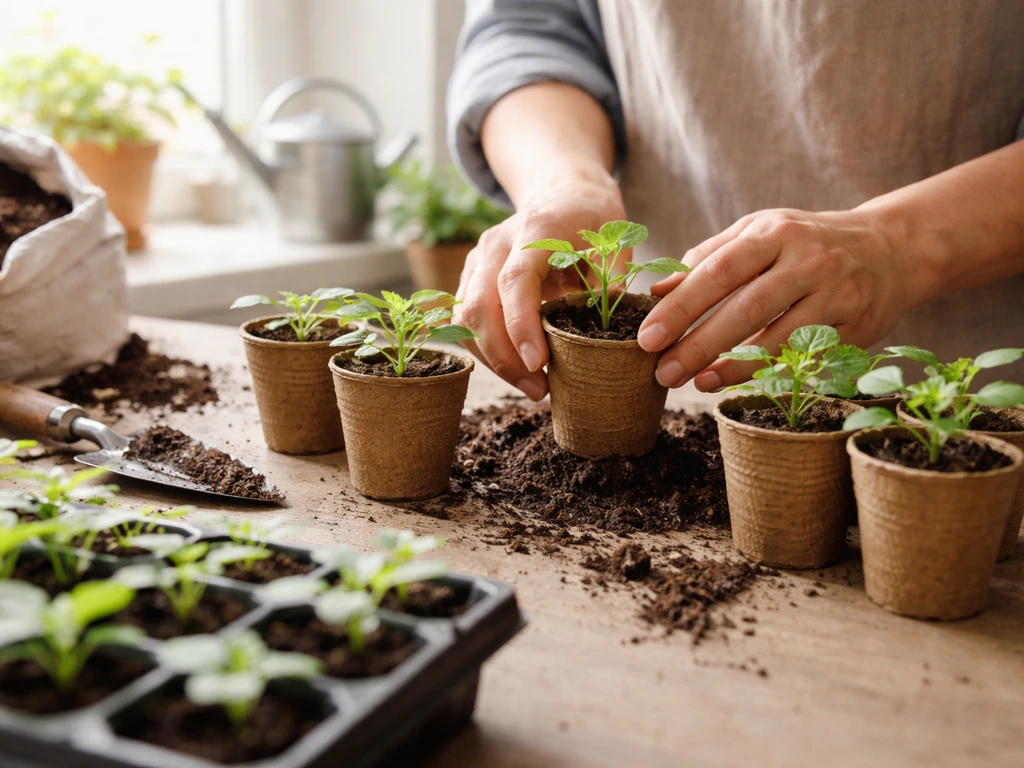
Step-by-step guide to grow flowers from seed at home, from choosing seeds to germination, transplanting, and troubleshoo
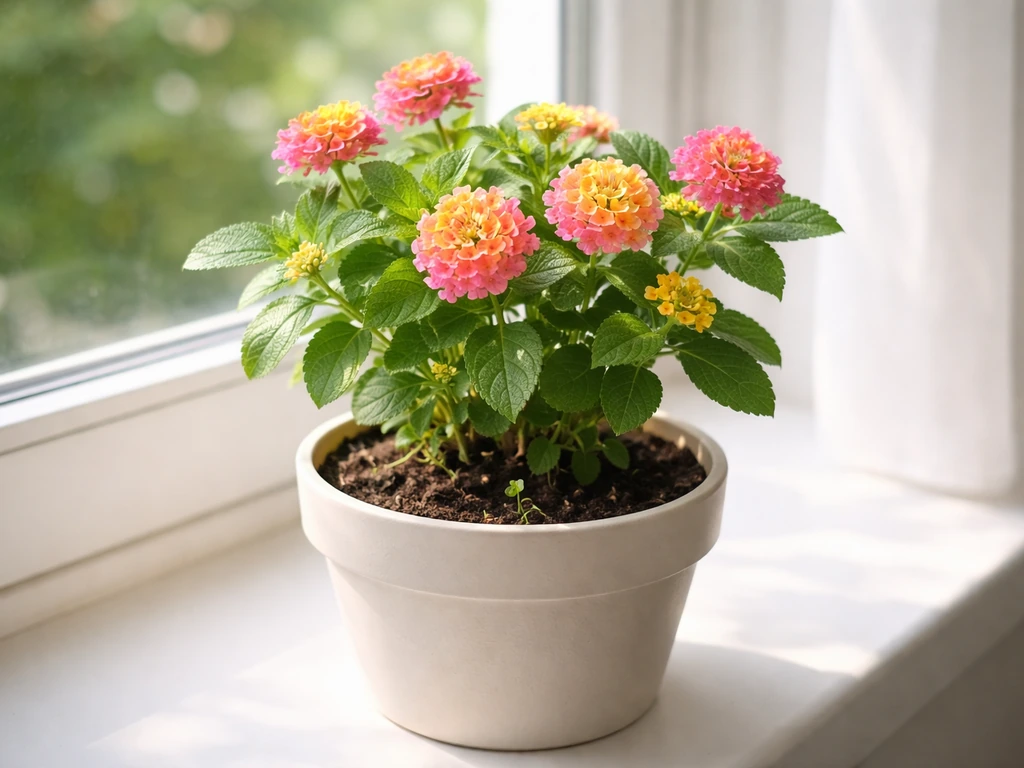
Step-by-step guide on how to grow flowering plants at home from seed to bloom, with light, soil, care, and troubleshooti
Step-by-step Floret-style ranunculus guide: corm prep, planting, watering, frost care, troubleshooting, and harvest for