Strawflowers are one of the easiest annuals you can grow from seed, and they reward you with papery, jewel-toned blooms that look incredible fresh-cut and practically dry themselves on the stem. Start seeds indoors 6 to 8 weeks before your last frost date, transplant after danger of frost has passed, give them full sun and well-drained soil, and you'll have flowers by midsummer that keep going right up until the first hard freeze. If you want to grow Zendu flowers at home, use the same warm, sunny, well-drained setup and keep watering controlled so the plants do not stay wet.
How to Grow Straw Flower From Seed to Blooms
James Holloway
11 Jul 2026
What strawflowers are and what they love
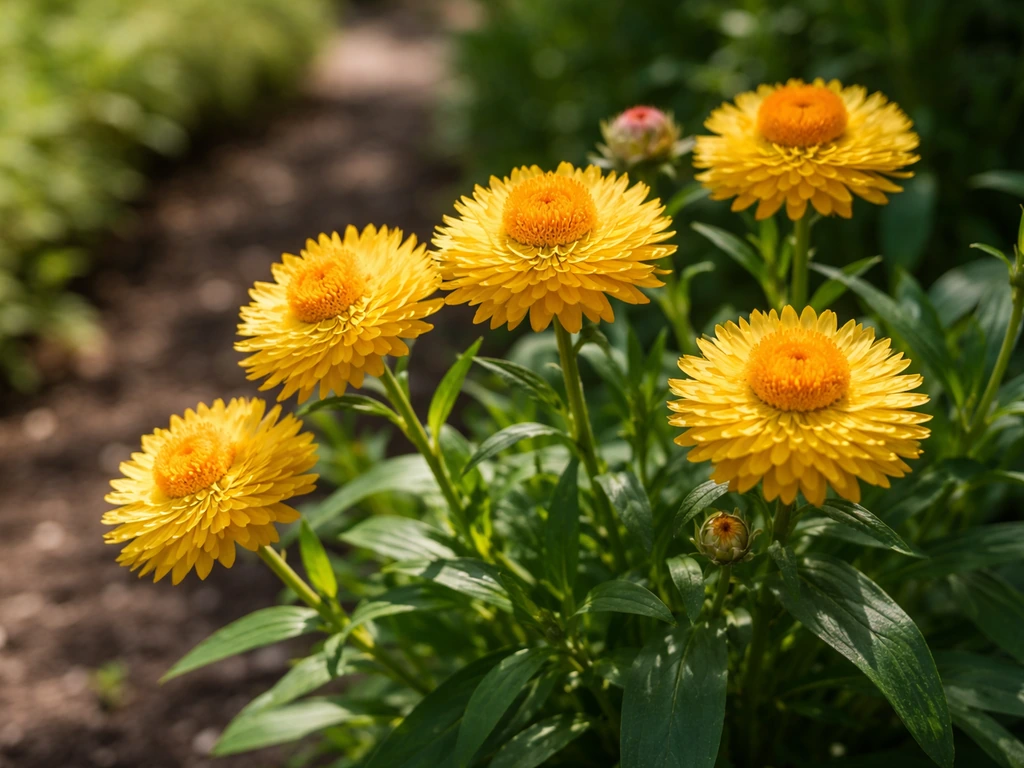
Strawflower goes by a few botanical names you might see on seed packets: Helichrysum bracteatum, Xerochrysum bracteatum, or Bracteantha bracteata. They're all the same flower. It's a tender annual native to Australia, which tells you a lot about what it wants: heat, sun, and dry conditions. The blooms have that distinctive papery, almost plastic feel to the petals, which is why they hold their color so well when dried.
In terms of growing conditions, strawflowers want neutral to slightly alkaline soil (pH 6.5 to 7.5), moderately fertile ground, and excellent drainage. They genuinely hate wet feet. A sandy or loamy soil that drains fast after rain is close to ideal. Full sun is non-negotiable: we're talking at least 6 hours of direct sun per day, and more is better. In shadier spots they'll get leggy, produce fewer blooms, and become more vulnerable to disease. These are not shade-tolerant plants.
Picking your varieties and where to find seeds
The variety range for strawflower has expanded a lot over the past decade. You'll mostly find seeds grouped into tall cutting types (reaching 3 to 4 feet) and compact bedding types (12 to 18 inches). For a cutting garden, go tall. For borders or containers, the compact types are more practical.
Some of my favorite varieties to look for include the Bikini Mix and King Size Mix for tall cutting types, Mohave Mix for a compact and highly branched plant, and the Sundaze series for especially vivid double blooms. If you want something a little more unusual, look for single-color varieties in deep burgundy or copper tones. They photograph beautifully and dry with richer color than the lighter pinks and yellows.
Seeds are widely available from major seed companies online, and most garden centers carry at least a basic mix. If you want specific varieties, ordering online from a specialty seed supplier gives you far more options. Seed costs are low, typically $2 to $5 a packet, and a single packet contains enough seeds for a generous row or two.
When to plant: indoor seed-starting vs. direct sowing
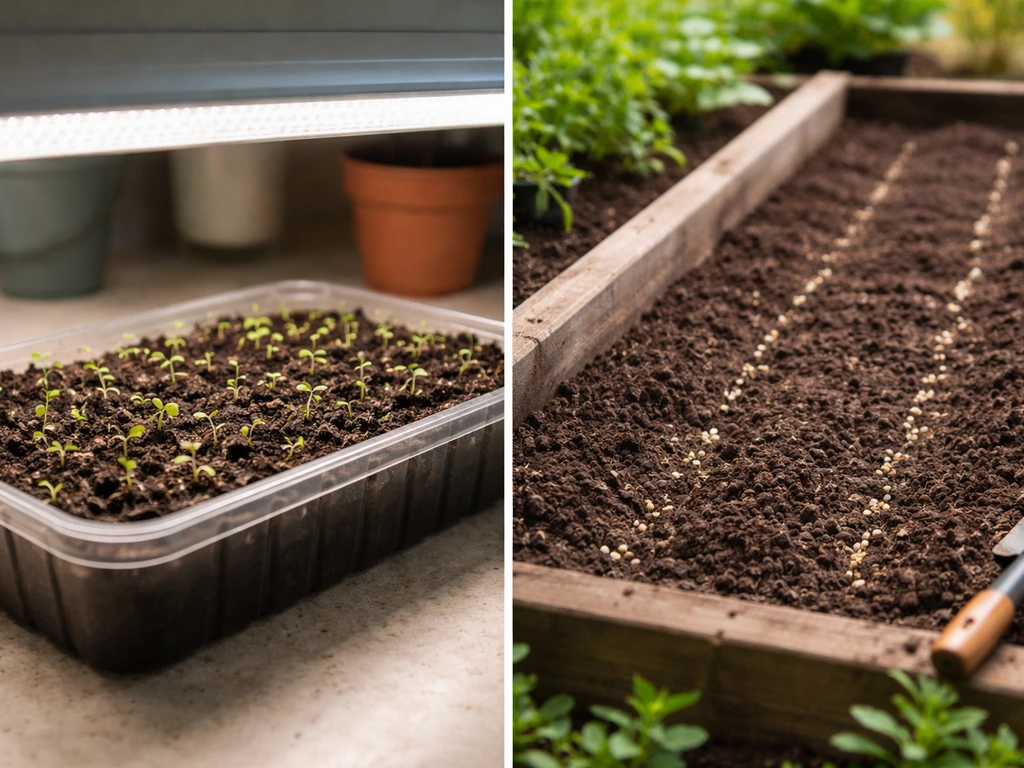
Timing depends on where you live and how much of a head start you want to give your plants. Strawflower seeds germinate in soil temperatures of 70 to 75°F (21 to 24°C), and the plants need warm conditions to thrive. Here's how to think about your options:
| Method | Best for | When to start | Expected first blooms |
|---|---|---|---|
| Indoor seed-starting | Zones 3 to 6, shorter summers | 6 to 8 weeks before last frost | 75 to 90 days from transplant |
| Direct sowing outdoors | Zones 7 to 10, long warm seasons | After last frost when soil is 65°F+ | 90 to 110 days from sowing |
| Direct sowing in mild climates | Zones 9 to 10, frost-free winters | Late winter to early spring | Late spring to early summer |
For most gardeners in the continental US, indoor seed-starting gives the best results because it extends the bloom window significantly. If you're in a colder zone and you skip starting indoors, you might only get 6 to 8 weeks of flowering before fall frost cuts the season short. Starting indoors means flowers can begin by early July and continue through the first frost in September or October.
How to sow strawflower seeds step by step
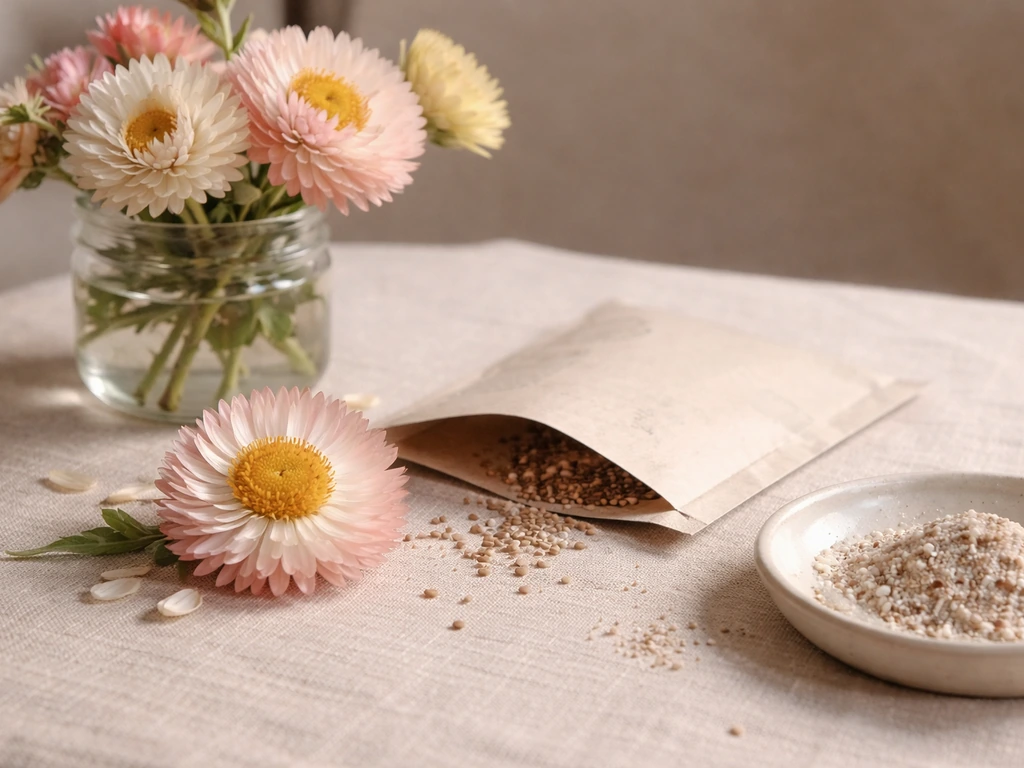
Strawflower seeds are tiny and need light to germinate, which is the single most important thing to get right at sowing time. Don't bury them. To get great results, follow a simple schedule for how to grow swan flower seeds from sowing to transplant.
- Fill a seed tray or small pots with a sterile, fine-textured seed-starting mix. Moisten it thoroughly before you sow so you're not washing seeds around with a watering can afterward.
- Scatter seeds on the surface of the mix. Aim for a few seeds per cell or a thin, even scatter across a tray. Because they're so tiny, a light dusting is all you need.
- Press seeds gently into the surface with your fingertip or the back of a spoon. Do not cover them with soil. They need light to trigger germination.
- Mist the surface lightly with a spray bottle to ensure good contact between seed and medium.
- Cover the tray with a clear plastic dome or plastic wrap to hold humidity, and place it under grow lights or on a sunny windowsill. A heat mat set to 70 to 75°F speeds things up considerably.
- Check daily. As soon as you see germination starting (usually 5 to 10 days), remove the cover to prevent damping off.
- Keep the mix evenly moist but not wet. Bottom watering works really well here: set the tray in a shallow dish of water and let it absorb from below, then drain.
- Once seedlings have two sets of true leaves, thin to one per cell or pot on to individual small containers.
Germination is typically fast, 5 to 10 days in warm conditions. If you're wondering how to grow flowers from seed at home, start by following the warmth, timing, and sowing steps below for the best germination results. If you're not seeing any sprouting after 2 weeks, the most common culprits are seeds that got buried too deep, soil that's too cold, or a tray that dried out. Don't be discouraged. Sow another pinch and make sure conditions are warm and moist.
Moving seedlings outside: transplanting and spacing
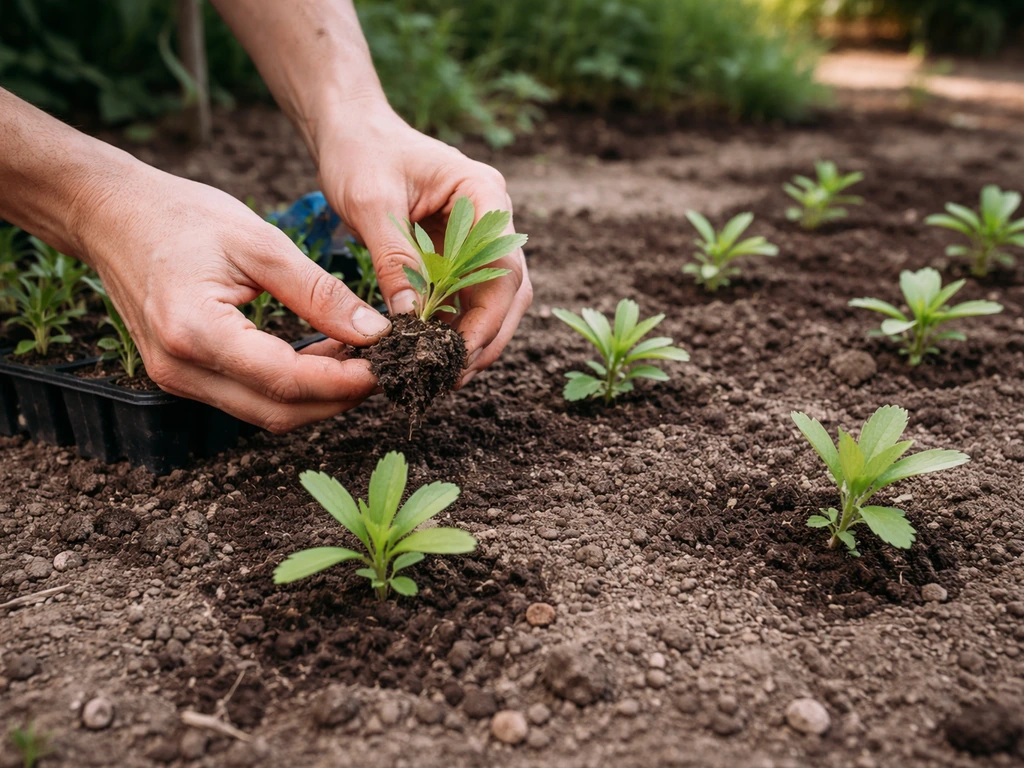
About a week to two weeks before your planned transplant date, start hardening off your seedlings. Set them outside in a sheltered, partially shaded spot for a few hours each day, gradually increasing their outdoor time. This prevents transplant shock from the sudden change in temperature, wind, and light intensity.
Transplant after your last frost date has passed and nighttime temperatures are reliably above 50°F. Choose a spot with full sun and well-drained soil. For tall cutting varieties, space plants 12 to 18 inches apart. Compact varieties can go 9 to 12 inches apart. Don't crowd them: good air circulation around the plants is one of your best defenses against disease.
Dig a hole slightly larger than the root ball, set the plant in at the same depth it was growing in the pot, firm the soil gently around the roots, and water in well. Avoid burying the stem. If your soil is heavy clay, mix in some grit or perlite to improve drainage before planting, or consider raising the bed a few inches.
Watering and feeding from planting to first bloom
Once established, strawflowers are genuinely drought-tolerant. In the first 2 to 3 weeks after transplanting, water regularly to help roots settle in, aiming for about 1 inch per week. After that, back off. Overwatering is a much more common problem with strawflowers than underwatering. Allow the top inch of soil to dry out between waterings. During hot, dry stretches in midsummer you may need to water twice a week, but in cooler or more humid regions, once a week or even less is plenty.
Strawflowers don't need heavy feeding. They actually perform better in moderately fertile soil rather than rich, nitrogen-heavy conditions. Too much nitrogen pushes leafy growth at the expense of flowers. If your soil is reasonably good, a single application of a balanced slow-release granular fertilizer (10-10-10 or similar) worked into the planting area at transplant time is usually all they need for the season. If plants look pale or growth seems slow mid-season, a diluted liquid feed of a low-nitrogen fertilizer (something like a 5-10-10 formula) once a month will help.
Sun, soil, and keeping your plants healthy all season
Sun and soil recap
I keep coming back to sun because it really is the make-or-break factor. Six hours minimum, eight or more is ideal. Plants in partial shade produce about half the flowers of plants in full sun, in my experience, and they tend to flop and get leggy. As for soil, if there's one amendment worth making before planting, it's improving drainage. A raised bed or even a slightly mounded planting area works well if your garden holds water.
Deadheading and pruning for more blooms
Deadheading is worth doing, but strawflowers work a little differently than, say, marigolds. When you cut a flower, the plant responds by pushing out more side shoots, each tipped with a new bud. This branching habit means the more you harvest or deadhead, the bushier and more floriferous the plant becomes. Don't just snap off spent blooms at the head. Cut back to a leaf node a few inches down the stem to encourage a strong new shoot. On cutting varieties, harvest early and often rather than waiting for blooms to fully open, and the plant will just keep branching.
Pest and disease management
Strawflowers are pretty tough, but they're not problem-free. The main disease issue to watch for is downy mildew, which shows up as yellowing leaves with a fuzzy white or grayish coating on the undersides. It tends to develop in cool, humid conditions with poor air circulation. If you see it, remove affected leaves immediately, improve spacing if plants are crowded, and avoid overhead watering. Fungicide treatments can help but prevention through good airflow is more effective.
On the pest side, aphids occasionally cluster on new growth, especially in spring. A strong blast of water from the hose knocks them off, and repeated treatments usually keep populations in check without resorting to sprays. Leafhoppers can also be a nuisance in some regions and can spread plant diseases, so keep an eye out for small, fast-moving insects on the foliage. In most home gardens, strawflowers don't require any pesticide treatments if the plants are healthy and growing in good conditions.
Harvesting, drying, and saving seeds for next year
When and how to harvest
This is where strawflowers really earn their place in a cutting garden. Harvesting at the right stage is critical for drying. Cut blooms when the petals are just beginning to open but the center is still tight and closed. If you wait until the flower is fully open, the center will continue to open after cutting and can look messy once dried. In my garden, I harvest in the morning after the dew has dried, using clean, sharp scissors or pruners. Based on Utah extension trials, you can expect the first harvest roughly 7 to 8 weeks after transplanting into the garden, with flowering continuing all the way to the first frost.
Drying strawflowers
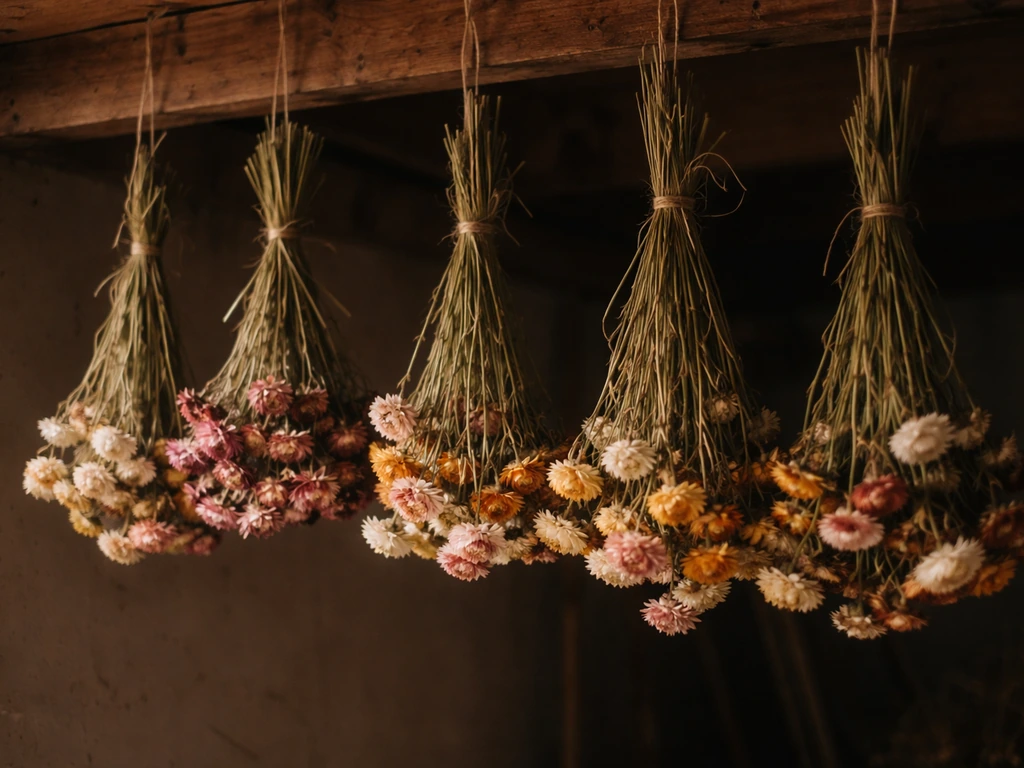
The simplest method is air drying: strip the lower leaves from the stems, bundle 8 to 10 stems together loosely, and hang them upside down in a warm, dark, well-ventilated space. Darkness helps preserve the color. A garden shed, dry basement, or interior closet all work. Flowers are usually fully dried in 2 to 3 weeks. One thing to know: strawflower stems become brittle when dry, so if you want flexible stems for arrangements, many growers insert a florist wire through the base of the flower head while it's still fresh, letting the wire act as a stem after drying.
Saving seeds for next season
Strawflower seeds are easy to save if you're growing open-pollinated or heirloom varieties. Note that many modern hybrid varieties won't come true from saved seed, so check your packet. To save seed, let a few flowers stay on the plant until fully mature and dry on the stem. The head will turn brown and papery, and if you pull it apart gently you'll find small, light seeds inside. Collect them on a dry day, spread on a paper plate to finish drying for a week or two, then store in a labeled envelope in a cool, dry place. They'll stay viable for 2 to 3 years stored this way. If you enjoy the process of starting from seed each season, as many gardeners do with flowers like these, saving your own seeds is one of the most satisfying parts of the whole cycle.
Once you've grown strawflowers once, you'll almost certainly grow them again. They're low-maintenance, long-blooming, and incredibly versatile. If you enjoy growing other annuals from seed, the same basic principles you use here apply well to related projects like starting marigolds, snapdragons, and other cutting garden staples. If you want to branch out from strawflowers, these tips for how to grow flowering plants at home will help you adapt the basics to new varieties and containers. The confidence you build getting strawflowers from seed to bloom translates directly to every other flower you'll want to grow.
FAQ
Can I direct-sow strawflower outdoors instead of starting indoors?
You can, but results depend on getting warm soil and enough frost-free time. Strawflower seeds germinate best around 70 to 75°F, so in cool-spring areas direct sowing often shortens the season and limits flowering. If you try it, wait until soil is reliably warm, sow on the surface (light-needed), and thin seedlings so they get full sun and airflow.
What’s the best way to prevent damping-off or rotting when starting seeds indoors?
Use a light, well-drained seed-starting mix and avoid keeping trays constantly wet. Since seeds need light to germinate, they should stay at the surface. Water from the bottom or mist lightly, then let the top of the mix dry slightly between waterings. Also provide good airflow around the seedlings.
How deep should I sow strawflower seeds?
Sow them on the surface and do not bury them. If you lightly cover them at all, keep coverage extremely thin, because the seeds require light to germinate. If you get poor sprouting, the most common fix is shallower sowing plus warmer soil.
Do strawflowers need deadheading to keep producing blooms?
Yes, but it works differently than many flowers. Instead of only removing the spent head, cut back a few inches to a leaf node (or harvest stems early for cutting types). This encourages side shoots, which increases branching and overall flower count.
My strawflowers are getting tall and floppy. What should I do?
The most common cause is insufficient sun. Ensure at least 6 hours of direct light, preferably more. If they are still floppy after moving to better light, avoid excess nitrogen, improve spacing for airflow, and consider staking cutting types while plants are young.
Why do my strawflowers get lots of leaves but few blooms?
Overfertilizing with nitrogen is the usual culprit. Strawflower performs best with moderate fertility, so skip rich, fast-feeding plant food. If mid-season looks pale, use a diluted low-nitrogen fertilizer rather than repeating a heavy all-purpose feed.
How often should I water strawflowers once they are established?
After the first 2 to 3 weeks to help roots settle, let the top inch of soil dry before watering again. Overwatering is a bigger problem than underwatering, and very wet soil can lead to disease or poor flowering even if plants look green.
Can strawflowers tolerate humidity and cooler weather?
They can handle cooler temperatures, but downy mildew risk increases with cool, humid conditions and poor airflow. Prioritize full sun, avoid overhead watering, and keep proper spacing. If disease appears, remove affected leaves quickly and adjust conditions rather than relying only on sprays.
Are strawflowers drought-tolerant once established, even during heat waves?
They are generally drought-tolerant, but hot stretches can still require more frequent watering. In very dry midsummer weather you may need about twice-weekly watering, depending on how fast your soil dries. The guide is still soil moisture, allow the top inch to dry between waterings.
What’s the correct stage to cut strawflowers for drying?
Harvest when the petals are just starting to show color and the center is still tight and not fully open. If you cut after the flower fully opens, the center can continue opening during drying and look messy.
How do I stop stems from breaking when drying?
If you need flexible stems for arrangements, insert florist wire through the base of the head while the flowers are still fresh. Strawflower stems become brittle as they dry, so this is the best time-sensitive fix.
Can I save seeds from any strawflower variety?
You can save seed mostly if the variety is open-pollinated or listed as an heirloom. Many modern hybrids do not come true, so offspring may vary in flower color or form even if seeds germinate well. Check the seed packet before assuming true-to-type results.
Why did my seeds not sprout after 2 weeks?
The most common reasons are burying the seeds too deep, soil that is too cold for germination, or a tray that dried out. Re-sow shallowly, keep the mix warm and lightly moist, and give it another chance if you still see no sprouts.
What spacing should I use for strawflowers in my garden or containers?
For tall cutting types, space about 12 to 18 inches apart. For compact types, about 9 to 12 inches works better. In containers, lean toward the compact spacing and choose well-draining soil, because restricted airflow can increase disease pressure.
Next Articles
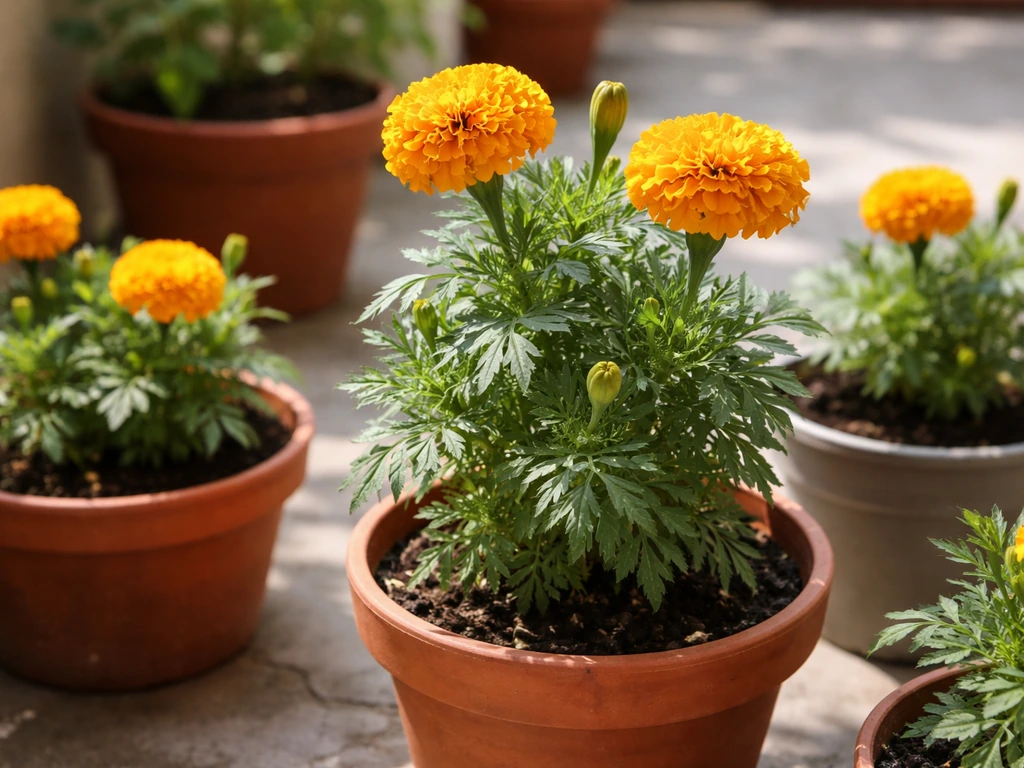
How to Grow Zendu Flowers at Home Step by Step
Step-by-step guide to grow zendu flowers at home: seeds, soil, light, timing, care, pests, and troubleshooting for bloom
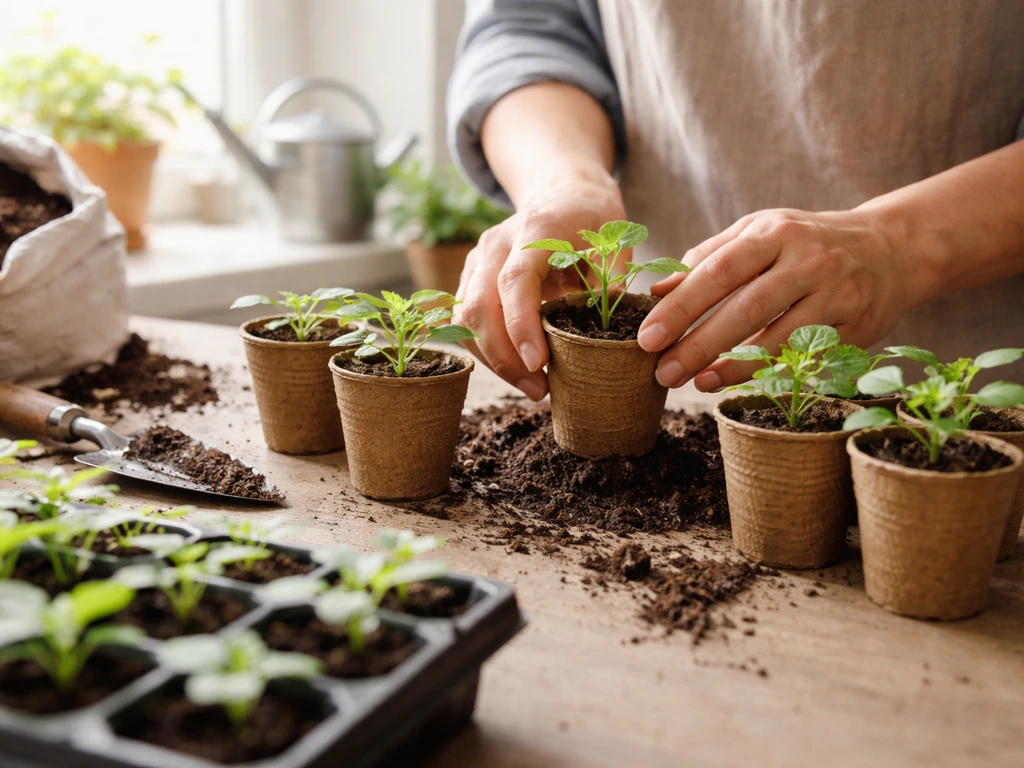
How to Grow Flowers From Seed at Home: Step-by-Step
Step-by-step guide to grow flowers from seed at home, from choosing seeds to germination, transplanting, and troubleshoo
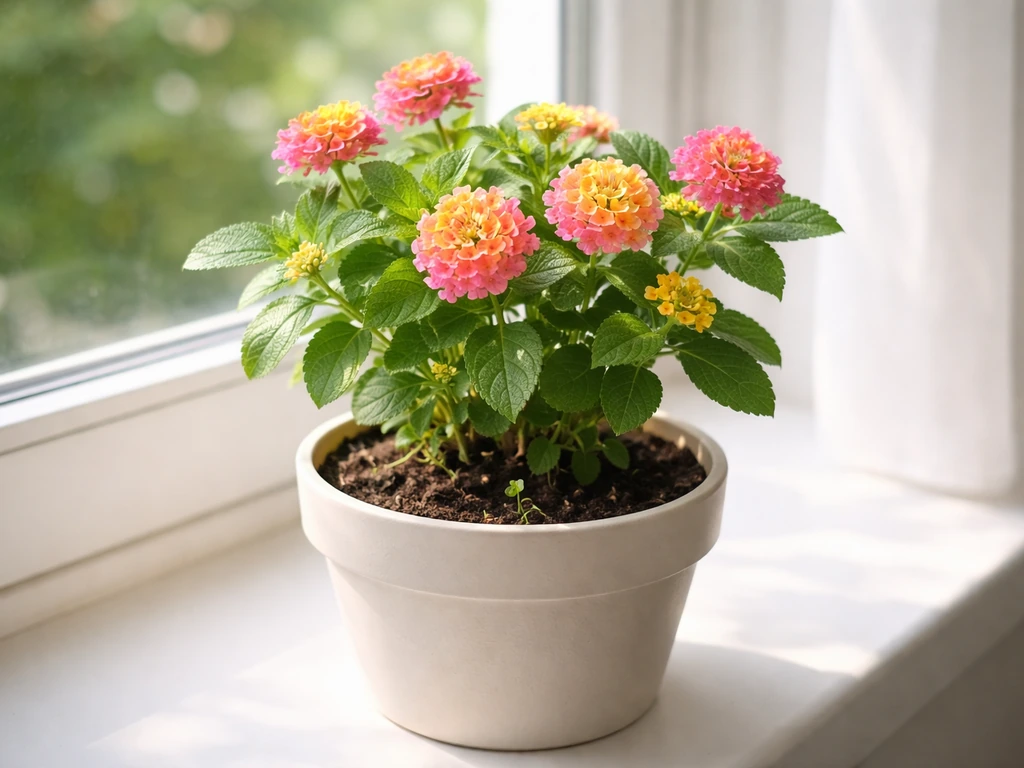
How to Grow Flowering Plants at Home From Seed to Bloom
Step-by-step guide on how to grow flowering plants at home from seed to bloom, with light, soil, care, and troubleshooti