
Samanthi flower is the South Asian common name for chrysanthemum, particularly the garden mum complex known botanically as Chrysanthemum × morifolium. You can grow it from seed by starting indoors 6–8 weeks before your last frost, sowing seeds barely under the surface of a moist seed-starting mix at 70–75°F, and transplanting outside once nights stay reliably above freezing. For best germination, chrysanthemum seeds should be blank" rel="noopener noreferrer">surface sown or covered very shallowly (about 1/16–1/8 inch) because they require light to trigger sprouting. From there it's a matter of full sun, consistent watering, a few pinches through early summer, and a balanced fertilizer, and you'll have dense, colorful blooms by late summer or fall.
How to Grow Samanthi Flower: Complete Seed-to-Bloom Guide

What this guide covers and who it's for
Whether you've grown flowers before or this is your very first seed packet, this guide walks you through the entire samanthi growing process from start to finish. I'll cover everything: variety picks, planting timing by USDA zone, seed-starting step by step (both direct sow and indoors), soil prep, light and water needs, fertilizing, pinching, container tips, pest and disease ID, troubleshooting, and even saving seeds for next season. I'll also point out where samanthi compares to other ornamental garden flowers like basket flower, Indian blanket flower, and Tibetan bell flowers, so you can build out a garden that blooms across different seasons. One note before we dive in: this article covers ornamental chrysanthemums only. It does not cover cannabis cultivation of any kind. For readers seeking cultivation advice for THCA/cannabis, see community resources such as the discussion titled "how to grow thca flower reddit.".
What is samanthi flower?
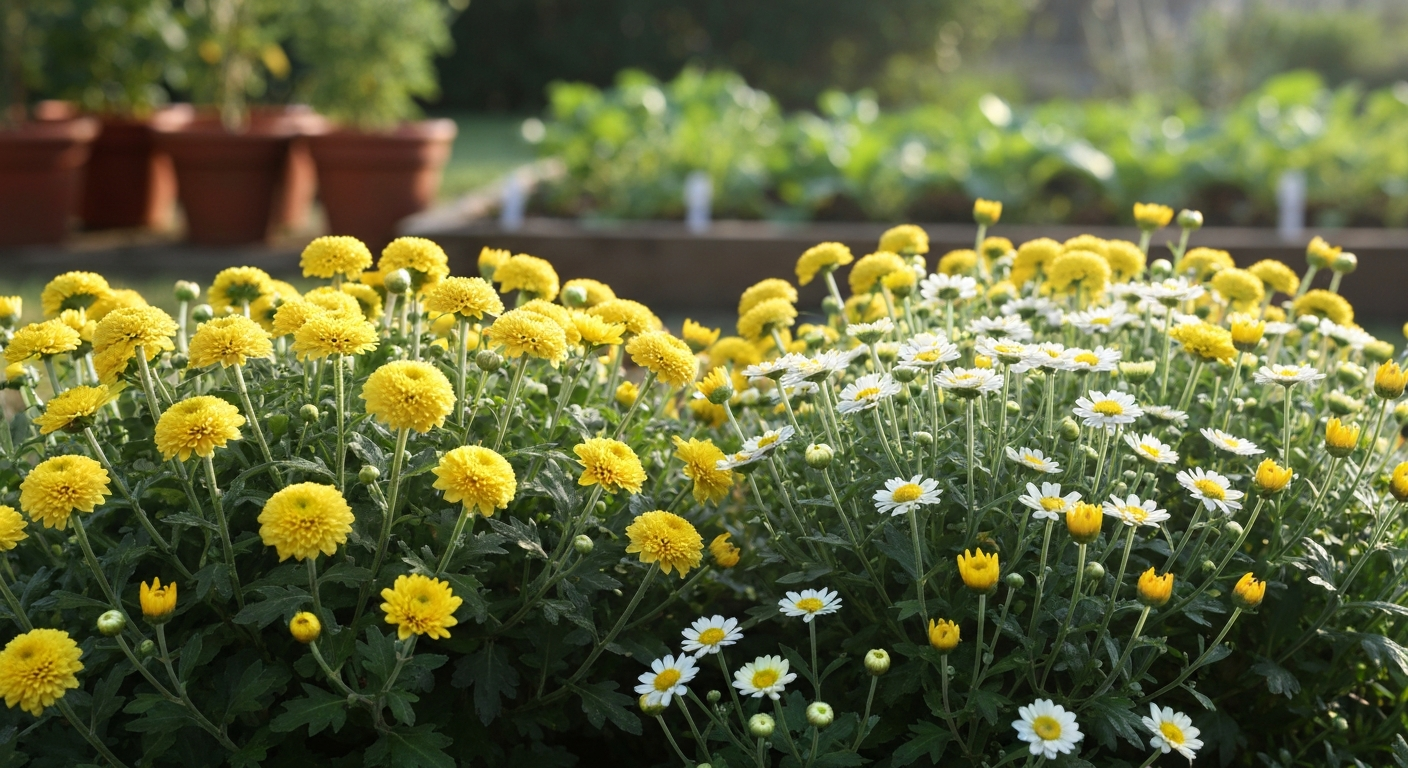
The word 'samanthi' (also spelled 'chamanthi' or written as 'samanthi poo' in Tamil, where 'poo' simply means flower) is the common name used across South India and Sri Lanka for chrysanthemums. These plants belong to the Asteraceae family, the same large daisy family that includes marigolds, coneflowers, and sunflowers. The garden mum sold in nurseries and used in garlands throughout South Asia is almost always Chrysanthemum × morifolium, a complex hybrid group that has been cultivated and selected for thousands of years.
As a garden plant, samanthi grows as a mounding herbaceous perennial in warmer climates (USDA zones 5–9) and as an annual in colder zones. Plants typically reach 1–3 feet tall and wide depending on variety, producing an abundance of daisy-like flowers in shades of white, yellow, bronze, burgundy, lavender, and pink. The flowers are intensely fragrant in many South Asian varieties and are culturally important for religious offerings, garlands, and cut-flower markets. In home gardens they work beautifully as border plants, container specimens, and long-lasting cut flowers.
Variety recommendations for home gardens
Samanthi/chrysanthemum varieties fall into a few broad categories that behave differently in the garden. Knowing which type you're working with saves a lot of frustration later.
- Hardy garden mums (C. × morifolium 'Igloo', 'Sheffield Pink', 'Hillside Sheffield'): These are bred for cold hardiness down to zone 4–5 with good mulching. They're vigorous, come back reliably as perennials, and produce masses of small to medium blooms. Best choice if you want a long-lived garden plant.
- Yellow samanthi / 'Vellai Samanthi' types: Traditional South Asian yellow and white small-flowered varieties often grown in cutting gardens. They produce prolific small blooms on long stems, ideal for garlands and vases. These tend to be more tender (treat as annuals in zones below 7).
- Pompon types ('Fairie', 'Cheryl Salmon'): Compact, button-shaped blooms, very uniform. Great for containers and front-of-border planting. Easy for beginners because they're forgiving about pinching schedules.
- Decorative/cushion types ('Minnruby', 'Minnpink'): Wide, flat flower heads in bold colors. Excellent for mass planting and autumn color. Bred in the University of Minnesota hardy mum program, so they survive hard winters better than most.
- Anemone and spider types: More unusual, finely petaled flowers. Slightly more demanding to grow well but stunning in cut-flower arrangements. Worth trying once you've got a season or two of samanthi experience under your belt.
My personal go-to for first-time growers is a yellow pompon or a traditional white samanthi type. They're forgiving, germinate readily from seed, and the payoff, armfuls of cheerful small blooms, comes fast enough to keep you motivated.
Planting calendar and timing by USDA zone
Samanthi is a short-day plant, which means it triggers flower bud formation when nights grow long enough (roughly 10–12 hours of darkness). In most climates that means buds form in late summer and blooms open in fall. Your planting timing works backward from that natural bloom window. Start too late and you get small, poorly established plants that barely bloom. Start at the right time and you get full, floriferous mounds by September or October.
| USDA Zone | Last Spring Frost (approx.) | Start Seeds Indoors | Transplant Outdoors | Stop Pinching | Expected Bloom |
|---|---|---|---|---|---|
| Zone 4 | Mid-May | Late March | Late May | Late June–early July | September–October |
| Zone 5 | Early May | Mid-March | Mid-May | Mid-June–early July | September–October |
| Zone 6 | Mid-April | Late February–early March | Late April | Mid-June | September–October |
| Zone 7 | Early April | Late February | Early April | Early–mid June | September–October |
| Zone 8–9 | Late February–March | January–February | March | Late May–early June | August–September |
| Zone 10+ (tropical/subtropical) | No frost | Any time (avoid peak heat) | After establishment | Adjust to 8–10 weeks before target bloom | Varies; often spring or autumn flush |
If you're in South Asia, where samanthi poo is most traditionally grown, the ideal planting season runs from June through August (the post-monsoon period), with peak bloom appearing from October through January during the cooler, shorter-day months. In these climates, direct sowing or transplanting rooted cuttings into the ground after the heaviest monsoon rains works well.
Quick reference: key growing facts at a glance
| Fact | Detail |
|---|---|
| Botanical name | Chrysanthemum × morifolium (garden mum complex) |
| Family | Asteraceae |
| Seed depth | Surface sow or cover max 1/16–1/8 inch (1–2 mm) |
| Germination temperature | 70–80°F (21–27°C) |
| Germination time | 7–21 days (typically 10–14 days) |
| Spacing (in-ground) | 18–24 inches (45–60 cm) apart |
| Spacing (intensive/cut flower) | 8–12 inches (20–30 cm) |
| Mature plant height | 1–3 feet (30–90 cm) depending on variety |
| Light requirement | Full sun: 6–8 hours direct sun daily |
| Soil pH | 6.0–7.0 (neutral to slightly acidic) |
| Bloom period | Late summer to fall (most climates); late autumn to winter in South Asia |
| Days to bloom from seed | Approximately 16–20 weeks |
| Hardiness (perennial) | USDA zones 5–9 (with mulching); treat as annual in zone 4 and below |
| Photoperiod type | Short-day plant (buds triggered by long nights) |
The full process from seed to bloom
Growing samanthi from seed is a longer process than buying a nursery plant, but it's genuinely satisfying and gives you access to varieties you simply can't find at garden centers. The journey takes roughly 16–20 weeks from first sowing to first flower. Here's the arc of the whole process before we break each step down in detail.
- Sow seeds indoors 6–8 weeks before your last frost date (or in June–August for South Asian climates).
- Germinate at 70–80°F with light and even moisture — expect sprouts in 10–14 days.
- Grow seedlings under bright light or a grow lamp until they have 2–3 sets of true leaves.
- Harden off seedlings over 7–10 days by gradually increasing outdoor exposure.
- Transplant to prepared garden beds or containers after frost danger has passed.
- Pinch growing tips when plants hit 6 inches tall; repeat every 2–4 weeks through early summer.
- Feed with a balanced fertilizer through summer; switch to a low-nitrogen, bloom-promoting formula as buds appear.
- Stop pinching 8–12 weeks before your target bloom date and let buds develop.
- Enjoy blooms and harvest cut flowers as needed; deadhead spent blooms to extend the flush.
- Save seed or take cuttings in late season for next year's crop.
Seed-starting methods: direct sow vs. starting indoors
Starting samanthi seeds indoors (recommended for most climates)
Indoor starting gives your samanthi a significant head start and lets you control germination conditions precisely. I start mine indoors every year because it extends the growing window and produces stronger, more floriferous plants by the time blooming season arrives.
- Fill small cells or 2-inch pots with a sterile, peat-based or coco coir seed-starting mix. Dampen it thoroughly before sowing — it should feel like a wrung-out sponge.
- Sow 1–2 seeds per cell on the surface of the mix. Do not bury them. Samanthi/chrysanthemum seeds need light to germinate, so press them very gently into the surface or cover with the thinnest dusting of vermiculite (no more than 1/8 inch).
- Mist the surface with a spray bottle. Place a clear plastic dome or plastic wrap loosely over the tray to hold moisture.
- Set the tray on a heat mat set to 70–75°F (21–24°C). Bottom heat makes a noticeable difference — without it, germination is slower and patchier.
- Place under a grow light or in a very bright south-facing window. If using a grow light, keep it 2–4 inches above the seedlings for 14–16 hours per day.
- Check moisture daily. The surface should never dry out completely during germination. Mist if needed but don't waterlog.
- Expect sprouts in 10–14 days. Once most seeds have germinated, remove the dome and drop the temperature slightly to 65–70°F to build stocky seedlings.
- Thin to one seedling per cell once true leaves appear. Snip rather than pull to avoid disturbing roots.
- Fertilize lightly with a half-strength liquid fertilizer (like a balanced 10-10-10 diluted to half) once seedlings have 2–3 sets of true leaves.
- Begin hardening off 7–10 days before your transplant date: start with 1–2 hours of outdoor shade, gradually increasing sun exposure and time over the full week.
Direct sowing samanthi outdoors
Direct sowing works best in climates with long growing seasons (zones 7 and warmer) or in South Asian tropical and subtropical conditions where frosts aren't a concern. It's simpler but gives you less control and typically produces plants that bloom later in the season.
- Wait until soil temperature reaches at least 65–70°F and all frost risk is gone. In most temperate gardens that means late spring.
- Prepare the bed thoroughly — loosen the top 6–8 inches of soil, remove weeds and debris, and rake it to a fine, smooth surface.
- Scatter seeds thinly or sow in shallow rows, spacing seeds about 6 inches apart. Press them lightly into the surface — do not cover with more than 1/8 inch of fine soil.
- Water gently with a fine-rose watering can or mister. Avoid strong streams that displace seeds.
- Keep the seedbed evenly moist. During warm, dry weather you may need to water once or twice daily until germination.
- Expect germination in 10–21 days. Once seedlings are 2–3 inches tall with clear true leaves, thin to 18–24 inches apart.
- Mulch lightly around (not over) seedlings to retain soil moisture and suppress weeds.
One honest caveat about direct sowing: in my experience, slugs and birds can wipe out a freshly germinated seedbed overnight. If you've had that problem before, starting indoors and transplanting sturdy 6-inch plants is far less heartbreaking.
Soil, light, and temperature: getting the basics right
Soil preparation and pH
Samanthi thrives in a fertile, well-drained loam with good organic matter. The ideal pH is 6.0–7.0, neutral to slightly acidic. Before planting, work in a 2–3 inch layer of compost or well-rotted manure and mix it into the top 8–10 inches of soil. This improves drainage in heavy clay soils and adds water retention in sandy ones. If you're unsure of your soil pH, a basic home test kit will tell you. Soils below pH 6.0 can be raised with garden lime; overly alkaline soils can be brought down with elemental sulfur or peat. Poor drainage is the single biggest killer of samanthi, if you have a heavy clay site that holds puddles after rain, raised beds are a much better option than fighting the native soil.
Sunlight requirements
Give your samanthi full sun, at least 6–8 hours of direct sunlight per day. I've grown mums in part shade out of desperation when a nearby tree grew unexpectedly large, and the result was leggy, sparse plants with noticeably fewer flowers. In full sun the plants are compact, branching, and absolutely covered in blooms. If you only have a partially shaded spot, choose it over a fully shaded one and accept somewhat reduced flowering. Morning sun with afternoon shade is the best compromise if full sun isn't available.
Temperature and hardiness
Samanthi/chrysanthemums grow vigorously in the 60–75°F (15–24°C) range. They can tolerate light frosts once established, and in zones 5–9 hardy varieties will die back to the ground in winter and resprout in spring if the root crown is mulched with 3–4 inches of straw or shredded leaves after the first hard freeze. In zones 4 and colder, treat them as annuals or dig and overwinter the crowns in a cool, frost-free location. In tropical and subtropical zones (South Asia, Southeast Asia, zone 10+), summer heat can be tough, samanthi does best during the cooler season from October through February.
Watering and feeding your samanthi
Samanthi has a relatively shallow root system, which means it dries out faster than deep-rooted plants and appreciates consistent moisture. Water deeply when the top inch of soil feels dry, this encourages roots to grow downward rather than staying close to the surface. A 2-inch layer of mulch (straw, shredded bark, or grass clippings) around the base conserves moisture dramatically and reduces watering frequency. Avoid watering overhead in the evenings; wet foliage overnight is an open invitation to fungal diseases like powdery mildew and botrytis. Water at the base of the plant in the morning whenever possible.
For fertilizer, start with a balanced granular formula like 10-10-10 worked into the soil at planting. Once plants are growing actively in spring and early summer, feed every 3–4 weeks with a balanced liquid or slow-release granular fertilizer. As soon as you see flower buds beginning to form (usually late summer), switch to a low-nitrogen, phosphorus-forward formula like 5-10-5 to encourage bud development and strong blooms rather than soft leafy growth. Stop feeding entirely about 6 weeks before your expected bloom date. Over-fertilizing with high nitrogen late in the season produces lush green plants with disappointing flower counts, I learned that the hard way in my second year.
Spacing, pinching, and staking
Standard in-ground spacing for samanthi is 18–24 inches (45–60 cm) between plants. This airflow matters, crowded plants are dramatically more susceptible to fungal diseases. For intensive cut-flower production, you can tighten spacing to 8–12 inches, but you'll need to stay on top of disease management.
Pinching is the single most important technique for getting a full, bushy samanthi plant instead of a tall, floppy one. When your transplanted seedling reaches about 6 inches tall, pinch or snip off the top half-inch to one inch of the main stem. The plant will respond by pushing out two or more new side shoots from below the cut. When those shoots reach 6 inches, pinch them too. Repeat this every 2–4 weeks through early summer. The critical thing is to stop pinching 8–12 weeks before you want flowers, pinching too late delays or eliminates blooms. In zone 6, that usually means stopping pinching by early to mid-July for a September bloom.
Taller varieties (over 2 feet) benefit from staking, especially in windy sites. Use bamboo canes or wire tomato rings installed early so the plant grows through the support naturally. Trying to stake a flopped, mature plant is messy and usually damages stems.
Growing samanthi in containers vs. in the ground
| Factor | In-Ground | Container |
|---|---|---|
| Best for | Perennial plantings, mass displays, cutting gardens | Patios, balconies, small spaces, winter storage in cold zones |
| Minimum pot size (container) | N/A | 12 inches diameter / 3–5 gallon minimum for full-sized plants |
| Watering frequency | Every 2–3 days in hot weather; less in cool/rainy periods | Daily or every other day; containers dry out much faster |
| Drainage | Amend soil; raise beds if needed | Essential — pots must have drainage holes; no saucers that pool water |
| Fertilizer needs | Standard seasonal schedule | More frequent light feeding (every 2 weeks); nutrients flush out with watering |
| Overwintering | Mulch crowns heavily in zones 5–7 | Move indoors to cool garage or shed; keep barely moist |
| Root health risk | Root rot in heavy/waterlogged soil | Root rot if drainage is blocked; root bound if pot too small |
Container-grown samanthi is very achievable and actually looks stunning on a patio in full bloom. Use a high-quality, well-draining potting mix (not garden soil, which compacts in pots). The main thing beginners get wrong with containers is underwatering during hot spells, a pot in full sun on a concrete patio can dry out in a single day. Stick your finger an inch into the mix every morning and water if it feels dry.
Maintenance through the season: deadheading and pruning
Once samanthi blooms open, deadheading (removing spent flowers) keeps the plant looking tidy and can extend the overall bloom period. Pinch or snip faded blooms back to the next leaf node. After the main flush of bloom is over and the plant starts to look tired, you can cut it back by about one-third to encourage a secondary flush in warmer climates. In zones where the plant overwinters, cut stems back to about 6 inches after the first killing frost, then mulch the crowns to protect roots. Come spring, new growth will sprout from the crown, thin it if it's very dense and give it a dose of balanced fertilizer to kick off the season.
Pests and diseases: what to watch for and how to handle them organically
Common pests
| Pest | Signs | Organic Control |
|---|---|---|
| Aphids | Clusters of small soft insects on new growth and buds; sticky honeydew residue; distorted leaves | Knock off with a strong water spray; apply insecticidal soap; encourage ladybugs and lacewings |
| Spider mites | Fine webbing under leaves; stippled, bronzed foliage; worst in hot, dry weather | Increase humidity; spray with water; neem oil solution every 5–7 days |
| Thrips | Silvery streaking on petals and leaves; distorted buds | Neem oil; pyrethrin-based spray; yellow sticky traps |
| Leaf miners | Pale winding trails inside leaves | Remove and destroy affected leaves; neem oil as preventive |
| Slugs/snails | Ragged holes in leaves, especially on young plants; slime trails | Iron phosphate bait; copper tape around containers; hand-pick at night |
Common diseases
| Disease | Signs | Prevention and Organic Control |
|---|---|---|
| Powdery mildew | White powdery coating on leaves, especially in humid, crowded conditions | Improve airflow with proper spacing; avoid overhead watering; spray baking soda solution (1 tsp per quart water) or neem oil |
| Botrytis (gray mold) | Fuzzy gray mold on flowers and stems, especially in cool, wet conditions | Remove infected material immediately; improve air circulation; water at base only |
| Root rot (Phytophthora) | Wilting despite moist soil; brown, mushy roots; yellow lower leaves | Ensure excellent drainage; do not overwater; use raised beds or containers with drainage |
| Leaf spot (Septoria) | Brown or tan spots with darker borders on leaves, spreading upward from base | Remove affected leaves; avoid wetting foliage; copper-based fungicide if severe |
| Rust | Orange-yellow pustules on leaf undersides | Remove affected leaves; ensure good airflow; neem oil or sulfur spray |
The honest truth about samanthi diseases is that most of them are preventable through spacing and watering habits rather than requiring chemical fixes. Give plants room, water at the base, and remove any diseased material as soon as you spot it. That routine catches 90% of problems before they spread.
Troubleshooting common samanthi problems
- Seeds won't germinate: Check that soil temperature is 70–75°F — this is the most common cause. Also confirm seeds weren't buried too deep; surface sow or cover no more than 1/8 inch.
- Seedlings are leggy and pale: Not enough light. Move under a grow light or closer to a south-facing window. Pinch back and increase light immediately.
- Plants are tall and floppy with few flowers: Likely missed the pinching window, or grown in too much shade. Start pinching earlier next season. Stake now to prevent lodging.
- Buds form but never open: This sometimes happens when plants are pinched too late or when temperatures are extreme during bud development. It can also indicate pest damage (thrips, in particular, damage buds before they open).
- Plants wilt even with moist soil: Root rot is the most probable cause. Check roots — if they're brown and mushy, improve drainage immediately. If you're in a container, repot into fresh, well-draining mix.
- Leaves are yellowing from the bottom up: Classic signs of overwatering, poor drainage, or nutrient deficiency (especially nitrogen early in the season). Let soil dry slightly between waterings and feed with a balanced fertilizer.
- Plant doesn't come back in spring (perennial zone): Either the winter mulch wasn't thick enough, or the crown sat in wet soil and rotted. Next season, mulch earlier and more heavily, and ensure drainage.
- Flowers are smaller than expected: Likely overcrowded roots, insufficient fertilizer during bud development, or heat stress during bud formation. Address spacing, feeding schedule, and if possible provide afternoon shade in very hot climates.
Using samanthi as a cut flower
Samanthi makes an exceptional cut flower, one of the longest-lasting in any home garden vase, often staying fresh for 10–14 days with basic care. Cut stems in the morning when temperatures are cooler and at least one-third of the buds on a stem are open. Use clean, sharp scissors and cut at a 45-degree angle. Strip any leaves that would sit below the waterline in your vase, place stems immediately into cool water, and keep the arrangement away from direct sun and heat sources. Changing the water every two days and recutting stems at the base extends vase life noticeably. If you're growing for garlands in the traditional South Asian style, small pompon and single-petal types hold up best when strung, as their smaller, stiffer blooms don't bruise as easily as large decorative varieties.
Saving seeds and propagating for next season
Saving seed from samanthi is possible but worth understanding before you commit to it. Because garden mums are complex hybrids (C. × morifolium), seeds collected from your plants won't reliably reproduce the exact parent plant. You'll likely get interesting variation, sometimes pleasantly surprising, sometimes disappointing. If true-to-type reproduction matters to you, propagate vegetatively instead: take stem cuttings in spring or early summer, root them in moist perlite or a cuttings mix at 65–70°F, and transplant once roots are established (usually 3–4 weeks). Division of established clumps in spring is even simpler and very reliable.
If you do want to try seed saving, wait until seed heads have fully dried on the plant after bloom. Cut the entire seed head, place it in a paper bag, and let it dry indoors for 1–2 weeks. Rub the dried heads between your hands over a sheet of paper to separate seeds, then store in a labeled paper envelope in a cool, dry place. Sow in the following spring and enjoy the surprise of whatever comes up.
How samanthi compares to similar ornamental flowers
Samanthi belongs to the broader Asteraceae daisy family, which includes several other beautiful ornamental flowers worth considering for your garden. Basket flower is another daisy-family plant that's striking in borders and very attractive to pollinators, it's generally easier to direct sow and has a more casual, wildflower feel compared to samanthi's more cultivated look. Indian blanket flower (Gaillardia) brings similar warm yellows and reds to the garden but is drought-tolerant to a degree samanthi isn't, making it excellent for drier climates. If you're drawn to more unusual bell-shaped ornamentals, Tibetan bell flowers occupy a different aesthetic space entirely, more delicate and shade-tolerant than sun-loving samanthi. Each of these flowers has its own specific growing guide on this site if you want to explore them as companions or alternatives to your samanthi planting.
Season-end checklist: before you close up the garden
- Cut back stems to 6 inches after the first killing frost.
- Mulch crowns with 3–4 inches of straw or shredded leaves in zones 5–7.
- In zones 4 and colder: dig crowns and store in a cool, frost-free location in barely moist potting mix.
- Clean up all diseased or pest-damaged plant material — don't compost it, bin it.
- Take notes on what worked and what didn't: bloom timing, pest pressure, variety performance.
- Save or label any cuttings you want to overwinter indoors.
- Order fresh seed for next season while your notes are current and your memory is fresh.
FAQ
What is 'samanthi' and which plant species does it refer to?
'Samanthi' (or 'samanthi poo') is a regional common name used in South Asia for garden chrysanthemums — plants in the Chrysanthemum group, commonly grown as Chrysanthemum × morifolium (garden/landscape mums). These are Asteraceae family ornamentals grown for foliage and showy flower heads.
When should I plant samanthi by climate or USDA zone?
Timing depends on your goal (spring‑sown/transplanted or fall/seasonal blooms) and USDA zone: - Zones 9–11 (mild winters): sow/plant in fall or late winter for autumn/spring blooms; many growers treat them as perennials. - Zones 6–8: start seeds indoors 6–8 weeks before last spring frost for summer bloom, or plant established transplants in late spring; for strong fall bloom, begin pinching schedule in late spring/early summer and stop pinching 8–12 weeks before target bloom. - Zones 4–5 (cold winters): grow as annuals or overwinter indoors; start indoors 6–8 weeks before last frost and transplant after frost danger passes. Remember chrysanthemums are short‑day plants and require long nights to initiate buds, so schedule pinching and growth to match your target bloom date.
Should I start samanthi from seed indoors or sow directly outdoors? Pros and cons?
Start indoors if you want earlier, larger plants and controlled germination: sow 6–8 weeks before last frost on a heat mat at 70–75°F, use sterile mix and bright light; transplant after hardening off. Direct sow outdoors is possible in mild climates once soil temps are warm, but germination and early growth are slower and seedlings are more vulnerable to pests and uneven moisture. For consistent garden mums and cut‑flower production, most home gardeners prefer starting indoors or buying transplants.
How do I start samanthi seeds (step‑by‑step)?
1) Use a sterile seed‑starting mix in trays or small pots. 2) Surface‑sow seeds or cover very shallowly (about 1/16–1/8 inch / a few mm); seeds need light for best germination. 3) Keep medium 70–75°F (21–24°C) and evenly moist. 4) Provide bright light or grow lights as soon as sprouts appear. 5) Transplant to larger pots when seedlings have true leaves and harden off 7–10 days before moving outdoors. 6) Pinch terminal growth when seedlings reach ~6 inches to promote branching; repeat until 8–12 weeks before desired bloom.
What soil and light conditions do samanthi plants need?
Light: Full sun (6–8 hours direct sun) produces the best flowering; part shade reduces bloom quantity. Soil: A loose, well‑drained fertile loam or potting mix with good organic matter. pH: neutral to slightly acidic, about 6.0–7.0. Avoid waterlogged soils; poor drainage leads to root rot.
How often and how much should I water and fertilize chrysanthemum (samanthi)?
Watering: Maintain even moisture—seedlings need consistently moist mix (not soggy). Mature plants prefer regular deep watering when the top 1 inch of soil begins to dry; mulch helps conserve moisture. Avoid wetting foliage late in the day to reduce fungal disease risk. Fertilizer: Feed with a balanced fertilizer (e.g., 10‑10‑10) every 4–6 weeks during active growth, or a lower‑nitrogen bloom‑promoting formula as buds form. Stop high‑nitrogen feeding once buds develop to avoid soft, leggy growth.
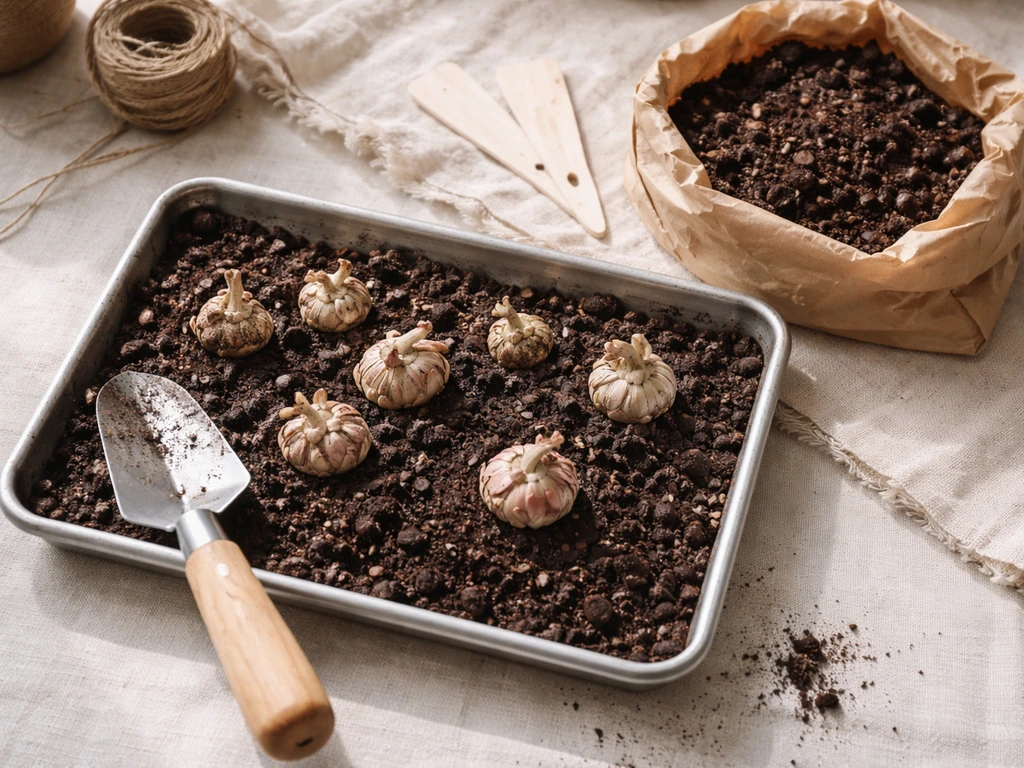
Step-by-step Floret-style ranunculus guide: corm prep, planting, watering, frost care, troubleshooting, and harvest for
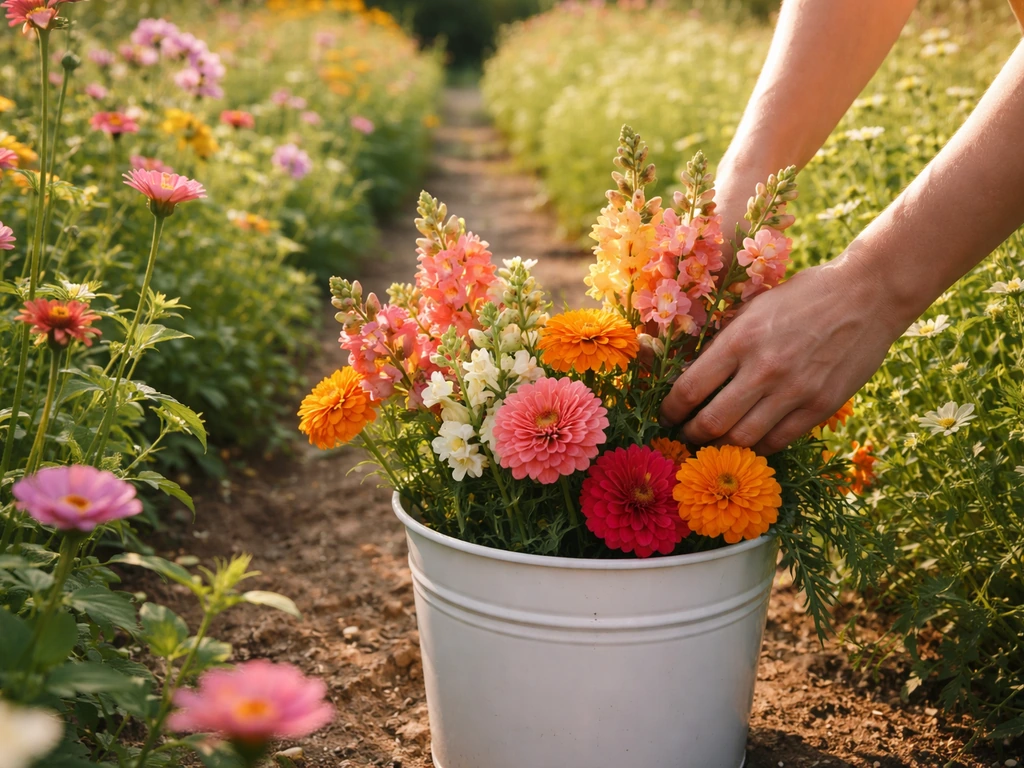
Step-by-step guide to grow bouquet-ready wedding flowers, from planning and sowing dates to harvesting, conditioning, an
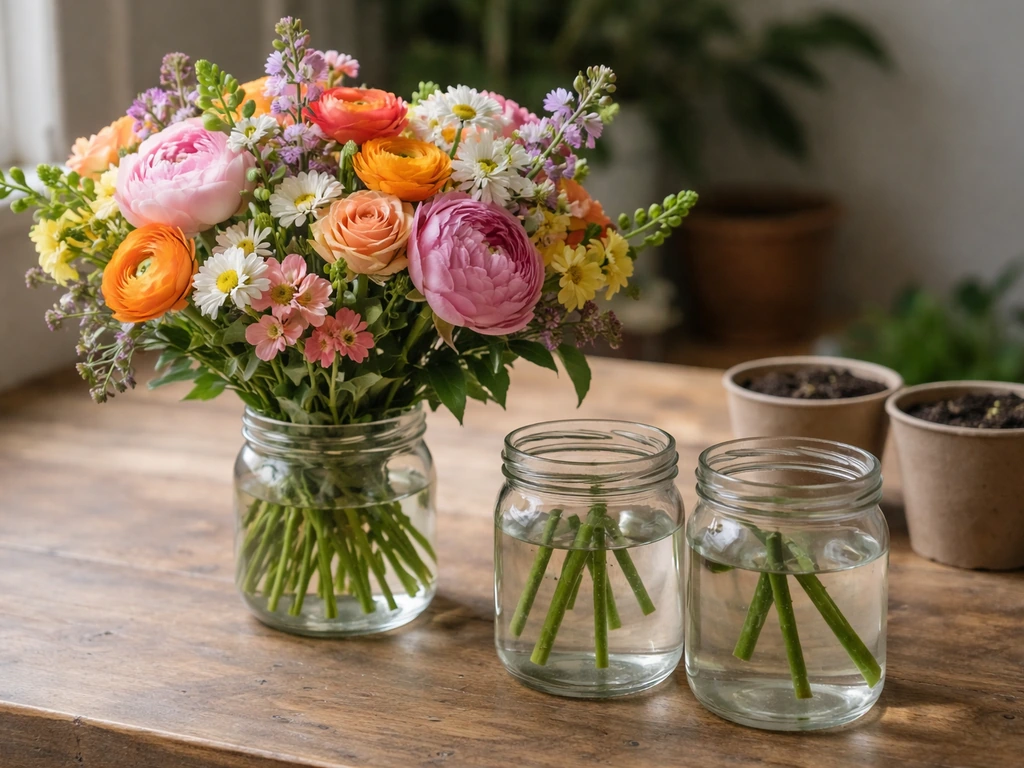
Step-by-step guide to propagate bouquet stems into new flowers: prep, rooting in water/soil, transplanting, care, timeli