Yes, you can absolutely grow flowers in compost, but not usually straight compost on its own. The best results come from using mature, finished compost mixed into your beds or blended into a container mix, not piled in pure as a growing medium. Used correctly, compost is one of the best things you can do for ornamental flowers like marigolds, snapdragons, and poppies. Used wrong (too fresh, too much, or straight in a pot), it can burn roots, drown seedlings in soggy muck, or introduce a jungle of weeds. Here's how to get the good version.
Can You Grow Flowers in Compost? How to Do It Right

James Holloway
27 Jun 2026
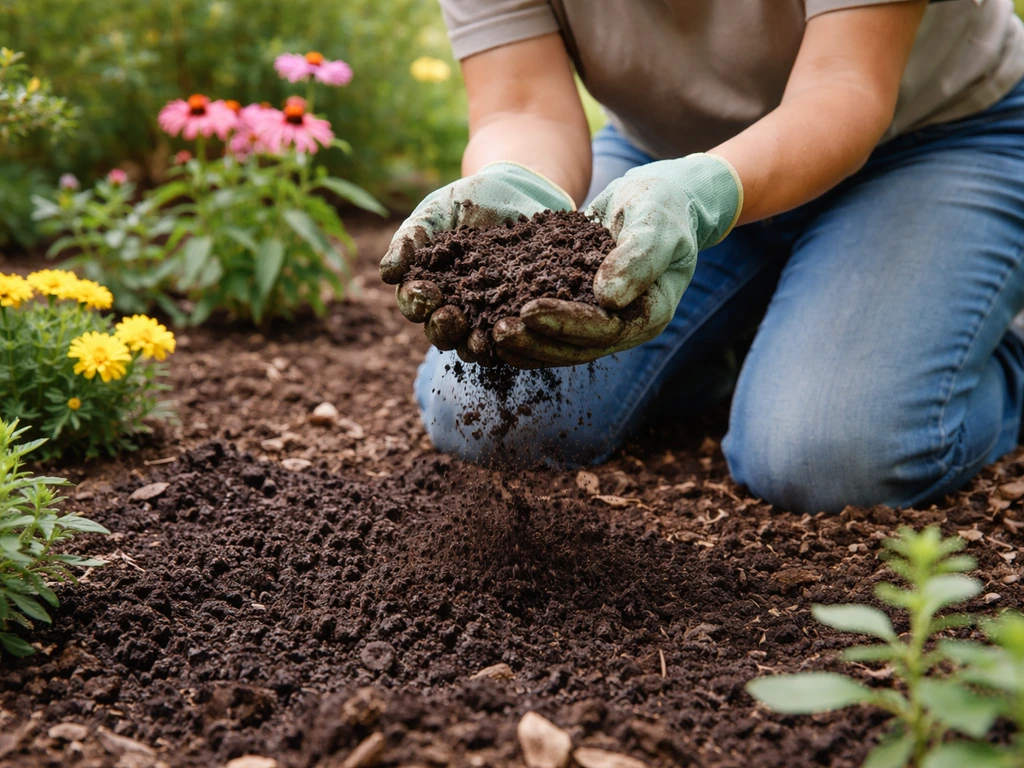
Fresh vs. mature compost: why it matters more than you think
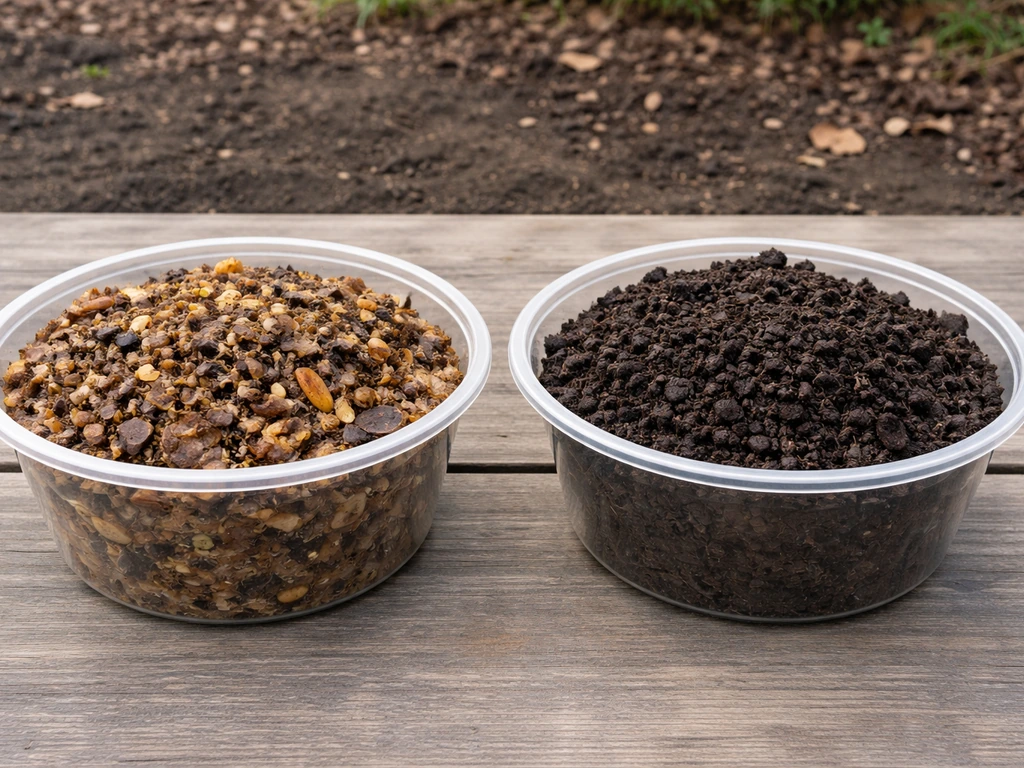
This is the single biggest variable between compost success and compost failure. Finished, mature compost looks and smells like dark, crumbly soil, earthy but not rotten. It has a carbon-to-nitrogen ratio around 10–25:1 and is stable enough that it won't keep breaking down aggressively in your containers or beds. Fresh or partially finished compost is a different story. It can release phytotoxins that literally kill seed embryos, and its soluble salt levels can run high enough to cause root burn even before you add any fertilizer.
A quick readiness test you can do today: put some compost in a small container, press a few radish or lettuce seeds into it, water lightly, and check germination after 5–7 days. If you see 80% or more of those seeds sprouting, your compost is safe to use. If germination is poor or seedlings look stunted compared to a control pot with regular potting mix, the compost isn't ready yet. You can also get a sense by smell: rotten egg or ammonia odors mean the pile is still too wet and anaerobic, which signals unfinished material.
One more number worth knowing is electrical conductivity (EC). This measures soluble salt load, and typical compost can range from 1.0 to 10.0 dS/m, which is much higher than most garden soil. For potting mixes and seed beds, you want compost with an EC below 2.5 mmhos/cm. If you're using homemade compost or animal manure-based compost and you're unsure, your local extension office can test it, or you can dilute conservatively and adjust from there. Bagged compost from garden centers is usually more consistent, which is why it's a friendlier starting point if you're new to this.
How to use compost in beds vs. containers
In garden beds
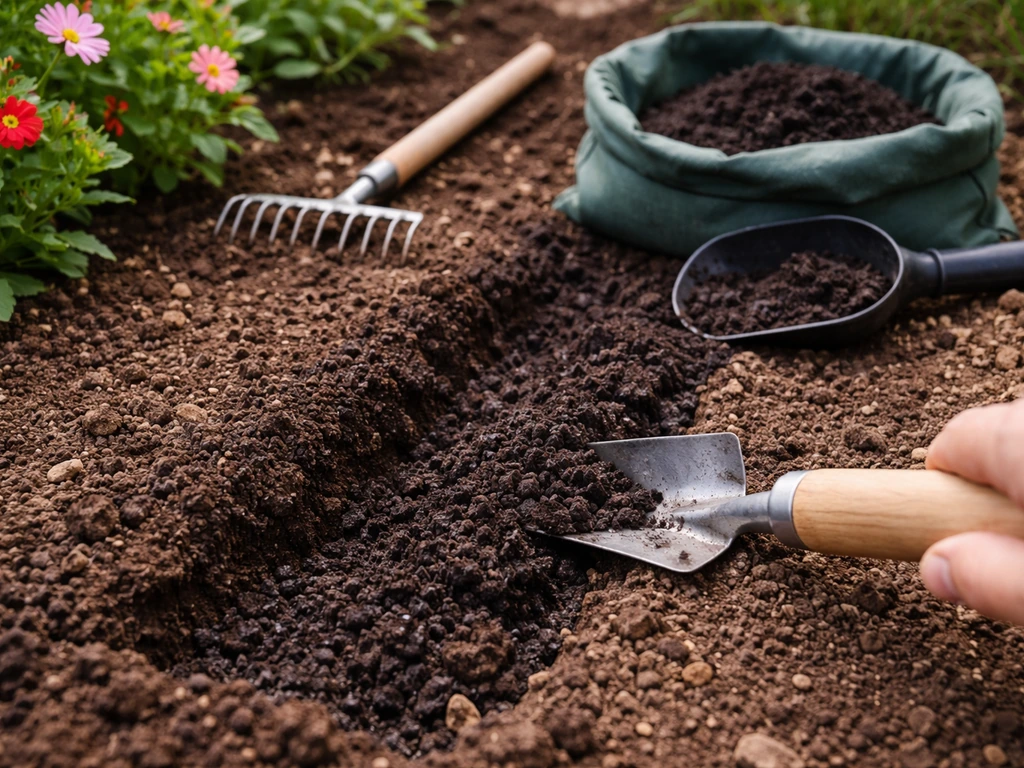
For flower beds, the goal is to incorporate compost as an amendment rather than replace your existing soil with it. A practical rate is about 1 inch of compost worked into the top 6–8 inches of your bed before planting. This roughly equates to 3 cubic yards per 1,000 square feet if you're doing a bigger area. If your soil is heavy clay, adding compost is especially valuable because it genuinely improves drainage and structure over time. For top-dressing established beds mid-season, use about half an inch spread around plants without digging it in. Keep it away from direct contact with stems.
One thing that surprises gardeners: more compost is not always better. Excess compost creates nutrient imbalances where plants actually show deficiency-like symptoms even though the soil is loaded with nutrients. The salt and phosphorus buildup can make it harder for roots to take up what they need. Stick to the 1-inch incorporation rule and resist the urge to double it.
In containers
Straight compost in a container is too rich, too dense, and too variable in drainage. A reliable general-purpose container mix for flowers uses roughly 25–30% mature compost, 25–30% perlite or coarse sand for drainage, and the rest peat or coir for structure. Another popular ratio among container gardeners is about one-third compost, one-third perlite, and one-third peat or coir. Both work well for ornamental flowers. What you're doing is letting the compost provide nutrients and moisture retention while the perlite keeps the mix from going waterlogged and the peat/coir gives roots something stable to anchor into.
| Use case | Compost ratio | What to mix with | Key caution |
|---|---|---|---|
| In-ground flower bed | ~1 inch incorporated | Existing garden soil | Don't exceed recommended rate; get a soil test first |
| Container potting mix | 25–30% of total mix | Perlite (25–30%) + peat/coir (remainder) | Use only mature compost; check EC below 2.5 mmhos/cm |
| Top-dressing (established beds) | ~0.5 inch surface layer | Applied on top, no digging | Keep away from plant stems |
| Seed starting | Not recommended as primary medium | Use sterile seed-starting mix instead | Phytotoxins and salts can kill seedlings |
Which flowers thrive and which need extra care
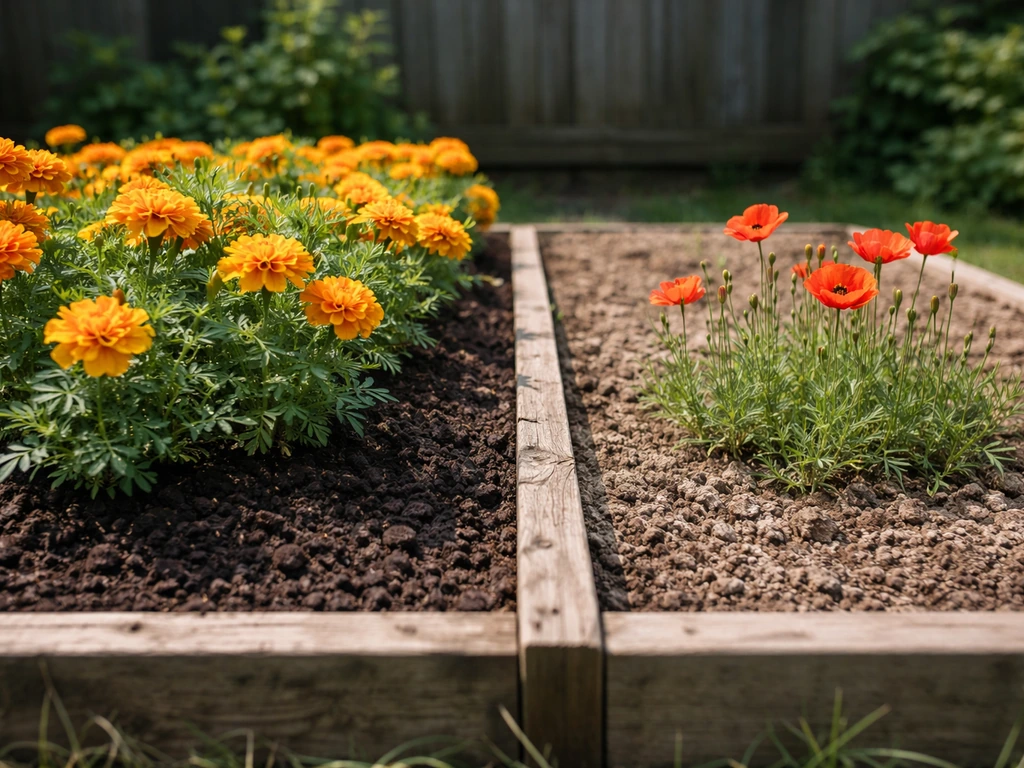
Most common garden annuals genuinely love compost-amended soil. Marigolds are almost embarrassingly forgiving and respond well to compost incorporation; they're a great first test plant if you're trying compost in beds for the first time. Once you understand how to grow climbing flowers, you can use the same compost principles to support healthy, steady growth marigolds, snapdragons, and poppies. Snapdragons do well in rich, well-draining compost-amended beds and appreciate the moisture retention that compost provides during dry stretches. Zinnias, cosmos, and sunflowers all handle compost-amended soil reliably. Wildflower mixes generally thrive when compost is worked into the surface before broadcasting seed.
Poppies are a slightly different case. They prefer leaner, less-rich soil and don't like being transplanted, so for poppies, a light compost incorporation (half the usual rate) is better than heavy amendment. Too rich a soil can actually push them toward lush leafy growth at the expense of flowers. Lavender, yarrow, and other Mediterranean-origin flowers also prefer lower fertility soil, so use compost sparingly with those rather than as a generous amendment.
- Marigolds: excellent response to compost-amended beds and containers
- Snapdragons: benefit from compost in beds, especially for moisture retention
- Zinnias and cosmos: reliable performers in compost-enriched soil
- Wildflowers and cutting-garden annuals: work well with compost pre-mixed into seed beds
- Poppies: prefer leaner soil, use half the standard compost rate
- Lavender and Mediterranean flowers: low-fertility preference, minimal compost only
Timing across the flower growing cycle
Starting seeds
Do not start seeds in compost, even finished compost. Even if you are trying to avoid seeds, the same compost and soil readiness principles can help your flowers establish from other planting methods Do not start seeds in compost. Use a sterile commercial seed-starting mix made from peat and vermiculite. It has no weed seeds, controlled nutrient levels, and predictable drainage. Compost is too variable and too rich for the seed stage. The risk of phytotoxins and salt burn killing embryos before they even emerge is real, and it's easily avoided by just using the right medium for this step.
Transplanting seedlings
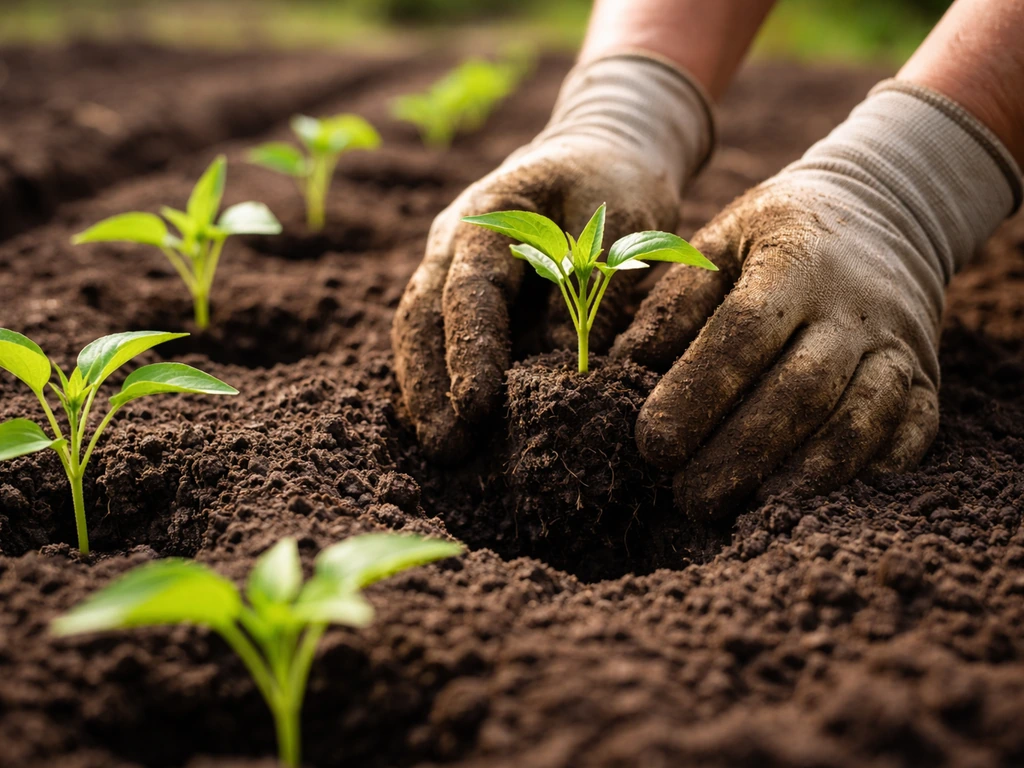
Once seedlings are ready to go into beds or containers (typically 4–6 weeks after germination, with a true set of leaves established), compost-amended growing conditions become a benefit rather than a risk. Prepare beds 1–2 weeks before transplanting by working in your 1-inch compost layer and letting it settle. For containers, mix your compost blend and let it sit for a day before planting. This gives any residual volatile compounds a chance to off-gas and lets the mix settle so you can judge true moisture.
Top-dressing during the growing season
A compost top-dress mid-season gives established flower beds a slow, gentle nutrient boost without the risk of burn that comes from synthetic fertilizer. Apply about half an inch around plants once they're actively growing, typically 4–6 weeks after transplanting or when direct-sown flowers have reached 4–6 inches tall. Keep the compost a couple of inches away from stems. Only about 5–10% of compost nitrogen and 30–50% of compost phosphorus becomes available to plants in the first year, so this is slow feeding, which is actually ideal for sustained blooms rather than a single flush.
Problems you might run into and how to fix them
Nitrogen burn or leaf scorch
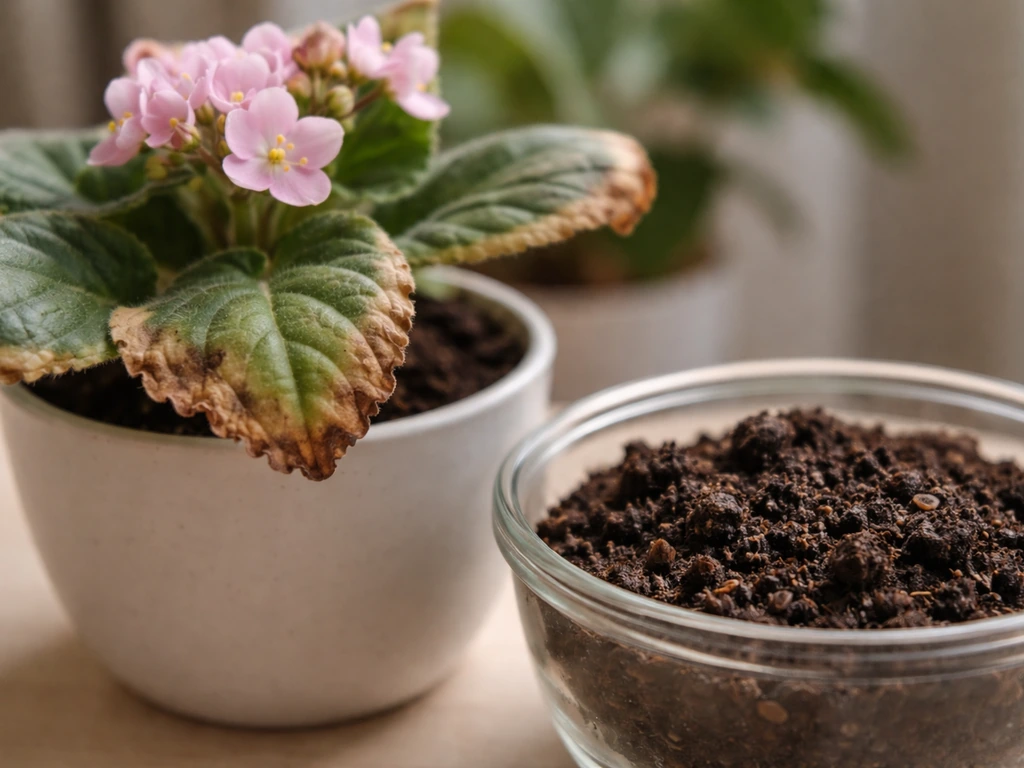
Leaf edges turn brown and crispy, almost like the plant was scorched. This usually means you used too much compost, the compost was too fresh, or your mix had high soluble salt levels. If this happens in containers, flush the pot thoroughly with water several times to leach out excess salts. In beds, top-dress with plain water and hold off on any other fertilizer.
Going forward, use finished compost at the recommended rate rather than pushing it. If you're using manure-based homemade compost, it's worth having it tested for EC before you use it again. Penn State Extension recommends analyzing soil or compost conditions with test data before adding compost as an amendment, including checking pH and nutrient balance [it's worth having it tested for EC](https://extension. psu.
edu/home-composting-a-guide-for-home-gardeners).
Weed explosions
Weed seeds are one of the most common complaints with homemade compost. Hot composting (where the pile reaches at least 130–140°F throughout) kills most seeds, but many home piles never get hot enough, especially at the edges. Fresh weed seeds that fall onto a cooling pile after active decomposition are also viable survivors. If your compost is bringing in weeds, switching to a commercially bagged product is the easiest fix because it's more reliably processed. For homemade compost, using it only in areas you can monitor and hand-weed early is practical management.
Drainage problems and waterlogging
Pure or heavy compost in containers holds too much moisture and can turn anaerobic fast, especially in pots without excellent drainage. If your compost mix [smells rotten (a sulfur or sewage note)](https://soiltesting-cahnr. media. uconn.
edu/wp-content/uploads/sites/3514/2023/05/Composting-troubleshooting-guide. pdf), that's a sign of anaerobic breakdown. Fix it by pulling the plant, mixing perlite or coarse sand into the medium, and repotting in a container with clear drainage holes. In beds, compost should actually improve drainage in clay soils rather than worsen it, but if you incorporated too much, breaking it up with a fork and adding coarse grit can help.
Clay soil can be tricky, but you can still grow flowers by improving drainage and mixing in well-finished compost for steady nutrients grow flowers in clay soils.
Slow growth or nutrient-deficiency-looking symptoms
Counterintuitively, too much compost can cause plants to look nutrient-deficient because of salt and phosphorus imbalances that block uptake. If plants look pale, stunted, or unhappy in heavily amended soil despite being watered and in good conditions, the fix is not adding more compost or fertilizer. Get a soil test, cut back on amendments, and let the existing organic matter work through. This situation is more common with repeat heavy applications year after year than with first-time use.
Pests attracted to compost
Partially decomposed organic material can attract fungus gnats in containers (they love moist, organic-rich soil) and sometimes slugs in beds. The fungus gnat fix is letting the surface of container mix dry out slightly between waterings and using finished rather than fresh compost. For slugs in beds, keeping a dry band of material around plant stems and using a top-dress rather than mixing compost into the surface helps reduce the damp hiding spots they prefer.
Your action plan for today
Whether you're prepping a bed for late summer planting, mixing up a container for a cutting garden, or troubleshooting something that already looks off, here's how to move forward without overthinking it. The most important first move is checking your compost before committing to a full planting. If you’re wondering, yes, you can grow flowers in a raised bed, as long as you use finished compost and mix it into the growing medium at a sensible rate can you grow flowers in a raised bed.
- Test your compost readiness: Fill a small cup with your compost, plant 10 radish or lettuce seeds, water lightly, and check germination in 5–7 days. 80% or more germination means it's ready to use.
- Smell check: Does it smell like fresh earth? Good to go. Does it smell rotten or like ammonia? Give the pile another 2–4 weeks, turn it, and retest.
- Choose your setup: For beds, plan for 1 inch of finished compost worked into the top 6–8 inches. For containers, build a mix of roughly 25–30% compost, 25–30% perlite, and the rest peat or coir.
- Pick the right flowers for right now: If it's late June, marigolds, zinnias, and cosmos from transplant are your fastest path to blooms this season. Start with compost-amended beds for these and you'll see results within 6–8 weeks.
- Skip compost for seed starting: Use a sterile seed-starting mix instead. Introduce compost once seedlings are established and ready to transplant.
- Top-dress mid-season: Once your transplants are settled in (about 3–4 weeks after planting), apply a half-inch compost top-dress around plants to feed them slowly through bloom season.
- Watch for warning signs: Crispy leaf edges mean too much salt or too-rich a mix. Rotten smell in containers means anaerobic conditions. Leggy, pale growth with no other explanation might mean nutrient lockout from over-amendment.
Getting flowers to bloom in compost-enriched soil is genuinely achievable, and once you nail the ratios and the readiness check, it becomes second nature. The learning curve is mostly just recognizing that compost is an amendment and a partner to your growing medium, not a replacement for it. Get that balance right and your marigolds, snapdragons, and cutting-garden flowers will show you just how much they appreciate it.
FAQ
Can I use compost in hydroponics or water-based systems?
Yes, but only if it is fully finished and you keep the total compost fraction modest. For containers, use a mix with about 25–30% mature compost plus drainage material (perlite or coarse sand) and peat or coir for structure, and let the blend sit for a day before planting so it settles and any remaining volatiles dissipate.
Can you grow flowers in compost tea or compost water instead of potting mix?
Not in the way most people mean. Compost is an amendment for soil or potting media, not a sterile nutrient solution, so it is prone to clogging, inconsistent nutrient release, and oxygen problems in recirculating systems. If you want “compost tea,” treat it as a soil/foliar supplement, not as the growing medium, and always strain well.
What’s the fastest way to add compost to an existing flower bed without digging?
If you cannot spare 1 inch of incorporation time, top-dressing works better than mixing for established plants. Apply about half an inch around plants, keep it a couple of inches from stems, and wait 2 to 4 weeks before judging results because compost feeds slowly.
Can I compost-amend for low-fertility flowers like lavender and yarrow, or will it ruin them?
Often, yes. Some flowers tolerate richer soil, but high-compost containers can still burn roots or cause “looks deficient” symptoms from salt and phosphorus imbalance. For Mediterranean plants like lavender and yarrow, start with a lighter amendment (use less compost than the general bed rule) and prioritize drainage materials.
Can I transplant seedlings into compost once they have true leaves?
Do not transplant into straight compost. If you are starting plants in pots, use either a compost-amended bed mix (about 1 inch worked in) or a container blend with drainage (roughly one-third compost, one-third perlite or coarse sand, one-third peat or coir). Straight compost in a pot is too variable and holds excess moisture.
Will using compost in beds increase weeds, and how can I reduce that risk?
Yes, but you should manage the weed risk proactively. Homemade compost that did not reach consistent high temperatures can carry viable weed seeds. If you want to minimize weeds, use bagged compost for seed-sowing beds, or restrict homemade compost to areas you can hand-weed early.
How do I tell if my compost is too fresh before planting flowers?
Look for signs of unfinished compost early: ammonia or rotten-egg odors, stunted growth compared to a control, poor germination in a quick radish or lettuce test, and leaf-edge browning in containers. If you see these, stop using it for planting and either let the pile finish or dilute it heavily into a reliable base mix.
What should I do if my compost is manure-based and I am worried about salt or burn?
For container plants, EC matters more than many gardeners expect. Keep the compost fraction limited and consider testing the compost if it is manure-based. If you do not have test results, dilute conservatively and watch for root-burn clues like crispy leaf edges or wilting after watering despite sufficient moisture.
Can I sow flower seeds directly into compost if I have a weed-free compost?
Use finished compost, not “partially decomposed” scraps. Compost works well for growth after seedlings are established, but seed embryos are much more vulnerable to phytotoxins and soluble salts. Start seeds in a sterile seed-starting mix, then move seedlings into compost-amended conditions.
What if my flowers look nutrient-deficient after adding compost?
If plants look pale or stunted after a heavy application, treat it as an amendment imbalance problem, not a “needs more food” problem. Get a soil test if possible, reduce future compost rates, and flush or improve the root-zone if in containers to reduce salt buildup.
My container plants have scorched leaf edges, what is the best immediate fix?
For containers, flush thoroughly if you suspect salt buildup (several deep waterings until water runs freely from drainage holes), then pause fertilizing and allow the mix to cycle through slightly drier conditions. For beds, top-dress less and hold off on fertilizer while you let the soil biology process the amendment.
Next Articles
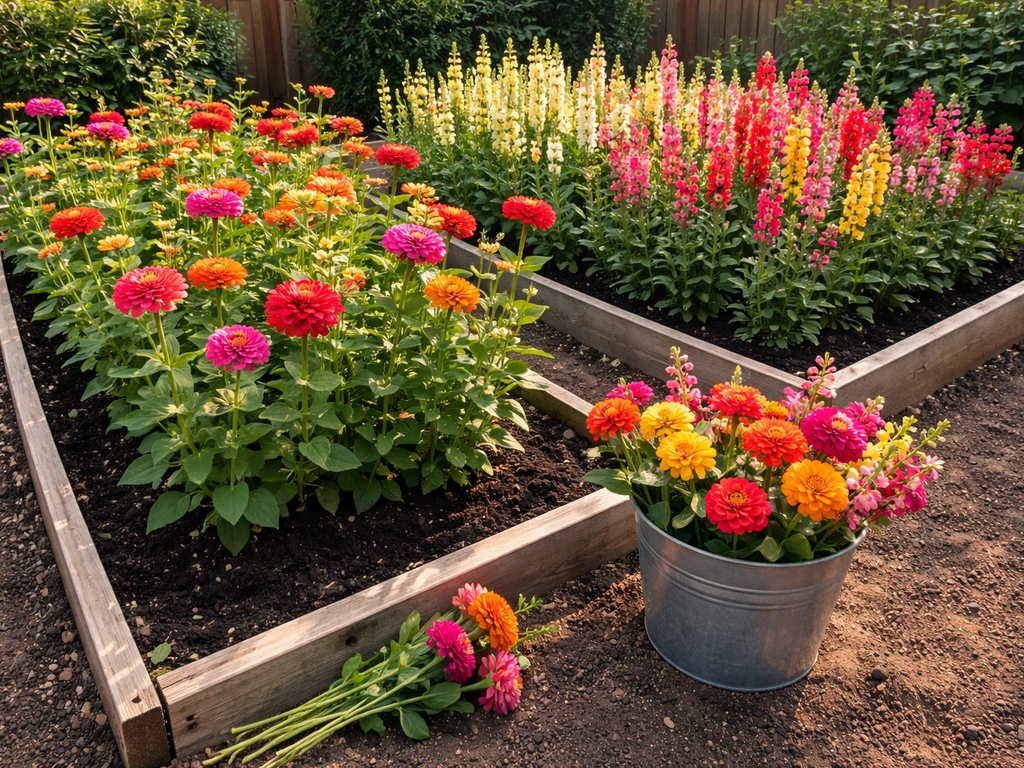
Can You Grow Flowers in a Raised Bed For Cutting
Yes, you can grow cut flowers in a raised bed: soil, spacing, drainage, plant choices, timing, care, and harvest tips.
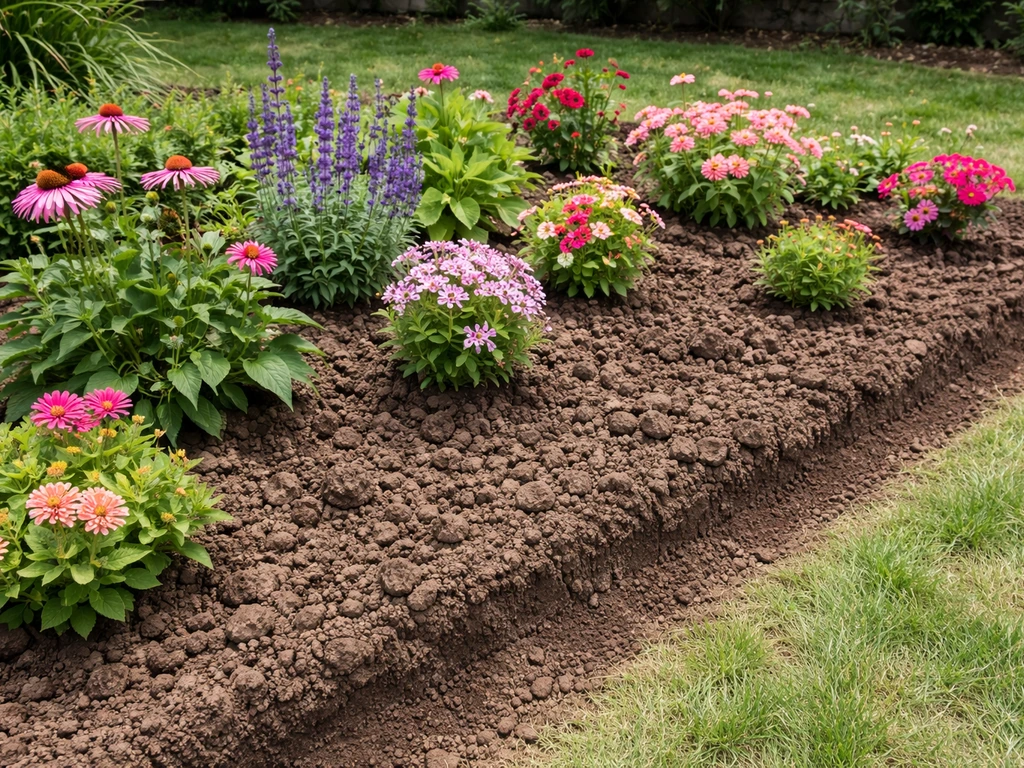
How to Grow Flowers in Clay Soil: Step-by-Step Guide
Step-by-step fixes for heavy clay: diagnose drainage issues, prep beds, plant seeds or transplants, water, mulch, and tr
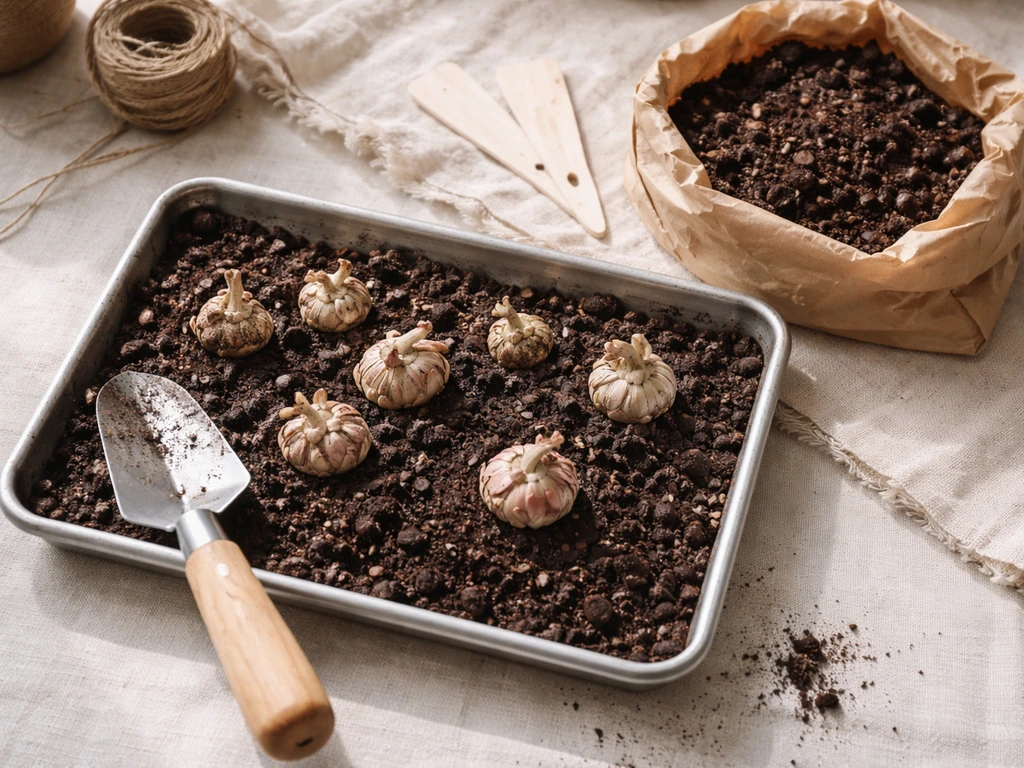
Floret How to Grow Ranunculus: Step-by-Step Guide
Step-by-step Floret-style ranunculus guide: corm prep, planting, watering, frost care, troubleshooting, and harvest for